Connect with us
DAPA Banner

Tech

12 Overpowered Motorcycles Beginners Should Steer Clear Of

Published

on


When it comes to starting out in the world of motorcycling, there’s a lot of marketing speak that gets tossed around. You’ll hear things like “race technology,” “so and so horsepower,” “carbon fiber,” and other terms that make very little sense. For a beginner who is looking to get their first motorcycle, all this jargon is quite confusing and can lead to some very impractical — or downright dangerous — decisions being made. So then, what should a beginner would-be biker look for in their first motorcycle? We can get a pretty good idea by trawling through the many “best beginner motorcycle” lists from publishers like VisordownMotorcycleNews, MotorcyclistOnline, and MotorcycleCruiser, all of which are review-focused brands that are very respected by the community. 

Many of the bikes on these brands’ lists come with engines around the 500cc mark or lower, with horsepower figures hovering between 50 and 80 hp. Additionally, when you look at motorbikes marketed as “entry-level” by big legacy brands, things like the torque curves and peak RPM figures are also much more docile. 

However, there are a great many bikes that an inexperienced beginner might think are good starter motorcycles, the truth is that they’re actually not. Many of the ones we’re about to list have extreme amounts of power from an otherwise innocuously-sized engine, while others would have unmanageable torque from low RPMs. The point is, none of these bikes look inherently bad for a beginner, but they are — they should be saved for later down the line.

Advertisement

Harley-Davidson Sportster S

Throughout the history of Harley-Davidson, the company has produced some of the most iconic motorcycles known to mankind. There is absolutely no doubt that Harley is one of the greats when it comes to making bikes, but this doesn’t mean that every bike it makes is suitable for beginners; very few are, actually. Take the Harley-Davidson Sportster S for instance. In recent years, the bike has shipped with the Revolution Max 1250T engine from Milwaukee House. Displacing a gigantic 1,252 cc across the now-legendary V-twin dual-cylinder layout with a bore of 105 mm and a stroke of 72.3 mm, the engine makes a whopping 121 hp along with 92 lb-ft of torque. 

The peak figures for the power and torque come in at 7,500 and 6,000 RPMs respectively, which are points that could catch a beginner off-guard as the delivery is anything but smooth. Furthermore, the weight of the bike is quite unmanageable for beginner riders, coming in at 503 pounds with all fluids in place. Now, normally, that weight wouldn’t be too bad all things considered, but when you look at the overall length of the bike — just 89 inches long — and the very set-back seat position, the problem becomes clear. The majority of the bike’s quarter-ton weight would be concentrated towards the front, which gives it that sporty handling characteristic but also makes it easy to over or understeer for beginner riders.

Advertisement

Yamaha MT-07

Reports abound of the MT-07, a rather plain-jane-looking offering from the Japanese company, Yamaha, being described as a “wheelie monster,” with many owners posting videos to YouTube and sharing stories on forums about how their MT-07 suddenly decided to pop the front wheel in the air. In terms of specifications, the figures aren’t too bad, coming in with a wet weight (which means with all fluids accounted for) of 403 pounds, a seat height of 32 inches, and an overall length of 81 inches. 

The engine in the MT-07 is, in 2026, a 42 cubic inch (689 cc) twin-cylinder unit that is paired to a six-speed transmission, routing power to the rear wheel via chain final drive. All that is pretty standard; and even the power output stands at a fairly reasonable-but-on-the-higher-side 73.4 hp, along with 50 lb-ft of torque. 

The main issue comes in when one looks at the torque curve of the MT-07, because the bike makes peak torque from just 6400 RPM. Furthermore, while the curve is “linear”  (or smooth in other words), the horsepower is not, with a significant way to go to peak hp while peak torque is met. In other words, peak power comes in much later at about 8600 RPM. This delta in torque though relatively few RPM cycle increases is what makes the bike bad for beginners, leading novice riders popping wheelies left and right.

Advertisement

Yamaha MT-09

To the untrained eye, the Yamaha MT-09 looks like nothing out of the ordinary. It’s even a bit of a sleeper bike. While it looked like your run-of-the-mill commuter motorcycle that wouldn’t look out of place in an office parking lot, it’s actually quite performant. Too much so for beginners, in fact — it ships with a wet weight of 425 pounds, an overall length of 82 inches, and a seat height of 33 inches. All those features are not the deal breaker; the engine is. It is a 54 cubic inch (890 cc) unit that spreads that displacement across two cylinders, via a bore of 78 mm and a stroke of 62.1 mm. 

The final power output figures stand at an eye-watering 115 hp, along with 68 lb-ft of torque, which gets sent to the wheel via a six-speed transmission. Peak torque comes about at a reasonable 7,000 RPM, while peak horsepower takes a lot longer, coming in at 10,000 RPM. As such, the MT-09 is not only too powerful for a beginner; like the MT-07, it has a somewhat unpredictable power delivery. The good news is that as riders get more experience riding more beginner-friendly bikes around, this will cease to be a problem. In other words, the MT-09 has all the makings of a great bike, just not for absolute novices.

Advertisement

KTM 790/890 Duke

Austrian manufacturer KTM, which stands for Kraftfahrzeuge Trunkenpolz Mattighofen, makes the Duke 390, one of the most beginner-friendly bikes out there. It’s therefore confusing to see the same model line included on our list. However, the Duke 790 and 890, while being from the same family, are extremely different beasts. For starters, the 790 weighs just 412 pounds in running order, and comes with a 799 cc, two-cylinder engine making 95 hp and 64 lb-ft of torque. 

The 890 isn’t much better in this regard, making 120 hp and 73 lb-ft of torque from an engine that displaces 890 cc across the same twin cylinders. Both bikes utilize a six-speed transmission and feature liquid cooling, as is expected. Peak torque for the 780 comes in at 8,000 RPMs, while the 890 makes its peak torque slightly earlier, at 7,750 RPMs. 

Advertisement

That’s the main issue of both of these bikes — they’re massively overpowered. Smooth power delivery aside, they’re just unsuitable for beginner riders. For those who are fans of the brand or who like the design aesthetics of the bike, choosing a smaller, more manageable option like the KTM 390 is definitely the way to go. You can always upgrade to a larger-displacement bike down the line once you’ve gotten more experience as a rider.

Advertisement

Suzuki SV650

The SV650 from Suzuki comes with a 645 cc, V-twin cylinder engine making 75 hp along with 47 lb-ft of torque, featuring a six-speed transmission. A key benefit of the SV650, touted by many reviewers, is its stellar fuel economy, which comes in at about 40 mpg. With a fuel capacity of 3.8 gallons, that means riders can expect about 152 miles of range between fill-ups. Sadly though, the SV650 from Suzuki remains a poor choice (in our eyes) for a beginner motorcycle, partly due to most of the torque from its V-twin becoming available from a mind-bogglingly-low 3000 RPMs. 

For reference, if one was to turn the accelerator handle just half of the way (on most models), you would reach 3000 RPMs without breaking a sweat. Now, this early torque does mean that the SV650 will almost never struggle to accelerate no matter what speed you’re at or what gear you’re in, but it’s just not beginner-friendly in the long run. Aside from getting riders used to an uncommon power delivery system, the low-RPM torque also makes it difficult to adjust to other models down the line. When you move to another bike after growing accustomed to not having to account for RPM jumps and torque kicking in late, it’s a disaster waiting to happen. However, in all other regards, the SV650 remains a fantastic offering that should be explored later down the line.

Advertisement

Kawasaki Z900

The “Z” line of motorbikes from Kawasaki has the naked versions (bikes with minimal fairing and body paneling) of their regular sportbike lines. To the untrained eye, the Kawasaki Z900 simply looks like a bored-out version of the Z650 — which is a good beginner bike, to be clear — but the truth is anything but. Under this sleek, tubular, matt-black frame lies a 948 cc, four-cylinder engine that arrives paired to a six-speed transmission. 

Almost being a liter-bike itself, its power figures are expectedly insane, coming in at 124 hp and 73 lb-ft of torque. Furthermore, peak torque kicks in at 7,700 RPM, while peak RPMs come in a tad bit later at 9,500 RPM. There’s also the topic of bulk; the Z900 comes in with a running-order weight of 467 pounds and is a manageable 82 inches in length. So, while the bike certainly isn’t for beginners or the faint of heart, it’s certainly an exciting model that every biker should ride at least once. After all, it’s not every day that a legacy brand makes a street-legal hypernaked rocket bike.

Advertisement

Honda CB1000R

There is a common consensus in the motorbiking community: A liter-bike (a bike with a displacement of a cubic liter or more) is definitely not the place to start out. Bikes like the Honda CB1000R are exactly why this even needed to be a discussion in the first place, especially since its looks belie its true performance. 

At first glance, you’d be forgiven for thinking that the CB1000R is just another run-of-the-mill weekend sportbike meant to make a lot of noise, and that’s about it. However, with 143 hp and 77 lb-ft of torque delivered from its 998 cc, quad-cylinder engine, this notion is put to rest with a half-turn of the accelerator. All that power is shot straight to the rear wheel via a six-speed transmission featuring chain final drive. 

In terms of the bike’s dimensions, the overall length sits at 83 inches, while the 33 inch seat height with a fairly upright riding position makes the CB1000R quite comfortable, even for long distances. The bike is also on the heftier side — another con for beginner riders — as it tips the scales at 466 pounds with all fluids accounted for. With that said, we’ll take you back to the rule of thumb when looking for a beginner bike: Try to find something under 500 cc and around 70 hp, and you’ll be golden.

Advertisement

Suzuki GSX-S750

750 cc isn’t an insanely-high displacement. It’s certainly on the heftier side, but that isn’t too implausible for talented riders. At least, that’s the argument that many beginners have in their heads when looking at one. However, we present the best counter-argument to this sentiment in the form of the Suzuki GSX-S750. It is essentially just a scaled-down version of the company’s sport-focused Suzuki GSX-R750, known as the “Gixxer” fondly in the community. 

Yet even the most die-hard GSXR fans will never tell you that it is a good beginner bike, and that’s with good reason. The slightly-scaled-down GSX-S750 comes with a 749 cc engine that has a bore of 72 mm and a stroke of 46 mm, spreading its displacement across four cylinders. 

The bike features chain final drive, and has a six-speed transmission that has a wet multiplate clutch, like many of the other models on this list. However, the GSX-S750 makes an insane 113 hp, along with 60 lb-ft of torque, while weighing a reasonable 465 pounds; in totality; taken altogether, that’s gextremely unmanageable for a beginner rider. The scary bit is that the 750 probably seems like a good middle ground between 500 and 1000 cc bikes, perfect for those who “want a little more power” but not too much. Well, considering that the 750 makes borderline econobox car hp, it should be shelved — at least for novices.

Advertisement

Triumph Speed Twin

For starters, the Speed Twin from Triumph is pretty hefty, coming in with a running-order weight of 476 pounds. It’s not exactly compact either, with a wheelbase length of 56 inches and a seat height of 32 inches. Speaking of the seat, it too, like the Harley-Davidson Sportster S, features one that is significantly behind the bike’s center of gravity, which gives it great handling characteristics. 

The main con of this layout is that it would require a lot of experience to know how to get the most out of that great handling. That’s not something beginner riders would have. The engine in the Speed Twin is a 1,200 cc, twin-cylinder unit that makes a whopping 104 hp, along with a respectable 83 lb-ft of torque. However, the delivery of that torque is exciting for experienced riders but borderline sketchy for novices. 

At just a hair over 3,000 RPM, the bike would be making the majority of its 77 lb-ft of torque (about 70 hp at 3,150 RPM); but the hp curve takes a while to catch up. Until about 5,000 RPM, the bike makes more torque than hp — which is okay — but between 5,000 and 6,000 RPM, the opposite happens. There is a jump to about 90 hp with a fall-off in torque to about 60 hp at this time, which would create unmanageable lurching for inexperienced riders. So, while it’s a brilliant bike overall, beginners should stay away from it.

Advertisement

BMW F850GS and F900R

These two bikes, much like the KTM Dukes above, have performance that belies both the looks and reputation of the model line. For starters, the two seem like perfectly decent middleweight bikes, but both have three-digit horsepower figures, with power delivery that many beginners would find unmanageable unless they are extremely familiar with controlling rev ranges. 

The F850GS has an 853 cc, two-cylinder engine that makes 95 hp with 68 lb-ft of torque, with peak power arriving at 8,250 hp, and peak torque coming much faster, at 6,250 RPM. The F900R, for its part, comes with a very similar 895 cc, twin-cylinder engine; though it makes 105 hp and 68 lb-ft of torque, with similar RPM peaks. 

Advertisement

Where the F850GS weighs 505 pounds and is 91 inches long, the F900R comes in at 459 pounds in running order, with a length of 84 inches. Furthermore, both bikes have a six-speed transmission that drives the rear wheel through chain final drive. Much like some other units that we’ve looked at so far, the torque curve (in turn, the power delivery) are what make both of these bikes problematic for new riders. With jumps between the power seen at the rear wheel in relatively low RPMs, novices would struggle to control the throttle.

Advertisement

Indian FTR 1200

For those who are unaware, the Indian FTR is a series of sport-naked bikes from the major American company that is best-known for its long-distance cruiser motorcycles. In recent years, the FTR has shipped with a 1,203 cc engine that spreads its displacement across the brand’s legendary twin cylinders and comes with a six-speed transmission. 

The total power output for this monster stands at 123 hp, along with 87 lb-ft of torque; peak torque clocks in fairly low, at 6,000 RPM. The bike is also quite light (for a 1200 cc bike, anyway), coming in with a weight of 508 pounds with all fluids installed. This means the Indian FTR is supremely overpowered, while being decently light for the class. This is a good thing for bikers that know how to control it. The length is also on the higher end, coming in at 88 inches in total; the seat height is an admittedly decent 31 inches. The reason this bike doesn’t suit beginners is power, plain and simple: There’s too much of it, delivered too quickly and in an unpredictable fashion.

Advertisement

Indian Scout

In much the same vein as the Indian FTR above is the Indian Scout. As of early 2026, the Scout is offered in five different variations, all of which are priced in the low five figures. Both engines are V-twin units; but it’s the flagship bike, called the Indian Super Scout, that we want to talk about. 

When it comes to the Super Scout, it produces a massive 105 hp, along with 82 lb-ft of torque while weighing a (relatively) hefty 587 pounds. It’s quite sporty for a cruiser, and is the kind of bike that would encourage riders to give the throttle just a little bit more oomph — which is why it’s problematic. The Super Scout isn’t suited to new riders simply because the torque delivery doesn’t match the vast amounts of power it has; the “road feel” while riding would be very different from reality.

Advertisement

Methodology

We wanted this to be a list of bikes that beginners might consider that aren’t suitable for novices. First, we began by narrowing our search to bikes above 500 cc and below 1200 cc — which is a range that new riders are likely to want to buy in. Then, we identified which of these models made above 70 hp, as this would result in a power-to-weight ratio of 1:6.5 or at least something in that range. 

Having factored in the weight, we analyzed a dyno torque curve for each model that we listed, published by reputable companies like CycleWorld.  We looked for models where there was mismatch between the power and torque kicking in, which would be a problem for beginners. Lastly, we made sure that every model on this list was still on sale within the past five years, as we think that no beginner would be buying a bike older than that for a starter.

Advertisement


Source link

Continue Reading
Click to comment

You must be logged in to post a comment Login

Leave a Reply

Tech

Does Your AI Agent Need a VPN? The Company Behind Norton and Avast Thinks So

Published

on

A VPN, or virtual private network, is an important tool for privacy and security. It works by hiding your IP address from public view, helping you access content that might be region-restricted or censored. Many VPNs, like Windscribe, also offer additional features, such as ad blocking. 

But it may never have occurred to you to give your AI agent VPN access, too. 

If you use OpenClaw, ChatGPT or one of the many other LLMs with access to the internet, your autonomous AI agent can now take advantage of the same privacy and security features. 

Advertisement

Gen Digital’s VPN for AI agents, from the company behind big names like Norton and Avast, will now let you route your autonomous AI agent through its VPN for Agents. It’s available through the Gen Agent Trust Hub and powered by Norton VPN

“Using a VPN with an LLM can provide several advantages, such as keeping your identity private. Your internet provider won’t be able to see your AI agent’s activity, or that you’re using an AI agent,” said Moe Long, CNET senior editor. 

“You can also unblock regional content in an LLM. Running your VPN through an AI agent may let you avoid traffic throttling or blocked access. Gen’s VPN for AI Agents works with multiple AI agents, doesn’t require any downloads or client setup, and has multiple tunnel tech that lets you run several agents simultaneously through a VPN.” 

Advertisement
VPN image hovers above a person at a computer

A VPN offers improved security and privacy for your internet activities, preventing an ISP and other actors from tracking you. 

Panchanut Chobjit/Getty Images

Long said more people are turning to AI agents, but those agents often access the internet without additional protection, meaning your IP address is associated with all their activities. That means not only does your ISP see your activities via the AI agent, but the agent also can’t access regional content or bypass throttling or restricted access.

Windscribe recently debuted OpenClaw agent support, and Gen Digital now has a VPN that supports multiple LLMs, including OpenClaw and ChatGPT

Atila Tomaschek, CNET senior writer, said that Windscribe expresses it in its blog post, where the company notes: “If your agent gets a little too enthusiastic and triggers a security challenge or lands on a blocklist, it’s your digital reputation on the line, and potentially your entire home network that takes the hit.”

Advertisement
The OpenClaw AI logo

OpenClaw is one of the major AI agents that will be able to take advantage of VPN services.

OpenClaw

“Perhaps most importantly, your ISP can’t distinguish between your own internet traffic and that of your autonomous AI agent,” said Tomaschek. “But with this integration, as well as with Windscribe’s, the VPN encrypts the agent’s traffic as well, so basically you’re protected from whatever your agent might autonomously get up to on the internet.” 

A representative for Gen Digital did not immediately respond to a request for comment. 

Advertisement

Source link

Continue Reading

Tech

‘Exclusion compounds’: Women in tech push to shape AI before it’s too late

Published

on

Panelists during a session at the Women in Tech Regatta in Seattle on Wednesday. From left, moderator Sarah Studer of the University of Washington, Maria Martin of Nordstrom, Nandita Krishnan of Adobe, and Anya Edelstein of Highspot. (WiT Regatta Photo)

Women have long been left out of the datasets and decisions shaping everything from car safety to medical diagnoses. Industry leaders warn a rushed approach to artificial intelligence risks repeating those patterns.

That was a central message at this week’s Women in Tech Regatta in Seattle, where speakers urged earlier and broader participation in AI development as adoption accelerates.

“Exclusion compounds over time and becomes much harder to detect,” Anya Edelstein, learning experiences manager at Seattle-based Highspot, said during an AI leadership panel on Wednesday. “If your perspective isn’t taken into account in the room when those decisions are initially made, it’s harder to make a change later down the road.”

Over the past few years, researchers have sought to mitigate the failures of machine-learning models trained on biased or skewed datasets, including misdiagnosis of kidney failure in women. In the meantime, women worldwide are about 20% less likely than men to engage with AI tools, furthering the training disparity.

In the tech field, at least, the AI gender gap seems to be closing. It’s a noteworthy shift as companies race toward automation at scale, and concerns about misinformation and data security swirl around Anthropic and OpenAI going public

Advertisement
Women are leading AI strategy – with caution

Most women in senior roles (80%) are driving AI strategy in the workplace, where they prioritize responsible adoption over speed, according to a poll of more than 1,700 industry leaders published earlier this month by Chief, a women-focused leadership network.

This is often in contrast to company pressures to deploy AI tools and strategies at an increasingly rapid pace, said Maria Martin, product management director at Nordstrom. 

“There’s less runway between a decision getting made, and a decision scaling,” Martin said at the panel Wednesday. “It’s important to get ahead and get involved early.”

In the group of women Chief surveyed, 71% were first at their companies to flag AI risks.  

Advertisement

“If we’re not intentionally creating interventions every step along the way,” said Edelstein, “bias has an opportunity to creep in.”

Getting women into the room

The problem with bringing qualified women into AI leadership and decision-making spaces may start with hiring. At least two-thirds of recruiters use AI to screen candidates, a process shown to reproduce race and gender bias, often intersectionally. 

Attendees connect at the Women in Tech Regatta in Seattle on Wednesday. (Courtesy of WiT Regatta)

In 2024, researchers at the University of Washington found that AI resume screeners choose masculine names over feminine 89% of the time, and white-associated names over Black-associated names 85% of the time. A year later, UW found that hiring managers mirror their AI model’s biases

Women and people of color face pressures to assimilate and code-switch – like using a race-and gender-neutral name on a resume – before they even enter the office. Once they’re hired, it’s about finding the right people for support, said Cynthia Tee, a longtime engineering leader and computer scientist.

Tee suggests more industry leaders can implement a sponsorship model, which requires greater intention, tangible risk and cost compared to typical allyship in the workplace.

Advertisement

“Keep insisting on promoting people who deserve it,” Tee said during a panel about navigating workplace dynamics. “Keep bringing more diverse people through your hiring pipelines. Keep bringing up people whose voices are not heard.”

The AI conversation is for everyone

There can be a confidence barrier to understanding or using AI, partially due to the industry’s “black box” design. Nandita Krishnan, a data scientist at Adobe who builds apps on the side, suggests setting time aside every week to read up on the latest news and experiment with automating daily tasks. 

“If you’re vibe coding, do it in a manner that makes the software still secure,” she said at the panel with Edelstein and Martin. “When you’re building out AI systems, it’s very prone to hallucinate. Add something to ground the LLMs, and give your agent this fact or database of knowledge to make sure it does not derail.” 

Participation in AI decision-making isn’t limited to technical expertise. Edelstein suggests establishing values around AI – including education, healthcare and the environment – and finding industry leaders or companies who align to engage with.

Advertisement

Many workers are learning AI out of fear of being left behind, she added, but curiosity leads to better outcomes. 

“If we can shift a lot of the perceptions around AI,” she said, “that is the first step to bringing more people into the conversation.”

Source link

Advertisement
Continue Reading

Tech

Rust Helps Make A $1 Handheld Console

Published

on

These days, even an old Game Boy will set you back $100 or more, and a new handheld console will be many multiples of that. However, you can build a really cheap handheld gaming toy if you follow [Chris Dell’s] example.

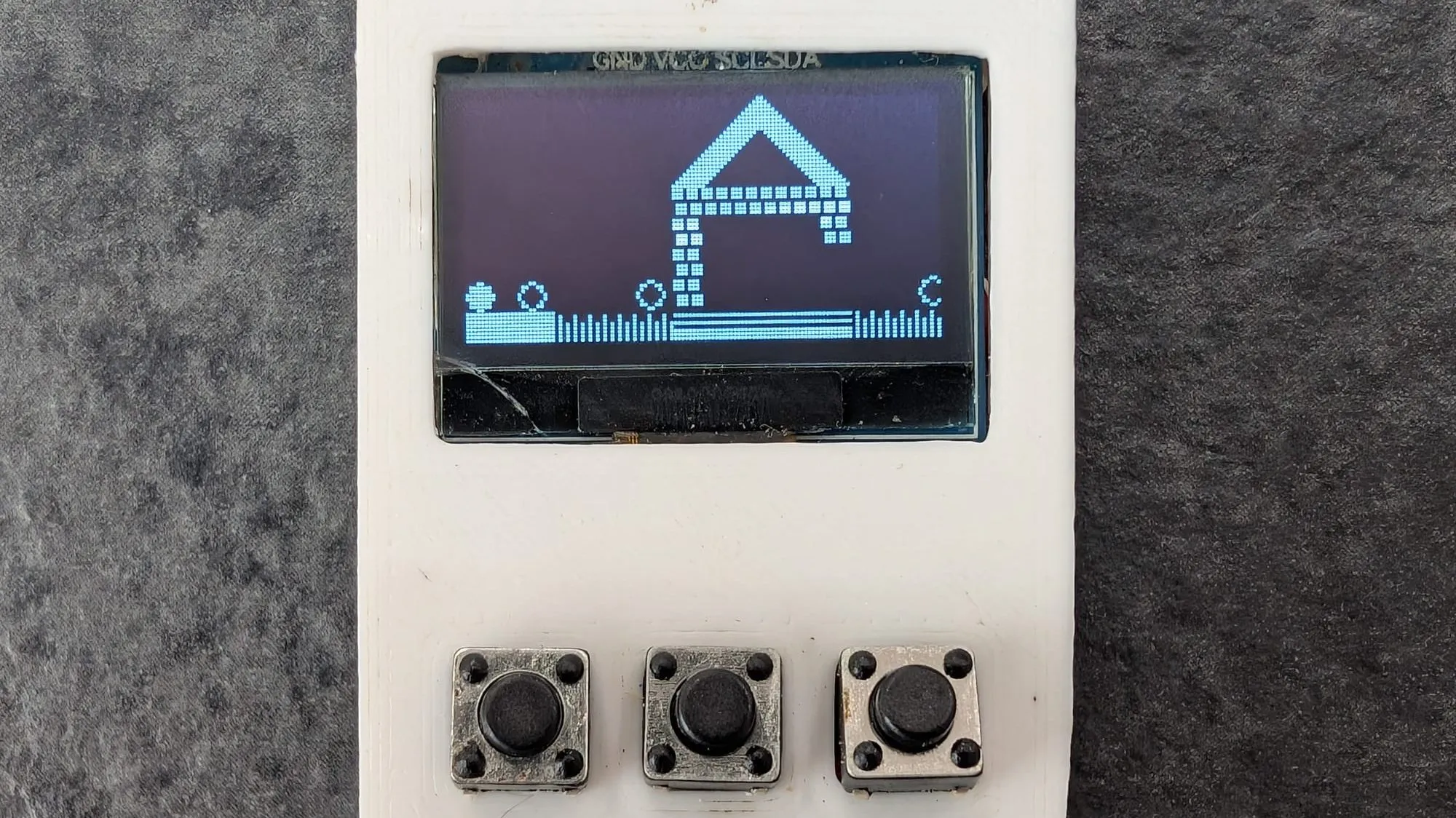
In [Chris]’s own words, he used Rust to build a $1 handheld gaming console. How is that possible? Well, it all comes down to the CH32V003—a microcontroller cheaper than just about anything else out there. It sells for just 9 cents in bulk, and it’s no slouch either. The RISC-V device is a fully-fledged 32-bit chip running at 48 MHz, though with only 2 KB of RAM and 16 KB of flash. Still, that’s more than enough to make some little games. To this end, [Chris] paired the CH32V003 with an SSD1306 OLED display, and three tactile pushbuttons. He then whipped up some code in Rust with the aid of the ch32-hal project, implementing a neat platform game that ran at a healthy 25 fps.

The CH32V003 probably won’t be starring in a new handheld gaming revolution anytime soon. Still, it’s always interesting to see just what can be achieved with one of the cheapest microcontrollers on the market.

Advertisement

[Thanks to Kian Ryan for the tip!]

Source link

Advertisement
Continue Reading

Tech

Trump’s Surgeon General Search: Casey Means Out, Casey Means In Groucho Glasses & Mustache In!

Published

on

from the sheep’s-clothing dept

A quick reminder: America has not had a confirmed Surgeon General at the federal level since January of 2025. Yes, that’s over a year ago. How we got here is a microcosm of the Trump administration generally: chaos, misfires, and the wrong people at the very top. Janette Nesheiwat was Trump’s first nominee. MAGA gremlin Laura Loomer complained about her very loudly, leading Trump to obediently pull back the nomination.

In her place, he then nominated Casey Means in May of 2025. Means has been described as RFK Jr.’s “favorite wellness influencer”, which is a more subtle way of saying that she’s not a licensed doctor. That fact generated a lot of pushback in Congress, not only from Democrats, but Republicans too. Then, during her confirmation hearing in March of this year, Means dodged questions about vaccines as much as she possibly could, leading Senators like Bill Cassidy and others to question what her actual belief structure on vaccines is, and how much it aligns with RFK Jr.’s. Ultimately, few people thought her nomination was in a good place when it comes to confirmation.

Trump finally woke up to that fact, angrily of course, and has now pulled the Means nomination as well. In her place, he has now nominated radiologist Nicole Saphier, who also moonlights as a health commentator for Fox News. In many ways, Saphier is merely Casey Means wearing sunglasses and a false mustache.

In some ways she’s different. For instance, she’s an actual practicing doctor. On the other hand, she’s caked in the same wellness industry nonsense as Casey Means.

Advertisement

Saphier got her medical degree from Ross University School of Medicine in Barbados, according to her LinkedIn profile. She then completed a radiology residency through Creighton University School of Medicine. She joined Memorial Sloan Kettering Cancer Center in 2016 and has been a Fox News contributor since 2018. She is also the founder of Drop Rx, a herbal supplement business that develops “clean, thoughtfully crafted tinctures that support focus, calm, balance, and overall wellness.”

Her Instagram account is peppered with dubious wellness claims such as “rosemary and sage decrease Alzheimer’s risk.” In another, she gathered friends for a “turmeric and cinnamon infused anti-inflammatory tea (yes, @drop__rx) … Topped off with a glass of champagne.”

As for the topic of vaccines, her commentary rings as though she has a similar belief structure to Means, but knows how to hide it better.

On this front, she appears to walk a fine line—being skeptical of vaccines and critical of vaccination recommendations, while avoiding overt opposition to them. In 2022, she falsely claimed on social media that the Centers for Disease Control and Prevention was set to mandate COVID-19 vaccines for schoolchildren—something the CDC does not have the power to do; school vaccination requirements are set by the states. Despite being wrong, her claim sparked outrage among right-wing media.

In August, she posted a video criticizing the American Academy of Pediatrics for continuing to recommend COVID-19 vaccines for children—after Kennedy had unilaterally dropped the recommendation in line with his anti-vaccine views.

Oh, and she was more than a little careless when it came to COVID.

Advertisement

In Dec 2021, Nicole Saphier — a Fox contributor now tapped as Trump’s surgeon general nominee — argued that “it is time to move forward and allow this mild infection to circulate so we can continue to build that hybrid immunity.”250,000 Americans died of covid in 2022.

Philip Bump (@pbump.com) 2026-04-30T16:53:40.448Z

This administration keeps making the same mistakes over and over again. The dual facts that we’ve been without a confirmed AG for over a year into this administration and that we can’t get a vanilla nominee that can pass through to confirmation without generating headlines is both crazy and a complete failure of this administration.

Trump has been on a tirade blaming Cassidy for all of this. But Cassidy isn’t the problem here. Trump and Kennedy keep stepping on rake after rake by nominating the wrong people for important jobs. I doubt that anyone that was skeptical of Means won’t have the same concerns about Saphier, so we may be back at this all over again months from now.

Filed Under: bill cassidy, casey means, donald trump, maha, nicole saphier, rfk jr., surgeon general, wellness influencers

Advertisement

Source link

Advertisement
Continue Reading

Tech

Global Math Gains for Girls Are Slipping, Report Finds

Published

on

Global data on math achievement is revealing a dismaying trend: Girls are doing worse than boys — and the margins are huge.

In 2023, fourth-grade boys outperformed their female peers in a vast majority of schools, growing the gender gap that existed prior to the pandemic, according to an international study released last week.

Among eighth-graders, the rate of boys scoring higher than girls increased exponentially since 2019, rolling back gains in math equity that had been shaping up for more than a decade. Matthias Eck, a program specialist for UNESCO’s Section of Education for Inclusion and Gender Equality, tells EdSurge that prior data showed girls were catching up with boys in math achievement.

“But in the latest data, we see that the gap is widening again between girls and boys, and that’s at the detriment of girls, which is quite concerning,” he says.

This international trend echoes what U.S. analysts saw when data from the Nation’s Report Card was released last year.

Advertisement

The latest analysis is based on data from the Trends in International Mathematics and Science Study (TIMSS), a global study published every four years that measures math and science achievement among fourth- and eighth-grade students. The International Association for the Evaluation of Educational Achievement performed the analysis in partnership with UNESCO.

Widening Achievement Gaps

The new data is part of the first set of TIMSS results that measure student performance following the onset of the pandemic. The analysis shows that among top performers in fourth grade, 85 percent of counties’ results skewed toward boys. Slightly over half of the countries and territories from which data was collected have an advanced math achievement gap that favors eighth-grade boys, while none are lopsided toward girls in either grade.

Eck, one of the report’s authors, argues the data shows a correlation between longer school closures and higher rates of learning loss in math, with some variation among countries and territories. “One of the hypotheses is really that those disruptions during the pandemic may have exacerbated existing disparities and have reduced learning opportunities for girls, and potentially those that were at risk of low achievement have been more affected,” Eck says. “The fact that girls were out of school and were not in the learning environment, it could have impacted their confidence, but that’s just the hypothesis.”

But the numbers contain other alarming signals.

Advertisement

For example, the share of regions with a gender gap among fourth-grade students who are failing to reach basic math proficiency is on the rise, and most of them have a higher proportion of struggling girls, according to the report. And while the gender gap in underperformance among eighth-graders is shrinking, the proportion of countries and territories where girls have a higher failure rate spiked.

Researchers are being cautious when it comes to drawing conclusions about the causes behind the results, but girls’ experience of gender stereotypes and confidence in their math abilities can play a role.

“Boys and girls are equally able in mathematics, but these learning outcomes can be shaped by a range of factors,” Eck explains, “and that can be persistent gender stereotypes, but also teacher expectations — and they’re based, of course, on those gender stereotypes.”

Targeted Solutions

UNESCO is pushing education systems across the globe to take a hard look at whether their gender equity strategies are working, especially efforts aimed at younger students.

Advertisement

Eck notes that the consequences of girls’ achievement in math can have far-reaching effects in their lives — and very real consequences in societies writ large. “We know that mathematics is quite foundational to learning across the school subjects, it’s also critical for pathways into science, technology, engineering, mathematics careers,” he says. “These sectors are at the center of innovation, technology advancement, inclusive growth and sustainable development, so that’s quite concerning in terms of those sectors.”

But there’s no widely accepted solution to this problem.

Increasing girls’ math performance will take work at the national policy level, local communities, within families and the culture of classrooms, Eck says. And changes have to include challenging gender stereotypes that limit how far girls think they can go in mathematics, he adds.

“I think what is really critical is that we see those large gaps emerging early, at the fourth grade level when students usually are around 9 or 10 years old,” he says. “That means that whatever we do, the action we take to address the issue must start quite early and must be very targeted.”

Advertisement

Source link

Continue Reading

Tech

Best Red Light Therapy Devices of 2026, Tested and FDA-Cleared

Published

on

The market is saturated with red light therapy products, so even if you don’t choose one I personally recommend, keep these features in mind when shopping.

Wavelength: This is one of the most important specs for me. Red light in the 630 to 660nm and near-infrared 810 to 850nm ranges are the most clinically studied. Anything lower than this will not be as effective.

Irradiance: This spec is the power density of light delivered to your skin at a given distance. In general, look for 20 to 50 mW/cm2 for wearable masks and 50 to 100 mW/cm2 for panels used at greater distances.

FDA clearance or registration: FDA clearance requires a manufacturer to submit clinical studies demonstrating that the product is safe and effective. FDA registration, on the other hand, means the device has been presented and registered to the FDA. FDA clearance is a more rigorous process, so we prioritized products with it over those without.

Advertisement

Special features: While not necessary for red light therapy’s efficacy, look for features that make your treatment time more enjoyable. For example, some products on this list offer cryotherapy or flexible forms so you can use them on different body parts.

Source link

Advertisement
Continue Reading

Tech

Apple just made the Mac mini more expensive without raising its price

Published

on

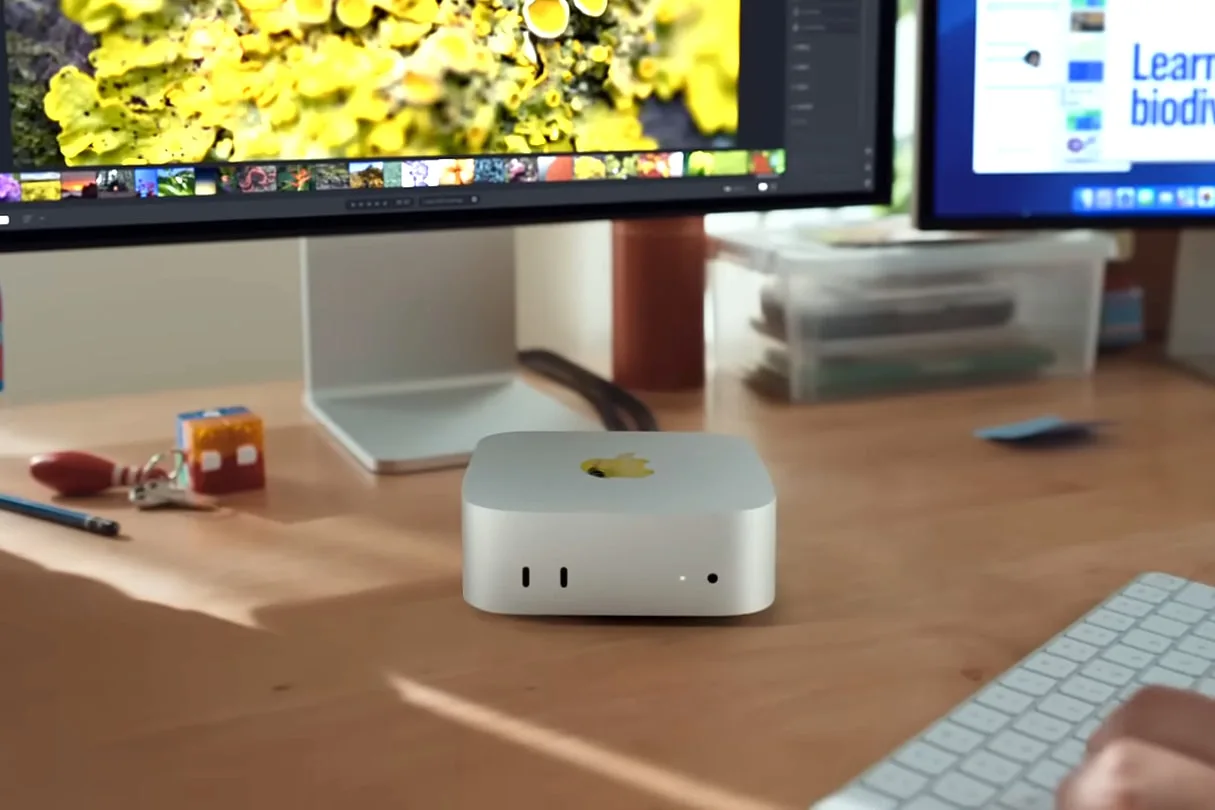
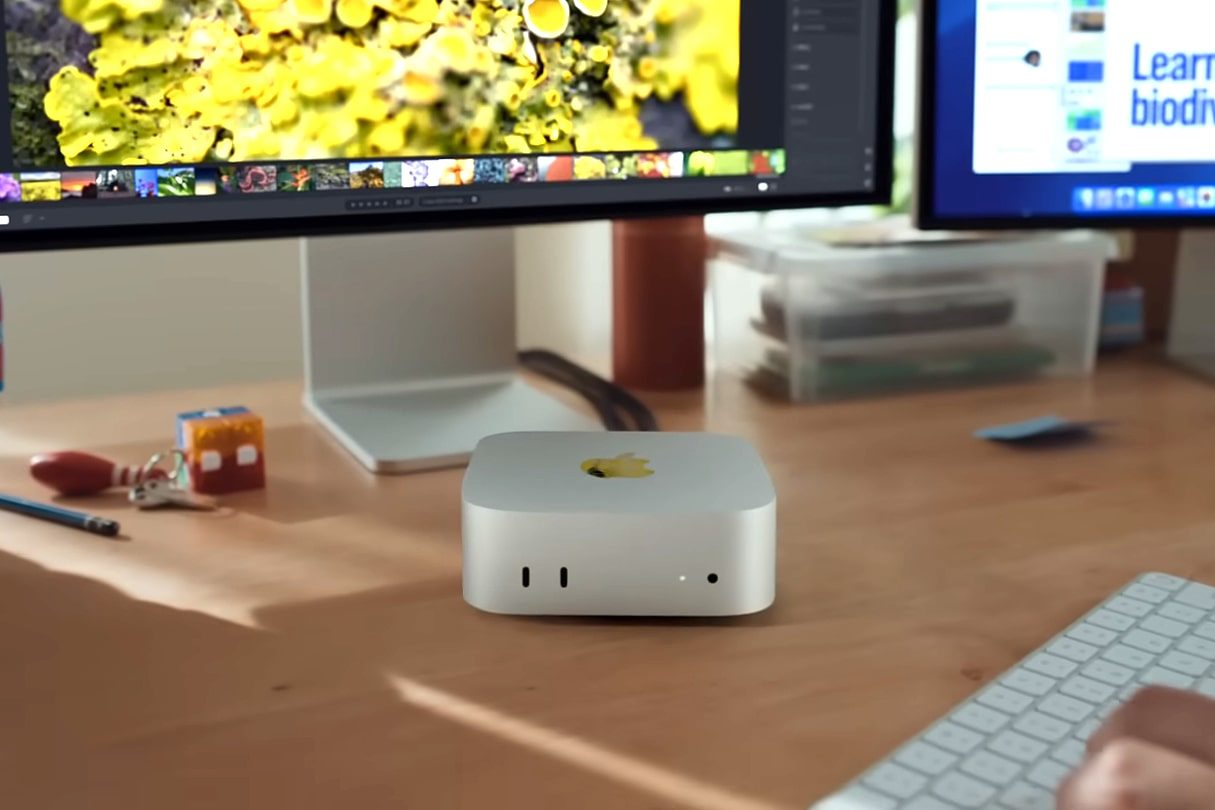
Apple has quietly discontinued the $599 Mac mini, making the 256GB model no longer available for purchase. Rather than raising its price to reflect rising memory and NAND costs, the company simply pulled it from the lineup, leaving buyers with a steeper entry point than before.

Did Apple just raise the Mac mini’s price without calling it a price hike?

Since Apple pulled the 256GB model from its website, the cheapest Mac mini you can buy now comes with a $799 price tag, featuring an M4 chip, 16GB of RAM, and 512GB of storage. Apple has not made an official statement on why, but the reason is not hard to guess. Profitability. Rising RAM and NAND costs have made consumer electronics more expensive to produce, and in most cases, those costs have been passed directly on to customers. Apple appears to have taken a different approach, choosing to quietly drop the less profitable model rather than raise its price. For context, the 512GB Mac mini launched at $799 back in late 2024.

Why does the Mac mini matter so much?

The M4 Mac mini has become one of Apple’s easiest computers to recommend because it gives users solid performance in a tiny form factor. It appeals to students, home users, coders, creators, office workers, and anyone who already owns a monitor, keyboard, and mouse. For many buyers, it was the cheapest way to enter the Mac ecosystem without buying a MacBook or iMac.

Its popularity now transcends basic desktop use as Apple CEO Tim Cook recently said the Mac mini and Mac Studio are “amazing platforms for AI and agentic tools,” and demand has grown faster than Apple expected. He also confirmed that both machines could take several months to reach supply-demand balance.

The bigger question now is what happens next. Rising RAM and storage prices could eventually force Apple to rethink whether the $799 512GB Mac mini can hold its ground. Samsung recently warned that the memory shortage shortage could worsen in 2027, with demand outpacing supply.As that gap widens, the missing $599 Mac mini may turn out to be an early sign of how the crunch reshapes Apple’s desktop and other product lineups.

Advertisement

Source link

Continue Reading

Tech

iPhone & China drive Apple strength as outlook stays unclear

Published

on

Apple delivered a strong March quarter on April 30 driven by iPhone demand, a rebound in China, and resilient margins, but analysts say the results still don’t answer what will drive the company’s next phase of growth.

The company’s fiscal second-quarter results, reported April 30, beat Wall Street expectations on revenue, profit, and guidance, with strong iPhone demand driving the upside. The quarter confirms solid execution but doesn’t change Apple’s long-term growth story.

Revenue reached about $111.2 billion with earnings per share of $2.01, beating estimates and continuing a pattern of outperformance. Upside came from iPhone demand, stronger performance in China, and resilient margins supported by Services.

Execution remains strong while investors still want a clearer path for growth tied to artificial intelligence and new products. The quarter answers near-term questions on demand and profitability and leaves the company’s long-term growth story unresolved.

Advertisement

Bank of America: Installed base supports future upgrade demand

Bank of America pointed to Apple’s installed base of more than 2.5 billion active devices as a key driver of future growth. Record upgrade activity in the quarter shows strong engagement, but only a portion of that base refreshes devices each year, reinforcing the cyclical nature of demand.

The firm said that scale creates a clear path for future growth if new features tied to Apple Intelligence and Siri drive upgrades. Apple’s ability to convert that large installed base into new device sales will remain central to sustaining growth beyond the current cycle.

Deepwater: iPhone cycle peaks as focus shifts to AI-driven demand

Deepwater’s Gene Munster said the quarter reflects an iPhone-driven upgrade cycle that has pushed growth sharply higher in recent quarters. iPhone revenue growth rose from low single digits to the mid-teens, with recent quarters nearing 20% growth.

The jump points to a surge in upgrades that defines a supercycle. Strong performance is now raising questions about how long the pace can last.
Advertisement
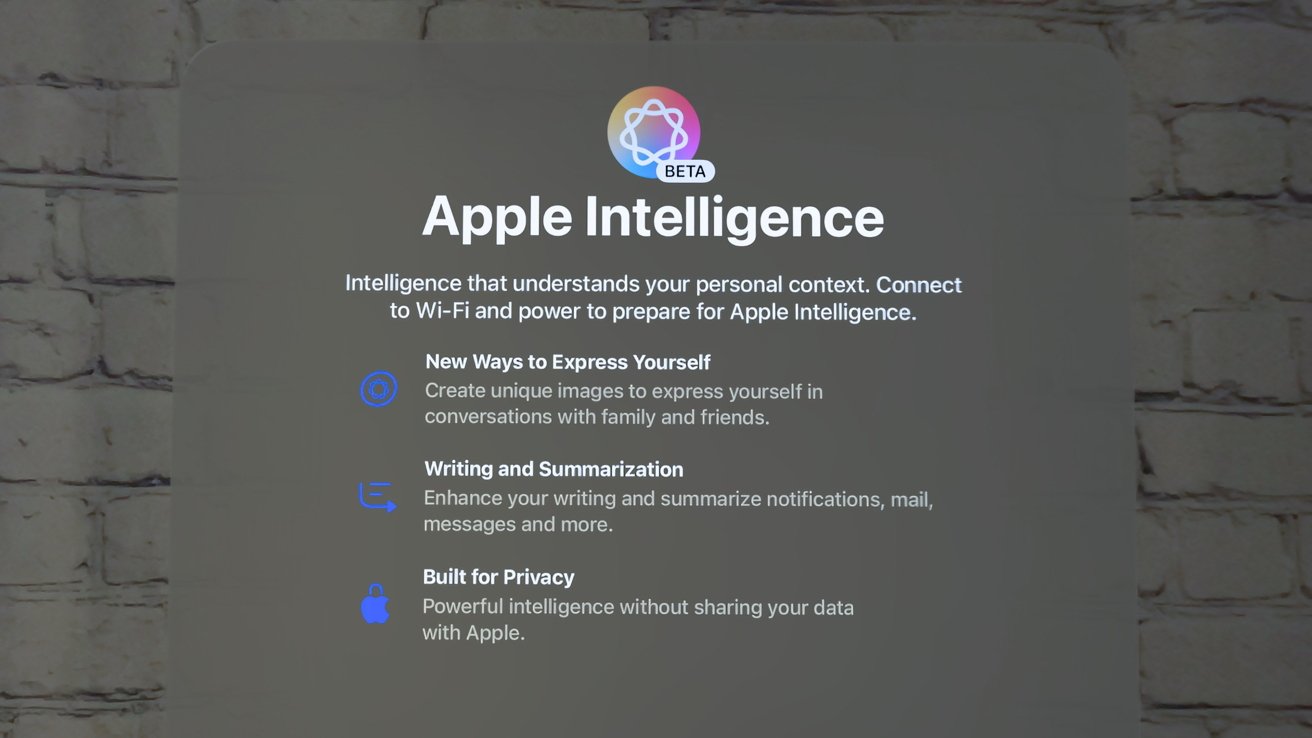
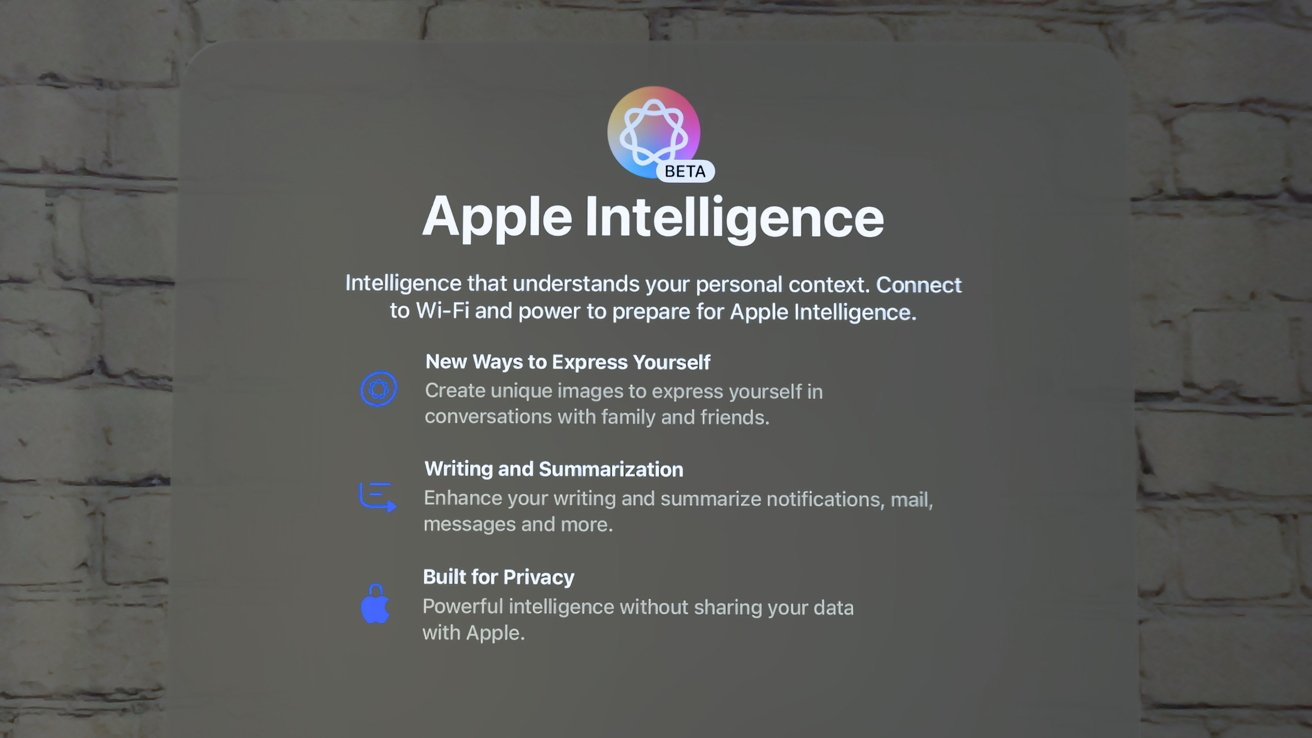
Apple Intelligence promotional screen describing beta features: personal-context AI, new ways to express yourself, writing and summarization, and privacy-focused design, displayed on a gray panel over a brick wall background

Scale creates a clear path for future growth if new features tied to Apple Intelligence and Siri drive upgrades

Wall Street estimates point to iPhone growth slowing to around 5% in 2027, a sharp drop from recent levels that suggests the current cycle may be nearing a peak. Attention is now shifting to whether new features tied to Apple Intelligence and Siri can sustain demand and drive the next round of upgrades.

Munster said a large portion of the installed base has yet to upgrade in this cycle, leaving room for further growth if new AI-driven capabilities prove compelling enough to accelerate replacement demand.

Evercore ISI: Broad-based growth drives upside

Evercore described the quarter as a solid beat driven by growth across both products and regions, with iPhone leading the way. Revenue rose 17% year over year, with iPhone sales around $57 billion, reflecting continued strength in premium devices and stronger performance in China.

Advertisement

China drove a major share of the quarter with about 28% growth, turning a recent headwind into a clear source of momentum. Gains across other international markets reinforce a broad-based performance rather than reliance on a single product.

Margins beat expectations, with gross margin reaching about 49.3% on a favorable product mix and stronger product profitability. Supply constraints tied to advanced components likely limited additional upside, and rising memory costs remain a factor heading into the June quarter.

Goldman Sachs: Supply constraints masked stronger demand

Goldman Sachs said Apple’s results likely understate underlying demand, with supply constraints limiting growth in key products such as iPhone. The firm estimates revenue could have been roughly 200 to 300 basis points higher without those limits, pointing to demand that exceeded available supply.

Limited component availability, rather than weak demand, capped how much of that growth showed up in reported results. The dynamic suggests Apple’s current momentum remains stronger than headline numbers indicate, even as supply continues to act as a near-term constraint.

Advertisement

Supply constraints have emerged as a key variable shaping near-term results, even as demand remains strong. How quickly Apple can secure additional component supply will determine how much of that underlying demand converts into reported growth in the coming quarters.

Investing.com took a more measured view, calling the results strong but not transformative. The quarter confirms that the current product cycle remains healthy, especially in iPhone and China, without signaling a change in the overall growth trajectory.

Services reached a record high and supported margins while strong hardware revenue kept the overall mix largely unchanged. Apple remains driven by hardware cycles, with Services acting as a stabilizing force rather than a standalone growth engine.

The firm also pointed to Apple’s capital allocation, including a new $100 billion share buyback, as evidence of continued financial strength. Questions remain about whether increased spending on AI and research will translate into a larger revenue opportunity over the next several years.

Advertisement

JPMorgan: Margin strength and supply discipline stand out

JPMorgan highlighted Apple’s ability to outperform on margins despite ongoing concerns about memory costs and component pricing. Gross margin again exceeded expectations, reflecting a combination of pricing power, premium product mix, and expansion in higher-margin Services revenue.

The firm also emphasized share gains across key product categories, driven by strong demand and effective supply chain management. Supply constraints limited some iPhone upside in the March quarter, but those pressures are expected to ease, pointing to potential demand recovery in the June period.

JPMorgan expects revenue to keep growing on strong product demand and Services. Increased spending on AI and operating expenses could weigh on earnings growth in the near term.

Needham: AI demand tightens supply and raises execution risk

Needham highlighted rising risks in Apple’s supply chain as AI-driven spending by Amazon, Google, and Meta tightens availability of key components. Competition for advanced nodes and memory is increasing as hyperscalers pay more to secure supply, putting pressure on Apple’s access and costs.

Advertisement
Row of modern iPhones on a table, arranged by color: black, white, light green, blue, and lavender, all showing backs with dual cameras and Apple logos.

Apple’s iPhone 17 lineup has been popular

The firm said those dynamics could lead to higher component prices, delays, or slower growth if constraints persist. Supply limitations were already a key topic in the quarter, making Apple’s ability to manage availability and pricing a critical factor in sustaining current momentum.

Oppenheimer: AI investment is ahead of revenue impact

Oppenheimer said Apple’s push into artificial intelligence remains early, with investment ramping ahead of clear revenue contribution. Apple Intelligence and improvements to Siri have yet to drive a measurable change in upgrade behavior, leaving the current cycle primarily supported by hardware demand.

The firm pointed to upcoming software updates, including features expected at WWDC and through future OS releases, as a key test for whether AI can drive the next phase of growth. Apple’s ability to turn those features into must-have capabilities tied to newer devices will determine how quickly that investment translates into upgrade demand and revenue.

Advertisement

Wedbush: iPhone supercycle and guidance drive bullish outlook

Wedbush took the most bullish stance, pointing to what it described as an iPhone “supercycle” driving the quarter’s outperformance. Strong demand across geographies, particularly in China, supported double-digit growth in both iPhone and Services revenue.
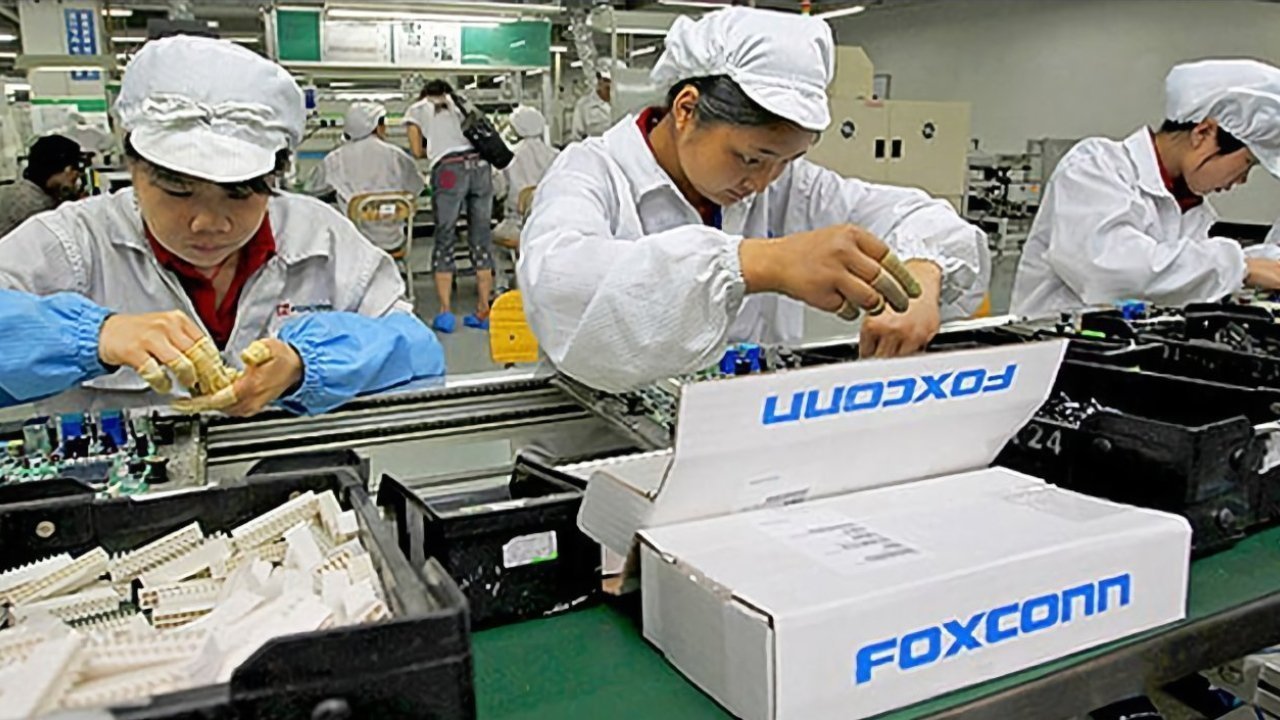
Factory workers in white uniforms and caps assemble electronic components at a long production line, with Foxconn-branded boxes and trays of small plastic parts on the conveyor.

Competition for advanced nodes and memory is increasing as hyperscalers pay more to secure supply

Guidance for the June quarter was a key positive, with Apple forecasting revenue growth of 14% to 17%, well above consensus expectations. The outlook, combined with continued iPhone momentum, supports a strong setup heading into the next product cycle.

The firm also pointed to upcoming catalysts, including Apple’s WWDC developer conference and its evolving AI strategy, as potential drivers of further upside.

Advertisement

Apple’s quarter reinforces a pattern of strong product demand, improving international performance, and steady margins. Near-term momentum is intact, but the results stop short of a turning point, leaving the next phase of growth tied to how well AI and future products drive new revenue.

Rising memory costs are emerging as a near-term pressure point, driven by increased demand tied to AI workloads. Those costs could weigh on margins in the coming quarters even as revenue growth remains strong.

Leadership will shift from Tim Cook to John Ternus later in 2026, with Cook known for operational discipline and Services expansion and Ternus tied to hardware execution. The transition points to continuity in a product-led strategy rather than a sharp pivot.

Advertisement

Source link

Continue Reading

Tech

Today’s NYT Mini Crossword Answers for May 2

Published

on

Looking for the most recent Mini Crossword answer? Click here for today’s Mini Crossword hints, as well as our daily answers and hints for The New York Times Wordle, Strands, Connections and Connections: Sports Edition puzzles.


Need some help with today’s Mini Crossword? It’s a long one. Read on for all the answers. And if you could use some hints and guidance for daily solving, check out our Mini Crossword tips.

If you’re looking for today’s Wordle, Connections, Connections: Sports Edition and Strands answers, you can visit CNET’s NYT puzzle hints page.

Advertisement

Read more: Tips and Tricks for Solving The New York Times Mini Crossword

Let’s get to those Mini Crossword clues and answers.

completed-nyt-mini-crossword-puzzle-for-may-2-2026.png

The completed NYT Mini Crossword puzzle for May 2, 2026.

Advertisement

NYT/Screenshot by CNET

Mini across clues and answers

1A clue: Person who likes things totally authentic, or not at all
Answer: PURIST

7A clue: ChatGPT’s company
Answer: OPENAI

8A clue: Chance for one’s kids to watch shows, perhaps
Answer: TVTIME

Advertisement

9A clue: Not in the closet
Answer: OUT

10A clue: Video game with falling pieces
Answer: TETRIS

13A clue: Dance fad of the mid-2010s that was paired with the “Whip”
Answer: NAENAE

14A clue: Wrestle
Answer: TUSSLE

Advertisement

Mini down clues and answers

1D clue: Collection of poker bets
Answer: POT

2D clue: Likes : Facebook :: ___ : Reddit
Answer: UPVOTES

3D clue: Tax filings
Answer: RETURNS

4D clue: The “A,” “O” or “C” of A.O.C.
Answer: INITIAL

Advertisement

5D clue: ___ Altman, C.E.O. of 7-Across
Answer: SAM

6D clue: Item of attire that might have a Windsor knot
Answer: TIE

10D clue: Explosive compound, for short
Answer: TNT

11D clue: Water, in French
Answer: EAU

Advertisement

12D clue: Notice
Answer: SEE

Source link

Advertisement
Continue Reading

Tech

A 100-Year-Old Lens Finds Fresh Purpose on a Sony Cinema Camera

Published

on

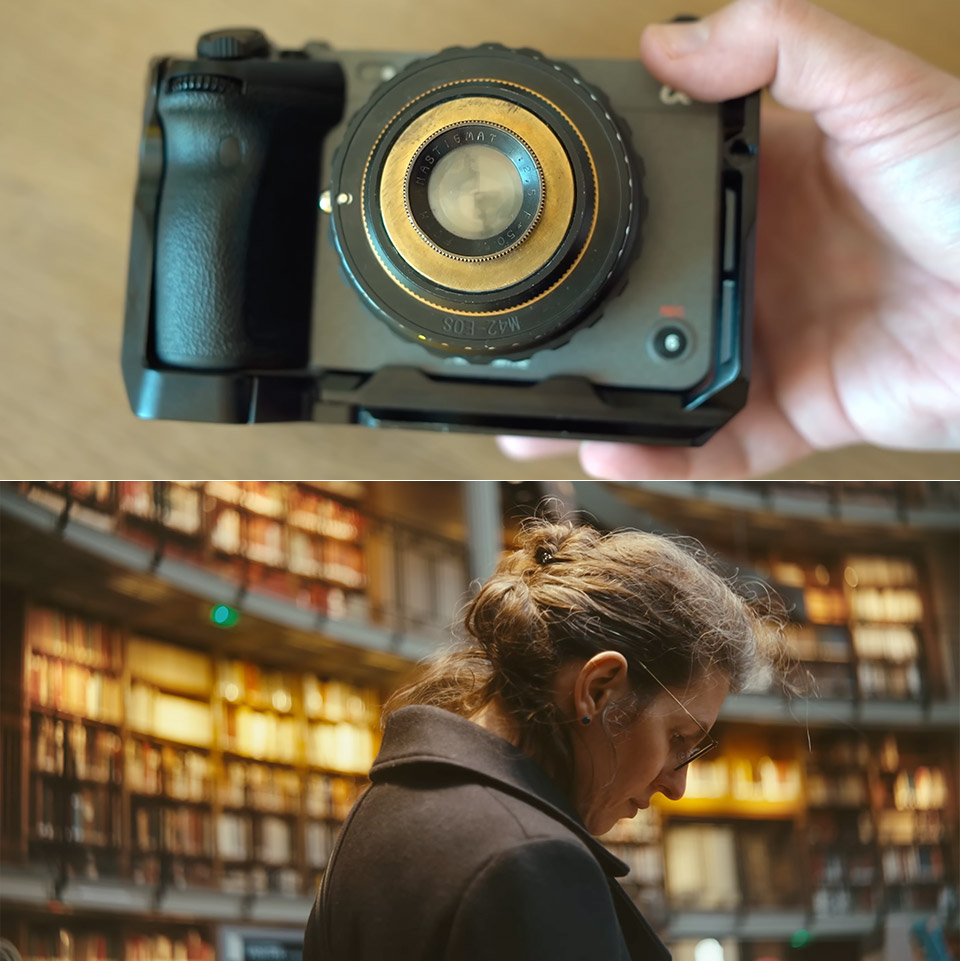
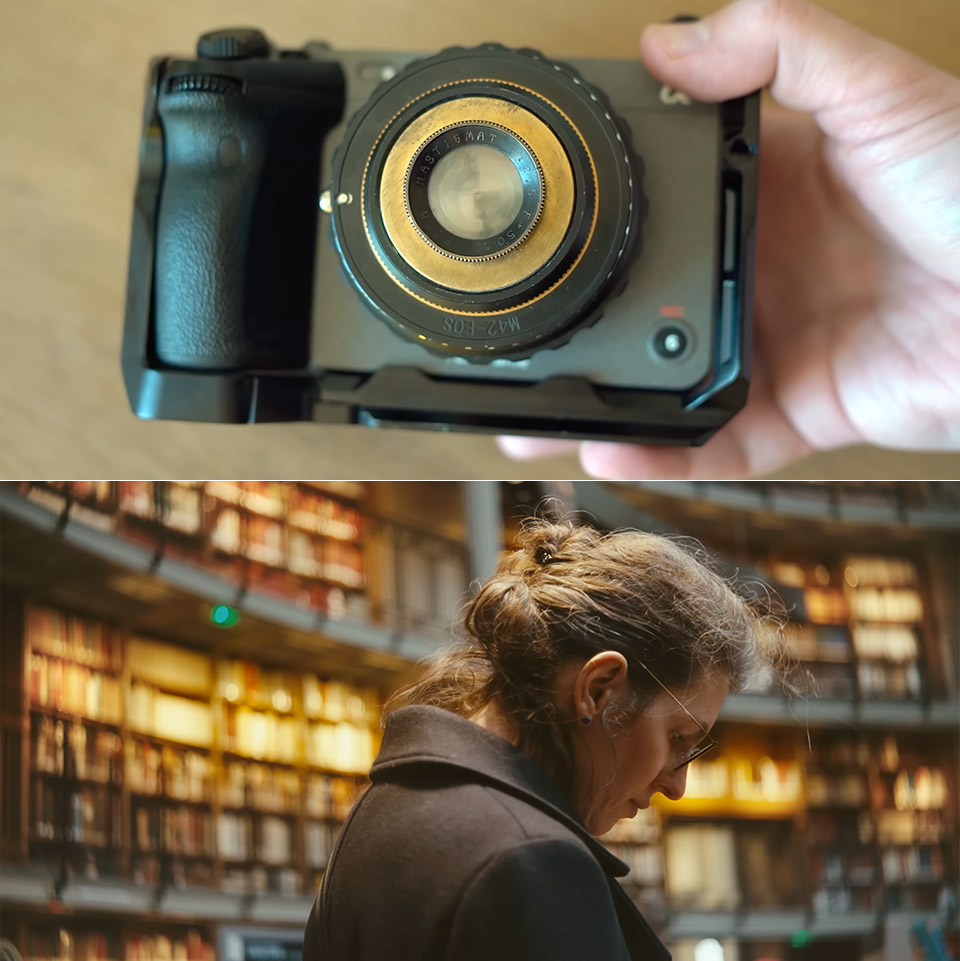
100-Year-Old Lens Sony Cinema Camera Mod
Mathieu Stern spotted an oddity one afternoon at a French flea market. Inside a simple blue canister sat a compact Foth 50 millimeter f 2.5 lens from the late 1920s. Three euros later it was his. The optic had come from a Foth Derby folding camera built for 127 roll film, a model once positioned as a rival to early Leica designs. It even showed up in a few motion pictures from that period, including work tied to Alfred Hitchcock.



Mathieu considered rehousing this lens in his Sony FX3 movie camera, which has a quite thorough 4K full frame sensor. The problem was that the lens itself lacked both aperture control and a proper focusing system, which had been missing for years and had long ago vanished. Early experimentation involved using a bizarre elcoid adapter with an added bit of aperture stuck just behind the elements, and while this should have given Mathieu plenty of light control in theory, it ended up introducing heavy vignetting in practice, simply because the lens barrel was a little too narrow to accommodate the setup comfortably.

Sale


Xtra Muse, Vlogging Camera with 1” CMOS & 4K/120fps Videos, Pocket Camera with 3-Axis Gimbal Stabilizer…
  • Cinematic-Style Footage – Experience the power of Xtra Muse’s 1-inch CMOS sensor, capable of recording breathtaking 4K resolution videos at 120fps…
  • Ultra-Steady Shooting – No more shaky videos! Xtra Muse’s advanced 3-axis gimbal camera stabilizer ensures exceptional smoothness. Enjoy smooth…
  • Effortless Framing – Enjoy Xtra Muse’s expansive 2-inch touch screen, and switch between horizontal and vertical shooting effortlessly.

He then tried another approach, using a Fotodiox macro adapter developed for use with Sony E-mount cameras. This useful piece of equipment contains a built-in helicoid for focus adjustments, as well as a clever drop-in slot for accepting neutral density filters when necessary. This combination resolved both the exposure and focusing difficulties in one step. On bright days, the filters helped keep objects from blowing out, and the helicoid allowed him to dial in sharp focus down to 30 cms or even 20 cms when he ventured into macro photography.

Advertisement

100-Year-Old Lens Sony Cinema Camera Mod
Once he had the lens fitted and balanced, he could truly put the camera through its paces. He began framing everyday scenes and letting the vintage lens do its thing. Sharpness was rather amazing in the center of the frame and across the sensor, but as you approached the edges, the image softened in a gradual, fluid manner that naturally leads the attention to the topic. Out-of-focus highlights become a gentle swirl rather than the overly convoluted jumble that is so common with current optics. Uncoated glass parts disperse incoming light somewhat, giving bright regions a subtle, warm glow that feels alive rather than cold and sterile.

100-Year-Old Lens Sony Cinema Camera Mod
The low light clips were really impressive. The fast f2.5 aperture, along with the FX3 sensor, handled low-light circumstances with ease, without injecting any unwanted high ISO noise into the image. The color reproduction was beautiful and deep, similar to what you’d expect when discussing archival footage. Mathieu equated the experience to having a window into the past while continuously filming the present. He processed the clip in Adobe Premiere Pro and added a few of his bespoke LUT packs to adjust the tones somewhat. The final clips have a distinct flavor that makes modern zoom lenses appear drab in contrast. People watching the results frequently pause and repeat key sections to have a better look at how the light falls and how backgrounds fade away.
[Source]

Source link

Continue Reading

Trending

Copyright © 2025