Tech
1ROLLO Might be World’s First Autonomous Monowheel Security Robot

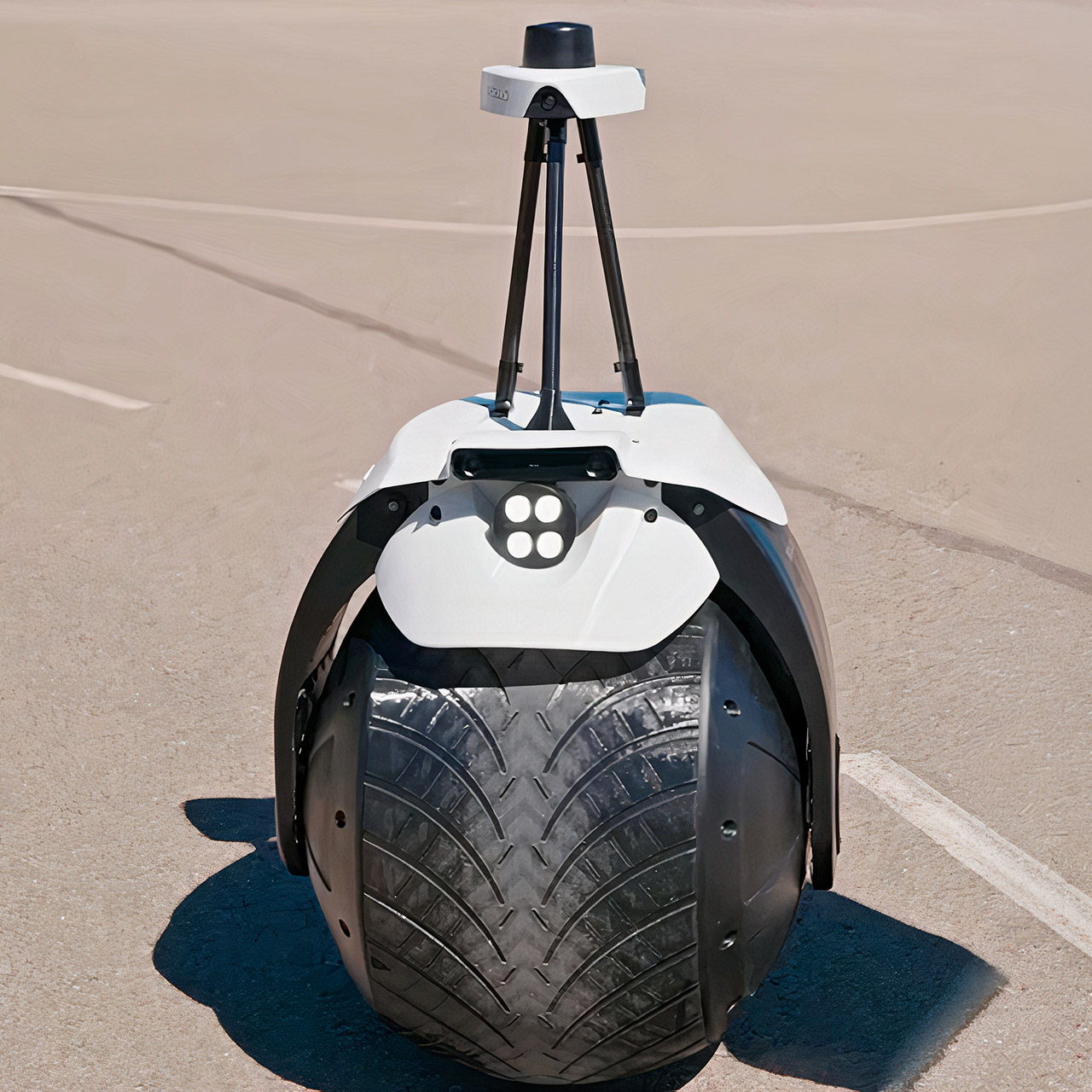
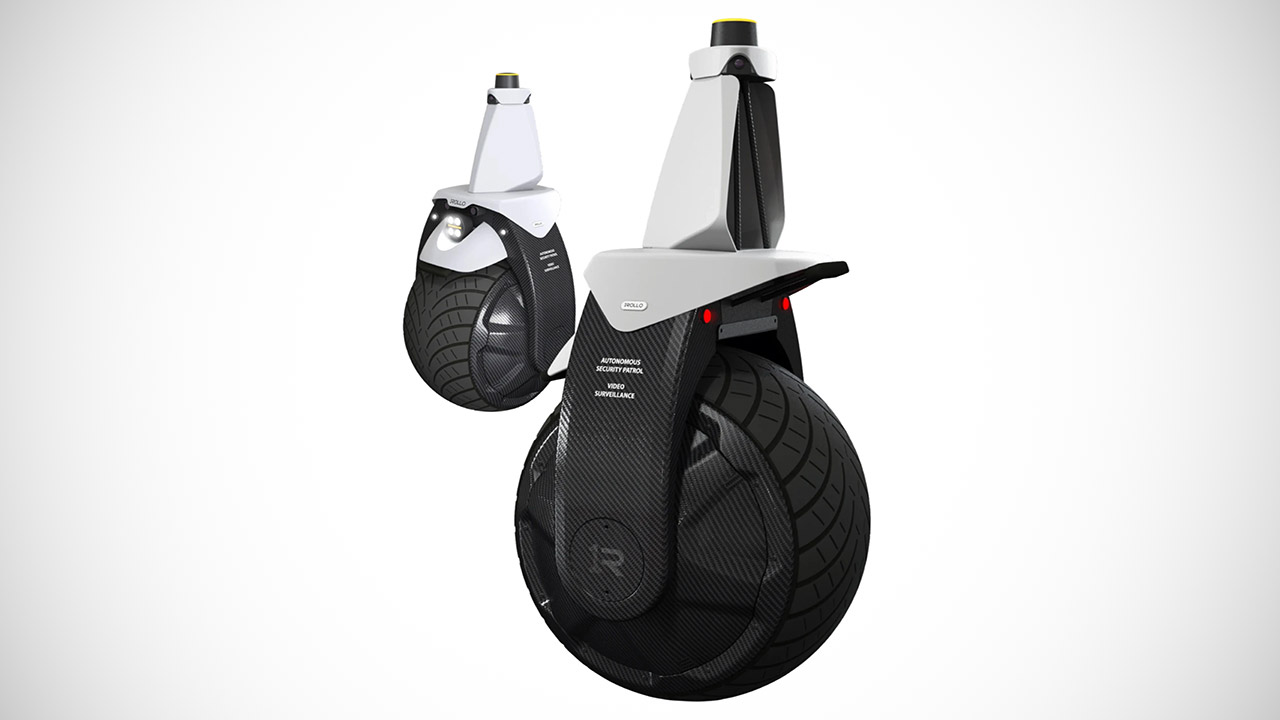
Night falls over a quiet industrial yard or a sprawling campus. Most security systems wait for something to happen. 1ROLLO does not. This tall, single-wheeled machine from Estonian startup Rollo Robotics rolls along preset routes under its own power, scanning everything around it while balancing on one fat tire.

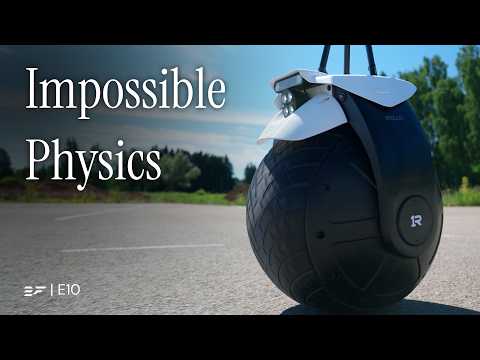
Rollo Robotics says that 1ROLLO is the world’s first stable autonomous monowheel robot capable of performing real security tasks. Founded in 2025 by Arno Kütt, the inventor behind those Cleveron parcel robots, and Sander Sebastian Agur, the company spent its first months bashing its head against a problem that has perplexed designers for decades: how to keep a single-wheel platform upright while moving, turning, and stopping without tipping over.


INMOTION V9 16″ Electric Unicycle for Adults – Industry Leading UL Certified EUC with Nimbus Air…
- The Safest Electric Unicycle (EUC): The INMOTION V9 is the world’s first e-unicycle to achieve full-device UL certification, setting a new safety…
- The Smartest Electric One-Wheel: Featuring industry-first Ride Connect technology, the V9 enables app-based remote control, real-time GPS tracking…
- The Lightest and Slimmest Suspension EUC: Weighing just 50.7 lbs, the V9 is ultra-portable for commuting to the office, school, or gym. Its slim…

The solution is hidden inside the large wheel itself, as a high-speed flywheel rotating vertically inside the main tire is the key. The gyroscopic forces from the spinning wheel keep the robot balanced as it moves. To turn left or right, they simply tilt the internal flywheel, and the entire machine leans into the curve in the same way a motorcycle would. High frequency sensors transmit data into their own in-house software, which constantly makes small modifications to keep the robot upright even on uneven ground or in the wind.
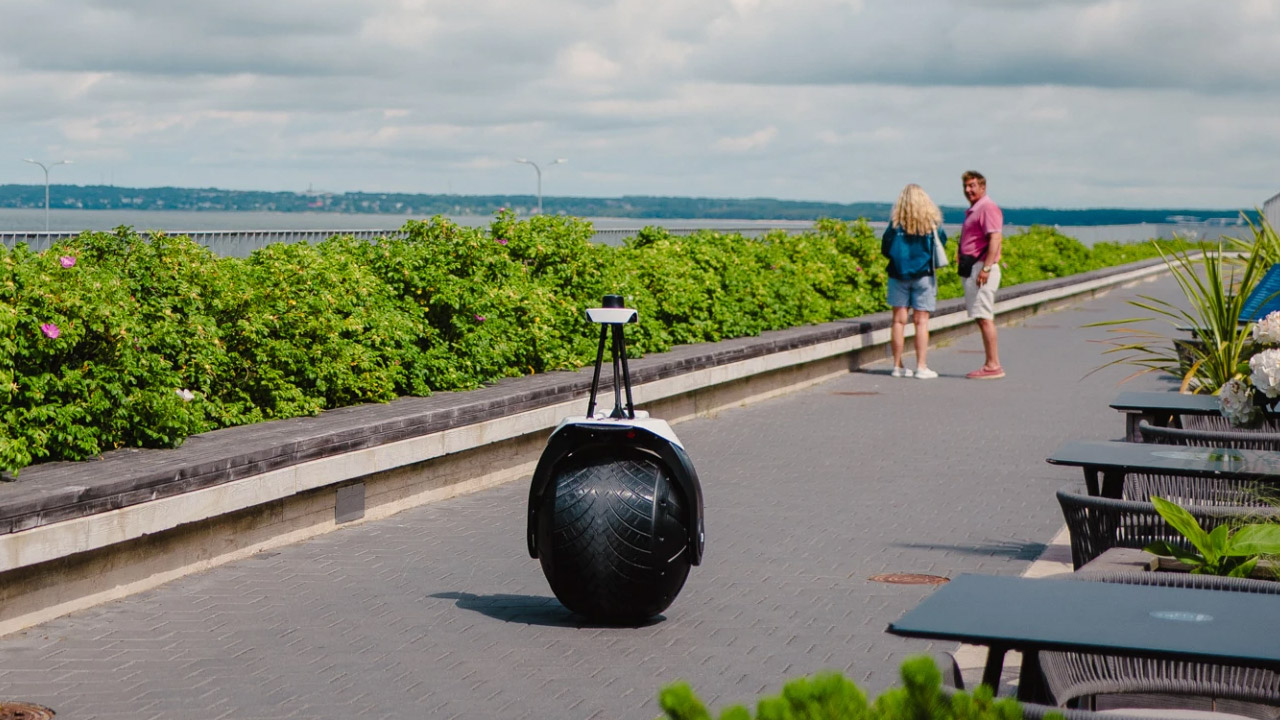
At roughly 45 kilograms, 1ROLLO is heavy enough to feel sturdy while remaining light enough to move with a surprising amount of agility. It can reach speeds of up to 30 kph, which is fast enough to navigate huge properties without taking all day. You can charge the battery for up to eight hours, after which 1ROLLO will return to a charging station to recharge itself. The sealed body has an IP65 rating, which means it can withstand light rain, dust, and water jets.

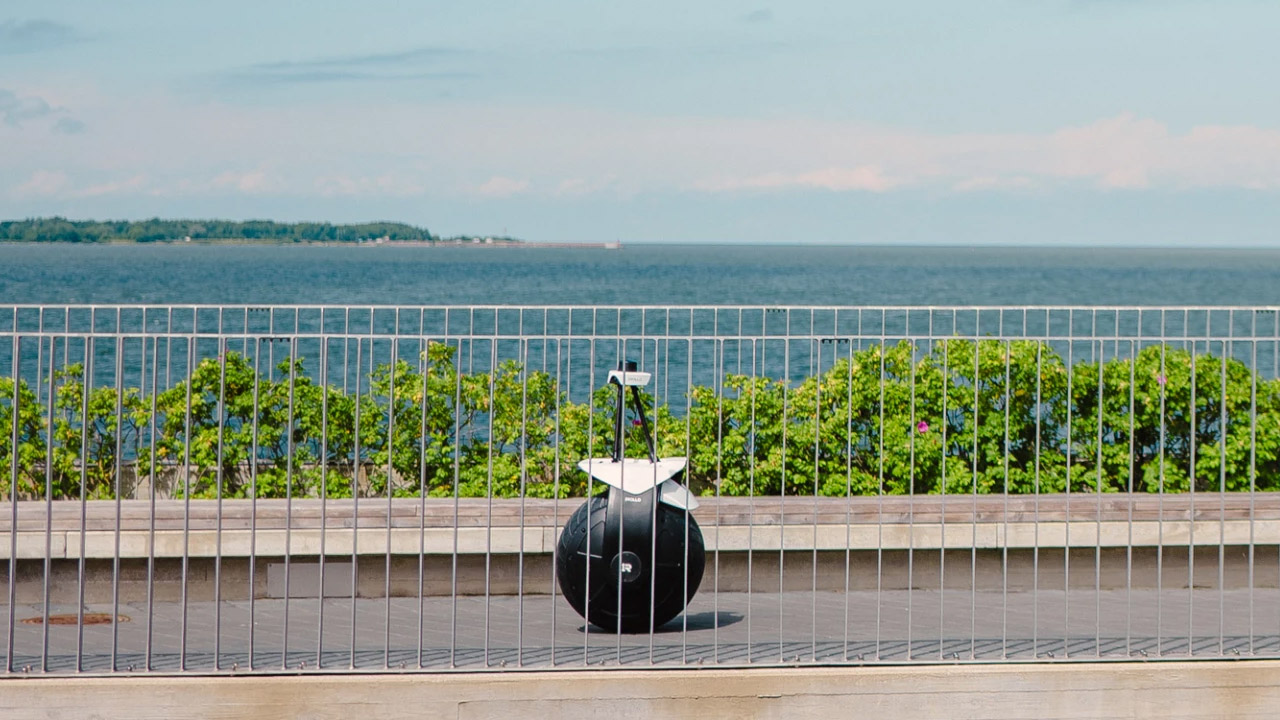
The robot has cameras that can see all around. Computer vision and edge AI detect people, vehicles, open doors, and anything else that appears out of place. The RTK GNSS system keeps the robot’s position accurate to millimeters, allowing it to follow digital maps of a site while remaining on track. When something odd occurs, the robot can transmit an alarm to a cloud dashboard via 4G, 5G, or Wi-Fi, from which an operator can watch the live feed on a computer, communicate with the robot via the built-in mic and speaker, or even dispatch a human guard. You can have a large number of these things working together on the same platform, allowing a single supervisor to monitor an entire fleet of machines.
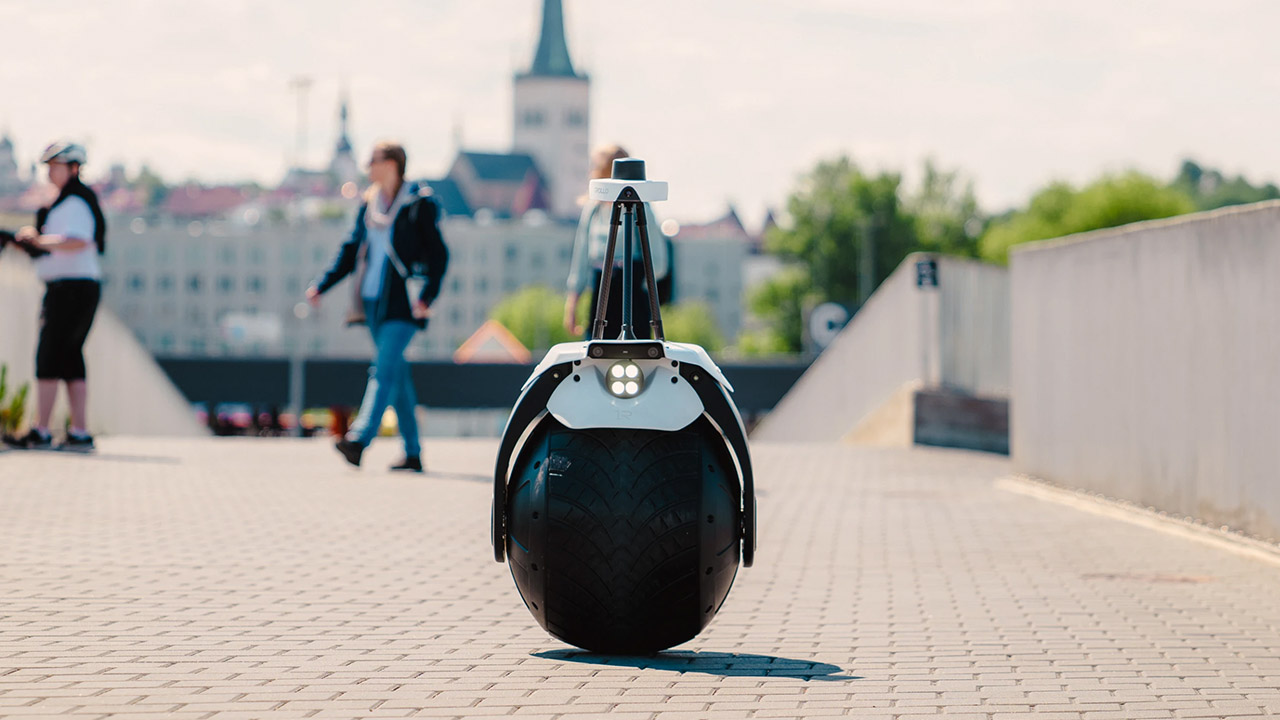
The fact that 1ROLLO is so slim is a significant practical advantage. Four-wheeled security robots are always getting stuck in tiny corridors, entrances, and congested walkways, but 1ROLLO’s single wheel and thin body allow it to fit into locations that larger machines just cannot. The initial deployments will take place at industrial locations, data centres, airports, campuses, and vital infrastructure. Rollo Robotics does not sell the hardware outright; instead, they provide a subscription service in which users pay a monthly charge and the firm handles maintenance, software upgrades, and hardware refreshes, allowing operators to avoid spending a lot of money.
In January 2026, the company completed a €3.7 million pre-seed investment headed by FoodLabs and Prototype, with assistance from Enterprise Estonia. The money is being put to good use, as they are modifying the gyroscopic technology to handle extreme weather and heavy traffic, securing the supply chain, and preparing for pilot projects. Commercial units are scheduled for 2027.
[Source]
You must be logged in to post a comment Login