Tech
25 Inches of Imported Slosh, Techmoan Unboxes the Indian Wave Machine
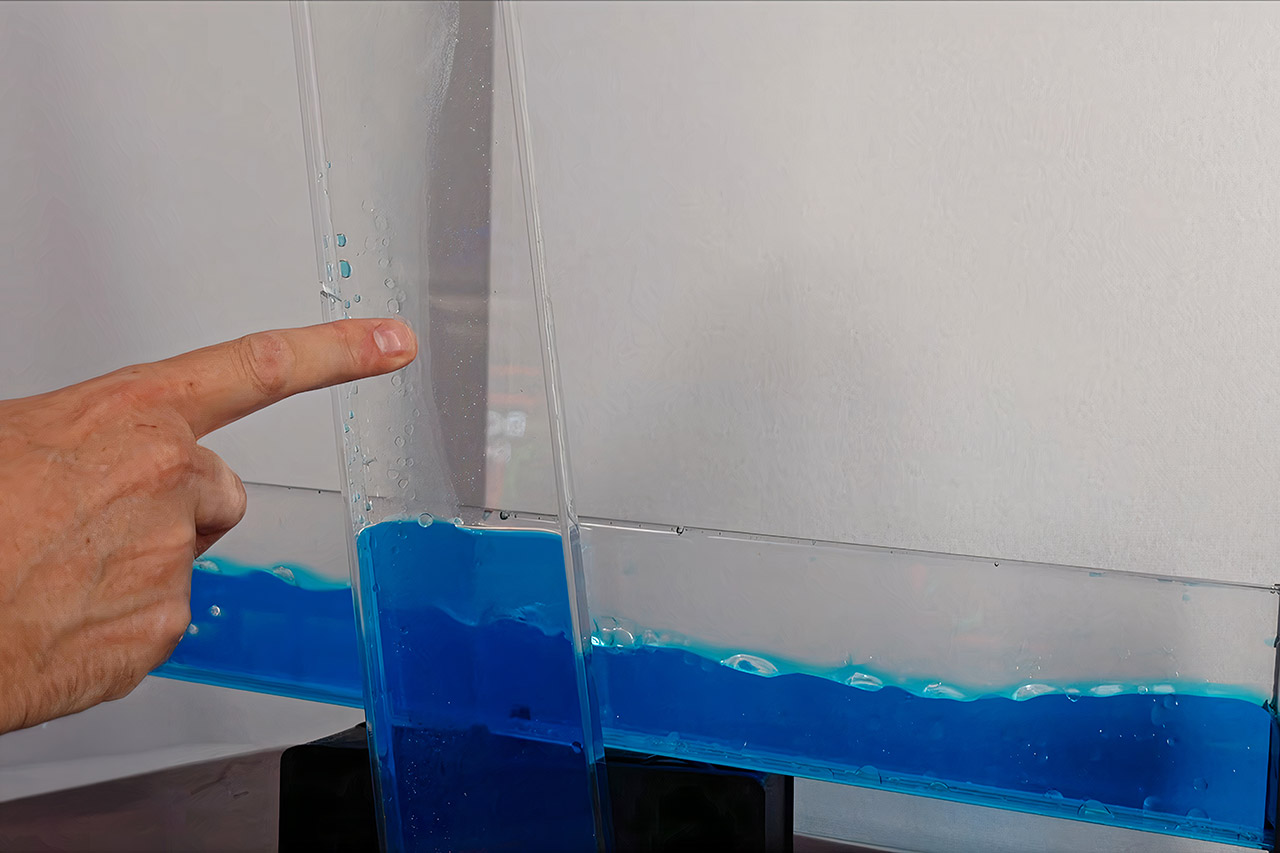
Techmoan already owned an 18-inch Hughes Wave Motion Machine that set him back about $500. He wanted something longer, so he paid $300 for the biggest model waveshop listed, a 25-inch unit shipped from India.


Website images appeared to be quite polished until he realized they were AI-generated. Prices sat in rupees. PayPal stayed unavailable on the main site, forcing a bank transfer unless you switched to the nearly identical waveshowcase.com page that accepted cards. A scam-checking site scored the operation at 50%. He ordered anyway and used PayPal through the dollar site for some protection.
Sale


Dreamegg Portable Noise Machine for Baby Adult, Features Powerful Battery, 21 Soothing Sound, Noise…
- 【COMPACT BUT POWERFUL】- D11 Max has more skills. Designed for all things sleep, this sound machine comes with favorable features: rechargeable…
- 【HUGE BATTERY, WORRY-FREE ON THE GO】- Everything D11 max has, PLUS a LONG-LASTING battery. The portable sound machine is built with…
- 【HELPS SETTLE-IN & STAY ASLEEP】- Moms know how precious sleep can be. Turn it on to create peaceful sleep environment to help crying baby calm…
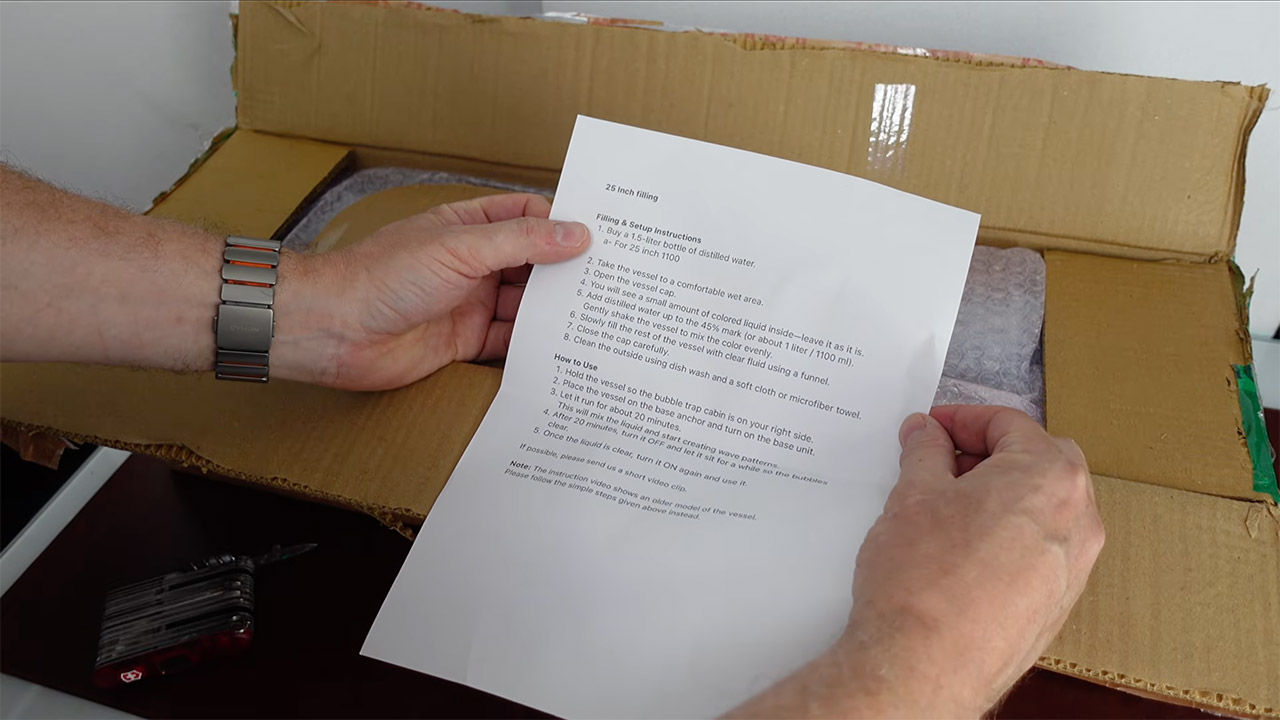
UPS delivered the box faster than expected after a short email exchange. Everything he bought was in the box, including the acrylic chamber, motorized base, funnel, a bare-bones set of instructions, and three little Minute Maid-style bottles holding transparent mineral oil. One of the thin plastic end caps shattered when he attempted to open the box to begin using it, and for some reason, the distilled water he had ordered did not arrive in the delivery.

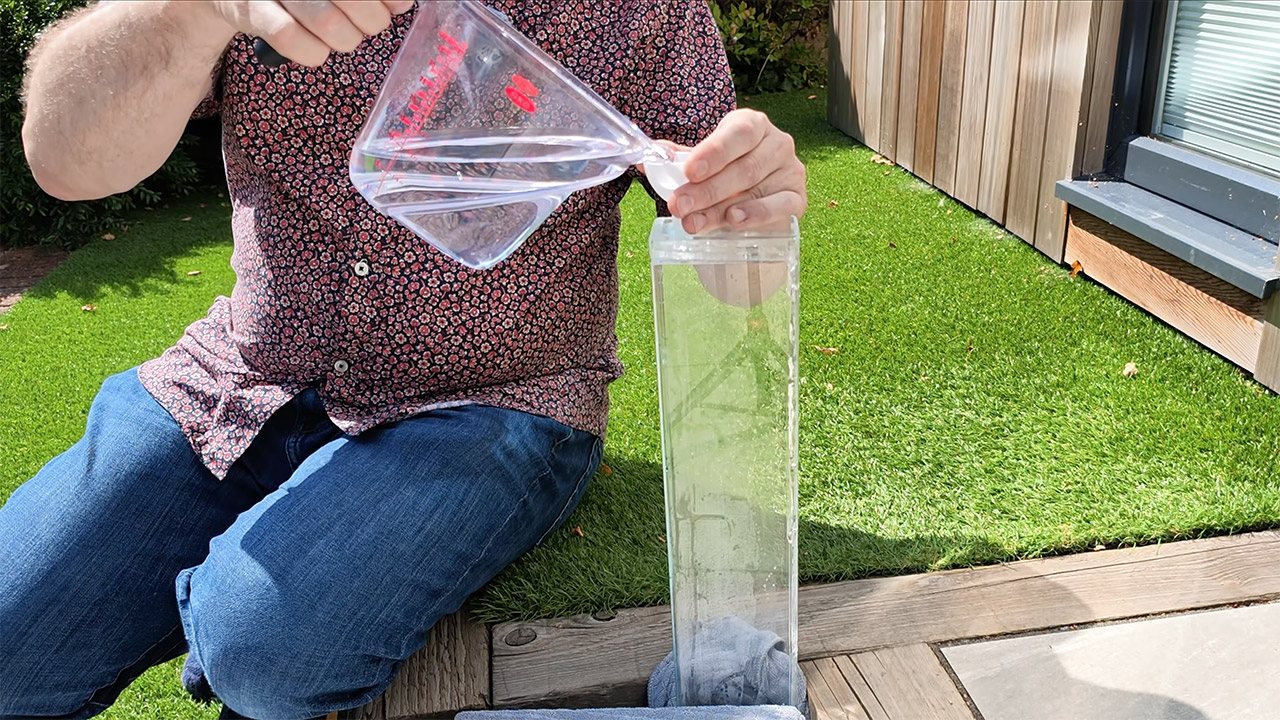
Filling the reservoir is a two-step process: first, mix 1 1/2 liters of distilled water with the supplied blue dye until it reaches the designated 45% line, shake it well, and then gently add mineral oil through the air trap hole until it is full. The instructions are a little vague about which brands or ratios to use, but once that’s done, all you have to do is run the motor for twenty minutes, turn it off for another twenty to allow the bubbles to collect in the side reservoir, then turn it back on and let it go.
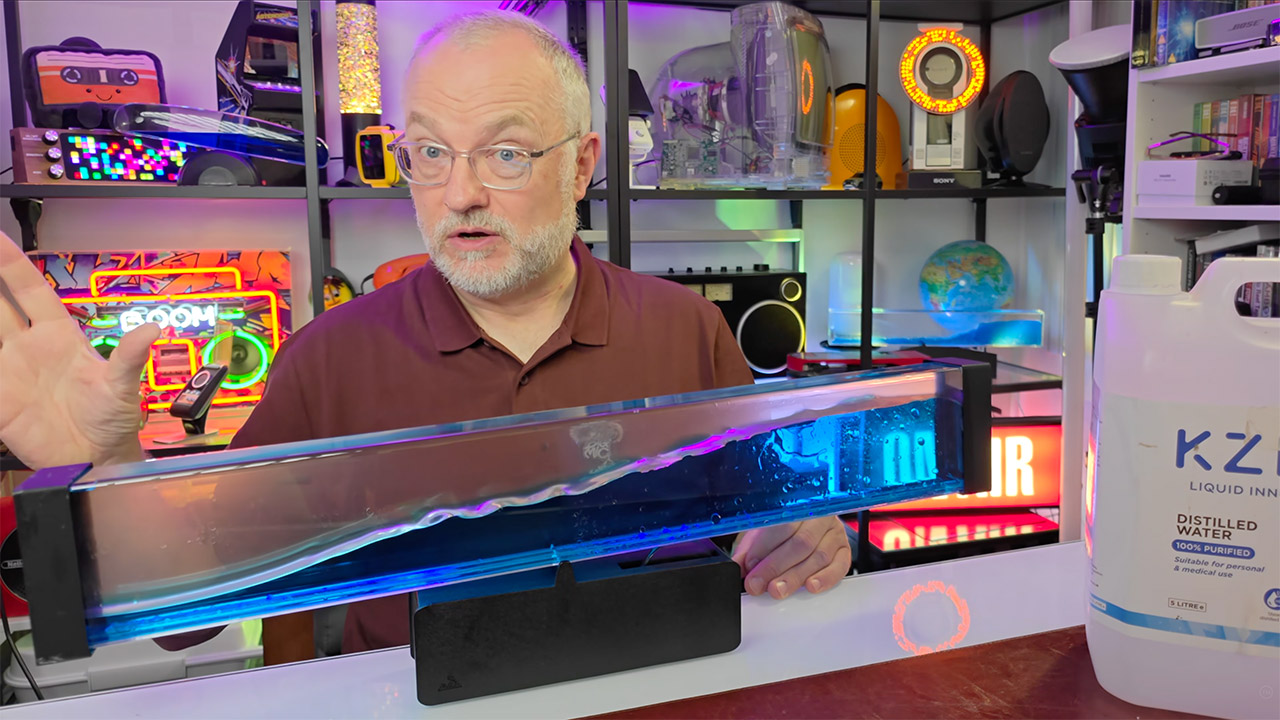
A small motor within moves a wheel, causing the entire chamber to rock back and forth in a gradual, soothing seesaw motion. Two liquids of differing densities collide and eventually mix to generate these continuous waves. The motion is quiet and even, and for the most part it remains that way. Unlike some of the older 1980s machines he used to witness, these waves do not crash or break apart in a spectacular manner, as one of his buddies, Techmoan, must have experienced. Bubbles still clung to the acrylic after the settling cycle, and a seam leaked slightly, which he fixed with tape. After a few hours of use, the blue layer began to emit a faint mist and form small floaters.
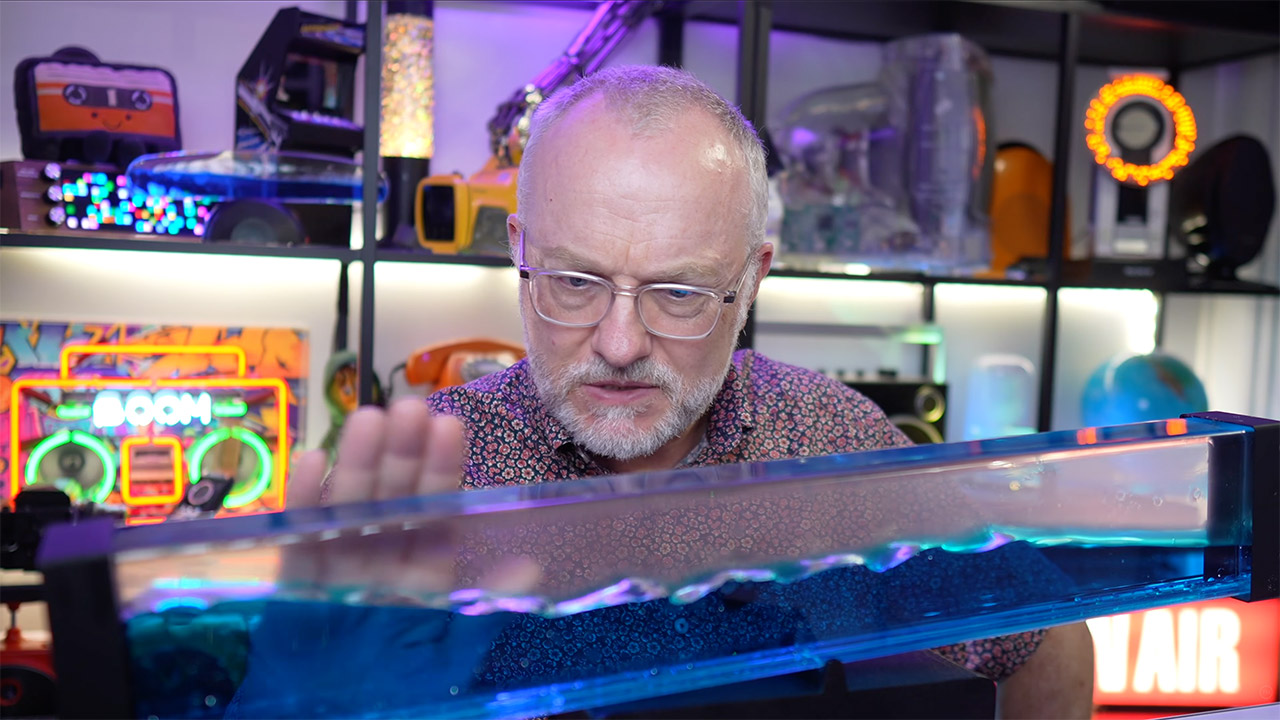
It’s evident that the budget materials match the price tag on this device. The base appears to have been 3D printed and is just weighted to provide stability. The end caps feel fragile and fit loosely. To be honest, the device lacks a power switch, so you must either unplug it or add a remote on/off socket to your own power strip, which is inconvenient. He tried adding some shims beneath the base to give it more stability, as well as altering the voltage to see if he could make it to rock quicker, but neither of these methods provided any further drama. The Hughes 18-inch unit may appear thicker and more polished, but it is actually not much different, having the same leaking concerns and edge blobs as this one. Both of these contemporary equipment are noticeably quieter than the old machines you used to see in the shop decades ago. This Indian version essentially uses the same process but scales it down to make it cheaper.
You must be logged in to post a comment Login