Tech
3D Time-Lapse of Manhattan Showcases 1600 to 2026, Goes From Quiet Shore to Crowded Skyline

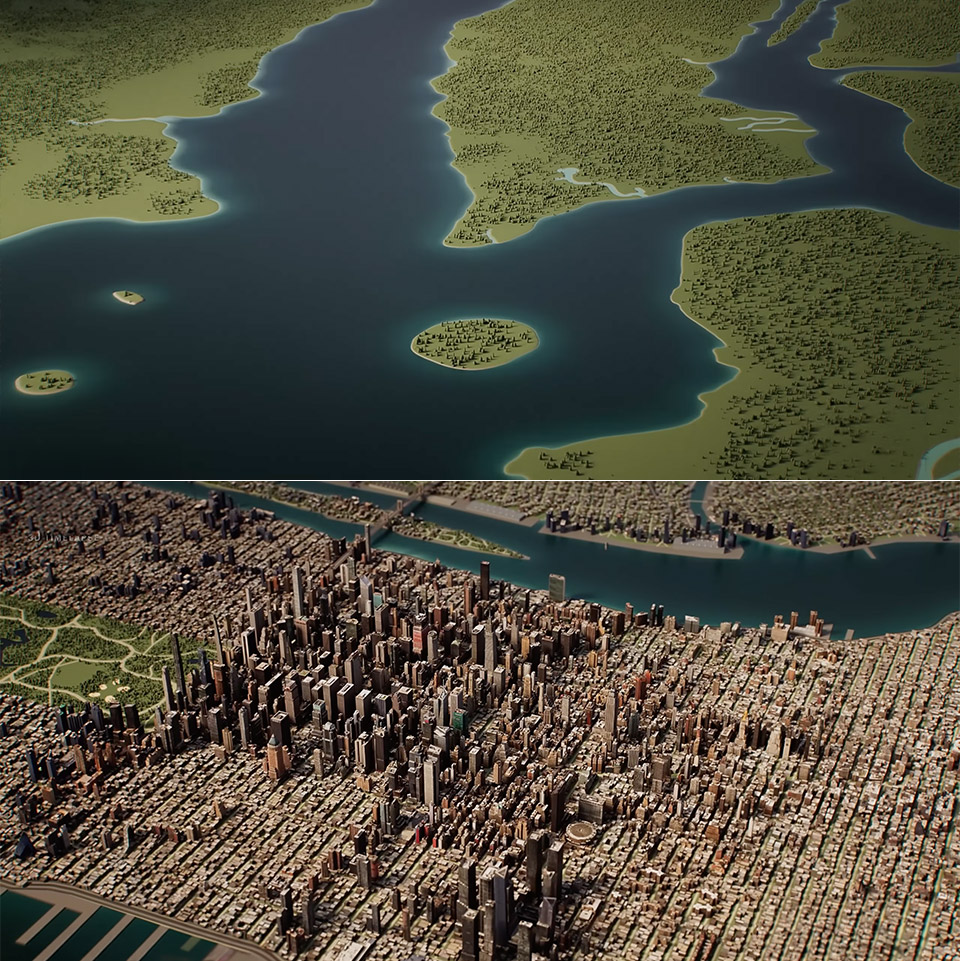
Christian Ivan worked for months within Blender, carefully creating a flawless 3D model of Manhattan Island, from a desolate landscape in 1600 to 2026. The final output was an 8-minute piece of work that scarcely claimed to be historically accurate. Ivan admitted to using ancient maps and atlas photographs from the New York Public Library to achieve the desired effect.


The time-lapse begins showing the island appearing desolate, with the occasional tree and some sand beneath a perfectly clear blue sky. There’s a hint to the Lenape people at the outset, before a handful of Dutch ships arrive and a little cluster of structures forms on the southern side. And that’s when New Amsterdam emerges, complete with twisting roads and fortresses to keep things under control. As the town grows, more figures emerge on the screen, serving as a cruel reminder that each new house or warehouse was erected on the backs of a small group of people who live on this tiny island.


LEGO Architecture New York City – The Big Apple Building Set for Adults, Ages 18+ – Decor for Bedroom…
- THE CITY THAT NEVER SLEEPS – Construct the ultimate souvenir with the LEGO Architecture New York City – The Big Apple (21066) building set for…
- CREATE 6 ICONIC LANDMARKS – Builders can create six NYC architectural icons in minimalist white, including the Brooklyn Bridge, Empire State…
- DISCOVER HIDDEN DETAILS – As they construct their city skyline, builders can discover details that are uniquely New York, such as yellow taxi cabs…

When the British take over, the settlement begins to expand out little. More docks are erected along the waterfront, and the street begins to grow north. It’s moving at a fairly steady pace, and the shoreline is shifting as rivers are progressively swallowed up by piers and filled in. As we enter the early American years, we begin to see a few more dwellings and dock work being built, as well as a continual stream of ships arriving faster than ever before. Warehouses begin to proliferate, and what was once a few colonies begins to resemble a proper operating port metropolis.
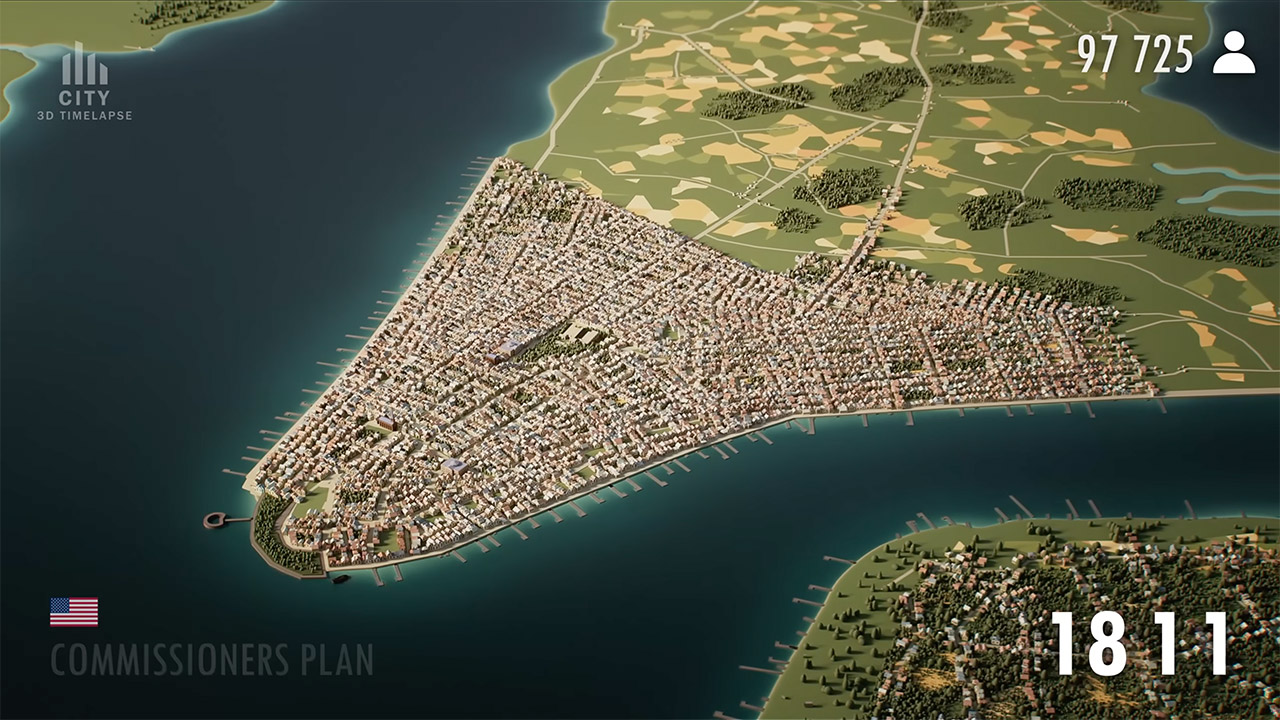
Then comes the Commissioner’s Plan of 1811, and in a single stroke, the middle of the island becomes gridlocked, with the old straight avenues and numbered streets marching north right where all that previously empty or sparsely populated land used to be, and that was a single decision made, and we still have it that way to this day. Growth accelerates from there. During the nineteenth century, the old empty blocks began to fill up with large brick buildings, factories, tenements, and industrial businesses, all piled on top of one other. As a result, the skyline begins to rise; at first, it is just trudging along, but you can tell it is starting to lift, and before long, you can see the skyline reaching into the sky.

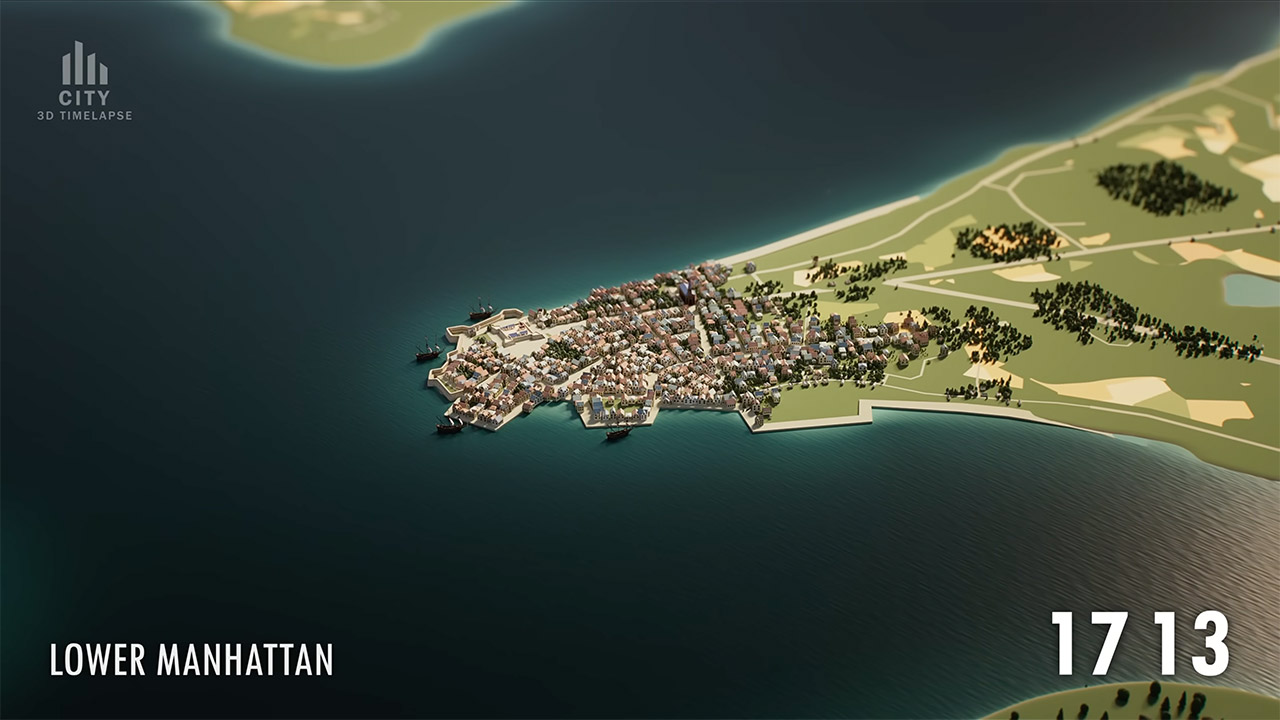
Ivan demonstrates his technique by walking through the entire process three times in a row. First, you get a good bird’s-eye view of the entire island, giving you an idea of its overall form and how development progressed from south to north. The camera then zooms in on Lower Manhattan, where the oldest streets still exist and the first skyscrapers are beginning to rise. Following that, the camera moves on to Midtown, where the grid has become more organized and the towers have begun to cluster. Watching the same old history unfold from three distinct perspectives makes it much simpler to grasp the scope of the changes that occurred. Lower Manhattan is the first to be settled, and its unique early layout remains until steel frames arrive and skyscrapers begin to take off. Midtown is filled in a little later and more methodically, with avenues converted into office skyscraper corridors.
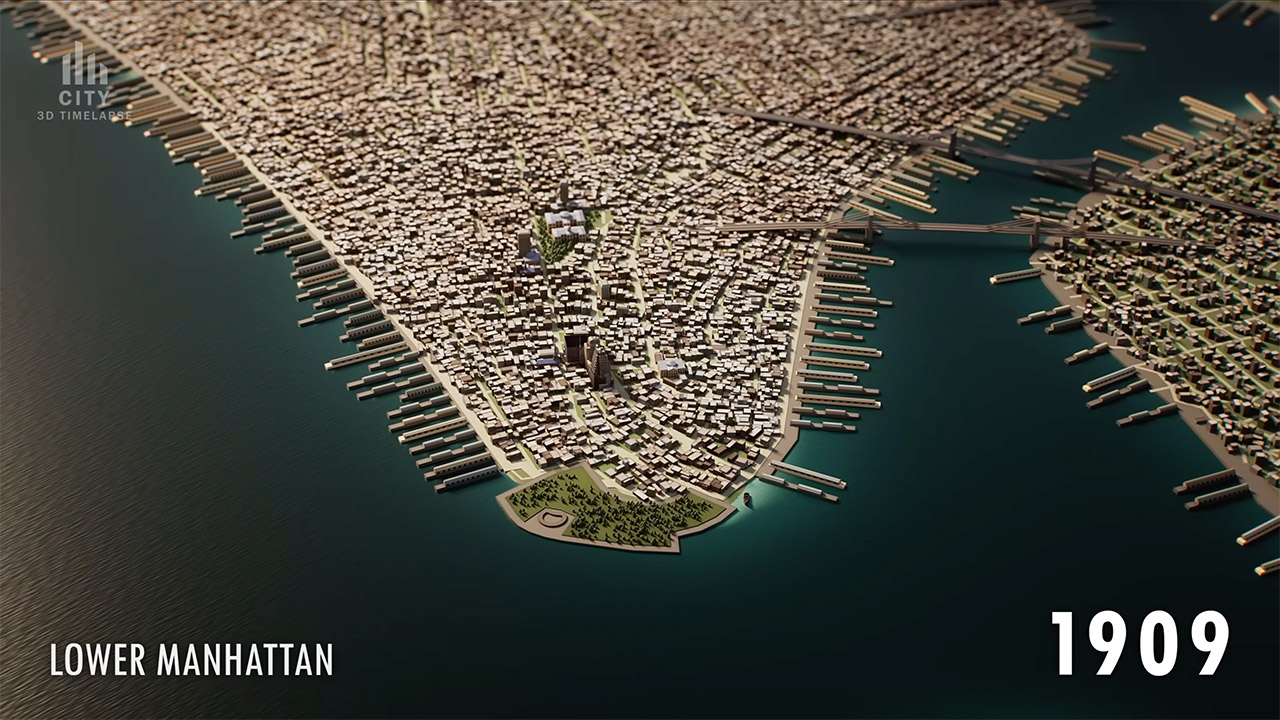
The twentieth century begins in a rather obvious manner. The Empire State Building appears on the scene, and additional Art Deco buildings spring up all around it. The twin towers of the World Trade Center emerge briefly before disappearing, leaving you with a tranquil visual reminder that huge changes may not always arrive as expected. The newer skyscrapers keep appearing in the last act, and the model is changed correspondingly. The island’s population continues to rise until it reaches its current level.
[Source]
You must be logged in to post a comment Login