Connect with us

Tech

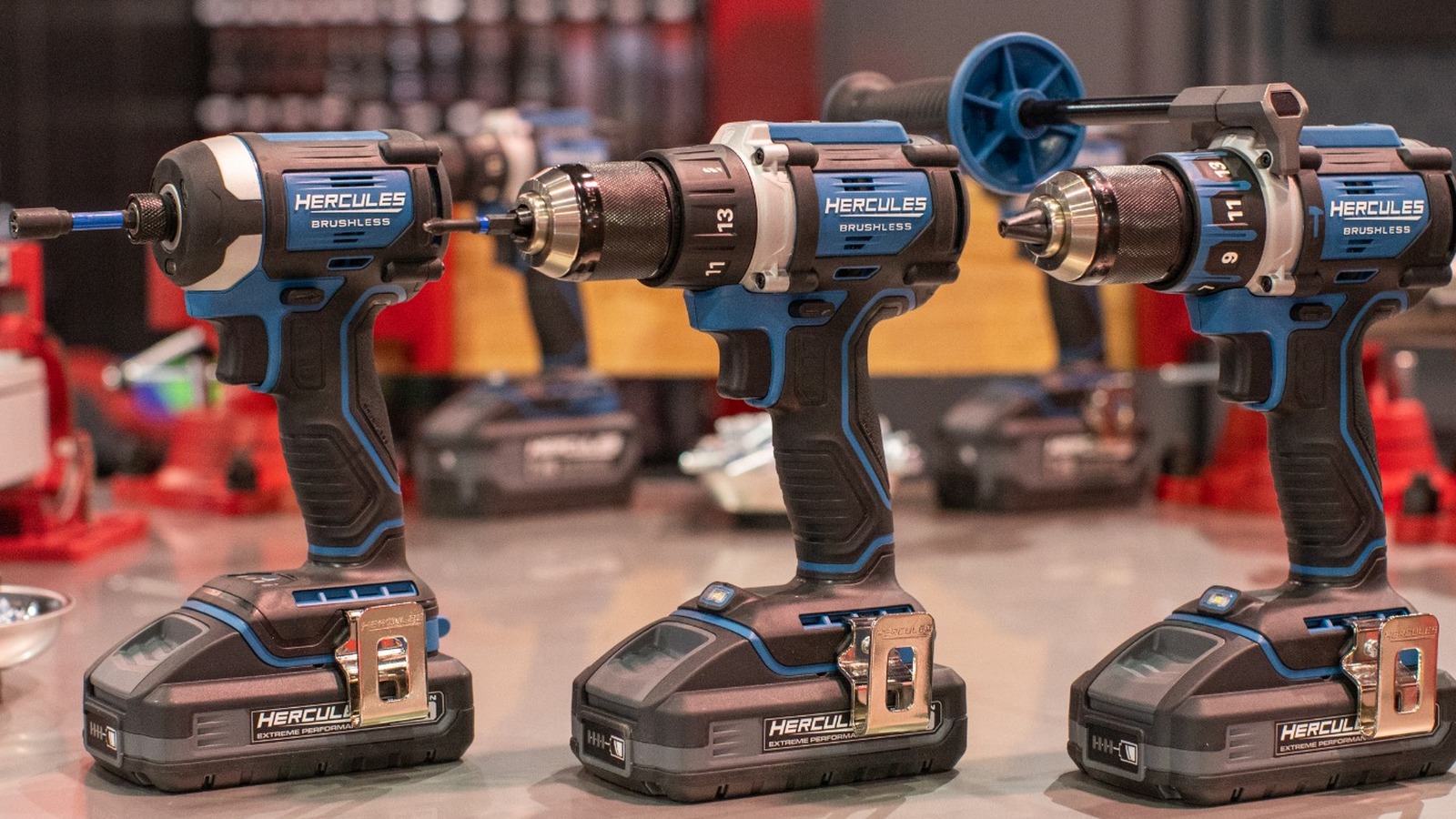
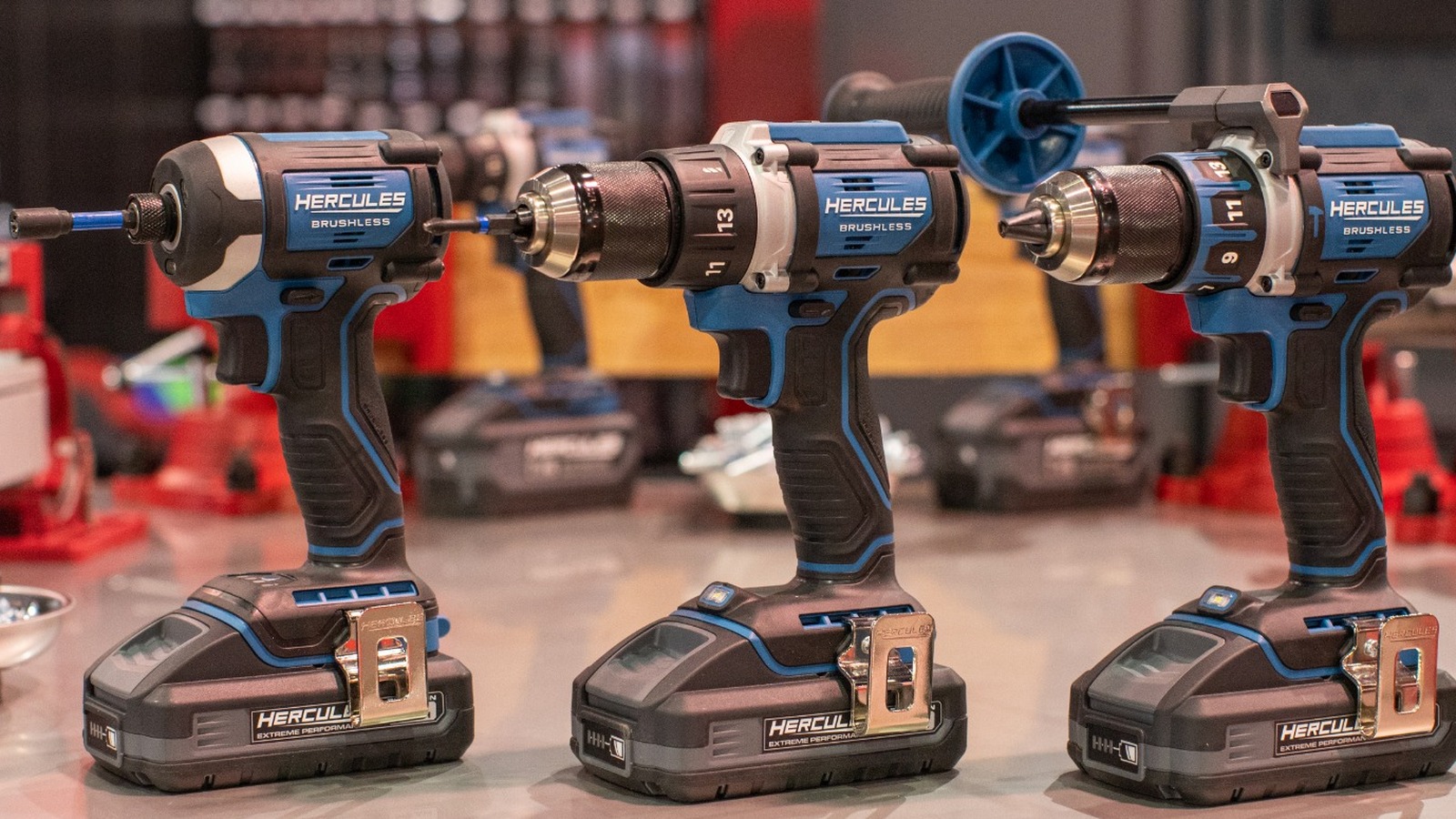
5 Harbor Freight Tools That Are More Powerful Than Ryobi

Published

on


We may receive a commission on purchases made from links.

Ryobi is frequently cited as one of the best major power tools brands on the market, particularly when it comes to measuring the ratio of price-to-performance. Not only is the Ryobi One+ battery system robust and reliable, but the company’s catalog of both corded and cordless tools is absolutely massive, with over 300 products in the 18V class alone. On top of that, Ryobi is the official Home Depot-affiliated power tool brand, which is why you won’t find any of the green tools sold at Lowe’s or any other brick-and-mortar retailer. This affiliation gives the company a certain measure of credibility that’s hard to come by in many of the other value-oriented brands on the market.

Advertisement

Harbor Freight’s power tools fill a similar niche. They aren’t usually trying to outperform the top-of-the-line models from DeWalt, Makita, or Milwaukee, but many of them aim to offer an approximation of that performance at a fraction of the price. This is most apparent in the company’s premium Hercules power tools, which are generally higher quality than those in its Bauer line.

The tool lines of these two manufacturers aren’t sold in the same stores, but the companies trade blows in terms of specs and performance more often than you might think. Ryobi is considered the safer bet by many craftspeople, but there are several instances where you might be surprised to learn that Harbor Freight comes out on top. By comparing the specs of two similar tools from each brand, taking a look at their weighted customer review scores, and seeing what pros have to say about them, you can see that there are several Harbor Freight tools that are able to outperform their Ryobi counterparts in terms of raw power.

Advertisement

Hercules 20V ½-inch Ultra Torque Impact Wrench (HCB85B2)

The Hercules lineup consistently hits well above its weight class in terms of design, power, and performance, but there are a handful of the brand’s power tools that are truly exceptional. These manage to hit high-end performance benchmarks while costing about half as much as other brands. One of the best examples of this is the Hercules 20V ½-inch Ultra Torque Impact Wrench (HCB85B2). 

The closest Ryobi variation of this tool is the 18V One+ HP ½-inch High Torque Impact Wrench (PBLIW01B). This is a fairly powerful battery-powered wrench that offers four modes of control and up to 1,170 ft-lbs of breakaway torque. It retails for $219.00 and is well-loved by users, with a 4.9 out of 5 on the Ryobi site and a 4.8 on Home Depot. Even so, the Hercules has the same four control modes, three different speed modes, and also boasts an impressive 1,500 ft-lbs of breakaway torque, handily outperforming the Ryobi while also being cheaper, at just $189.99.

This tool has a 4.9 out of 5 on the Harbor Freight website, matching the customer review score of the Ryobi. There are dozens of reviews that specifically cite the tool’s build quality and power as reasons for their positive reviews. “I feel like I have to brace myself when I use this,” said one. “Maybe I just need to work on upper body strength, but the force is great.” Torque Test Channel did extensive testing on this tool as well, and found that it even outperformed several higher-end tools offered by premium brands like DeWalt and Milwaukee, sitting several slots above the Ryobi on the power scale.

Advertisement

Hercules 20V 7 ¼-inch Rear Handle Circular Saw (HCB72B-1)

Just about every craftsperson needs a good circular saw, but many might not know that the rear-handled worm-drive-style saws tend to be a lot stronger than the typical top-handled variety. Hercules makes one of these that dramatically outperforms Ryobi’s closest competitor.

Advertisement

One of the best circular saws that Ryobi has to offer is the 18V One+ 7 ¼-inch Circular Saw (PBLCS300B). This promises 325 cuts per charge (though the listing doesn’t specify battery capacity) and cuts at speeds up to 4,300 RPM. That’s a pretty potent little saw, and users seem to like it, giving it a 4.8 out of 5 on the Ryobi site and a 4.5 on Home Depot, where it retails for $129.00.

That said, it isn’t even close to the power offered by the Hercules 7 ¼-inch Rear Handle Circular Saw (HCB72B-1). This tool costs an extra $20, but it’s able to make up to 725 cuts per charge on a 12Ah battery and speeds up to 5,800 RPM. That’s a significant boost in power, making it outperform the Ryobi model.

The Hercules saw has 4.9 out of 5 on the Harbor Freight site. “I love the worm drive configuration and the hook,” one reviewer said. “It has plenty of power. I’ve run it for several days on one battery. It’s half the price of DeWalt or Milwaukee, but performs just as good in my opinion.” Pro reviewers seem to like the tool as well. “Hercules claims this saw can handle all grades of lumber, including the toughest hardwoods. They aren’t messing around,” said Tool Craze. “No doubt thanks to a strong high-performance brushless motor designed to chew up and spit out lumber.”

Advertisement

Hercules 20V ½-inch Drill/Driver (HCB91B)

One of the most important power tools in any collection has to be the basic drill. This is something that you’ll be using in nearly every project that you take on, so it makes sense that you’d want to make sure you get a good one. Fortunately, this is another area where Harbor Freight put a lot of effort into making a tool with fantastic performance.

The Hercules 20V ½-inch Drill/Driver (HCB91B) is just $69.99 and has 14 clutch settings, a two-speed transmission, and promises to drill up to 350 holes on a single charge. But most importantly, it has a brushless motor that promises up to 1,200 in-lbs of torque. That’s a lot of power for any standard drill, let alone a budget option. Meanwhile, Ryobi’s brushless 18V One+ HP ½-inch Drill Driver (PBLDD01B) goes for $99.99 at Home Depot. This has a lot of the same features, but it’s only able to generate a maximum of 750 in-lbs of torque. This is a huge difference in performance, making the Harbor Freight tool outshine Ryobi in both price and quality.

Advertisement

The Hercules has a 4.7 out of 5 on the Harbor Freight website. “This drill is solid, well-built, and powerful,” one reviewer wrote. “I was impressed with the quality of the materials used in its construction,” said another. It isn’t just customers who feel this way, either. Pros seem to like the drill as well. “It has specs that come out in a good place for a Pro-level compact drill,” said Pro Tool Reviews Editor in Chief, Kenny Koehler. “The design and specs are close enough to that DeWalt drill to make us wonder if Stanley Black & Decker might be manufacturing Hercules for Harbor Freight.”

Advertisement

Hercules 20V ½-inch Hammer Drill/Driver (HCB92B)

Those who are going to be working with a lot of masonry might need to get a hammer drill rather than the standard version. These produce percussive force in addition to rotation that allows the bit to penetrate materials like concrete, brick, and asphalt. Luckily, this is another tool that is exceptional in the Hercules line.

The Ryobi 18V One+ HP ½-inch Hammer Drill (PSHM02B) is a popular option that has some decent specs. It’s able to operate at speeds up to 1,700 RPM, can deliver up to 450 in-lbs of torque, and hammers at a rate of up to 27,200 BPM. That ain’t bad, which is why the tool has a 4.7 out of 5 on Home Depot. That said, the Hercules 20V ½-inch Compact Hammer Drill/Driver (HCB92B) outclasses it in every metric. It operates at speeds up to 2,000 RPM, can produce up to 1,200 in-lbs of torque, and hammers at rates up to 32,000 BPM. 

This tool boasts a 4.8 out of 5 on the Harbor Freight site, and users seem to be particularly impressed by its reliability and power. “I use this drill on a daily basis,” said one reviewer. “I used this drill to core drill 12″ holes in storm sewer pipes. We also use it to mix up batches of mortar in 5-gallon buckets. I used other brand drills doing the same things, and they broke or burned out right away.” YouTuber Tool Review Zone did extensive testing on the drill as well. “This thing definitely stands on its own,” he said. “Even if this thing was priced a bit higher, this is still a legit buy. This is a well-built hammer drill and another really good job by Hercules.”

Advertisement

Hercules Compact Jobsite Blower (HC102B)

The quality of a jobsite blower can be measured in a few different ways. Weight, volume, and battery life can all contribute to a blower’s overall quality, but blowing power is measured by two separate metrics: volume and speed. The Ryobi 18V ONE+ HP Compact Blower (PSBLB01B) is a decently capable little tool that blows air at a volume of 220 CFM and at speeds up to 140 MPH, and retails for $109.00. The tool is quite popular, with a 4.8 out of 5 on the Ryobi site and a 4.7 out of 5 on Home Depot. Compare this to the Hercules 20V Compact Jobsite Blower (HC102B), though. This $44.99 tool blows 120 CFM at much higher speeds, reaching up to 200 MPH. This means that the Ryobi wins in terms of volume, which is better for sweeping wide areas and clearing dry leaves, but the Hercules is the superior tool when it comes to speed. This makes it better for tightly focused power, which is generally more ideal for shop environments and clearing stubborn, wet materials.

The Hercules blower has a 4.7 on the Harbor Freight site. “They weren’t kidding about how handy this is for shop and project cleanup,” one review stated. “No longer need to wait for air compressor pressure or use a much larger leaf blower. Surprisingly powerful for its size.” Pro reviewers have argued that the lightweight, small form factor, and power make it a really handy tool to keep in the shop. “This is a must-have tool,” said YouTuber Rural Minnesota Guy. “This, right now, I use all the time. Any time I get done with a tool, I blow it off. I clean up [my workbench]. It’s just really, really good.”

Advertisement

Our methodology

In order to compare the power levels of tools from different brands, we started by finding the Harbor Freight and Ryobi tools that were the most similar in terms of power source, design, fittings, and intended use. This is important in order to ensure that we are truly showcasing comparable products and not comparing dissimilar tools, like a drill to an electric screwdriver, for instance. We then examined each of these tools’ specs, specifically choosing examples where the Harbor Freight version of the tool advertised more power than the Ryobi alternative.

Advertisement

Once we had our tools picked out, we examined the customer reviews on each of the companies’ respective websites and then sought out professional reviews. This helped to verify that these tools stood up to real-world use and testing and that the power they demonstrated is in line with the specs reported by the manufacturer.


Advertisement

Source link

Continue Reading
Click to comment

Leave a Reply

Your email address will not be published. Required fields are marked *

Tech

What is the release date for The Pitt season 2 episode 10 on HBO Max?

Published

on

For good reason, Dr. Robby (Noah Wyle) is on the verge of quitting again in The Pitt season 2. He’s already due to go on a three-month sabbatical when this hellish Fourth of July shift ends, but now that’s starting to feel like a permanent leave of absence.

In his defence, I don’t blame him. The ER is currently under digital lockdown to prevent a cyber attack, meaning no computer records can be accessed, the number of patients practically doubles every five seconds, and replacement Dr. Al-Hashimi (Sepideh Moafi) isn’t making life easier for anyone.

Advertisement

Source link

Continue Reading

Tech

Microsoft adding Anthropic’s AI technology to its Copilot service

Published

on

The organisation is aiming to tap into the growing demand for autonomous agents.

Tech giant Microsoft has announced plans to launch Copilot Cowork, which is a tool based on Anthropic’s popular Claude Cowork. Reportedly, it is part of a larger initiative to take advantage of the growing demand for autonomous agents.

The news comes two months after Anthropic launched its Cowork model, which it described as a “simpler version of Claude Code”. This prompted concerns among those heavily invested in ‘traditional’ software companies resulting in a strong sell-off in US and European software. According to Reuters, Microsoft’s own shares fell nearly 9pc in February.

Currently, ​Copilot Cowork is in the testing phase and will be ​available to early-access ⁠users in later March. The organisation has not disclosed the pricing structure, but has revealed that some usage would be included ​in its $30-per-user, per-month M365 Copilot offering for enterprises.

Advertisement

Jared Spataro, the chief marketing officer of AI at Work at Microsoft said: “Frontier transformation starts with a simple idea: AI must do more than optimise what already exists. It must unlock new levels of creativity, innovation, and growth. And it must show up inside real work, grounded in real context and solve real problems for people and organisations. 

“We’ve found that to do this, the two most important elements are intelligence and trust. Intelligence ensures AI is contextual, relevant and grounded. Trust ensures AI can scale safely, securely and responsibly. Our announcements today (9 March) show how intelligence and trust together turn AI from experimentation into durable, enterprise-wide value.”

Following the reveal of Microsoft’s Copilot Cowork, Forrester vice-president and principal analyst JP Gownder said: “Microsoft’s launch of Copilot Cowork signals a strategic shift in its AI approach, showing the company moving Copilot away from reliance on OpenAI alone and toward a multi-model architecture that includes partners such as Anthropic. 

“The move also highlights the current limitations of Microsoft’s existing Copilot agents: while the company has talked extensively about autonomous ‘agents’, they have so far struggled to take meaningful action compared with newer agentic systems such as Anthropic’s. 

Advertisement

“At the same time, Copilot Cowork clearly taps into the growing hype around Anthropic’s Claude Cowork concept, but significantly extends it by embedding the capability across Microsoft 365 applications rather than keeping it as a desktop-centric tool.”

Don’t miss out on the knowledge you need to succeed. Sign up for the Daily Brief, Silicon Republic’s digest of need-to-know sci-tech news.

Source link

Advertisement
Continue Reading

Tech

You can (sort of) block Grok from editing your uploaded photos

Published

on

People can block the xAI’s Grok chatbot from creating modifications of their uploaded images on social network X. Neither X or xAI, both Elon Musk-owned businesses, have made a public announcement about this feature, which users began noticing on the iOS app within the image/video upload menu over the past few days.

This option is likely a response to Grok’s latest scandal, which began at the start of 2026 when the addition of image generation tools to the chatbot saw about 3 million sexualized or nudified images created. An estimated 23,000 of the images made in that 11-day period contained sexualized images of children, according to the Center for Countering Digital Hate. Grok is now facing two separate investigations by regulators in the EU over the issue.

The positive side of the recent feature addition is that X and xAI have taken a step toward limiting inappropriate uses of Grok. This block is a simple toggle and it hasn’t been buried in the UI. So that’s nice.

The negative side, however, is that this token gesture that doesn’t amount to any serious improvement to how Grok works or can be used. It’s great that the chatbot won’t alter the file uploaded by one person, but as reported by The Verge, the block only limits tagging Grok in a reply to create an image edit. There are plenty of workarounds for those dedicated individuals who insist on being able to use generative AI to undress people without their consent or knowledge.

Advertisement

Hopefully xAI has more powerful protective tools in the works. The limitations Grok on putting real people in scanty clothing that X announced in January seem to have had only partial success at best. If this additional and narrow use case is all the company offers, then the claims of being a zero-tolerance space for nonconsensual nudity are going to ring hollow. Especially since, as we noted at the time, xAI could stop allowing image generation at all until the issue is properly and thoroughly fixed.

Source link

Continue Reading

Tech

Here’s How to Track the Artemis II Mission in Real Time With NASA’s New Tool

Published

on

More than half a century after astronauts last left footprints on the lunar surface, humanity is preparing to return to the moon. The excitement surrounding NASA’s Apollo program once captivated the world, and now NASA hopes to rekindle that same sense of wonder with its modern lunar effort, the Artemis program.

NASA’s Artemis II launch is scheduled for the first week of April. It’ll be the first human mission to the moon since 1972, and it should be quite the achievement for the Artemis program. Now, NASA has released a new tool that lets the public track Artemis II in real time.

The Artemis program is NASA’s long-term effort to return humans to the moon and establish a sustained presence there for the first time since the Apollo program. The program aims to land astronauts near the lunar south pole, develop new technologies for long-term exploration and use the moon as a stepping stone for future missions to Mars.

Advertisement

The Artemis Real-time Orbit Website, dubbed AROW, is already available to the public, although there isn’t much to see since the launch is still a few weeks away. It’s also available directly from the NASA app if you’re using a mobile device. The site lets the public visualize data collected by sensors on Orion and sent to the Mission Control Center at NASA’s Johnson Space Center in Houston.

The website is simple to navigate. You’ll see a visual representation of Artemis II’s progress, including its speed, distance from Earth and distance to the moon. Mobile app users get all of the above, along with an extra augmented reality tracker that lets you point your phone at the sky and see where Artemis II is relative to your position on Earth. It works much like Google Star Map and other stargazing apps that use similar technology. 

According to NASA, tracking will be available once the Orion capsule separates from the rocket’s upper stage, which is expected about 3 hours after the upcoming April launch. The site will then update its information in real time for the entire 10-day mission.

Advertisement

NASA is also making flight data available for download so that people interested in creating their own content, such as visualizations or tracking apps, can do so. The data will include all sorts of things, including state vectors, which are data that “describe precisely where Orion is located and how it moves.” That same data will be used by NASA to study Orion and make improvements for future Artemis missions

An exact launch date for Artemis II hasn’t been set, but the agency plans on launching the mission no earlier than April 1. The launch was originally scheduled for February, but it was delayed multiple times due to a hydrogen leak and a helium flow issue. NASA says it has since fixed both issues.

Source link

Advertisement
Continue Reading

Tech

DOJ Un-Drops Its Appeal Against Law Firms, Files Brief That Gets The First Amendment Exactly Backwards

Published

on

from the such-a-waste-of-time dept

On Wednesday of last week, I wrote a post about how the Trump administration had quietly given up defending its unconstitutional executive orders targeting law firms. The DOJ was dropping its appeals, the firms that fought had won, and the firms that capitulated—led by Paul Weiss and their nearly $1 billion in groveling pro bono commitments—were left holding a very expensive bag.

What I did not realize, because this administration launches new absurdities faster than any human being can reasonably track them, was that the day before I published that piece (but about the time I was writing it), the DOJ had already filed a motion to take back its voluntary dismissal. And then, by Friday, the DOJ had filed a full appellate brief seeking to overturn all four district court rulings that struck down the executive orders.

So, to recap the timeline here: On Monday, the DOJ told the DC Circuit it was voluntarily dropping its appeals. All four law firms agreed. Done deal. On Tuesday, the DOJ filed a motion to withdraw its own voluntary dismissal. On Wednesday, I published an article mocking the administration for giving up. On Friday, the DOJ filed a 97-page opening brief arguing that the executive orders were “well within the Presidential prerogative.”

My only defense for coming in a day late is that covering this administration in anything close to real time is effectively impossible.

Advertisement

Let’s start with the procedural absurdity before we get to the substance—because the procedural absurdity is really something.

The motion to withdraw the voluntary dismissal is a remarkable document, mostly for how little it says. The entire operative section is barely over a hundred words. After all parties had agreed to the dismissal, the DOJ simply asked to take it back, offering no explanation whatsoever. The law firms’ collective response, included in the filing itself, was about as polite as you’d expect:

“Plaintiffs-Appellees oppose the government’s unexplained request to withdraw yesterday’s voluntary dismissal, to which all parties had agreed. Under no circumstances should the government’s unexplained about-face provide a basis for an extension of its brief.”

“Unexplained.” That word does a lot of heavy lifting. The DOJ’s motion doesn’t even try to explain why it changed course. There’s no “upon further reflection” or “new developments have arisen.” Just: forget what we agreed to yesterday, the court hasn’t formally granted the dismissal yet, so we’d like to un-dismiss please.

As of this writing, the court hasn’t ruled on that motion. But the DOJ apparently decided not to wait around and went ahead and filed its full appellate brief on Friday anyway.

Advertisement

The opening paragraph of the DOJ’s appellate brief is genuinely one of the more audacious things I’ve read in a legal filing, and I say that as someone who reads a lot of legal filings:

Courts cannot tell the President what to say. Courts cannot tell the President what not to say. They cannot tell the President how to handle national security clearances. And they cannot interfere with Presidential directives instructing agencies to investigate racial discrimination that violates federal civil rights laws.

Let’s focus on those first two sentences, because they reveal something important about how the administration is framing this case—and how badly they’re getting the First Amendment backwards.

“Courts cannot tell the President what to say. Courts cannot tell the President what not to say.”

Well, sure. In the most general sense, that’s true. The president can stand at a podium and say whatever he wants. He can say mean things about law firms. He can call them names on social media. He can go on television and express his displeasure with their client choices. That’s all government speech, and it’s all fine.

Advertisement

But that’s… not what happened here. What happened here is that the president issued executive orders imposing concrete sanctions on specific law firms—revoking security clearances, directing the termination of government contracts, restricting access to federal buildings, banning the hiring of their employees—because those firms represented clients the president didn’t like and employed lawyers who had been involved in investigations the president found personally disagreeable.

The brief tries to frame the courts’ injunctions as an attempt to “silence” the president. But nobody is trying to silence the president. The president can talk about these law firms every day from now until the world ends. What the courts said—four separate times—is that the president cannot use the machinery of government to punish law firms for their constitutionally protected legal advocacy. There’s a rather fundamental difference between speech and sanctions, and pretending not to understand that difference is doing a lot of work in this brief.

This gets at something we talk about regularly here at Techdirt: the First Amendment is a restraint on government power. It prevents the government from using its authority to suppress or punish private speech. When the DOJ frames this as courts trying to control the president’s speech, they’ve got the vector of the First Amendment claim pointing in exactly the wrong direction. The law firms aren’t saying the president can’t talk. They’re saying the president can’t retaliate against them for their own protected speech and advocacy. Those are two wildly different things.

The brief actually cites NRA v. Vullo, the 2024 Supreme Court case that we’ve written about a few times. For those unfamiliar, that case involved New York’s former superintendent of financial services, who was accused of using her regulatory power to coerce financial institutions into cutting ties with the NRA because she disagreed with the NRA’s advocacy. The Supreme Court held—unanimously—that government officials using their regulatory authority to punish or suppress disfavored private speech can violate the First Amendment, even if the official frames their actions in terms of legitimate regulatory interests.

Advertisement

The DOJ cites Vullo in the context of arguing that the district courts went too far in enjoining “future actions” based on Section 1 of the executive orders, quoting the district court’s ruling in favor of one of the law firms (Jenner & Block) favorably:

Significantly, even the district court in Jenner recognized this. That court declined to “enjoin future actions taken pursuant to Section 1,” because “Section 1 does not direct any action.” JA2205–06. But “shorn of its enforcement mechanisms, Section 1 is nothing more than the Executive Branch ‘saying what it wishes.’” Id. (quoting Nat’l Rifle Ass’n of Am. v. Vullo, 602 U.S. 175, 187 (2024)). “Jenner has no more right to silence the Executive Branch than the Executive Branch has to silence Jenner.” Id. That is because Section 1 is “government speech.” Id. Despite Jenner’s repeated request to enjoin Section 1 in the abstract, the district court correctly recognized that “[n]either standing doctrine nor equity generally permits such judicial prophylaxis.” JA2207. Thus, “[w]hether best viewed as a shortcoming of standing, ripeness, or” the lack of any basis in equity, “the guesswork entailed in enjoining all future uses of the sentiments expressed in Section 1 would exceed the Court’s proper role.”

The problem is that Vullo actually undercuts their entire argument. The point of the Vullo framework is that when government speech is coupled with government action designed to punish disfavored private expression, the combination can be unconstitutional coercion. The administration wants to unbundle its speech from its sanctions and defend each in isolation—”Section 1 is just government speech.” That’s precisely the move Vullo says you can’t get away with.

Meanwhile, I have to call out that the same people who argued in the Murthy v. Missouri case that any government speech criticizing private companies constituted a de facto First Amendment violation are now arguing “well, this paragraph was just speech, not retaliatory, so leave it alone.”

The brief also contains a line that should make Paul Weiss and others in the capitulation crowd feel especially great about their choices:

Advertisement

In recognition of those problems, many law firms agreed to address their practices and commit to providing pro bono work in the public interest.

The brief then helpfully lists them in a footnote in case anyone forgot which capitulating law firms to shun:

Allen Overy Shearman Sterling, Cadwalader, Kirkland & Ellis, Latham & Watkins, Milbank, Paul Weiss, Simpson Thacher, Skadden, and Wilkie Farr & Gallagher.

The DOJ is literally using the capitulation of those firms as evidence that the executive orders were reasonable and justified. “See? These firms agreed with us!” The firms that folded bought themselves a supporting role in the government’s brief arguing for the constitutionality of retaliating against law firms. Congratulations! Great job lawyering, guys.

Meanwhile, the four firms named in the brief who fought—Perkins Coie, Jenner & Block, WilmerHale, and Susman Godfrey—are named as parties who “instead filed suit.” See? Capitulating is the only proper move to this DOJ. Standing up for your own constitutional rights deserves punishment.

The heart of the filing is that opening framing. “Courts cannot tell the President what to say.” And the response to that is simple: nobody’s trying to. What courts can do—what they’re required to do under the First Amendment—is tell the president he cannot use executive power to punish private parties for their constitutionally protected advocacy. The fact that the DOJ appears unable or unwilling to understand this distinction tells you everything about the strength of their legal position.

Advertisement

As I noted last week, the administration’s decision to initially drop these appeals suggested that even a DOJ willing to argue almost anything looked at these cases and concluded it couldn’t win. The un-dropping and subsequent brief don’t change that calculus. While the DOJ offered no explanation for its reversal, the timing strongly suggests someone higher up didn’t like the press coverage of them folding and decided the political upside of continuing to threaten the legal profession outweighed the legal downside of losing again. Which, if you think about it, proves exactly what the law firms argued from the start: this was always about intimidation, never about law.

The firms that folded will keep being cited in government briefs as proof that the intimidation campaign was justified.

That’s the tax you pay for cowardice: your surrender becomes someone else’s evidence.


Advertisement

Filed Under: 1st amendment, doj, free speech, law firms, vullo

Companies: jenner and block, kirkland & ellis, latham and watkins, milbank, paul weiss, perkins coie, skadden, susman godfrey, wilkie farr, wilmerhale

Source link

Advertisement
Continue Reading

Tech

M5 Pro & M5 Max MacBook Pro review roundup: More of the same, at a higher price

Published

on

Early reviews of the M5 Pro and M5 Max MacBook Pro models are here, and while the improved performance is good, nobody is a fan of the $200 price increase.

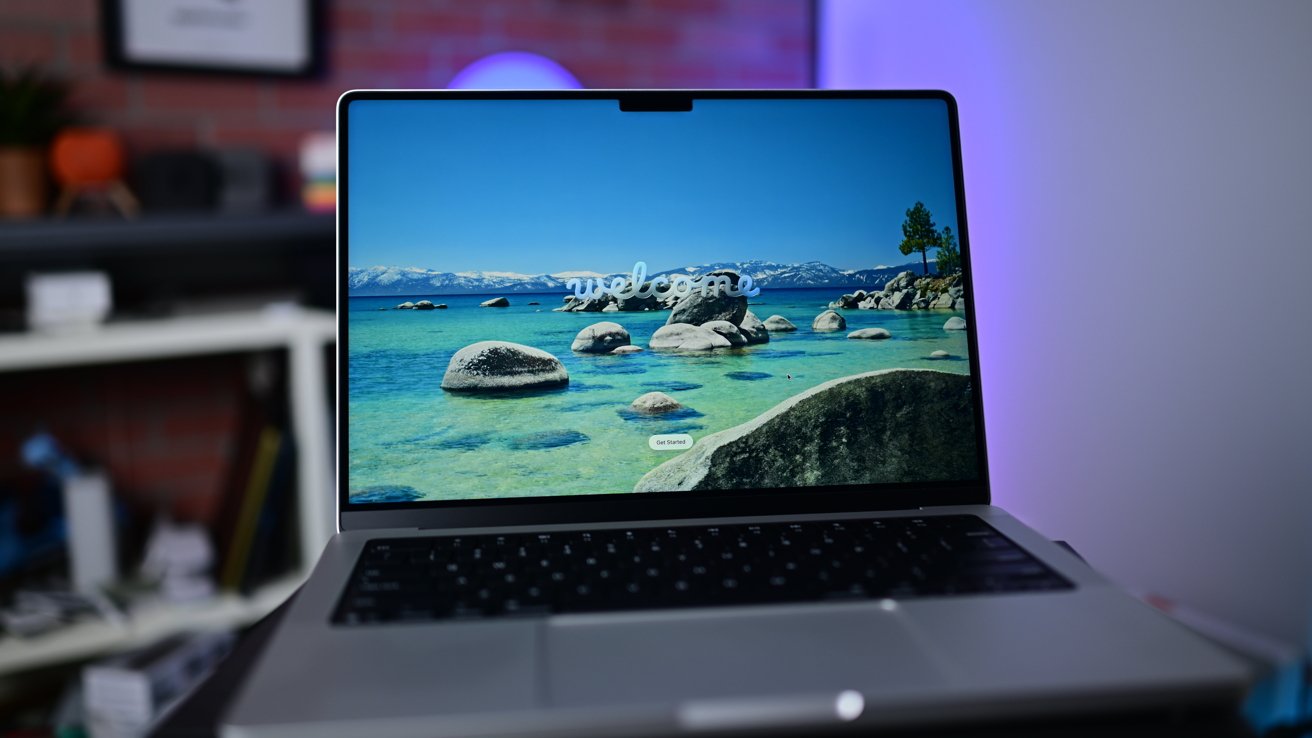
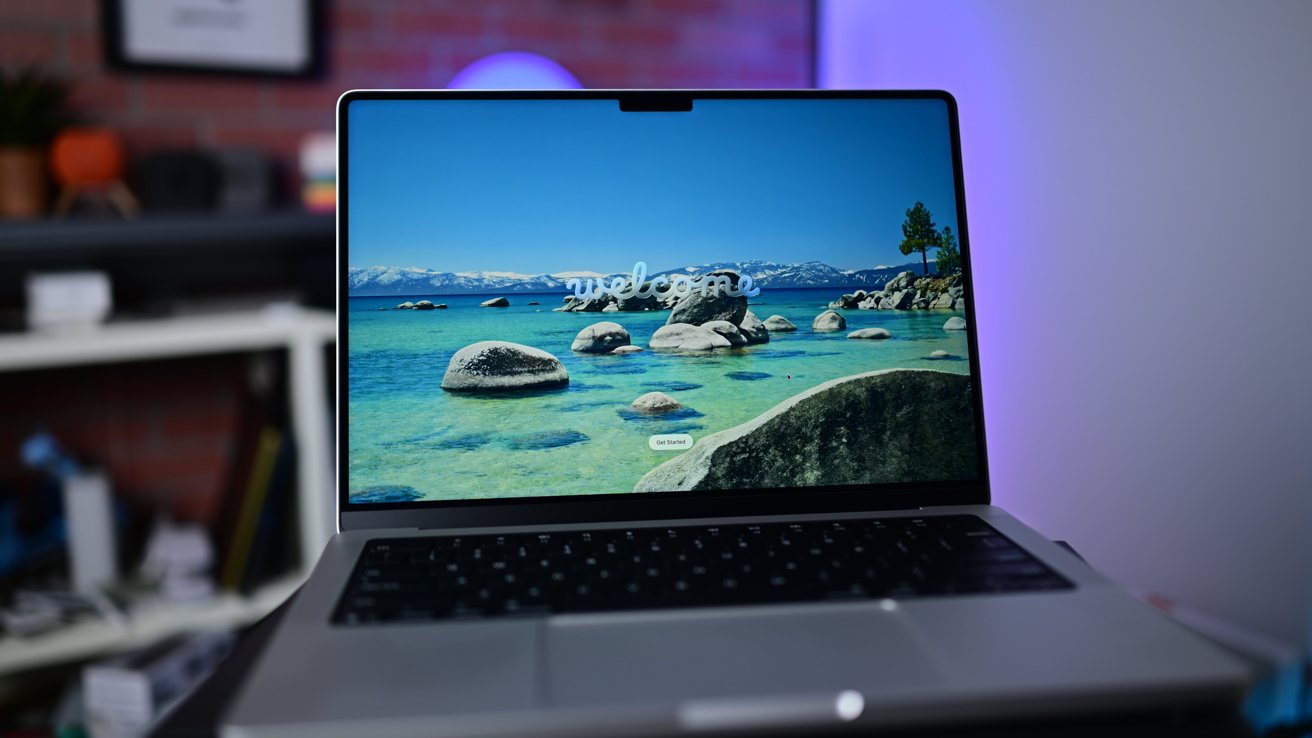
Open laptop on a desk showing a colorful welcome screen with a lake, large rocks, and distant snowy mountains, against a softly lit blurred office background
Early reviews of the M5 Pro and M5 Max MacBook Pro are here.

The M5 Pro and M5 Max versions of the 14-inch MacBook Pro and 16-inch MacBook Pro were announced on March 3, offering better performance. The two laptops are spec bump upgrades, meaning there’s effectively no other change, relative to the preceding M4 Pro and M4 Max models.
As a result, most reviews of the new laptop configurations focus largely on the processing hardware, what it can do, and how it performs in various tasks, be they hardware-intensive or not.
Continue Reading on AppleInsider | Discuss on our Forums

Source link

Continue Reading

Tech

Are Wired IEMs Having a Moment? CanJam NYC 2026 Suggests the Answer Might Be Yes

Published

on

Spend about ten minutes walking the floor at CanJam NYC 2026 and something becomes painfully obvious: wired IEMs are not quietly fading away into the Bluetooth sunset. If anything, they’re staging a very loud comeback. That only their users can hear but you understand where I’m going with this.

canjam-nyc-2026-crowd
CanJam NYC 2026

We counted roughly three dozen IEM brands showing new models this year and not just niche boutique outfits either. Meze Audio, Campfire Audio, Noble, 64 Audio, Astell&Kern, FiiO, Melody, Final DUNU, and a handful of smaller boutique builders were all pushing new wired designs that ranged from “somewhat affordable” to “this probably requires a second mortgage.”

This is happening at the exact same moment society has fully embraced streaming and wireless convenience. Walk down any street, get on the subway, or sit in a coffee shop and you’ll see the same thing: people glued to their phones with AirPods, Sony, or Bose wireless earbuds jammed in their ears while Spotify algorithmically decides what they should listen to next. Convenience won that war years ago.

But here’s the part that makes the CanJam floor so interesting. Despite the dominance of wireless listening, there appears to be a growing group of listeners who still care about sound quality enough to deal with the dreaded cable. And unlike full size headphones, wired IEMs solve a problem that a lot of audiophile gear doesn’t: they’re small, portable, and actually practical to carry around.

Advertisement
t10-bespoke-canjam-nyc-2026

Pair them with one of the many dongle DACs or portable DAC/amps that have flooded the market over the past few years from companies like FiiO, Questyle, iFi, and Astell&Kern, and suddenly you have something that delivers far better sound than most wireless earbuds while still fitting in your pocket.

So yes, the rest of the world may be happily living in a wireless ecosystem fueled by streaming and convenience. But if the crowds around the IEM tables at CanJam NYC 2026 were any indication, there are still plenty of people willing to deal with a cable if it means their music actually sounds better.

And based on the sheer number of new wired IEMs launching right now, manufacturers seem to think that number is growing — not shrinking.

Which raises an uncomfortable question for the wireless everything crowd:

Advertisement

What if wired IEMs never actually went away? They just waited for everyone to remember what better sound actually feels like.

A Wall of IEMs: More Choice Than Ever for Listeners

0-74
Campfire Audio at CanJam NYC 2026

I’ve never been the world’s biggest IEM fan. The whole “shove this into your ear canal and enjoy” concept never really worked for me. Some people swear by it. I usually spend the first five minutes wondering why my ears feel like they’re being fitted for dental molds.

The over-ear cable loop was always the least offensive part of the experience. It kept things relatively secure and avoided that lovely moment when someone brushes past you on a train platform or airport concourse and suddenly your headphones are being violently introduced to Newton’s laws of motion. Anyone who owned early fixed-cable IEMs knows the feeling: one snag, one sharp tug, and that cable is done.

Advertisement. Scroll to continue reading.

So a sincere thank you to whoever finally realized detachable cables were not a luxury feature but basic survival equipment. The pro audio world figured that out decades ago. You can’t exactly be onstage in front of 90,000 people and have your monitor connection disappear because someone stepped on a cable. Robust connectors and replaceable cables were inevitable — and long overdue.

Advertisement

Yes, wireless will replace most of this eventually. Convenience tends to win those battles. But what makes IEMs fascinating in 2026 isn’t the cable debate — it’s the sheer level of innovation packed into something smaller than a pinky ring. Balanced armatures, planar drivers, electrostatic elements, hybrid designs mixing multiple technologies, and configurations that stack five, eight, ten drivers or more inside a headshell that looks like it belongs on a piece of jewelry.

It’s absurd engineering in miniature. And judging by what we saw at CanJam NYC 2026, the people building these things are just getting started.

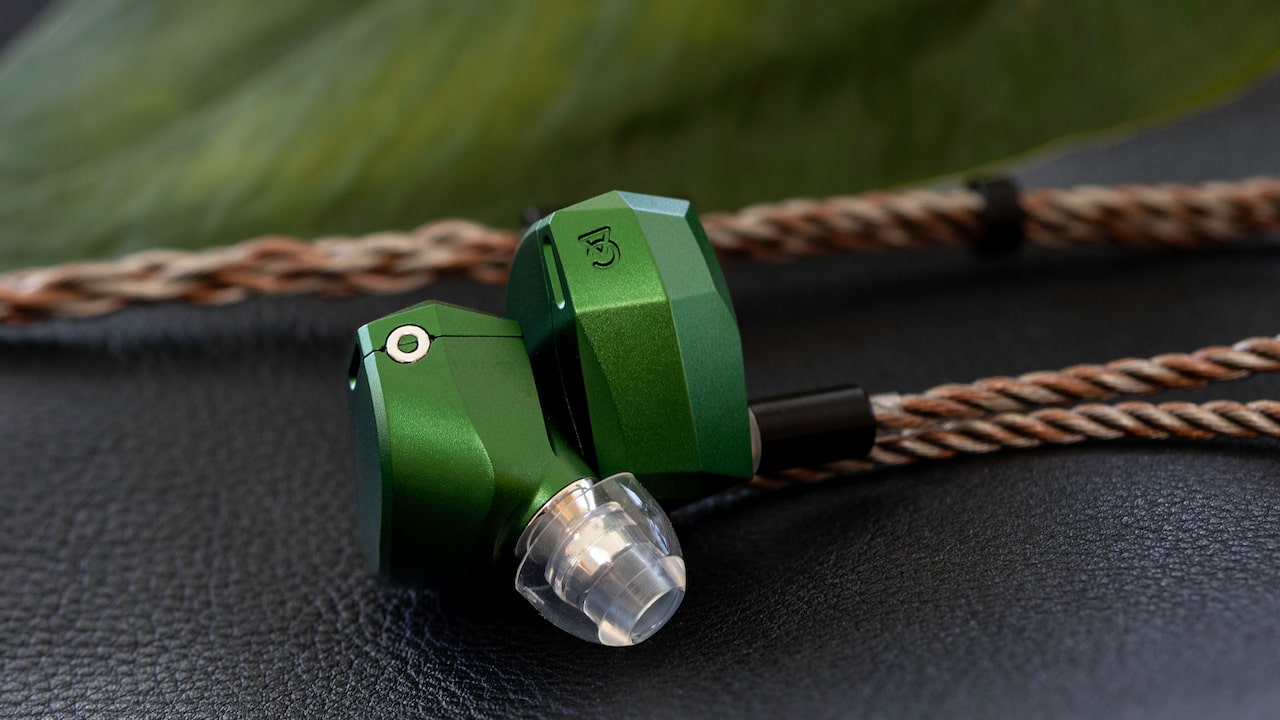
Campfire Audio Andromeda 10 IEMs
Campfire Audio Andromeda 10

One of the reasons we brought columnist Aaron Sigal back to cover wired and wireless IEMs is simple: the traffic is there. The demand is there. Our recent reviews of the Campfire Audio Andromeda 10, DUNU DN142, Apos x Community Rock Lobster, SIVGA Nightingale Pro, and Beyerdynamic DT 7x IE Series have all pulled in highly focused readership. Not casual drive by traffic either. The kind of readers who actually care about what driver configuration is inside the shell and whether the tuning leans reference or warm.

Is a lot of that coming from the Head-Fi crowd? Maybe. They can circle the wagons and argue endlessly about tips, cables, and impedance curves like it’s a graduate seminar in ear canal acoustics. But the interest is real, and the traffic numbers back that up.

Advertisement

Walking the floor at CanJam NYC 2026 made that even harder to ignore. There were so many tables dedicated to wired IEMs that it almost discouraged me from trying to cover them all. Full size headphones are still where my personal interest leans, and frankly that’s where a lot of our readers tend to focus as well. But the reality on the show floor told a different story.

dunu-canjam-nyc-2026

The IEM tables were packed. Constantly.

Yes, the entire show was a sea of people moving from booth to booth, but the crowds hovering over those tiny display trays full of in ear monitors never really thinned out. People waiting for a chance to listen. Swapping tips. Plugging into portable DACs. Comparing notes.

Based on what we saw, it’s hard to imagine that the companies building wired IEMs didn’t have a very good weekend in New York. There’s just no way those tables were that busy if nobody was buying.

Advertisement

So here’s the question for readers.

Do you actually use wired IEMs? And if you do, why?

Is it about sound quality? Portability? Isolation on planes and trains? Or are you pairing them with a dongle DAC or portable player because you simply refuse to let Bluetooth compression have the final say in how your music sounds?

Advertisement. Scroll to continue reading.
Advertisement

And let’s address the elephant sitting in the display case: price. The number of wired IEMs that now cost well into the thousands of dollars is…kind of insane. Universal or custom, it doesn’t seem to matter anymore. Some of these models cost as much as a very good stereo system or a pair of flagship headphones.

Does that discourage you? Or do you see them as the most practical way to get reference level sound in a portable format?

We’re genuinely curious where people land on this.

Source link

Advertisement
Continue Reading

Tech

Incogni vs Optery (2026): A Complete Comparison of Data Removal Services

Published

on

Data brokers are more active than ever, and it’s not stopping anytime soon. On the contrary, as the digitalization of our lives proceeds, they have more information to collect from public records, marketing databases, scraped web content, or different third-party sources. Then, they can sell it for advertising, profiling, and background checks, among other purposes. Not to mention fraud and identity theft.

The best way to approach this issue is by working with a professional data removal service. And in this space, two names often come up – Incogni and Optery. If you’re comparing, you’re likely asking: Does it really work? Is it legitimate? And which one is better?

The comparison below will walk you through differences without hype, just structure and substance.

Incogni vs Optery at a Glance

Category Incogni Optery
Pricing (when billed annually) From $7.99 From $3.25
Removal Model Fully automated Mix of automated and manual
Broker Coverage 420+ public and private brokers Up to 640+ (plan-dependent)
Recurring removals 60-90 days removing cycles, ongoing suppression, follow-up scans Follow-up scans (once a month) and maintenance
Free Option 30-day money-back guarantee Free basic self-service plan, 30-day money-back guarantee
Independent Verification Deloitte Limited Assurance assessment None publicly disclosed
Editorial Recognition PCMag Editors’ Choice, PCWorld Editors’ Choice, reviews by industry authorities like TechRadar and Cybernews Reviewed by industry authorities like PCMag and TechRadar
Best fit Long-term automated suppression Public exposure visibility and flexibility

Removal Model

Incogni Optery
Automation-first model focused on long-term enforcement Exposure discovery + tier-based automated removals
Automated deletion and opt-out requests Outreach to brokers included in the selected subscription tier (up to 640+)
Recurring re-submissions are typically every 60-90 days, depending on broker type Automatic cycles, frequency based on subscription level
Focused on people-search sites and private data aggregators Focused primarily on public-facing people-search databases
User involvement minimal after setup User involvement moderate after setup – dashboard review and monitoring
Continuous suppression across public & private brokersStatus tracking dashboard URLs + screenshots of discovered listings

The structural difference is pretty clear: Incogni focuses on continuous suppression, while Optery centers on visible exposure management with plan-dependent automation depth.

Advertisement

Broker Coverage

Broker count alone is, of course, essential, but it doesn’t tell the full story; the type of brokers matters as well, if not more.

Incogni reports outreach to more than 420 brokers, including both public people-search websites and private databases involved in marketing, recruitment, background checks, and profiling. Many private brokers operate behind the scenes, don’t provide searchable listings, and are hard to reach for an individual. But addressing these entities targets the backend of the data trading environment directly.

Optery advertises coverage of up to 640+ brokers. However, maximum coverage requires higher-tier plans. Its tools are especially effective with public-facing sites, where listings can be easily identified and tracked. There’s not much Optery does with private brokers.

So, even though Optery may seem to have broader coverage, Incogni’s inclusion of private databases suggests deeper suppression.

Long-Term Performance

A removal service is only as strong as its follow-up system.

The problem of data reappearance is very common in the industry. Databases refresh regularly, and deleting your personal information once doesn’t guarantee that it won’t come back.

Advertisement

Incogni’s requests rely on applicable privacy laws and regulations where possible, and then the service follows up on non-responsive brokers and continuously monitors the web for your data. The whole process was independently assessed by Deloitte, which confirmed it works as promised.

Optery’s effectiveness is evident in public listing removals. In this case, users can easily confirm deletion and monitor progress through the dashboard. Ongoing protection and monitoring are available but depend on the subscription tier. If your concern is mainly with the public visibility of your data, Optery will be fine. 

However, for users seeking long-term, diverse protection, Incogni will bring better effects.

Pricing

Pricing Breakdown: Incogni (2026)

Incogni keeps its pricing structure clear and simple, focusing on automation and comprehensive removal.

Advertisement
Plan Price (When Billed Annually)
Standard  $7.99/month, $15.98 when monthly
Unlimited $14.99/month, $29.98 when monthly
Family $15.99/month, $31.98 when monthly
Family Unlimited $22.99/month, $45.98 when monthly

Incogni doesn’t fragment its access across tiers – its base plan already includes its entire broker coverage as well as the recurring removal system. No free options are available, but there is a 30-day money-back guarantee for risk-free testing. Family plans expand coverage to more people in a bundle.

For American users, Incogni also offers the Protect plan, which combines its services with NordProtect – it costs $41.48/month or $20.74/month when billed annually.

Additionally, you will find Incogni in the Surfshark One+ bundle, with prices starting at $4.19/month when billed biannually.

Pricing Breakdown: Optery (2026)

Though the number of plans is similar, Optery’s pricing structure is more tiered and modular.

Advertisement
Plan Price (When Billed Annually)
Free Basic Free
Core $3.25/month, $3.99 when monthly
Expanded $12.42/month, $14.99 when monthly
Ultimate $20.70/month, $24.99 when monthly

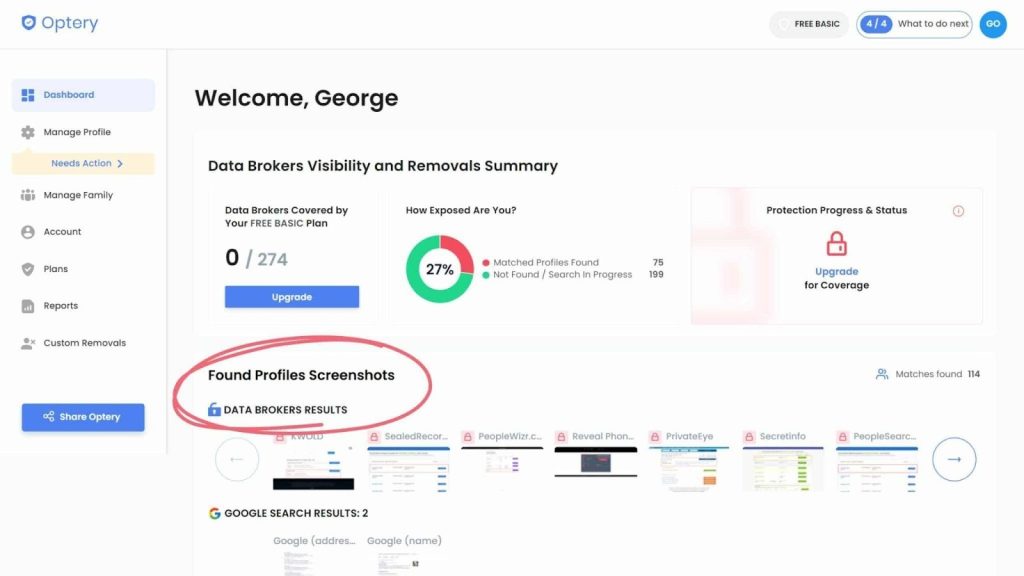
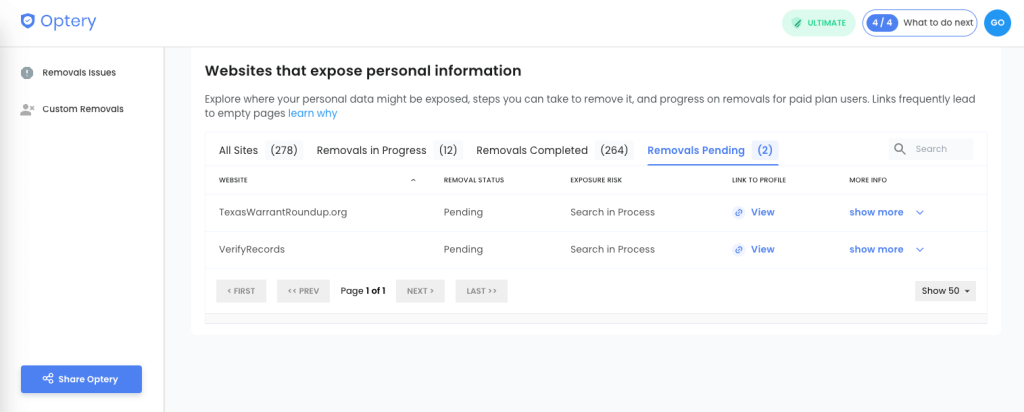
Optery offers a free option that includes an exposure report with dashboard access, links, and screenshots, but no automated removals. The next plan, Core, adds automated removals for a limited set of brokers. The Extended tier expands coverage and adds recurring reports with screenshots. With the top tier, Ultimate, you can reach the highest number of sites – 640+ or 400+ without enabling Expand Reach. You also get unlimited custom removals and quarterly detailed reporting.

Transparency and Reporting

Both services provide their users with dashboards, but the focus differs significantly.

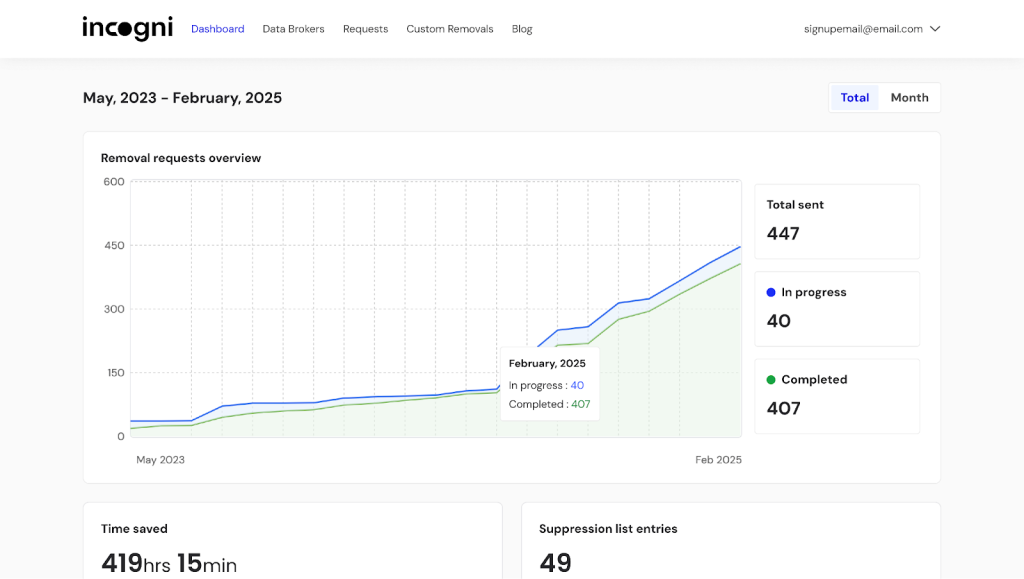
Incogni tracks removal requests, responses, and status updates. As a lot of private brokers don’t publish their listings, screenshot-style confirmation isn’t always possible. Transparency centers on process reporting and tracking.

Optery highlights exposure visibility. You will see the discovered public listings, often with links or screenshots that provide clear confirmation. This approach is especially (and only) useful in the case of public-facing data.

Reputation

Incogni underwent Deloitte’s limited assurance assessment, which confirmed that its processes all work as described. This type of third-party verification is extremely unusual in this industry. Moreover, its Editors’ Choice awards from PCMag and PCWorld, alongside reviews from authorities like TechRadar and Cybernews, make it a strong contender in the privacy protection space.

Optery, on the other hand, doesn’t have any independent verification, but it has been reviewed by industry authorities like PCMag and TechRadar that praise its visibility-focused approach. 

Advertisement

Final Words: Incogni For the Win in 2026

Both Incogni and Optery can be valid data broker removal service choices in 2026. It all depends on what you need.

Optery is strong if you want insight into publicly visible listings and seek visual confirmation of removals.

However, in this 2026 comparison, Incogni ranks as the stronger overall data removal service. This is particularly because of its sustained backend suppression and verified operational processes that were also recognized by industry authorities. 

FAQ

How can I verify that my information has actually been deleted?
Advertisement

Optery is unique in providing before-and-after screenshots as concrete evidence of removal. Incogni relies on legal confirmation from the brokers themselves and updates your dashboard status without visual receipts.

Which service offers the most useful unpaid features?

Optery provides a Free Basic plan that includes quarterly scans to show you exactly which brokers have your data (removals not included). Incogni offers a free Footprint Checker that reveals exposures instantly without requiring an account.

Advertisement
Which tool is better for reaching “private” or marketing brokers?

Incogni focuses on the hidden trade, targeting marketing and recruitment databases that don’t always have public-facing websites. Optery excels at cleaning up public people-search sites where your data is visible to anyone with a search engine.

Advertisement

Source link

Continue Reading

Tech

Huion Kamvas 22 (Gen 3) drawing tablet review: An excellent entry-level option

Published

on

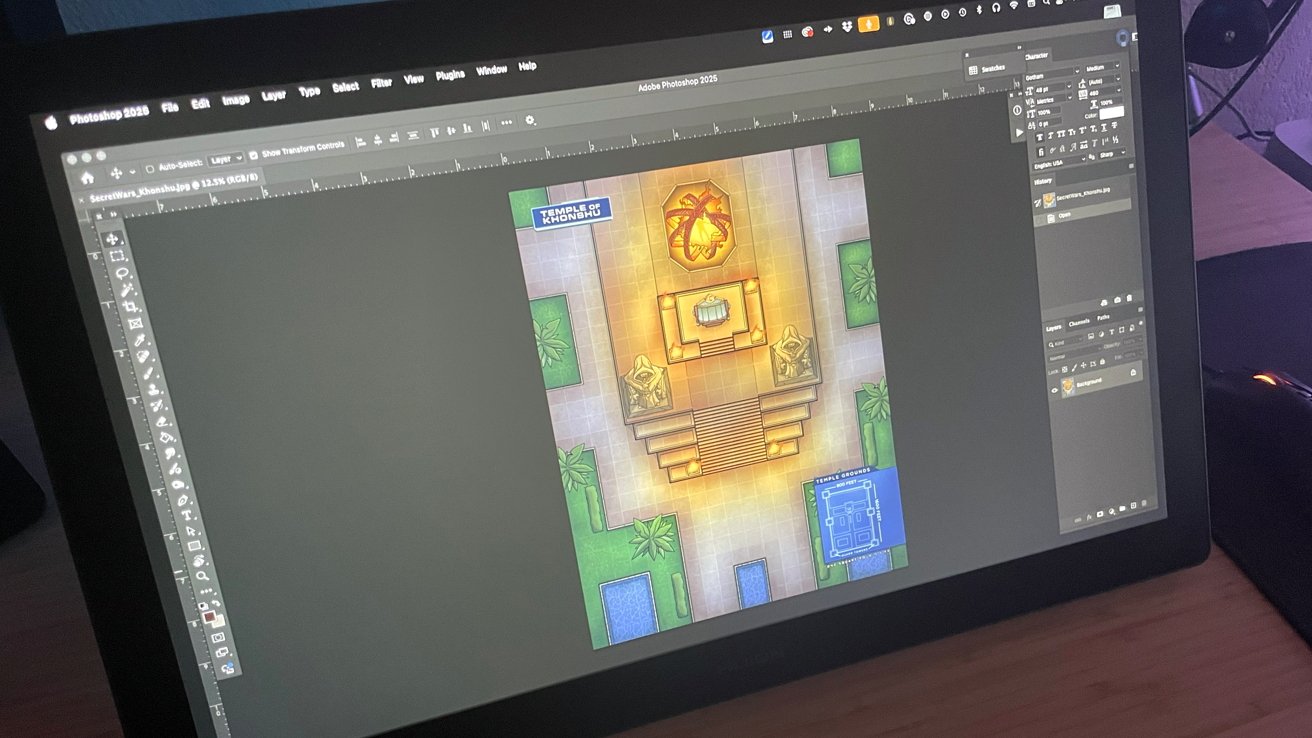
The third-generation Huion Kamvas serves as an excellent upgrade to digital artists moving to a pen display for the first time, without breaking the bank.

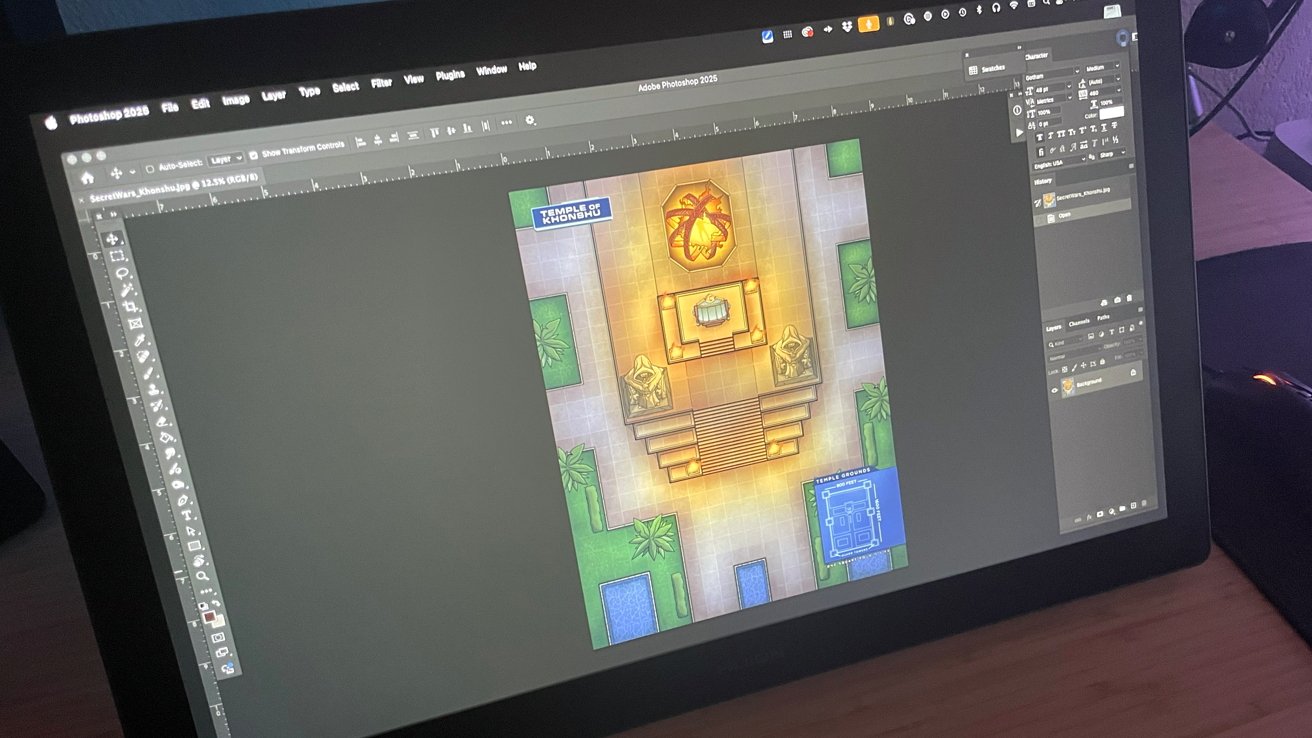
Tablet screen showing Adobe Photoshop with a colorful top-down temple map open, featuring glowing central altar, statues, surrounding greenery, pools, and a small blue floor-plan inset
Huion Kamvas 22 (Gen 3) Review

For digital artists, it is a great time to be looking for hardware.
As a professional cartoonist and cartographer working exclusively in the digital workspace for about two decades, pen display tablets are where I live with my work. As a result, I have used/tested many models, shapes, and sizes in my years.
Continue Reading on AppleInsider | Discuss on our Forums

Source link

Continue Reading

Tech

Apple could launch a Macbook Ultra with OLED screen later this year

Published

on

Apple may be preparing to introduce an entirely new high-end laptop later this year.

According to Bloomberg’s Mark Gurman, the company is working on a premium “MacBook Ultra” featuring an OLED display and touchscreen support. This could potentially mark one of the biggest changes to the MacBook lineup in years.

The device is expected to sit above the current MacBook Pro models, rather than replace them. Gurman suggests Apple is positioning the laptop as a new top-tier option. As a result, it is expanding its Mac lineup with a more expensive, flagship-tier machine aimed at users who want the very best hardware.

One of the headline upgrades could be the move to OLED display technology. Apple has already adopted OLED for several products, including the iPhone and the latest iPad Pro. The same shift could finally arrive on the Mac. OLED panels typically offer deeper blacks, stronger contrast and improved colour accuracy compared to traditional LCD displays.

Advertisement

Advertisement

The report also mentions touchscreen support, something Apple has long resisted on Mac laptops. If accurate, it would mark a significant shift in Apple’s design philosophy, potentially bringing the MacBook closer to the touchscreen experience offered by many Windows laptops.

With those upgrades likely comes a higher price tag. It is worth noting that when Apple introduced OLED displays on previous devices, prices typically rose by around 20%. This suggests a similar premium could apply here. The new model would therefore sit firmly at the top of Apple’s laptop lineup.

The rumoured MacBook Ultra also fits into a broader strategy at Apple. The company has been expanding its product range both at the entry level and the premium end. At the lower end, Apple recently introduced the MacBook Neo, a £599/$599 model designed to compete with cheaper Windows and Chromebook devices.

Advertisement

At the same time, Apple appears to be exploring more Ultra-branded products at the top of its range. Upcoming premium devices could include an “iPhone Ultra” and “AirPods Ultra”. This reflects a push toward higher-end hardware alongside more affordable options.

While the final name is not confirmed, Apple could still keep the traditional MacBook Pro branding, expecting the OLED-equipped MacBook to launch towards the end of the year if development continues on schedule.

Advertisement

Source link

Advertisement
Continue Reading

Trending

Copyright © 2025