Tech
8 New Headphones and IEMs We Want to Try in 2026

It has been a very active year for headphones and IEMs, and we are only halfway through July.
Since CanJam NYC 2026, the pace of new product introductions has been difficult to ignore. Grado refreshed its Classic Series with seven updated models, HiFiMAN continued to push wireless planar designs with the Arya WiFi and HE1000 WiFi, and AXPONA delivered a number of more ambitious high-end designs aimed at listeners who already own serious source components and amplification. Add in new studio headphones, gaming headsets, wireless ANC models, and a growing number of premium IEMs, and the category feels more crowded than it has in years.
There is more coming. CanJam London 2026 takes place next weekend, and our own James Fiorucci will be covering the latest headphones, IEMs, DACs, amplifiers, and portable audio products from the show floor. Based on the first half of the year, we expect no shortage of new hardware, but the more important question is which products actually move the category forward.
This is not a buying guide or an awards list. We have not reviewed these eight products yet. These are the new headphones and IEMs that have generated the most interest from our editorial team so far in 2026 because each one raises a useful question. Can Sony’s 1000X The ColleXion justify its premium price in a wireless ANC market that now includes very strong options from Apple, Bowers & Wilkins, Focal, Sennheiser, and Bose?
Does Final’s $8,500 DX10000 CL represent a genuine closed-back reference design, or is it a statement product for a very small audience? Can Meze’s ARTA create real separation above the Empyrean II and ELITE? Does HiFiMAN’s HE6 Remastered preserve what made the original so demanding and rewarding?
The headphone market has reached an interesting point. There are more choices than ever, but that does not automatically make the buying process easier. Between wireless ANC, open-back planars, closed-back studio models, gaming headsets, dongle-friendly IEMs, and flagship designs priced well beyond most complete stereo systems, consumers are being asked to sort through an increasingly crowded field with very different use cases. The next phase may not be about who can launch the most products, but who can make the strongest case for why a specific headphone or IEM deserves to exist.
Final DX10000 CL

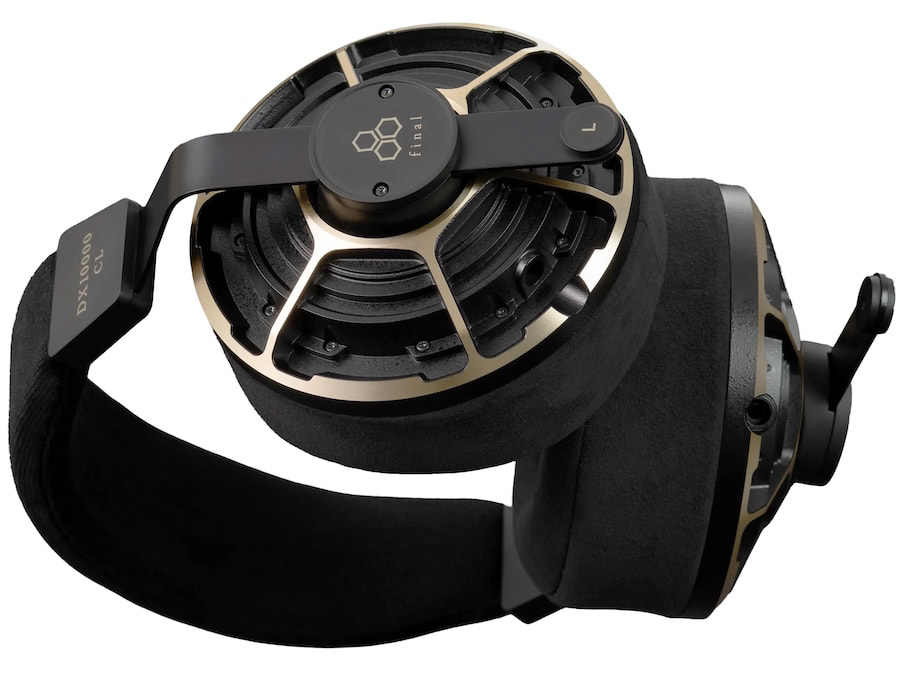
Final’s DX10000 CL is the outlier in this group, and not only because it costs $8,499. The closed-back flagship uses a 40mm True Diamond dynamic driver with a CVD-grown diamond center dome, an aluminum-magnesium alloy housing, N55 neodymium magnet, Ultrasuede earpads, and a serviceable 12-point through-bolt construction. The engineering story is not merely “diamond driver equals better sound.” Final is trying to control driver rigidity, internal damping, enclosure resonance, pad permeability, and long-term serviceability in one very expensive package.
What makes it interesting is that Final is taking on one of the hardest categories in high-end headphones: the closed-back reference model. Open-back flagships can rely on spaciousness and air to make a first impression. Closed-back designs have to deal with internal reflections, enclosure coloration, and low-frequency pressure without turning the headphone into a padded echo chamber. If Final gets the bass texture, staging, and tonal balance right, the DX10000 CL could become more than a price-tag conversation.
Who is this for? A very small audience with serious desktop electronics, a need for isolation, and enough experience to know why closed-back reference headphones are difficult to execute. It is not for the listener shopping by value. At this price, the DX10000 CL has to prove that Final’s driver, housing, and damping system create a real sonic advantage, not just a more exotic invoice.
Sony 1000X The ColleXion


Sony’s 1000X The ColleXion matters because the 1000X line already owns a major piece of the premium ANC conversation. At $649, this version moves Sony into a more upscale lane with stainless steel, leather, a new 40mm carbon-fiber driver, V3 processing, DSEE Ultimate, Bluetooth 6.0, LC3, LDAC, new spatial modes, and a redesigned case. Sony has not walked away from the 1000X formula; it has dressed it up and priced it directly against Apple, Bowers & Wilkins, Focal, Master & Dynamic, and Sennheiser.
The questions are practical. Does the new driver improve clarity, bass control, and tonal density? Does the ANC remain class-leading? Does the 320g weight disappear during long listening sessions? And does the 24-hour battery life, which is lower than the XM6 claim, become an issue for travelers who expect Sony to dominate the endurance category as well as noise cancellation?
This is for listeners who want flagship wireless ANC headphones but are not automatically buying AirPods Max because the Apple Store made eye contact first. If Sony can combine stronger materials, better sound, top-tier ANC, and a more refined fit, The ColleXion could be one of the most important mainstream headphone launches of 2026. If not, it risks becoming a more expensive 1000X with better clothes.
Where to buy: $648 at Amazon | Best Buy | Crutchfield (available now)
Meze Audio ARTA

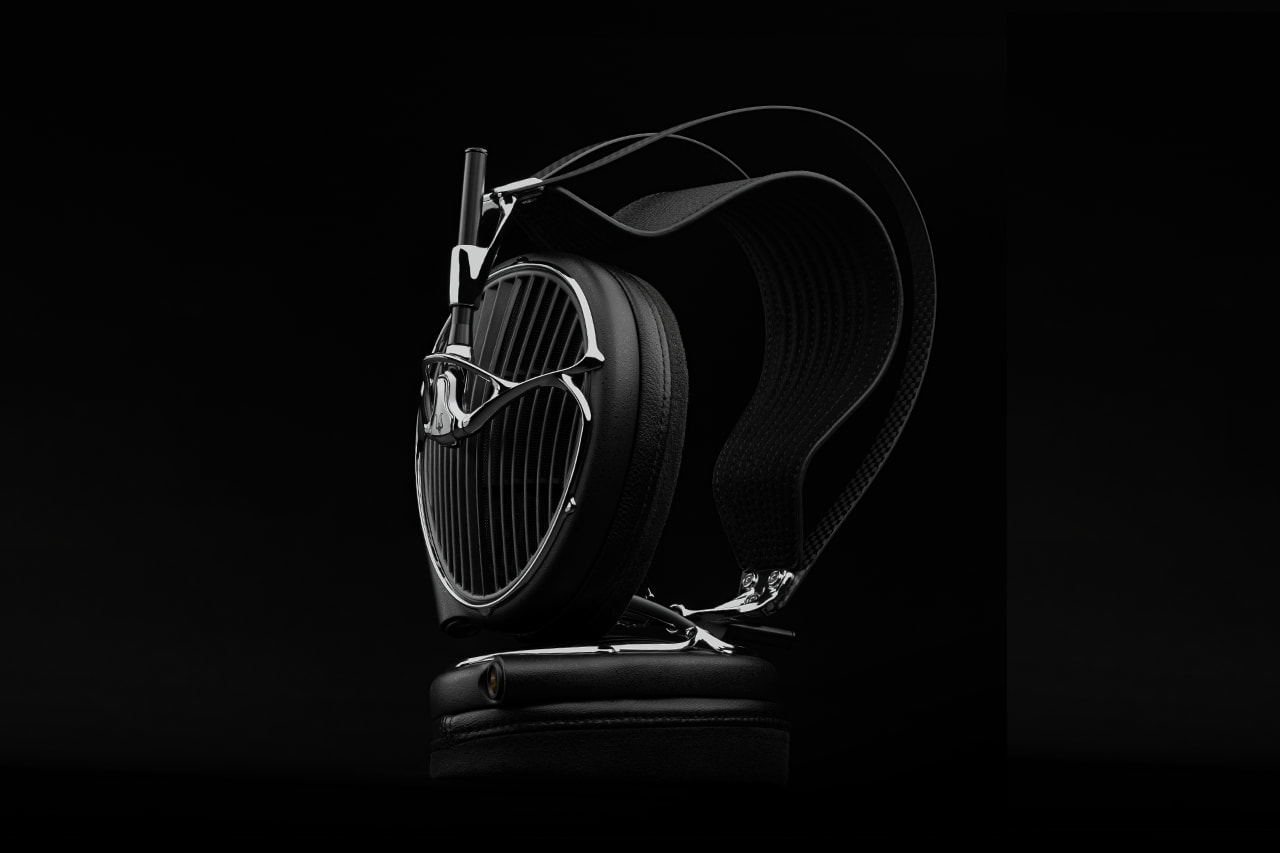
ARTA is Meze Audio’s new $6,000 open-back planar magnetic headphone, built around the Rinaro High Impedance Isodynamic Hybrid Array MZ5 HΩ driver with an average impedance of 225 ohms. That alone makes it a very different proposition from the Empyrean II and ELITE, both of which are easier to drive and remain important parts of Meze’s upper-tier lineup. ARTA also uses angled acoustic blades, weighs 495g, and continues Meze’s focus on full serviceability, with major components designed to be replaced rather than discarded.
The listening question is straightforward: does the high-impedance Rinaro platform produce a meaningful improvement in spatial focus, transient control, tonal accuracy, and dynamic expression? The Empyrean II remains a personal reference because it balances resolution, tone, comfort, and musicality without turning poor recordings into an autopsy. ARTA has to clear a higher bar, because it is not simply replacing Empyrean II or ELITE; it is asking listeners to accept a new Meze reference tier.
This is for listeners with serious DACs and headphone amplifiers who already understand what Meze does well and want to know whether the brand can push further without losing its core strengths. ARTA does not need to be louder, brighter, or more “hi-fi” than Empyrean II. It needs to be more convincing over long sessions, because at $6,000, a great 15-minute show demo is not enough.
HiFiMAN HE6 Remastered

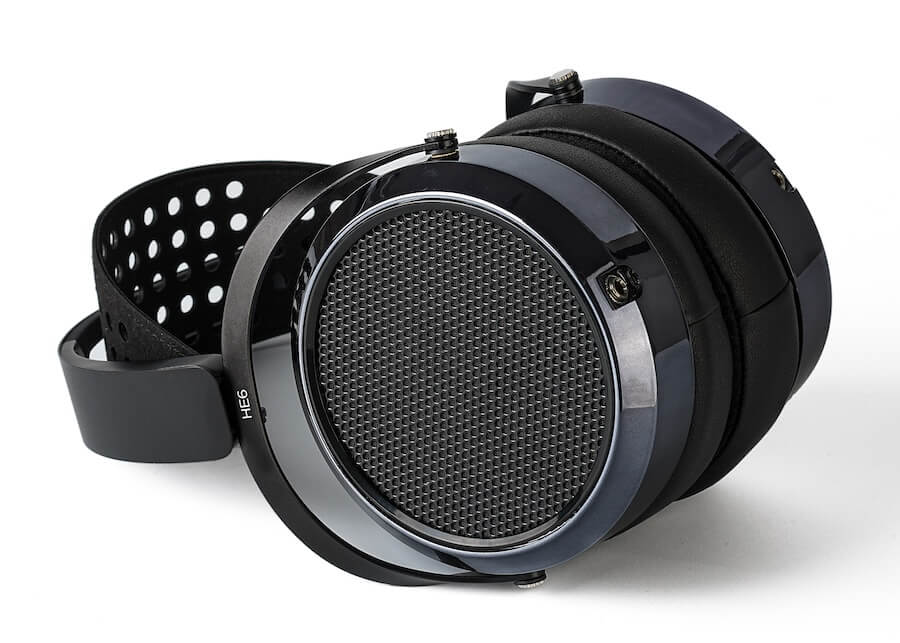
The $1,899 HE6 Remastered brings back one of HiFiMAN’s most demanding planar magnetic headphones with the same basic formula that made the original famous: an open-back planar design, 83.5dB sensitivity, 50-ohm impedance, and a need for serious amplification. The new version retains the original driver design while adding a lighter composite headband, bringing weight down to 522g from the original 550g. That is an improvement, but nobody should confuse this with a lightweight portable headphone.
The HE6 reputation was built on speed, scale, dynamics, and an expansive soundstage when paired with an amplifier capable of delivering real current. That caveat matters. This is not a product for a phone, laptop jack, or small dongle DAC. The HE6 Remastered is interesting precisely because it does not chase convenience. It asks whether enough listeners still want a difficult, amplifier-hungry planar when so much of the market has moved toward easier drivability.
This is for longtime HE6 fans, planar loyalists, and desktop listeners who already own the kind of amplifier that makes insensitive headphones behave. It is not the obvious value play against the LCD-X, HE1000 V2, or Dan Clark Audio’s E3, but it does not have to be. Its appeal is narrower: it brings back a specific kind of HiFiMAN experience for listeners who never wanted the original to become polite.
Where to buy: $1,899 at Headphones.com
Audeze MM-520

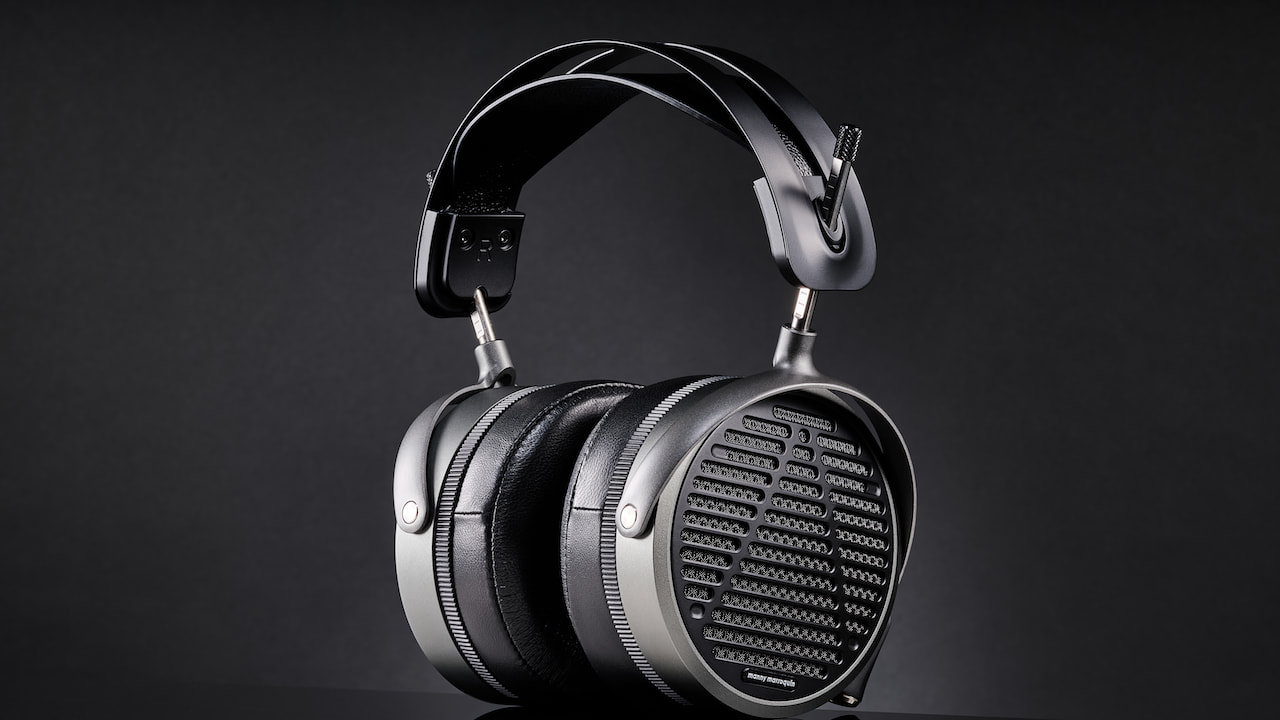
The $1,699 MM-520 is Audeze’s next Manny Marroquin studio headphone, positioned above the MM-500 and built for professionals who need mixes to translate beyond the control room. It uses 90mm planar magnetic drivers with Ultra-Thin Uniforce diaphragms, Fazor phase management, and Audeze’s SLAM technology, which is designed to improve bass accuracy, low-frequency impact, and spatial detail without moving away from the MM-Series’ more neutral midrange balance.
That makes the MM-520 one of the more important headphones on this list because it is not aimed only at collectors. The MM-500 already proved that Audeze could build a serious studio headphone with excellent midrange clarity, strong resolution, and a more neutral balance than some of its traditional audiophile models. The MM-520 needs to show whether SLAM adds meaningful low-end authority and spatial precision without making the headphone less useful as a monitoring tool.
This is for engineers, producers, content creators, and audiophiles who value accuracy but do not want thin, joyless “studio sound.” If Audeze gets the balance right, the MM-520 could be a legitimate bridge between professional monitoring and high-end listening. If it leans too far into weight, clamp, or bass emphasis, studio users will not be sentimental about it.
Where to buy: $1,699 at Headphones.com | Crutchfield | Audeze (available now)
Dan Clark Audio AEON Core
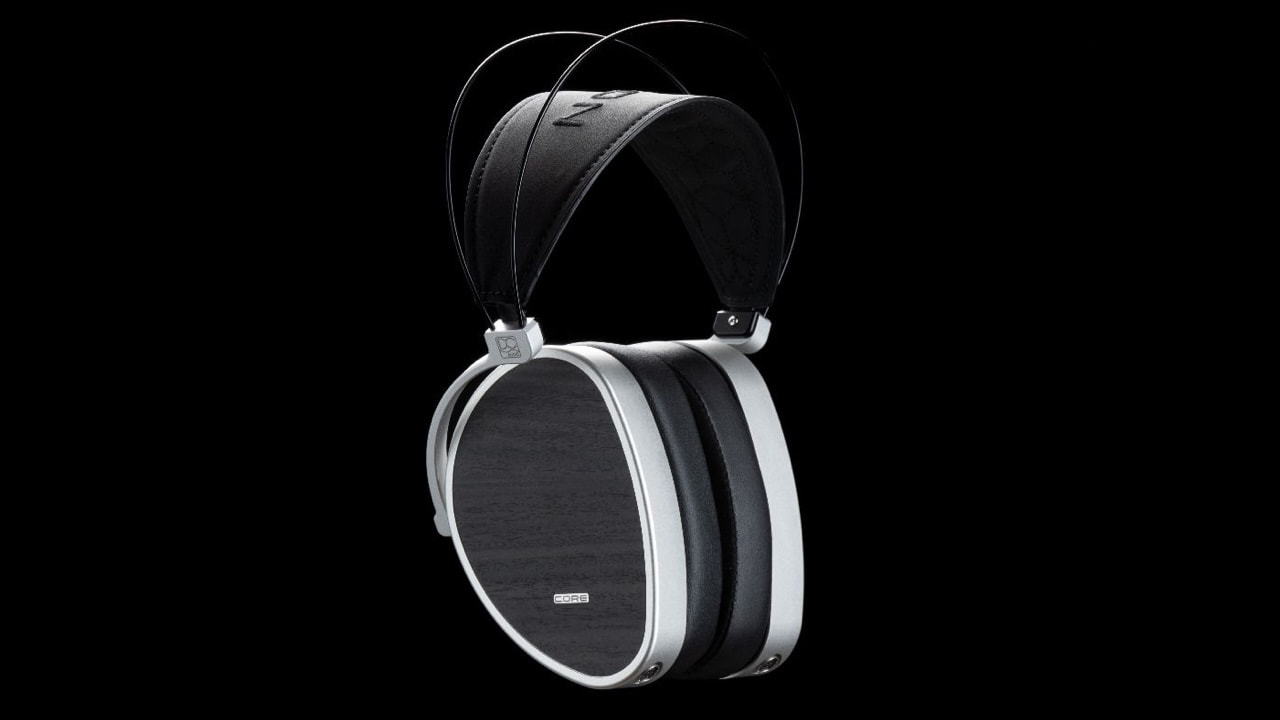
Dan Clark Audio’s AEON Core is a $899 closed-back planar magnetic headphone that replaces AEON 2 and moves the company’s most accessible platform in a more practical direction. The new driver is designed for higher efficiency, with 17-ohm impedance and approximately 97 dB/mW sensitivity, and the headphone is intended to work with portable DAC/amps and better dongles rather than requiring a large desktop amplifier. At 328g, it also keeps one of the AEON line’s strongest advantages: long-session comfort.
The tuning story is just as important. AEON Core is Dan Clark Audio’s first headphone tuned to a revised Harman over-ear target developed through research with Dr. Sean Olive. Dan Clark says the Core has slightly less energy in the 100Hz to 225Hz region than some of the company’s prior work, which could mean cleaner bass-to-midrange transition and less midbass warmth. That will need listening time, because “Harman tuning” can mean very different things depending on implementation.
This may be the most practical audiophile headphone in the group. Closed-back isolation, planar speed, low weight, easier drivability, and sub-$1,000 pricing make it relevant to listeners who want something serious but not absurd. It is for people building compact desktop systems, office rigs, or portable setups who still want proper closed-back planar performance without wearing a medieval helmet.
Where to buy: $899.99 at Headphones.com (available now)
Sony IER-M500

Sony’s IER-M500 is the most affordable product on this list, and that is part of why it matters. At $119.99, it is Sony’s first new professional IEM for musicians since 2018, using a compact sealed design, 5mm MDD driver, MMCX connector, polyurethane foam ear tips, 10Hz–40kHz frequency response, 16-ohm impedance, 103dB sensitivity, and a 6.9g earpiece weight. This is not Sony chasing boutique IEM jewelry. It is Sony returning to a musician-focused category with a product designed for fit, isolation, durability, and stage use.
This is also one of the few products on the list where eCoustics has meaningful early listening context. Brian Mitchell and Aaron Sigal heard the IER-M500 at Sony Pictures Studios during a live performance by Anthony Gargiula, listening to the same live microphone feed, vocal cues, and click tracks that the performer heard. Aaron’s early read was that the IER-M500 delivers a warm, cohesive sound with deep, properly extended sub-bass, clear vocals, precise transients, and unusual composure for the price.
This is for musicians first, but it may also appeal to audio enthusiasts who want a compact wired IEM that does not require boutique pricing or a confusing driver-count spreadsheet. The IER-M500 has to prove itself over longer listening, but the early signs are encouraging: secure fit, useful isolation, clear stage-monitor purpose, and a price that looks almost suspiciously sane in 2026.
Where to buy: $119.99 at Amazon (available September 9, 2026)
Noble Audio Iris

The Noble Audio Iris is a $699 IEM built around a single custom 10.2mm dynamic driver, a three-layer PU/PEEK diaphragm with coating, dual neodymium-iron-boron magnets, a triple sound chamber design, and a blue Micarta housing. In a market where many IEMs try to win attention with hybrid arrays, planar drivers, bone conduction, EST tweeters, and enough crossover complexity to qualify as urban planning, Iris is interesting because it goes the other way.
The appeal is coherence. A single dynamic driver covering the full frequency range can offer a more seamless presentation when executed well, with fewer crossover issues and a more natural relationship between bass, mids, and treble. Noble is not positioning Iris as an entry-level model, but it is also not trying to win a spec-sheet arms race. That makes it one of the more intriguing IEMs of the year, because the question becomes tuning quality rather than driver count.
This is for listeners who want a premium wired IEM with dynamic-driver tone, stronger physical identity than another black resin shell, and a more focused design brief. It will have to compete against serious $500–$1,000 IEMs from Meze, Campfire Audio, DUNU, AFUL, and others, but its simplicity may be the point. Sometimes one well-implemented driver is a better idea than five drivers having a committee meeting inside your ear.
Also on Our Radar
Narrowing this list to eight meant leaving out a number of products we have already covered and still expect to revisit before the end of the year, assuming review samples and timing cooperate.
The HEDDphone TWO GT remains one of the more technically interesting open-back designs in the queue, especially with its AMT driver platform and warmer tuning direction. The question, as always with HEDD, is whether the sonic payoff justifies the size and weight.
The ABYSS Diana TC Signature and ZMF Tessidera are also very much on the radar. Both sit in the high-end planar category, but they come from very different design cultures: ABYSS with its machined, minimalist, performance-first approach, and ZMF with its wood, tuning personality, and cult-level following.
We are also watching the Klipsch Atlas HP-2 and HP-3 closely. Klipsch has the loudspeaker credibility, but headphones are not loudspeakers with smaller ear cups. Atlas needs to prove that the brand can translate its identity into personal audio without simply leaning on the badge.
On the more accessible side, the Baum Audio Ellipse, Grado Signature S550, Grado Classic Series 2026, Noble Vanguard, FiiO FG3, and Edifier HECATE G5 MAX all deserve follow-up. Some are more practical. Some are more niche. A few may end up being better stories than the more expensive models, which is usually when this category gets interesting.
You must be logged in to post a comment Login