Workshops can be a touchy subject for the average homeowner, especially if you also happen to be a procrastinator. There’s always some project that needs attention no matter how small, and associating that tiny (and often stuffy) environment with hard work can be off-putting. That’s not even accounting for the actual maintenance needed for you to exist in the workshop’s space — if you avoid visiting your workshop until it’s absolutely necessary, we see you, we hear you, and we understand you.
Despite the discomfort, it doesn’t have to be a chore to be in your garage or workshop. However, it’s true that the average workshop configuration leaves much to be desired in terms of comfort. That means you’re going to have to get your hands dirty to bring it up to your tastes.
Now, workshop upgrades don’t necessarily come cheap, especially considering the level of renovation required to bring a debilitated one up to standard. However, you don’t have to break the bank to upgrade your workshop. In this article, we’ll delve into nine projects you can embark on, any of which will significantly improve your quality of life in the garage. Similarly, SlashGear’s list of gadgets to upgrade your workshop can also help you get started.
Advertisement
Install better grade lighting
Rawpixel/Getty Images
You kind of need to see what you’re doing to complete workshop projects. You wouldn’t trust yourself to drill holes into planks with your eyes closed, and but that’s essentially what you’re doing in a poorly-lit workshop: You’re running the risk of not just making mistakes in whatever craft you’re involved in, but also as possibly injuring yourself. You don’t even need to make mistakes to be affected by poor lighting, as eye strain is going to take its toll over time.
These effects could manifest in the form of headaches, fatigue, or even decreased concentration — none of which are ideal for working in a workshop. So, instead of consigning yourself to squinting each time you have some handiwork to do, invest in lighting up your work area. There’s more to this process than simply buying as many lightbulbs as you can get your hands on; it requires careful consideration of the type of environment you currently have and the one you’re trying to build. For instance, we have a list of ideal work lights for mechanics that offer some great starting points.
Advertisement
Factors such as brightness, color temperature, ceiling height, and energy efficiency have to be taken into account. Overall, you want a lighting system that’s just right — not too bright, not too dim — especially if your garage has any degree of natural lighting seeping through the windows.
Advertisement
Invest in a proper workbench setup
Anja Stefanovic/Getty Images
A common garage workshop problem to run into is the lack of a dedicated workbench. It’s not out of the ordinary to see DIYers using the bare floor as a work surface for whatever project they’re working on. That can happen for one of two reasons: They don’t have a workbench, or the workbench they do have is cluttered with all sorts of items. If you fall into the latter category, SlashGear has a DIY solution in the form of a custom pegboard to help you conquer that clutter.
Not to exaggerate, but having a good workbench could make or break your experience in the workshop. It’s not a good idea to use just any old makeshift surface — you need a sturdy base to clamp things down you’re working on. No matter your project scope and experience, you’d need a dedicated work area that can cater to your specific needs.
Workbenches come in various forms: stationary, portable, and even those with adjustable heights. If you already have a designated space, you’d probably be better off going for a stationary setup. Otherwise, portable setups are good for smaller areas to preserve space. Also, workbenches can pull double-duty as mini storage units — you can never have too many of those. Models equipped with built-in drawers, power strips, and pegboards are great ways to keep your workshop tidy without undergoing wholesale renovations.
Advertisement
Set up a drill shelf
VADZIM SHUBICH/Shutterstock
There are few moments worse than not being able to remember where you put your favorite power tool. That can happen easily when you’re not properly organized. If you leave your tools strewn all over your workshop, it shouldn’t be too much of a surprise when a handful of them start to turn up missing.
An obvious solution to the tool organization paradigm is to construct a cabinet and holistically dump all your equipment in it. That is, if you’re working with drawers, you can say that one drawer holds your hammers, another is for your drills, and yet another holds your nail stash.
However, there’s an even more efficient method for keeping your drills properly lined up. Instead of laying the drills horizontally, you could set up a wall-mounted drill shelf to let them hang. If you make adequate electrical arrangements, you could even charge your while they’re being stored — a two-in-one fix for organization and efficiency.
Advertisement
Change your flooring
Wirestock/Getty Images
Workshops floors are often unique. More than a few may feature concrete flooring, while others might favor epoxy, interlocking tiles, or rubber. I’ve even been around a few that used hardwood for some reason. However, just because you met your workshop in one configuration doesn’t mean it has to stay that way.
The flooring you use in your workshop should be determined by the type of work you do there. If you work on cars, for example, you won’t have the same flooring setup considerations as someone who only works with wood. You need to take the weight of objects in the workshop into consideration — ceramic may be sufficient for mundane repair tasks, but it will crack under the weight of car tires if you ever tap into your mechanic inclinations.
Your floor’s ability to carry weight isn’t the only factor to account for. Other variables like the material’s resistance to chemicals and oils, as well as general slip resistance, should also play a role in your decision-making. Ideally, you’ll want a floor that’s both aesthetically pleasing and lasts the test of time under the conditions you put it under, so you’ll need to do lots of research. The more time you spend, however, the better the potential end result.
Advertisement
Invest in a dedicated safety station
Panumas Nikomkai/Getty Images
Nobody wants them to, but emergencies happen. When you consider the type of daily activity that goes on in the average workshop, you can see why it’s standard practice for these spaces to have safety codes. Whether this manifests in wearables such as personal protective equipment (PPE) or simply having tools like a fire extinguisher on standby, the importance of safety cannot be overstated.
Now, your garage or basement workshop may not be up to industry standards, but that doesn’t mean you shouldn’t follow those same practices to keep you and your surroundings safe. The first step to doing this is to have all the necessary safety equipment at hand, and the next is to build a station where they permanently reside within your workshop. You can’t dump your safety gear just anywhere; imagine frantically looking around your garage for your fire extinguisher in the event of an emergency.
Advertisement
So, how do you decide where to build this permanent stand? First, you should take note of your regular workflow (or if you haven’t started using the workshop yet, visualize what your ideal workflow looks like). Note zones for different activities, and factor in proximity when considering where you want to situate your safety station. Have some chemicals that may be a little too reactive and unbalanced? You probably want your safety equipment stationed as close to them as possible.
Advertisement
Install climate control systems
aofpichet/Shutterstock
Let’s face it: Garages and workshops can be unpleasant environments. Factors like temperature and humidity can make working in one highly uncomfortable. If you don’t have proper ventilation or climate control, a trip to your workshop probably ends in a shirt soaked with sweat. This can be a major nuisance when you’re trying to focus on the task at hand.
Heat is just one end of the spectrum. In winter, your workshop can be rendered unusable without adequate heating. That’s not just inconvenience for you, either; some tools and materials can react negatively to extreme temperature changes. So, how do you ensure you keep your work area human-friendly and usable throughout the year? It’s pretty straightforward: Get a climate control system installed.
Admittedly, this is easier said than done. If your workshop is attached to your home, extending existing climate control configurations to cover the area can prove to be expensive. However, you don’t need to go over the top; a portable air conditioner in the summer is a good idea. Likewise, a space heater could go a long way in the winter. Don’t want to use one of those? SlashGear also has ideas on alternative ways to heat your garage like adding in-floor radiant heating. You might also want to consider adding a dehumidifier to reduce dampness and improve air circulation, as well as looking into door materials that provide better insulation.
Advertisement
Install acoustic panels to reduce noise
Vershinin89/Shutterstock
If your workshop is situated in a residential area, you’re bound to run into noise pollution problems. Whether workshop noises end up bothering your neighbors, your partner, or even worse, your own ears, you could end up reducing the quality of life of those nearby whenever you’re working on a project. At varying degrees of noise, you and your neighbors can experience raised stress levels, lowered focus, and even hearing damage.
Nobody likes being in a noisy area, and you’re certainly not making any friends while you’re working on a loud project. The first step to making your workshop habitable in this regard is to invest in soundproofing. Ideally, this is a project you’d want to carry out before the building is fully constructed, but you can soundproof your workshop without tearing the whole structure apart by installing acoustic panels.
This solution isn’t perfect for holistic soundproofing; they won’t stop external sounds from seeping into your work area, for example. However, they are good at absorbing sounds that come from within. That’s significant when you consider all the clanging that goes on in a workshop, especially since you don’t need to tear down any walls or reconfigure your existing layout with acoustic panels. You may want to take the cost and material type into account — some panels have fire rating issues that could pose a hazard if you’re working with flammable chemicals.
Advertisement
Create a dust collection setup
Backyardproduction/Getty Images
It’s unavoidable: Your workshop is going to gather dust and grime. If you’re into woodworking, you probably know that sawdust and wood filings can be particularly stubborn to clean up. It can seem like you’re fighting an uphill battle to keep your garage free from dust; you could run your vacuum nonstop and still observe stray specks lying around.
Sometimes the grime isn’t even directly as a result of your efforts. Other factors also come into play, like dust infiltration from cracks in windows and stagnant airflow if the workshop isn’t properly ventilated. Left unchecked, beyond the untidy aesthetic that a dusty environment brings, a workshop without a proper dust management system could trigger allergies and lead to respiratory issues.
To keep your workspace dust free, you’ll need to create a dedicated cleaning setup. This should include a garage dust extractor — they’re more effective than regular vacuum cleaners at picking up finer specks — a dust filter for your vents, and a floor mat to catch fine particles before they become airborne. With these upgrades, your workshop will be less of a pain for you to manage. You’ll also want to deep clean every couple of months for this setup to be fully effective.
Advertisement
Organize your power systems
Boueloussa Milebamane/Shutterstock
Workshops can be a challenge to organize, even when you’re at the top of your game. There are so many tools to put away. With that in mind, one of the biggest problems you will run into in keeping your workshop clean and tidy is managing your power cords. It’s all too easy to drop one tool here, funnel a wire from an extension cable there, and before you know it, your layout resembles a rat’s nest of electrical cords.
Beyond the obvious visual eyesore, there’s also the topic of tripping hazards. You could be walking normally and suddenly take a tumble because a power cord wasn’t kept out of your walking path. That poses serious risks for your physical health, especially with so many tools and other potentially sharp objects lurking about.
Advertisement
To keep your floor clear of trailing wires, you have to be a bit intentional about your means of storage. For instance, instead of leaving your corded drills on counters or shelves with their wires dangling, you could use the drill shelf we suggested earlier to keep those cords safely tucked away — the simple act of keeping them suspended in the air eliminates the problem. The same logic applies to power cables — you could invest in an extension cord organizer to keep them coiled and easily accessible, or you could think up a more elaborate solution if you have designated work zones where your power tools reside.
We all know air travel is the fastest way to get somewhere. For speed, you aren’t going to beat a 500+ mile per hour pace on a big ol’ jet airliner, to quote the Steve Miller Band. Taking a road trip can also be the most flexible. You control the speed, stops, and vehicle. But what about hitting the rails?
Prior to the advent of the highway and air travel, trains were the way to go. Unfortunately, passenger rail has dropped off precipitously in popularity in the United States. But Amtrak still keeps the romance alive while offering some pretty scenic routes across the country, including some that are quite popular.
One such route is the California Zephyr that goes from Chicago to San Francisco in the span of about 53 hours. You travel through the great deserts, mountains, valleys, and rivers of the American West the old-fashioned way.
Advertisement
Here’s the kicker, a first-class ticket is about $2,000 depending on when you book (although if you book far in advance, that price might be closer to $1,200). So, here’s what you get for a couple grand on an Amtrak train.
Advertisement
Traveling in comfort
To be fair, if you wanted the cheapest way to take the California Zephyr, a coach ticket is about $200, but all that comes with is a seat. The “deluxe” ticket on the train comes with its own private room, bathroom, a sofa and chair. In terms of amenities, you have lounge access, included meals, and an attendant who will help you out. You also get priority boarding. It’s like being in a little hotel room that happens to be cruising along the Colorado River.
It’s expensive, to be sure, but given the scenery, and the fact you’ll be dropped off in San Francisco or Chicago; two world-class cities, the journey might be worth it to the right spectators and railfans.
These rooms are available on Amtrak’s double-decker Superliner and single-deck Viewliner routes that go up, down, and across the country. If you have the cash, and don’t mind spending a couple of days on a train seeing all of the sights America has to offer, Amtrak’s California Zephyr is hard to beat.
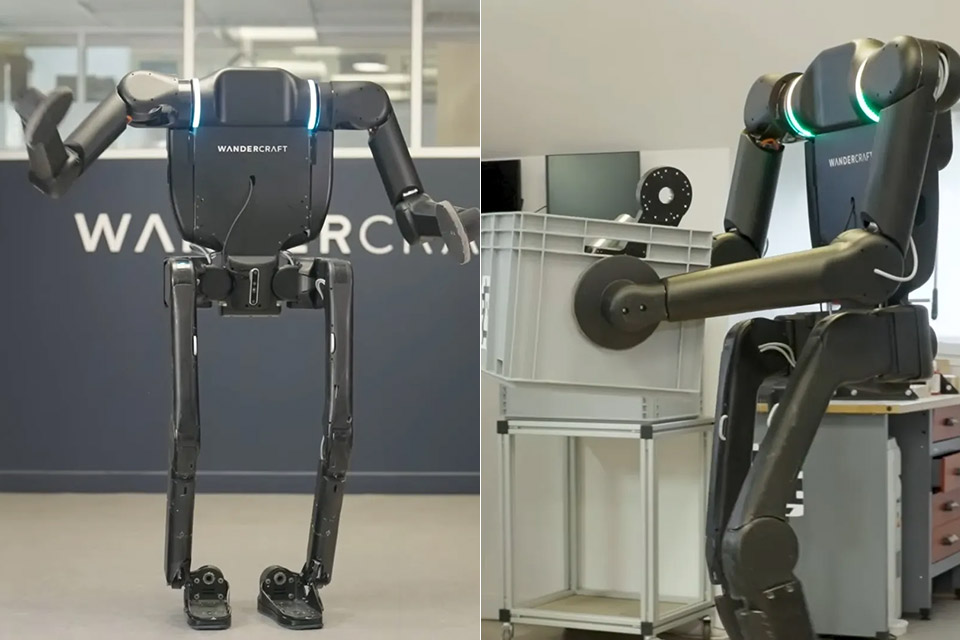
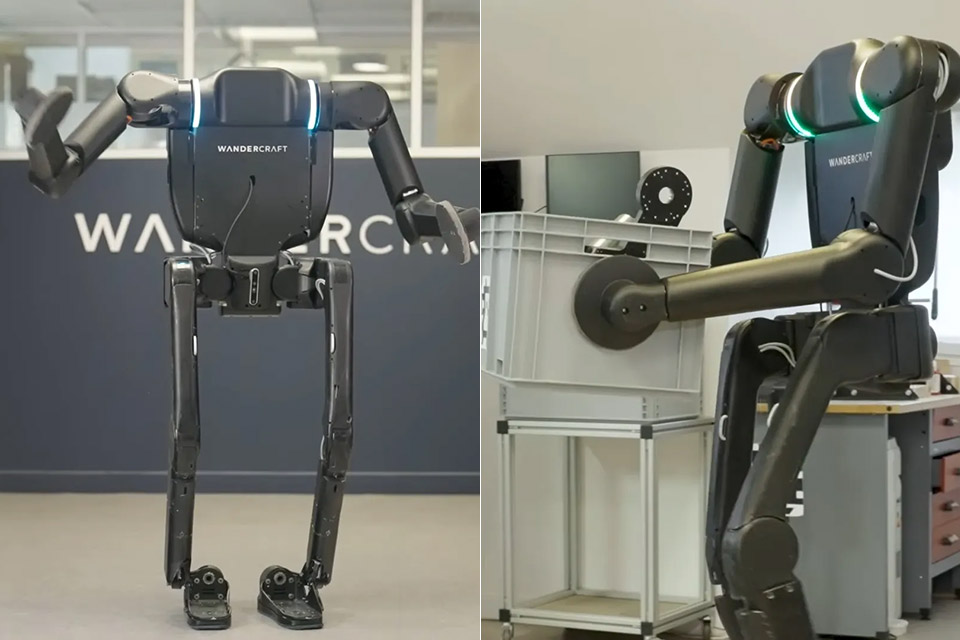
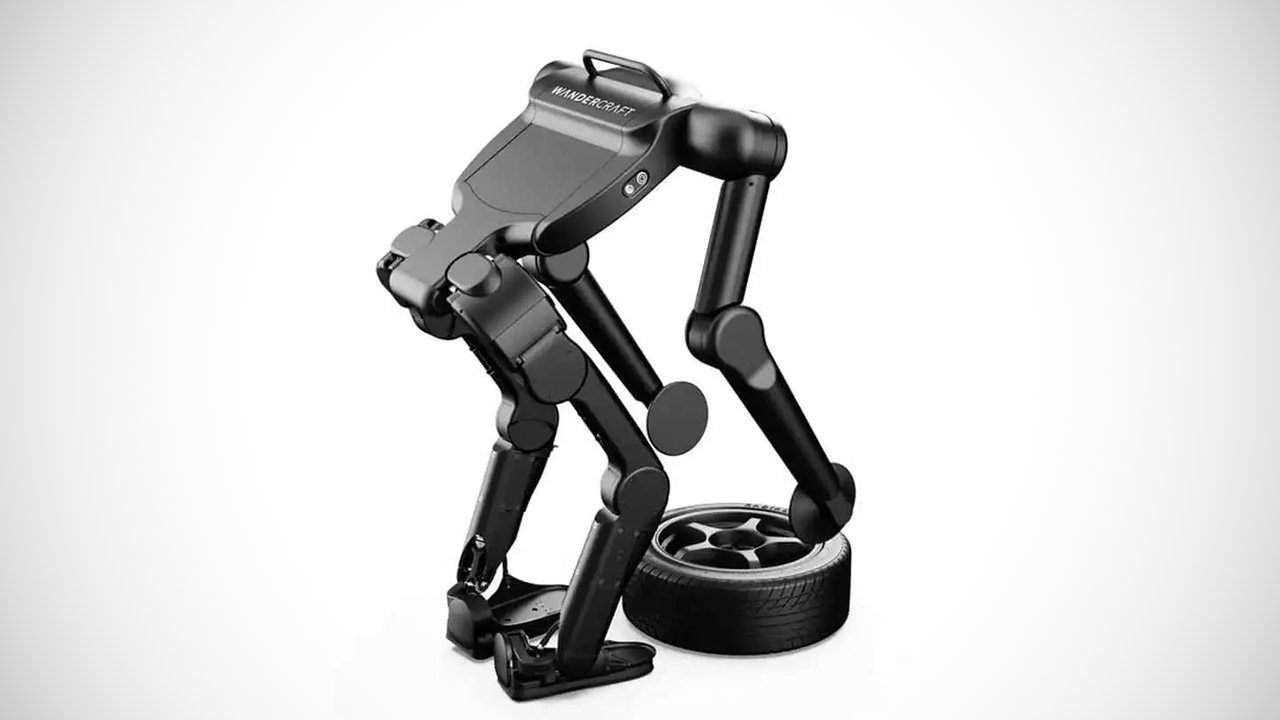
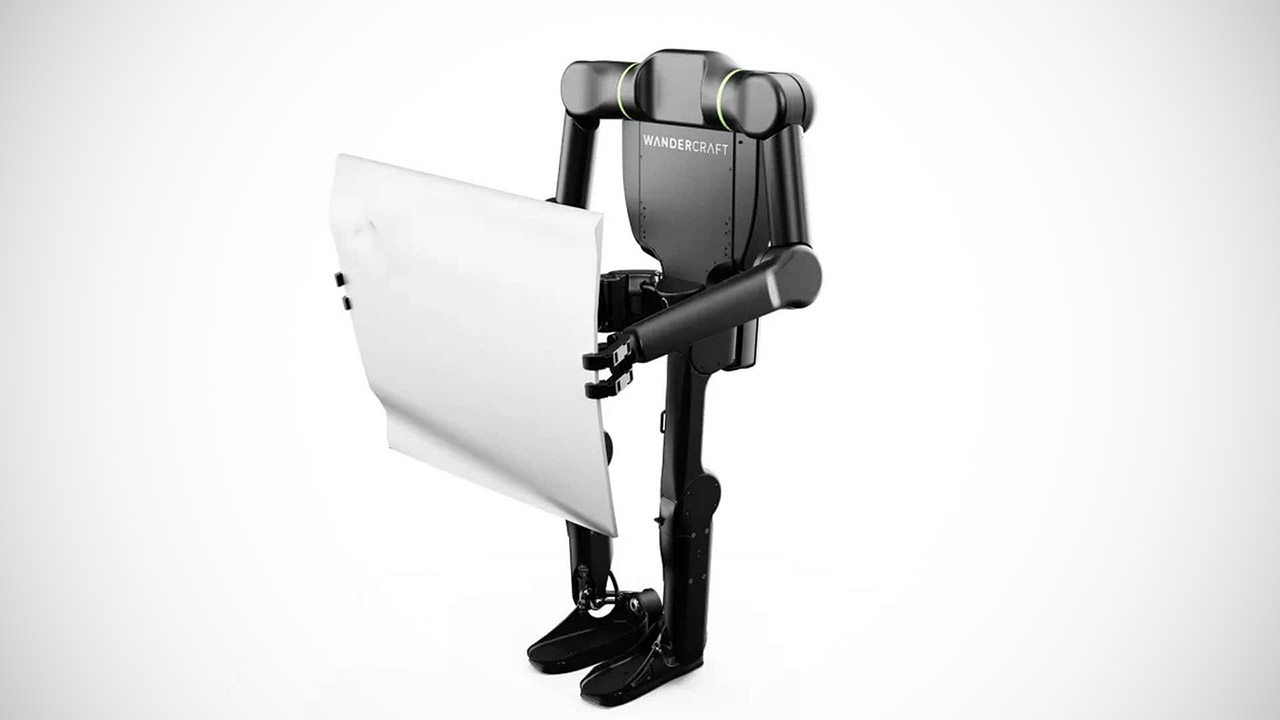
Two Calvin-40 robots have recently appeared on the Renault assembly line in Douai, France. They keep placing tires into the conveyor belt that feeds the Renault 5 electric assembly line because it’s a repetitive motion they can perform hundreds of times per shift without tiring.
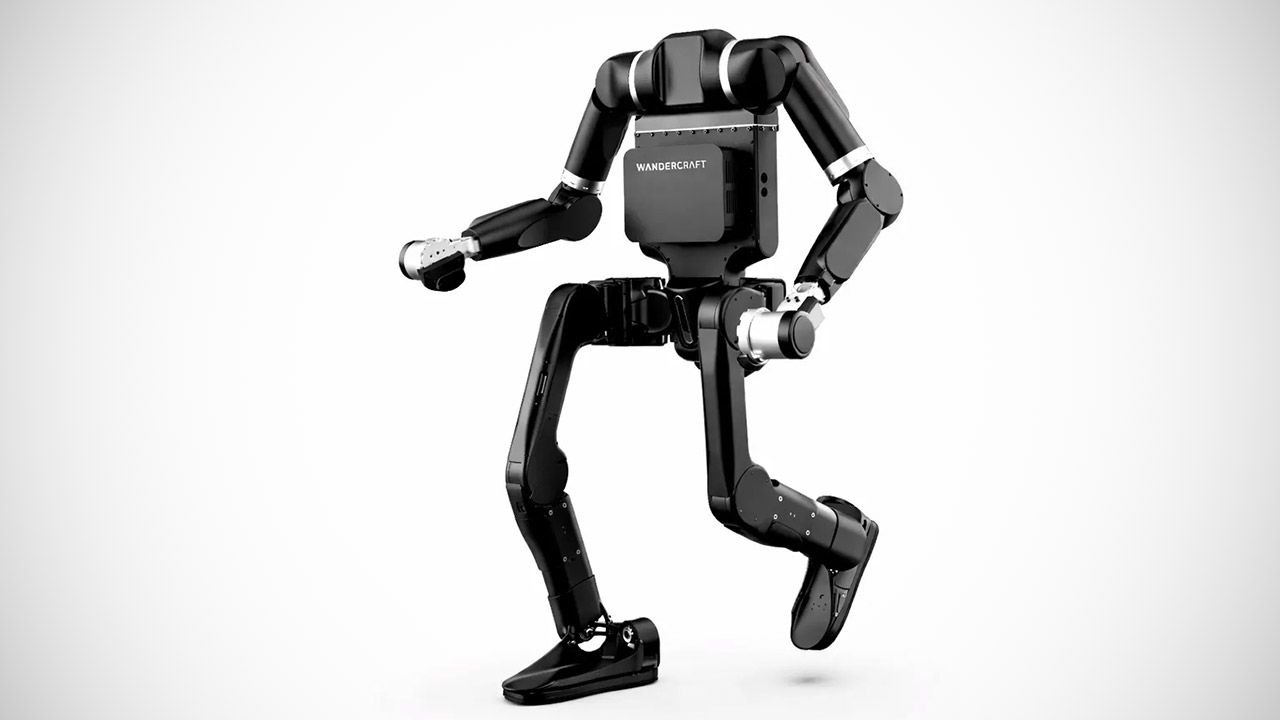
Over the next 18 months, the business plans to add more of these machines, totaling 350, to the ElectriCity complex. As it stands, they are already producing Renault 5 vehicles in less than 10 hours each car. With the new robots, they should be able to reduce that time even more while also lowering production costs across the board. Each of these devices stands on two legs and can reach the manufacturing bins and racks on the shelves, which a human would have to leap up and down to access. There’s a camera attached just below waist level to help it keep track of what it’s doing, and it flashes green, yellow, or red to let you know how it’s doing, and then there’s those circular arms that can lift up to 40kg with ease, allowing it to do things like hoist tires and body panels without the need for a hand.
Sleek & Durable Design: Standing at 132cm tall and weighing only approx. 35kg, the G1 is constructed with aerospace-grade aluminum alloy and carbon…
High Flexibility & Safe Movement: Boasting 23 joint degrees of freedom (6 per leg, 5 per arm), it offers an extensive range of motion. For safety, it…
Smart Interaction & Connectivity: Powered by an 8-core high-performance CPU and equipped with a depth camera and 3D LiDAR. It supports Wi-Fi 6 and…
Wandercraft, the company that created the design, completed the current iteration of the robot in just 40 days. However, making it fast enough to be useful took a little longer, as it required six months of artificial intelligence training to operate at full speed. Renault purchased a minority investment in the company for $75 million in June, allowing them to modify these robots to be ideal for vehicle manufacturing.
Workers used to have to do the same tedious tasks day after day. Now, sophisticated robots do it for them, lifting panels and tyres into place without making a sound. The final assembly sites remain off-limits because the machines are not fast enough to match the required speed. Their guy in charge of manufacturing and quality, Thierry Charvet, just wants to get the job done as quickly and efficiently as possible.
During the deployment, Renault’s CEO, François Provost, also spoke up. While other automakers display their fancy prototype robots in tech showrooms, Renault takes a very different approach. They simply want to have the thing up and running on the line right now, and they will be doing the same thing in factories around the country. The overall goal is to reduce the time it takes to construct a car by a third and lower expenses by 20% over the next five years. The new robots are just one aspect of it, making some of the most difficult and commonplace tasks much easier for those working on the line. [Source]
An MRI scan is never a pleasant occasion – even if you aren’t worried about the outcome, lying still in a confined, noisy space for long periods of time is at best an irksome experience. For hearing protection and to ameliorate boredom or claustrophobia, the patient wears headphones. Since magnets and wires can’t be used inside an MRI machine, the headphones have to literally pipe the sound in through tubes, which gives them poor sound quality and reduces the amount of noise they can block. [SomethingAboutScience], however, thinks that photoacoustic speakers could improve on these, and built some to demonstrate.
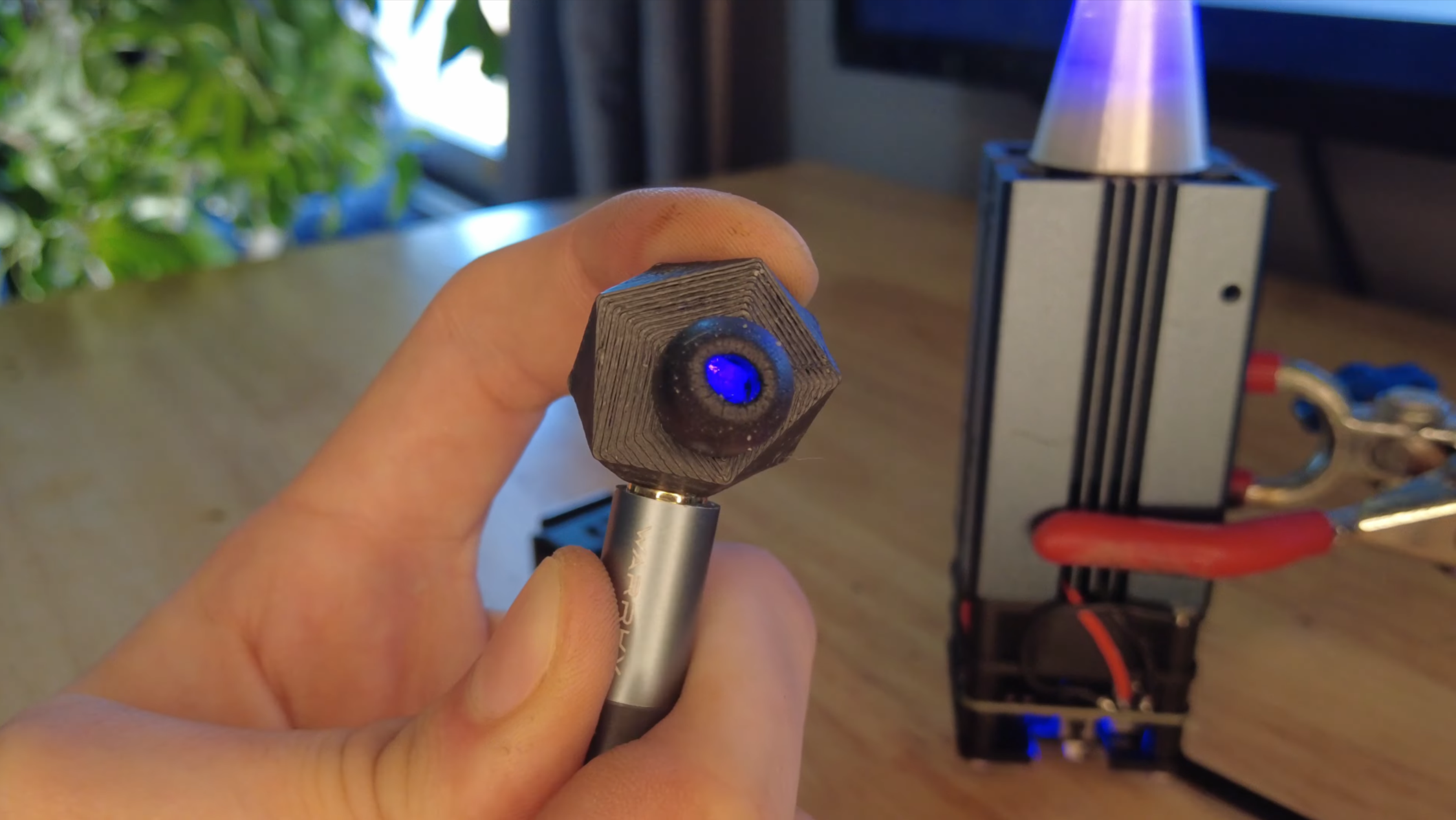
These speakers use the photoacoustic effect, which is mostly caused by surface heating when exposed to an intense light, then transferring the heat to the surrounding air, which expands. If the surface can transfer heat to the air quickly enough, and if the light source is modulated quickly, the rapid expansions and contractions in the surrounding air create sound waves. As a test, [SomethingAboutScience] shone a modulated 5-Watt laser on a piece of gold leaf, which produced recognizable music.
Gold leaf works because it absorbs blue light well and is thin enough to transfer heat to the air quickly. To cut out the absorbing surface, [SomethingAboutScience] also shone the laser directly into orange nitrogen dioxide gas, which produced a somewhat cleaner sound (in a purely auditory sense; nitrogen dioxide is quite dangerous, and calling it “a little toxic” is an understatement). Soot-coated glass also worked rather well, though a soot-coated glass smoking pipe didn’t provide the desired acoustics. He also 3D-printed an earphone shape with a gold leaf-lined cavity inside it, then used a fibre-optic cable to direct the laser light into it. We would be personally reluctant to couple a 5-Watt laser into a reflective cavity centimeters from our eardrums, but it didn’t appear to damage its surroundings.
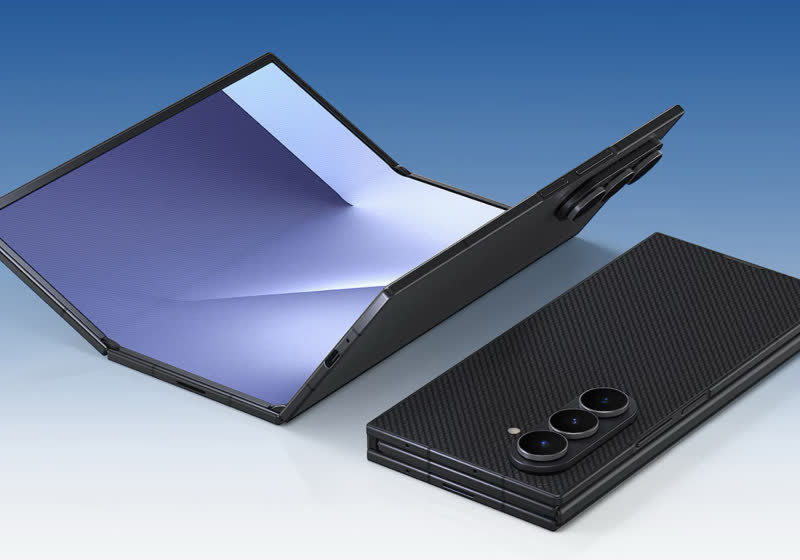
While the first TriFold was discontinued after just a few months on the market, the report suggests that Samsung has not entirely backed away from multifold hardware. Instead, the company is said to be testing the feasibility of a lighter but slightly thicker second-generation model. Read Entire Article Source link
Customer service calls and chats with the Sears Home Services AI bot Samantha were exposed and publicly accessible until a researcher reported the situation—revealing personal details from calls and chats, including, in some cases, hours of extra audio seemingly recorded after customers thought a call had ended. And WIRED reviewed dozens of Telegram channels containing job listings for “AI face models.” The people who land the jobs are mostly women and are likely being used as the face of AI scams to steal victims’ money.
And there’s more. Each week, we round up the security and privacy news we didn’t cover in depth ourselves. Click the headlines to read the full stories. And stay safe out there.
Advertisement
Imagine trying to explain this one to your boss: You can’t get to work because your court-mandated breathalyzer won’t let you start the vehicle—not because you’ve been drinking, you swear, but because that alcohol-vapor-detecting device has been disabled by a cyberattack on the company that makes it.
Intoxalock, an automotive breathalyzer maker that says it’s used daily by 150,000 drivers across the US, this week reported that it had been the target of a cyberattack, resulting in its “systems currently experiencing downtime,” according to an announcement posted to its website. Meanwhile, drivers that use the breathalyzers have reported being stranded due to the devices’ inability to connect to the company’s services. “Our vehicles are giant paperweights right now through no fault of ours,” one wrote on Reddit. “I’m being held accountable at work and feel completely helpless.”
The lockouts appear to be the result of Intoxalock’s breathalyzers needing periodic calibrations that require a connection to the company’s servers. Drivers who are due for a calibration and can’t perform one due to the company’s downtime have been stuck, though the company now states on its website that it’s offering 10-day extensions on those calibrations due to its cybersecurity disruption, as well as towing services in some cases. In the meantime, Intoxalock hasn’t explained what sort of cyberattack it’s facing or whether hackers have obtained any of the company’s user data.
Back in March 2023, FBI director Christopher Wray confirmed, for the first time, that the agency had purchased US phone location data. While the FBI had previously paid for phone data from commercial data brokers—instead of seeking a warrant—it had stopped doing so, Wray said. “That’s not been active for some time,” Wray claimed. Fast-forward three years, and the FBI is once again purchasing location data that can be used to track Americans.
Advertisement
At a Senate hearing on Wednesday, FBI director Kash Patel confirmedthat the agency is buying “commercially available information” that he claimed was “consistent with the Constitution” and other laws. “It has led to some valuable intelligence for us,” Patel said. The practice involves the FBI buying information from commercial data brokers, which sell huge volumes of data, including phone location information, that is collected by advertising technology baked into apps.
Dongle DACs are everywhere. Scroll through Amazon or any audio retailer and you will find dozens of tiny USB DAC/amps promising better sound from your phone. Most solve one problem while creating another: a cable dangling from your handset and one more gadget rattling around in your pocket.
The Fosi Audio MD3 tries to clean up that mess in a manner that will work for some.
Priced at $149.99, this compact DAC/amp attaches directly to the back of your phone using 16 high strength N52 magnets, making it MagSafe compatible with modern iPhones. Instead of a dongle hanging off the bottom of your device, the MD3 sticks flush to the rear panel, turning the DAC into something closer to an integrated mobile audio upgrade than yet another accessory.
While affordable, it is entering one of the most crowded categories in portable audio. The difference is that very few of those competitors try to physically integrate with your phone the way the MD3 does. The question is whether the concept works in practice and more importantly, whether the sound quality justifies sticking it to the back of your phone.
Advertisement
Fosi Audio MD3 Specifications and Technology Explained
At the heart of the Fosi Audio MD3 is the ESS ES9039Q2M DAC, the chip responsible for converting digital data into analog sound. It’s a highly regarded converter with impressive specifications, including a 116dB signal to noise ratio and total harmonic distortion plus noise of roughly 0.00075%. The chip also supports PCM up to 384kHz/32-bit and native DSD256, so those with a library of hi-res FLAC or DSD files will have plenty of headroom.
Another advantage of the ES9039Q2M is its low power consumption, which is important in a portable device. In theory, that should allow the MD3 to deliver better sound without draining your phone’s battery as quickly as some other portable DAC/amp designs.
Amplification duties are handled by four ESS ES9063Q op amps, which together deliver up to 180mW of output at 32 ohms. That is a respectable amount of power for a compact mobile device and should be more than adequate for most in-ear monitors and an acceptable range of high-sensitivity headphones.
One of the MD3’s more unusual design choices is its MagSafe compatible magnetic backplate, which uses 16 high-strength N52 neodymium magnets. The idea is simple: instead of dangling from your phone like a traditional dongle DAC, the MD3 can snap directly onto the back of compatible iPhones, keeping the setup compact and eliminating cable clutter.
I wasn’t able to test that feature personally because I use an Android phone, but Editor in-Chief Ian White tried the MD3 with his iPhone 14 at CanJam NYC 2026 last weekend and confirmed that the magnetic attachment works as intended. It’s a clever approach that separates the MD3 from the dozens of conventional dongle DACs currently competing for attention in the portable audio space.
Advertisement
Design & Build Quality
Despite the budget friendly nature of the Fosi Audio MD3, the chassis is made from aluminium alloy, something you do not always see on dongle DACs priced under $200.
Even with its all metal construction, the MD3 remains extremely portable. It weighs just 50 grams (1.76 ounces) and measures 70 x 45 x 12 mm (2.76 x 1.77 x 0.47 inches), making it about as unobtrusive as a portable DAC/amp can be.
Advertisement. Scroll to continue reading.
That 12 mm (0.47 inch) thickness is not accidental. According to Fosi Audio, the dimension was carefully chosen so that most headphone plugs will not lift the unit away from the back of the phone when connected. That detail is important because the MagSafe magnetic attachment relies on the MD3 sitting flush against the device.
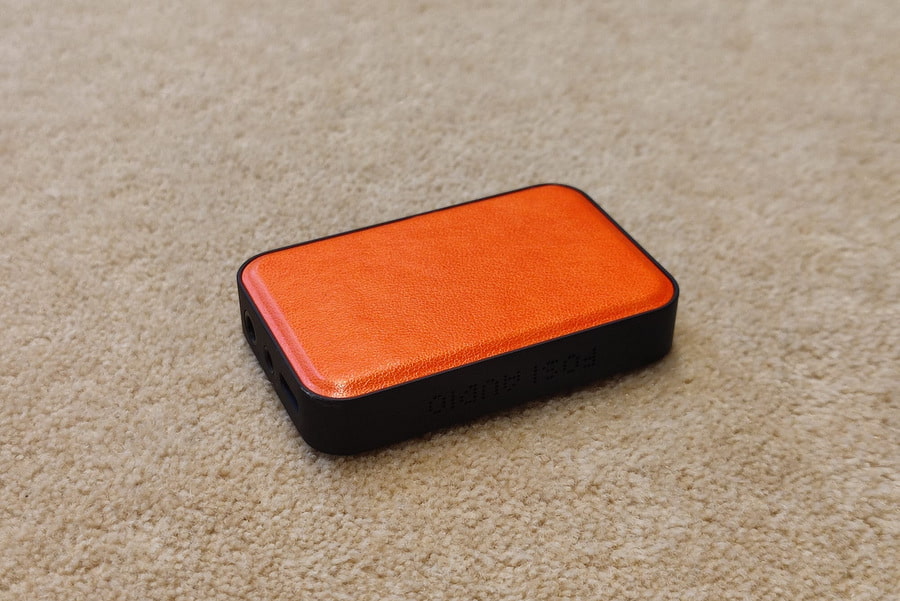
I was also surprised to find hand stitched leather covering the rear panel. It is a small touch, but one that adds a bit of tactile refinement to an otherwise utilitarian product and likely costs Fosi Audio more than you would expect at this price point.
Advertisement
Moving to the front of the Fosi Audio MD3, you’re greeted by a 1.28 inch circular LCD display. It doesn’t get especially bright, but visibility is perfectly adequate in most lighting conditions and the colors are surprisingly vibrant for such a small screen.
The default volume display is particularly clever. It mimics the look of a classic VU meter, giving the interface a bit of retro flair while still presenting useful information such as gain level, sample rate, and the selected digital filter.
The screen can also do more than simply display playback data. Fosi has included a selection of images and preloaded animations, including a spinning vinyl record, a cartoon dog, and even an anime character. None of it is essential to the MD3’s function as a DAC/amp, but it adds a bit of personality to a category that is usually very utilitarian.
There are even a few built-in mini games, including dice rolling, spin the bottle, and rock paper scissors, which make use of the display. I didn’t spend much time with them, but someone out there will inevitably appreciate the novelty.
Just below the screen sits what Fosi calls the Vista button, which cycles through the available images and animations.
Advertisement
On the right side of the MD3 are three physical buttons. From top to bottom they handle volume up, volume down, and menu or confirm, with the volume buttons also doubling as navigation controls when scrolling through the menu.
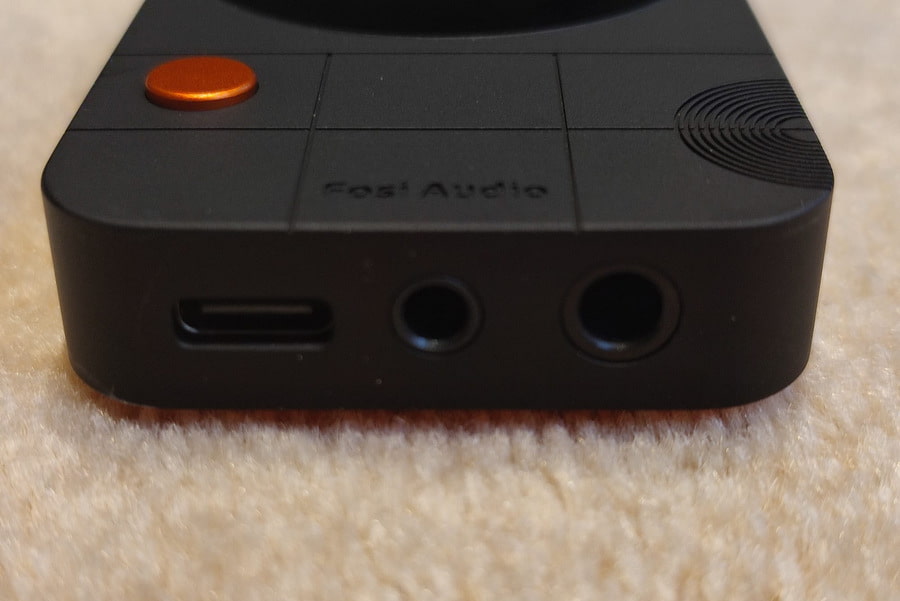
Connectivity is straightforward. The top panel features a USB Type-C port for connection to your phone or source device. The bottom panel includes a second USB-C port, along with both 4.4 mm Pentaconn balanced and 3.5 mm single ended headphone outputs.
That’s really all there is to it. The MD3 is a refreshingly simple device to operate.
But features and design only get you so far. The real question is how it performs where it matters most: sound quality.
Advertisement
Listening & Headphone Synergy
To evaluate the sonic performance of the Fosi Audio MD3, I connected it to both my mobile phone and laptop, feeding it a mix of Spotify streams and hi res FLAC files.
Advertisement. Scroll to continue reading.
On the output side, I rotated through a range of over-ear headphones to see how well the MD3 would pair with different designs and whether it could handle more demanding loads. Headphones including the HiFiMAN HE1000 Unveiled, Thieaudio Cypher, Sendy Audio Egret, and Beyerdynamic DT880 Edition 600 Ohm were plugged in to see how far the little DAC/amp could be pushed.
After a few months of listening, my overall impression of the MD3’s sound quality is fairly straightforward. It presents music with a neutral, largely coloration free tonal balance that walks a careful line between analytical clarity and musical engagement. Fosi Audio has managed to maintain good balance across the audible spectrum without tipping into the sterile or overly clinical presentation that sometimes plagues affordable DAC/amps.
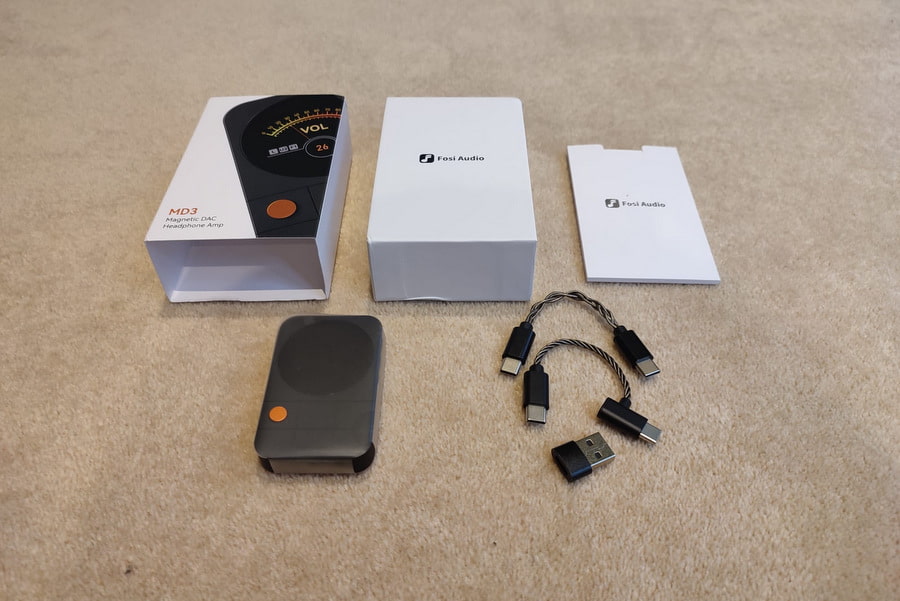
Included: Two braided USB-C to C cables, USB-C to A adapter, instruction manual
Starting with the bass, the MD3 reaches deep into the sub bass without obvious roll off and delivers satisfying texture and dynamic impact. Electronic music and drum heavy tracks carry the right sense of weight and physicality, so you never feel like the low end is being shortchanged. A good example is the infamous sub bass swell around the three and a half minute mark in Hans Zimmer and James Newton Howard’s “Why So Serious?”. Through the HiFiMAN HE1000 Unveiled, the MD3 reproduced that moment with convincing rumble and control.
The midrange maintains the same level of clarity and composure as the lower frequencies. Vocals and instruments come across with a natural timbre and a sense of intimacy when the recording calls for it. Listening to Sade’s “Smooth Operator,” the presentation placed her voice front and center with the kind of effortless smoothness that suits the track perfectly.
Advertisement
Up top, the treble extends cleanly with a healthy amount of sparkle, but without drifting into sharpness or glare that could lead to listening fatigue. “La Lune” by L’Impératrice sounded particularly engaging through the Thieaudio Cypher, with the delicate triangle strikes rendered clearly and with impressive nuance despite their relatively low level in the mix.
Overall, the MD3 paired well with most of the headphones in my collection, largely thanks to its neutral and balanced sound signature. In practice, that means any reasonably well tuned pair of headphones will likely perform well with the little Fosi.
There are limits, however. Extremely power hungry headphones such as the Modhouse Tungsten or HiFiMAN HE6se V2 are simply asking too much of a compact device like this. While the MD3 could push the HE6se V2 to my preferred listening level of around 65 dB, the bass became noticeably thin and some of the finer details were lost. Headphones with very high impedance or low sensitivity typically need several watts of power to perform at their best, which is well beyond the intended use case of a portable DAC/amp like the MD3.
The Bottom Line
The Fosi Audio MD3 takes a different approach in a category crowded with tiny USB dongle DACs. Instead of dangling from your phone with a short cable, the $149.99 MD3 magnetically attaches to the back of compatible iPhones, turning it into a compact all in one mobile audio upgrade. Combined with a capable ESS ES9039Q2M DAC, clean amplification, and a neutral, well balanced sound signature, the MD3 delivers a natural listening experience that pairs well with the vast majority of headphones.
It also stands out with thoughtful design touches such as an aluminium chassis, hand stitched leather backing, and a customizable circular display that adds some personality to what is usually a very utilitarian product category.
Advertisement
Where the MD3 faces pressure is on value and raw power. Competitors like the HiBy W4 offer more output power and Bluetooth connectivity for roughly $50 less, which may matter more to some listeners than magnetic convenience. And while the MD3 has more than enough power for most headphones and IEMs, it will struggle with extremely demanding models that require several watts to perform at their best.
For iPhone users who want a cleaner, cable free portable setup, the MD3 solves a problem that few dongle DACs even attempt to address. If MagSafe integration and tidy pocket ergonomics matter to you, the MD3 is a clever and enjoyable mobile audio companion. If raw power and features are the priority, there are stronger values elsewhere.
Pros:
MagSafe compatible design attaches directly to the back of newer iPhones
Aluminium chassis with hand stitched leather gives it a premium feel
Interactive circular LCD display with customizable visuals and animations
Neutral yet musical sound signature that works well with most headphones
Enough power for the vast majority of IEMs and portable headphones
Cons:
$149.99 price feels slightly high compared to competing dongle DACs
Less output power and fewer features than some cheaper rivals like the HiBy W4
Not suitable for extremely power hungry headphones like HE6 class designs
When Nvidia CEO Jensen Huang took the stage for his annual GTC keynote on Monday, the $4-trillion-dollar company’s stock started to drop.
Wall Street investors, it seems, were unmoved by the leather jacket-clad founder’s bullish 2.5-hour speech. Instead, they placed more weight on AI’s uncertain future and fears of a bubble. The nervousness felt by Wall Street couldn’t be more different than the buzzy atmosphere in Silicon Valley, where confidence, not uncertainty abounds.
Huang talked for more than two hours about the company’s latest innovations, from new video game graphics tech and updated networking infrastructure to autonomous vehicle deals and a new chip designed with Groq to accelerate AI inference in the Vera Rubin system. He also threw out some eye-watering numbers about Nvidia’s business and beyond. Huang called the AI agent ecosystem a $35 trillion market and the physical AI and robotics industry a $50 trillion market.
Huang also said he expects to see $1 trillion worth of purchase orders for the company’s Blackwell and Vera Rubin chips — just two of Nvidia’s many products — by the end of 2027.
Advertisement
Shouldn’t that make investors excited? It’s not surprising that they aren’t, Futurum CEO Daniel Neuman told TechCrunch.
A great new uncertainty
“[AI] is so good, so transformational, and moving so fast that we don’t actually understand what it’s going to mean for all the things that are the societal constructs that we’ve come to understand,” Neuman said. “The markets hate uncertainty. The speed of innovation has actually created a great new uncertainty that I think most people never expected.”
Some of that uncertainty comes from misleading information coming out of the market, Neuman said, who added that headlines about low enterprise adoption of AI aren’t painting the full picture — at least, based on conversations he’s having.
Techcrunch event
Advertisement
San Francisco, CA | October 13-15, 2026
“Enterprise AI adoption is going to hit inflection and scale very quickly,” Neuman said. “I actually think it’s happening. When you say it’s not, I think what you’re probably saying is the [return on investment] and the receipts are still a little bit undefined and companies are citing the surveys and the reports that are largely six-month-old data. It just takes months to aggregate data.”
Advertisement
This sentiment holds weight when you look at Nvidia’s numbers from past quarters. While companies may not be touting their AI ROI, they are increasingly purchasing Nvidia’s tech. The company continues to not only beat its lofty goals and quarterly estimates, but soar past them. Nvidia’s revenue was up 73% year-over-year last quarter.
There is no sign that will change any time soon either. For example, just this week Nvidia confirmed Amazon made a plan to purchase 1 million GPUs, alongside other AI infrastructure, by the end of 2027 for Amazon Web Services (AWS), according to reporting from Reuters.
Kevin Cook, a senior equity strategist at Zacks Investment Research, agreed with Neuman and joked to TechCrunch that investors not being happy doesn’t change the fact that the whole stock market is propped up by Nvidia, because its tech runs the rails for many of these businesses.
“The economy is sort of orbiting around Nvidia,” Cook said. “It’s building this necessary infrastructure. All these different companies in hardware and software and physical AI — even Caterpillar is now physical AI — that are building off of these platforms.”
Advertisement
None of this means there isn’t currently an AI bubble or couldn’t be one in the future. But while GTC may not have been a boon for Nvidia’s stock, the broader uncertainty doesn’t seem to be Nvidia’s problem. The company is clearly barreling full steam ahead, bringing seemingly the entire global economy right alongside it.
“Nvidia, as you know, is a platform company,” Huang said in his GTC keynote. “We have technology. We have our platforms. We have a rich ecosystem, and today there are probably 100% of the $100 trillion dollars of industry here.
Welcome to our latest roundup of what’s going on in the indie game space. There are a whole bunch of neat new games out this week, as well as updates on some interesting upcoming projects.
In case you missed it, the Steam Spring Sale is under way. There are lots of solid deals here, and my credit card is already screaming at me. I’ve picked up a bunch of games from my wishlist. For instance, at just $3, I couldn’t resist snagging Teenage Mutant Ninja Turtles: Splintered Fate.
Meanwhile, over on Bluesky, a prototype from developer Freya Holmér caught my eye. It’s for a falling-block game, but instead of filling a container to create straight lines that disappear, it’s based around a pivot point. As tetrominos join the mass, it rotates left or right by 90 degrees, adding a new dimension to a well-established format. I’m really hoping Holmér turns this into a full game, as it’s a rad concept.
New releases
Given all the bug slaughtering and the jingoistic satire, any Starship Troopers project is going to draw comparisons with Helldivers 2. Fortunately, Starship Troopers: Ultimate Bug War! is entirely its own thing.
Advertisement
This is a retro first-person shooter from Auroch Digital (the studio behind Warhammer 40,000: Boltgun) and publisher Dotemu. The framing of the game is quite meta: it’s based on the experiences of Major Samantha Dietz, who was on the frontlines against the bugs, and it’s effectively being used as a military recruitment tool.
Starship Troopers: Ultimate Bug War! is a blast. I thoroughly enjoyed my time with it. Not that I needed one, but it gave me an excuse to watch Paul Verhoeven’s original film again since the game (while having an original story) hits some of the same beats.
The tone is spot on. The writing in the cutscenes, in which Casper Van Dien reprises his role as Johnny Rico from the movies, is funny. You can’t tell me that it isn’t a thrill to blow up a giant bug with a tactical nuke. Plus, I was tickled by the consequences of “accidentally” shooting a fellow soldier in the training base and all hell breaking loose.
Alas, the pacing feels off — there’s a bit too much space between objectives in some levels — and it’s a little one-note. Still, it only takes around four or five hours to beat, particularly if you don’t care about hunting for secrets.
Advertisement
Starship Troopers: Ultimate Bug War! is out now on Steam, PS5, Xbox Series X/S and Nintendo Switch 2. It’ll usually cost $25, but there’s a 20 percent discount until March 24.
Retro Rewind is a solid name for a video store rental sim. You’ll manage a store in the early ’90s — the heyday of VHS — by doing everything from decorating the place, filling shelves with tapes and buying bootleg films to hiring staff, making recommendations to customers and collecting late fees.
My first job was behind the counter of a convenience store that had a small movie rental section, so I’ve got a tiny bit of experience with calling up customers who have overdue films. That part of the job wasn’t exactly fun, but like the idea of running an entire rental store, an experience that’s sadly almost extinct.
Retro Rewind – Video Store Simulator is available on Steam (normally $20, with a 20 percent discount until March 24). You can try it out by playing a demo.
Advertisement
In Their Shoes looks like an intriguing spin on the visual novel. From We Are Muesli, this is billed as a mumblecore narrative vein, indicating that it’s influenced by films from that subgenre (such as the works of the Duplass brothers, Lynn Shelton and, especially in the early part of her career, Greta Gerwig). Through a few dozen interactive scenes, it follows the intertwined lives and intimate moments of seven people in Milan. Each of these dialogue-focused segments lasts around five minutes. There are timed choices and you can arrange the scenes into a timeline.
You can pick up In Their Shoes on Steam now. The full price is $13, but there’s a 25 percent discount until March 31.
For this week’s dog game, here is World’s Goodest Pup. It’s another pooch-based roguelike deckbuilder. This time around, you’ll be trying to succeed in the realm of competitive dog shows. After selecting a dog from among three breeds, you’ll start building a deck of accessories, tricks and poses and combine them in strategic ways to be most effective in competitions and challenges, which are procedurally generated.
This is a cozy game first and foremost, though. You can spoil puppers in a pet resort that you’ll build and treat them with a visit to a dog spa. Cute.
Advertisement
World’s Goodest Pup — from Pandamander — is out on Steam (normally $7, with 10 percent off until March 26). You can try it out via a demo.
The release trailer for Bonnie Bear Saves Frogtime made me chuckle, so I had to include it. The latest project from Bonte Avond (the team behind Once Upon A Jester) is a comedy adventure game.
As Bonnie Bear, a bear in a frog onesie, you set out to defeat a local bully in a tactical frog-battling game called Frogtime. As with many real-life trading card games, you’ll buy and collect frogs to build a strong army. Most importantly, it seems to be a game about the power of community, friendship and self-worth.
Gunbrella studio Doinksoft is back with another game that has a fantastic name. It’s a roguelite, side-scrolling action platformer with shoot-em’-up elements. And it’s called Dark Scrolls. It’s such a good title that I’m almost mad I didn’t think of it first.
There’ll be nine heroes to choose from, including a pup named Biscuit and a rat with a saxophone. The game features procedurally generated runs with branching paths, and there’s multiplayer support for two-player online co-op. I’m into the Master System-era art style and the utter chaos shown in the trailer.
The Devolver Digital-published Dark Scrolls (still not over that name) is coming to Steam and Switch later this year.
If you think about it, Scrabble is already a roguelike strategy game. Beyond Words takes that a bit further, with tiles that shift and explode, and boards that change up the rules. Much like in Balatro, you’ll be modifying, destroying and duplicating tiles as you seek powerful synergies and massive score multipliers. There are more than 300 modifiers and abilities, along with boss battles and optional time-based challenge boards.
Advertisement
What makes Beyond Words particularly interesting is that it’s from Steve Ellis and Dr David Doak — who made their names at Rare and Free Radical Design with the likes of GoldenEye 007, Perfect Dark and TimeSplitters — and their small team at MindFuel Games. PQube is the publisher of Beyond Words, which will hit Steam, PlayStation 5, Xbox Series X/S and Nintendo Switch on April 9. A demo is available on Steam now.
We’ve learned about a bunch of upcoming music rhythm games lately, and here’s another one from Guitar Hero, Rock Band and DJ Hero veterans. Echo Foundry Interactive seems to be hoping that the community-driven focus will help Sound System stand out.
When it goes into early access on Steam (October 16, $25), Sound System will have local multiplayer support. Echo Foundry Interactive plans to add online multiplayer with co-op and competitive modes. Players will be able to create charts for any song they like too.
We’ve had a dog game (or two) and a frog game. Now it’s time to wrap things up with a cat game. In Cat Me If You Can — great title, again — the Earth has frozen and lost its color. Only cats remain. By time-travelling and taking photos of them, you’ll gradually restore color to the world.
Advertisement
It’s a hidden cat puzzle game from Cosmic Stag Games that’s coming to PC, Switch and Xbox in the summer. You’ll be able to check out a demo on Steam on April 8.
Sony reportedly sent an email to developers informing them of its decision to phase out the “PlayStation Network” and “PSN” branding across its platform, ostensibly to “properly capture the breadth of our evolving digital services.” The company insists the changes will be “purely visual” and will not introduce any technical… Read Entire Article Source link
Twitter is officially 20 years old. In another reality, that might make me kind of nostalgic. I’ve been lurking and scrolling and tweeting for 16 years; most of my adult life. There was a time when Twitter was a place where some internet strangers became my IRL friends, when I was excited to “live-tweet”. When my infinitely more well-adjusted friends would send me memes, I would smugly say “I saw that on Twitter days ago.”
Twitter stopped being that place a long time ago, but I don’t have any nostalgia for it. I don’t really feel anything at all, actually.
Because I can already hear the comments: Yes, I’m still on X. I don’t spend as much time there as I did a decade ago, but it’s still quite a lot of time, an unhealthy amount, if I’m being honest. My job is to report on social media companies, so I keep (doom)scrolling. That’s what I tell myself anyway.
A few of my favorite posters are still around. Dril’s still got it. The memes are still, occasionally, good, even though X’s recommendation algorithm seems to prefer pointing me toward endless AI slop, boring hot takes from thirsty mid-tier tech execs and blatant engagement bait. X’s algorithm — what little we can learn about it, anyway — now relies on Grok’s predictions about what you’ll like.The same Holocaust-loving Grok that has spewed racism and referred to itself as MechaHitler and declared Elon Musk “the single greatest person in modern history.” The same Grok that allegedly generated thousands of images of child abuse material. Hey @grok is that true?
Advertisement
X is not Twitter but it’s also not not-Twitter. Last year, an online marketplace startup bought the 560-pound Twitter bird that once adorned the company’s San Francisco office and blew it up in a Nevada desert surrounded by Tesla CyberTrucks as part of an elaborate publicity stunt. Dumb? Yes. But also a somehow fitting adieu for “Larry.”
It’s been 20 years since Jack Dorsey sent the first-ever tweet, which was never even a good tweet anyway. It’s been five years, by the way, since he turned that tweet into an NFT (remember NFTs??) and auctioned it for nearly $3 million. It’s now functionally worthless. Another chapter in Dorsey’s confusing, complicated legacy.





















































You must be logged in to post a comment Login