Tech
A Finger-Thick Silk Rope Could Hold an Elephant, But a Man’s Palm Still Lost

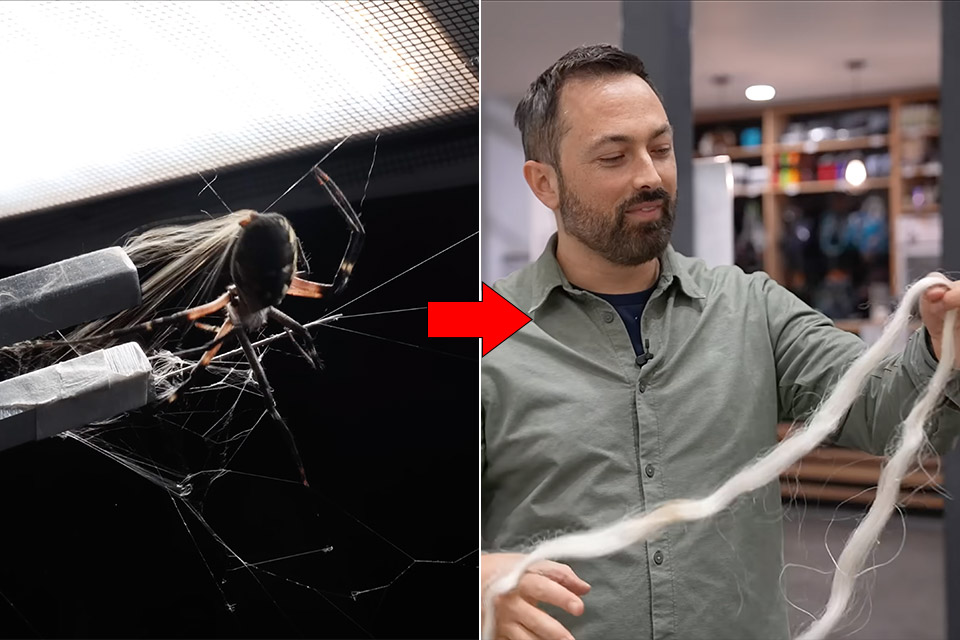
Henry van Dyck of Veritasium wanted a number, not a slogan. Classroom posters and superhero movies have spent years saying silk spider webbing beats steel. In a video he co-wrote and co-hosted with Derek Muller, he took that claim into Professor Todd Blackledge’s spider lab at the University of Akron and put live threads on a tensile tester, without harming the animals that made them.

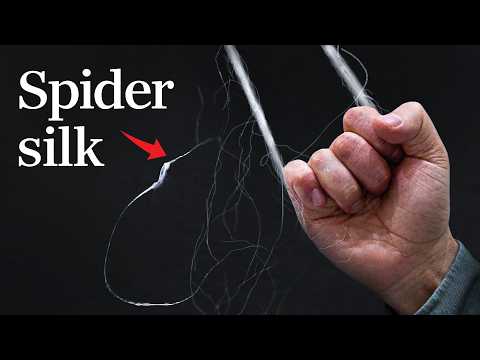
Garden variety dragline silk, the cable a spider uses to keep from falling, and the framework of a web are all very impressive. When you put a 600 megapascal number on a rope, you get a sense of how strong it actually is. A silk thread with a cross section the size of a little finger can support around 60,000 newtons, which is comparable to the weight of an adult African elephant. Van Dyck was able to replicate that in the lab, but emphasized that this was simply an average occurrence.


Insta360 X6 Essentials Bundle – 8K 360 Camera with 1/1.1” Sensors
- DUAL 1/1.1″ SENSORS & TRIPLE AI CHIP SYSTEM: Custom-built dual 1/1.1″ square sensors deliver unprecedented 360 image quality. Combined with a triple…
- FLAGSHIP 8K50FPS 360 VIDEO: Hit record on our 360 action camera and capture your world in stunning native 8K50fps video. Every view, every highlight…
- IN-HOUSE AI MODEL FOR EFFORTLESS 360 EDITING: Insta360’s own AI model, built specifically for 360 editing. New AI Director edits your footage…
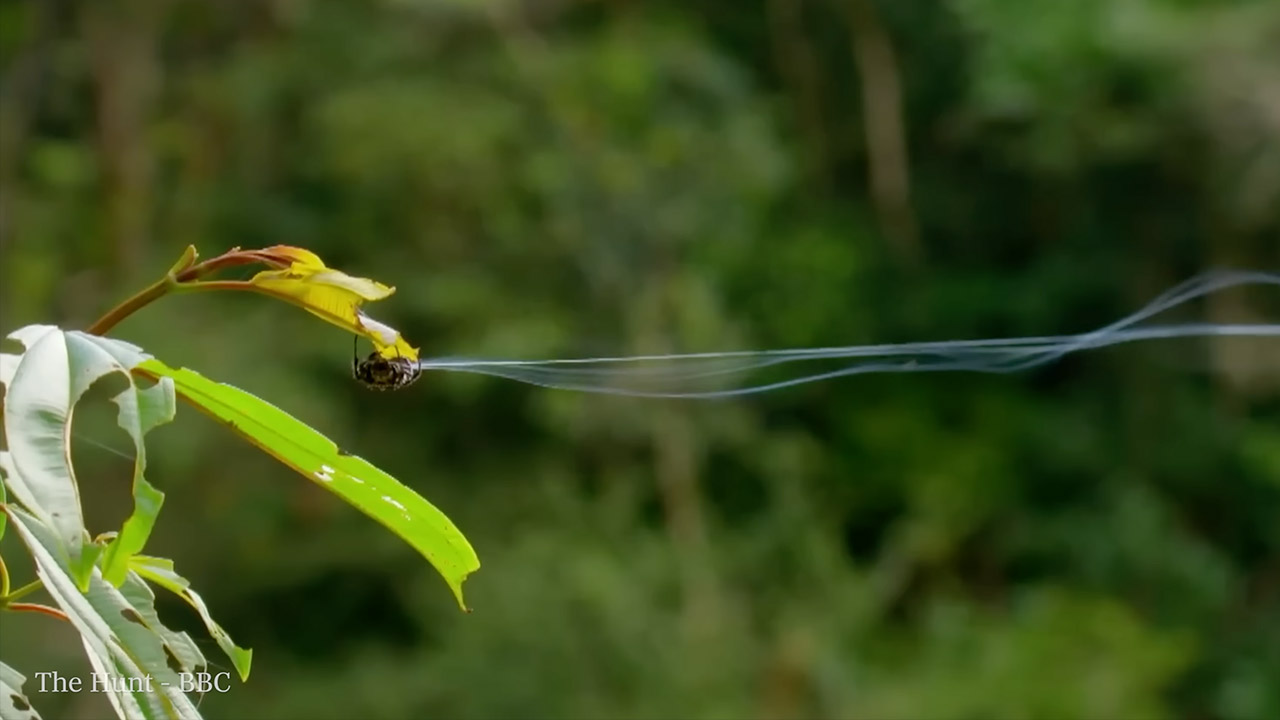
Darwin’s bark spiders in the wild, deep in Madagascar, weave some magnificent webs across rivers up to 25 meters wide to snare unsuspecting insects flying over the water. Their dragline silk has been measured at an incredible 1,600 megapascals, more than twice the strength of the average Akron sample, making it the toughest biological fiber we’ve ever measured, even beating out the strongest experimental ultra-high-strength steels that come in at around 3,000 megapascals, but as soon as two wires of equal thickness are matched, those steels break, whereas the spider’s silk holds up just fine.

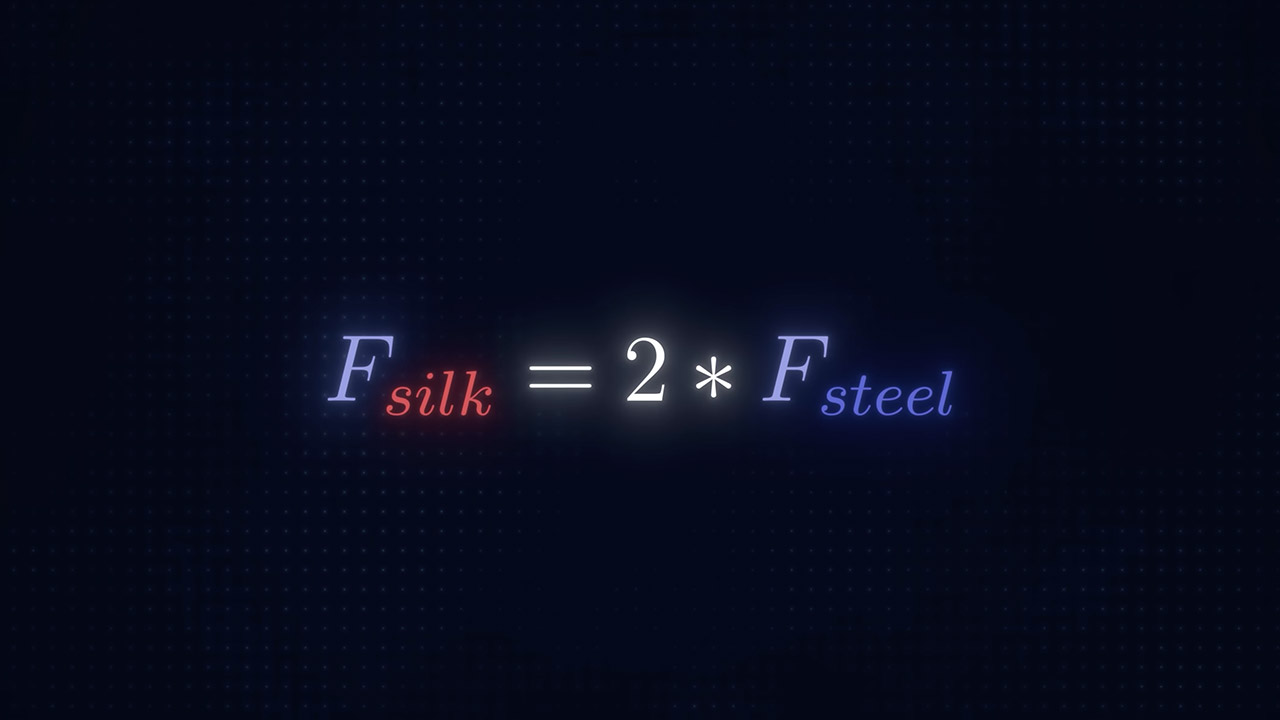
The density of the materials tells a quite different story, as steel is around six times heavier than silk for the same volume. When the weights of two materials with the same mass and length are compared, the cross section of silk rope is six times bigger than that of steel. Six times the area, at nearly a third of the breaking tension, explains why silk can bear approximately twice the force before collapsing. Engineers refer to this as specific strength, and ordinary spider silk is already competing with fancy steel on this front.
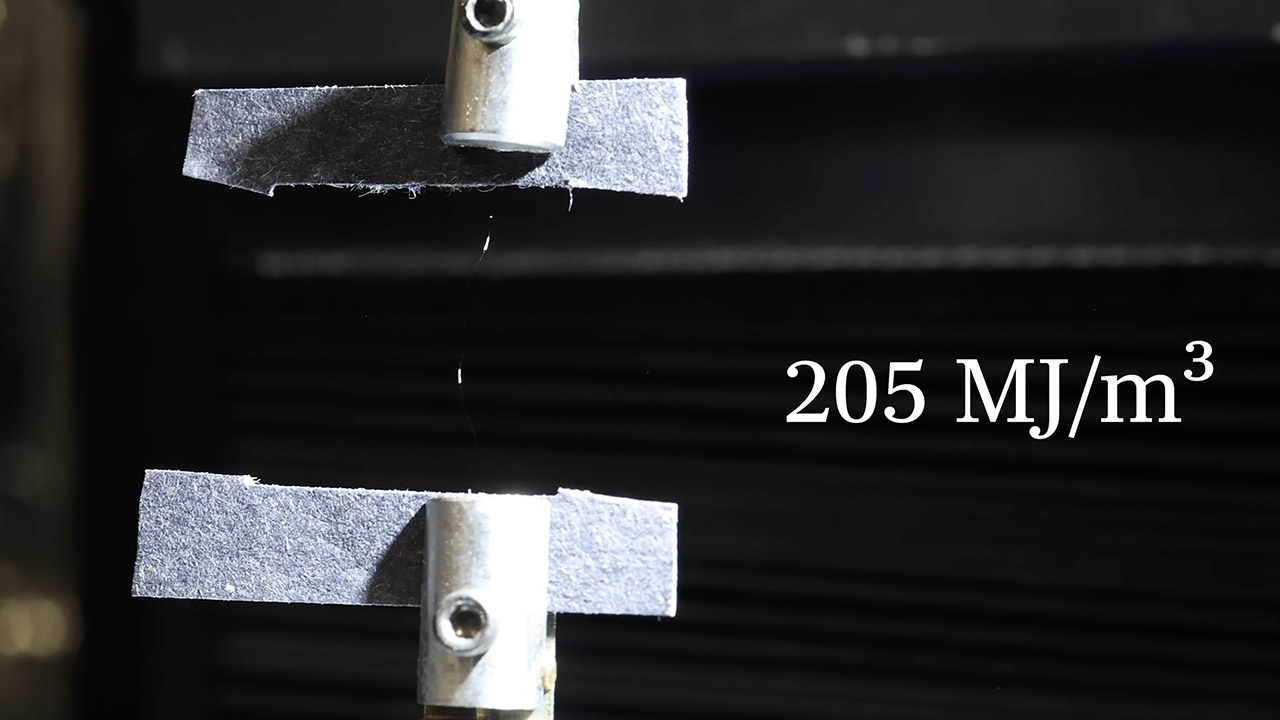
Toughness is a whole other thing, and silk wins hands down. The area under a stress-strain curve indicates a fiber’s toughness, or how much energy it can withstand before breaking. Kevlar is reasonably effective at stopping bullets, with a maximum energy density of around 50 megajoules per cubic meter. The experimental ultra-high-strength steel weighs in at 170. Van Dyck’s garden silk measured around 205 megajoules, whereas Darwin’s bark spider silk measured up to 520 megajoules, which is roughly ten times more than Kevlar and three times more than experimental steel. Which is fantastic since silk is all about stretching. Kevlar, on the other hand, is stiff like a board. A stiff fiber will rise up the graph quickly and break early, whereas a flexible fiber will simply continue to take the strain as it lengthens, which is where all the extra energy comes from.
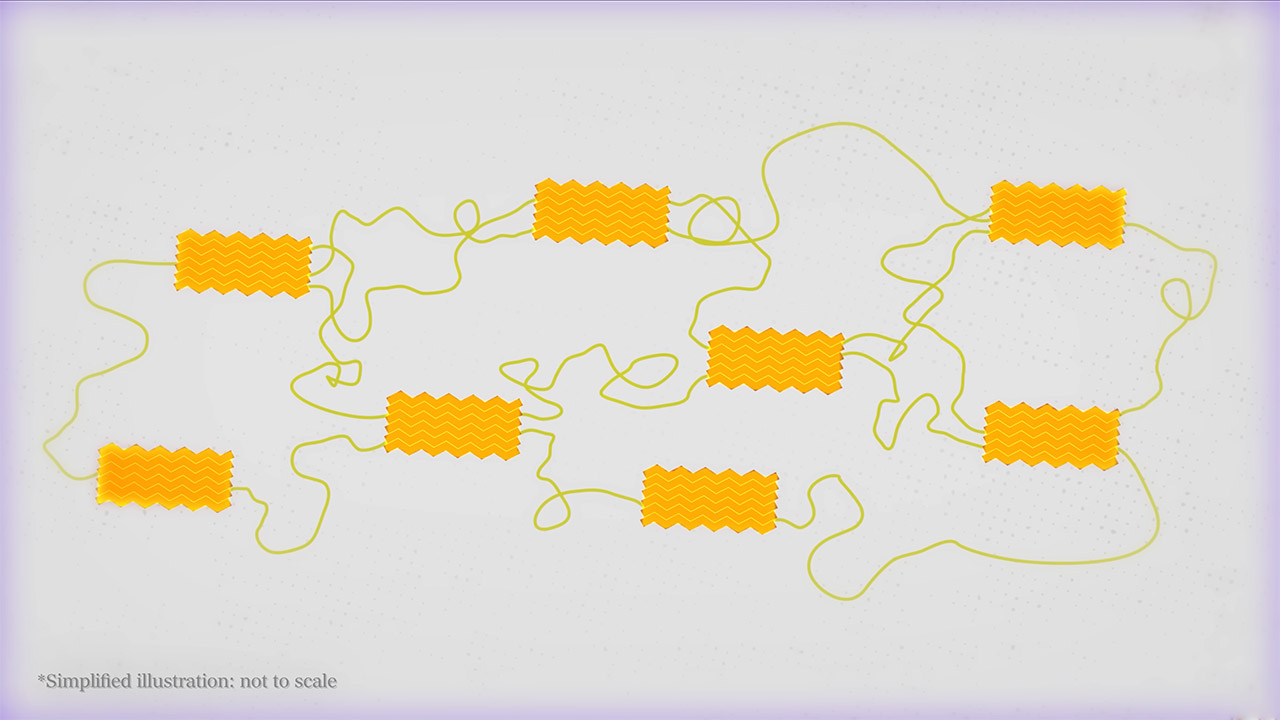
Spiders produce this extraordinarily strong fiber from a liquid protein sludge held in silk glands. As the liquid flows out of the spinnerets, long molecules known as spidroins begin to fold themselves into hard crystalline patches for strength and looser, flexible regions for… well, give. There are no explosives or high-pressure mills, only room temperature, a bug diet, and a healthy dose of natural chemistry. Each visible strand actually a bundle of even smaller strands, literally nanostrands, running in parallel, which is why a thread thinner than a hair may still function as a cable.
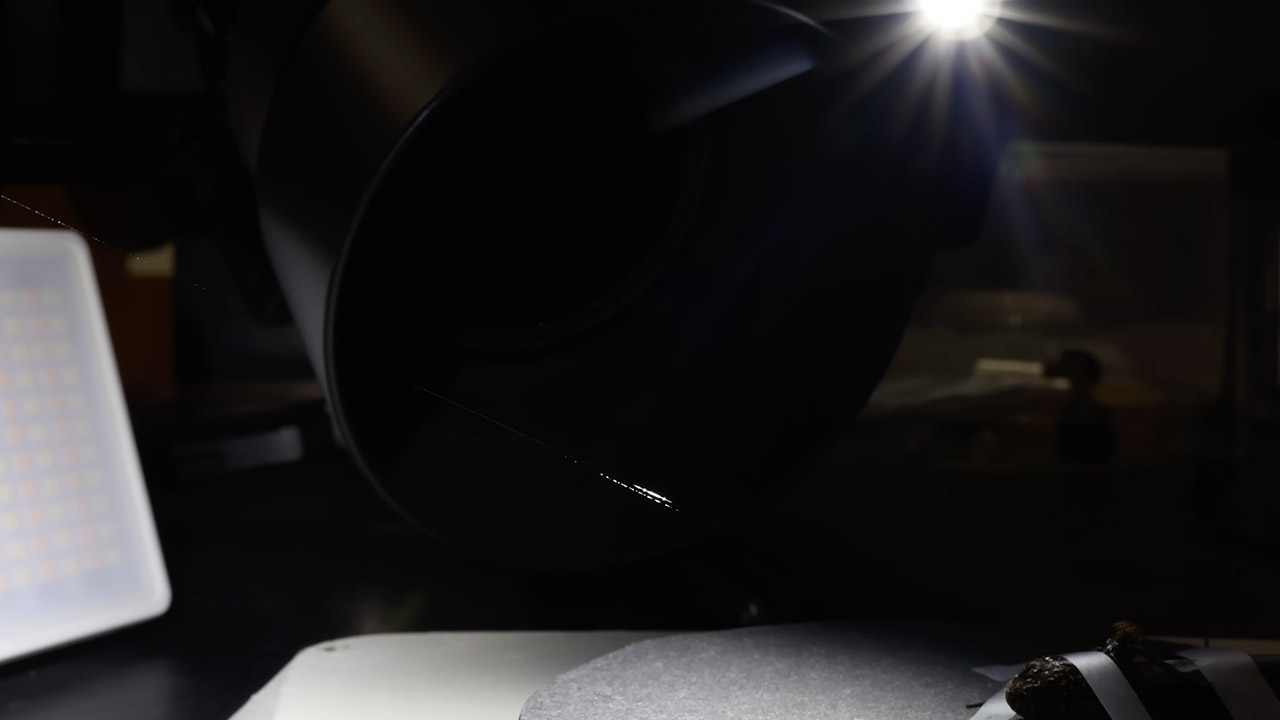
Farming animals to make spider silk isn’t a feasible solution. Spiders cannot simply be cultivated like cattle. They require plenty of space, and if kept in a tight environment, they will eat each other. Each spider produces only a few hundred feet of useful thread. Those high-end showpieces, such as 18th-century stockings or the iconic cape constructed from a million spiders in Madagascar, were always one-of-a-kind and never mass-produced. Pure natural silk costs millions of dollars per kilogram.
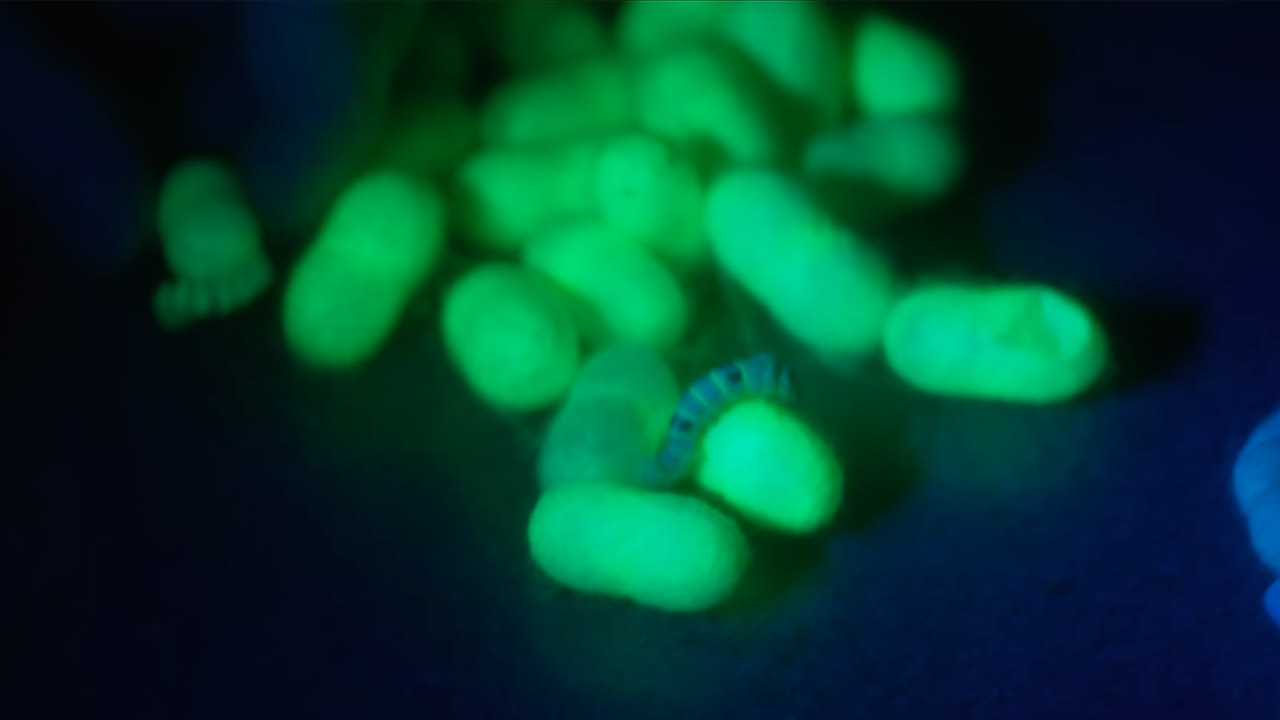
Kraig Biocraft Laboratories, on the other hand, decided to eliminate the spiders entirely in favor of genetically engineering silkworms to generate spider silk. They take silkworms, a super common moth that humans have farmed for thousands of years, and just add a tiny portion of spider DNA to the mix. Van Dyck spent the day at their lab, watching transgenic cocoons come off the line. Last year, they produced almost half a ton of hybrid silk. The good news is that mechanical testing have showed it performs at roughly 60% the level of real spider silk, which is excellent enough to pique the interest of those who manufacture super-tough ballistic panels and medical mesh.
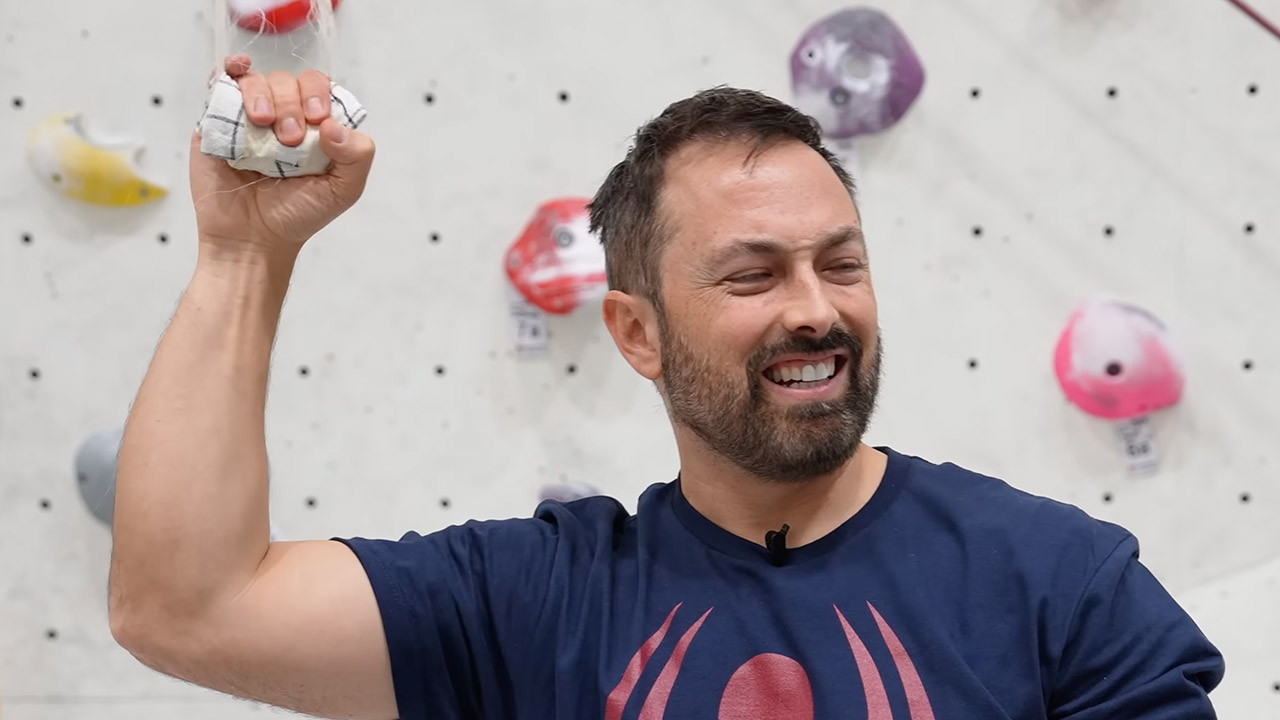
Then Van Dyck decided to pull off a publicity stunt of sorts. He took a bundle of synthetic silk, including ten threads all lined up, to the local climbing gym and requested Muller to try it. He asked Muller to hang from it and swing for a moment. The line held up nicely, although the skin was damaged. The fiber is so thin that the contact patch on a hand becomes a cutting edge. Muller’s palm paid for the demonstration. In materials language, the silk was no longer the weak link, the person holding it was.
[Source]
You must be logged in to post a comment Login