Tech
A Student Engineer Built His Own Walking Star Wars Droid

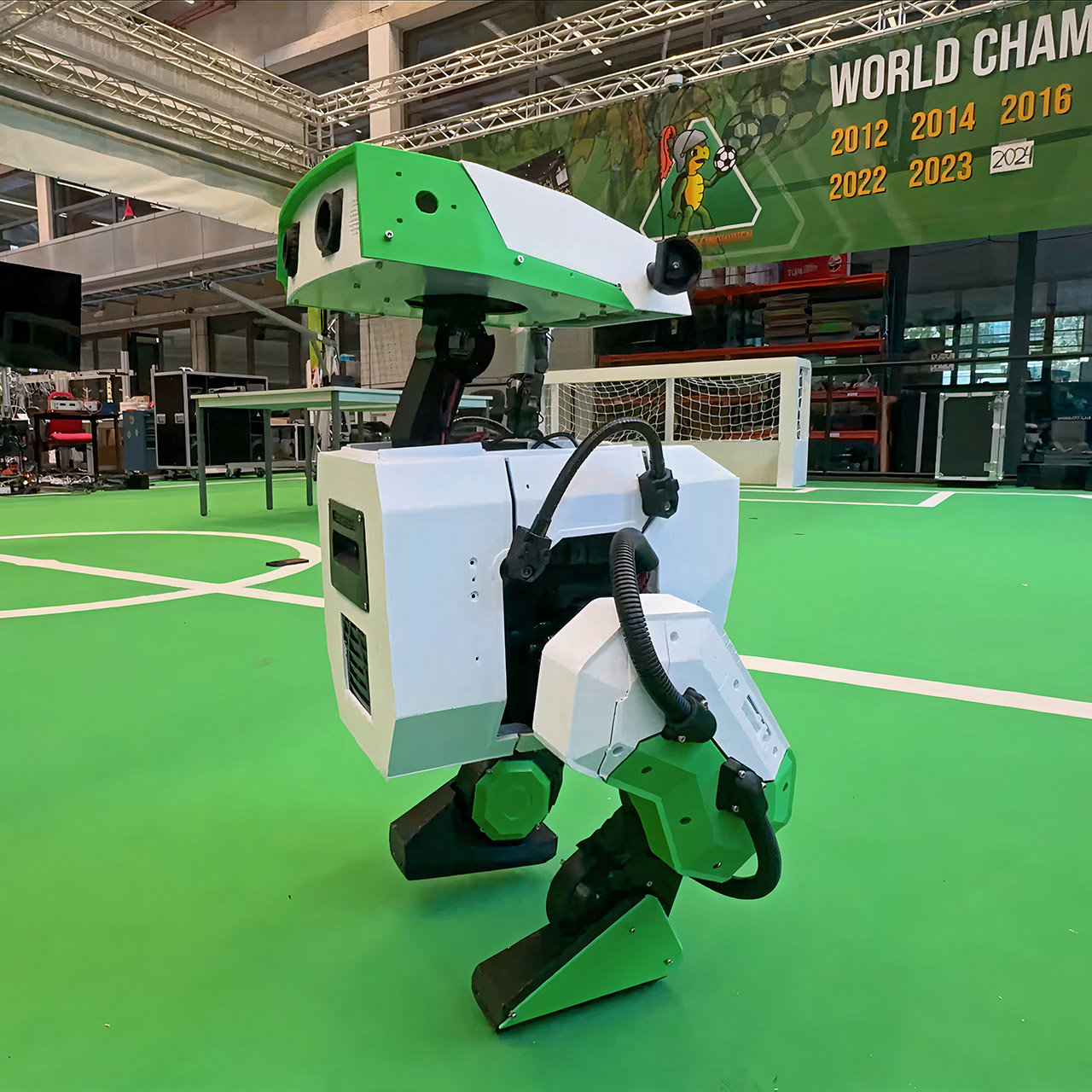
Kayden Knapik set out to copy one of Disney’s BD-X droids from the Star Wars areas in their parks. He had no big budget and only basic robotics experience when he started his bachelor’s thesis project. The finished machine walks on two legs, turns on command, keeps its balance even when nudged, and moves its antennas to show feelings. All of it runs on parts bought online and printed at home.


Knapik chose the BD-X because the droids look simple but move with a lot of personality in the parks. Disney keeps full-sized versions locked away and never sells them to the public. He wanted something similar enough for people to see and touch without requiring a ticket. His version is nearly the same height as the park models and employs the same type of brain that Disney picked for its own robots.
Sale


Bambu Lab A1 mini 3D Printer + LED Lamp Kit, Set Up in 20 Mins, High Speed & Precision, Full-Auto…
- A1 mini + LED Lamp Kit for Creative Light Projects: Bring your ideas to life with the included LED Lamp Kit. Simply print compatible lamp models and…
- The Perfect 3D Printer for Beginners: A1 mini 3D Printer is designed to make 3D printing easy from day one with automatic calibration, simple setup…
- Experience the Bambu Lab Ecosystem: Access MakerWorld’s huge library of ready-to-print models, manage prints through the Bambu Handy app, and enjoy…
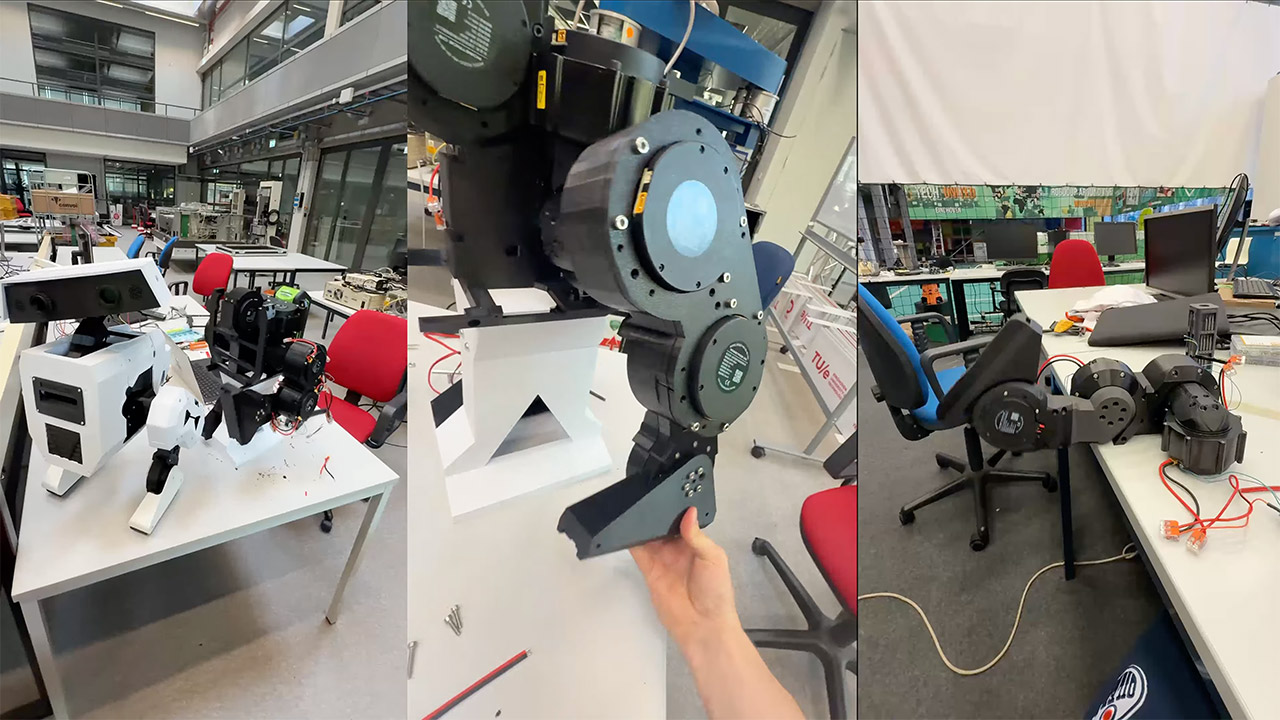
Sixteen Robstride motors drive every joint, which actually offers high torque at a price a heck of a lot lower than the custom gear Disney uses. The total set of motors cost roughly $2800. For identical hardware, Disney’s version would cost roughly $7,500, just for the legs. A regular 40-volt lithium-ion battery from a lawn mower is utilized to power the device because it is safe and easy to replace. The sensors inside each joint detect its position, and an inertial measurement unit monitors tilt and direction, allowing the droid to adjust itself as needed.

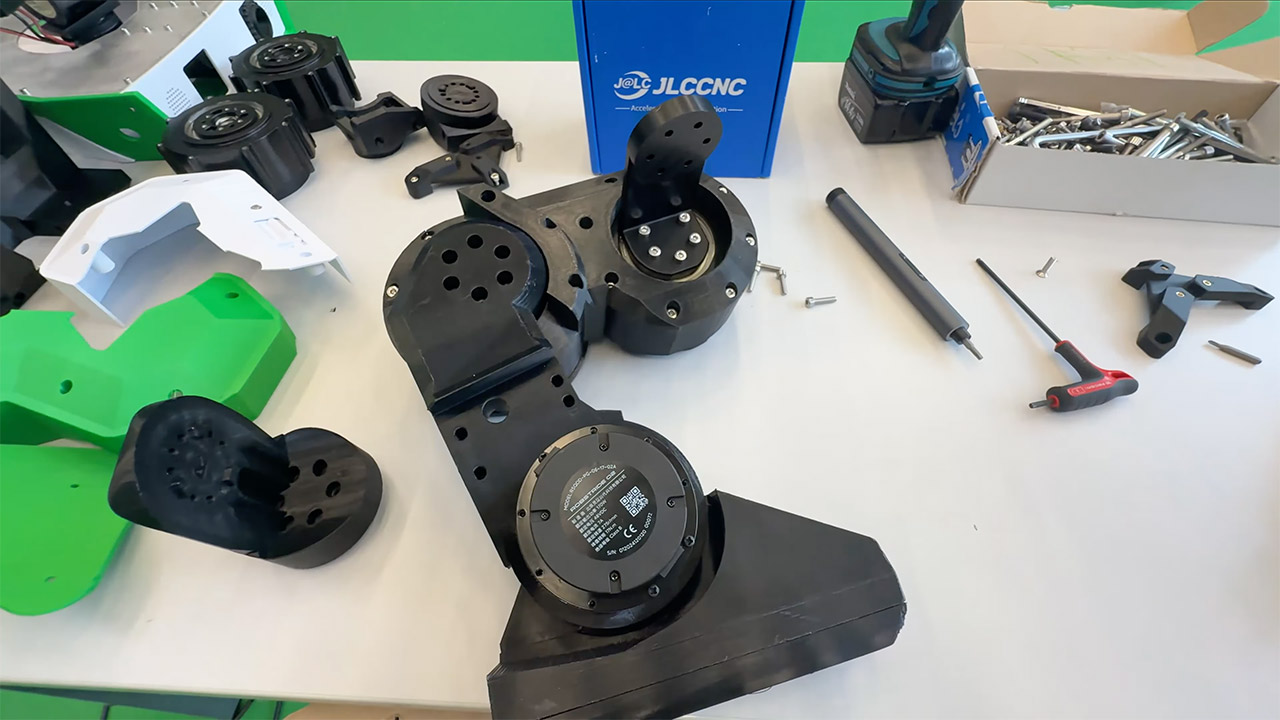
The majority of the body began as plastic printed on a standard 3D printer, however PETG with extra infill was insufficient to withstand daily stress, as the hips began to shatter under full motor power. Knapik replaced the essential joints with aluminum parts made on a CNC machine. That adjustment only took a few days, but it effectively stopped the brakes. Everything else still prints at home if you’re ready to work with his open-source files.
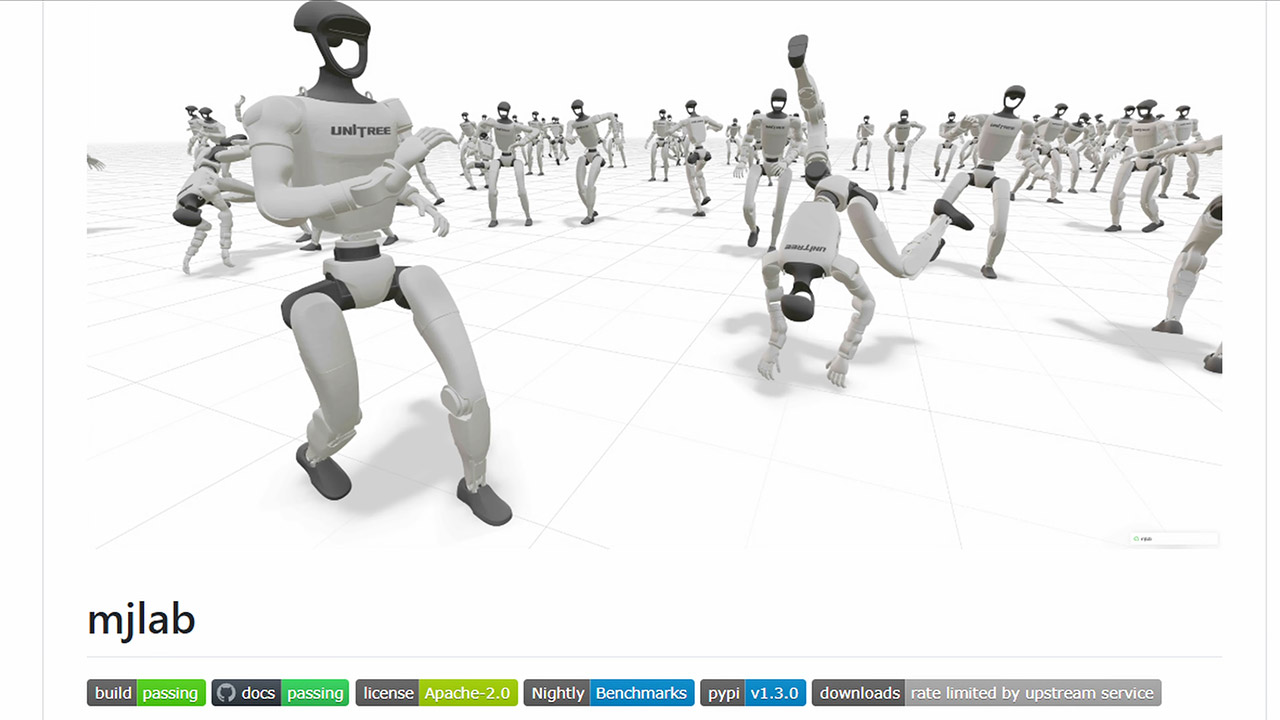
It’s the software that moves the legs without requiring any line-by-line walking code. Knapik created a digital clone of the robot within an NVIDIA simulation program and had it practice millions and millions of small efforts at remaining upright and moving ahead. Each run involved random weight changes, surface grip, and motor timing, allowing the robot to learn to deal with a variety of real-world conditions. Once training was completed, the same policy was simply applied to the actual hardware. The gait was choppy at first, but he eventually matched the simulation delays to the physical motors. After that, the droid’s gait improved dramatically, and it was soon walking forward, backward, and using voice commands.
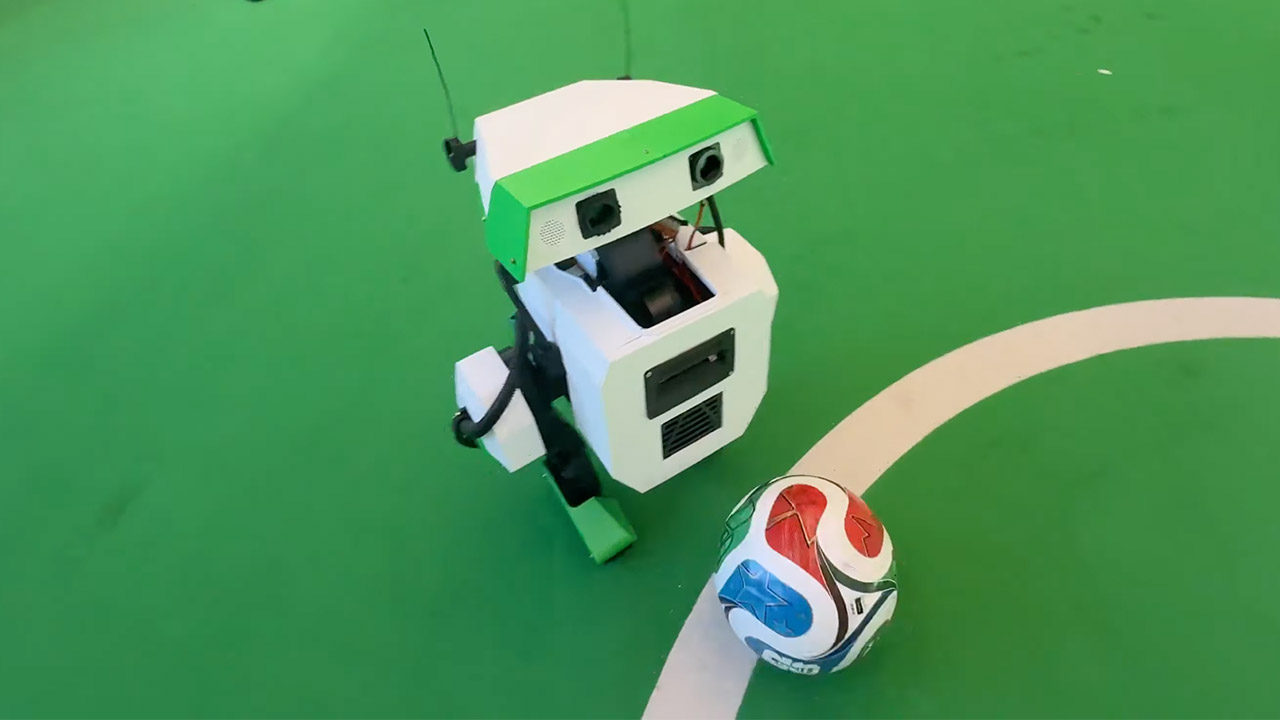
Total spending is still cheap enough that Knapik has begun drawing concepts for a smaller version at about $400. The CAD files, training code, and assembly notes are all stored on a public GitHub page named BDX-R. If you have a 3D printer and basic skills, you may download the file and begin creating your own. The open approach is all about breaking down the traditional barriers that keep advanced robotics out of reach for everyday people.
[Source]
You must be logged in to post a comment Login