Tech
AI Cameras In This State Are Busting Drivers Who Pick Up Their Phones In Work Zones


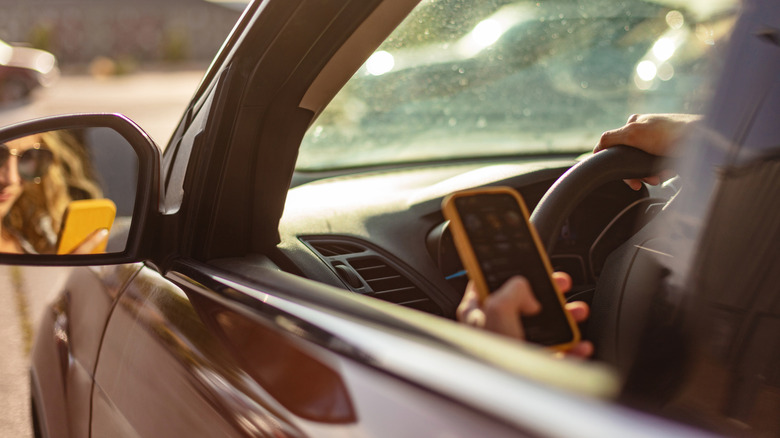
Driving through an active work zone can put a damper on your day, especially if you’re in a rush. Traffic slows down, potentially causing a delay, and you often have to navigate narrow lanes, one-lane roads, abrupt lane shifts, and close proximity to both heavy machinery and construction workers. All of these factors combined sometimes create a dangerous situation. According to the CDC, there were around 96,000 crashes in active work zones in 2022, resulting in about 37,000 injuries and 891 fatalities. Of those deaths, 105 were workers.
To reduce the risk of an accident, drivers typically see warning signs indicating an active work zone ahead. The speed limit drops, and flaggers may be present to help direct traffic. Distracted driving is dangerous anywhere, anytime, but it can be especially hazardous in work zones. As of 2026, 33 states plus Washington, D.C. have enacted “no touch” laws, which ban drivers from even holding their phone while operating a vehicle. This includes changing map settings, tapping to answer your phone, and often even picking it up at a red light. Some states are turning to AI, or artificial intelligence, to bust drivers who break the rules, including Arkansas, where it’s illegal to touch your phone while in a work zone with highway workers.
It’s a difficult law to enforce, but the state has set up still cameras in two work zones on Interstates 49 and 57. To help catch violators of the no touch law, the state is using AI to analyze the photographs, looking for cell phones in drivers’ hands.
AI assistance in law enforcement
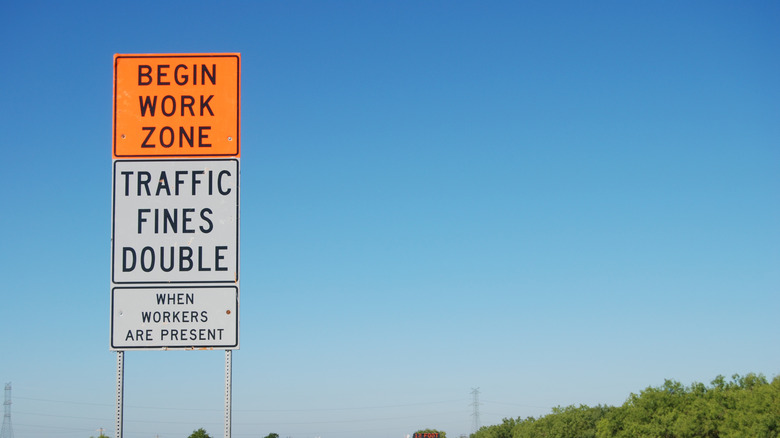
The system in Arkansas is new and was implemented in January 2026. To ensure accuracy, the information tagged by AI is shared with Arkansas Highway Police officers on the scene, and they pull over the flagged vehicle to assess the alleged infraction. Fines are never automatically issued based only on artificial intelligence, and a police officer is required to verify and either issue a warning or fine. Additionally, signs have been placed to alert drivers about the cameras before they enter the monitored zones.
Of course, AI is a touchy and complicated subject, and the use of this tech has ignited privacy concerns. Critics are worried that Arkansas police aren’t tracking false positives, when AI flags phone usage but it doesn’t turn out to be true. There’s also questions about how else the footage may be used, though state officials maintain that any footage not required for legal proceedings is deleted.
Arkansas certainly isn’t the only state turning to AI for law enforcement and road safety. In Utah, law enforcement is using a license plate recognition system like the ones already used in California to track and find potential lawbreakers. The technology can also identify cars based on descriptions and, according to police, help them avoid unnecessary stops. However, critics are concerned about how much information the system preserves and the risks of so-called mass surveillance. Other states are using AI in less controversial ways, such as Hawaii’s dashboard cam giveaway, which is using AI to inspect guardrails and other potential issues on the road from camera’s mounted in willing drivers’ cars.
You must be logged in to post a comment Login