Tech
Air Draws the Picture, a Soft 64-Pixel Screen That Runs on Nothing but Vacuum

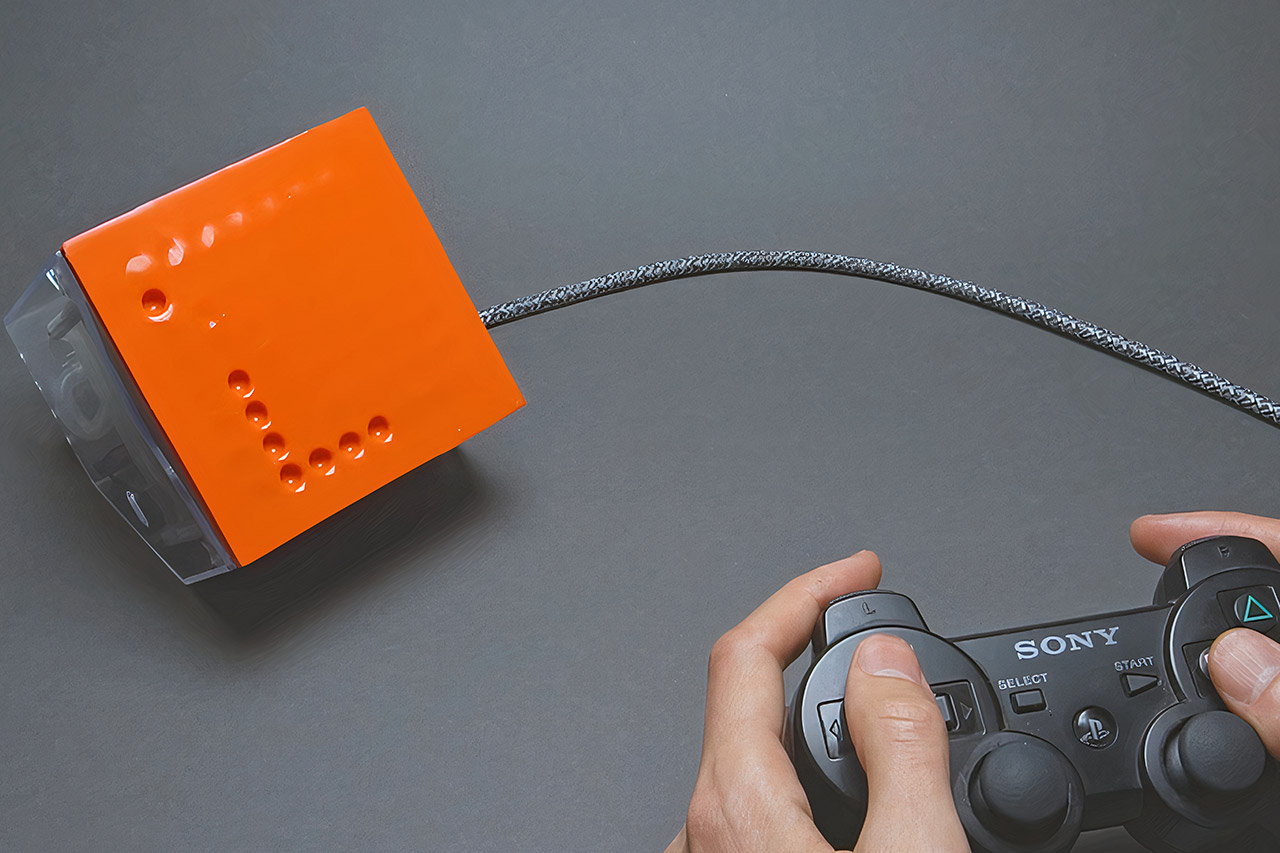
Soft silicone dots rise and fall across an eight-by-eight grid, forming shapes and simple patterns without a single glowing diode or liquid crystal. Soiboi Soft, the maker behind the project, built this entire display from air pressure differences, 3D-printed plastic, and thin membranes that act like valves and memory cells. Atmospheric pressure stands in for a binary zero. A vacuum stands in for a binary one. Once a pixel settles into place it stays there on its own, no continuous power required.


Soiboi Soft began with some small experiments, including a four-by-four model and a seven-segment clock capable of pneumatically storing its state. Scaling up to sixty-four pixels, however, necessitated significantly tighter tolerances and a more sophisticated control system. It turned out that you needed sixteen small solenoid valves to feed the eight row and eight column lines. The fluidic logic integrated into the stack determined which pixels turned on and off.
Sale


Dragon Touch 15.6″ digital calendar chore chart – 1080P full HD interactive touchscreen, smart family…
- 【All-In-One Smart Family Calendar】: Dragon Touch digital frame effortlessly organizes and tracks every family schedule with the crystal-clear…
- 【Easy Setup and Auto-Sync】: Enjoy a user-friendly design that our smart picture frame allows for quick setup—just plug in, connect to Wi-Fi, and…
- 【Interactive Chores Chart & Dinner Planner】: Our digital calendar keeps housework organized and motivates family members, especially children, to…
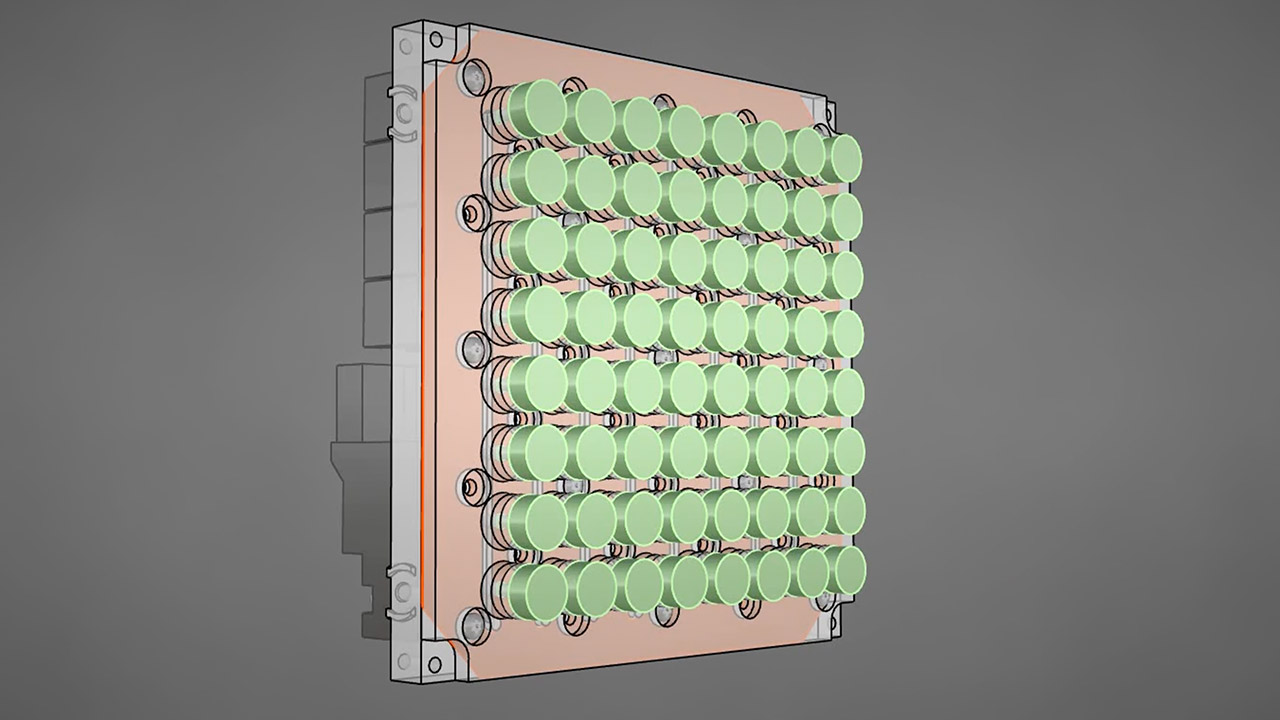
Things work like this: you hold a row and a column under vacuum pressure at the same time, and a local silicone switch opens, emptying the pixel chamber. The flexible dot on the surface pulls inward, resulting in a visible, touchable depression, similar to a pit. Close the switch, and the vacuum is trapped like a capacitor that never needs to be recharged.

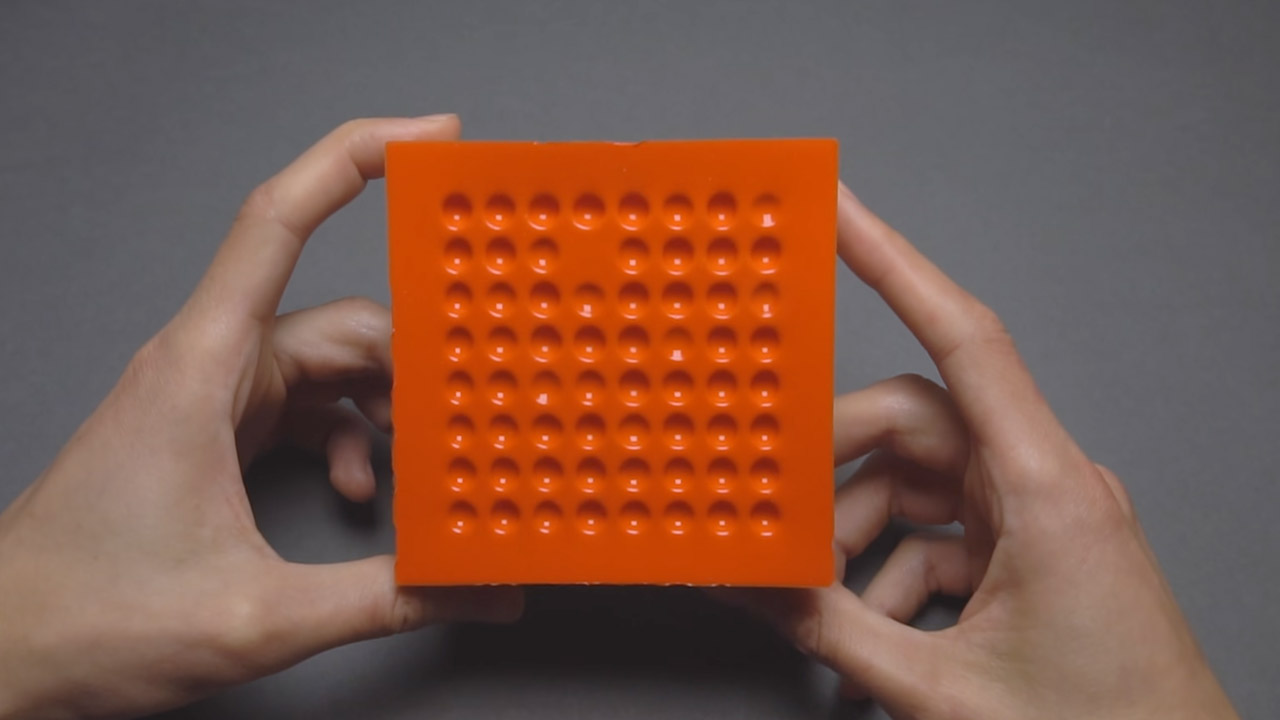
Layers should be stacked properly, but not too perfectly, because being too perfect is ineffective. You received a translucent PLA baseboard that houses the control chambers. The logic membrane is made up of a special silicone sheet, which moves to open or close the passageways as needed. On top of it, there’s a pressure routing board, followed by a final piece of molded silicone with the sixty-four raised dots that make up the visible surface.
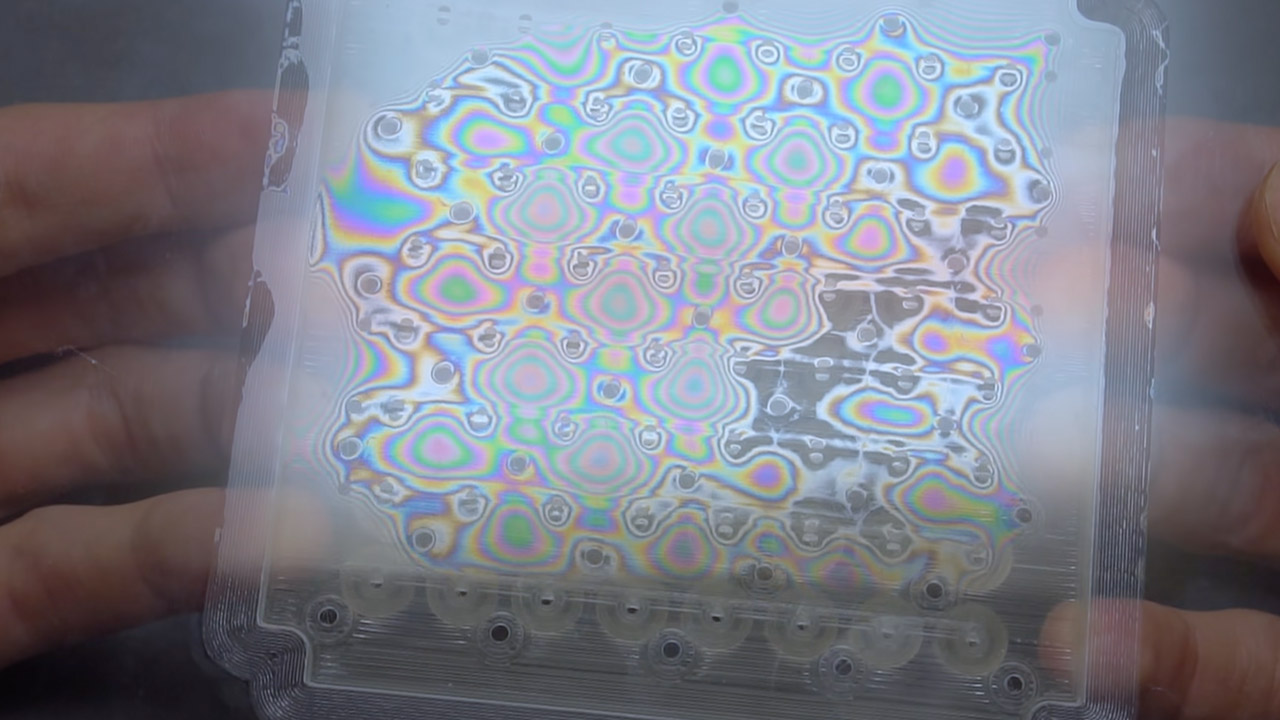
Everything is transparent, and you can see the internal channels in action. Getting it to work was a pain because consumer FDM printers are terrible at producing airtight parts, so he had to slow down the printing, raise the temperature, over-extrude some, and even put some concentric ridges around each chamber to help concentrate the sealing force. Then he’d vacuum clamp the boards in TPU sleeves and anneal them to keep them from warping, resulting in a soft, slightly yielding surface that you could actually touch, as it pushed back against your fingers.
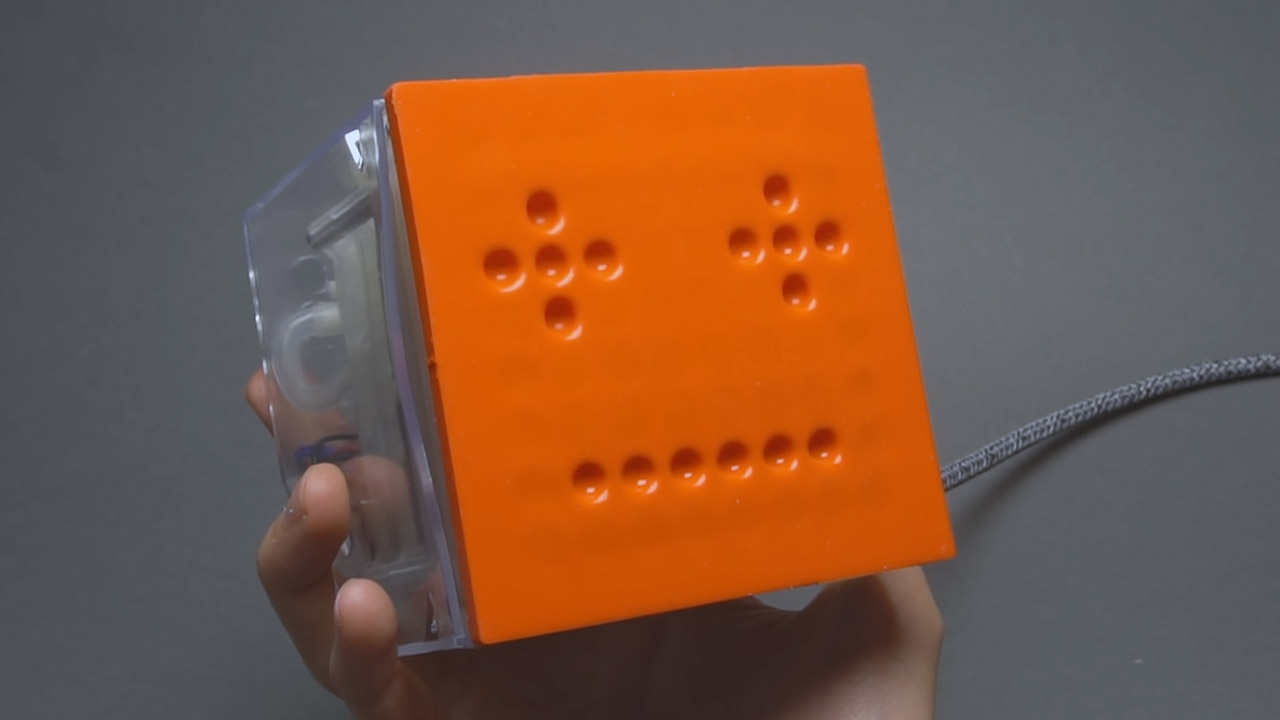
The images are built up row by row. The controller, which may be a gamepad or something, sets the column pressures and then activates each row one at a time. All of the pixels read and lock in their values. So simple shapes, numbers, letters, and even a basic game of Snake arise. Refresh rates aren’t super high, and the resolution isn’t great compared to any modern screen, but that’s all you’d expect. Once the valves have done their thing, the display doesn’t use any electricity, and the same vacuum network that writes the image also gives the surface its living quality, as the dots move, hold, and respond to touch in a way that feels exactly like pixels should.
[Source]
You must be logged in to post a comment Login