Connect with us
DAPA Banner
DAPA Coin
DAPA
COIN PAYMENT ASSET
PRIVACY · BLOCKDAG · HOMOMORPHIC ENCRYPTION · RUST
ElGamal Encrypted MINE DAPA
🚫 GENESIS SOLD OUT
DAPAPAY COMING

Tech

Alleged pro-Russia hacktivist arrested in Palencia

Published

on

SECURITY

Palencia man suspected of links to CARR, Z-Pentest, and NoName057(16), plus helping a Ukrainian hacker flee to Russia

Spanish police have arrested a man they believe is affiliated with at least two pro-Russia hacktivist groups linked to attacks on critical national infrastructure (CNI).

Arrested in March at his home in Palencia, central Spain, the man is suspected of having close ties to CyberArmy of Russia Reborn (CARR) and Z-Pentest, and may have carried out attacks on behalf of NoName057(16).

Advertisement

All three hacktivist groups were named by the UK’s NCSC earlier this year as part of an advisory warning about the dangers these groups pose to Western CNI.

The cyber arm of GCHQ, the UK’s signals intelligence agency, said organizations should not underestimate pro-Russia hacktivist groups, despite them being known largely for relatively low-impact DDoS attacks.

Jonathon Ellison, NCSC director of national resilience, said at the time: “We continue to see Russian-aligned hacktivist groups targeting UK organizations, and although denial-of-service attacks may be technically simple, their impact can be significant.

“By overwhelming important websites and online systems, these attacks can prevent people from accessing the essential services they depend on every day.”

Advertisement

A month earlier, US officials said CARR was working with, or receiving instructions from, Russian military intelligence (GRU).

Policía Nacional first announced the detention of the unidentified man on Monday, although the arrest was made months ago following an FBI tip-off.

In August 2025, the feds alerted Spanish police to the man’s alleged involvement in trying helping a Ukrainian hacker, a member of CARR, flee to Russia via Poland and Belarus

He was said to have provided “logistical and support cover” to facilitate the Ukrainian’s escape.

Advertisement

After the Palencia man’s arrest, officers found evidence suggesting he was in close contact with other members of these pro-Russia hacktivist “terrorist groups.” Police said he assisted in “coordinating actions and providing support” for the different outfits’ activities, including those of NoName057(16).

NoName057(16) has been active since at least 2022, and is known for targeting public and private organizations, NATO countries, and those whose interests do not align with Russia’s.

Police also seized computer equipment from the man’s residence and cryptocurrency storage devices, freezing a wallet suspected of containing proceeds of cybercrime.

The FBI’s Cyber Division said in a statement: “Last December, the FBI announced Operation Red Circus, our ongoing effort to disrupt Russian state-sponsored cyber threats to the United States and our interests abroad. As part of that announcement, the FBI and partners released a joint Cybersecurity Advisory on pro-Russia hacktivist groups conducting opportunistic attacks against critical infrastructure, including the water, agriculture, and energy sectors. 

Advertisement

“A mission priority of Operation Red Circus is targeting and arresting individuals for their roles in hacktivist groups such as Cyber Army of Russia Reborn to mitigate planned, malicious cyber-campaigns.

Years of pursuit

Authorities have been hunting pro-Russia hacktivists, particularly CARR members, for years. CARR has been active since at least 2022, when it began with low-level attacks in Ukraine shortly after Russia’s invasion.

The US named Yuliya Vladimirovna Pankratova as CARR’s leader and Denis Olegovich Degtyarenko as its primary hacker in 2024. The pair were sanctioned after CARR was tied to attacks on US and European water facilities earlier that year that specifically targeted human-machine interfaces at water supply, hydroelectric, wastewater, and energy facilities.

CARR also gained access to the SCADA system of a US energy company, which allowed them to control alarms and pumps connected to tanks.

Advertisement

Mandiant previously attributed these attacks to Sandworm, a cyber unit inside Russia’s GRU. However, the sanctions pointed to a hacktivist element and added further color to the relationship between Russia’s military and cybercrime community.

Separately, pro-Russia Ukrainian hacktivist Victoria Eduardovna Dubranova, 33, was extradited to the US late last year after being charged with offenses related to attacks carried out by CARR and NoName057(16).

Dubranova was linked to attacks on water facilities and a Los Angeles meat processing facility in November 2024, which spoiled thousands of pounds of meat and triggered an on-site ammonia leak. ®

Source link

Advertisement
Continue Reading
Click to comment

You must be logged in to post a comment Login

Leave a Reply

Tech

Tech Moves: Seattle tech exec named Dropbox CPO; Xbox VP among layoffs; C-suite changes at T-Mobile

Published

on

Mike Torres. (LinkedIn Photo)

Mike Torres, a former executive at Amazon, Microsoft and Google, has joined Dropbox as the company’s first chief product officer.

“As a product leader, joining a company that helped pioneer product-led growth is energizing…” Torres said on LinkedIn. “In this role, my focus will be simple: help Dropbox ship the right things at the right time for our customers.”

Seattle-based Torres comes to Dropbox from Google, where he served as vice president of product for Chrome. Before that, he spent more than a decade at Amazon, most recently as VP of Kindle. At Microsoft, he led teams working on OneDrive, Windows Movie Maker and other products.

Chris Sambar. (LinkedIn Photo)

T-Mobile appointed Chris Sambar as chief enterprise officer, effective no later than Oct. 14. Sambar will lead the Bellevue, Wash.-based company’s small- and medium-sized business, enterprise and government units.

Sambar joins from Public Storage, where he serves as chief operating officer. He was previously at fellow communications giant AT&T for more than two decades, most recently as a president of the company’s global network organization overseeing architecture, engineering, construction, operations, tower strategy and program management.

“Chris is a seasoned wireless industry leader with proven experience including expanding high-growth businesses and seizing market opportunities,” said Srini Gopalan, CEO of T-Mobile.

Advertisement

T-Mobile also announced that André Almeida‘s C-suite role has expanded and his title has been updated to chief marketing, brand and broadband officer. He previously served as chief broadband, enterprise and emerging business officer. In the new position, Almeida will help oversee the company’s consumer wireless and broadband businesses.

Kevin LaChapelle. (LinkedIn Photo)

— After 37 years with Microsoft, Xbox Vice President Kevin LaChapelle was among those laid off this week, with the cuts hitting the gaming division particularly hard as the company aims to overhaul the division.

LaChapelle was hired by the Redmond, Wash.-based tech giant in 1989 as a software design engineer and joined the Xbox team in 2012.

“I will say my fondest memories are of leading the team of very talented engineers who built the Xbox Backward Compatibility program,” LaChapelle said on LinkedIn. When Phil Spencer, then head of Xbox, announced the program at the Electronic Entertainment Expo in 2015, LaChapelle added, “The audience’s reaction was unbelievable.”

Adam Shoenfeld. (LinkedIn Photo)

Adam Schoenfeld has resigned as chief marketing officer for Inflection.io. In April, the B2B marketing automation company acquired Keyplay, a Seattle startup co-founded and previously led by Schoenfeld. The deal reunited Schoenfeld and Inflection CEO Aaron Bird, who have known each other for many years and have collaborated and invested in each other’s companies.

Schoenfeld said on LinkedIn that he “had the best of intentions” when he committed to the acquisition, but then burnout hit him. “I was embarrassed and disappointed in myself. I dreaded telling the team. I didn’t want to bail and let people down… I’m sure others have been in this place,” he added. “After facing the hard conversations, I’m excited to look ahead.”

Advertisement

Schoenfeld remains a part-time CMO advisor for the business and also produces Adam’s GTM Report, which provides data-backed research, maps and tools for leaders and builders in the space.

— Kent, Wash.-based Stoke Space Technologies named former OpenAI executive Kevin Weil to its board. Weil has held leadership roles at Planet, Meta, Instagram and Twitter and also serves on the boards of Cisco and The Nature Conservancy.

Stoke Space builds reusable rockets and raised $860 million from investors in its latest round. It’s No. 6 on the GeekWire 200, a ranked index of the Pacific Northwest’s top startups.

Skippy Shaw has joined fusion startup Helion Energy as director of Washington government affairs. The Everett, Wash.-based company is working to build what could be the world’s first commercial fusion facility in Central Washington. Shaw joins Helion from The Nature Conservancy, where she led state governmental relations for TNC’s Washington chapter.

Advertisement

David Langworthy announced that he has resigned from Microsoft after nearly 25 years, leaving the role of architect for Azure OpenAI. Langworthy, who worked as a founding member of Azure OpenAI, GitHub Copilot, GenAI, MAC, and Azure AI Services, is the founder and CTO of a stealth startup based in Bellevue.

Carissa Allen has also left Microsoft, departing as director of strategy for the company’s events, including Ignite and AI Tour. On LinkedIn, Allen called her resignation after nearly 30 years “my Valiant Reboot Project (no “retirement” here) because you know I’m not finished yet.”

— And in case you missed it:

  • Bill Colleran, a veteran technology executive who previously led Impinj, has joined Seattle-based AI coding startup Adronite as CEO. Edward Rothschild, who co-founded and previously led the company, is transitioning to chief technology officer. Read more in this GeekWire story.
  • Nick Parker, a 26-year Microsoft veteran who led the company’s worldwide commercial sales business, is leaving to become Nvidia’s new sales chief, effective Aug. 24. Read more here.

Source link

Advertisement
Continue Reading

Tech

DMA designation sticks as Apple loses legal battle against EU rules

Published

on

‘DMA’s mandate goes beyond what is lawful and proportionate’, Apple said.

Apple has today (8 July) lost a legal battle against the EU Commission that challenged how the bloc designated the company under its strict rules for Big Tech.

The iPhone maker took the bloc to court over its 2023 ‘gatekeeper’ designation under the EU Digital Markets Act (DMA), which aims to regulate players in various digital markets by setting responsibilities and banning unfair practices.

Gatekeepers, under the law, are companies considered to play a vital role in connecting businesses to consumers.

Advertisement

In its 2024 legal challenge, Apple sought to reverse the EU’s decision to designate its different App Stores across iPhones, iPads, Mac computers, Apple TVs and Apple Watches as a single core platform service under the DMA.

Apple’s iMessage, meanwhile, was designated as a number-independent interpersonal communications services for its number-less messaging capabilities, which the company also disagreed with.

Apple also argued that the DMA obligations to provide free-of-charge, effective interoperability are “unlawful”.

The Commission, however, argued against Apple, maintaining that irrespective of the device on which it was available, each of Apple’s different App Stores across its devices were used for the same purpose.

Advertisement

The EU General Court, today, took the side of the Commission and dismissed Apple’s actions, marking the latest development in the many legal challenges Apple and other Big Tech companies face in the bloc.

Apple has faced a number of challenges against its many different platforms as a result of the DMA. Last month, Italy announced a new investigation against the tech giant over concerns around its interoperability obligations.

Last year, the company – alongside Meta – became the first to receive penalties under the DMA, with Apple alone receiving a €500m fine for restricting app developers from informing customers of alternative offers outside its App Store.

“We firmly believe the DMA’s mandate goes beyond what is lawful and proportionate, threatening to erode decades of privacy and security protections we’ve built ​and leaving our users vulnerable to new risks,” an Apple spokesperson told news publications.

Advertisement

“We will continue advocating for the innovation and ​privacy our European customers deserve.” Apple can appeal the decision to the Court of Justice of the European Union.

Separately, Apple, today, announced plans to spend more than $30bn with chipmaker Broadcom to produce more than 15bn chips in the US.

Don’t miss out on the knowledge you need to succeed. Sign up for the Daily Brief, Silicon Republic’s digest of need-to-know sci-tech news.

Advertisement

Source link

Continue Reading

Tech

Apple testing banned vendor RAM is a Band-Aid, not a cure

Published

on

Apple’s testing of memory chips from CXMT, a supplier black-listed by the U.S. government, could help ease the RAM pricing crisis. It’s nowhere near enough to solve the problem.

In late June, Apple reportedly asked the Trump administration to allow it to buy RAM chips from a supplier in China that the U.S. had blacklisted. As Cupertino waits on Washington, it is allegedly testing out the memory from the blackballed company.

According to two sources cited by the Financial Times, Apple has started to test DRAM chips produced by CXMT (ChangXin Memory Technologies). Apple has acquired memory chips intended for use in smartphones and devices sold in China.

The aim of the testing is to make sure the chips CXMT produces are good enough for use in Apple’s own products. At best, this could result in memory chips from CXMT being used in Western iPhones, so long as Apple gets permission from the U.S. government.

Advertisement

The purchase may seem like a political problem in the making for Apple. It’s really a lot simpler from Apple’s point of view, as it tries to figure out how to get around the painful pricing of the memory market.

The CXMT problem

The crux of the problem is CXMT and how it is designated as untrustworthy by the United States.

CXMT is located on the Chinese Military Company Blacklist, also known as 1260H. It is a list of companies that the Pentagon insists have links to the People’s Liberation Army, and therefore is a national security risk in the United States.

U.S. companies are able to buy components and products from firms on the blacklist. However, the Department of Defense is not able to make agreements with companies either on the list or those who use them as component suppliers.

Advertisement

In effect, Apple could buy the memory, but then it would immediately lose a lot of potential and lucrative sales to the U.S. Government. That’s before you consider the political scaremongering of Apple possibly using parts from an apparent security risk to the country.

The problem is worse than that for CXMT, as it was going to be placed on the “Entity List” until the White House stepped in and delayed it. The Entity List would put a hard block on Apple buying anything from CXMT.

Though Apple has reportedly acquired chips for testing, this wouldn’t go against the rules of the blacklist CXMT is on already. Apple won’t have introduced products using the chips through the supply chain, and it certainly wouldn’t sell them either.

We can even go as far as to say Apple’s chip purchase for testing is to be expected of the company. It wouldn’t be going to the trouble of petitioning the White House for permission if it didn’t know if it could use CXMT’s chips in the first place.

Advertisement

Government assistance and beneficial trouble

CXMT’s inclusion on the CMC Blacklist makes sense, considering how CXMT was formed and funded.

Really, it is very much a local company for local people. Or at least for supplying firms servicing a Chinese audience.

The company goes back to 2016, when Zhu Yiming started a government-backed project to build domestic fabs. The intention was to reduce a reliance on imported memory.

Following the acquisition of patents from Qimonda in 2019, as well as hiring key personnel from elsewhere, it worked on its DRAM strategy. It also acquired deep ultraviolet (DUV) machines from the Dutch producer ASML to make semiconductors.

Advertisement
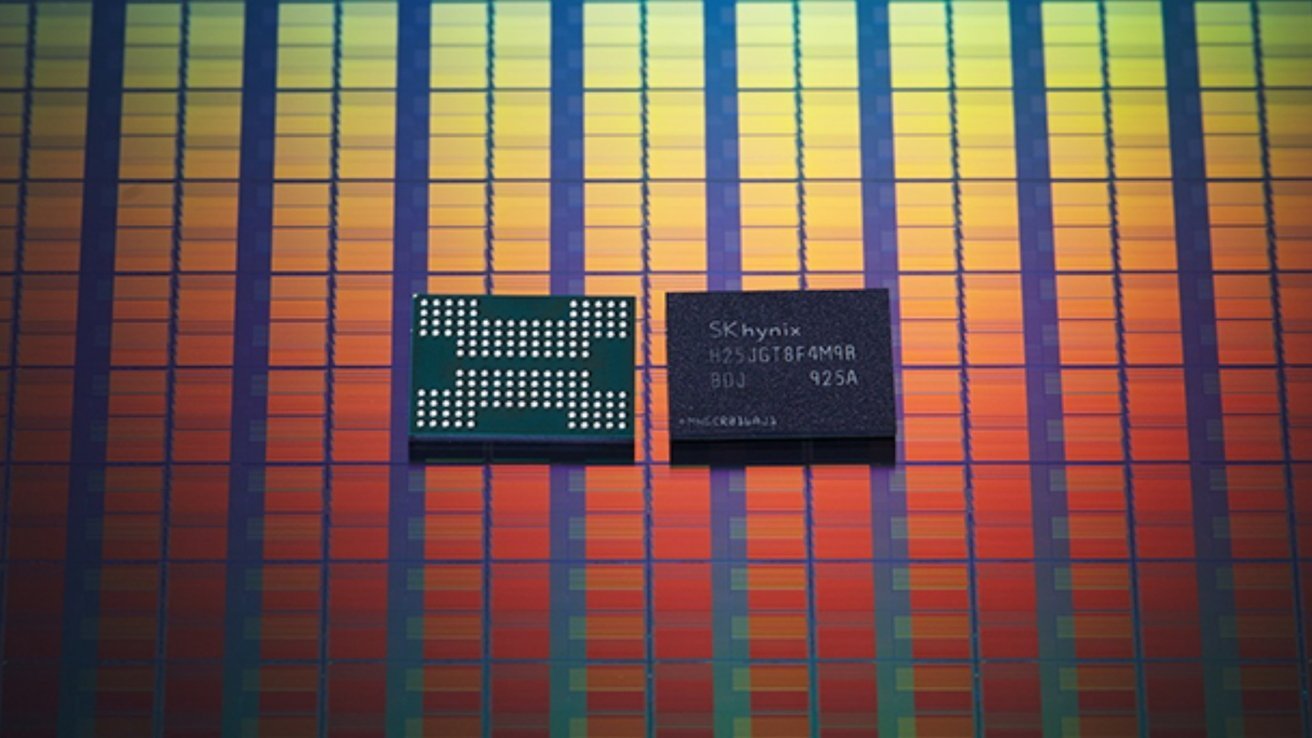
Two small computer memory chips rest on a colorful grid of rectangles resembling a silicon wafer, with one chip showing tiny solder dots and the other printed technical text

Memory is in short supply globally — Image credit: SK Hynix

However, throughout its existence, it has been helped by the Chinese government. This included cheap land and assorted financing to build up its production.

It is estimated that CXMT received at least $880 million worth of government subsidies between 2023 and 2025.

So far, the subsidies haven’t really paid off. That is, until the memory crisis occurred.

Advertisement

In the last decade, the company saw losses totaling $5.4 billion. However, in the first quarter of 2026 alone, it hauled in $4.8 billion, and is expected to earn more as time goes on, and the RAM pricing crisis continues.

A potential help, but not by much

As the report explains, CXMT is the world’s fourth-largest producer of DRAM, behind the usual suspects, and usual Apple suppliers of SK Hynix, Samsung, and Micron. While it accounts for 11 percent of global DRAM wafer capacity as of 2025, it’s still not a dominant force in the market.

A lot of that is down to the whole China-US political climate, and things like the United States’ blacklists. But also, that it is chiefly a supplier to the local market.

Apple’s attempt to get the U.S. to rethink the political tensions in a very price-sensitive area of manufacturing makes sense from its viewpoint. It doesn’t care about the potential threat of national security as much as it wants to sell the iPhone to consumers.

Advertisement

If Apple can get the U.S. to agree to let it buy memory from CXMT, it will certainly be a help. It will also be small and only temporary.

That 11-percent wafer capacity is decent, but Apple would still have to compete with companies in China that already get memory from CXMT.

Then there’s the possibility of Apple not being alone. If it gets permission to purchase chips, so can other companies that are impeded by the same restrictions and issues.

The potentially cheaper memory pie will quickly be consumed by competitors doing the same thing. Eventually, it will then reach a point where the market returns to having limited supply and way too much demand once again.

Advertisement

Though CXMT has seen rapid growth in recent years, it too has to deal with limited capacity. As SemiAnalysis analyst Ray Wang said in the report, capacity is still extremely constrained and will remain so for the next two years, even if CXMT expands.

It’s a very temporary solution to a very long-term problem that can only be alleviated as the memory industry as a whole expands production.

Source link

Advertisement
Continue Reading

Tech

Cloudflare and OpenAI pilot to make AI search fresher

Published

on

Cloudflare has spent a year arming websites against AI crawlers. Now it wants to help one crawl better. The company said on Wednesday it is running a research pilot with OpenAI to test whether its network data can make AI search more accurate.

Cloudflare sits in front of more than a fifth of the web. That vantage point lets it watch how pages change and how traffic behaves in real time. The pilot feeds those signals, such as content freshness and traffic quality, into OpenAI’s search and answer system.

Why freshness matters

AI answers rise or fall on the pages behind them. When an index lags, a chatbot serves stale or plain wrong information. OpenAI wants Cloudflare’s live view of the web to help ChatGPT discover new content sooner.

OpenAI has also signed content deals to feed ChatGPT. This pilot targets a different gap. It tackles discovery, not licensing.

Advertisement

“Up-to-date information is important for delivering accurate answers to people using ChatGPT,” said Nick Ryder, OpenAI’s VP of research. He framed the test as a way to find content more efficiently.

Advertisement

A notable turn

The move sits oddly against Cloudflare’s recent record. Last year it let sites block AI crawlers unless the AI firms paid publishers. It built a browser protocol to tell humans and bots apart. Its slogan was blunt: your content, your rules.

This pilot points the other way. Rather than wall content off, Cloudflare now helps an AI engine reach it. CEO Matthew Prince cast it as efficiency, a way to “make AI search more efficient and help people get quality answers faster.”

Why it matters

Search keeps shifting from links to answers. Publishers already fear losing traffic as chatbots summarise their work, a worry that pushed regulators to force opt-outs. Cloudflare now sits on both sides of that line. It sells the tools to block crawlers, and it tests the plumbing to feed them. How the pilot lands could shape who reaches the open web, and on whose terms.

Advertisement

Source link

Continue Reading

Tech

ABC’s The View Wimps Out, Shies Away From Politics After Trump Threats

Published

on

from the cowards-and-zealots dept

Back in February, Trump FCC Boss Brendan Carr launched a fake “investigation” of ABC because the network’s comedians and daytime talk show hosts hadn’t adequately kissed Republican ass.

Five months later and ABC’s The View is wimping out when it comes to hosting politicians at all, for fear it will upset the country’s mad idiot king:

“Since then, the ABC talk show hasn’t featured a single political candidate running in a competitive midterm race, according to a Semafor analysis.”

Earlier in the year, Republicans were upset that The View hosted Texas Democratic hopeful James Talarico. That triggered an entire fake “investigation” and a threatened revocation of ABC’s broadcast licenses by Carr, who falsely claimed that the daytime talk show had violated the FCC’s dated and irrelevant “equal time” rule requiring that TV stations give equal time to political candidates from both parties.

It apparently didn’t matter that Carr’s threats were empty, that any legal case would be laughed out of court on First Amendment grounds, that Carr actively avoids enforcing such laws for right wing radio, that evidence emerged Carr had actively concocted an entire conspiracy to make ABC look guilty, or that The View had clearly been exempt from the FCC’s “equal time” rules since 2002.

Advertisement

The threat of annoying costly legal headaches were still apparently enough to scare ABC (and likely other outlets) away from hosting politicians who would be critical of Trump.

It’s a shame that ABC, which had previously started to show some a signs of life in its battle with the thin-skinned U.S. president, suddenly doesn’t really want to talk about why The View rejected requests to host NYC Mayor Zohran Mamdani, or the democratic socialist candidates he supported for Congress, Darializa Avila Chevalier and Claire Valdez:

“A spokesperson declined to provide Semafor with a comment about how the show was reacting to the inquiry but has previously said the show is a “bona fide news program” and therefore isn’t subject to the equal time rule.”

Carr, you’ll recall, also threatened San Francisco area AM radio station KCBS late last year simply for reporting on local ICE activity, resulting in the station demoting one anchor and softening its political coverage overall. Carr also tried (and failed) to censor and fire comedian Jimmy Kimmel after the late night host made a joke about deceased right wing propagandist and racist Charlie Kirk.

That said, avoiding politics entirely for fear of losing money is fairly common across corporate media (including outlets like Semafor), resulting in no shortage of pseudo-journalism that pulls its punches, particularly when it comes to being honest about the continued Republican descent into bigotry and fascism.

Advertisement

Filed Under: brendan carr, censorship, chilling effects, equal time rule, fcc, first amendment, free speech, jimmy kimmel, the view

Companies: abc, disney

Source link

Advertisement
Continue Reading

Tech

The drive to make a better golf app: Former pro athlete bets big on ‘Barkie’ and AI as a caddie

Published

on

Dane Renkert, co-founder and CEO of Barkie, an AI-powered app for golfers. (Barkie Photo)

Perhaps the only downside to building a golf-focused startup is that it leaves less time to actually play golf.

Dane Renkert will take that tradeoff, for now, as he works on something that he says will change the way people play and interact around the game.

Renkert is co-founder and CEO of Barkie, a Bellingham, Wash.-based startup building an app that aims to be a true AI caddie in every golfer’s pocket — one that tracks scores by voice alone, settles betting games automatically, and rarely requires a golfer to look down at a screen.

Renkert is no slouch as an athlete and golfer. A Washington State University graduate, he played professional baseball for the Milwaukee Brewers before moving into tech and sales leadership roles at Docugami, Komiko, and Ben Kinney Companies. As a competitive golfer, he placed 13th at the 2009 World Long Drive Championship and now boasts a scratch handicap.

The name of the company is a nod to golf terminology — a “barkie” is an honest, hard-fought par saved after a golfer’s drive ricochets off a tree.

Advertisement

The inspiration for the startup stems from Renkert’s own frustration with existing golf mobile apps, which he argues have essentially operated as digital spreadsheets for the last decade. Incumbents like 18 Birdies, The Grint, and Golf Genius require constant manual data entry throughout a round, Renkert said.

Noting that seven out of 10 golfers still use a paper scorecard and pencil because they like the tradition or want to avoid screen distraction, Renkert set out to build a platform centered on a simple philosophy: “keep your head up and not down.”

To translate that concept into software, Renkert initially teamed up in 2025 with co-founder Zubin Wadia, an MIT grad whom he worked alongside for five years at Docugami, the Bellevue, Wash.-based AI startup. Wadia remains a strategic advisor to Barkie.

To achieve the “heads up” experience, Barkie is differentiating itself by launching a full voice user interface that eliminates manual typing entirely. Using standard gear like an Apple Watch or AirPods, golfers can simply speak the outcome of a hole to dynamically update a digital scorecard in the background.

Advertisement

According to Renkert, Barkie is the first to market with an AI-native, voice-first caddie that allows for natural, fluent speech on the course rather than forcing players to toggle through menus and hit arrows to log data.

“The voice thing, in particular, I believe is a massive lift technically, but it’s a big lift from a user experience side as well,” Renkert said, adding that the platform is designed to seamlessly augment the traditions of the game rather than disrupt them.

Screenshots of the Barkie app on an iPhone and Apple Watch, showing golf course GPS and scoring capabilities. (Barkie Images)

Under the hood, Barkie relies on a patent-pending dual-layer system to prevent the application from making mistakes or hallucinating numbers. A guardrailed large language model handles the conversational front end — interpreting natural voice requests, answering rules questions, or trading friendly banter.

A separate, rules-based engineering backend handles all the scoring, strokes-gained calculations, and betting math. This split ensures that while golfers can talk to the app like a human caddie, the actual bookkeeping remains completely accurate.

When the betting function comes online, that same backend will settle real-money side games — Nassau, skins, wolf, hammer bets — instantly once a round ends, sparing golfers the aggravation of hashing out who owes what on the 18th green.

Advertisement

Barkie’s simplest use case doesn’t require voice at all. Through a feature called ScoreShot, golfers can snap a photo of a paper scorecard. The app digitizes it and pushes the data directly to GHIN, the USGA’s official handicap system, via a partnership Renkert says gives Barkie access to course-specific data like slope rating and tee-box selection. Golfers without a club membership or GHIN account can still generate a handicap through the app, calculated according to World Handicap System guidelines.

Either way, the result is hole-by-hole performance data that Renkert says no other golf app currently offers — letting players see which holes they’re strongest and weakest on, and, he added, which holes they should be pressing their buddies on.

Barkie is available for download on iOS (optimized for iPhone, iPad, and Apple Watch companion setups) and Android devices via the App Store and Google Play Store.

The app offers a free tier that includes GPS mapping features. The premium tier unlocks unlimited hands-free voice tracking, advanced Strokes Gained analytics, the Barkie Betting Engine, and full GHIN integration. Limited-time pricing is available at $4.99 monthly or $29.99 annually.

Advertisement
Barkie investor and advisor Rob Gough. (Barkie Photo)

Barkie has attracted seed funding from friends and family and notable investors, including Rob Gough, an entrepreneur and collector perhaps best known outside tech circles for his record-setting $5.2 million purchase of a 1952 Topps Mickey Mantle baseball card. According to his LinkedIn, Gough is also an investor in Jeff Bezos’ AI startup Prometheus, which raised $12 billion in Series B funding last month.

“I invested in Barkie.ai because I believe they’re building something that delivers real value to golfers, not just another AI demo,” Gough said in a statement. “Great companies have an unfair advantage, and Barkie has exactly that: a founder with deep domain expertise as a scratch golfer who genuinely understands the game, combined with a world-class AI team recruited from companies like Meta, Google, and NASA.”

Barkie’s cap table also includes former Seattle Seahawks linebacker Lofa Tatupu, who serves as an advisor to the company.

Armed with high-profile backing and a team recruited from tech giants, Renkert isn’t shy about his ambitions to disrupt the entrenched players in the space.

“I want the incumbents to know I have a lot of backing, and I’m coming for you,” Renkert said. “I’m not trying to compete with you, I’m trying to take it over.”

Advertisement

For now, taking over means grinding behind a desk instead of on a fairway. Renkert admits that building the startup cut heavily into his own time on the course this past year — even leading to a rough showing when he tried to qualify for the U.S. Amateur.

But the grind is the point.

“I’ve done a lot of cool things in my life, but this is the hardest I’ve ever worked for something,” Renkert said. “I believe, hopefully, this will be my mantle piece.”

Source link

Advertisement
Continue Reading

Tech

5 Tools With Deep Discounts At Harbor Freight In July 2026

Published

on


Even without any additional discounts, many of Harbor Freight’s best products are still no-brainers at their price. Add in some seasonal markdowns and the result is an even more affordable set of tools that should appeal to newcomers and seasoned DIYers alike. Every few weeks, Harbor Freight launches a new batch of limited-time promotions, and some of July’s latest deals are looking especially generous.

There are deep discounts available on tools from top DIY brands like Bauer and Warrior, as well as on specialist equipment from brands like Vulcan. Supplies of all promotional products are limited, and so anyone who wants to take advantage of these latest offers shouldn’t hang around.

Advertisement

We’ve picked out a small selection of tools with particularly hefty discounts, with many of our picks still being available both online and in-store at the time of writing. Stock levels can vary between stores, so be sure to check availability in your local store before you go.

Advertisement

Bauer 5 Amp, 9 Inch Variable-Speed Drywall Sander

Alongside its range of cordless tools, Bauer also offers plenty of corded tools, including its variable-speed drywall sander. It usually retails for $159.99, which is already cheaper than equivalent tools from brands like DeWalt. Right now, the sander is even cheaper thanks to a limited time coupon deal which slashes $60 off its retail price, dropping it to $99.99.

Harbor Freight’s current coupon deals are available until July 19th and can be used both in-store and online. If you use our link above, the coupon should be automatically applied to the tool when you add it to your cart online. Otherwise, you’ll need to head to the retailer’s coupon page to get the deal.

While it’s fair to say that the Bauer drywall sander is one of the brand’s more niche tools, it’ll come in handy if you have any bigger home improvement jobs planned. It features a telescoping shaft that extends up to five feet and a ring light to help improve visibility in dimmer workspaces. If you have a shop vacuum, you’ll be able to hook the tool’s built-in dust collection system up using the included 15-foot hose.

Advertisement

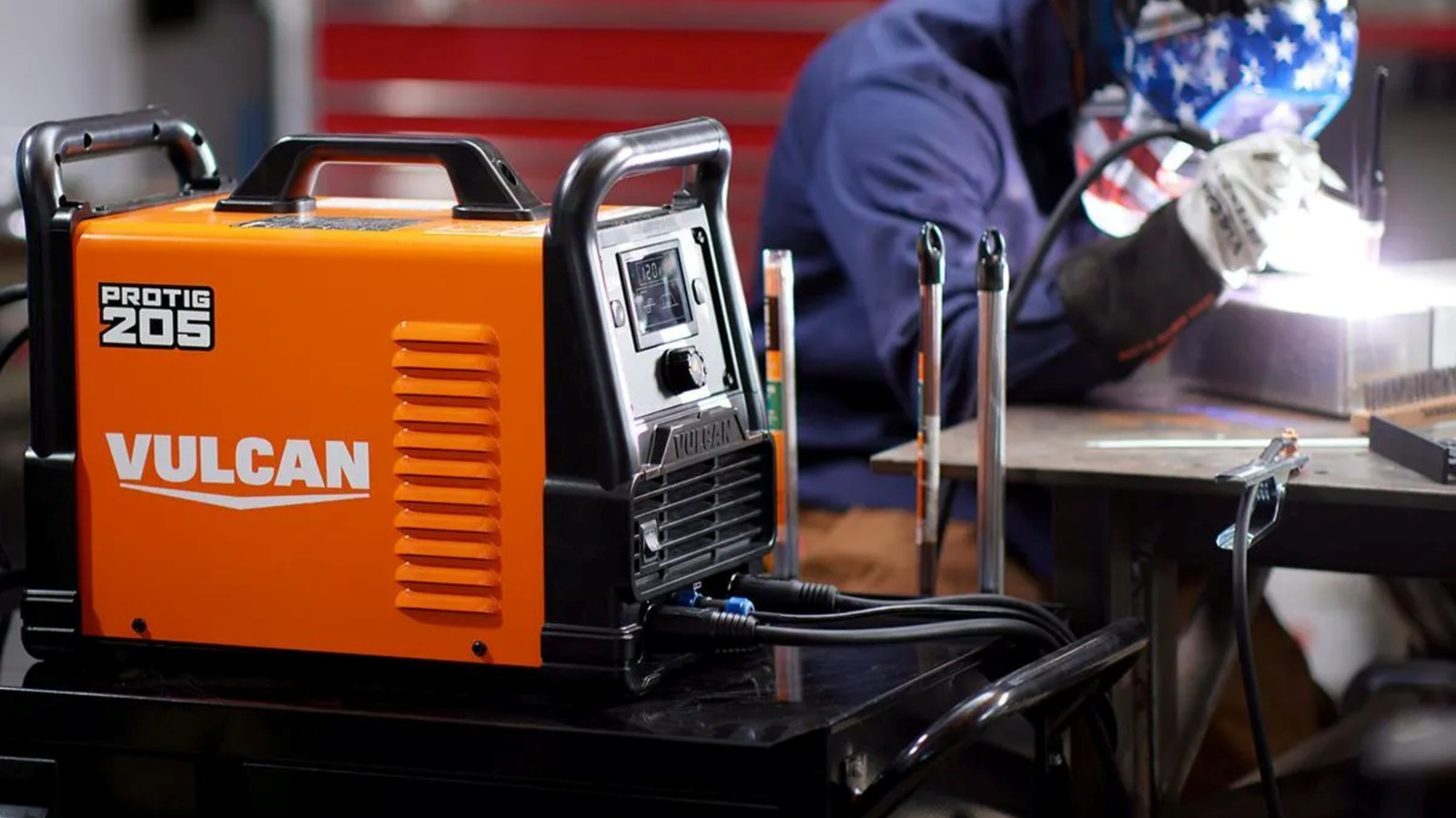
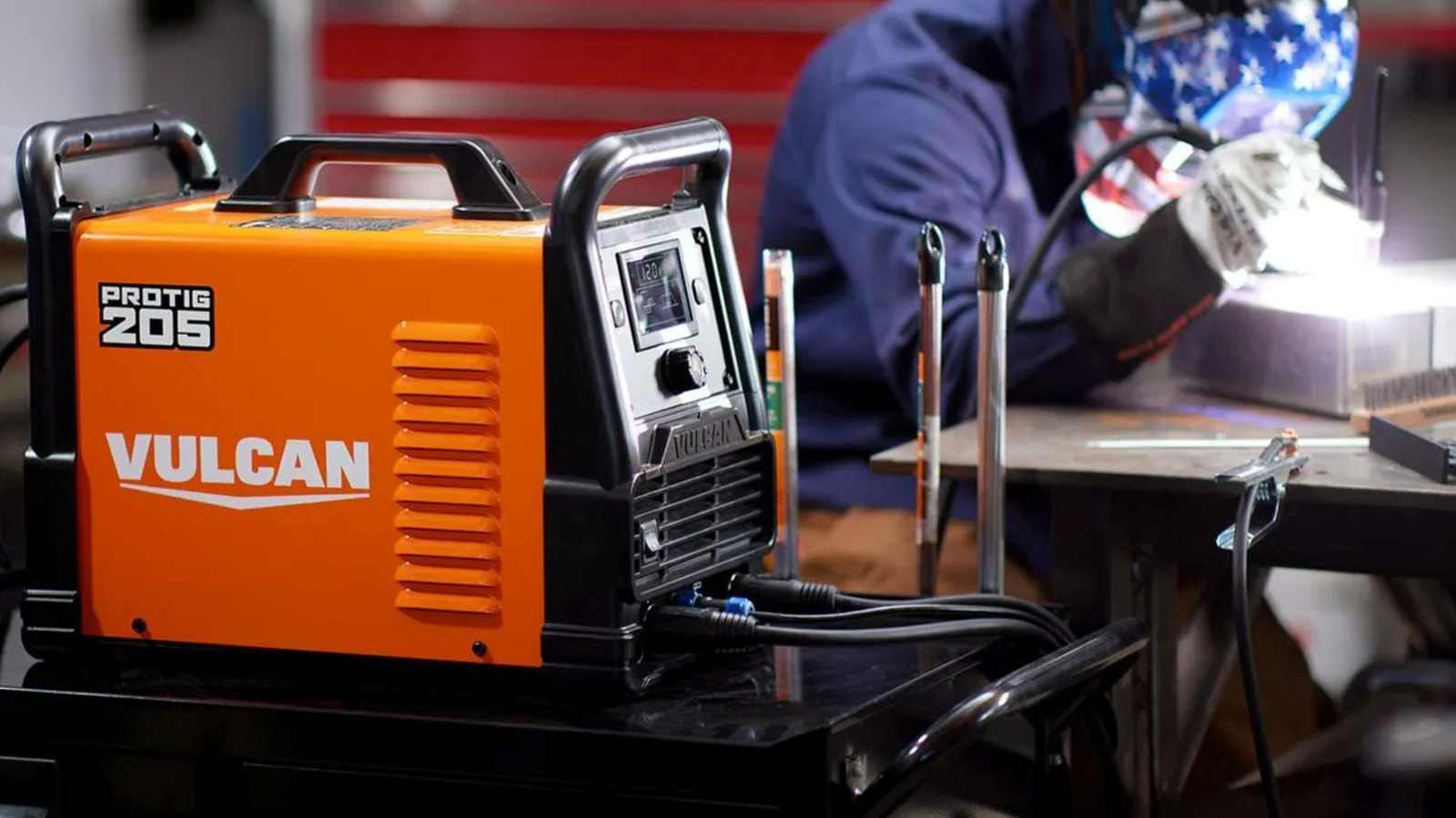
Vulcan PROTIG 205 Industrial Welder with 120/240V Input

Harbor Freight offers a range of welders, with some them being more beginner-friendly than others. Vulcan welders are aimed squarely at the most demanding users rather than at beginners, and that’s reflected in their retail prices. The Vulcan PROTIG 205 industrial welder usually costs $1,199.99, but anyone who’s a member of Harbor Freight’s Inside Track Club can pick it up for $999.99 until July 30th. 

The Vulcan 150A TIG welding torch comes with a slew of accessories including three sizes of gas nozzles, two 10-foot cables with DINSE-style connections, a foot pedal and AR/CO2 flow gauge regulator, and it work with 120V and 240V power. It weighs a hefty 53 pounds, and it works with a variety of metals including steel, stainless steel and aluminum.

Advertisement

If you’re a frequent Harbor Freight shopper, an Inside Track Club membership is a great way to take advantage of the best deals that the retailer has to offer. As of July 2026, an annual Inside Track Club membership costs $29.99. That means that, if you pick up the Vulcan welder using the latest deal, your membership will have paid for itself more than six times over in a single purchase. The only catch is that at the time of writing, the welder is an in-store exclusive and cannot be purchased online.

Advertisement

Bauer 2.8 Amp, 5 Inch Random Orbit Palm Sander

If the power tool setup in your home garage is currently missing a sander, Harbor Freight’s latest deals are a great chance to fix that. The brand’s corded 5-inch random orbit palm sander normally costs $37.99, but a coupon deal that runs until July 19th cuts its price to $19.99. That’s a savings of 47% off a tool that was already competitively priced in the first place.

Users are able to choose which of the sander’s six speeds best fits the task at hand, with the fastest setting hitting 13,000 OPM, or oscillations per minute. A dust bag is included with the tool to keep mess to a minimum and the 6-foot power cord should be long enough to comfortably stretch across most workbenches.

Like virtually every other Bauer power tool, the sander is only covered by a 90-day warranty as standard. That’s a far shorter coverage period than the similarly affordable Wen sander that’s available at Lowe’s. For context, the latter tool comes with two years of standard warranty coverage. Thankfully, the vast majority of Harbor Freight reviewers express no concerns about the longevity of Bauer’s tool.

The Bauer sander isn’t the only tool of its ilk to be discounted in the July coupon deals. The orbital sander from professional-oriented brand Hercules also receives a major discount, dropping from $44.99 to $29.99.

Advertisement

Warrior 18V Cordless, 3/8 Inch Drill Kit with Battery and Charger

The Warrior tool brand is already one of the cheapest DIY brands that Harbor Freight sells, but a July deal makes one of its most popular tools even cheaper. The 18V ⅜-inch drill kit is down to just $19.99, a 33% reduction from its original price of $29.99. If you’ve been relying on a corded drill and want to dip a toe into the world of cordless tools, there are very few cheaper ways to do it.

Advertisement

While buyers who need a drill for more demanding tasks will want to look towards Harbor Freight’s Bauer or Hercules brands, the Warrior drill should be more than capable for tackling smaller DIY jobs. Much like the cordless drills from those other brands, the battery that powers Warrior’s drill is interchangeable, and so it can also be used with any other 18V cordless Warrior tool.

An LED light located above the grip helps illuminate the area around the work surface, while the drill’s twenty different torque settings make it easier to optimize the tool for a range of jobs. Adjusted to its most powerful setting, Warrior claims that it delivers 199 in-lbs of torque. When the battery is flat, it can recharge in three to five hours with the included charger.

Advertisement

Hercules 14 Amp, 1-7/8 Inch SDS-MAX Type Variable-Speed Rotary Hammer

Inside Track Club members get $100 off the retail price of the Hercules 1-⅞ inch SDS-MAX rotary hammer until July 30th, bringing it down to a promotional price of $349.99. The tool is designed for jobsite use and offers as much as 2,800 BPM from its 14-amp motor. When its full power isn’t needed, the variable speed dial lets users easily adjust its output. Switching between the tool’s demo and rotary hammer modes is also easy, requiring only a push of the selector.

Some of Hercules’ cordless power tools come with five years of warranty coverage as standard, but the corded rotary hammer receives the same standard 90 days of coverage as Harbor Freight’s cheaper tool brands. To increase that coverage period, buyers can purchase the retailer’s extended service protection plan, which gives eligible tools up to two years of coverage. It costs extra, but the deep discount that’s currently available on the tool should offset the inconvenience of paying for additional warranty coverage.

Advertisement


Source link

Advertisement
Continue Reading

Tech

What Qualcomm modems does Apple use?

Published

on

Even after the arrival of its in-house modems, Apple’s product lines still mostly rely on Qualcomm for cellular hardware. Here are all the Qualcomm chips Apple uses.

On June 30, AppleInsider revealed that the iPhone 18 Pro might ship in two region-specific modem configurations: a Qualcomm modem in the United States, and the Apple C2 elsewhere in the world. The information serves as the perfect illustration of Apple’s continued reliance on Qualcomm.

While the original iPhone featured an Infineon modem, Apple started using Qualcomm hardware in February 2011, with the Verizon variant of the iPhone 4.

Since then, nearly all iPhone and cellular iPad models have come with a Qualcomm modem, with the iPhone 16e, iPhone 17e, and iPhone Air being the only exceptions.

Advertisement

Qualcomm modems in the iPhone

In the United States, the switch to Qualcomm hardware had a lot to do with the carriers through which customers could get an iPhone. Until 2011, all iPhones were available through AT&T, which supported the GSM or Global System for Mobile Communications standard.

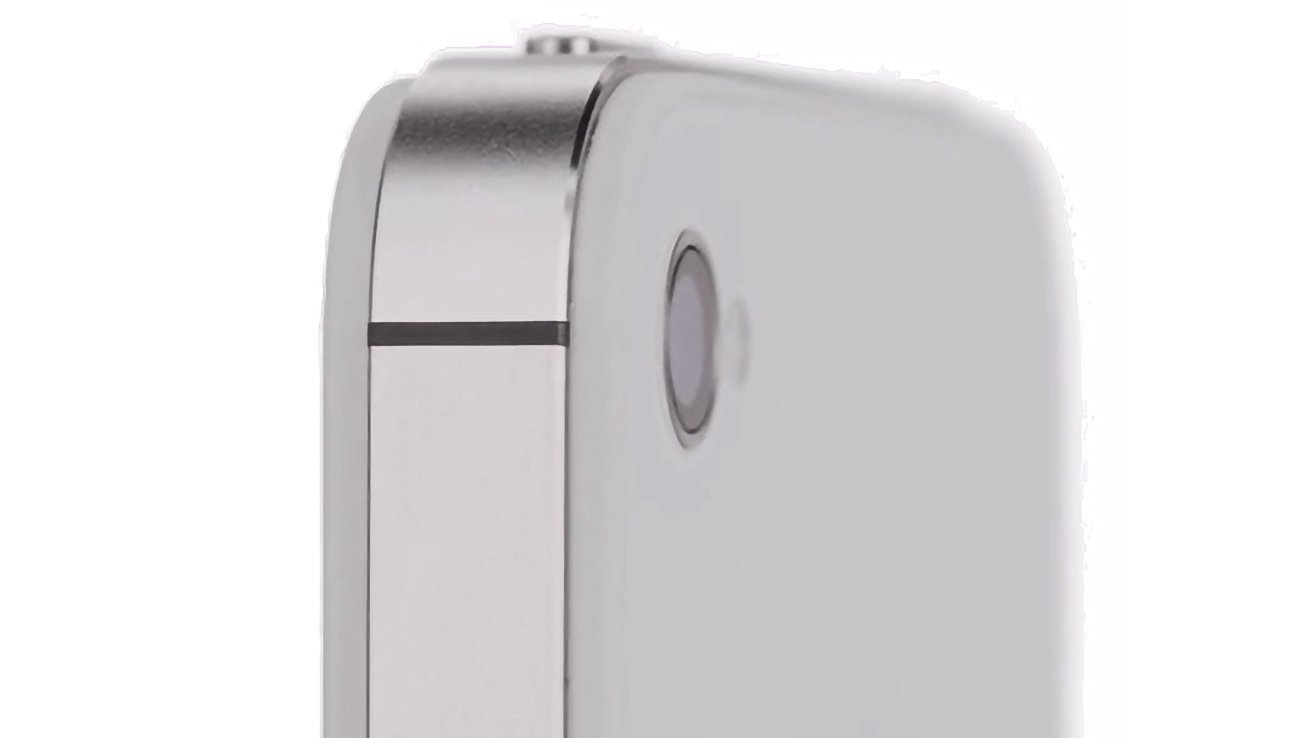
Close-up of a smartphone's top corner, showing a metallic edge, side button groove, and rear camera lens on a smooth, light-colored back panel against a plain background

The CDMA variant of the iPhone 4 was the first iPhone to use a Qualcomm modem.

Other major carriers, like Sprint and Verizon, meanwhile, used a different radio technology by the name of CDMA, or Code Division Multiple Access. In short, because existing Infineon modems only offered GSM support, Apple decided to turn to Qualcomm for a CDMA modem.

The CDMA iPhone 4, launched in February 2011, included the MDM6600 modem. Even though the modem itself supported both GSM and CDMA, the Verizon iPhone 4 was only designed to use CDMA. It had no SIM card slot.

Advertisement

With the iPhone 4S, Apple used the Qualcomm MDM6610, which could switch between GSM and CDMA as needed. Then, the iPhone 5 continued the trend with the Qualcomm MDM9615M, also known as the Qualcomm Gobi 5000.

Apple continued to use Qualcomm modems exclusively until the iPhone 7, when the Intel XMM7360 was used for iPhone models sold via AT&T and T-Mobile. Intel’s modems lacked CDMA support, only offering GSM. For CDMA iPhone 7 models, the Qualcomm MDM9645M was used.

With the iPhone 8 and iPhone X, Apple used the gigabit-capable Qualcomm Snapdragon X16 for CDMA models sold in the United States. International and GSM models used the Intel XMM 7480.

The situation would once again change with the iPhone XS, though. Due to a legal dispute with Qualcomm in January 2017, the iPhone XR, iPhone XS, and iPhone 11 range all used Intel modems.

Advertisement

However, with the iPhone 12 range in 2020, Apple once again returned to Qualcomm modems, using the Snapdragon X55, which introduced mmWave support. mmWave is a high-speed 5G network available in the United States.

Qualcomm modems saw exclusive use with the iPhone 13, iPhone 14, and iPhone 15ines. Most of the iPhone 16 range also used Qualcomm Snapdragon modems, except for one model.

Apple’s iPhone 16e was the first iPhone to feature an in-house modem, the C1. The Apple-designed modem allowed for improved battery life and power efficiency, though at the cost of mmWave support.

The iPhone 17e continued the trend with the C1X modem, which also made its way into the ultra-thin iPhone Air. The standard iPhone 17, iPhone 17 Pro, and iPhone 17 Pro Max, however, continued to use Qualcomm Snapdragon modems.

Advertisement

With the iPhone 18 range, Apple is expected to offer multiple modem configurations. While the iPhone 18e and iPhone Air 2 will most likely use Apple-designed modems, the C2 could also ship in iPhone 18 Pro models sold outside the United States.

For mmWave-compatible iPhone 18 Pro models, meanwhile, Apple seemingly plans to use Qualcomm Snapdragon modems.

In short, iPhones used Infineon modems before it began relying on Qualcomm hardware throughout the early to mid 2010s. After a few years where iPhones shipped exclusively with Intel modems, Apple switched back to Qualcomm modems, until the C1 and C1X came along.

Qualcomm modems across iPhone models:

  • iPhone 4 (CDMA): MDM6600
  • iPhone 4S: MDM6610
  • iPhone 5, 5S, 5C: MDM9615M
  • iPhone 6 and iPhone SE 2016: MDM9625M
  • iPhone 6S: MDM9635M
  • iPhone 7 CDMA: MDM9645M
  • iPhone 8 and iPhone X CDMA: Snapdragon X16
  • iPhone 12 range: Snapdragon X55
  • iPhone SE 3 (2022): Snapdragon X57
  • iPhone 13 range: Snapdragon X60
  • iPhone 14 range: Snapdragon X65
  • iPhone 15 range: Snapdragon X70
  • iPhone 16 range (except iPhone 16e): Snapdragon X71
  • iPhone 17 range (except iPhone 17e & iPhone Air): Snapdragon X80
  • iPhone 18 Pro mmWave (expected): Snapdragon X85

Qualcomm modems in iPad

As with the iPhone, the original iPad featured an Infineon modem. With cellular models of the iPad 2, Apple used an Intel modem for GSM variants, and a Qualcomm MDM6600 modem for the CDMA variant.

Purple iPad mini standing upright on a desk in front of a dark computer monitor, with a purple ridged object and part of another device visible nearby

The cellular variant of the iPad mini 7 still features a Qualcomm modem.

Advertisement

Cellular models of the iPad 3 used the Qualcomm MDM9600 for both CDMA and GSM variants, with the MDM9615 being in the iPad 4, the original iPad Air, and the first three generations of iPad mini.

The Qualcomm MDM9625 was used in the iPad Air 2 and iPad mini 4. The following MDM9635 was used in 2015 and 2016 iPad Pro models. The 2017 iPad 5 similarly uses a Qualcomm modem, with the Qualcomm Snapdragon X12 modem being in the 2017 iPad Pro.

Starting with the 2018 iPad Pro and iPad 6, as with the iPhone, Apple moved away from Qualcomm to Intel modems. That remained the case with the 2020 iPad Pro and iPad mini 5,

With the 2021 M1 iPad Pro, Apple went back to using Qualcomm modems, starting with the Snapdragon X55. Meanwhile, the iPad mini 6, iPad Air 5, and 10th-generation iPad used the Qualcomm Snapdragon X60.

Advertisement

The M2 iPad Pro featured a Snapdragon X65 modem, while the M4 iPad Pro, M2 iPad Air, and M3 iPad Air, iPad mini 7, and A16 iPad all used the Snapdragon X70.

With the M5 iPad Pro and M4 iPad Air, however, Apple made the switch to its C1X modem, allowing for better battery life. Future iPad Pro models will most likely continue to use Apple-designed modems.

Qualcomm modems across cellular iPads:

  • iPad 2 CDMA: MDM6600
  • iPad 3: MDM9600
  • iPad 4, iPad Air 1, iPad mini 1, 2, 3: MDM9615
  • iPad Air 2, iPad mini 4: MDM9625
  • iPad Pro 12.9-inch 2015 and iPad Pro 9.7-inch: MDM9635
  • iPad Pro 12.9-inch 2017 and iPad Pro 10.5-inch: Snapdragon X12
  • M1 iPad Pro: Snapdragon X55
  • iPad mini 6, iPad Air 5: Snapdragon X60
  • M2 iPad Pro: Snapdragon X65
  • M4 iPad Pro, M2 iPad Air, M3 iPad Air, iPad mini 7, iPad mini A16: Snapdragon X70

Qualcomm modems in Apple Watch

The original 2015 Apple Watch was not offered in a cellular variant, meaning it used no Qualcomm parts. An unreleased cellular variant of the Apple Watch Series 2 is said to have used Qualcomm’s MDM9625 modem.

Two modern smartwatches with rectangular screens resting on a wooden surface, one with a black band and red crown, the other with a white band, both turned off

The first Apple Watch with a Qualcomm modem was the Apple Watch Series 3.

It wouldn’t be until the Apple Watch Series 3 that the Apple Watch received a cellular modem, that being the Qualcomm MDM9635. For the Apple Watch Series 4 through Apple Watch Series 7, along with the original Apple Watch SE, Apple switched to Intel modems.

Advertisement

For the Apple Watch Series 8 through Apple Watch Series 11, Apple Watch Ultra 1 and Apple Watch Ultra 2, Apple reverted to using Qualcomm modems. The Apple Watch Ultra 3 and Apple Watch SE 3, meanwhile, offer a MediaTek 5G modem that supports RedCap technology, a power-efficient form of 5G.

Apple’s remaining product lines, including the Apple TV, Apple Vision Pro, Mac, and HomePod, do not feature Qualcomm components, as none of these devices feature cellular capabilities. They do have Wi-Fi and Bluetooth modules, but Apple generally uses Broadcom components or the N1 chip for that.

The Siri Remote for the fourth-generation Apple TV, though, did feature a Qualcomm CSR1010 Bluetooth radio. This was not the case for the Apple TV itself, however.

In short, Apple has often sourced modems from Qualcomm, and it still does, albeit only out of necessity. Once Apple’s C-series modems receive mmWave support, Apple will likely phase out all Qualcomm modems.

Advertisement

Source link

Continue Reading

Tech

Targeted by scammers, adult content creators are getting hacked government sites removed

Published

on

Adult creators routinely battle scammers and pirates stealing their pictures, videos, and sometimes even identities. Now, that exhausting cleanup job is producing an unexpected side effect that involves cleaning up government websites.

Scammers have been compromising trusted .gov and .edu domains and stuffing them with pages advertising supposedly leaked OnlyFans content. This has even lead to hacked government and university websites are disappearing from Google Search. The pages frequently contain no stolen material at all. Instead, they use popular creators’ names to lure people toward dating scams or other kinds of suspicious advertisement and malicious downloads.

Scammers are borrowing the government’s Google ranking

The technique is known as parasite SEO. Attackers exploit vulnerable websites with strong reputations and search authority, allowing their scam pages to appear more credible and rank higher than they would on a newly created domain. Government and university sites have become really attractive targets because users end up instinctively trusting their addresses.

An analysis from cybersecurity company UpGuard (via WIRED) identified adult-content-related copyright complaints involving 2,167 government and education domains across 80 countries. Its dataset covered 384,286 takedown requests and 631,193 reported URLs between September 2011 and May 2026. Those domains included 646 government websites and 1,521 educational institutions.

The problem has become considerably more visible since 2020, as OnlyFans grew and thousands of individual creators began employing specialized companies to search for pirated material. This ended up creating an enormous network of scanners constantly looking for creator names, images, and supposed leaks across the web.

Advertisement

Copyright complaints became an accidental security tool

So when those scanners discover suspicious pages on compromised government domains, removal companies can submit Digital Millennium Copyright Act complaints to Google. UpGuard found that Google removed 132,266 reported URLs, while more than 468,000 received no action and roughly 20,000 were already absent from its index.

Removing a search result does not repair the vulnerable website. It can, however, cut off the scammer’s main supply of unsuspecting visitors since many such pages have almost no visibility beyond Google. Unfortunately, scammers have caught on to this process, often using Some pages merely use a creator’s name as bait without hosting copyrighted material, leading cybersecurity and legal experts to question whether DMCA complaints are always the appropriate response.

Source link

Advertisement
Continue Reading

Tech

Republicans Gleefully Celebrate Midterms Chaos in Maine

Published

on

All eyes are on Maine this week. Political operatives in Trumpworld tell Inner Loop they hope embattled senate candidate Graham Platner will stay in the race as long as possible—the state’s electoral chaos can only help Republicans, they claim.

Platner, a US Marine veteran, overcame a string of controversies to easily win the Democratic primary last month. Platner is supposed to face incumbent Republican Susan Collins in the general election in one of the nation’s most closely watched races in November, but a litany of Democratic officials are now calling for him to drop out.

On Monday, a woman in Maine accused Platner of sexual assault and told Politico that he had once forced her to have sex over her objections. (Platner’s campaign did not respond to a request for comment, though it previously denied the allegation in a statement to Politico.)

Platner had previously been accused of mistreating women, had covered up a Nazi tattoo, and was linked to multiple offensive online comments. Over the past 24 hours, Democrats from Senator Bernie Sanders to Senator Chuck Schumer have called for him to step out of the race.

Advertisement

Trumpworld operatives say their hope—unsurprisingly—is that Platner stays in the race, given his increasingly toxic political brand, his growing horde of political enemies in his own party, and the knock-on effects on his fundraising operation.

Basically, it’s a dumpster fire, and Republicans are all but making s’mores.

“Platner should stay in and fight the liberal lobbyist establishment!” one strategist jokingly told Inner Loop. Like others interviewed for this story, they spoke candidly on the condition of anonymity.

Funding is also going to be a problem, operatives noted with glee. The Democratic Senatorial Campaign Committee, or DSCC, has announced that it will not bankroll Platner’s campaign, should he stay in the race.

Advertisement

The operatives are thrilled by this: As a result, Platner would have to rely on small-dollar donors. Despite his fervent fan base, these donations would almost certainly not cover the tens of millions of dollars that both sides are expecting to have to pour into TV ads closer to the midterms. (The Boston-area media market is among the top 10 most expensive in the country, and Mainers do watch TV.)

But Trump operatives also think even if Platner does step aside, the Senate race in Maine firmly tilts in Collins’ favor.

Democrats have until July 13 for Platner to drop out, and a July 27 deadline for a special election to replace Platner’s name on the ballot. Democratic operatives in the state tell Inner Loop this could happen the weekend of July 25, but Trumpworld doesn’t think the alternative candidates would pose a major challenge.

Janet Mills, the governor of Maine who dropped out of the Democratic Senate primary, is seen as one option. But Mills has a similar profile to Collins, who the operatives still think would edge out a victory, especially given her performance bucking Joe Biden in 2020.

Advertisement

Another option is Troy Jackson, a former Maine state senator. But another longtime GOP strategist was skeptical whether voters would look past the baggage accompanying any Democratic candidate following the Platner saga.

“At the end of the day, Democrats have to run a perfect race to beat Collins, which they have not done. She’s still the least offensive candidate of the Senate Republican conference, and so the strongest candidate we could have in the race,” one longtime GOP strategist says.

Still, Trumpworld and the Republicans’ Senate campaign arm expect a bruising fight in the Maine Senate race that could cost them hundreds of millions of dollars. And while they believe Collins can win, it could end up being tight. Get the graham crackers.


This is an edition of Hugo Lowell’s Inner Loop newsletter. Read previous newsletters here.

Advertisement

Source link

Continue Reading

Trending

Copyright © 2025