




Connect with us
DAPA Banner

Tech

Amazon acquires Rivr, maker of a stair-climbing delivery robot

Published

on

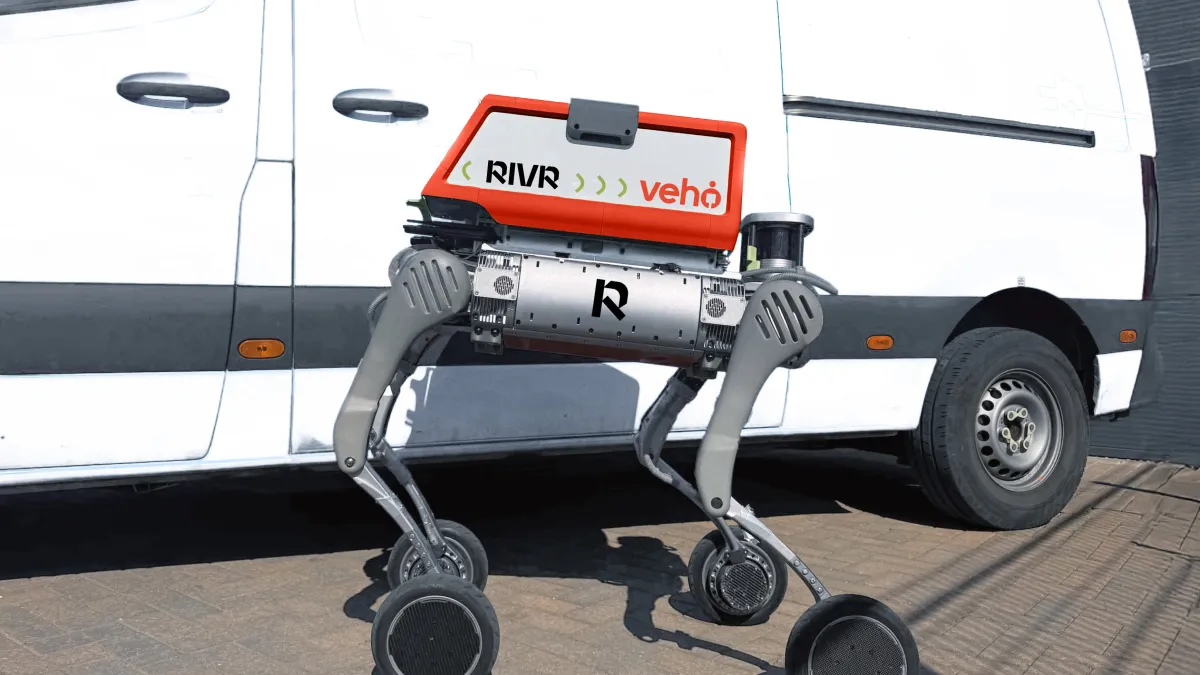
Rivr, a Zurich-based autonomous robotics startup known for its stair-climbing delivery robot, has been acquired by Amazon in a deal that signals the e-commerce giant’s interest in doorstep delivery. Terms of the deal weren’t disclosed.

Rivr co-founder and CEO Marko Bjelonic, who once described the four-legged wheeled robot to TechCrunch as a “dog on roller skates,” shared the acquisition news on LinkedIn. The Information was first to report the deal.

Bjelonic said in his LinkedIn post that the acquisition will “accelerate our vision of building General Physical AI through doorstep delivery, bringing robotics and AI closer to real-world deployment at scale,”meaning, in plain terms, that Amazon’s resources should help Rivr get its robots onto more doorsteps, faster.

Last year, Rivr launched a pilot program in Austin with Veho, package delivery company. Bjelonic said, at the time, he hoped to learn from the partnership with Veho and eventually scale to 100 bots by 2026. It’s unclear if the company was ever able to reach that milestone.

Advertisement

TechCrunch has reached out to Rivr for comment.

Rivr got the attention of Amazon long before its pilot program. The Amazon Industrial Innovation Fund and Bezos Expeditions invested in Rivr as part of a $22.2 million seed round that closed in 2024, according to Pitchbook. The startup, which had raised a total of $25 million, was last valued at $100 million.

Techcrunch event

San Francisco, CA
|
October 13-15, 2026

Advertisement

Source link

Advertisement
Continue Reading
Click to comment

You must be logged in to post a comment Login

Leave a Reply

Tech

Google introduces AI-generated avatars to YouTube Shorts

Published

on

A new feature that lets you create an AI avatar with your likeness is now live on YouTube. First in a blog post earlier this year, avatars are designed to be used in Shorts (provided you still them to show up), allowing you to insert yourself into video content in a way that YouTube deems to be safe and secure.

YouTube’s approach to combatting the AI sloppification of the internet and the proliferation of appears to be adding more and more AI features to its platform, framing this latest addition as a tool that gives creators more control of their digital identities. Any video generated using an avatar will feature YouTube’s AI disclosure and include visible watermarks and labels like SynthID and C2PA.

YouTube has published a pretty in-depth on how to create and use an avatar in either the YouTube or YouTube Create app, but here’s a brief summary of how to do it using the former. Once you’ve opened AI Playground, you’ll be taking a “live selfie” that also records your voice. You can then preview your photorealistic virtual self and either proceed with it or redo the process if you’re unhappy with anything. Creating an avatar in the YouTube Create app is broadly similar, but you have to navigate to the My Avatar homepage first.

YouTube recommends that you hold your phone at eye level and keep yourself centered as much as possible. Lighting is also important, as is ensuring your whole face is visible, you’re in a quiet area, and there’s nobody else in the background. You also have to be the account owner to create an avatar, and over the age of 18.

Advertisement

Once you have an avatar you like, you simply type in a prompt and wait for the AI to generate a video, which according to  can be up to eight seconds long. Alternatively, YouTube will also let you add an avatar to existing “eligible” Shorts by tapping “Remix” and then “Reimagine” with your avatar selected.

Avatars can be deleted or retaken whenever you like, as can any video with your avatar in it. You can also limit who’s able to remix your videos, but deleting a video with your avatar in it won’t also delete the original video, or that avatar from your account. YouTube will automatically delete any avatar that hasn’t been used to create new video content for three years.

The new avatar feature will roll out gradually, and is the latest in a long line of AI-centric tools and updates YouTube has added to the platform in the last year, including for low-res videos, for creators and an for search results.

Source link

Advertisement
Continue Reading

Tech

Greece to ban social media for children under 15 starting next year

Published

on


Mitsotakis called the legislation, which is expected to pass this summer, “difficult but necessary.” He started the video by referencing the phrase that became hugely popular among young people last year: “6-7 – Now that I have your attention.”
Read Entire Article
Source link

Continue Reading

Tech

From Apple II to iPhone 17 Pro, Apple's space story comes full circle

Published

on

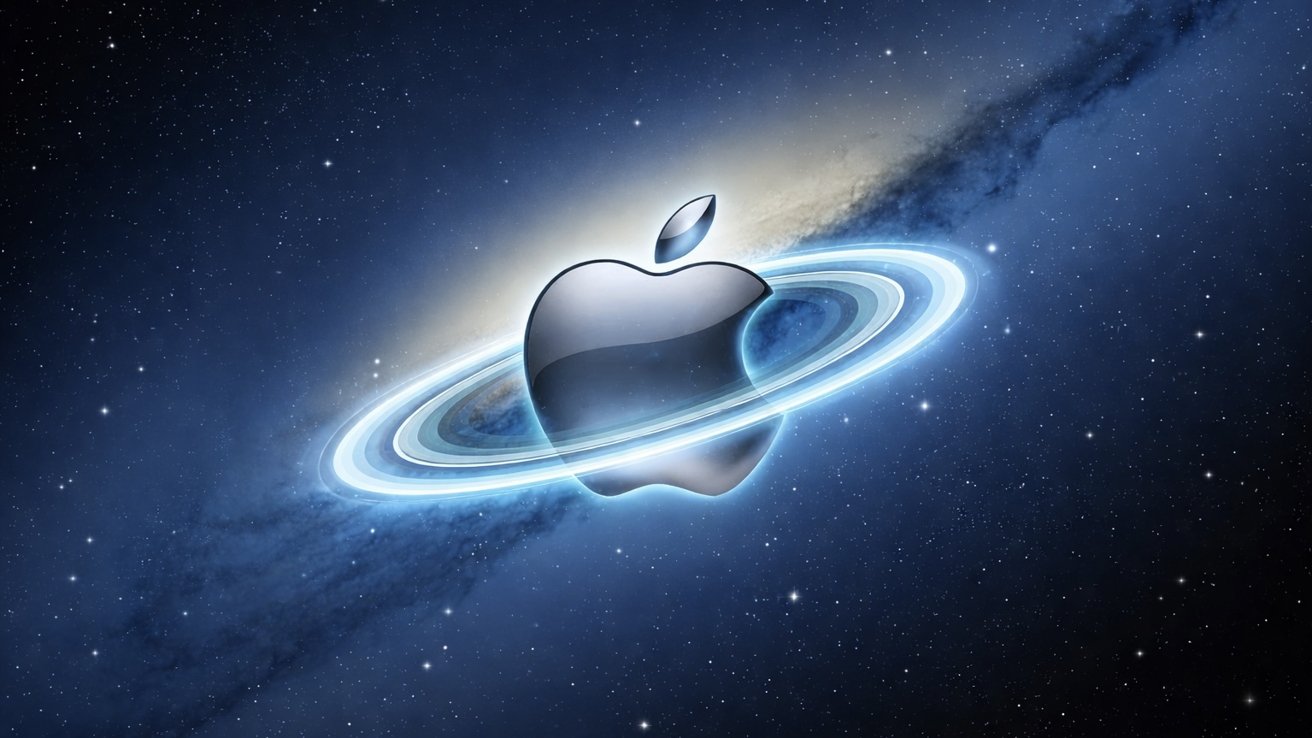
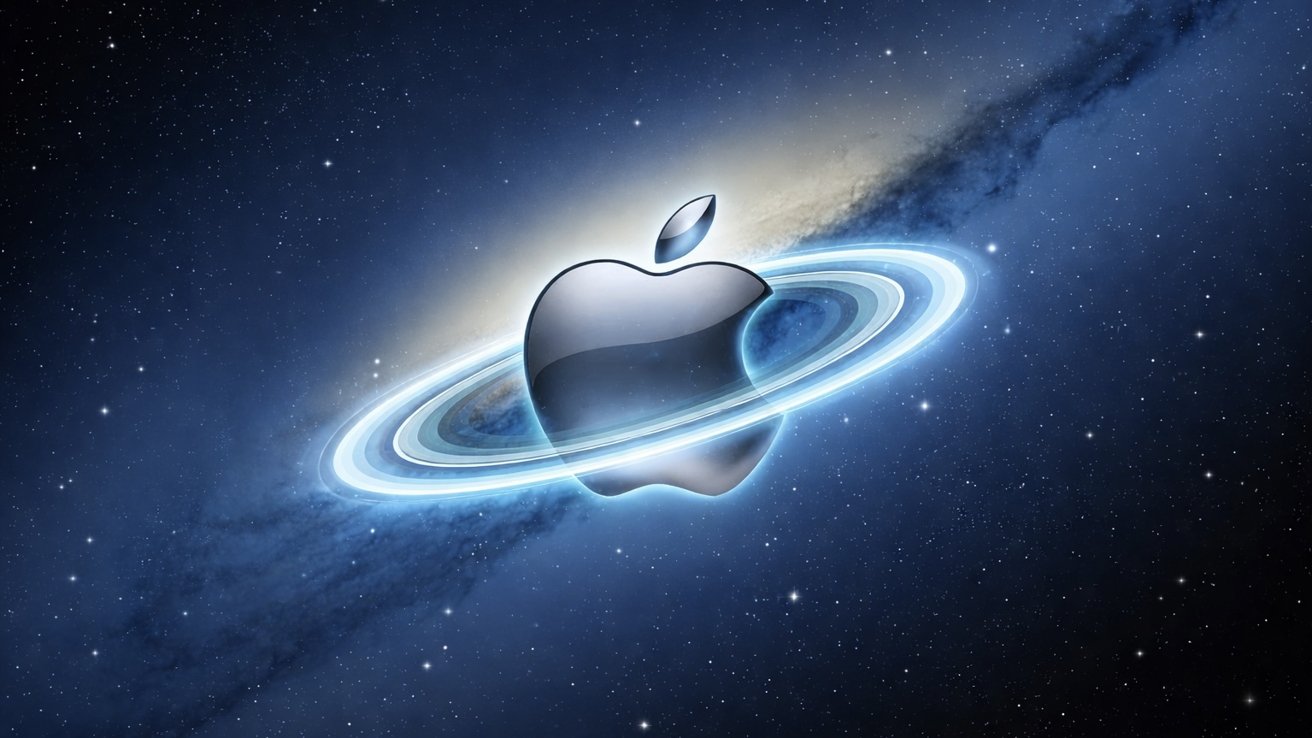
Apple hardware has gone into orbit, starting with shuttle-era experiments, through a long exclusion, and now a controlled return on Artemis II. Here’s how and when iPhone, Mac Portable, and more have made trips to space over more than four decades.

Metallic Apple logo floating in deep space, encircled by glowing blue-white planetary rings, with distant stars and a hazy galaxy forming the cosmic background
Apple products in space

NASA entered the Shuttle era in 1981 as commercial computing shifted from command-line systems to graphical interfaces. Engineers used off-the-shelf computers to study how crews interacted with software in microgravity, where input methods behaved differently than on Earth.
Early Shuttle experiments unfolded during a brief period when integration barriers remained low. Crews and engineers saw how quickly standard interfaces broke down once gravity was no longer part of the equation.
Continue Reading on AppleInsider | Discuss on our Forums

Source link

Continue Reading

Tech

Portal Space Systems raises $50M as it gets set to launch its first orbital vehicle made for rapid maneuvers

Published

on

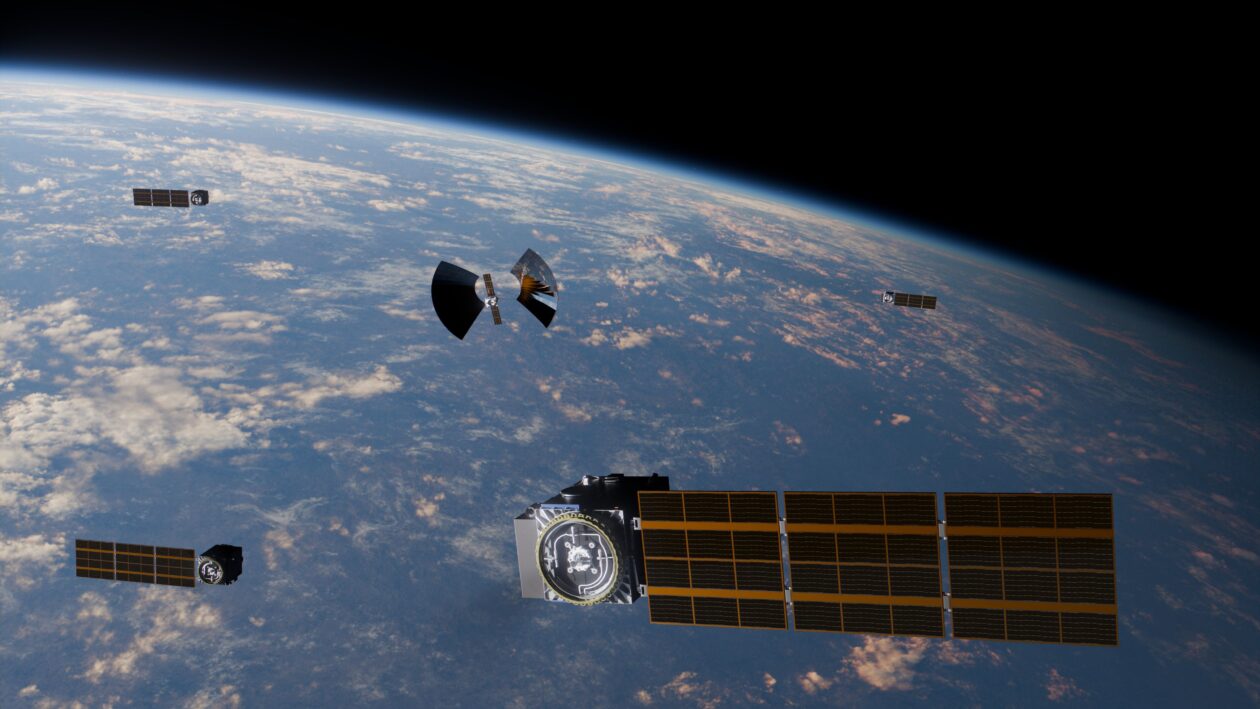
An artist’s conception shows Portal’s Starburst spacecraft in the foreground with its Supernova space vehicle and three more Starbursts (plus Earth) in the background. (Portal Space Systems Illustration)

Bothell, Wash.-based Portal Space Systems has raised $50 million in a funding round aimed at speeding up development of the Seattle-area startup’s highly maneuverable space vehicles.

The first such vehicle, Starburst-1, is due for launch as early as this fall as a payload on SpaceX’s Transporter-18 satellite rideshare mission. Portal is also getting ready to move into a 52,000-square-foot manufacturing facility where future Starburst spacecraft and even more capable Supernova space vehicles will be built.

Portal CEO Jeff Thornburg — who co-founded the company in 2021 following stints at tech ventures including SpaceX and Stratolaunch Systems — characterized the newly announced Series A funding round as closer to a giant leap than a small step.

“The thing that’s exciting me the most, and really the company at large, is that it helps us move faster,” he told GeekWire. “We’re obviously focused on getting Starburst and Supernova capabilities demonstrated and available to our customers as quickly as we can.”

The round was led by Geodesic Capital and Mach33, with participation by Booz Allen Ventures, AlleyCorp and FUSE. It builds on a $17.5 million seed round that was announced last year.

Advertisement

Portal is developing a solar thermal propulsion system that will use focused sunlight to heat the ammonia-based propellant for its Supernova space vehicle. The system is designed to allow for rapid adjustments in Supernova’s orbit. Orbital maneuvers that would typically take weeks or months to execute using traditional propulsion systems could be done in hours or days.

Starburst would use a more traditional thruster system, but would take advantage of many of the technologies being developed for Supernova. “Eighty-one percent of the components are shared between Starburst and Supernova,” Thornburg said. “We’ve got a lot of delta-v packed in the Starburst, even though it’s a smaller platform.”

Starburst-1, which is being readied for a potential October launch, will be equipped with TRL11’s video camera and edge processing system plus Zenno Space’s superconducting magnetic actuator for a yearlong test mission in sun-synchronous orbit.

An experimental payload nicknamed “Mini-Nova” was sent into orbit last month to test the control software and power systems for Starburst as well as for Supernova. “Mini-Nova is healthy … and so I think we’re in good shape for what’s to come,” Thornburg said.

Advertisement

The first Supernova is due to be launched next year, thanks in part to $45 million in funding from the U.S. Space Force’s SpaceWERX program. Thornburg said Supernova-1 could take on any of a variety of missions that “support the Defense Department’s needs where it comes down to rapid maneuverability.”

Portal’s team is already looking further out on the mission timeline.

“We have a lot of interest from a lot of different customers, including the government just by itself, as well as commercial companies in the service of defense or commercial missions,” Thornburg said. “So, we’re leaning forward on the second Starburst build. And then, in parallel, one of the first uses of the new building will be assembly work for Supernova-1. … We can continue to build Starburst in our existing facility if we want to, for a certain amount of time.”

Portal is aiming to build as many as four spacecraft per month by the end of 2027 — which means the company is going to need a bigger workforce. “We’re at about 40 people at the company,” Thornburg said. “We’ll probably double in size throughout the rest of this year.”

Advertisement

How would Starburst and Supernova be used? “For defense, what we’re really targeting is areas I would describe as space domain awareness, or being able to observe things that sometimes can be difficult to observe,” Thornburg said. “And then I think the second application in the defense category is to protect and defend. We have adversaries on orbit doing things that are very confrontational, and I don’t know that we always have equivalent capabilities or deterrence in kind.”

On the commercial side, Thornburg points to orbital debris tracking and removal. “Recently you had a Starlink satellite breaking up,” he said. “That creates a problem for SpaceX and other people. Having to move around this stuff costs money and time. So, you’re seeing a profit motive for dealing with orbital debris on the commercial side, as well as their own surveillance.”

Portal and an Australian venture called Paladin Space recently announced a partnership to create an orbital debris tracking and removal service that could go into business as early as next year. Starlab Space, an industry consortium that has been laying the groundwork for a commercial space station, has already signed a letter of intent to integrate the Portal-Paladin service into future station operations.

Thornburg said Supernova could also play a role in NASA’s Artemis moon program, which recently set its sights on building a permanent lunar base. “We have the performance to be able to easily move between GEO [geostationary Earth orbit] and cislunar domains in a way that could be helpful for logistics, experiments, communications, data and other things. We don’t have a lot of spacecraft that can do that without the aid of a rocket right now,” he said.

Advertisement

In all these cases, Portal aims to capitalize on its ability to offer rapid mobility in space — a strategy that received strong backing from the company’s leading investors. “We are confident that Portal will become the Space Mobility Prime in the near future,” said Aaron Burnett, group CEO of Mach33.

“The future of space is dynamic, and that shift is being recognized globally,” said Rayfe Gaspar-Asaoka, partner at Geodesic Capital. “Portal Space is pairing deep propulsion expertise with advanced spacecraft development built for mobility, reliability and scale. Geodesic is thrilled to co-lead Portal’s Series A and work alongside Jeff and the team as they continue to expand what’s possible in space.”

Source link

Advertisement
Continue Reading

Tech

YouTubers sue Amazon for allegedly scraping their videos to train Nova Reel

Published

on

In short: Three YouTube content creators, specifically the company behind H3H3 Productions, a solo golf presenter, and a golf channel, have filed a proposed class action lawsuit in Seattle alleging that Amazon bypassed YouTube’s technical protections using virtual machines and rotating IP addresses to scrape their videos without consent, feeding the footage into training datasets for Nova Reel, its generative video AI model available through Amazon Bedrock. The suit invokes the anti-circumvention provisions of the Digital Millennium Copyright Act and is the latest in a series of similar cases the same group has filed against Nvidia, Meta, ByteDance, Snap, OpenAI, and Apple.

Ted Entertainment Inc., the company behind H3H3 Productions and H3 Podcast Highlights, the YouTube channels run by Ethan and Hila Klein, filed the complaint in the US District Court for the Western District of Washington alongside Matt Fisher, who runs the MrShortGame Golf channel, and Golfholics Inc. The three plaintiffs collectively account for more than 2.6 million YouTube subscribers, approximately four billion combined views, and more than 5,800 original videos. The suit names Amazon as the defendant and targets Nova Reel specifically as the product built, in part, on their content.

The complaint and its legal theory

The lawsuit rests on Section 1201 of the Digital Millennium Copyright Act, the anti-circumvention provision that prohibits bypassing technological protection measures put in place by copyright holders to restrict access to their works. The plaintiffs argue that YouTube’s systems for protecting its video files constitute such technological protection measures and that Amazon circumvented them deliberately and at scale to extract training data. If the theory holds in court, it would establish that the act of downloading YouTube videos for AI training purposes constitutes a DMCA violation regardless of whether the content is publicly viewable, because circumventing the technical mechanisms that enforce terms of service crosses the statutory line.

The complaint draws attention to what the plaintiffs describe as the permanent nature of the harm: “Once AI ingests content, that content is stored in its neural network and not capable of deletion or retraction.” The plaintiffs are seeking both damages and injunctive relief, the latter potentially forcing Amazon to stop distributing a model trained in part on their content or to retrain it without the disputed material.

Advertisement

How the scraping allegedly worked

The complaint centres on two academic datasets: HD-VILA-100M, produced by Microsoft Research Asia in 2021, and HD-VG-130M, produced by researchers from Peking University and Microsoft. Both were published for academic purposes and consist of URL identifiers pointing to YouTube videos rather than the video files themselves. That distinction is legally significant: to use either dataset for AI model training, a company must download the actual video files from YouTube, and the plaintiffs allege Amazon did exactly that.

The 💜 of EU tech

The latest rumblings from the EU tech scene, a story from our wise ol’ founder Boris, and some questionable AI art. It’s free, every week, in your inbox. Sign up now!

According to the complaint, Amazon did not simply download the videos. It deployed automated programmes combined with virtual machines that rotated IP addresses continuously to evade YouTube’s detection and blocking systems. The combination of these technical measures, namely automated mass downloading, virtual machine infrastructure, and IP rotation, is characterised in the complaint as a deliberate circumvention of the technological protection measures YouTube maintains over its video library. The same evasion pattern was alleged in this group of plaintiffs’ earlier suit against Nvidia, which the complaint in that case said had downloaded 38.5 million video URLs using comparable infrastructure.

Advertisement

Nova Reel and Amazon’s video AI ambitions

Nova Reel is Amazon’s text-to-video generative AI model, launched in December 2024 and made available through Amazon Bedrock. The model accepts text prompts and images as inputs and generates video clips ranging from six seconds to two minutes in length, with a watermarking feature that Amazon positions as a content authenticity measure. It sits within the broader Nova model family, which Amazon has been expanding across text, image, and video modalities as competition in enterprise AI accelerates.

The competitive pressure on Amazon to build capable video AI is substantial. Nova Reel represents the company’s attempt to compete with Sora, Google Veo, and other text-to-video systems for enterprise workloads. Amazon’s wider AI infrastructure investment, including its partnership with Uber to deploy custom Trainium chips for large-scale model training via AWS, reflects the breadth of the company’s ambitions across the AI stack, from cloud compute to generative media. The capital available to frontier AI developers has intensified the competitive pressure to acquire training data at speed and at scale, with SoftBank’s $40 billion bridge loan to OpenAI illustrating the resources flowing into the race for generative AI supremacy.

A pattern of lawsuits, and a legal theory in development

The three plaintiffs arrived at this complaint with prior litigation experience. The year 2025 was one in which AI training data practices moved from an industry footnote to the subject of co-ordinated legal action. In December 2025, Ted Entertainment, Fisher, and Golfholics filed a proposed class action against Nvidia in California federal court, alleging that Nvidia scraped their YouTube content using the same HD-VILA-100M and HD-VG-130M datasets and the same IP-rotation and virtual machine infrastructure to train its Cosmos video model. In January 2026 the group extended the strategy, filing suits against Meta, ByteDance, and Snap. In the first week of April, parallel complaints against OpenAI and Apple were filed in the Northern District of California. The Amazon suit, filed in Seattle, is the most recent entry in the sequence.

The suits arrive as the broader wave of copyright litigation against AI developers continues to grow. The number of US copyright cases filed against AI companies has now surpassed 100, a figure that includes a March 2026 complaint from Encyclopaedia Britannica and Merriam-Webster against OpenAI, alleging that nearly 100,000 of Britannica’s articles were used as training inputs without consent. That case, like the YouTuber suits, relies on the argument that AI developers have systematically extracted content from publishers and creators whose work underpins the capabilities that those developers are now commercialising.

Advertisement

The academic dataset mechanism sits at the centre of what the plaintiffs’ legal theory is attempting to challenge. By alleging that downloading video files pointed to by an academic URL index constitutes a DMCA violation, the suits target the gap between the published URL list — which carries a veneer of academic legitimacy — and the actual extraction activity required to use it. Questions about how frontier AI models source and handle their training data have come into sharper focus in 2026, as scrutiny of the industry’s data supply chain has intensified. If courts accept the plaintiffs’ reading of Section 1201, the practical consequence would be that AI developers using academic video URL datasets as a path to training footage face the same exposure as developers who downloaded that footage directly. Amazon, like the other defendants in this series of suits, has not commented publicly on the filing.

Source link

Advertisement
Continue Reading

Tech

Viral iPhone Fold unboxing video is a very well made fake

Published

on

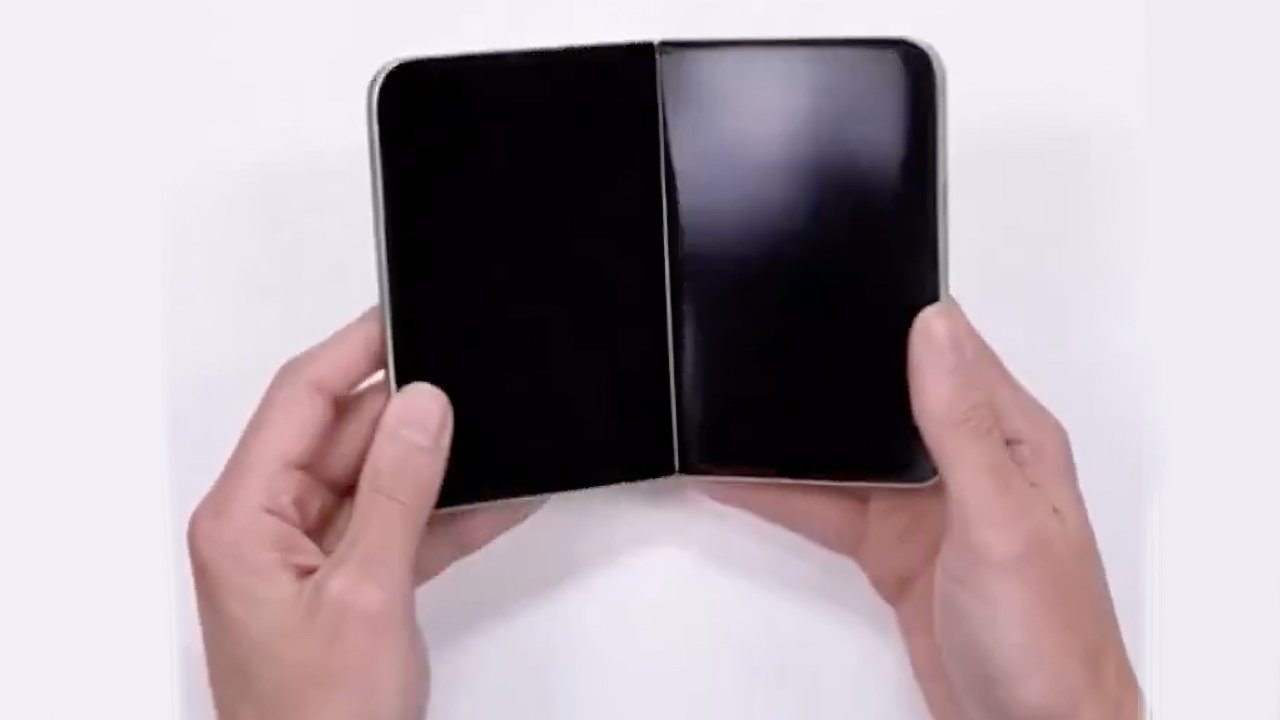
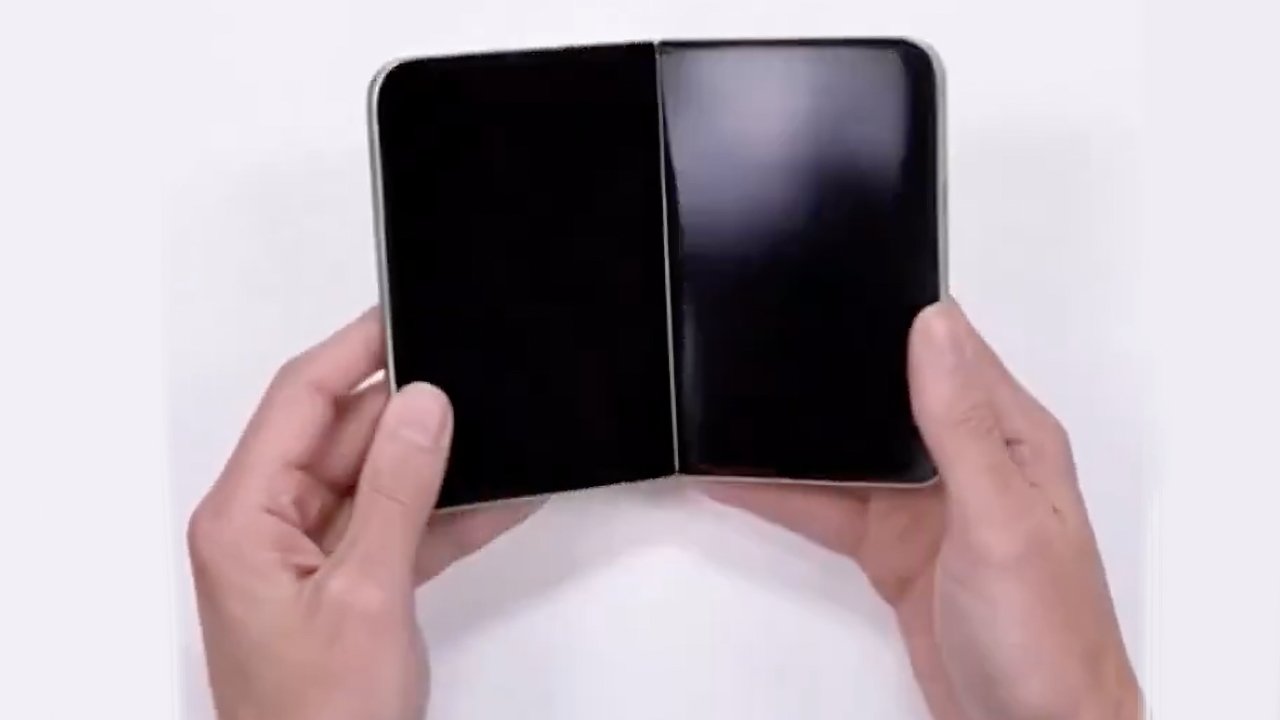
A new video purporting to show the unboxing of an iPhone Fold months before it’s even expected to be announced, is an excellent piece of work. It’s also entirely false.

Two hands hold an open foldable smartphone with two blank black screens side by side against a plain light background.
Turn it on, then – image credit: Viktor Seraleev

This isn’t like the YouTubers who unboxed an M5 iPad Pro back in September 2025. As unlikely as that video had seemed, it turned out to be genuine when Apple released that iPad a few weeks later.
The iPhone Fold unboxing video doing the rounds is instead purporting to be of a product that has only just gone into manufacturing testing. It’s also said to be having problems in that testing.
Rumor Score: 💩 B#$&(*it
Continue Reading on AppleInsider | Discuss on our Forums

Source link

Continue Reading

Tech

“We want Surfshark to be the Revolut of cybersecurity.”: How Surfshark’s new CEO is looking to shape accessible privacy

Published

on

After eight years under the guidance of company founder Vytautas Kaziukonis, Surfshark has entered its next era with a new CEO – Dovydas Godelis.

In his own words, “Vytautas was more of a visionary at the strategic level”. Godelis, though, is looking to “stay very close to the employees”, retaining the singular vision that’s bound them together, and him to the company, for years.

Source link

Continue Reading

Tech

Forza Horizon 6 Initial Drive Trailer Captures an Epic Opening Drive Across Japan with In-Game Footage

Published

on

Forza Horizon 6 Initial Drive
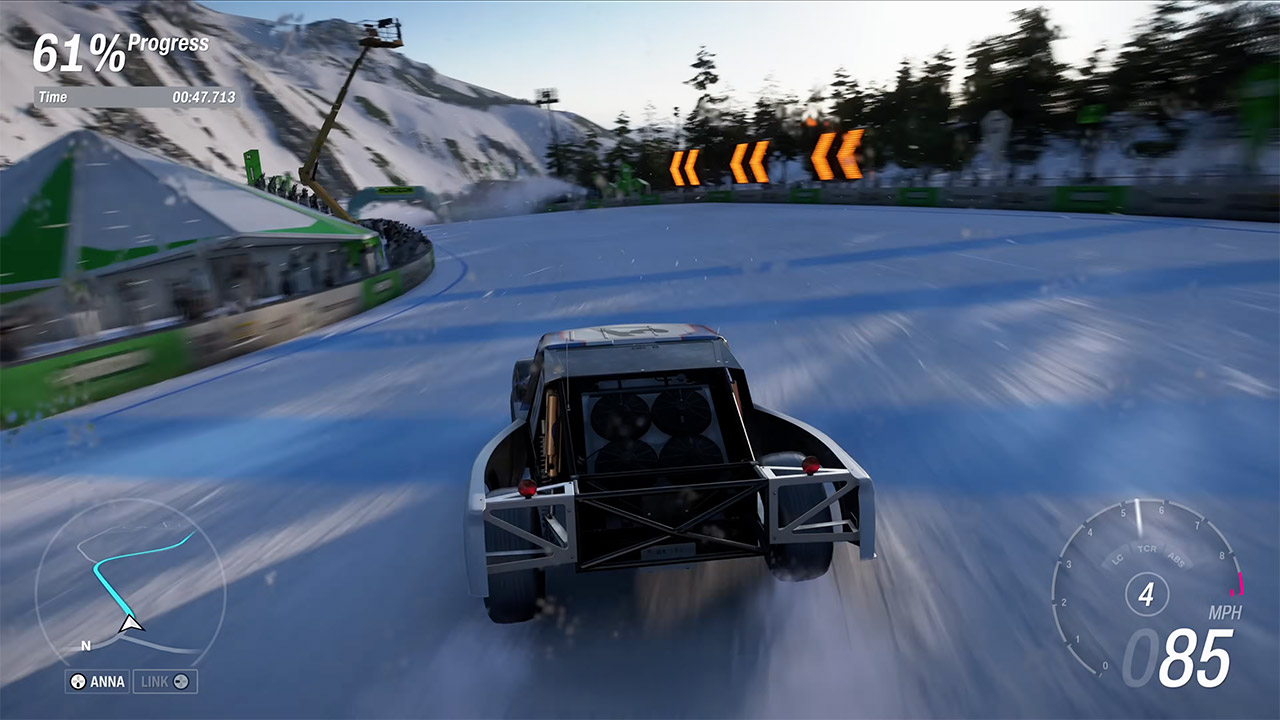
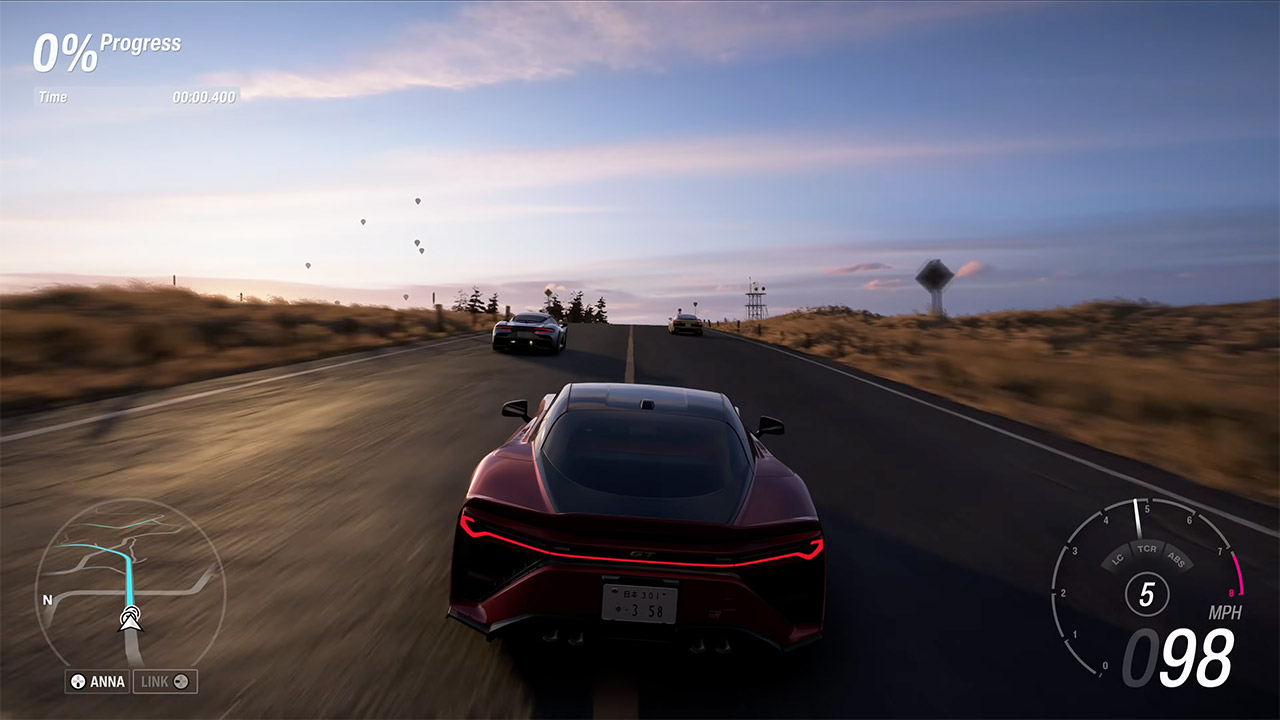
The just released in-game footage of Forza Horizon 6’s initial drive sequence isn’t messing around. You’re immediately thrust into high-speed pursuits alongside a bullet train on a roadway adorned with cherry blossoms and the distant shape of Mount Fuji. A Polaris RZR Pro 4 truck blasts itself over gigantic off-road jumps, while jets and helicopters fly overhead over the icy mountain passes. The sequence then progresses to precise drifts in a Porsche 911 GT2 as you carve up the twisty touge paths, culminating in an all-out sprint with the cover vehicle, the 2025 Toyota GR GT Prototype.


Following that prologue, you can use the preview builds to create extended sessions that include structured races with plenty of freedom to roam around wherever you choose. The early qualifications are rather simple, with only three events to get you started utilizing cars provided by the game: a modified Nissan Silvia K’s for road racing, a 1994 Toyota Celica GT-Four for rallying, and a 1970 GMC Jimmy jacked up for off-road expeditions. As you level up, wristbands you collect indicate your progress through the automobile classes, essentially guiding you from complete novice to full admission to the festival without overloading you with a million options at away. Meanwhile, there are grassroots circuits all over the world that allow you to simply drive up in any car for a time attack or some local battles.

Sale


ASUS ROG Xbox Ally – 7” 1080p 120Hz Touchscreen Gaming Handheld, 3-month Xbox Game Pass Premium…
  • XBOX EXPERIENCE BROUGHT TO LIFE BY ROG The Xbox gaming legacy meets ROG’s decades of premium hardware design in the ROG Xbox Ally. Boot straight into…

  • XBOX GAME BAR INTEGRATION Launch Game Bar with a tap of the Xbox button or play your favorite titles natively from platforms like Xbox Game Pass…
  • ALL YOUR GAMES, ALL YOUR PROGRESS Powered by Windows 11, the ROG Xbox Ally gives you access to your full library of PC games from Xbox and other game…


Tokyo is a standout on the map, with its tight alleyways, multi-level freeways, and nighttime illumination of sites such as Shibuya Crossing and Tokyo Tower. Then there’s the northern mountain ranges, where gentle snowfall on the green slopes and blossom-covered roads opens up to these breathtaking views of the entire country from far above. Of course, the rural villages, woodland shrines, and dockside container yards all combine to fill in the gaps, resulting in a connected landscape that rewards you as much for leisurely driving as it does for competitive driving. Over 550 cars are released, including Japanese models at the forefront, as well as all of the insane Forza Edition versions that just improve the performance of all regular cars.

Advertisement

Forza Horizon 6 Initial Drive Screenshot
You never know what you’ll find when you start exploring, as roadside parking spaces can include all sorts of amazing aftermarket vehicles, already outfitted with body kits or tuned parts and ready to go. Then there’s the personal estate in the mountains, which you can use as a base and decorate with buildings and garages inspired by community designs. When it comes to the seasons, they just cycle through like they do in the other entries, which means that the activities and road conditions are all refreshed, but the festival atmosphere remains vibrant thanks to all of the organized barriers, marshals, and volunteer crews.

Forza Horizon 6 Initial Drive Screenshot
Touge clashes provide some intense rivalry on the beautifully small mountain roads, and Horizon CoLab allows players to form groups and create and share their own bespoke events in real time. Car meetings are typically held at gas stations or multi-story parking lots, which are ideal for co-op runs or simply hanging out with friends. Accessibility is prioritized, with high-contrast modes, proximity radar, and other features to ensure that everyone can participate and have fun. On PC, you receive the complete treatment, including ray-traced global illumination and reflections; on consoles, quality and performance are balanced for consistent as-you-go frame rates.

Forza Horizon 6 Initial Drive Screenshot
The game will be available for Xbox Series X, Xbox Series S, and PC on May 19th through the Microsoft Store and Steam, with the premium edition arriving a few days earlier. PS5 support arrives later this year. According to previews, this game has toned down some of the more out-there elements from the previous game, allowing the magic of the roads and cars to shine through, resulting in an opening drive that grabs you and an open world that makes you want to keep coming back for more.

Source link

Continue Reading

Tech

Anthropic loses bid to pause Pentagon blacklisting as AI legal battle escalates

Published

on


The ruling keeps Anthropic locked out of DoD contracts for now, even though a separate federal court in California recently barred the Trump administration from enforcing a broader ban on the use of Claude.
Read Entire Article
Source link

Continue Reading

Tech

Some Windows 3.1 apps were simply "too evil" for Windows 95 to support, says Microsoft veteran

Published

on


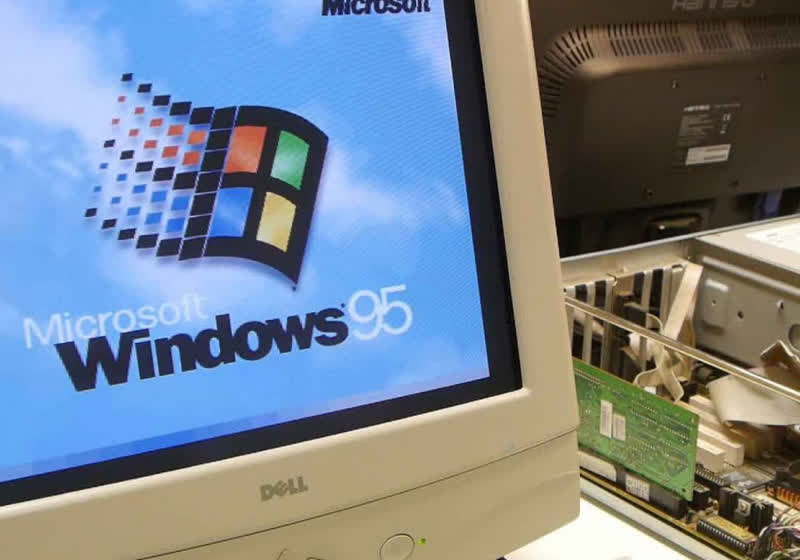
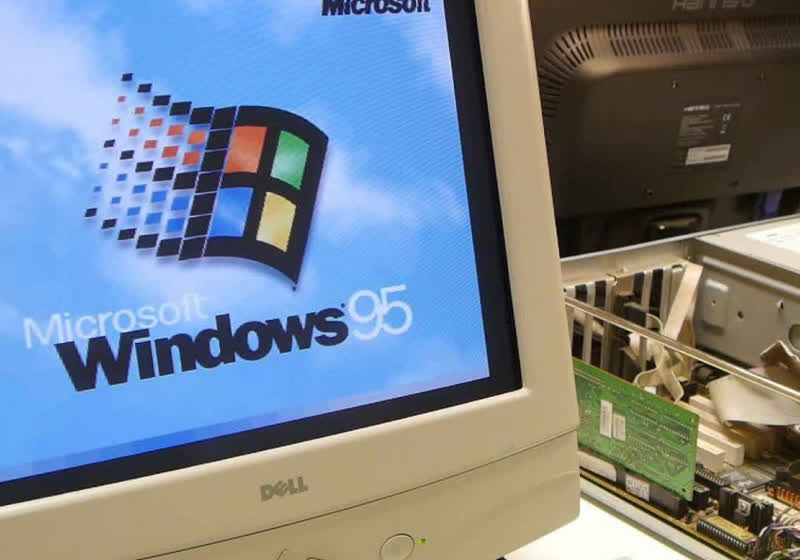
Microsoft veteran Raymond Chen is once again spilling the beans on how Windows 95 became one of the most influential operating systems ever. Back in the Nineties, Microsoft developers were busy working on many custom solutions to make the new OS compatible with previous software products. However, a few programs…
Read Entire Article
Source link

Continue Reading

Trending

Copyright © 2025