

- Anthropic adds Remote Control synchronization layer on top of local CLI sessions
- You can access your work remotely, but it’s different from regular web sessions
- It’s available to Claude Pro/Max subscribers, but there are some limitations
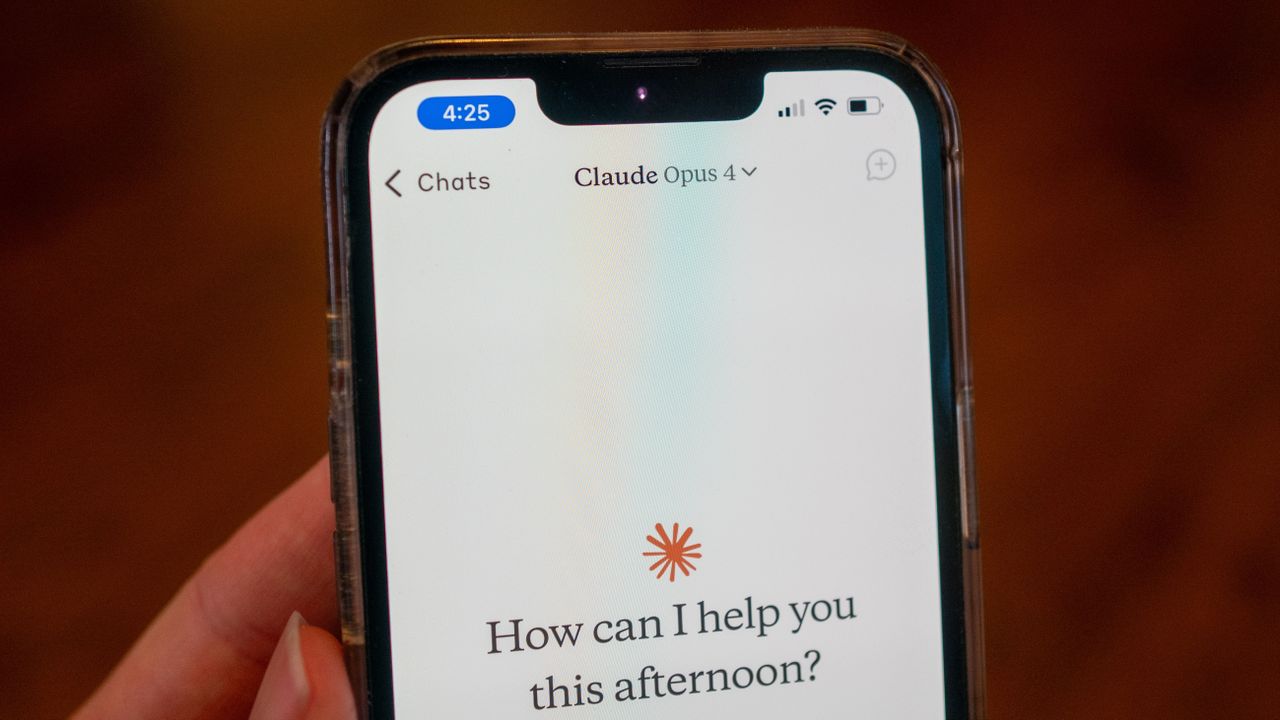
Anthropic has announced a new AI tool to help developers control Claude Code from smartphones, tablets and browsers, giving them more control over their work from more places.
Launched in January 2026, Claude Code has already proven popular in the developer community, but it’s also gaining traction among non-technical users by democratizing access to coding for more users.
Even though it was limited to desktop apps, terminal CLI and IDE integrations, it was still installed 29 million times in VS Code alone – and Anthropic hopes Remote Control will broaden its reach even further.
Claude Code Remote Control feature
Remote Control is currently available as a research preview for Claude Pro and Claude Max subscribers – not for Team or Enterprise plans. “API keys are not supported” either, the company wrote in an announcement.
It serves as a synchronization layer between a local CLI session and the Claude mobile or web interface, so in theory, Remote Control is the underlying tech rather than the tool users will interact with. “The web and mobile interfaces are just a window into that local session.”
Anthropic stressed that the session continues locally on the user’s machine, rather than in the cloud, but Remote Control gives them access from anywhere.
“Remote Control executes on your machine,” Anthropic wrote, “so your local MCP servers, tools, and project configuration stay available.” On the flip side, Claude Code on the web relies on Anthropic’s cloud infrastructure.
Being that Remote Control is in research preview, it’s still showing signs of being an early, first-generation or pre-production tool. The Claude-maker acknowledged three key limitations: users can only run one remote session at a time; terminal must stay open; and if a machine is unable to reach a network for more than “roughly 10 minutes,” the session will time out.
Follow TechRadar on Google News and add us as a preferred source to get our expert news, reviews, and opinion in your feeds. Make sure to click the Follow button!
And of course you can also follow TechRadar on TikTok for news, reviews, unboxings in video form, and get regular updates from us on WhatsApp too.