Tech
Apple AirPods Max 2 Debut With H2 Chip, Lossless Audio, and Personalized Spatial Audio

Apple is taking another run at the premium wireless headphone market with the updated AirPods Max 2, a product that attempts to push its over-ear lineup closer to the center of Apple’s broader audio ecosystem. Powered by the company’s H2 chip, the new model brings a combination of lossless audio support (24-bit/48 kHz via USB-C), Personalized Spatial Audio with dynamic head tracking, Adaptive EQ, and enhanced active noise cancellation; all designed to deliver more detailed playback across music, films, and games while integrating tightly with Apple devices and services.
But the technology story only tells part of what Apple is trying to accomplish. The wireless headphone category has become one of the most crowded segments in consumer audio, dominated by strong incumbents like Sony WH‑1000XM6, Bose QuietComfort Ultra Headphones, and Sennheiser Momentum 4 Wireless, while more traditional hi-fi brands such as Focal Bathys and Bowers & Wilkins Px8 S2 have pushed into the category with higher-end designs that emphasize sound quality and materials.
But the bigger story isn’t just the technology. Apple is trying to tighten its grip on the ecosystem advantage that has driven the success of the broader AirPods lineup. Rather than competing strictly on traditional audiophile metrics, the AirPods Max 2 are positioned as a seamless extension of the Apple platform, working across iPhone, iPad, Mac, Apple TV, and Apple Music with features designed to adapt automatically to the listener and their environment.
In other words, the battle Apple is fighting isn’t just about noise cancellation or battery life. It’s about whether the company can convince buyers that ecosystem integration and advanced processing are as important as raw headphone performance in a market where established audio brands have spent decades refining the fundamentals.


Design, Controls, and Comfort
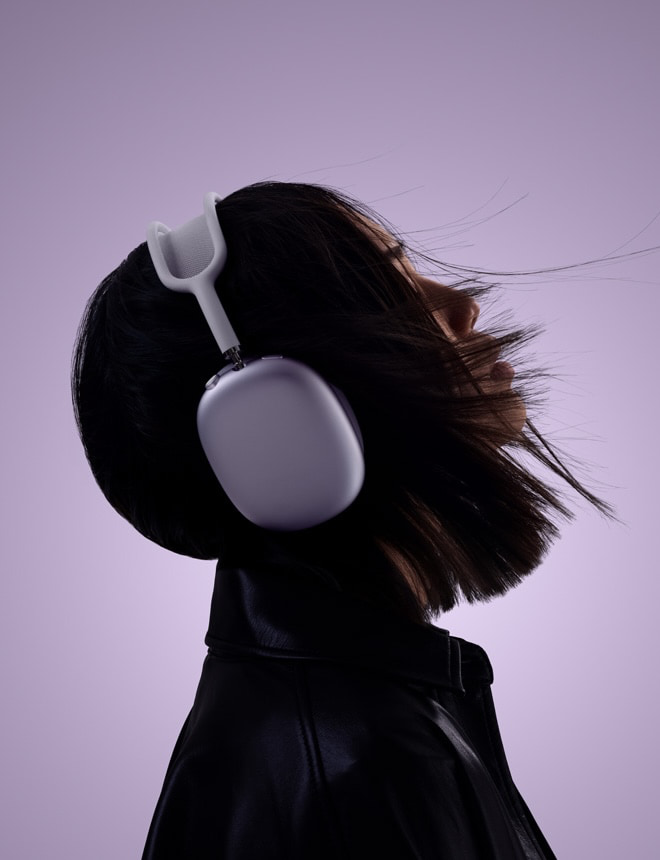
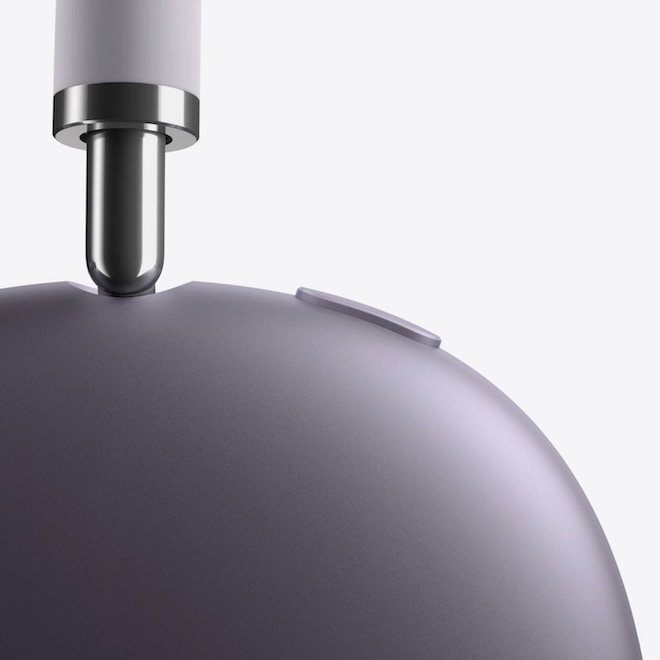
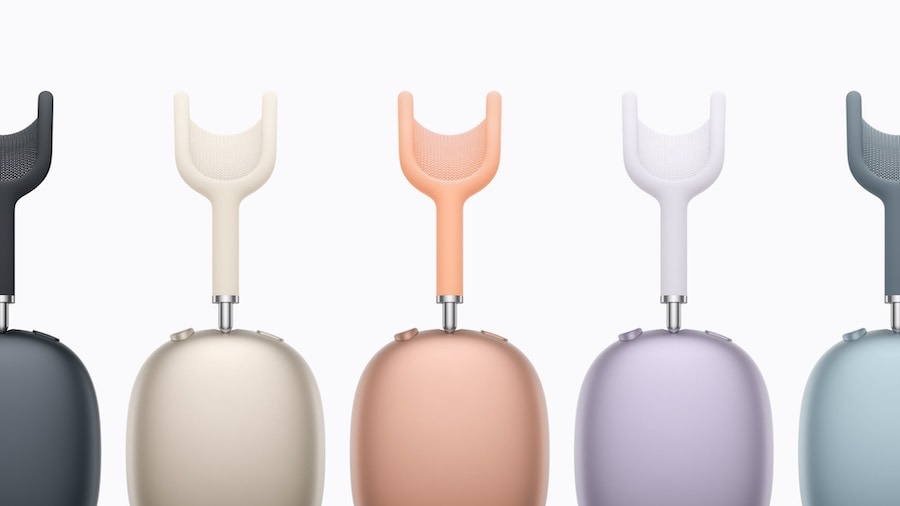
The AirPods Max 2 retain the industrial design language that defined the original model, combining aluminum ear cups, a stainless steel headband frame, and Apple’s signature Digital Crown control system. The overall design focuses on durability and consistent fit while maintaining the acoustic seal necessary for effective noise cancellation and accurate playback.
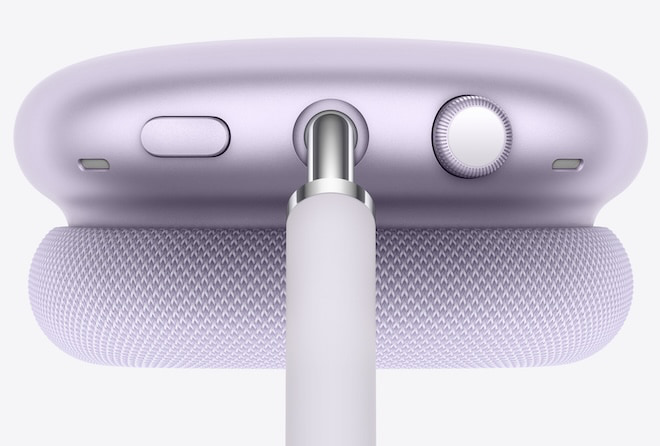
Control of playback and calls is handled through the Digital Crown, which allows users to press once to play or pause music, take a photo or video, or mute and unmute during calls. Pressing twice skips tracks or ends calls, while rotating the crown adjusts volume with precise incremental control. A separate noise control button manages listening modes such as Active Noise Cancellation and Transparency.
Comfort remains a major design priority. The headband canopy is constructed from a breathable knit mesh, designed to distribute weight more evenly across the head to reduce pressure during extended listening sessions. This structure works with the stainless steel frame to provide stability while maintaining flexibility.
The ear cushions use acoustically engineered memory foam paired with a custom mesh textile that helps maintain a consistent fit and seal around the ear. The aluminum ear cups rotate independently to balance pressure and adapt to different head shapes.
Adjustability comes from telescoping arms that extend smoothly from the stainless steel headband. Once positioned, the arms stay in place to maintain a consistent fit and listening position without requiring frequent readjustment.

Communication and Smart Listening Features
Apple is positioning the AirPods Max 2 as more than a traditional pair of wireless headphones by expanding their communication capabilities through features powered by Apple Intelligence and the H2 processing platform.
One of the most notable additions is Live Translation, designed to help bridge language barriers in real time. By pressing and holding the listening mode button, the headphones can translate spoken language directly into the listener’s preferred language through the ear cups. The feature is intended to simplify everyday conversations when traveling, working internationally, or interacting with people who speak different languages.
Apple has also refined how the headphones respond during conversations with Conversation Awareness. When the user begins speaking, the system automatically lowers the volume of music or other audio while amplifying nearby voices. Once the conversation ends, playback gradually returns to its previous volume without requiring manual adjustments.
Environmental listening modes also receive updates with Loud Sound Reduction and Personalized Volume. Enabled in Transparency and Adaptive Audio modes, Loud Sound Reduction helps soften sudden environmental noise while preserving overall audio clarity. Personalized Volume learns the user’s listening preferences and adjusts playback levels automatically based on surroundings, whether commuting, walking outdoors, or working in quieter environments.

Battery Life, Siri Integration, and Apple Ecosystem Features
Apple has also focused on everyday usability with improvements centered on battery life, voice control, and deeper integration across the Apple ecosystem.
The AirPods Max 2 provide up to 20 hours of listening or video playback with Active Noise Cancellation and Spatial Audio enabled, placing them within the expected range for premium wireless headphones used during travel, commuting, or extended listening sessions.
Voice interaction is handled through Siri, which can be activated simply by saying “Siri” or “Hey Siri.” Users can request music playback, place calls, check calendar events, or ask for directions without touching their device. Apple has also introduced gesture-based responses, allowing users to nod or shake their head when Siri asks whether to read messages, answer calls, or manage notifications.
Device integration remains one of Apple’s key strengths. Automatic Switching allows the headphones to transition seamlessly between Apple devices without manual reconnection. For example, a user listening to music on a Mac can answer an incoming call on an iPhone, with the AirPods Max 2 automatically shifting to the active device.
Additional convenience features include on-head detection, which pauses playback when the headphones are removed and resumes audio when they are placed back on.
Apple also continues to support Audio Sharing, enabling two pairs of compatible AirPods or Beats headphones to listen to the same audio stream from a single iPhone, iPad, Mac, or Apple TV.
Charging has also been updated with USB-C connectivity, aligning the headphones with Apple’s current device ecosystem and allowing users to charge them using the same cable as an iPhone, iPad, or Mac.

Key Technology, Sensors, and Technical Specifications
Beyond its core listening features, the AirPods Max 2 incorporate a combination of sensors, microphones, and processing technology designed to improve sound performance, communication clarity, and system responsiveness.
At the center of the design is the Apple H2 chip, installed in each ear cup. This dual-chip configuration processes features such as active noise cancellation, spatial audio calculations, and real-time listening adjustments. The headphones also use an Apple-designed dynamic driver paired with a custom high dynamic range amplifier, engineered to maintain clarity and control across a wide range of music and listening levels.
The AirPods Max 2 rely on a network of nine microphones to manage noise cancellation and voice communication. Eight microphones focus on monitoring environmental sound for Active Noise Cancellation, while a combination of three microphones handles voice pickup for clearer calls and voice commands.
Multiple sensors also contribute to automatic system behavior and spatial audio tracking. These include optical sensors, position sensors, and case-detection sensors in each ear cup, along with accelerometers in both ear cups and a gyroscope in the left ear cup. Together, these components support features such as dynamic head tracking, automatic playback control, and accurate positioning for spatial audio.
Wireless connectivity is provided through Bluetooth 5.3, supporting stable connections with Apple devices and other compatible hardware. For wired listening, USB-C connectivity allows lossless audio playback and ultra-low latency performance, which may be useful for video production, gaming, or other applications where timing accuracy matters.

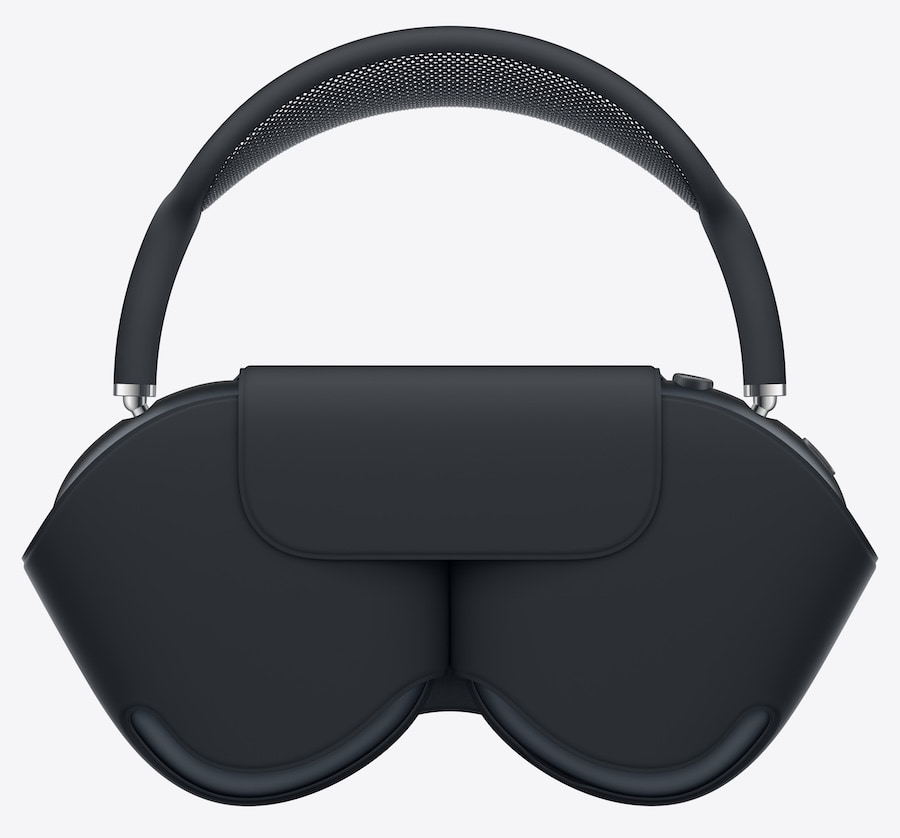
Physically, the AirPods Max 2 measure 7.37 inches (187.3 mm) in height, 6.64 inches (168.6 mm) in width, and 3.28 inches (83.4 mm) in depth, with a weight of 13.6 ounces (386.2 grams) including the ear cushions. The included Smart Case, weighing 4.74 ounces (134.5 grams), places the headphones into an ultra-low-power state to help conserve battery charge during storage.
Charging is handled through USB-C, while the battery delivers up to 20 hours of listening time with Active Noise Cancellation enabled.
The headphones also support several accessibility features, including Live Listen audio, customizable headphone levels, and Apple’s Headphone Accommodations settings, which allow users to tailor audio output based on individual hearing preferences.
AirPods Max 2 are fully compatible with iPhone, iPad, Apple Watch, Mac, Apple TV, and Apple Vision Pro devices running current versions of Apple’s operating systems. They can also function as standard Bluetooth headphones with non-Apple devices, though some advanced features may be limited outside the Apple ecosystem.

The Bottom Line
At $549, the AirPods Max 2 sit in the same premium wireless category as models from Sony, Bose, Sennheiser, Bowers & Wilkins, and Focal—but Apple is playing a different game. While many competitors focus primarily on noise cancellation or sound tuning, Apple’s advantage lies in ecosystem integration and computational audio.
Features like lossless audio over USB-C, Personalized Spatial Audio with dynamic head tracking, Live Translation, and seamless device switching across iPhone, Mac, iPad, and Apple TV create an experience that goes beyond traditional headphone performance. The dual H2 chip architecture, deep Siri integration, and features like Conversation Awareness and Personalized Volume also emphasize adaptive listening and real-time processing.
For listeners already invested in Apple’s ecosystem, that level of integration may be the AirPods Max 2’s biggest differentiator. Competing models from Sony, Bose, and Sennheiser may offer longer battery life or different sound signatures, while brands like Focal and Bowers & Wilkins lean more heavily into audiophile tuning and materials. Apple’s approach focuses instead on smart listening features, spatial audio processing, and seamless device interaction, which together define what makes the AirPods Max 2 distinct at this price point.
Where to buy: $549 at Apple (Available March 25, 2026)
You must be logged in to post a comment Login