







Connect with us
DAPA Banner

Tech

Apple AirTag 2 Review – Trusted Reviews

Published

on

Verdict

The AirTag 2 works as advertised with easy setup and the excellent Find My network, and this updated model has a louder speaker and improved Precision Finding range – two features that make it an overall better tracker than before.


  • The speaker is a lot louder

  • Improved range

  • Lasts for a year on a battery

  • Shape makes it difficult to fit in some places

  • More colours would be nice

  • Needs an attachnent to fit on keys

Key Features


  • Trusted Reviews IconTrusted Reviews Icon


    Review Price: £29

  • Battery Life


    Lasts for about a year with a coin cell battery


  • Works with Find My

    Advertisement


    Everything is done through the Find My app


  • Personalisation


    Engraving can be added when bought from Apple

Introduction

The AirTag 2, like its predecessor, is arguably Apple’s most basic product. But depending on how it’s used, also one of the most important.

Advertisement

This tiny Bluetooth tracker, available as a single unit ($29/£29) or in a pack of four ($99/£99), can be attached to keys, left inside luggage or put in a rucksack. It can then be tracked, via Bluetooth LE or Apple’s extensive Find My network, very accurately.

If you’re prone to leaving bags in pubs or losing keys down the back of a sofa, this is an easy-to-recommend add-on to one of the best iPhones.

Advertisement

Design

  • Simple design in a single white colour option
  • Slightly bulbous, so it doesn’t fit inside a wallet
  • Works for all the accessories from the first-gen product

The AirTag 2 looks exactly like the first-gen model, aside from some slight tweaks to the text on the back.

The dimensions are the same, and the overall slightly bulbous, rounded shape is retained. This does mean that, unlike some flatter trackers, you can’t really pop the AirTag into a wallet or something similar. I would like to see Apple experiment with some different form factors, possibly alongside this traditional one – just to add that extra bit of versatility.

Advertisement

The AirTag 2 is marginally heavier, although even holding them both together, I couldn’t tell this, as it’s very light to begin with. When the tag is tucked away in a bag or attached to a set of keys, it’s not heavy enough to be noticeable.

It’s still made of a mixture of white glossy plastic and aluminium, which gives it a very Apple look. If you remember the iconic iPod – especially the original model – the colour choices are very similar here. It would have been nice to see some other colour options, perhaps similar to the hues the iPhone 17 series is available in.

Advertisement

AirTag 2 on tableAirTag 2 on table
Image Credit (Trusted Reviews)

I’ve had the first-gen AirTag on my keys since launch, and it’s certainly taken a battering. The silver aluminium side gets scratched very easily, especially when it’s jangling around with keys in a pocket or bag, and I doubt it’ll be any different here. Plastic alternatives, like Samsung’s Galaxy Smart Tag, look worse, but at least they hold up better.

The AirTag 2 is IP67-rated for dust and water protection, and the bottom can be twisted and removed to get at the CR2032 coin cell battery. There’s no way to recharge the AirTag, you just swap out the battery when it’s finished.

Advertisement
AirTag 2 bottom on tableAirTag 2 bottom on table
Image Credit (Trusted Reviews)

As it’s the same design as the outgoing model, all the same accessories work. Accessories are vital for the AirTag, as if you want to attach one to your keys or luggage, you’ll need one. If you’re just slipping it inside a bag, you’ll be fine without anything additional.

Features and Performance

  • Replaceable battery
  • Improved range
  • Loud speaker

Advertisement

There isn’t a whole lot new with the AirTag 2, but what is new is most welcome. The key upgrades revolve around Precision Finding and the speaker performance.

The internal speaker is much better this time around, and as a result, it can make a much louder noise. This is especially noticeable when the AirTag is lost inside a bag or in bedsheets, as it can be heard from further away. It’s a nice upgrade, although not a reason in itself to upgrade.

AirTag 2 precision finding on iphoneAirTag 2 precision finding on iphone
Image Credit (Trusted Reviews)

Inside, there’s an upgraded UWB (ultra wideband) chip that improves the Precision Finding skills of the tag and this means you can locate it from further away. To test this out, I took both an AirTag and AirTag 2, connected to an iPhone Air and then walked away. The original AirTag lost connection at about 15m, while AirTag 2 didn’t lose it until around 23m. In practice, this upgrade makes the AirTag 2 much easier to find around the house.

Setting up an AirTag is easy. Just bring it close to an iPhone, and it’ll add itself to the Find My app. This app is where all the tag’s features live, from playing a sound to tracking it down if lost. Of course, it’s iOS only – so these are of no use if you live in the Android ecosystem.

AirTag 2 precision finding on apple watchAirTag 2 precision finding on apple watch
Image Credit (Trusted Reviews)

Advertisement

You can now locate your AirTag with Precision Finding on an Apple Watch, and this works much like it does on the phone. When you lose the AirTag further away, you’ll make use of the excellent Find My network to try and track it down. This uses Bluetooth LE, so you can track items even without data.

Advertisement

The AirTag 2 is powered by a CR2032 coin cell battery. These last for about a year until they need to be replaced, are cheap and readily available from Amazon and supermarkets. 

You can’t charge the AirTag – when it dies, you just twist off the base and swap out the cells. This is both good and bad. It’s good because you don’t need to worry about battery life, just have a few spare batteries around and every year, change it when you get an alert. However, I can’t help but think having a solution that allowed the battery to be wirelessly charged, ideally via MagSafe, would be sleeker.

AirTag 2 with battery shpwingAirTag 2 with battery shpwing
Image Credit (Trusted Reviews)

I’d also like a way to be able to turn off the AirTag without removing the battery, as some of the ones I use – those in stored luggage, for example – don’t always need to be on.

Advertisement

Should you buy it?

Advertisement

You’re a forgetful iOS user

The AirTag 2 is an easy recommdation to go with an iPhone. It’s affordable, handy and easy to use.

Advertisement

You’re not fully in the Apple ecosystem

if you’re not all-in on Apple, you might be better off with a tracker that works better across ecosystems, like a model from Tile.

Advertisement

Final Thoughts

The AirTag 2 is a handy tool and one of the more affordable accessories for an iPhone. It works as advertised with easy setup and the excellent Find My network, and this updated model has a louder speaker and improved Precision Finding range – two features that make it an overall better tracker than before.

It’s not a revolution though, and there are still aspects of the AirTag that I wish Apple had altered. The shape isn’t ideal for all situations; you need accessories to attach it to a set of keys, and the use of a replaceable battery is a double-edged sword. It’s easy to swap out, yes, and lasts for about a year, but popping it on a MagSafe stand to give it an extra lease of life would’ve been preferable.

FAQs

Which phones does the improved Precision Finding feature work on?
Advertisement

Expanded Precision Finding works with AirTag (2nd generation) paired with iPhone Air or iPhone 15 or later (excluding iPhone 16e)

Which Apple Watch models work with Precision Finding?

Precision Finding on Apple Watch requires an Apple Watch Series 9 or later, or Apple Watch Ultra 2 or later, with watchOS 26.2.1

Advertisement

Source link

Advertisement
Continue Reading
Click to comment

You must be logged in to post a comment Login

Leave a Reply

Tech

Garmin may be working on a Whoop competitor

Published

on

Whoop, the makers of a screen-free fitness tracker of the same name, could soon have some competition. Fitbit teased its take on a Whoop-style band with the help of Steph Curry at the end of March, and based on a trademark filing spotted by Gadgets & Wearables, Garmin appears to be working on its own band that tracks similar health metrics.

This new Garmin wearable, called “CIRQA” in the trademark filing submitted in February, is designed to measure “the body’s physical parameters and other physiological data, bio-signals, and bodily behavior.” That could broadly describe the smartwatches and fitness trackers Garmin already sells. But the CIRQA apparently goes further, by also measuring “recovery from physical and emotional stress, human alertness level, and performance,” a set of more granular, wellness-focused features that could bring the unreleased wearable into the same ballpark as a Whoop.

Garmin accidentally leaked that it was working on a new wearable via a hastily removed store page in January, Android Authority reports. While some phantom web pages and a trademark do not guarantee Garmin is working on a new device, or that the band will be screen-free in the same way the Whoop is. If the company is preparing a competitor, though, the timing makes sense. Where other devices try to split the difference between tracking biometrics and offering real-time information or other smartwatch features, Whoop is decidedly data-first. Its wearables monitor as much information as possible through a nondescript band, and then analyze and display what it learned via a smartphone app. The approach is attractive to anyone tired of dealing with screens, and the growing number of people obsessed with optimizing their health. In fact, Whoop just raised $575 million on the back of its current success. It would make sense that Garmin and Google (via its Fitbit brand) would want a piece of the company’s audience, too.

Whoop-style bands are also a perfect fit for future uses of AI in health and fitness tracking. Google is interested in having users turn to Fitbit’s AI-powered health coach for everything from workout tracking to nutrition advice. If health data processing is going to happen in the cloud, and you’re going to have to pull out your smartphone to view that data anyway, it makes sense to sell a tracker without a screen.

Advertisement

Source link

Continue Reading

Tech

The FAA is encouraging gamers to get jobs in air traffic control

Published

on

Sick! The Federal Aviation Administration is targeting gamers in its most recent job advertisement for air traffic controllers. The administration’s annual hiring window opens at 12AM ET on April 17, and considering the ongoing shortage of air traffic controllers, it’s calling this a period of “supercharged hiring.” Rad! The FAA’s YouTube video draws parallels between gaming and directing air traffic, and notes that the average salary for the role after three years is $155,000. Hella!

The FAA is clearly seeking players who are at least old enough to remember the Xbox One and Bjergsen in the LCS, which puts would-be candidates around their early 20s at least. It’s either that, or the ad editors really just picked videos at random from the pile of stock footage marked gamerz. But I won’t lie, it made me smile to see that Xbox One logo appear out of nowhere. Nostalgia is a hell of a thing.

“To reach the next generation of air traffic controllers, we need to adapt,” US Transportation Secretary Sean P. Duffy said. “This campaign’s innovative communication style and focus on gaming taps into a growing demographic of young adults who have many of the hard skills it takes to be a successful controller.”

The FAA has been losing more air traffic controllers than it can hire and retain since the 2010s, and this trend only worsened during the pandemic in the 2020s, according to a report released in December by the US Government Accountability Office. The administration increased hiring every year since 2021, but at the end of 2025 it employed 13,164 air traffic controllers, 6 percent fewer than in 2015, the report said. At the same time, the number of flights in the air traffic control system increased by about 10 percent, to 30.8 million.

Advertisement

Or, as the FAA put it on the ATC hiring page: “Join the BEST AND BRIGHTEST, the elite squad of 14,000 controllers protecting 2.9 million daily passengers.” Applicants must be a US citizen, under 31 (maybe those video editors do know what they’re doing), and be able to speak fluent English. An aptitude test, medical screening and academy training follows, among other steps.

Source link

Continue Reading

Tech

CPUID Site Hijacked To Serve Malware Instead of HWMonitor Downloads

Published

on

Attackers briefly hijacked part of CPUID’s backend and swapped legitimate download links on its site with malware-laced ones. “The issue hit tools like HWMonitor and CPU-Z, with users on Reddit and elsewhere starting to notice something wasn’t right when installers tripped antivirus alerts or showed up under odd names,” reports The Register. From the report: CPUID has since confirmed the breach, pinning it on a compromised backend component rather than tampering with its software builds. “Investigations are still ongoing, but it appears that a secondary feature (basically a side API) was compromised for approximately six hours between April 9 and April 10, causing the main website to randomly display malicious links (our signed original files were not compromised),” one of the site’s owners said in a post on X. “The breach was found and has since been fixed.”

The files themselves appear to have been left alone and remain properly signed, so it doesn’t seem like anyone got into the build process. Instead, the problem sat in front of that, in how downloads were being served. For anyone who hit the site during that stretch, though, that distinction offers little comfort. If the link you clicked had been swapped out, you were pulling whatever it pointed to, whether you realized it or not.

Source link

Continue Reading

Tech

CPUID hacked to deliver malware via CPU-Z, HWMonitor downloads

Published

on

CPUID hacked to deliver malware via CPU-Z, HWMonitor downloads

Hackers gained access to an API for the CPUID project and changed the download links on the official website to serve malicious executables for the popular CPU-Z and HWMonitor tools.

The two utilities have millions of users who rely on them for tracking the physical health of internal computer hardware and for comprehensive specifications of a system.

Users who downloaded either tool reported on Reddit recently that the official download portal points to the Cloudflare R2 storage service and fetches a trojanized version of HWiNFO, another diagnostic and monitoring tool from a different developer.

Wiz

The name of the malicious file is HWiNFO_Monitor_Setup, and running it launches a Russian installer with an Inno Setup wrapper, which is atypical and highly suspicious.

Users reported that downloading the clean hwmonitor_1.63.exe from the direct URL was still possible, indicating that the original binaries were intact, but the distribution links appear to have been poisoned.

Advertisement

The externalized download chain was also confirmed by Igor’s Labs and @vxunderground, who reported that a fairly advanced loader using known techniques, tactics, and procedures (TTPs) is involved.

“As I began poking this with a stick, I discovered this is not your typical run-of-the-mill malware,” stated vxunderground.

“This malware is deeply trojanized, distributes from a compromised domain (cpuid-dot-com), performs file masquerading, is multi-staged, operates (almost) entirely in-memory, and uses some interesting methods to evade EDRs and/or AVs such as proxying NTDLL functionality from a .NET assembly.”

Tweet

The researcher claims that the same threat group targeted users of the FileZilla FTP solution last month, suggesting that the attacker is focusing on widely used utilities.

Advertisement

The downloaded ZIP is flagged by 20 antivirus engines on VirusTotal, although not clearly identified. Some classify it as Tedy Trojan, and others as Artemis Trojan.

Some researchers on Virustotal say that the fake HWiNFO variant is an infostealer malware.

BleepingComputer has contacted CPUID to learn more about what happened, the date of the compromise, the affected versions, and what impacted users should do. A spokesperson has provided the following statement.

“Investigations are still ongoing, but it appears that a secondary feature (basically a side API) was compromised for approximately six hours between April 9 and April 10, causing the main website to randomly display malicious links (our signed original files were not compromised). The breach was found and has since been fixed.” – CPUID

Advertisement

The same person told us that the hackers hit them at a time when the main developer was away on holiday.

Currently, it appears that CPUID has fixed the problem and now serves clean versions for both CPU-Z and HWMonitor.

Automated pentesting proves the path exists. BAS proves whether your controls stop it. Most teams run one without the other.

This whitepaper maps six validation surfaces, shows where coverage ends, and provides practitioners with three diagnostic questions for any tool evaluation.

Source link

Advertisement
Continue Reading

Tech

The Artemis II astronauts are back after a 10-day journey around the moon

Published

on

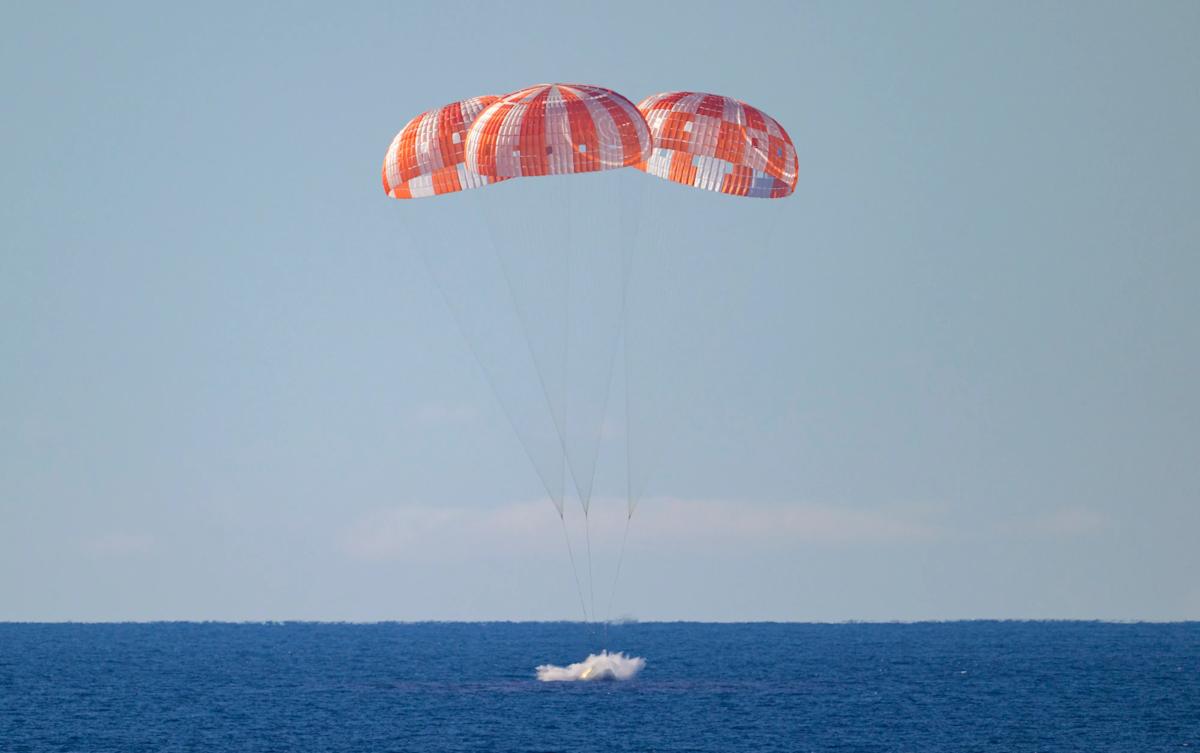
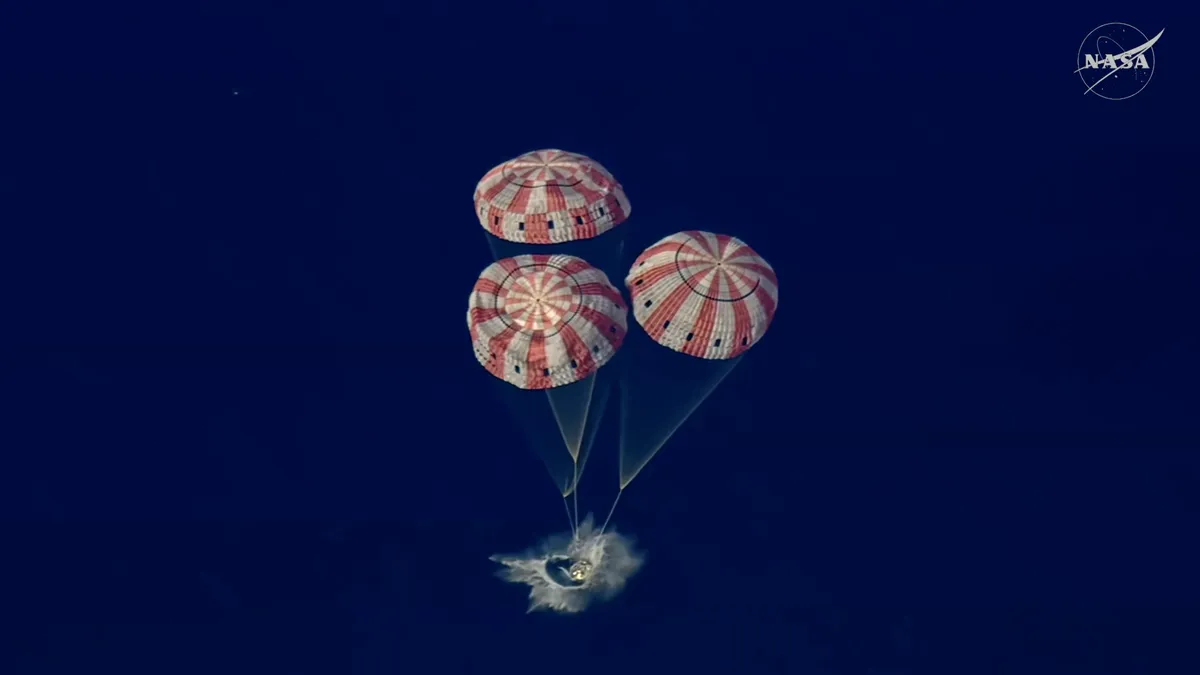
The Orion capsule carrying the Artemis II astronauts has successfully splashed down off the coast of San Diego at 8:07PM Eastern time on April 10. It signals the conclusion of Artemis II’s 10-day journey around the moon, which is meant to be a test flight for a future mission that would bring humanity back to the lunar surface. The Orion crew module carrying the mission’s astronauts separated from the service module at 7:33 PM. While the service module was designed to burn up in the Earth’s atmosphere, the crew capsule was built to bring the astronauts back home safely.

By 7:53 PM, Orion reached our planet’s upper atmosphere, where a six-minute communication blackout occurred due to the capsule heating up as it started its guided descent. The capsule has 11 parachutes, with its drogue parachutes being deployed at 23,400 feet to stabilize and slow it down. When Orion reached 5,400 feet above the ground, the drogue parachutes were cut off so that the three main parachutes could be deployed. That decreased the capsule’s velocity to 200 feet per second, enabling a safe splashdown.

NASA’s engineers conducted several tests while the capsule was in the water before the recovery team headed to the capsule on inflatable boats to extract the crew from Orion. By 9:34 PM, all four crew members were out of the capsule. They were then hoisted into helicopters and flown to the USS John P. Murtha dock ship, where doctors will assess their health.

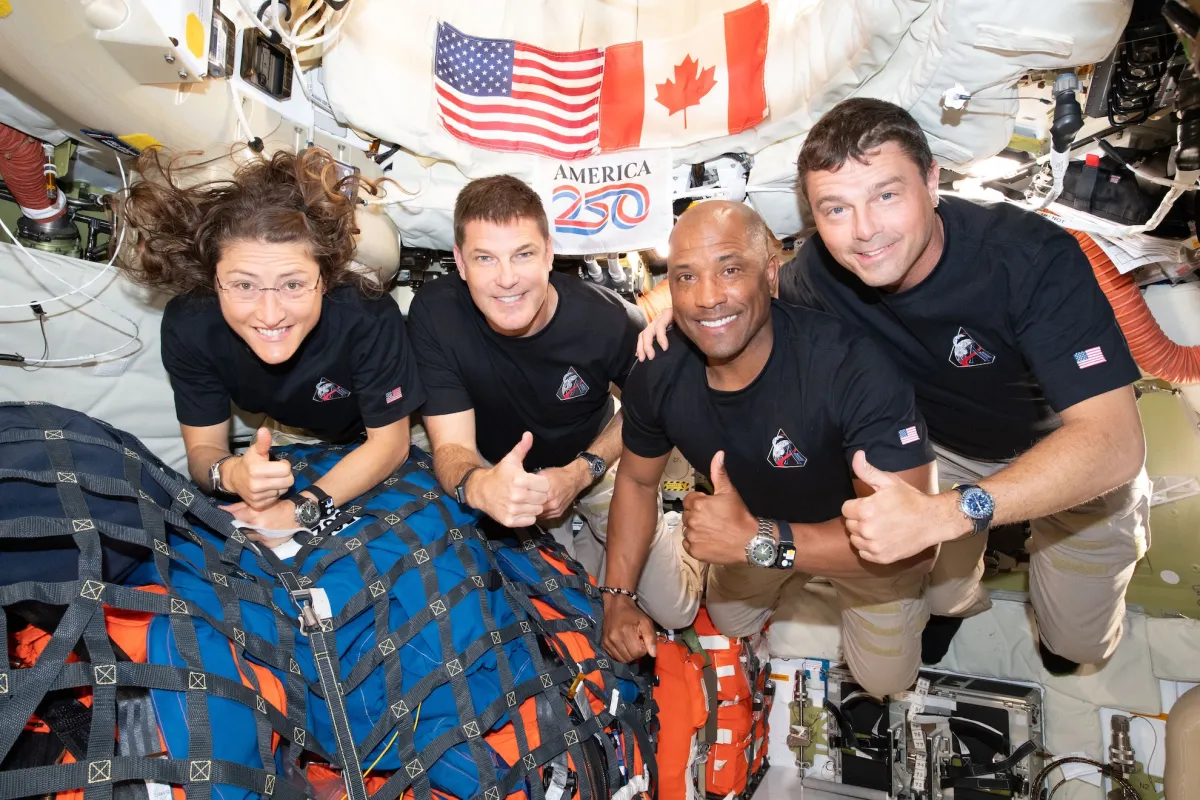
Artemis II launched on April 1 with four astronauts on board: NASA’s Reid Wiseman, Victor Glover and Christina Koch, as well as Canadian Space Agency’s Jeremy Hansen. They traveled around the moon for almost 10 days, reaching distances no other crewed mission has before it. The astronauts took photos of the far side of the moon, the side we don’t see from our planet, including amazing closeups of the lunar surface using their smartphones. That makes them the first humans to directly and personally view the lunar far side.

Advertisement

During NASA’s post-splashdown news conference, the agency said it will announce the Artemis III crew soon. Artemis III will rendezvous with one or both commercial landers being developed by SpaceX and Blue Origin in low Earth orbit, which will take humans to the lunar surface. It will test the lander’s ability to dock with Orion before NASA lands humans on the moon again.

Source link

Continue Reading

Tech

Artemis II Astronauts Are Home Safe

Published

on

screenshot-20260401-142311-youtube

Here’s the astronauts’ out-of-this-world menu.

NASA Screenshot by Corinne Reichert/CNET

Astronaut eats: they’re not just Tang and Space Food Sticks these days. NASA shared a look at the menu for the Artemis II astronauts, and it doesn’t sound half bad.

The Artemis II crew will enjoy more than 10 types of beverages, including coffee, mango-peach smoothies, green tea, apple cider, lemonade, a pineapple drink, cocoa and breakfast drinks flavored in their choice of chocolate, vanilla or strawberry. 

Advertisement

The most common food items they’ll eat include tortillas, wheat flat bread, vegetable quiche, barbecued beef brisket, mango salad, granola with blueberries, macaroni and cheese, tropical fruit salad, couscous with nuts, broccoli au gratin, spicy green beans, almonds, cashews, and butternut squash cauliflower.

NASA also reports that the astronauts can choose to spice up their meals — there are five different hot sauces available to the crew. And culinary flavorings available include maple syrup, chocolate spread, peanut butter, spicy mustard, strawberry jam, honey, cinnamon and almond butter. Sweet treats include cookies, chocolate, pudding, cake, candy-coated almonds and cobbler.

And, no, they’re not popping a flavor pill or sucking a sandwich out of a tube, like old sci-fi shows told us.

“Food aboard Orion is ready-to-eat, rehydratable, thermostabilized or irradiated,” NASA says. “The crew uses Orion’s potable water dispenser to rehydrate foods and beverages and a compact, briefcase-style food warmer to heat meals as needed.”

Advertisement

Source link

Continue Reading

Tech

Today’s NYT Mini Crossword Answers for April 11

Published

on

Looking for the most recent Mini Crossword answer? Click here for today’s Mini Crossword hints, as well as our daily answers and hints for The New York Times Wordle, Strands, Connections and Connections: Sports Edition puzzles.


Need some help with today’s Mini Crossword? It’s the longest of the week, the Saturday edition. Read on for all the answers. And if you could use some hints and guidance for daily solving, check out our Mini Crossword tips.

If you’re looking for today’s Wordle, Connections, Connections: Sports Edition and Strands answers, you can visit CNET’s NYT puzzle hints page.

Advertisement

Read more: Tips and Tricks for Solving The New York Times Mini Crossword

Let’s get to those Mini Crossword clues and answers.

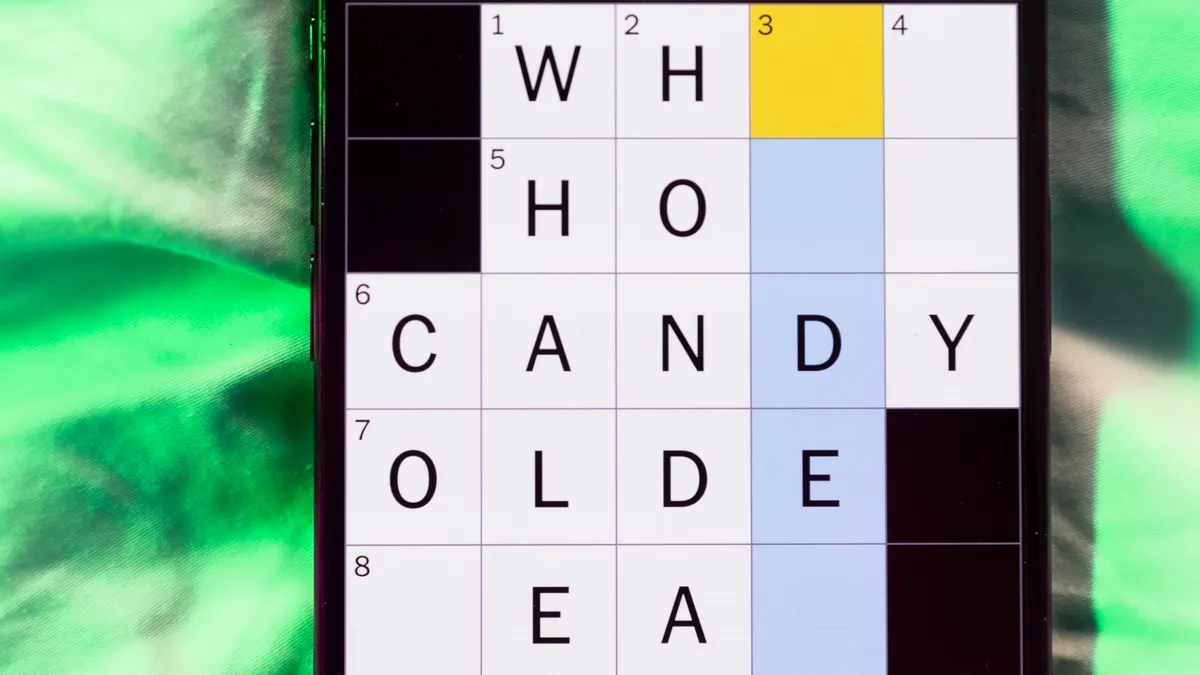
completed-nyt-mini-crossword-puzzle-for-april-11-2026.png

The completed NYT Mini Crossword puzzle for April 11, 2026.

Advertisement

NYT/Screenshot by CNET

Mini across clues and answers

1A clue: N.B.A. team that plays at M.S.G.
Answer: KNICKS

7A clue: Guy with a nerdy, passionate interest
Answer: FANBOY

8A clue: Rudely merges
Answer: CUTSIN

Advertisement

9A clue: Standard number of bowling pins
Answer: TEN

10A clue: Inflated sense of one’s own importance
Answer: BIGEGO

13A clue: Arrived via airplane
Answer: FLEWIN

14A clue: History-making achievements, perhaps
Answer: FIRSTS

Advertisement

Mini down clues and answers

1D clue: Colonel Sanders’s fast-food chain
Answer: KFC

2D clue: Spiral-shelled mollusks
Answer: NAUTILI

3D clue: 1, 2 or 3, but not 1.23
Answer: INTEGER

4D clue: “60 Minutes” producer
Answer: CBSNEWS

Advertisement

5D clue: Colorful pond fish
Answer: KOI

6D clue: Thesaurus listing: Abbr.
Answer: SYN

10D clue: Closest pal, for short
Answer: BFF

11D clue: “Go on, ___!” (“Scram!”)
Answer: GIT

Advertisement

12D clue: Opposite of offs
Answer: ONS

Source link

Advertisement
Continue Reading

Tech

iPhone Fold, MacBook Neo, and iPhones in Space, on the AppleInsider Podcast

Published

on

There is a huge amount to say about the latest iPhone Fold rumors, and a lesson for Apple in how the MacBook Neo could even be too successful, on the AppleInsider Podcast.

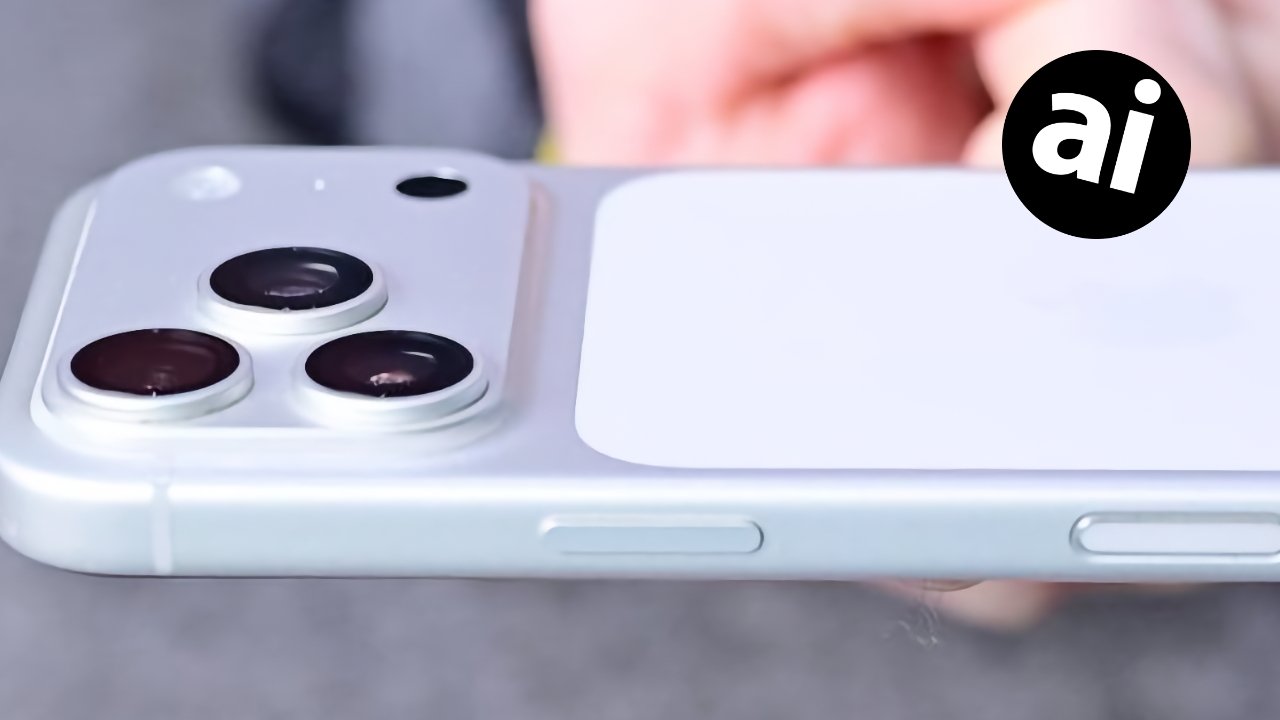
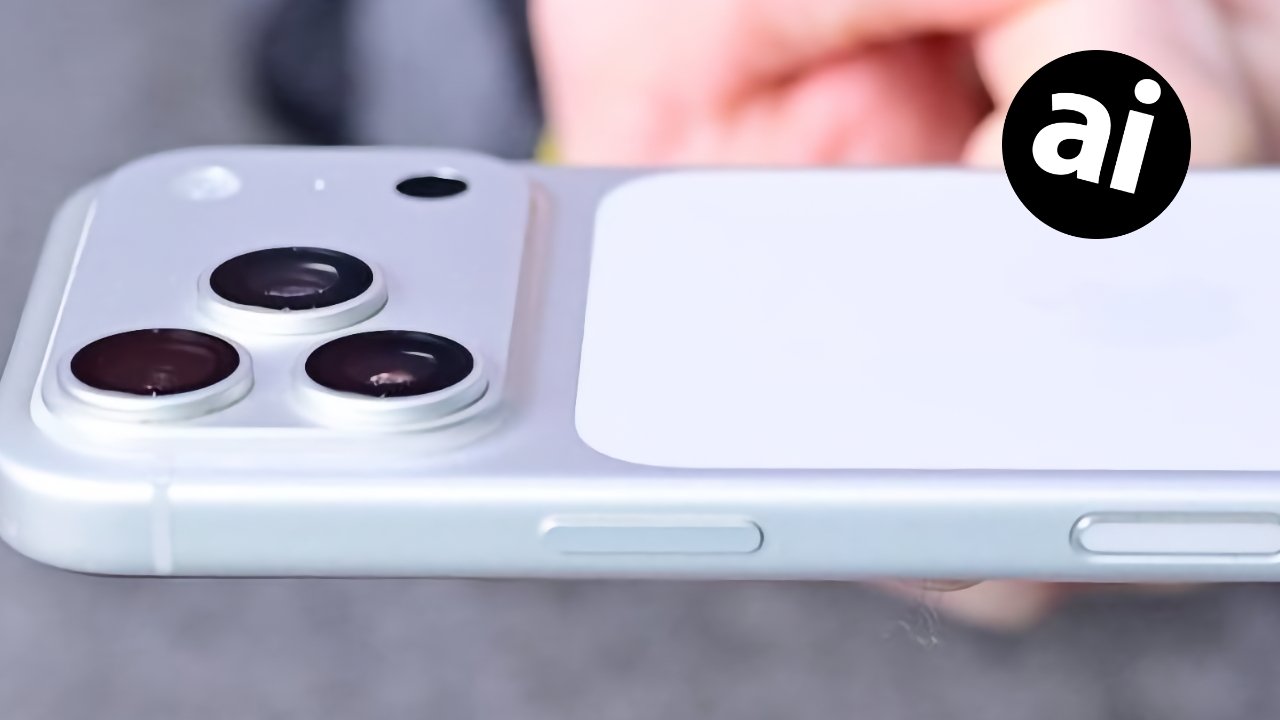
Close-up of a silver smartphone's rear, highlighting three raised camera lenses, flash, and buttons along the side, held in a hand with blurred background and ai logo overlay
Even on Earth, iPhones are so light they feel as if they could float

After months or even really years of rumors and expectations over the iPhone Fold, it really does look as if one is coming. There’s still the issue of when, as conflicting reports are arguing over a range of dates, but they all agree it’s coming.
Not all of them can agree on why, though. If only to save you unnecessarily buying the single most expensive iPhone ever conceived, we’ve got reasons why you should and shouldn’t buy it. And we’ve got reasons why it will probably be worth waiting.
Continue Reading on AppleInsider | Discuss on our Forums

Source link

Continue Reading

Tech

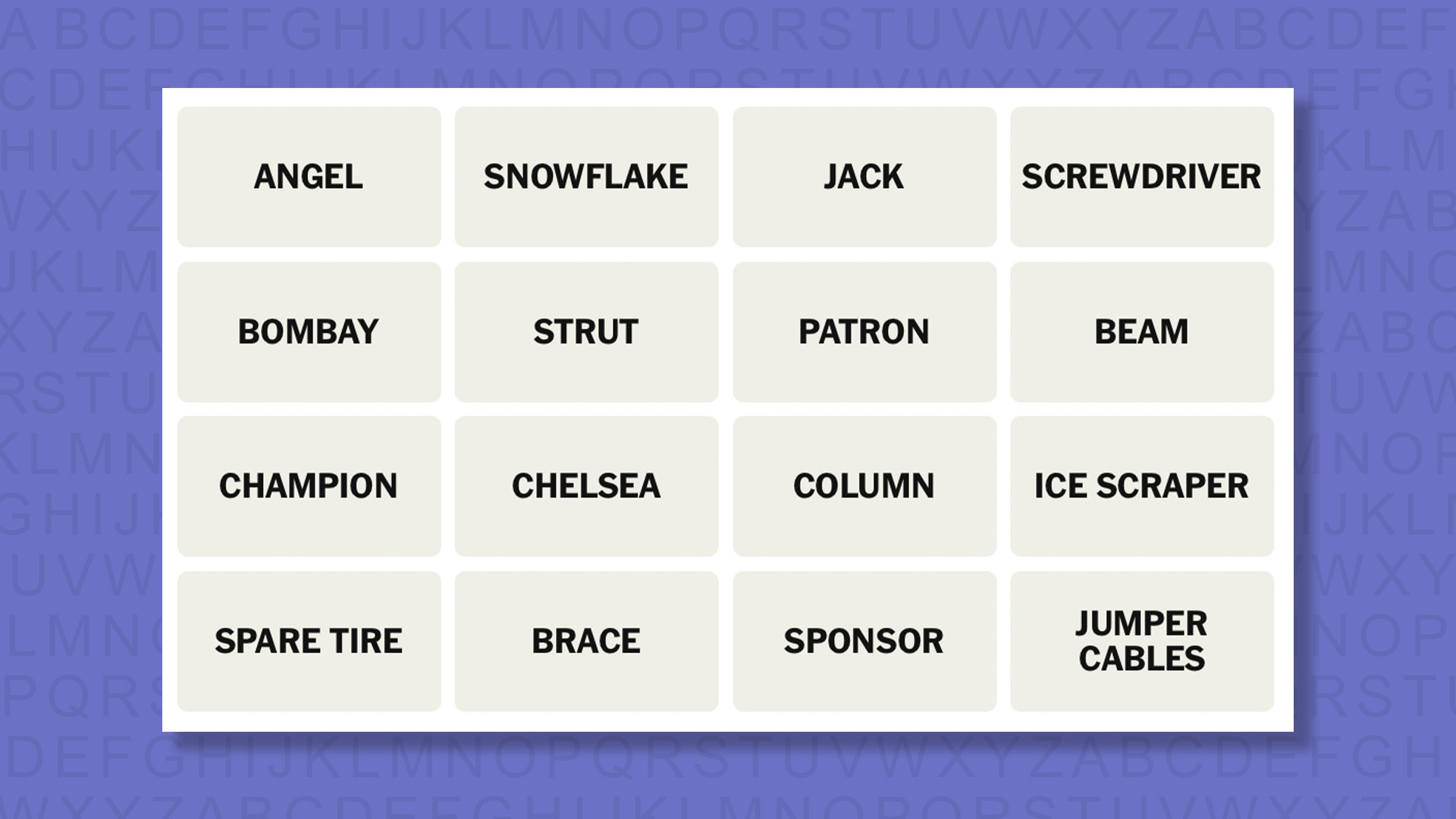
NYT Connections hints and answers for Saturday, April 11 (game #1035)

Published

on

Looking for a different day?

A new NYT Connections puzzle appears at midnight each day for your time zone – which means that some people are always playing ‘today’s game’ while others are playing ‘yesterday’s’. If you’re looking for Friday’s puzzle instead then click here: NYT Connections hints and answers for Friday, April 10 (game #1034).

Good morning! Let’s play Connections, the NYT’s clever word game that challenges you to group answers in various categories. It can be tough, so read on if you need Connections hints.

Advertisement

Source link

Advertisement
Continue Reading

Tech

NASA Artemis II splashes down in Pacific Ocean in ‘perfect’ landing for Moon mission

Published

on

After 10 days, the four astronauts aboard the Orion spacecraft have returned to Earth, their mission around the Moon a success.

Integrity, the name of the crew’s spacecraft as part of NASA’s Artemis II mission, splashed down in the Pacific Ocean off the coast of San Diego, California, at 5:07 p.m. Pacific Time, according to NASA. The four crew members aboard — three Americans and one Canadian — were all in “green” (or safe and healthy) condition after the Orion craft’s “perfect” landing.

The crew was composed of Commander Reid Wiseman, pilot Victor Glover, and mission specialists Christina Koch and Jeremy Hansen. From liftoff to splashdown, the quartet was in space for just over nine days (with NASA rounding up and calling it a 10-day mission).

Advertisement

Artemis II was NASA’s first mission to the Moon’s orbit in more than 50 years. The crew traveled farther from Earth than humans ever have before — reaching an estimated 252,760 miles from our planet. During their journey, the crew orbited the Moon, taking photos from their flyby of never-before-seen parts of the surface, and even witnessing a total solar eclipse. They identified new craters, naming one after Wiseman’s wife Carroll, who died of cancer in 2020.

“These were the ambassadors to the stars that we sent out there,” Jared Isaacman, NASA’s administrator, said after the landing. “I can’t imagine a better crew. It was a perfect mission.”

Isaacman, a commercial astronaut who has been on two private orbital missions, also took to X to celebrate the mission and signaled there would be more to come, noting that America is back in the business.

“America is back in the business of sending astronauts to the Moon and bringing them home safely,” he wrote on X, later giving credit to the entire NASA workforce. “This was a test mission, the first crewed flight of SLS and Orion, pushing farther into the unforgiving environment of space than ever before, and it carried real risk. They accepted that risk for all we stood to learn and for the exciting missions that follow, as we return to the lunar surface, build a Moon base, and prepare for what comes next.”

Advertisement

Techcrunch event

San Francisco, CA
|
October 13-15, 2026

Advertisement

Source link

Continue Reading

Trending

Copyright © 2025