
Tech
Apple at 50: John Sculley, Apple's most maligned CEO

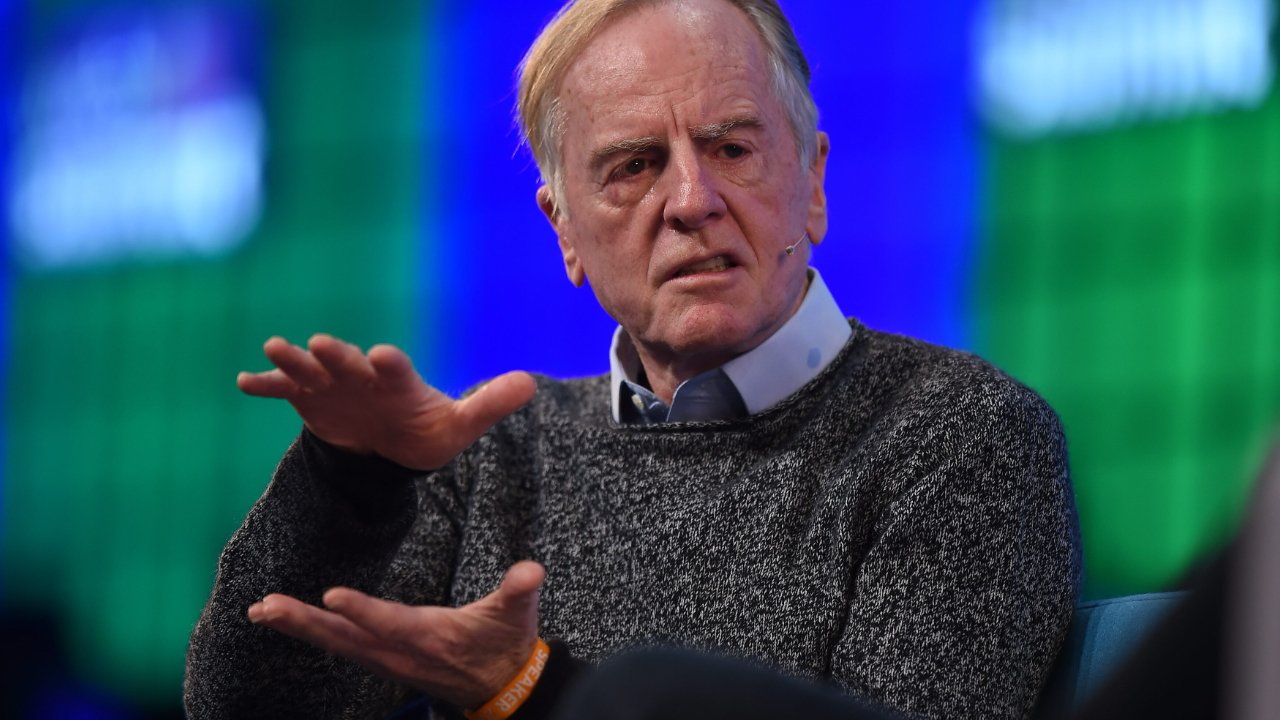
John Sculley’s ten years as Apple CEO saw huge financial growth and innovative ideas like the Newton — but also a financial crash and the ousting of Steve Jobs.
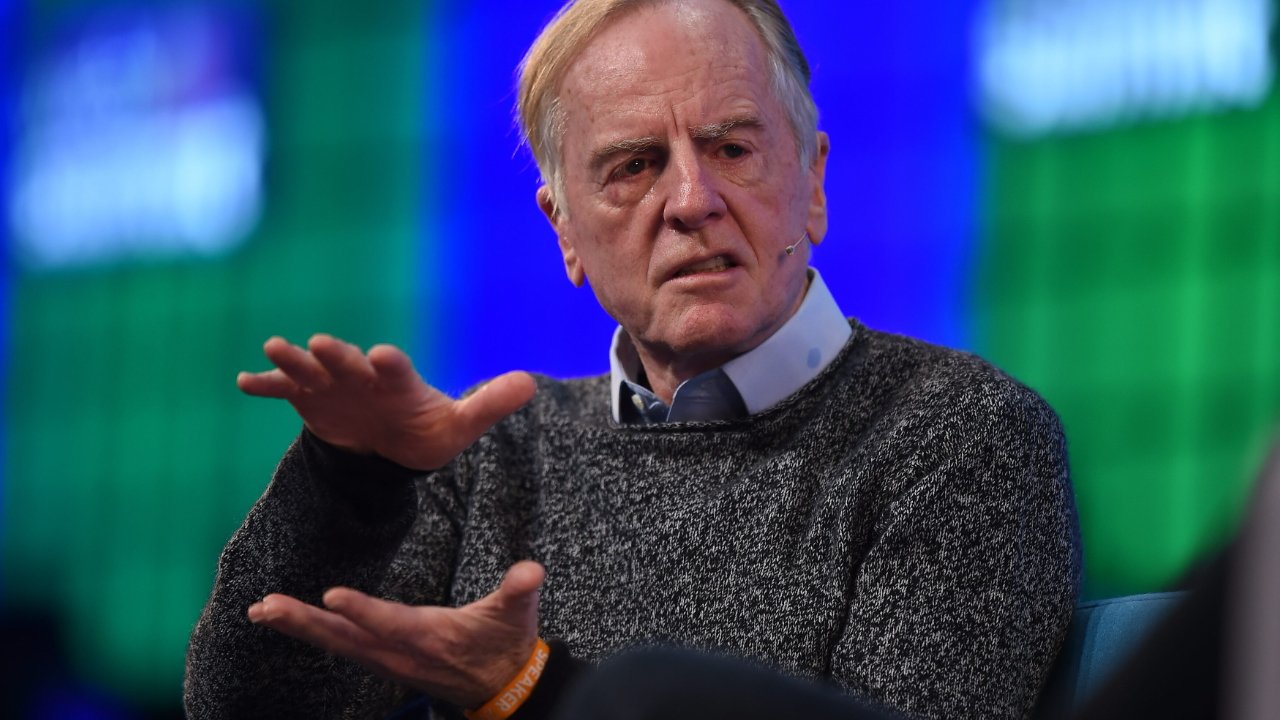
If you can just stick around long enough, your reputation is likely to change. Today it’s common to see ex-Apple CEO John Sculley praised, or at least described as having been unfairly treated by history.
There are reasons to back that up, most specifically to do with how he didn’t actually fire Steve Jobs as years of rumors would have it. That’s a little bit hair-splitting, though, because the situation between the two men had deteriorated so badly, but it is true.
Continue Reading on AppleInsider | Discuss on our Forums



The chess program Stockfish can crush Norwegian chess grandmaster Magnus Carlsen, who is largely considered the greatest player in history. However, it cannot replace him. These super-strong platforms have reshaped elite play and preparation, so top humans now use a combination of engines, surprise, and psychology to keep classical chess…
Read Entire Article
Source link
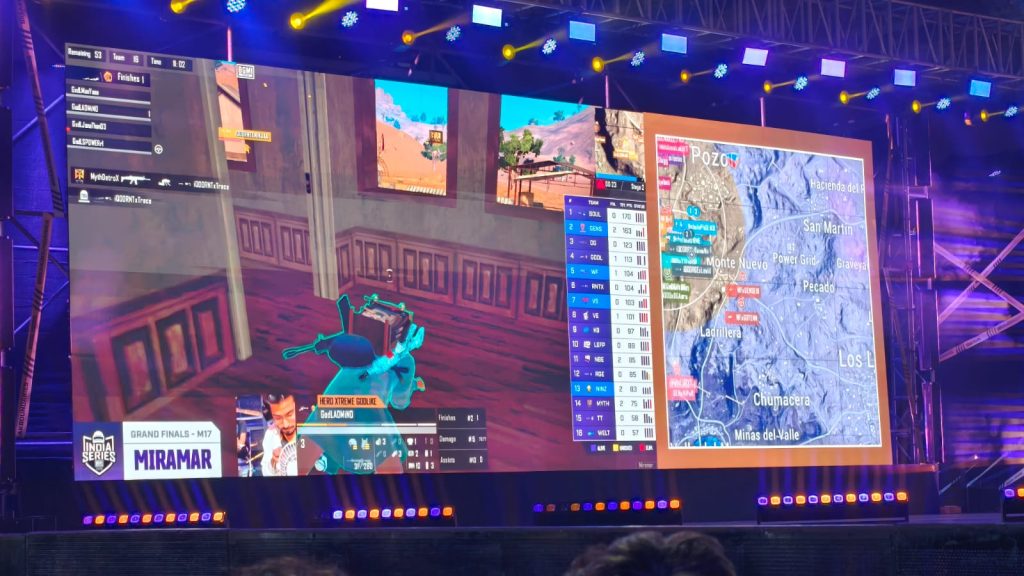
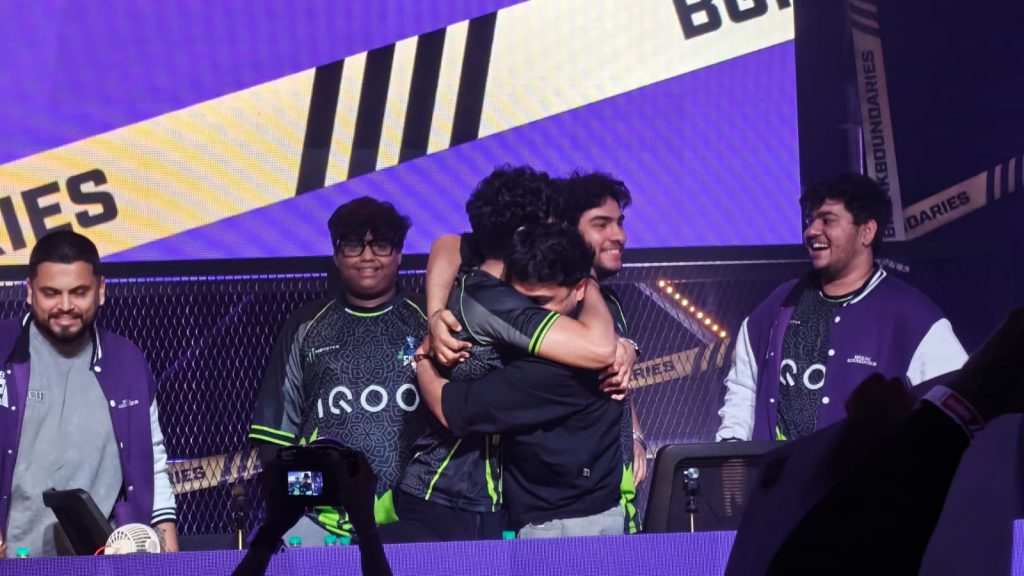
We’ve just witnessed a stellar BGIS Grand Finals tournament, filled with ups and downs for many teams. Still, in the end, it came down to just two teams: Soul and Genesis. As you may have guessed from the title, it was Soul who clinched the title, but that wasn’t without a twist. Soul had a horrible last match, which meant all hopes rested on Genesis, who also messed up and ended second. OG completed the podium, but if you missed the action, here’s everything that happened on day 3 of the BGIS Grand Finals.
Match 13 & 14: Fast Starts, Wild Zones, and a Genesis Miracle
The first Rondo match started in typical fashion—absolute chaos. Teams like Soul, Genesis, RNTX, and NINZ lost most of their players early, though recalls helped them return to the game. Nebula came out swinging with over five kills right after the first zone. MYTH and GodLike also had strong starts. The first team to go was VS, who were taken out by OG in a bold play. Tamilas and RGE followed soon after. At the end, OG, VS, and Soul remained, and the big win came for OG.
The second match had its own madness. MYTH was eliminated without even getting a weapon, and RGE were also sent packing early. The zone played tricks again, leaving Genesis with just one player after the second circle. Soul went on a rampage, chasing down OG and finishing three players in minutes. GodLike gambled on a military base zone, but it shifted back to the mainland, forcing them into a risky rotation where they got ambushed. In the final circle, four teams remained, including Soul. But then came the unthinkable—Genesis’ last surviving player, hiding inside a burnt loot truck, clutched the match and stole the win.
Match 15 & 16: Tournament Wide Open
NIMZ had a shocker in the next game, getting eliminated early by Nebula. Genesis also had a rare bad game, finishing second out with zero points. GodLike’s struggles continued as K9 took them out, leaving Soul as the only consistent team among the top contenders. And Soul? They looked unstoppable. They wiped K9, rolled over OG, and even took down VS without breaking a sweat. At this point, it genuinely felt like the tournament was theirs. But just when the hype train was at full speed, Reckoning Esports stopped Soul in their tracks and took the match.
The last Erangel match started with a shocker—Soul lost two players early to WELT and were eventually eliminated by them. Suddenly, the tournament was wide open. WELT didn’t last long either, getting third-partyed by MYTH, who were then wiped by GodLike.Nebula joined the same fight and eliminated GodLike, too, meaning two of the top teams were gone before the first circle even closed. Genesis and OG had a golden opportunity to capitalize. Reckoning was taken out by NIMZ, while a messy Gatka fight saw multiple teams fall. OG couldn’t convert their chance and finished 8th. In the final moments, it came down to Genesis vs RNTX—and Genesis secured another chicken dinner, keeping the title race alive.
Match 17 & 18: Soul Clutch the Championship
The Miramar match started with a hard east zone shift, cutting the playable area in half. WF were the first team to fall, followed by Genesis’s shocking early exit. Then came another twist—WELT took down Soul, meaning both top teams were out without significant points. OG, who were sitting in third, were also eliminated early. This match turned into an opportunity for the bottom teams to step up. Nebula looked dominant with over 10 kills, but was eventually taken out by K9. The final fight came down to K9, MYTH, and LEFP, with K9 closing it out for the chicken dinner.
The final match had everything riding on it, with just a 9-point gap between the top two teams. The zone shifted hard towards La Cobreria, and Soul lost a player early, forcing them to rethink their approach. LFP was the first team eliminated, while GodLike once again made a costly mistake, continuing their rough Day 3. Soul’s Joker was knocked early, and Genesis was slowly closing the gap. But in the end, despite being eliminated early, Soul had already done enough—and Genesis couldn’t capitalize. For the full standings, click here.
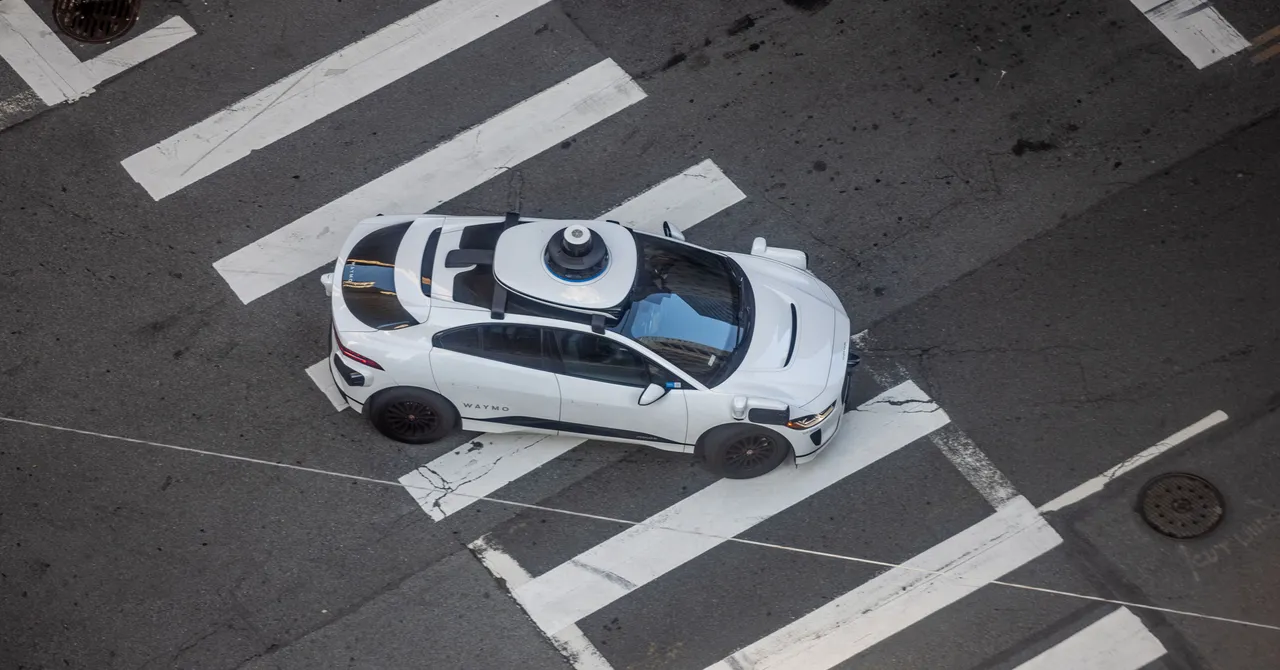
One of the purported advantages of self-driving car tech is that every car can learn from one vehicle’s mistakes. Here’s how Waymo puts it on its website: “The Waymo Driver learns from the collective experiences gathered across our fleet, including previous hardware generations.”
But in Austin, Waymo’s vehicles struggled for months to learn how to stop for school buses as drivers picked up and dropped off children. An official with the Austin Independent School District (AISD) alleged that the vehicles had, in at least 19 instances, “illegally and dangerously” passed the district’s school buses while their red lights were flashing and their stop arms were extended rather than coming to complete stops, as the law requires.
In early December, Waymo even issued a federal recall related to the incidents, acknowledging at least 12 of them to federal regulators at the National Highway Traffic Safety Administration (NHTSA), which oversees road safety. According to federal filings, engineers with the self-driving vehicle company had “developed software changes to address the behavior” weeks before.
But even after the recall, the school-bus-passing incidents continued, according to school officials and a report from the National Transportation Safety Board (NTSB), an independent federal safety watchdog that’s also investigating the situation.
Now, email and text messages between school officials and Waymo representatives, obtained by WIRED through a public records request, show the lengths that the Austin public school district and Waymo went to try to solve the problem. AISD even hosted a half-day “data collection” event in a school parking lot in mid-December, the documents show, with several employees pulling together school buses and stop-arm signals from across the fleet so the self-driving car company could collect information related to vehicles and their flashing lights.
Still, by mid-January, over a month later, the school district reported at least four more school-bus-passing incidents had taken place in Austin. “The data we collected from the beginning of the school year to the end of the semester shows that about 98 percent of people that receive one violation do not receive another,” an official with the school’s police department told the local NBC affiliate that month. “That tells us that the person is learning, but it does not appear the Waymo automated driver system is learning through its software updates, its recall, what have you, because we are still having violations.”
The situation raises questions about the self-driving technologies’ curious blind spots and the industry’s ability to compensate for them even after they’ve been spotted.
Self-driving software has long struggled with recognizing flashing emergency lights and road safety devices with long, thin arms, including gates and stop-arms, says Missy Cummings, who researches autonomous vehicles at George Mason University and served as a safety adviser to the NHTSA during the Biden administration. “If [the company] didn’t fix this a few years ago, the more they drive, the more it’s going to be a problem,” she says. “That’s exactly what’s happening here.”
Waymo did not respond to WIRED’s requests for comment. A spokesperson for the Austin Independent School District referred WIRED to the NTSB while the incidents are under investigation. A spokesperson for the NTSB declined to answer WIRED’s questions while its investigation continues.
Illegal Passing
By midwinter of 2025, AISD officials were frustrated. In one of the 19 incidents alleged by a lawyer for the district in a letter later released by federal road safety regulators, a Waymo passed a school bus letting off children “only moments after a student crossed in front of the vehicle, and while the student was still in the road.”
“Alarmingly,” the lawyer wrote, five of the alleged incidents had occurred after Waymo had assured the district that it had updated its software to fix the problem. Federal regulators with the NHTSA had already launched a probe into the behavior. “Austin ISD is evaluating all potential legal remedies at its disposal and intends to take whatever action is necessary to protect the safety of its students, if required,” the lawyer warned.
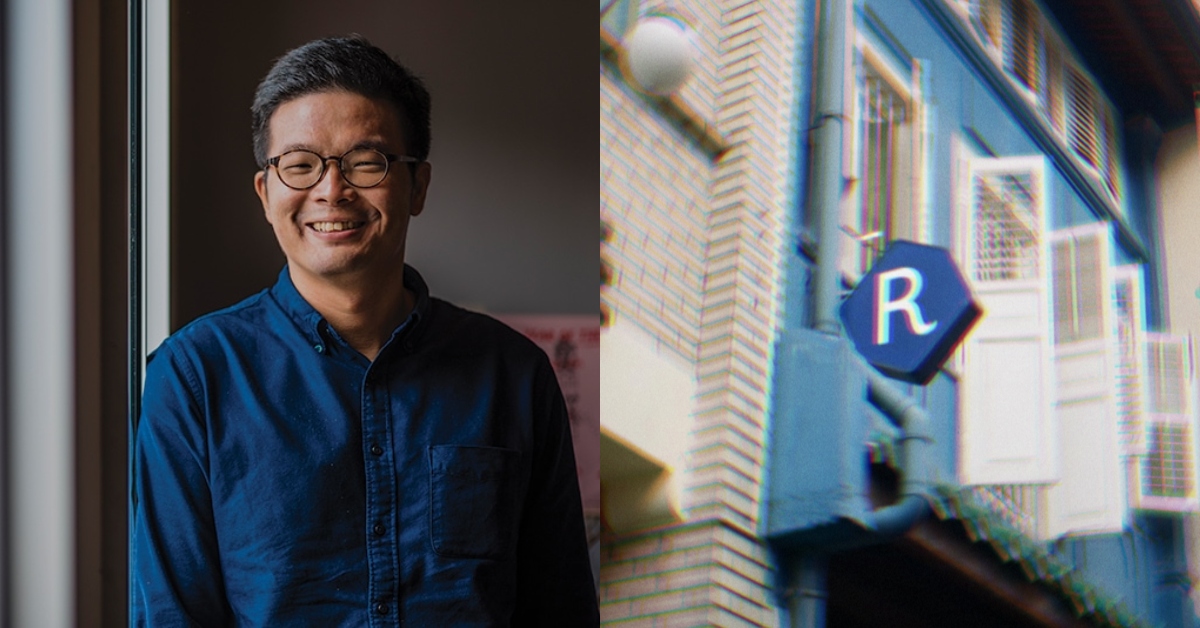
Co-founder Mark Tan had initially considered shutting down the site
Homegrown digital publication RICE Media has been acquired by Hustle Studios, the content agency arm of creative academy Hustle Singapore.
According to an announcement made on RICE Media’s website, the acquisition marks a new chapter for the publication, bringing together its editorial voice and audience community with Hustle’s expertise in creative training, facilitation, and industry programmes.
The deal formalises a long-standing partnership between the two organisations, which have previously collaborated on initiatives aimed at developing creative skills for Singapore audiences.
Under Hustle Studios, RICE is expected to expand beyond publishing into workshops, community programmes, and other experiences that engage readers in more interactive and participatory ways.
Financial terms of the deal were not disclosed.
RICE Media was founded in 2016
Founded in 2016 by former lawyer Mark Tan and Julian Wong, RICE Media billed itself as an independent publication that offered an unfiltered take on Singapore and Asia. It became known for its long-form stories and commentaries on Singapore’s news and culture.
“We started RICE because we believed Singaporeans deserved honest, thoughtful storytelling about their own lives,” said Mark Tan, outgoing founder and CEO. “I think we’ve largely accomplished that mission.”
Co-founder Wong added that the acquisition aligns with the publication’s long-term vision. “We’ve built more than just content… we’ve built a community. Hustle shares that vision, and we’re confident they’re the right partners to help RICE evolve,” he said.
Tan said he had initially considered shutting down the site but ultimately decided the publication still had a role to play. “The transaction and the money coming in would allow me to settle most of the liabilities and also pay people a severance package, so I think it’s really the most responsible thing for me to do,” he said.
The goal is not merely to maintain what RICE has been, but to “grow into what its community has been asking for.” During this transitional phase, Tan and Wong will remain involved in an advisory capacity, while RICE continues to publish content for its audience.
Further announcements about new programming and community initiatives will follow in the coming months.
Featured Image Credit: RICE Media/ High Net Worth
Tech
Microsoft VP’s memoir of growing up in India makes unexpected case for what matters in the age of AI
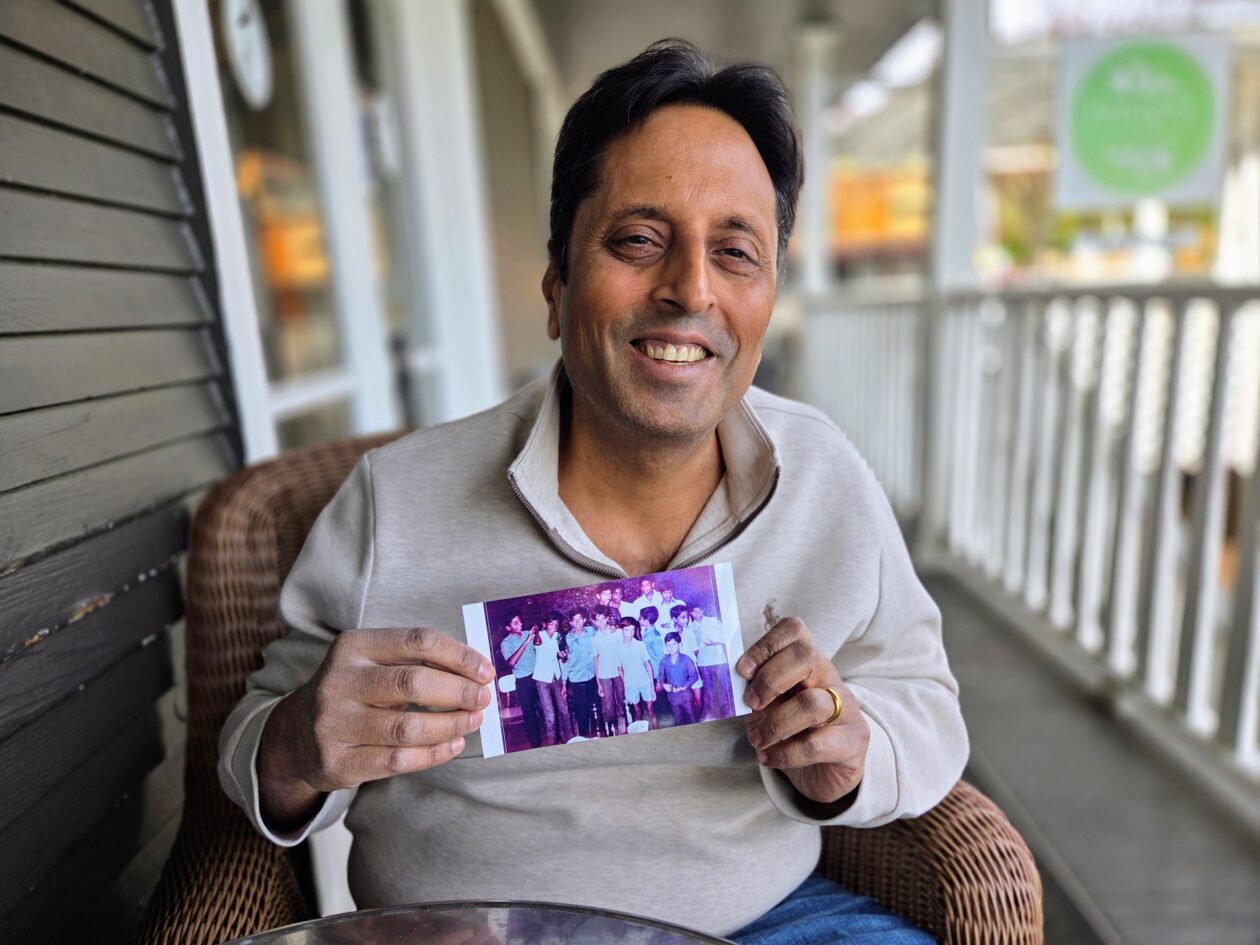

One of Ravi Vedula‘s strongest memories from childhood is seeing his name in the Deccan Chronicle. He and his friends in a government housing colony in Hyderabad, India, had been solving the Sunday Jumble puzzle in the newspaper every week, mailing in postcards with their answers, and he’d finally been chosen as the winner.
The reward was 25 rupees. They used the money to buy a set of cricket wickets, a prized possession shared by kids who had very little and came together to make the most of it.
Vedula is now a corporate vice president at Microsoft, a 25-year veteran of the company, leading the data and insights organization behind Microsoft 365 and Copilot as the software giant and the rest of the tech world charge all-out into the fast-paced world of AI.
His new book, “Hyderabad Days: The code we lived by before we coded,” is filled with vignettes from a different place and time. But the lessons in humanity are more relevant than ever.
“This book isn’t about the past,” Vedula said over coffee in Seattle on Friday afternoon. “It’s about the value system that we carry forward into the future.”
Writing to remember
Vedula leads IDEAS (Insights, Data Engineering, Analytics, and Systems) the Microsoft organization that manages data and analytics across the Experiences and Devices division, covering Microsoft 365, Copilot, Office, Windows, and Microsoft security initiatives. Before that, he was the first engineering manager for Microsoft Exchange Online.
He is also a heart transplant recipient. He had been living with heart failure since 2001, telling almost nobody at work. By 2015, he was hospitalized, and used a mechanical heart assist device for 18 months while waiting for a donor. He received the transplant in January 2017.

Vedula wrote much of what would become “Hyderabad Days” on medical leave. He wasn’t working on a book at the time. He was just getting everything down, unsure about his future.
The book is filled with scenes from colony life. On Sunday mornings, three generations of his family crowded around the TV set to watch Mahabharata, a mythological show that was popular across India in the late 1980s. He and his friends played cricket with a ball bought from everyone’s pooled pocket change. His mother cooked for a house full of family and guests and never sat down to eat with them, scraping her meal together from what was left in the pan.
Each chapter is followed by a postscript connecting the memory to a lesson about leadership, engineering, or life. The device was inspired by “The Wonder Years,” the TV show where an adult narrator caps each episode by reflecting on the meaning of childhood events.
In one postscript, Vedula recalls how a fishing trawler cut an undersea cable and took down Microsoft’s Dublin data center while he was managing Exchange Online. Everyone panicked. He thought of Parimal, his colony cricket captain, who never lost his cool. He wasn’t the best player on the team, but he kept everyone on track when things fell apart.
“My education in computer science did not prepare me for this moment,” Vedula said last week. “Did I miss the class about fishing trawlers?”
He told himself he didn’t need to know everything. He needed to be level-headed and help his team through the process, just like Parimal had always done on the cricket pitch.
The AI disclosure
A note in the preface says “the telling has been shaped with the assistance of AI,” which initially made me question which passages were Vedula’s and which weren’t as I read, wondering if some parts seemed a little too polished. But in our conversation on the side porch of a Fremont coffee shop, I quickly realized that Vedula’s voice in person was the same as in the book.
He explained that he used Microsoft 365 Copilot primarily for proofreading and formatting, and as what he called a “thought partner,” interrogating each chapter for weaknesses.
In one case, the AI helped him come up with a parallel to make pesarattu, a traditional Hyderabad breakfast, relatable to Western readers in terms of the memories and feelings it evoked. The suggestion was pancakes and eggs, and after running the comparison by a few people to be sure, he went with it.
He hired human proofreaders, one in the U.S. and another in India, and worked with Greg Shaw, the editor of 8080 Books, who co-authored Microsoft CEO Satya Nadella’s “Hit Refresh.”
But the stories and the words are clearly Vedula’s from start to finish.
“I was very adamant that my voice was preserved,” he confirmed.
The disclosure in the preface, and my reaction to it as a reader, raised a question worth considering as AI-assisted writing becomes more common: can a well-intentioned acknowledgment undermine the perception of the work more than the use of AI warrants?
The boys from the colony
During our conversation, Vedula pulled a photograph from his bag, taken more than 40 years ago in the colony, and pointed out the boys. One is now a high-ranking executive at Barry Callebaut chocolates, who was previously with Coca-Cola. Another is a vice president at Rivian. Another runs a company in India. Another is an accomplished anesthesiologist.
They’ve all been reading the book. In their WhatsApp group, they’ve been debating why Vedula left out certain stories, and why he acts like he was the only one with a crush on a certain Bollywood actress, just as they might have debated the batting order as kids on the pitch.
“In some sense, we grew up with nothing,” Vedula said. “But it really was everything.”
“Hyderabad Days: The code we lived by before we coded,” by Ravi Vedula, published by Microsoft’s 8080 Books, will be out March 31. It’s available for preorder now.
Every co-founder Elon Musk recruited to build xAI has now reportedly left the company. Manuel Kroiss, who led the pretraining team, told people this month that he was departing. Ross Nordeen, described by Business Insider as Musk’s “right-hand operator,” left on Friday. They were the last two of eleven co-founders, all of whom have exited a company that was valued at $250 billion when SpaceX acquired it in February and that Musk himself described two weeks ago as having been “not built right the first time around.”
The departures are not ordinary startup attrition. The researchers Musk assembled in 2023 were among the most accomplished in artificial intelligence. Jimmy Ba co-authored the 2014 Adam optimisation paper, the most-cited paper in AI with more than 95,000 citations. Igor Babuschkin, the chief engineer, came from Google DeepMind. Christian Szegedy came from Google. Tony Wu led the reasoning team. Greg Yang, Toby Pohlen, Zihang Dai, Guodong Zhang, and Kyle Kosic brought experience from DeepMind, Google, Microsoft, and OpenAI. That entire cohort is now gone, and the company they helped build is being, in Musk’s words, “rebuilt from the foundations up.”
A timeline of unravelling
The exodus accelerated sharply in early 2026. Christian Szegedy left in February 2025, an early signal. But the cascade began in earnest when Tony Wu, one of the most operationally central co-founders, announced his departure on February 10, 2026. Jimmy Ba resigned within 24 hours, reportedly amid tensions over demands to improve model performance. By mid-March, only Kroiss and Nordeen remained. Their departures this week complete the sweep.
The timing is difficult to separate from the corporate restructuring happening around xAI. On February 2, SpaceX acquired xAI in an all-stock transaction that valued SpaceX at $1 trillion and xAI at $250 billion, creating a combined entity worth $1.25 trillion, the largest corporate merger by valuation in history. The deal brought xAI, X (formerly Twitter), and SpaceX under a single corporate umbrella, with SpaceX now preparing for a potential IPO in mid-2026 that could target a $1.75 trillion valuation.

The 💜 of EU tech
The latest rumblings from the EU tech scene, a story from our wise ol’ founder Boris, and some questionable AI art. It’s free, every week, in your inbox. Sign up now!
Weeks earlier, in January, Tesla invested $2 billion in xAI’s Series E round at an approximate $230 billion valuation. Tesla shareholders are suing Musk for breach of fiduciary duty over the investment, arguing that the company’s chief executive effectively directed shareholder capital into his own private venture. The lawsuit gained additional force on March 13, when Musk publicly acknowledged that xAI’s products, particularly its coding tools, were not competitive with Anthropic’s Claude Code or OpenAI’s Codex. Tesla had invested $2 billion in a company whose founder admitted it needed to be rebuilt from scratch.
What “not built right” means at $250 billion
Musk’s admission on March 13 was unusually candid for a chief executive whose company had just been acquired for a quarter of a trillion dollars. He said xAI’s AI coding tools simply did not work, and that the underlying system needed to be rebuilt. The statement appeared to validate the co-founders’ decision to leave: if the company’s own leadership acknowledges that the product failed, the researchers who built it have limited incentive to stay for the rebuild, particularly when they can command extraordinary compensation at competitors.
The AI talent market in 2026 is the most competitive it has ever been. Meta has reportedly offered packages worth up to $300 million over four years to retain top AI researchers. OpenAI, Google DeepMind, and Anthropic are all expanding their research teams aggressively. The eleven researchers who left xAI represent a concentration of talent that any of those companies would pay handsomely to acquire. Where they end up will say as much about the industry’s future direction as their departure says about xAI’s past.
xAI is not without assets. The Colossus supercomputer, built with more than 200,000 NVIDIA H100 GPUs, remains one of the largest AI training clusters in the world. Grok, the company’s chatbot, has a distribution channel through X’s user base. And the SpaceX merger provides access to capital, infrastructure, and engineering talent at a scale that few AI companies can match. The question is whether infrastructure and distribution are sufficient when the research leadership that was supposed to make the product competitive has entirely departed.
The pattern
The xAI co-founder exodus follows a pattern that has repeated across Musk’s companies. Twitter lost the majority of its senior leadership and roughly 80 per cent of its workforce within months of his 2022 acquisition. Tesla’s senior ranks have thinned steadily as Musk’s attention has divided across six companies. The common thread is a management style that produces extraordinary results in hardware engineering, where Musk’s tolerance for risk and pace of iteration have built SpaceX and Tesla into industry-defining companies, but appears less effective in research-driven fields where the most valuable people have abundant alternatives and low tolerance for instability.
Artificial intelligence research is, in 2026, the most competitive labour market in technology. The researchers who co-founded xAI did not need to be there. They chose to be, attracted by the resources Musk could deploy and the ambition of the project. That every one of them has now chosen to leave, during a period when the company received a $250 billion valuation and access to the resources of SpaceX, suggests that the problems at xAI are not principally financial or infrastructural. They are organisational. And no amount of capital can rebuild a research culture once the people who created it have gone.
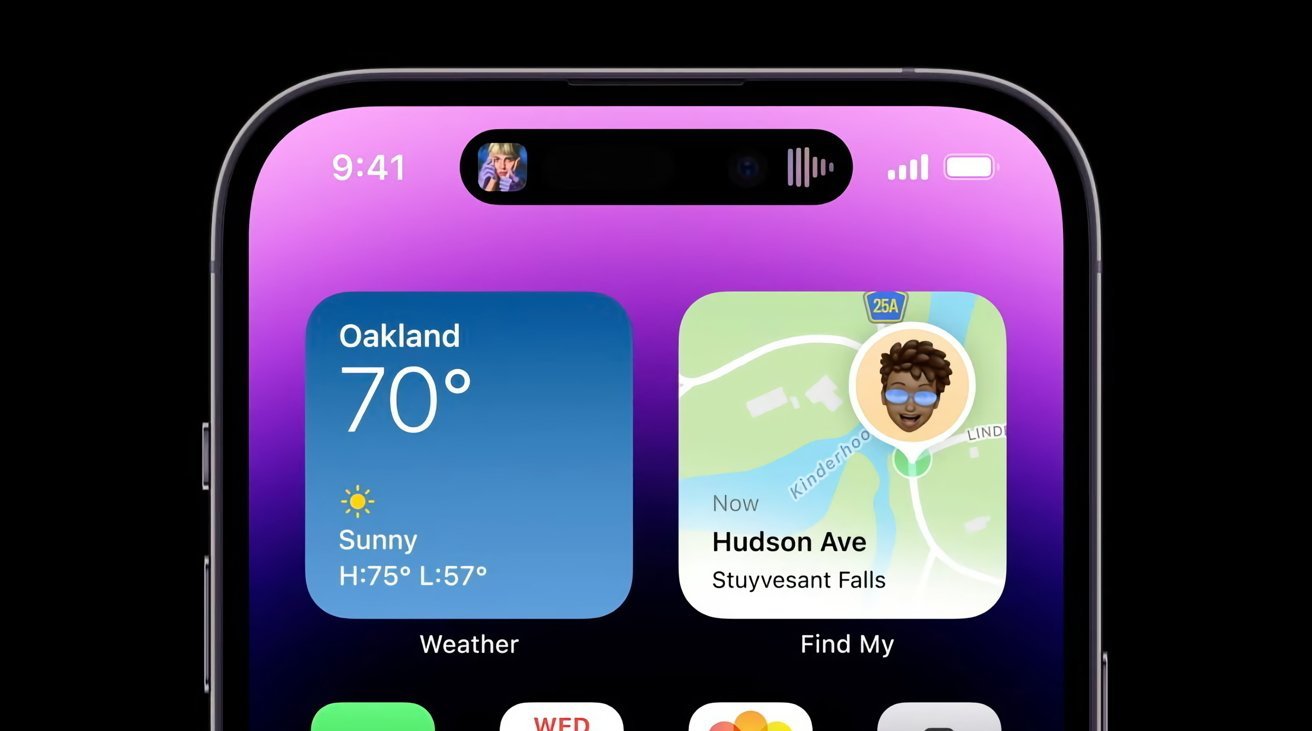
It could be wishful thinking, but a tiny new leak appears to suggest that Apple will shrink the Dynamic Island on every iPhone 18.
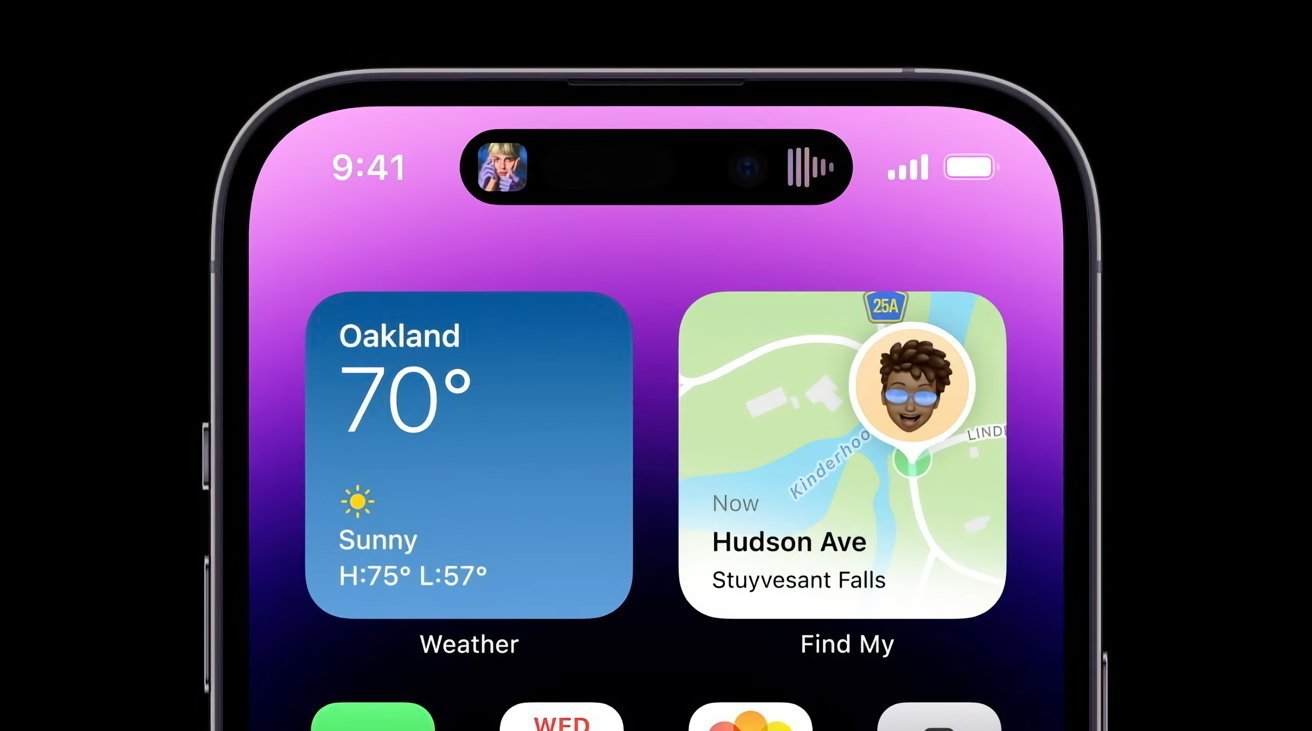
The Dynamic Island is Apple’s way of making a virtue out of the necessary Face ID and camera notch
Since the very day the iPhone X was launched with its Face ID notch, there have been rumors that Apple will switch to an all-screen display with no visible cutouts. The company is surely working toward this, but the most recent claims have focused on how it might reduce the current Dynamic Island.
Now according to leaker Ice Universe, that smaller Dynamic Island is definitely coming to the iPhone 18.
Continue Reading on AppleInsider | Discuss on our Forums
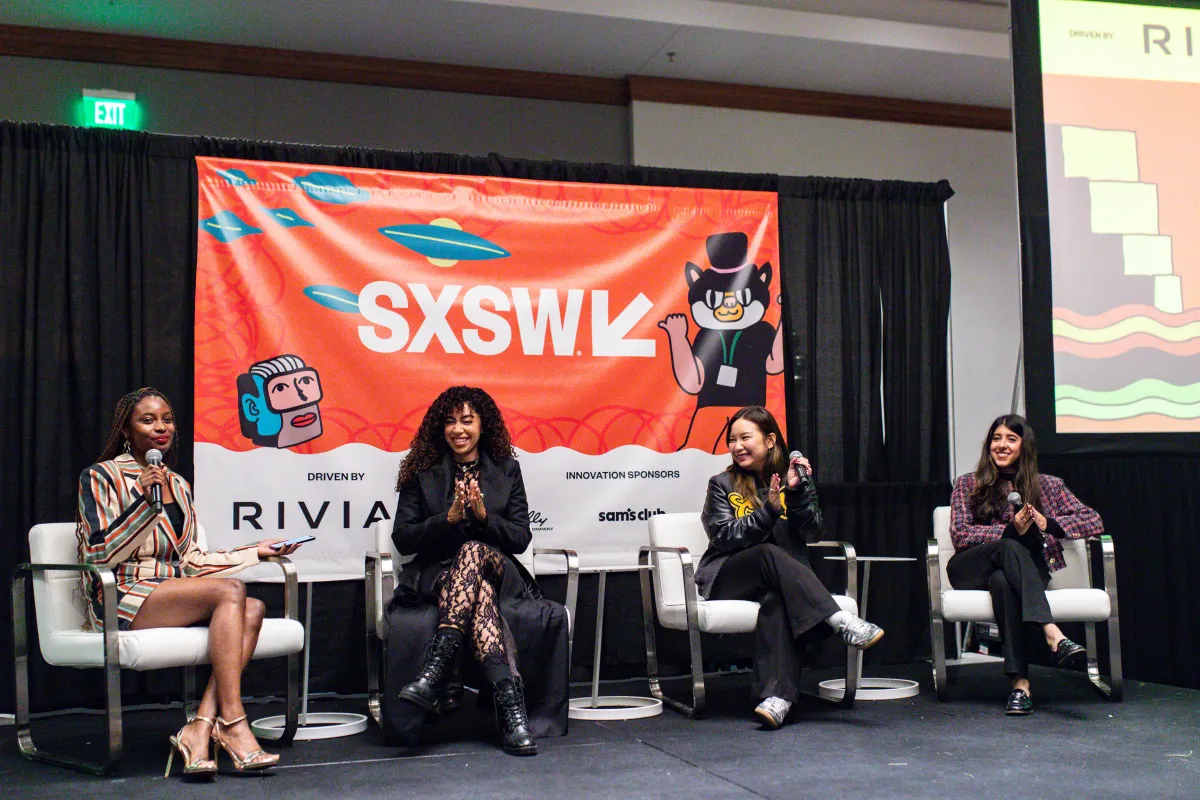
The air felt different at this year’s SXSW, the annual March festival where tech meets pop culture in Austin. I was reminded of the 2019 SXSW when people packed downtown, and snake lines formed out of local ventures.
Attendees said it was like that again this year, though my friend, who lives in the area and has attended many times, admitted that some stuff has changed. For instance the festival is now two days shorter than it used to be. It was also “decentralized,” mainly due to the demolition of the Austin Convention Center, which scattered events and panels throughout downtown venues. That made the whole conference feel less overwhelming but also less connected.
The event is also still recovering from the pandemic, during which it laid off staff and went two years without much income. It’s switched hands since then and, as of this year, has adopted a new strategy.
Greg Rosenbaum, the SVP of programming at SXSW, said this year, the conference’s 40th anniversary, was its most “ambitious reinvention” yet. He cited changes like the new Clubhouses, for recharging, networking, and special programming, that attracted 5,000 people daily. He noted how attendees were experiencing “more of Austin and the downtown community.”
For at least the tech founders I spoke with, the conference remains immensely valuable, and everyone had the same advice: conferences like these, you get what you give.
After all, there were people to meet and panels to speak on. The Grammy-nominated Lola Young performed, Vox threw a hot party, the new Boots Riley film premiered, while Serena Williams and Steven Spielberg had keynotes. (I also moderated a panel about AI and taboo topics like relationships and money, which was pretty good if you ask me.)
Ashley Tryner-Dolce, an investor and founder, said the conference was still an “incredible gathering of ideas.” Like many festivals, though, she found the most “meaningful moments” happened at the side events — like INC’s Founder House party, where she connected with other founders and CEOs.
Techcrunch event
San Francisco, CA
|
October 13-15, 2026
“It’s less about the main stage and more about who you’re sitting across from,” she said.
James Norman, a managing partner at Black Ops VC, didn’t even have a proper badge to the festival. He threw an event to connect founders with opportunities and attended some film screenings and dinners.
“If you’re just showing up without the right connections or proximity to the rooms and conversations that matter, you’re going to struggle to unlock the real value of the event,” he said, which is exactly what Jonathan Sperber, a founder who participated in the SXSW pitch competition, also expressed.
“The value tends to depend on how well you prepare for it,” Sperber said, adding that his team made sure to have meetings lined up and a clear strategy going in. He called it an “effective setting for connecting with large enterprises and other key stakeholders.”
The talk of SXSW being dead has circled the industry for years, but that never seems to be the case. For every batch of tiring founders, emerges a crop of fresh eyes and ambition, ready to take advantage of what lies in the festival’s wake.
For example, this was Simon Davis’ first SXSW. He said that his overall impression was that it was “a media conference with a tech angle, not the other way around.” He praised the diversity of the event compared to other tech events (which we will spare to mentioning).
“At SXSW, you get a much wider range of people, backgrounds, and experience levels,” he continued. “The live music programming reinforces that. It’s a different energy entirely. Not somewhere you’d necessarily go to do deals as a tech company, but a great place to share and learn.”
This year, SXSW introduced a new badging system, meaning each person had a different experience, depending on what track badge they bought — film, music, or tech. I, for example, felt surrounded by conversations about AI and technology, and overheard other tech people talking about how the festival once had a stronger music focus (though it did seem, for sure, that there were more tech-focused panels this year than music showcases or film opportunities).
The conference also eliminated the secondary access that let people with, say, music badges get into film events. Instead, people had to buy the all-in-one premium badge for around $2,000. It also introduced a reservation system (to help with lines), where badge holders had to book time for whatever they wanted to do. That was true even for those with a platinum badge, like Sperber.
As a result, he said the festival didn’t feel like a place where anyone could just show up, and noted that some events booked up so quickly they were difficult to get into. The decentralized bit also made it harder to get around than he would have liked.
“I liked the openness and the ability to meet folks from all life experiences, got to really understand the city, and some of the interactive exhibits were very interesting,” he said.
Rosenbaum said the team made the decision to get rid of secondary access after hearing feedback that attendees want more of a “streamlined access across the badges, as well as more benefits for Platinum badges.” They also lowered the price of the platinum badge to make the all-in-one option more affordable. Reservations, meanwhile, will return next year, he said, citing positive feedback (aside from a few technical errors and capacity confusion). “We will certainly adjust and refine them as needed,” he said.
Norman described it as more of an “unconference” now, at least from his perspective. He said the event was more flexible, allowing people to move around, meet people, and then go to other places.
Rodney Williams, the co-founder of the fintech SoLo Funds, has also noticed a change, but again, it’s not necessarily a bad one. He’s been going to SXSW for more than a decade and has hosted events and spoken on panels. Usually, he goes for the entire festival, but this year, he decided to go only for a few days, throwing his own events and avoiding lines.
He said that for tech founders, SXSW has “moved from an intimate, scrappy discovery zone to a high-cost, high-competition space,” focused on “investor interaction and experiential marketing” — meaning companies with big budgets can put on the big activations and get more eyeballs.
“If you are attending for the first time or don’t have access to the right events or connections, the event can definitely prove to be tricky,” Williams said.
Adweek reported fewer spectacles overall and said that there was an absence of big tech companies advertising. Williams elucidated that even with the lack of big tech companies, advertising is still a big-bucks game.
“Companies with massive marketing budgets are usually the only ones participating, launching products, or throwing pricey events,” he said. “It wasn’t always like this, and that shift has taken away opportunities from the emerging tech companies that used to participate.”
Williams added, “Now, standing out requires more than just a great product, demanding significant marketing investment that only companies with huge budgets can do.”
That didn’t stop him from throwing a party this year. Norman either. In fact, the organizers expected around 300,000 people to show up this year (final numbers won’t be available until April), revealing that the conference has yet to lose its steam or its magic.
“I always enjoy it and make the most out of it,” Williams said.

Get caught up on the latest technology and startup news from the past week. Here are the most popular stories on GeekWire for the week of March 22, 2026.
Sign up to receive these updates every Sunday in your inbox by subscribing to our GeekWire Weekly email newsletter.
Most popular stories on GeekWire

Two tech workers took it Offline, and opened a Seattle coffee shop that AI can’t replicate
The new cafe in Seattle’s Capitol Hill neighborhood draws on Chinese cafe culture for its menu and aesthetic while leaning into the “third place” and serving as a deliberate departure from the corporate world both founders left behind. … Read More

GeekWire rides the world’s first floating-bridge train — Seattle tech commutes will never be the same
A preview of the Crosslake Connection, the region’s newest mass transit milestone, featured a trip between South Bellevue and new stations at Mercer Island and Judkins Park. … Read More

Microsoft hires former Ai2 CEO Ali Farhadi and key researchers for Suleyman’s AI team
Microsoft is hiring former Ai2 CEO Ali Farhadi, along with Hanna Hajishirzi and Ranjay Krishna from the Allen Institute for AI to join Mustafa Suleyman’s Superintelligence team, GeekWire has learned. … Read More

Bungie scores an unexpected success with ‘Marathon’ revival
After a CEO’s departure, layoffs, an indefinite delay, and the failure of a similar Sony title, Bungie’s online shooter looked like it was headed for disaster. … Read More

More layoffs at T-Mobile: Company confirms it’s ‘further aligning’ IT org
The new round of cuts comes less than two months after T-Mobile shed 393 workers in Washington state. … Read More

Microsoft, Lime and others helping to celebrate opening of new light rail line from Seattle to Eastside
Events will take place at 10 stations across the expanded 2 Line from the International District to Bellevue and Redmond. … Read More

AWS at 20*: Inside the rise of Amazon’s cloud empire, and what’s at stake in the AI era
With Amazon marking the 20th anniversary of AWS this month, GeekWire spoke with early builders, current AWS insiders, and longtime observers of the company to tell the story of how the business got started, how it won the cloud, and what it’s up against now. … Read More

‘No more’: Washington state sues Kalshi, alleging prediction market is illegal gambling
Washington Attorney General Nick Brown is suing prediction market platform Kalshi, alleging the company violates state gambling and consumer protection laws by operating an online betting service where users can wager on sports, elections, wars and other events. … Read More

Drone home: Brinc moving to massive new HQ and factory in Seattle amid startup’s rapid growth
Brinc is taking over 35,000 square feet at West Canal Yards, in a former fish cannery along the Lake Washington Ship Canal in Queen Anne. … Read More

Forget new power plants — Seattle startup Edo wants to turn your office building into one
Edo spent five years building tech to turn commercial buildings into virtual power plants, and with the grid buckling under data center demand and extreme weather, utilities and building operators are taking notice. … Read More

How powerful is Jupiter’s lightning? Thick clouds cover the view, notes Science magazine. But using an instrument on NASA’s Juno spacecraft (orbiting Jupiter for the past decade), researchers determined Jupiter’s lightning bolts are 100 to 10,000 times more energetic than earth’s:
A single bolt of lightning on Earth releases about 1 billion joules of energy. That means the most extreme bolts of jovian lightning carry 10 trillion joules of energy, equivalent to 2400 tons of TNT, or one-sixth the power of the atomic bomb dropped on Hiroshima, Japan. Based on the rates of flashes seen by Juno, storms on this tempestuous world can unleash the force of multiple nuclear weapons every minute…
The four storms Juno studied were monstrous, says Michael Wong, a planetary scientist at the University of California, Berkeley and one of the study’s authors. There were three flashes per second on average, often emerging from the hearts of storms that are 3000 kilometers across, longer than the distance from New York City to Denver.
The researchers used the Hubble Space Telescope (and photographs from Juno’s camera) to track Jupiter’s storms with such precision that their radiometer could then pick out individual lightning flashes, according to the article.
“It’s just a massive ball of gas. It makes sense that there’s very energetic lightning happening,” says Daniel Mitchard, a lightning physicist at Cardiff University who wasn’t involved with the new study. But confirming such suspicions “is exciting,” he says, because lightning plays an important role in forging complex chemistry — including the sort that primordial life is built on.
Thanks to Slashdot reader sciencehabit for sharing the article.

Walmart’s OnePay Adds a Dozen New Cryptos to Nascent Superapp Offering

10 Bingeworthy Thriller Shows That Are Perfect Follow-Ups to Prime Video’s ‘Scarpetta’

Deichmann shoe shop in Davygate, York, has closed its doors


-
 NewsBeat4 days ago
Manchester United reach agreement with Casemiro over contract clause amid transfer speculation
-

 News Videos4 days ago
Parliament publishes latest register of MPs’ financial interests
-

 Sports6 days ago
Remo Stars and Kano Pillars Strengthen Survival Hopes in NPFL
-

 Sports6 days ago
Gary Kirsten Accuses Pakistan Cricket Board Of ‘Interference’, Mohsin Naqvi Responds
-

 Tech7 days ago
Give Your Phone a Huge (and Free) Upgrade by Switching to Another Keyboard
-

 Tech7 days ago
AI enters the chat: New Seattle dating app relies on tech to facilitate meaningful human connections
-

 Business3 days ago
Instagram, YouTube Found Responsible for Teen’s Mental Health Struggle in Historic Ruling
-

 News Videos6 days ago
Ch 9 Financial Management Part 1 | Detailed One Shot | Class 12 Business Studies Boards 2026
-

 NewsBeat2 days ago
The Story hosts event on Durham’s historic registers
-
 NewsBeat4 days ago
Tesco is selling new Cadbury Dairy Milk bar and people can’t wait to try it
-

 Tech6 days ago
Samsung will soon let you control smart home devices from your car’s dashboard
-

 Sports7 days ago
2026 Kentucky Derby horses, odds, futures, preview, date: Expert who hit 12 Derby-Oaks Doubles enters picks
-
 Entertainment20 hours ago
Lana Del Rey Celebrates Her Husband’s 51st Birthday In New Post
-
 Entertainment6 days ago
Cynthia Bailey Dishes on ‘RHOA’ Season 17, Discusses Kandi
-
 NewsBeat6 days ago
Colombian military plane with 110 soldiers onboard crashes following takeoff
-

 Fashion5 days ago
Does It Matter What You Wear When You’re Laid Off and Looking?
-

 Business5 days ago
More women enter wealth management, but few in advisory roles: study
-
 Business5 days ago
Late-paying firms face multimillion-pound fines under new crackdown
-

 Sports4 days ago
Fantasy Baseball Week 1 Preview: Top sleeper hitters for both five- and 12-day period led by Munetaka Murakami
-

 Politics6 days ago
How Media Platforms Balance Performance and Accessibility in Image Delivery
You must be logged in to post a comment Login