

Business
10 Heart-Healthy Foods Backed by Science and Guidelines

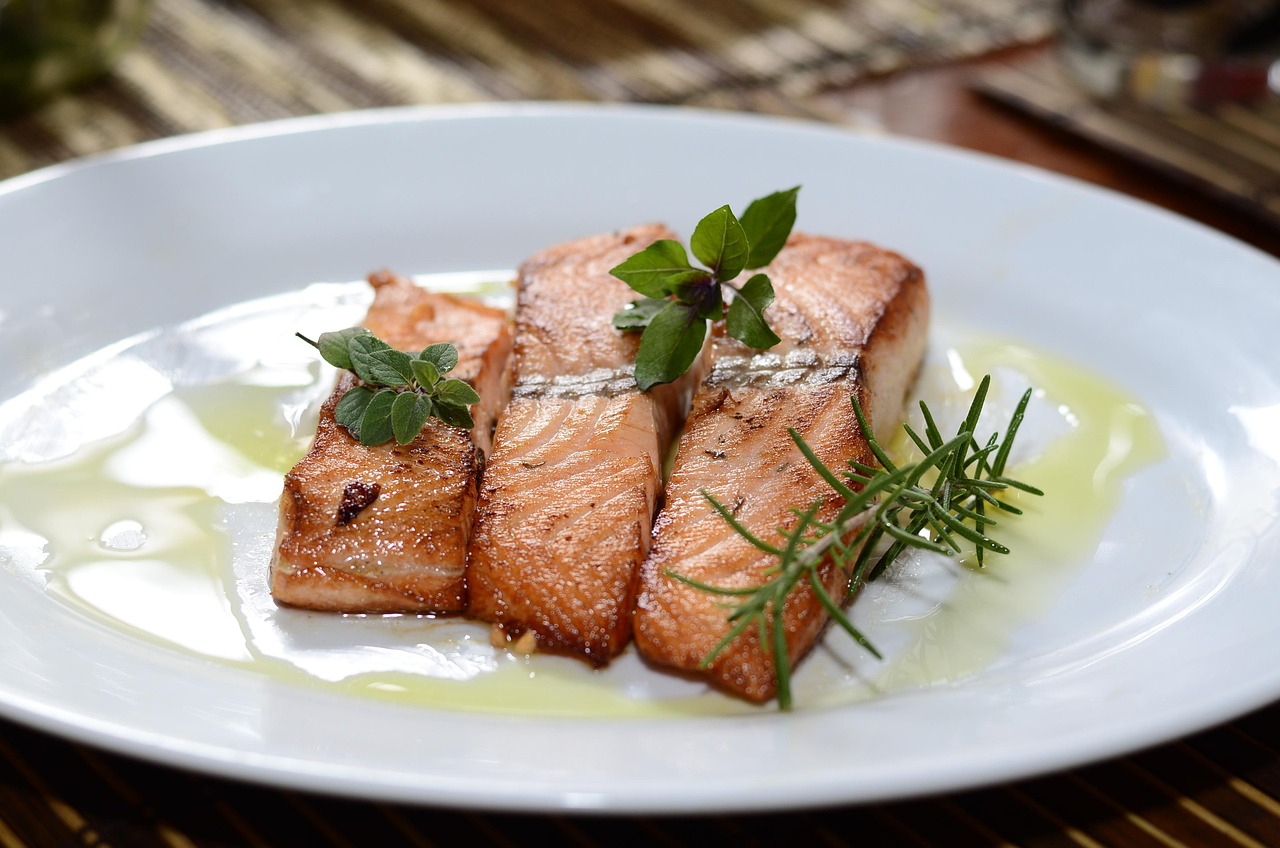
Heart disease remains the leading cause of death in the United States, but simple dietary changes can significantly lower risk. Experts from the American Heart Association and recent 2025-2030 Dietary Guidelines for Americans emphasize eating patterns rich in fruits, vegetables, whole grains, legumes, nuts, seeds and fish while limiting added sugars, sodium and ultra-processed foods.
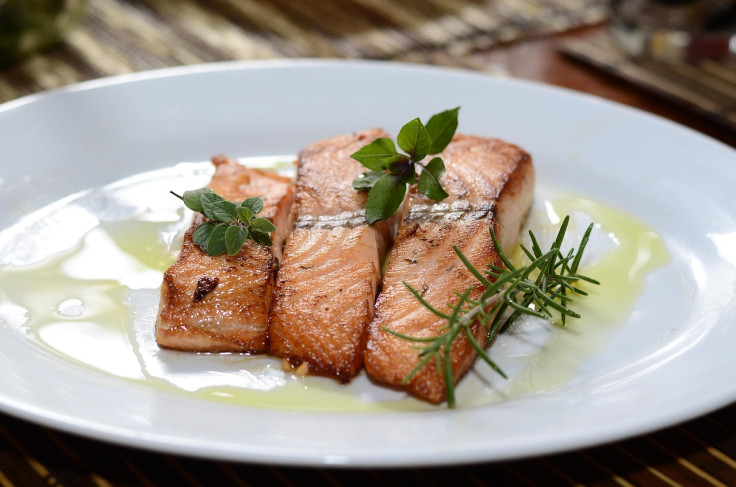
Incorporating specific nutrient-dense foods can help manage cholesterol, blood pressure, inflammation and body weight — key factors in cardiovascular health. Here are 10 foods supported by scientific evidence and expert recommendations for promoting heart health.
1. Fatty Fish like Salmon, Mackerel and Sardines
Fatty fish top many lists for heart protection thanks to omega-3 fatty acids. Consuming at least two servings per week can reduce inflammation, lower triglycerides and decrease the risk of sudden cardiac death. The American Heart Association recommends regular intake of fish and seafood as part of healthy protein sources.
A landmark review and ongoing research confirm that omega-3s from seafood improve cholesterol profiles and support overall cardiometabolic health. Choose grilled, baked or canned varieties in water to avoid added sodium or unhealthy fats.
2. Berries (Blueberries, Strawberries, Raspberries)
Berries burst with antioxidants, fiber and polyphenols that combat oxidative stress and inflammation. Recent studies, including a 2025 analysis from King’s College London, highlight polyphenol-rich foods like berries for long-term heart benefits, including better vascular function.
Their soluble fiber helps lower LDL (“bad”) cholesterol, while potassium aids blood pressure control. Fresh, frozen or dried berries all count. Add them to oatmeal, yogurt or salads for an easy boost.
3. Leafy Greens and Cruciferous Vegetables (Spinach, Kale, Brussels Sprouts)
Dark leafy greens and vegetables like Brussels sprouts provide nitrates, potassium, fiber and antioxidants that support healthy blood pressure and artery function. The 2025-2030 Dietary Guidelines stress eating plenty and a variety of vegetables daily, noting frozen and canned options retain benefits.
Soluble fiber in these veggies binds cholesterol in the digestive system, helping remove it from the body. Aim for 2½ cups of vegetables per day as part of an overall healthy pattern.
4. Oats and Whole Grains
Oats contain beta-glucan, a type of soluble fiber proven to reduce LDL cholesterol. Starting the day with oatmeal or choosing whole-grain products aligns with American Heart Association guidance to select foods made mostly with whole grains rather than refined ones.
Whole grains like barley, brown rice and quinoa also deliver fiber, B vitamins and minerals that support heart rhythm and weight management. The guidelines recommend at least half of grain intake as whole grains.
5. Legumes (Beans, Lentils, Chickpeas)
Beans and lentils offer plant-based protein, soluble fiber and potassium without the saturated fat found in many animal proteins. They consistently appear in heart-healthy patterns like Mediterranean and DASH diets, linked to lower cardiovascular risk.
Research shows legume consumption improves insulin sensitivity and helps regulate blood pressure. The 2025 guidelines highlight legumes as a top protein source to prioritize alongside nuts, seeds and fish.
6. Nuts (Especially Walnuts and Almonds)
A handful of nuts daily — about 1 ounce — provides unsaturated fats, fiber, vitamin E and plant sterols that improve artery health and lower heart disease risk by up to 30% in some studies. Walnuts stand out for their omega-3 content.
Nuts fit into the American Heart Association’s recommendation for healthy sources of protein, mostly from plants. Choose unsalted varieties to keep sodium in check. They make a satisfying snack or topping for salads and yogurt.
7. Avocados
Avocados supply monounsaturated fats similar to olive oil, plus fiber and potassium. Higher avocado intake has been associated with lower risk of heart disease in large population studies. Half an avocado a few times weekly can positively influence cholesterol levels.
Use mashed avocado on whole-grain toast or in place of mayonnaise or butter in recipes. Their creamy texture makes them versatile while supporting a Mediterranean-style eating pattern shown to reduce major cardiovascular events.
8. Extra-Virgin Olive Oil
The cornerstone of the Mediterranean diet, extra-virgin olive oil delivers polyphenols and monounsaturated fats that raise HDL (“good”) cholesterol and reduce inflammation. The PREDIMED trial demonstrated a roughly 30% lower risk of major heart events with higher olive oil intake.
Use it for cooking, dressings and dipping. The 2025-2030 guidelines and American Heart Association encourage liquid plant oils like olive oil over tropical oils or partially hydrogenated fats.
9. Dark Chocolate (70% Cocoa or Higher)
In moderation, dark chocolate provides flavonoids that improve blood flow and lower blood pressure. Some cardiologists include it among heart-healthy choices when choosing varieties low in added sugar.
Limit portions to 1 ounce daily to avoid excess calories. Opt for options with minimal processing to maximize benefits from cocoa polyphenols, which overlap with those studied in berries and tea.
10. Green Tea
Green tea contains catechins and other polyphenols linked to better heart health, including improved cholesterol and reduced arterial stiffness. It fits into broader findings on polyphenol-rich beverages supporting cardiovascular protection.
Enjoy unsweetened hot or iced. Both green and black tea appear beneficial, but green tea often edges out in antioxidant content. It serves as a healthy alternative to sugary drinks, which guidelines strongly advise minimizing.
Putting It All Together
These foods work best as part of an overall dietary pattern rather than in isolation. The American Heart Association’s Life’s Essential 8 and the 2021 dietary guidance for cardiovascular health stress a balanced approach: plenty of fruits and vegetables, whole grains, healthy proteins (emphasizing plants, fish and seafood), liquid plant oils, and minimal added sugars, salt and ultra-processed items.
The recently released 2025-2030 Dietary Guidelines reinforce these priorities while focusing on food quality and minimally processed choices. Experts note that most Americans still fall short on fiber, fruits and vegetables, making small, sustainable shifts particularly impactful.
Portion control and calorie balance matter for maintaining healthy weight, another key heart protector. Combine these foods creatively: a salmon salad with leafy greens, berries and olive oil dressing; oatmeal topped with nuts and berries; or bean-based chili with avocado.
Beyond Diet
While diet plays a central role, heart health also benefits from regular physical activity, not smoking, adequate sleep, stress management and controlling conditions like high blood pressure, cholesterol and diabetes. Consult a healthcare provider or registered dietitian before making major changes, especially with existing medical conditions.
No single food is a miracle cure, but consistent choices favoring these options can meaningfully reduce cardiovascular risk over time. As research continues to affirm the power of whole-food, plant-forward eating patterns, the message remains clear: what’s on your plate matters for a healthier heart.



Ukraine’s Zelenskiy seeks progress on peace talks before winter

The Tech Tug-Of-War: U.S.-China Relations And The Race For Innovation

Israeli strike kills at least two at Gaza seaport cafe, medics say

Explosion kills at least 55 in Myanmar, BBC reports

Nomura Wealth Builder Fund Q1 2026 Commentary

iHuman acquires two education apps for RMB94 million


I started out as a crypto investor a decade ago and remain deeply active in the crypto space. I cover Bitcoin miners, digital asset treasuries, and crypto ETFs majorly, but I also seek alpha in tech equities, especially in emerging sectors like quantum computing and orbital intelligence. I have initiated coverage as a first analyst here on Seeking Alpha to cover names like SealSQ (LAES), Rezolve AI (RZLV), among others, with Buy ratings. Several of these tickers have delivered double to triple digit returns since initial coverage. I try to go beyond surface level metrics and headline numbers. I focus on fundamentals, capital allocation, momentum, market structure, and management execution. And most of all, your comments matter. Even the critical comments are very much welcome, as they improve my work and sharpens the analysis. I value thoughtful disagreements. I look forward to learning and compounding together in the market. Best, Mandela
Analyst’s Disclosure: I/we have no stock, option or similar derivative position in any of the companies mentioned, and no plans to initiate any such positions within the next 72 hours. I wrote this article myself, and it expresses my own opinions. I am not receiving compensation for it (other than from Seeking Alpha). I have no business relationship with any company whose stock is mentioned in this article.
Seeking Alpha’s Disclosure: Past performance is no guarantee of future results. No recommendation or advice is being given as to whether any investment is suitable for a particular investor. Any views or opinions expressed above may not reflect those of Seeking Alpha as a whole. Seeking Alpha is not a licensed securities dealer, broker or US investment adviser or investment bank. Our analysts are third party authors that include both professional investors and individual investors who may not be licensed or certified by any institute or regulatory body.

Australians raise retirement savings target on living costs


I am an avid investor with a major focus on small cap companies with experience in investing in US, Canadian, and European markets. My investment philosophy to generating great returns on the stock market revolves around identifying mispriced securities by understanding the drivers behind a company’s financials, and ultimately, most often revealed by a DCF model valuation. This methodology doesn’t limit an investor into rigid traditional value, dividend, or growth investing, but rather accounts for all of a stock’s prospects to determine the risk-to-reward.
Analyst’s Disclosure: I/we have no stock, option or similar derivative position in any of the companies mentioned, and no plans to initiate any such positions within the next 72 hours. I wrote this article myself, and it expresses my own opinions. I am not receiving compensation for it (other than from Seeking Alpha). I have no business relationship with any company whose stock is mentioned in this article.
Seeking Alpha’s Disclosure: Past performance is no guarantee of future results. No recommendation or advice is being given as to whether any investment is suitable for a particular investor. Any views or opinions expressed above may not reflect those of Seeking Alpha as a whole. Seeking Alpha is not a licensed securities dealer, broker or US investment adviser or investment bank. Our analysts are third party authors that include both professional investors and individual investors who may not be licensed or certified by any institute or regulatory body.

Cotality cuts Australian home price growth on tax reforms

5 Steps To Financial Freedom

Cadbury just quietly launched an ‘incredible’ new chocolate bar in the UK

Ukraine’s Zelenskiy seeks progress on peace talks before winter


-

 NewsBeat4 days ago
Israel says it has killed new Hamas military leader in Gaza City airstrikes
-

 Tech4 days ago
NASA taps Blue Origin to deliver lunar rovers for Moon Base initiative
-

 Politics6 days ago
Bridgerton Season 5: Cast, Release Date And Everything We Know So Far
-

 News Videos5 days ago
XRP *JUST* SUCCEEDED!!!! CLARITY ACT EXPOSED!!! (SHE EXPOSED IT)
-

 Sports6 days ago
2026 NBA Finals schedule, odds: Knicks await Thunder or Spurs after winning East
-
 Crypto World7 days ago
Brian Armstrong Outlines Crypto Vision for the Future Financial System
-
Crypto World5 days ago
Micron Crosses $1 Trillion Market Cap as AI Demand Reshapes Memory Sector
-

 Business5 days ago
Selena Gomez Reportedly Upset Over Benny Blanco’s Comments on Her ‘Terrible’ Diet
-

 News Videos2 days ago
This is BROKEN! INSANE 5x MONEY CAR WASH WEEK! The NEW GTA Online UPDATE Today! (GTA5 New Update)
-

 Business6 days ago
BTS Sells Out Four Las Vegas Shows at Allegiant Stadium for ARIRANG World Tour
-
 Tech6 days ago
China assigns ID codes to 28,000+ humanoid robots
-
 NewsBeat6 days ago
Hottest May day ever as London hits 34.8C in 2C leap from previous records
-

 Tech6 days ago
Microsoft’s quiet Claude Code retreat and the real cost of enterprise AI
-

 Tech3 days ago
Waymo dominates autonomous vehicle registrations as Tesla trails behind
-

 Business6 days ago
Nikkei 225 Surges Past 65,000 for First Time as Iran Peace Hopes Fuel Record Rally
-
Tech4 days ago
The Samsung pay deal is the moment Korean unions changed register
-

 NewsBeat6 days ago
Crowds find riverside shade in York as temperatures soar
-

 Tech6 days ago
Westone Audio and Etymotic Acquired by Fidelity Collective in Major IEM Market Move
-
 Entertainment6 days ago
‘Breaking Bad’ Star’s Easy-to-Binge 6-Part Crime Series Spin-Off Is Finally Heading to Free Streaming
-

 Tech5 days ago
Millions of AI agents imperiled by critical vulnerability in open source package
You must be logged in to post a comment Login