Tech
Apple Music Hall Turns Battersea Power Station Into a 48 Speaker Spatial Audio Venue

Apple already owns the hardware in your pocket, the streaming service in your car, the headphones on your head and a rather substantial piece of the music distribution chain. Apparently that was not enough.
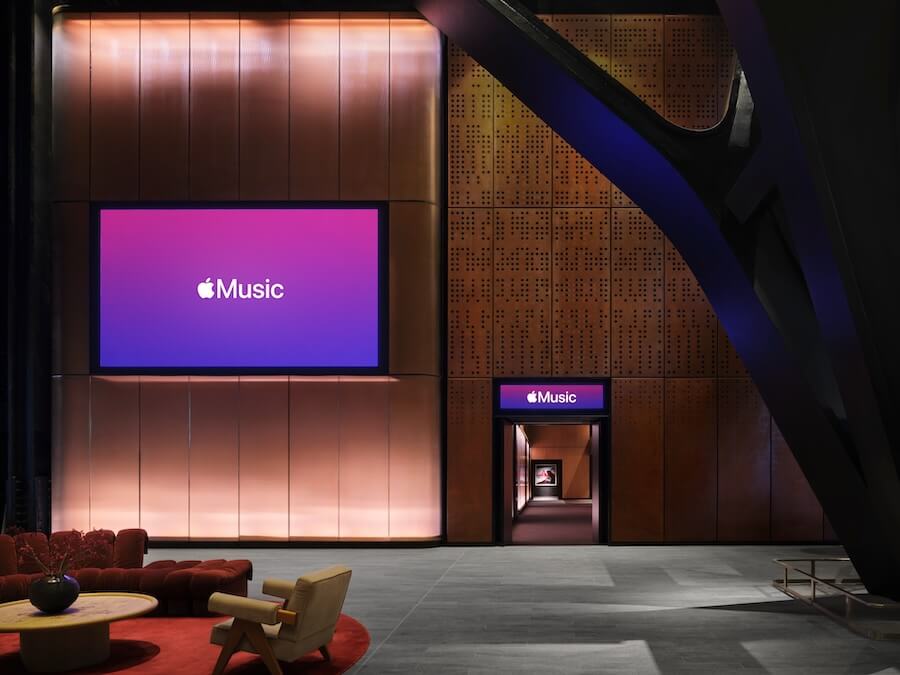
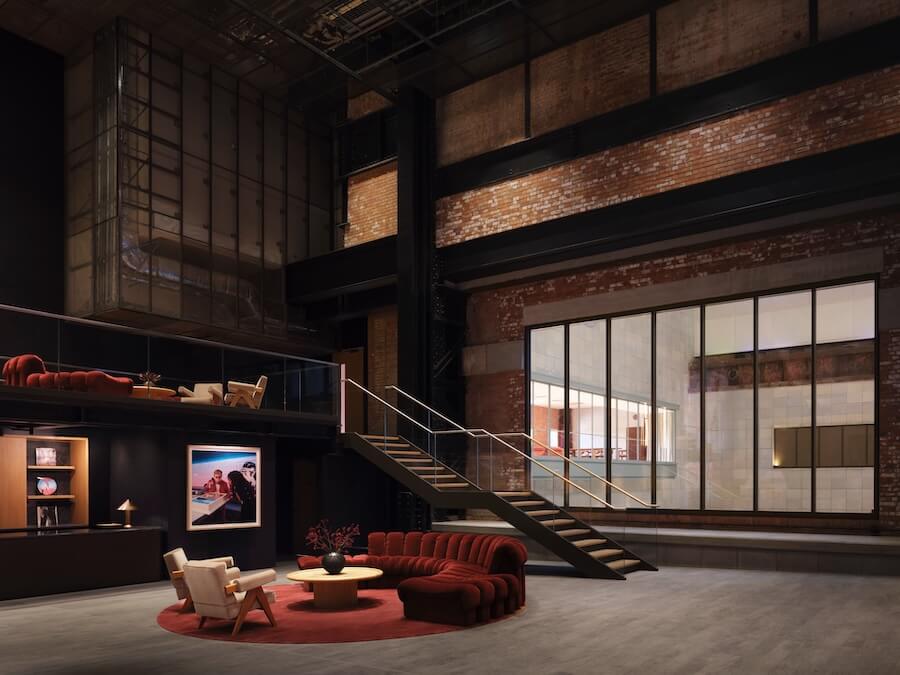
On September 28, 2026, Apple will open Apple Music Hall, its first dedicated live music venue, inside London’s historic Battersea Power Station. The 600 capacity room combines a concert venue, Spatial Audio production facility, recording studios and broadcast center under one roof. Apple announced the project on September 21, although its dedicated venue site lists September 28 as the opening date. No opening act has been announced yet.
Battersea is not exactly a random choice. The former power station on the River Thames now houses Apple’s largest UK location and is one of London’s most recognizable buildings. Audiophiles of a certain age might also remember a large inflatable pig floating between its chimneys on the cover of Pink Floyd’s Animals. Apple putting a Spatial Audio venue there almost feels suspiciously on brand.
Related Reading:
This Is Not Just a 600 Seat Concert Hall

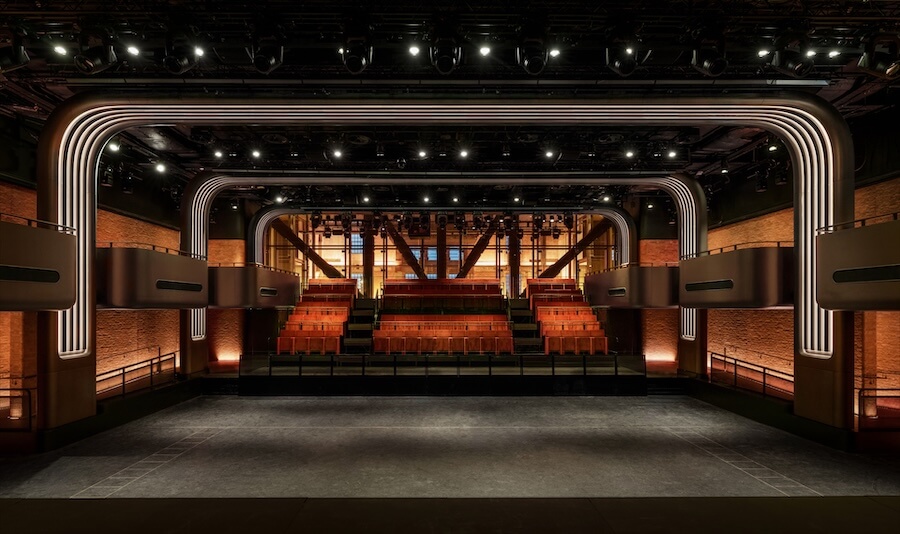
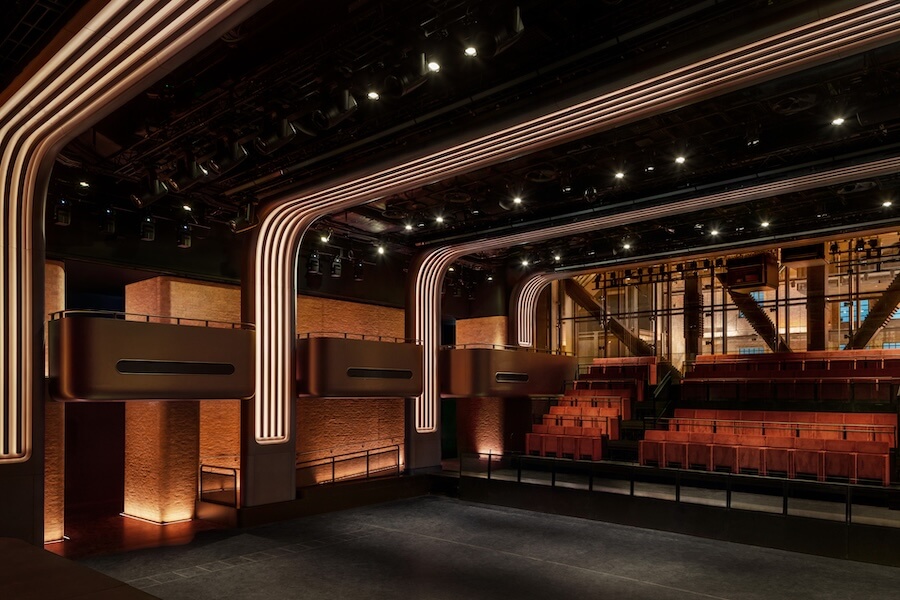
The headline specification is a 48 speaker spatial sound system positioned around the audience. Apple has also installed a 38 foot wide stage that can be configured traditionally or adapted for performances presented more in the round.
That part is interesting, but it is not what makes Apple Music Hall unusual.
Behind the stage are two professional recording and mixing studios capable of capturing every performance as a multitrack recording. Engineers can create the Spatial Audio mix live or finish it after the performance. The venue is also permanently wired for 16 or more cameras feeding a dedicated broadcast control room, with iPhones able to record alongside conventional broadcast cameras.
In other words, an artist can play one show for 600 people and leave with a finished Spatial Audio recording, a broadcast ready audio mix and multicamera video. Apple also plans to livestream performances globally.
That makes Apple Music Hall less like a traditional club with an expensive PA system and more like a television studio, recording facility and immersive music laboratory that happens to sell tickets.
Very Apple.

What Exactly Is Apple Using?
Apple has disclosed plenty about what the venue can do, but rather less about exactly how it does it.
We know there are 48 speakers surrounding the audience, two dedicated recording and mixing rooms, multitrack recording capability, Spatial Audio mixing, extensive camera infrastructure and a purpose built broadcast control room.
What Apple has not disclosed is the loudspeaker manufacturer, mixing consoles, converters, microphone package, exact speaker layout, acoustic targets or the renderer driving the live spatial system.
That last point matters.
Apple Music uses Spatial Audio with Dolby Atmos, and eCoustics has covered the format extensively since Apple introduced it in 2021. But Apple has not specifically described the 48 speaker system inside Apple Music Hall as a Dolby Atmos installation. Until Apple identifies the signal chain or Dolby confirms its involvement, calling the room a 48 speaker Atmos venue would be an assumption rather than a fact.
Forty eight speakers sounds impressive. Forty eight unidentified speakers do not automatically tell us how good the room sounds. Speaker count stopped being a useful substitute for engineering quality somewhere around the time soundbar manufacturers started firing drivers at drywall and calling it a religious experience.

What About Dolby Live in Las Vegas?
There is already something related, and it is considerably larger.
Dolby Live at Park MGM in Las Vegas is a 5,200 seat venue built around a fully integrated Dolby Atmos system. Dolby says the installation uses 402 speakers and was designed, calibrated and tuned by Dolby engineers specifically for the room. It also includes Atmos mixing tools so performances can be created for immersive playback throughout the venue.
That makes Dolby Live the more ambitious pure live immersive audio installation. Eight times the seating capacity and 402 speakers is not exactly bringing a knife to a gunfight.
But Apple Music Hall is trying to do something different.
Dolby Live is primarily a large performance venue designed to present live entertainment in Dolby Atmos. Apple Music Hall has been built around creating, recording, mixing, filming and distributing the performance from the same permanent facility.
Dolby wants you inside the room.
Apple wants the 600 people inside the room, and potentially millions more consuming what happened there afterward.
Why Apple Music Hall Matters
Apple has been pushing Spatial Audio hard since adding Dolby Atmos to Apple Music in 2021. It has expanded into headphones, speakers and increasingly sophisticated automotive systems. Recently that included enabling Apple Music Spatial Audio with Dolby Atmos into more than two million Volvo vehicles, with the full immersive experience available on specific Bowers & Wilkins equipped models.
Apple Music Hall closes another part of that chain.
Instead of relying exclusively on labels, recording studios and third party venues to supply immersive content, Apple now has a permanent space where a performance can be conceived for Spatial Audio from the beginning, captured professionally and distributed through Apple’s own music platform.
Apple Music Live already distributes exclusive concert performances, but adapting another venue for every production adds complexity. A permanent room means the microphones, recording infrastructure, camera feeds, broadcast control and immersive playback system are already waiting before the artist walks through the door.
That could make live Spatial Audio content easier and faster to produce while giving Apple far greater control over the final product.

The Bottom Line
Apple Music Hall is not the world’s first immersive concert venue, and Dolby Live in Las Vegas remains a far larger example of what can be accomplished with live Dolby Atmos.
What Apple has built at Battersea is arguably more interesting from a content perspective.
A 600 seat performance can become a Spatial Audio recording, global livestream and multicamera video production without leaving the building. Apple controls the venue, Apple Music controls the distribution platform, and the audience extends far beyond whoever managed to get one of those 600 tickets.
For a company that once revolutionized music by putting thousands of songs in your pocket, building its own concert hall feels almost quaint.
Until you notice that the concert hall is really a content factory with 48 speakers.
For more information: applemusichall.com
You must be logged in to post a comment Login