Apple TV is to screen director Sian Heder’s follow-up to the Oscar-winning “CODA,” a biopic about the life of a woman who got the government to take action over the rights of disabled people.
In 2022, Sian Heder directed and co-wrote “CODA,” which earned Apple TV the first-ever Best Picture Oscar for a streaming service. Apple immediately announced that it was backing Heder to direct a dramatization of Judy Heumann’s bestselling memoir, and the finished film is now heading for theaters and Apple TV.
Co-written by Heder and Rebekah Taussig, “Being Heumann” stars Ruth Madeley as Heumann. Best known for “Doctor Who” and Russell T. Davies’s “Years and Years,” Madeley has spina bifida and is wheelchair-bound.
Heumann contracted polio in the late 1940s aged 18 months and spent most of her life in wheelchairs. According to Entertainment Weekly, Heder was shown a documentary about her and cold-emailed Heumann about making a film of her life.
Advertisement
“She was so forceful and hilarious and blunt and empathetic and all of these contradictions,” says Heder. “And I thought, ‘I do need to tell this story, and I’d love to meet this woman.’”
Heumann became known as the mother of the Disability Rights Movement, chiefly because of her 1977 sit-in. Aiming to persuade President Carter to enact the Rehabilitation Act of 1973, Heumann led sit-ins that occupied federal buildings including Washington, D.C., and New York City.
The protests were known as the 504 Sit-ins, after section 504 of the Rehabilitation Act which states that no otherwise qualified handicapped individual could be excluded from programs that receive federal funding. Heumann helped with the recognition of disabled rights and section 504 was finally enacted..
Heumann died unexpectedly in March 2023, aged 75. She had one Zoom call with actor Madeley before then. “I was completely in awe. I was so desperate for her to like me,” Ruth Madeley says. “I feel really privileged that she knew my name.”
Advertisement
“Her grit, her joy, and her complexities all make her so much fun to play,” she continued. “Also, to have Sian at the helm was a huge pull for me.”
Judy Heumann headed the 1970s sit-ins that led to greater disability rights – image credit: Apple TV
The film is based on the book “Being Heumann: An Unrepentant Memoir of a Disability Rights Activist” by Judy Heumann. Co-writer Rebekah Taussig is also the author of the 2020 memoir “Sitting Pretty: The View from My Ordinary Resilient Disabled Body.”
“Being Heumann” is to open the 2026 Toronto International Film Festival, which runs from September 10, 2026, to September 20. It will then get a theatrical run from November 6, 2026, before streaming on Apple TV from November 13.
Advertisement
Whether or not “Being Heumann” has any chance at repeating Heder and Apple’s Oscar success depends on exactly how the film’s theatrical window is managed. Directly following Apple’s win, the Academy Awards introduced new rules which limit what films can qualify for the Oscars.
To be eligible for consideration, the initial one-week release of “Being Heumann” in theaters will have to include one of six US metro areas including Los Angeles County, New York, Chicago, the Bay Area, Dallas-Fort Worth, and Atlanta. It will then have to be followed by another week-long run in 10 of the top 50 US Markets, no later than 45 days after that initial release.
There are more rules, and they vary for different Oscar categories. But overall the rules have effectively made it harder for streamers to win the Best Picture Oscar.
A new Quordle puzzle appears at midnight each day for your time zone – which means that some people are always playing ‘today’s game’ while others are playing ‘yesterday’s’. If you’re looking for Monday’s puzzle instead then click here: Quordle hints and answers for Monday, July 20 (game #1638).
Quordle was one of the original Wordle alternatives and is still going strong now more than 1,500 games later. It offers a genuine challenge, though, so read on if you need some Quordle hints today — or scroll down further for the answers.
Enjoy playing word games? You can also check out my NYT Connections today and NYT Strands today pages for hints and answers for those puzzles, while Marc’s Wordle today column covers the original viral word game.
Advertisement
SPOILER WARNING: Information about Quordle today is below, so don’t read on if you don’t want to know the answers.
Latest Videos From
Quordle today (game #1639) — hint #1 — Vowels
How many different vowels are in Quordle today?
• The number of different vowels in Quordle today is 4*.
* Note that by vowel we mean the five standard vowels (A, E, I, O, U), not Y (which is sometimes counted as a vowel too).
Advertisement
Quordle today (game #1639) — hint #2 — repeated letters
Do any of today’s Quordle answers contain repeated letters?
• The number of Quordle answers containing a repeated letter today is 2.
Quordle today (game #1639) — hint #3 — uncommon letters
Do the letters Q, Z, X or J appear in Quordle today?
• Yes. One of Q, Z, X or J appears among today’s Quordle answers.
Rheya combines emergency battery power with software designed to predict sewage spills
Power failures at pumping stations can turn routine blackouts into environmental pollution
Rheya battery will predict the underlying causes of spills before they occur
UK startup Rheya Labs has developed backup batteries designed specifically to keep sewage pumping stations running during power failures across Britain.
The company was named one of 20 finalists in Ofwat’s £7.5 million Water Discovery Challenge, run by the Water Innovation Fund.
Each finalist receives up to £100,000 in seed funding, forming part of a wider £7.5 million pot distributed over 20 months.
Latest Videos From
A different approach to an old problem
Sewage spills are a longstanding, common issue, often blamed on overloaded systems or heavy rainfall.
Advertisement
England recorded around 290,000 sewage discharges from storm overflows during 2025, lasting roughly 1.9 million hours combined across the network.
Power failures at pumping stations are widely recognised as one trigger for these spills, alongside heavy rainfall and ageing infrastructure
Rheya Labs is now working on a system that pairs instant battery backup with software designed to flag faults before they cause spills.
Advertisement
Sign up to the TechRadar Pro newsletter to get all the top news, opinion, features and guidance your business needs to succeed!
When power cuts strike, Rheya’s batteries instantly take over the pumps, preventing raw sewage from spilling into rivers and streets.
The system also applies machine learning to pump data, aiming to predict the underlying causes of spills before they occur.
Co-founder Ben Taylor said sewage pollution remains an ever-growing crisis across the UK, calling power resilience at pumping stations a hidden but major cause.
Advertisement
Predictive analytics may give Rheya the edge
Elsewhere, Sydney Water has trialled sodium-ion battery packs at its Bondi pumping station, offering a cheaper alternative to lithium-ion systems.
That Australian project, backed by a $10.6 million grant, pairs a 30-kWh sodium-ion pack with rooftop solar generation for backup power.
Advertisement
In New York, Viridi’s 150 kWh lithium-ion battery system replaced diesel generators, supplying backup power for between 32 and 90 hours.
Unlike those systems, Rheya’s technology reportedly combines instant power backup with predictive analytics, potentially spotting faults before failures actually happen.
“With our rapidly changing climate, it is more vital more than ever that we double down on our efforts to create a water system able to support lives and livelihoods,” said Jo Jolly, Ofwat’s Director of Innovation.
“The array of new ideas from new players is astounding. The challenge is getting these ideas delivering impact on the ground, with the sense of urgency these times need.”
Advertisement
Whether Rheya’s approach genuinely outperforms established sodium-ion and lithium-ion systems remains unproven outside controlled trials and early pilot deployments so far.
Independent verification of Rheya’s spill-prediction claims has not yet appeared in public trials, leaving the early results largely anecdotal for now.
Up to ten finalists, potentially including Rheya, will share £550,000 each next April, funding further testing before wider rollout across the water network.
The success of this project will ultimately depend on whether predictive software matches the reliability already demonstrated by simpler sodium and lithium alternatives.
A painting of Jimothy, the viral raccoon, by Seattle artist Ryan Henry Ward. (@henry_beyond_museums via Instagram)
Jimothy isn’t just a viral internet sensation — he’s a cause for good.
A painting of the beloved raccoon by Seattle artist Ryan Henry Ward attracted a winning bid of $6,543.21 in an informal Instagram auction this weekend, with all proceeds directed to the Ballard Food Bank.
The winning bidder for the 24-by-24-inch painting was identified by Ward as Angela Galdabini, who posted a picture of the painting hanging on her wall.
Now the auction gift is going viral in its own way, attracting a matching donation from Amazon, which encouraged other Seattle-area companies to follow suit. According to the tech giant on Monday, T-Mobile, Alaska Air and Brooks have all gotten on board.
“When we saw a local artist giving back to the Ballard Food Bank, inspired by a little raccoon that’s brought so much joy, we wanted to help,” Kara Hurst, Amazon’s chief sustainability officer, said in a statement. “Amazon is proud to match the winning bid, and we’re calling on other Seattle-based companies to join us.”
Jimothy seemed destined to be captured by Ward, a prolific muralist whose colorful, whimsical work is seen across the Seattle region on buildings, fences, garage doors and elsewhere. His art frequently features a variety of animals and other characters, including Sasquatch.
Ward called Jimothy “the hero we needed” in his Instagram post on Saturday, and said he was giving to Ballard Food Bank because the organization helped him through some of his hardest times.
The viral Jimothy sensation took off last week when the raccoon was spotted in Ballard and a video attracted millions of views on Instagram. The craze spread around the world and other videos have emerged online, sparking immense curiosity and adoration, and a flood of memes, artwork, food, crafts, poetry, songs and more.
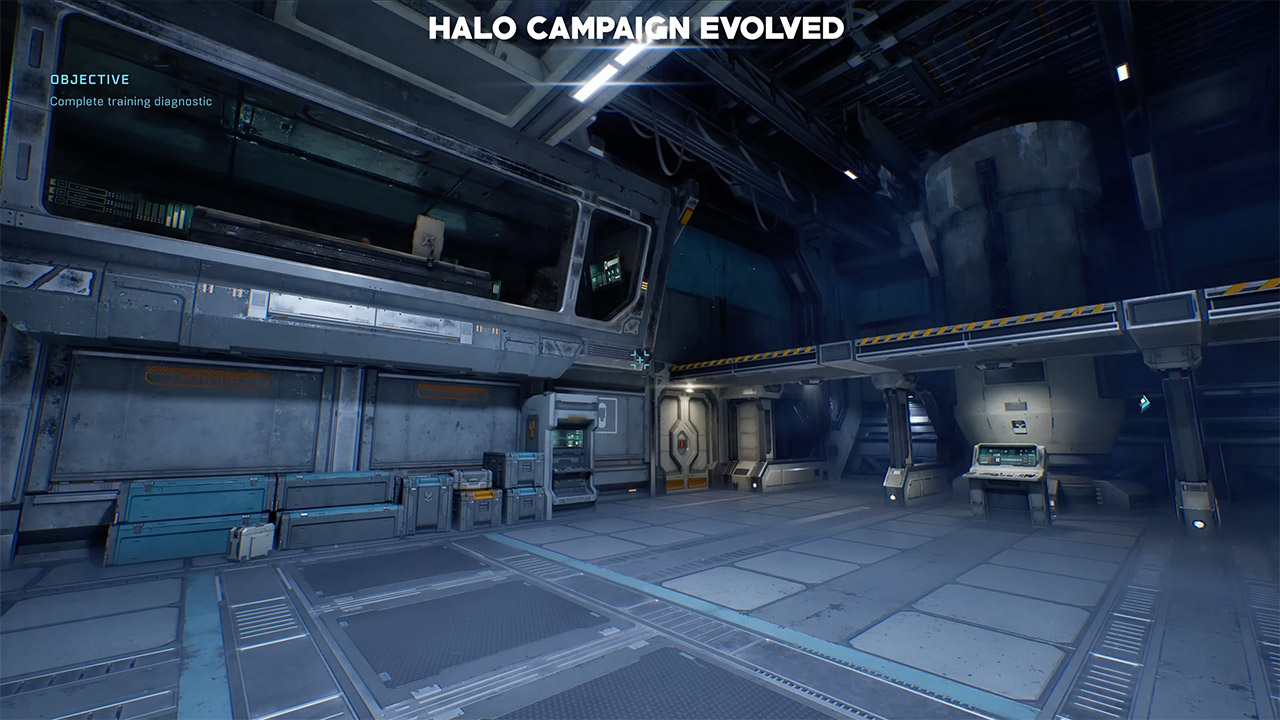
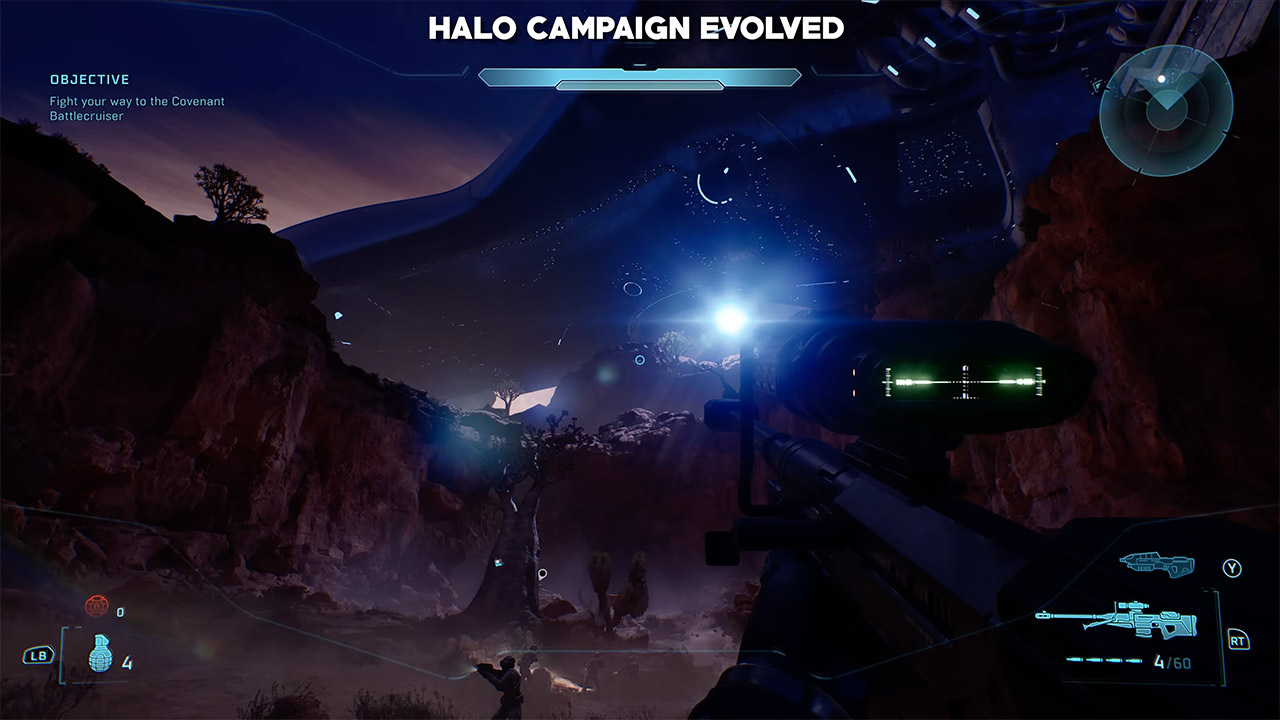
In 2001 a green-armored soldier woke up on a mysterious ring and changed everything for console shooters. Twenty-five years later Halo Studios has torn that entire campaign down to the studs and rebuilt it in Unreal Engine 5. Campaign Evolved is not a simple polish pass. Every corridor, every beach, every Forerunner structure has been constructed again from scratch. Side-by-side footage now circulating makes the gap impossible to ignore.
When you walk into the Cryo Bay of the Pillar of Autumn, the first thing you notice is the difference. The earliest chambers were basic boxes with flat panels and a gentle, even glow. In the new version, the same space is turned into a thick tangle of machinery, cables that appear to be hanging free, frost clinging to every surface, and crew members bustling about with purpose, and the light no longer simply sorta… fills the room like it used to. No, it bounces off polished metal, catches on frost, and creates these lovely soft shadows that appear to change and move every time you turn a corner.
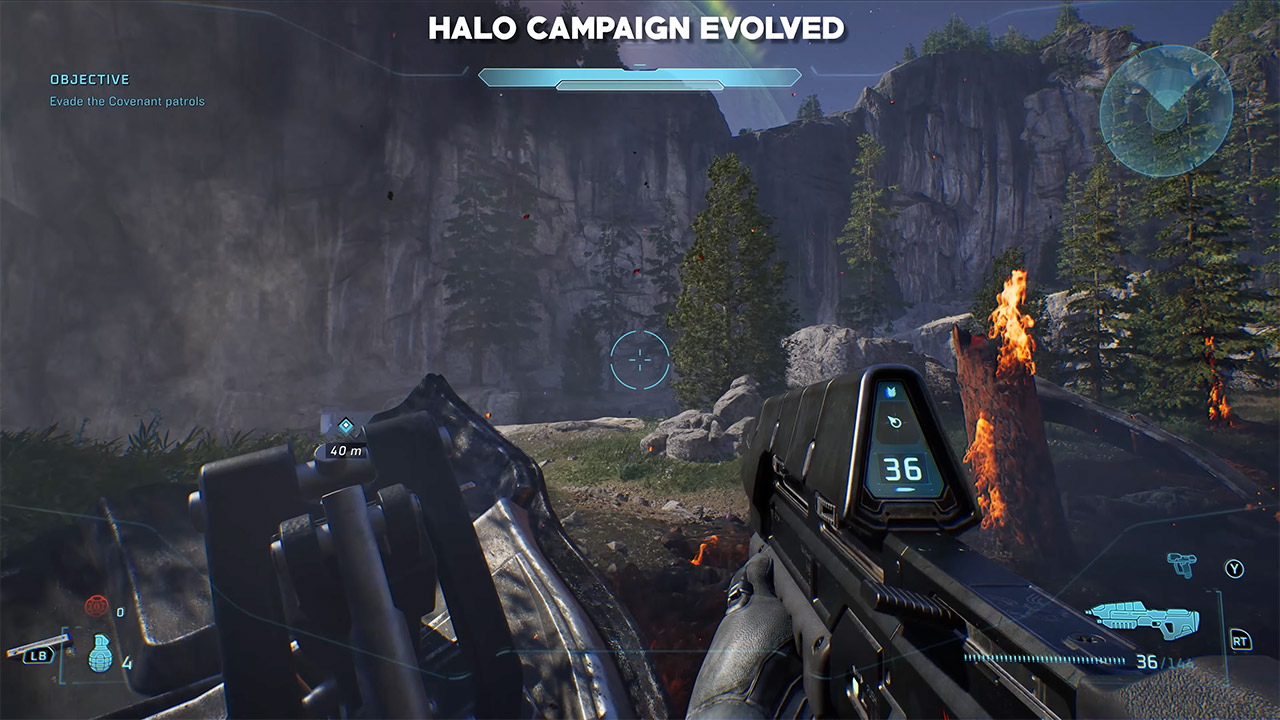
As players step outside onto the Silent Cartographer beach, the difference becomes even more apparent. The original shoreline was a rather uninteresting expanse of sand and rock, with a limited outlook. However, Campaign Evolved takes the same shoreline and transforms it into an actual place. The waves are now smashing in with considerable volume, and rather than being flat smooth sheets of grass and scrub, they are pushing up through the sand in small groups. And way out in the horizon, you can see the distant rocks with their evident fissures and weathering. The ring continues to curve overhead, but the sky and atmosphere now adjust to time of day and weather in ways that the 2001 engine could never have predicted.
The most significant transition in materials can be seen in forerunner architecture. Early Halo structures were basically large slabs of concrete with simple geometric designs on them. The new buildings have the same immense scale and harsh shape, but each surface has fine grooves, slight discoloration, and reflective edges that catch the light in a completely different way depending on whatever angle you look at them from. Because the team has been able to push the level of detail without sacrificing performance, distant walls remain sharp rather than blurring, and the lumen lighting inside those same halls is a game changer, filling the space with soft bounced light and proper reflections that move with you as you move.
Character models and vehicles are making the same transition. Elites used to move around with these rigid, limited joints and basic armor plates. Every plate now has a genuine thickness, every joint has adequate articulation, and the energy shields respond with clearer visual input. The Warthog has gained some weight and is now more stable on the ground. The tires leave actual tracks, and as it goes, it creates actual heavy clouds of sand and dust that linger in the air for a while. Even little items like ammo crates and computer terminals now have readable lettering on them, and you can see all these wear marks that are worth looking closely at.
Campaign Evolved will be released on July 28 for the Xbox Series X|S, PlayStation 5, and PC. Early footage shows that the technological leap is enormous, since the geometry is denser, the materials respond to light properly, and the surroundings can bear careful examination. The original game was groundbreaking for its time, but this upgraded edition simply brings the same plot and locations to life in a way that modern hardware can now handle. [Source]
Although life tends to find a way, something first has to kickstart said lifeforms. Exactly how the first biological cells formed on Earth – and potentially on other worlds – remains an enduring mystery. Some theories point to the early Earth’s surface conditions as a viable laboratory for the self-assembly of the first viable membranes, RNA, DNA and associated molecular machinery, while seeding of the Earth’s primitive atmosphere by sugars and other precursors from asteroids and kin is required in other theories.
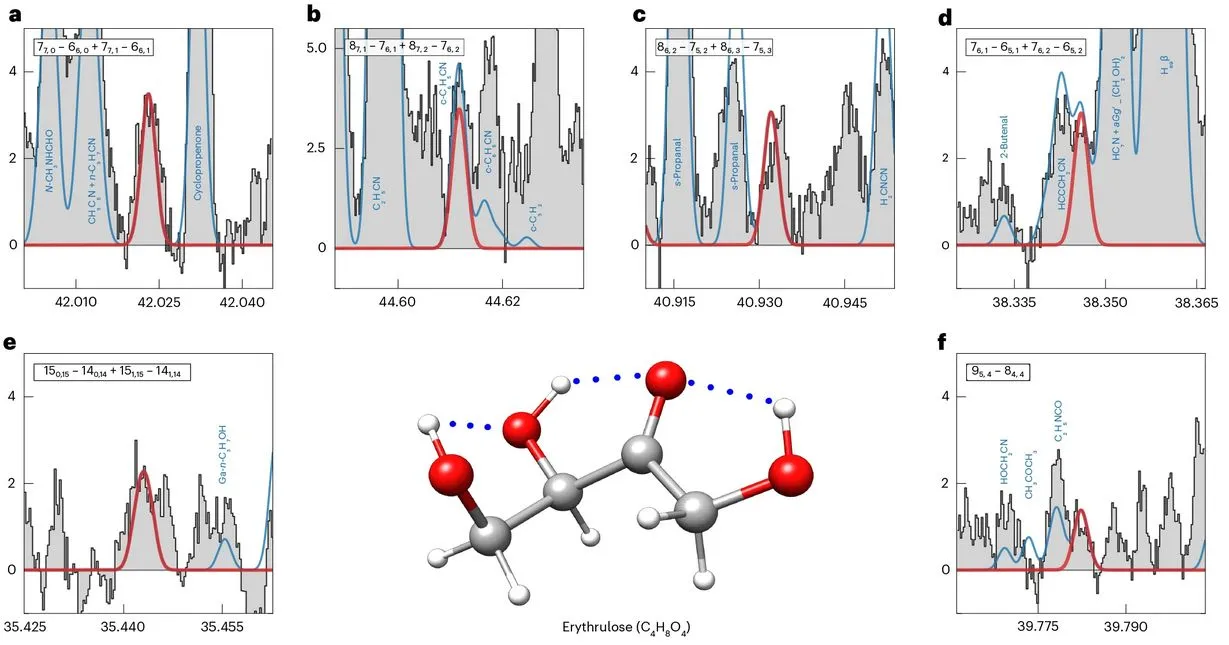
Recently [Izaskun Jiménez-Serra] et al. added to this debate with the reported detection of four-carbon sugars in the form of erythrulose in the interstellar medium. Using the 40 meter radio telescope at Yebes and the 30 meter radio telescope at Granada the signatures of this sugar was detected in a molecular cloud near the center of the Milky Way.
These sugars likely form on these interstellar dust grains from more basic two-carbon aldehydes and alcohols, with them providing conceivably a source of energy for early metabolic processes of developing lifeforms. This specific type of sugar is highly prevalent in Earth’s fruits, and thus its prevalence in interstellar space is at the very least an interesting coincidence, if not another puzzle piece in the overarching question of abiogenesis.
An anonymous reader quotes a report from TechCrunch: Hackers are breaking into websites that run vulnerable versions of the popular blogging software WordPress, according to several cybersecurity firms. One estimate puts the number of vulnerable WordPress websites at tens of millions as of Monday. Last week, WordPress patched two critical security flaws, urging people who run its software on their websites to update it “immediately.” The vulnerabilities are so severe that WordPress enabled forced updates where possible. Since then, cybersecurity companies Patchstack, Hexastrike, and WatchTowr have all warned that hackers are exploiting the vulnerabilities in the wild, meaning they are taking over websites that are still running susceptible versions of WordPress.
It’s unclear how many WordPress-powered websites on the internet are at risk, but it’s possible to make some educated guesses. The vulnerable versions of WordPress are 6.9.0 through 6.9.4, and 7.0.0 to 7.0.1. According to WordPress’ official stats, there are more than 400 million websites that run those flawed versions, although these statistics likely don’t reflect websites that have recently been patched. Cybersecurity consultant Daniel Card, who told TechCrunch that he looked at a sample of around 3,500 WordPress websites, estimates that less than 15% are vulnerable. Applying Card’s projection across the total population of WordPress websites on the internet, the total figure would still be around 90 million. […] One of the critical WordPress bugs was found and reported by Adam Kues of cybersecurity firm Searchlight Cyber, which dubbed it WP2Shell. Paired with the other bug, hackers can take full remote control of vulnerable websites.
The accessibility feature was teased back in April.
Amazon
Adaptive Display is rolling out to the Fire TV Stick HD today. Amazon alerted us that this accessibility feature, which it mentioned during its April preview event, is now available for the latest model of its streaming dongle.
The Adaptive Display setting resizes both text and UI elements on screen for optimal readability, while keeping any images or key art proportionally scaled. Multiple sizing options are available so a user can get the best experience for their eyes and brain. Adaptive Display seemed like one of the more notable improvements for this latest Fire TV model, which also boasts a more streamlined form factor and some additional Alexa+ integrations.
Amazon showed off its overhaul of the entire Fire TV UI during CES 206, followed soon after by a rollout in February. Adaptive Display should be able to help more viewers take full advantage of that revamped experience.
The line between your smartphone and your car continues to blur. Volvo has announced that it is rolling out an over-the-air software update that brings Apple Music directly to the infotainment systems of more than 2 million vehicles worldwide. Instead of relying on Apple CarPlay or plugging in an iPhone, eligible drivers will be able to stream music natively from their car’s built-in system, making Apple Music another integrated feature of Volvo’s software experience.
The update is arriving for a wide range of Volvo models, including the EX90, ES90, XC90, S90, V90, XC60, S60, V60, XC40, EX40 and EC40, covering model year 2020 onwards. Availability, however, may vary depending on the vehicle.
At first glance, adding another music streaming app may not sound particularly significant. But it highlights how modern cars are increasingly being treated like connected computing platforms, where new features arrive through software updates rather than requiring new hardware.
Apple Music becomes a built-in part of the driving experience
The biggest advantage of native Apple Music support is convenience. Drivers no longer need to connect an iPhone through Apple CarPlay or Bluetooth just to access their playlists. Once signed in, they can browse Apple’s catalogue of more than 100 million songs directly from the vehicle’s infotainment display, creating a more seamless experience during everyday commutes and long road trips.
Advertisement
Volvo
To celebrate the rollout, Volvo is also offering promotional access to Apple’s streaming service. Customers who are new to Apple Music can receive up to three months free, while eligible returning subscribers who have been away from the service for at least one month can claim two months free. The offer remains available until July 6, 2027.
Some of Volvo’s premium electric vehicles also receive an audio upgrade. The EX60, EX90 and ES90 will support Spatial Audio with Dolby Atmos when equipped with the optional Bowers & Wilkins sound system, allowing compatible Apple Music tracks to be played in immersive surround sound. Volvo also says the newly launched EX60 will ship with Apple Music pre-installed when deliveries begin later this year.
Cars are becoming software platforms, not just vehicles
This announcement is about far more than music streaming. Over-the-air updates have fundamentally changed how automakers deliver new features. What once required a dealership visit can now arrive overnight through a software download. Tesla popularized this approach years ago, and traditional manufacturers have steadily followed by treating vehicles more like smartphones that continue evolving after purchase.
Volvo
For Apple, the partnership extends the reach of its services business beyond phones, tablets and computers. For Volvo, it strengthens its growing reputation as a software-first automaker, particularly as it continues building vehicles around Google’s Android Automotive platform.
Consumers also stand to benefit. Native apps reduce dependence on smartphones, simplify the driving experience, and make infotainment systems feel less like accessories and more like an integrated part of the vehicle.
As software becomes one of the biggest differentiators in the automotive industry, partnerships like this are likely to become increasingly common. The next major upgrade to your car may not involve a more powerful engine or a larger battery. It may simply arrive while your car is parked overnight.
We spend hours testing every product or service we review, so you can be sure you’re buying the best. Find out more about how we test.
Turtle Beach Command Series KB7: one-minute review
Want a high-performing gaming keyboard with an integrated touchscreen for streaming and seamless customization? Then the Turtle Beach Command Series KB7 could be exactly what you’re looking for.
I replaced my usual mechanical keyboard with this TKL model for a few days, and instantly found it to be a joy to use. The low-profile Hall effect switches supply precise, responsive, and buttery smooth typing, with a muted sound that’s great for focusing in-game or for general day-to-day productivity. It’s less ‘clicky’ and snappy than some may like, but the lowkey sound and feel was ideal for me.
Advertisement
Like a lot of the best gaming keyboards, there’s also 8K polling, alongside 0.125 latency for instant response typing. On top of this, you get important features like Rapid Trigger, adjustable actuation and remappable keys.
Latest Videos From
The true highlight, though, is the integrated 4.3-inch touchscreen. This has built-in controls for streamers, providing quick access to OBS and StreamLabs, but also has shortcuts for apps like Spotify and Steam among others. I appreciated how you could use the screen to view PC performance, in-game stats, or set web page bookmarks. You can also use the touchscreen as a numpad, and it feels highly responsive in use.
I also really like the design of the KB7. Its slim aluminum chassis, tactical media control knob, customizable RGB lighting, and generally high standard of build help it to feel worth its relatively high asking price.
There’s no battery option if you want to use the keyboard wirelessly, largely due to the power required to keep the touchscreen going, but those focused on optimized performance will want to go for a wired option anyway. And all things considered, I think the Turtle Beach KB7 is a fantastic gaming keyboard, and one I just might have to continue using for all my PC gaming needs.
Advertisement
(Image credit: Future)
Turtle Beach Command Series KB7 review: price & availability
$199.99 / £189.99 / AU$349
Released in May 2026
Arrived alongside Turtle Beach’s KB5 keyboard
The Turtle Beach Command Series KB7 was released in May 2026 alongside the Command Series KB5 — a full-sized keyboard with a smaller touchscreen and mechanical switches.
Sign up for breaking news, reviews, opinion, top tech deals, and more.
Unsurprisingly, then the KB7 is pricier than its sibling, and has a list price of $199.99 / £189.99 / AU$349. It goes without saying that it’s undoubtedly a pricey keyboard, but for a TKL with this much tech, it’s not too far from the competition. For instance, the Corsair K70 Pro TKL, which comes without a touchscreen, will typically set you back about $179.99 / £169.99 / AU$239.
Advertisement
Turtle Beach Command Series KB7 review: specs
Swipe to scroll horizontally
Layout
TKL
Switch
Titan Low-Profile Hall Effect
Advertisement
Programmable keys
Yes
Dimensions
15.7 x 10.1 x 1.2 inches / 399 x 256 x 31mm (with palm rest)
Advertisement
RGB or backlighting
Yes (customizable)
(Image credit: Future)
Turtle Beach Command Series KB7 review: design & features
Great standard of build
Touchscreen with streaming controls
Customizable lighting
First things first, I have to say that the build and quality of the KB7 impressed me. It has a slim aluminum chassis, stylish and sleek look, and premium-feeling keycaps. The keyboard also has a modular design, meaning you can add on the Turtle Beach KP7 keypad as well as the included wrist rest.
And I found said wrist rest to be a great addition — it’s comfortable, well-made, and ensured that using the keyboard for extended periods still felt comfortable. The only real downside is that it increases the keyboard’s footprint a fair bit, so you’ll need a decent-sized desk if you’ve also got a PC / laptop hooked up to a couple of monitors like I do. It’s also worth noting that the KB7 has a double kickstand, and this also helped to reduce fatigue after furiously typing for multiple work days in a row.
Advertisement
The keyboard also features customizable per-key RGB lighting with Turtle Beach’s Swarm II software, accessible via the built-in touchscreen. In my view, the lighting looks great, especially in low-lit conditions. I also really like how there’s an option to create dynamic effects and sync your lighting setup across multiple devices.
(Image credit: Future)
I touched on it a moment ago, but the stand-out feature of the KB7 is the built-in touchscreen. The real highlight here is that the touchscreen features streaming controls. You can easily access OBS and StreamLabs with a single button touch. It’s a useful inclusion, but if you’re not a streamer, there are options for you too. For instance, you can use the touchscreen to set shortcuts for apps like Steam and Spotify, or for websites you frequently visit — you know, like TechRadar.
What’s more, the Swarm II software enables you to personalize aspects like Rapid Trigger and actuation settings or remap keys. You can actually alter the actuation of every key individually, and while I don’t expect most users will need that level of granular control, the sheer degree of customization is undoubtedly impressive.
Finally, there are a few useful buttons, for things like skipping and rewinding media and muting your mic. I also love the tactile control wheel for adjusting volume, although there’s also a dedicated volume mixer available on the touchscreen.
Advertisement
(Image credit: Future)
Turtle Beach Command Series KB7 review: performance
Fantastic typing experience
Although lighter, more muted feel won’t suit all
Great for gaming or general productivity
I typically use a mechanical Keychron mini keyboard, and so moving over to the KB7 felt like quite the jump.
Why? Well, it comes down to how typing feels on this TKL keyboard. The low-profiled Hall effect keys feel phenomenally smooth and buttery to press down on, and they produce very little noise. The more muted sound and feel was very different from my usual mechanical keyboard — which has more of a clicky, snappy profile. I much preferred the KB7 to my usual keyboard, though, and although the more lowkey sound and feel won’t suit all, I think it’s ideal for focusing while gaming or working.
Speaking of, I found the KB7 to be a great performer, whether I was playing games or just carrying out typical tasks at work. It’s an extremely responsive model too, carrying an 8K polling rate and 0.125ms latency. Those kind of numbers are certainly good enough for competitive gamers, and I found the KB7 offered pin[point precision at all times.
The touchscreen is also well-sized, and using commands feels highly reactive and reliable. The touchscreen can also display PC performance info and show in-game stats (such as ammo and games won, for instance).
Advertisement
One thing that’s definitely worth flagging, though, is that this keyboard is wired only. The 4.3-inch touchscreen requires quite a bit too much power to run off a battery, so you do lose some of the flexibility that some rivals supply. Having said that, you’ll want to be using your keyboard wired for the best performance and lowest latency anyway, and as a gaming keyboard first and foremost, I don’t consider its wired-only setup to be a major issue.
(Image credit: Future)
Should I buy the Turtle Beach Command Series KB7?
Swipe to scroll horizontally
Attributes
Notes
Advertisement
Rating
Design & features
Slim, modular design with handy touch-screen and lots of customizability.
Undoubtedly expensive, but stacks up well against rivals.
4/5
Turtle Beach Command Series KB7 review: also consider
Advertisement
(Image credit: Future)
How I tested the Turtle Beach Command Series KB7
Tested across multiple days
Used for gaming and general productivity
Tested by an experienced tech reviewer
I spent days testing the Turtle Beach Command Series KB7. I replaced my typical Keychron keyboard with this one, using it every day at work for general productivity. But I also used the keyboard when dipping into a few games here and there.
On top of this, I made sure to exhaust the keyboard’s various features and settings and compared it directly against rivals.
More generally, I’ve spent years testing gadgets here at TechRadar, where I serve as a Senior Reviews Writer. I’ve tested all sorts of gear, from premium wireless headphones like the Sony WH-1000XM6 to TVs like the Sky Glass Gen 2.
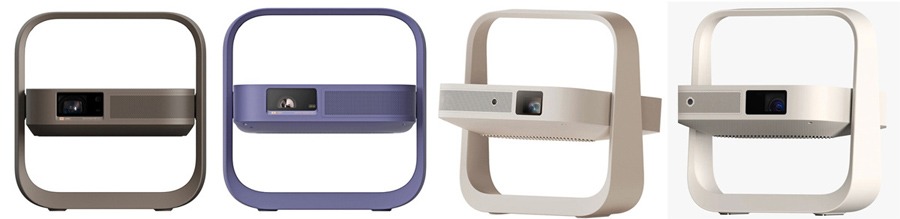
XGIMI has expanded its Elfin Flip portable projector lineup to four models with the introduction of the Elfin Flip 4K and Elfin Flip Laser, joining the existing Elfin Flip and Elfin Flip Plus. The two additions move the series beyond entry-level LED projection, offering buyers a choice between a 1080p triple-laser projector and a more advanced 4K model.
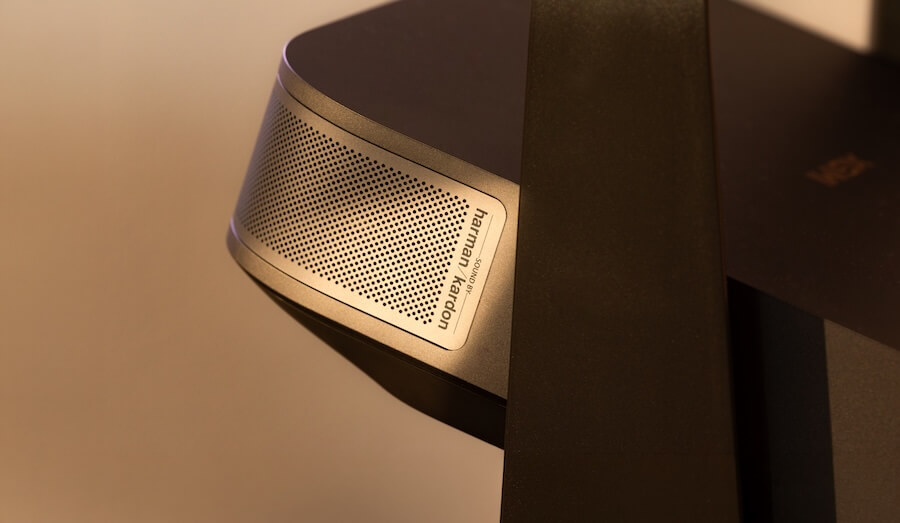
Both new projectors use RGB triple-laser light engines rated at 1,600 ISO lumens and include a single 7-watt Harman Kardon speaker with Dolby Audio. That represents a substantial step up from the Elfin Flip Plus, which uses an LED light source rated at 500 ISO lumens and relies on two 3-watt speakers. This is considerably more than another model number and a mildly revised shade of beige.
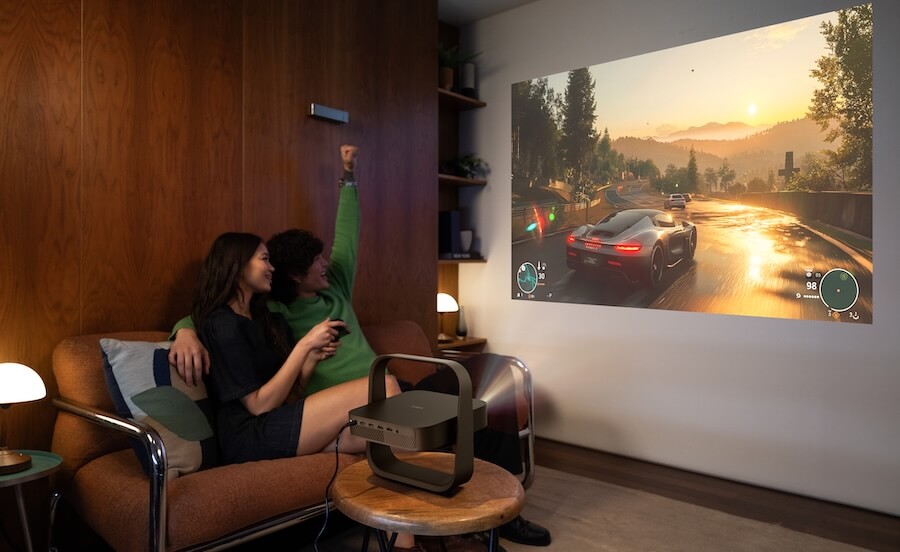
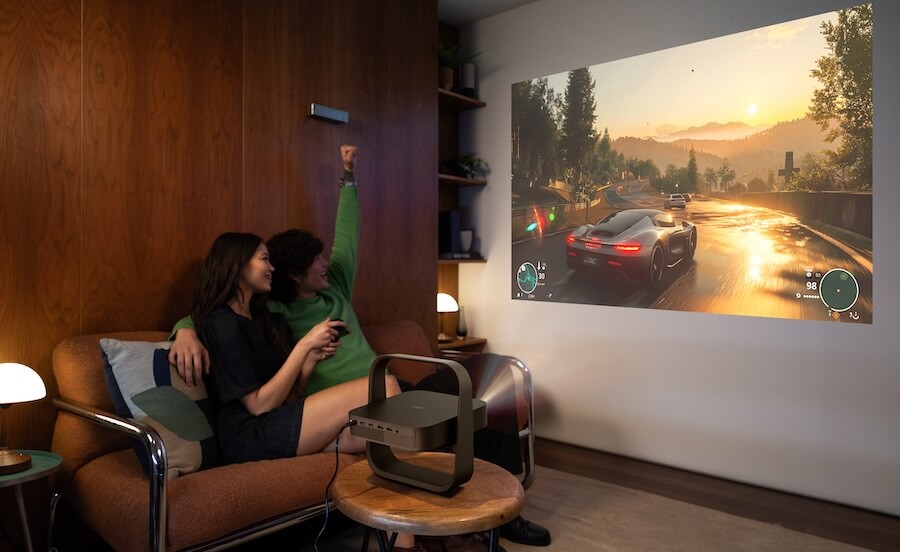
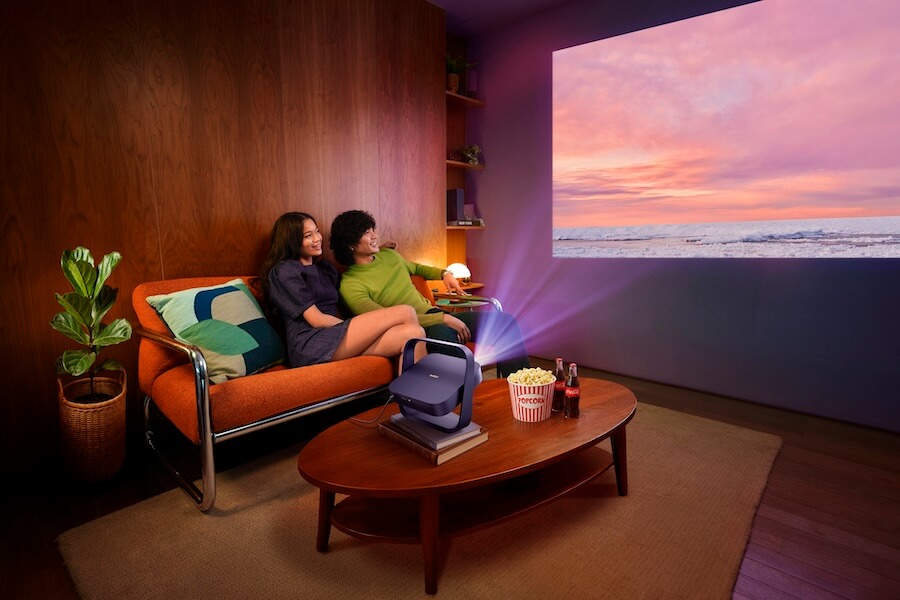
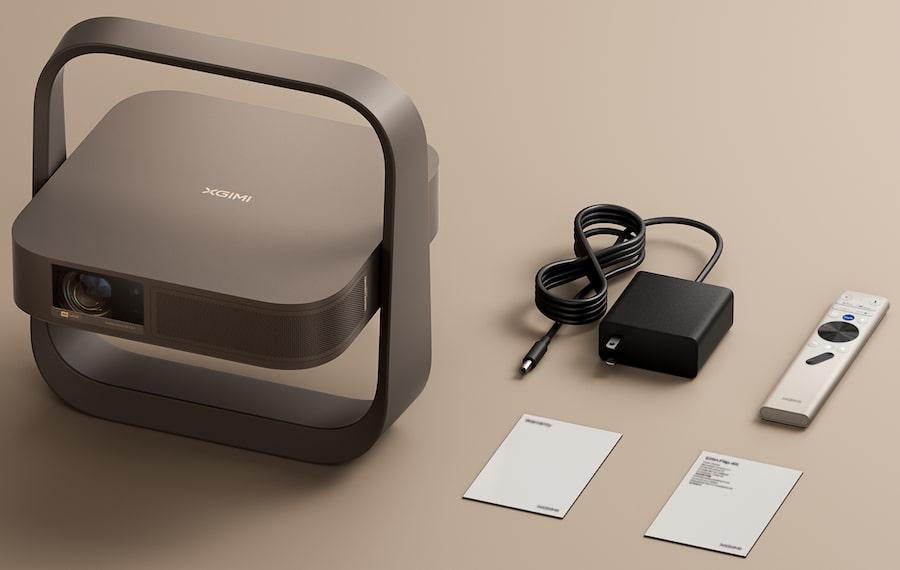
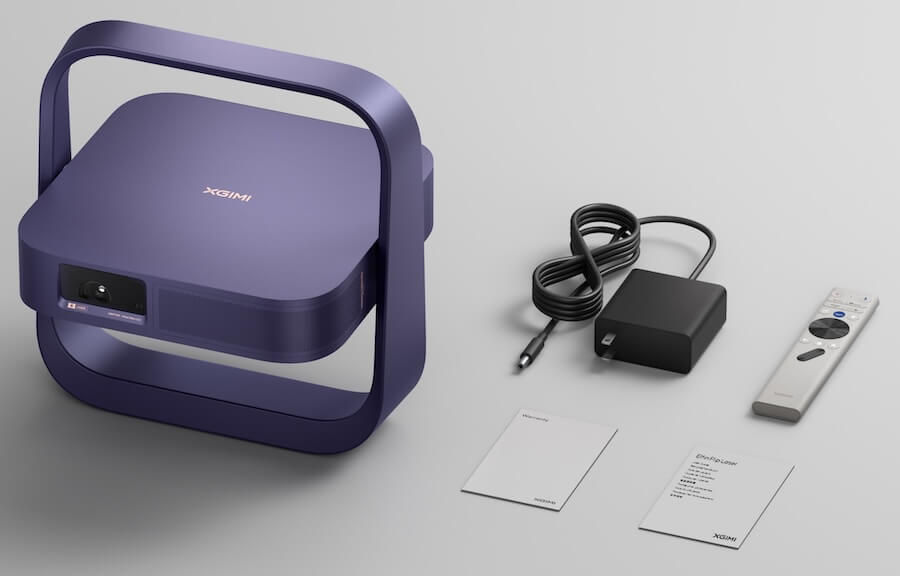
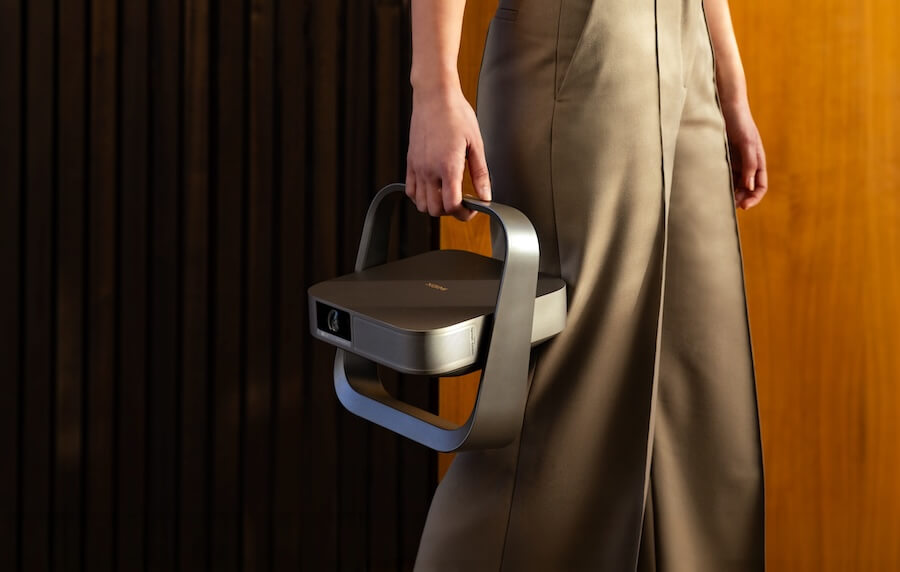
XGIMI has packaged those upgrades inside the familiar book-sized Elfin Flip design, retaining the integrated stand and carry-handle concept that makes the projectors easy to move between rooms and aim at a wall or ceiling. The expanded range now stretches from affordable 1080p streaming to brighter 4K laser projection without requiring owners to drag a black plastic shoebox around the house.
The Elfin Flip 4K sits at the top of the lineup with 4K display resolution via pixel shifting, an RGB triple-laser engine delivering up to 1,600 ISO lumens of brightness, a 20,000:1 dynamic contrast ratio, 110% coverage of the BT.2020 color gamut, and ΔE<1 color accuracy—specifications that rival those of dedicated home theater installations. Its optical zoom and 0.98–1.3:1 throw ratio enable precise screen sizing without requiring users to reposition the projector.
Weighing just 1.55 kg and measuring 9.64 inches wide, it delivers a large-screen viewing experience with zero visual compromise.
The Elfin Flip 4K’s flip-to-start operation and slim profile reinforce its portability: pick it up, place it, and the picture is ready. XGIMI’s Intelligent Screen Adaptation technology handles the rest automatically through Uninterrupted Auto Keystone, Auto Focus, Intelligent Screen Alignment, Intelligent Obstacle Avoidance, Wall Color Adaptation, and Intelligent Eye Protection.
Gaming Support: For the first time in the Elfin series, the Flip 4K supports console-level gaming performance, with input lag as low as 1 ms at 1080p/120 Hz. It also supports VRR and ALLM, along with Black Equalizer, Virtual Crosshair, and a dedicated Gaming Picture Mode.
The Flip Laser
The Elfin Flip Laser sits immediately below the Flip 4K in the lineup. It uses the same RGB triple-laser light engine, carries the same 1,600 ISO-lumen brightness rating, and includes the same Harman Kardon speaker system and smart features.
The primary differences are its 1080p display resolution, lower 10,000:1 dynamic contrast ratio, and lack of the Flip 4K’s advanced gaming features.
Advertisement
Audio & Smart Features
The Elfin Flip 4K and Elfin Flip Laser each include a 7-watt Harman Kardon speaker with Dolby Audio support, designed to deliver room-filling sound without requiring external audio equipment. Our suggestion: get a soundbar.
Advertisement. Scroll to continue reading.
With Google TV, users also have direct access to Netflix, Hulu, Amazon Prime Video, and thousands of additional streaming apps, making the Elfin Flip Series a complete all-in-one home entertainment solution.
Pro Tip: The previously released Elfin Flip Plus and Elfin Flip remain the more affordable entry points in the lineup, but both use LED light sources rather than RGB triple-laser engines. Their speaker systems also offer less power and do not benefit from Harman Kardon tuning. Automatic setup features may vary by model.
XGIMI offers projectors for everything from casual streaming to dedicated home theaters, but the Elfin Flip Series occupies an increasingly popular middle ground: compact lifestyle projectors that can move between rooms without looking like surplus equipment from a high-school audiovisual department. The Elfin Flip 4K is the standout, combining pixel-shifted 4K resolution, an RGB triple-laser light engine, 1,600 ISO lumens, optical zoom, Google TV, automatic setup, and serious gaming support inside a slim, book-sized design for $999. That combination of portability, optical zoom, wide color coverage, and 1080p/120 Hz gaming performance is what makes it genuinely different.
The Elfin Flip 4K is best suited to apartment dwellers, renters, gamers, and families who want a large image in a bedroom, living room, or temporary media space without permanently mounting a projector. The Elfin Flip Laser offers the same 1,600 ISO-lumen brightness and RGB triple-laser color performance for $799, but drops to 1080p, reduces dynamic contrast, and eliminates the 4K model’s optical zoom and advanced gaming features. Unless the Laser is substantially discounted, spending another $200 for the Flip 4K is not a difficult decision.
There are compromises. Neither laser model includes a built-in battery, so “portable” means easy to carry from room to room rather than movie night in the middle of a field without access to an extension cord. HDR support is limited to HDR10 and HLG, with no Dolby Vision, and 1,600 ISO lumens still does not turn either model into a replacement for a television in a brightly illuminated room. The single 7-watt Harman Kardon speaker may be adequate for casual viewing, but claims of room-filling sound should be approached with the same caution normally reserved for airport sushi. Both models support HDMI eARC, so budget for at least a soundbar if dialogue clarity, bass, and convincing movie sound matter.
Advertisement
The Elfin Flip Plus remains the value option at $379, offering 1080p resolution, Google TV, automatic setup, and 500 ISO lumens. The standard Elfin Flip is also priced at $379 or less, although its lower 400 ISO-lumen output makes the Plus the more sensible purchase whenever the two are selling for the same amount. Casual viewers working with a dark room and tighter budget should start there; buyers seeking the best combination of brightness, resolution, flexibility, and gaming performance should move directly to the Elfin Flip 4K.
XGIMI Elfin Flip 4K




























































You must be logged in to post a comment Login