Sports MultiView is one of those features that makes Apple Vision Pro a viable purchase, so of course Apple is willing to rush out the visionOS 26.3.1 update just to fix an issue with that feature.
Sports MultiView is an excellent feature on Apple Vision Pro. Image source: Apple
It’s been two years since Apple Vision Pro arrived on the market, and there still isn’t a “killer app.” That said, the product has a lot of small features that make it worthwhile, and one of them is sports MultiView. Apple released visionOS 26.3.1 on Thursday evening with a fix specifically for sports MultiView. The release notes say that a flicker issue could occur while using MultiView in the Apple TV app. Continue Reading on AppleInsider | Discuss on our Forums
Google just launched Nano Banana 2, and this model produces professional-grade photos at warp speed while still providing the kind of control you’d only get from premium models in the past. Powered by the Gemini 3.1 Flash architecture, it replaces the previous Nano Banana on all main platforms. Users now have access to significantly more detail, richer textures, and brilliant lighting in every photo. You may create photographs ranging from ultra low-resolution to 4K, and you have complete control over how they appear, whether you want a square portrait or a vast, theatrical scene.
One of the most noteworthy features is the generator’s speed, which allows you to experiment with different ideas without having to wait. Edits appear quickly, whether you’re adjusting the lighting, composition, or a single element. This makes it ideal for rapid experimentation, whether you’re working on a single concept or testing out a variety of images.
Google Pixel 10a is a durable, everyday phone with more[1]; snap brilliant photography on a simple, powerful camera, get 30+ hours out of a full…
Unlocked Android phone gives you the flexibility to change carriers and choose your own data plan; it works with Google Fi, Verizon, T-Mobile, AT&T…
Pixel 10a is sleek and durable, with a super smooth finish, scratch-resistant Corning Gorilla Glass 7i display, and IP68 water and dust protection[4]
It’s not only about speed; the control is far more precise than ever before. Complex directions are accurately picked up; you may even request tiny nuances in style or tone, and it will be perfectly executed. Object consistency is also far more reliable; you can have up to five characters or figures that seem same from one image to the next. The model can also accommodate up to 14 separate items in a single scene without losing a step, making it ideal for agricultural scenes with animals and tools, as well as highly complex multi-panel storytelling.
Text rendering also looks much better, with words and phrases appearing crisp and clear, making it an ideal tool for infographics, signs, diagrams, and marketing materials. With Gemini’s real-time expertise, the tool can even extract exact details for objects, scenarios, or data visualizations, resulting in a diagram of the water cycle with the proper labels and ingredients.
Nano Banana 2 is currently available in the Gemini app, with options for fast, thoughtful, and pro modes. Google Search has received an AI boost, and technologies such as Flow, AI Studio, Google Cloud, and Ads will include the model in the coming months. Free users will have access to fewer generations, whilst premium subscribers will have far more.
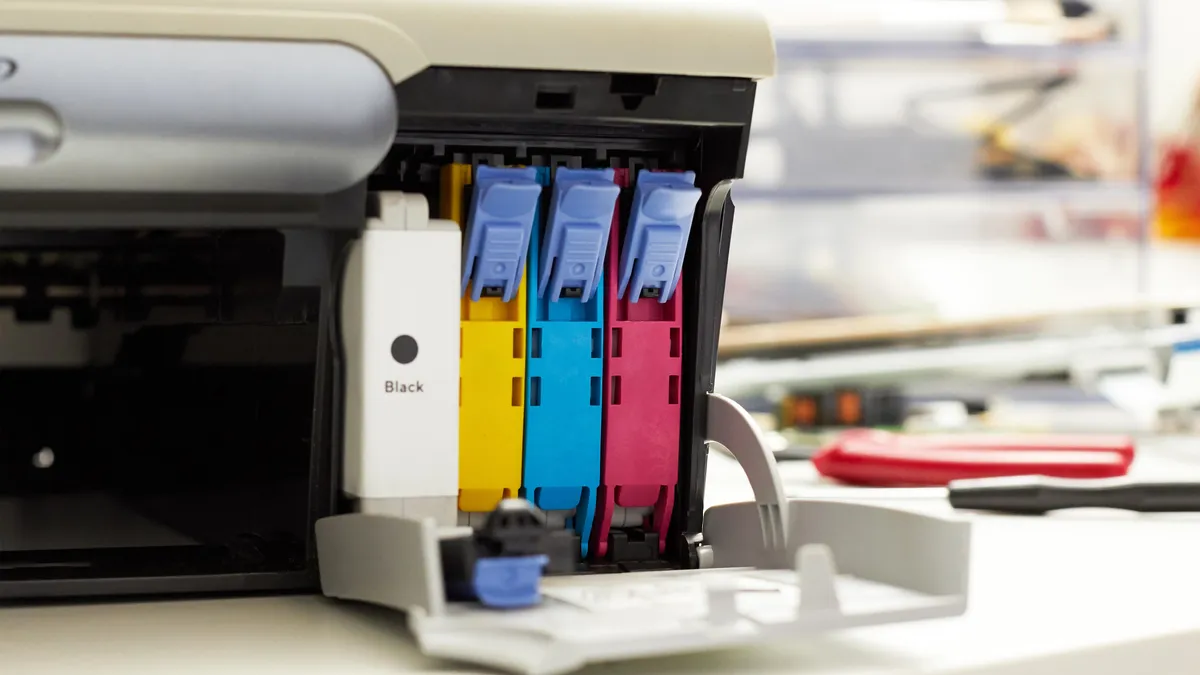
Finding an inexpensive, quality inkjet printer isn’t a challenge. But getting affordable replacement ink is another matter entirely.
You might be shocked to learn that replacement ink cartridges can cost as much as the printer itself, if not more. It’s because printers are often sold at a loss, with the company expecting to make its profit on the ink.
This strategy, also known as the “razor-and-blades model,” is common in consumer goods, including printers, coffee makers (the ones that use disposable pods) and its namesake, shaving razors.
Advertisement
Printer manufacturers, however, claim there are several reasons why ink costs so much, beyond revenue. Here are the main reasons why printer ink is so expensive.
The razor blade business
The razor-and-blade business model provides a continued revenue stream for printer-makers after a customer buys the hardware. It also locks that customer into an ecosystem. Just as some razor handles are compatible with only a specific blade, printers support only certain inkjet or toner cartridges.
Manufacturers typically offer different printer models, but they likely use different cartridges that aren’t interchangeable. The cartridges also aren’t refillable by design. While it may seem manipulative, this business model is legal and common practice. It also keeps prices high due to a lack of competition.
It’s all proprietary (aka intellectual property)
Advertisement
Thanasi/Getty
Another way consumers are locked into a closed ecosystem is that many ink and toner cartridges contain chipsets that communicate with the printer, such as the amount of ink or toner left, so the printer can estimate how many pages it can print. They also verify whether the cartridge is authentic (i.e., from the printer manufacturer) or has been refilled. In either case, the printer could reject the cartridge.
While some third-party suppliers have found ways around this, printer cartridges are proprietary, the intellectual property of the original manufacturer. Customers are usually limited in replacement options other than buying from their printer’s original equipment manufacturer.
This isn’t about the cost of research and manufacturing, or at least, not just about that. Printer-makers claim that their technology ensures consumers get the best print quality from their ink or toner, as well as proper performance and accurate color or monochrome prints.
For example, inkjet printer ink is formulated to flow smoothly through the tiny printhead nozzles, while laser printer toner powder must be heated and applied evenly. That ink or toner also has to dry quickly on paper without smudging, which is another key reason. The official cartridges also include security features that manufacturers claim protect against malware.
So, although cartridges look simple on the outside, their embedded technology adds to manufacturing costs. Companies say this helps ensure high print quality, but consumer advocacy groups say it is designed to keep out competition while shifting the cost to users.
Advertisement
If you print often, expect to spend more on consumables
Gettyimages/Photoplus magazine
Obviously, the more ink or toner used, the sooner replenishment is needed. This is especially the case with inkjet printers, as cartridges often contain a low yield of ink (between 150 to 300 pages). And, if the printer uses multiple cartridges, those costs add up quickly. If you run out of one color, you might not even be able to print black-and-white documents.
Worse, new inkjet printers include “starter ink cartridges” that offer even lower yields. Laser printer toner cartridges also require replacing, but they tend to have higher yields than their inkjet counterparts.
Also, if you don’t print often, the ink in the cartridges can dry out, requiring replacement before you can print anything.
How to reduce printer ink costs
Advertisement
Epson/CNET
There’s no way around it: Inkjet printers need ink, which will eventually run out. But there are a few ways to save some money.
High-yield cartridges
Some printers support high-yield ink or toner cartridges, which double the output of standard options. They cost a bit more, but you may be able to reduce the frequency of ink replacements. They also might be cheaper per page printed.
Refillable ink
Refillable inkjet printers, also known as supertank printers, have gained popularity. As the name suggests, a user pours ink into tanks built into the printer, much like refilling a soap bottle. Refillable inks are cheaper than ink cartridges and offer a much higher yield. (They also produce less waste in general.) However, the printers themselves are more expensive to purchase upfront.
HP
Subscription programs
HP offers its Instant Ink program, which automatically ships you a replacement when ink runs low (the printer sends this info to HP when connected to Wi-Fi). Starting at $1.79 a month, HP sends new high-yield cartridges only when needed and recycles your old cartridges to reduce e-waste. HP says Instant Ink offers a savings of up to 50% when compared to buying off the shelf, and most Wi-Fi-enabled HP printers support the program.
Epson launched a new service called ReadyPrint, where, for a monthly fee (starting at $15), you get a printer and unlimited refillable ink. ReadyPrint is available only on select models.
Advertisement
Print in draft mode and limit color
Oftentimes, lower-quality draft mode is more than sufficient for most print jobs. This can help increase page yields. Nearly all inkjet printers can output in color, but that doesn’t mean you should. Make sure you disable color in your print settings and enable it only when needed.
Consider a laser printer
Laser toner cartridge.
Getty Images/Smith Collection
Evaluate the amount and type of printing you plan to do. If it’s mostly black-and-white documents, it may be more economical to invest in a laser printer, since toner offers higher yields and doesn’t dry out between infrequent uses.
Advertisement
Then, if you need to occasionally print color or photos, print them professionally at FedEx, pharmacies like CVS and any number of local or online photo print shops. In the long run, this might be cheaper than owning your own color printer if you don’t print regularly.
Third-party supplies
Third-party ink supplies can offer significant savings, but printer manufacturers have strongly fought against this option. They’ve even implemented measures to prevent their use. However, it’s not illegal for consumers to use third-party inks. Before you choose this option, know that the savings may come at the cost of print quality, and some third-party inks could damage the hardware.
While using third-party ink won’t void the warranty, the printer manufacturer may not cover repairs or replacements if third-party supplies are found to be the source of damage. It’s best to choose a reputable retailer or service known for high-quality third-party inks, and that will stand behind them.
The upcoming BGMI 4.3 update will introduce a new racing-style feature to classic matches, adding an action-packed element to the traditional battle royale experience. The update brings drag-style checkpoints that players can activate during regular games, turning certain map zones into timed vehicle challenge areas.
Once a squad enters a flagged race zone, a timed driving challenge begins. Players must move quickly through designated checkpoints before the timer expires. Finishing the run successfully rewards additional loot, which may provide a game-changing boost during mid-game situations. Nevertheless, such paths are commonly placed in open areas, making the vehicle vulnerable to enemy fire. This is a strategic choice – pursue reward routes or play it safe.
The racing system is a part of the overall mobility emphasis in the 4.3 update. Vehicles are about to play a more strategic role rather than being confined to rotation or escape routes. Such checkpoints can be used by teams as mid-game objectives, aggressive loot routes, or even quick shortcuts.
In this way, the update combines speed challenges with survival gameplay to keep matches interesting and less predictable. Casual gamers and pro squads will actively use the feature to secure bonus loot and strengthen their map position. The checkpoints in the update ensure that the players act quickly and do not hesitate.
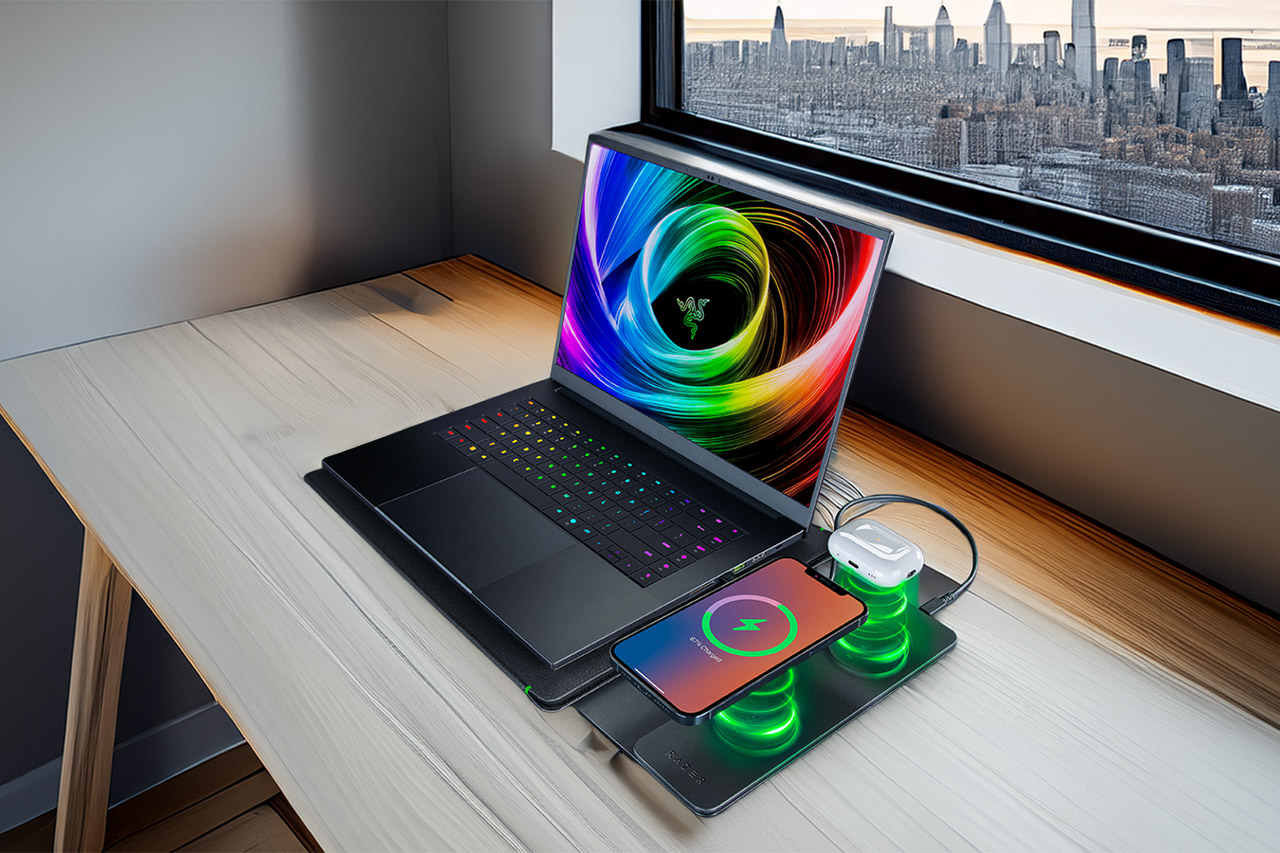
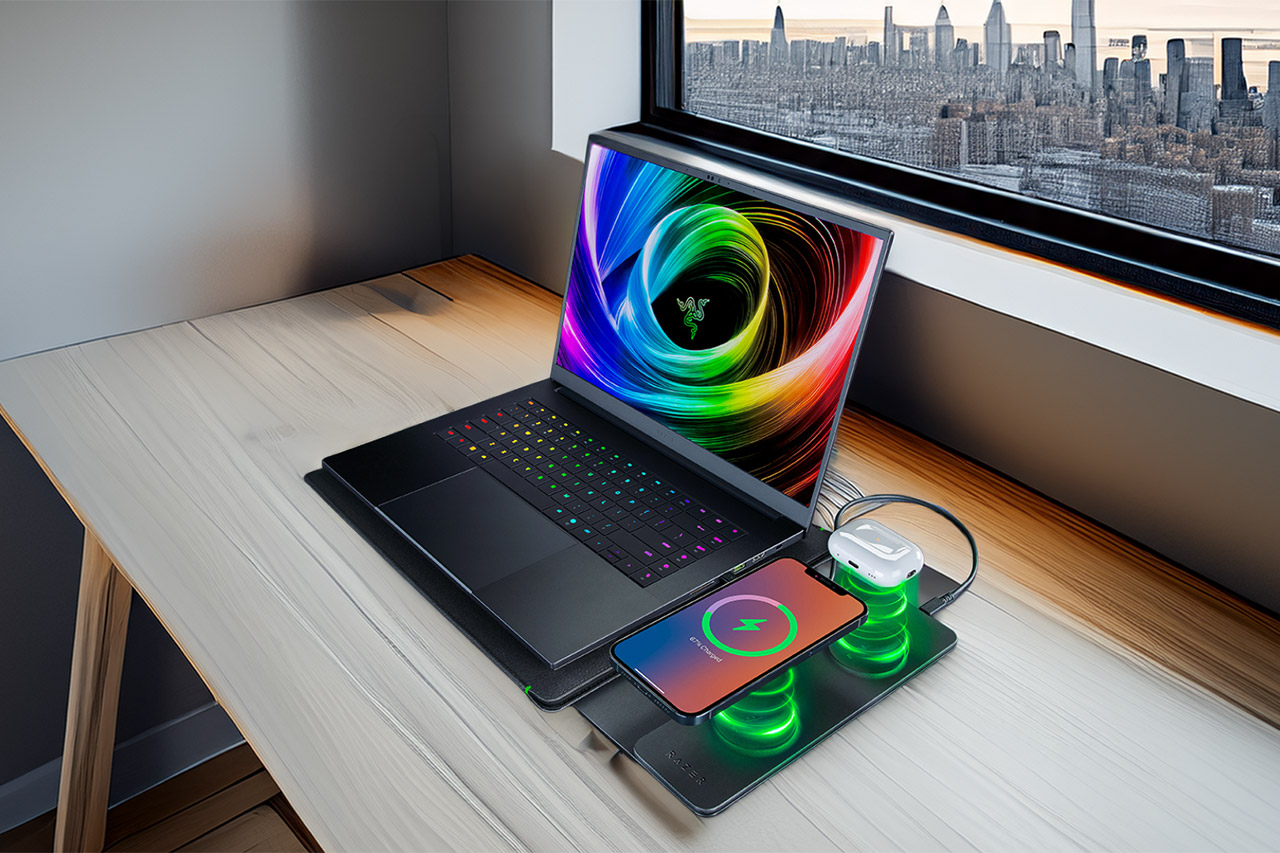
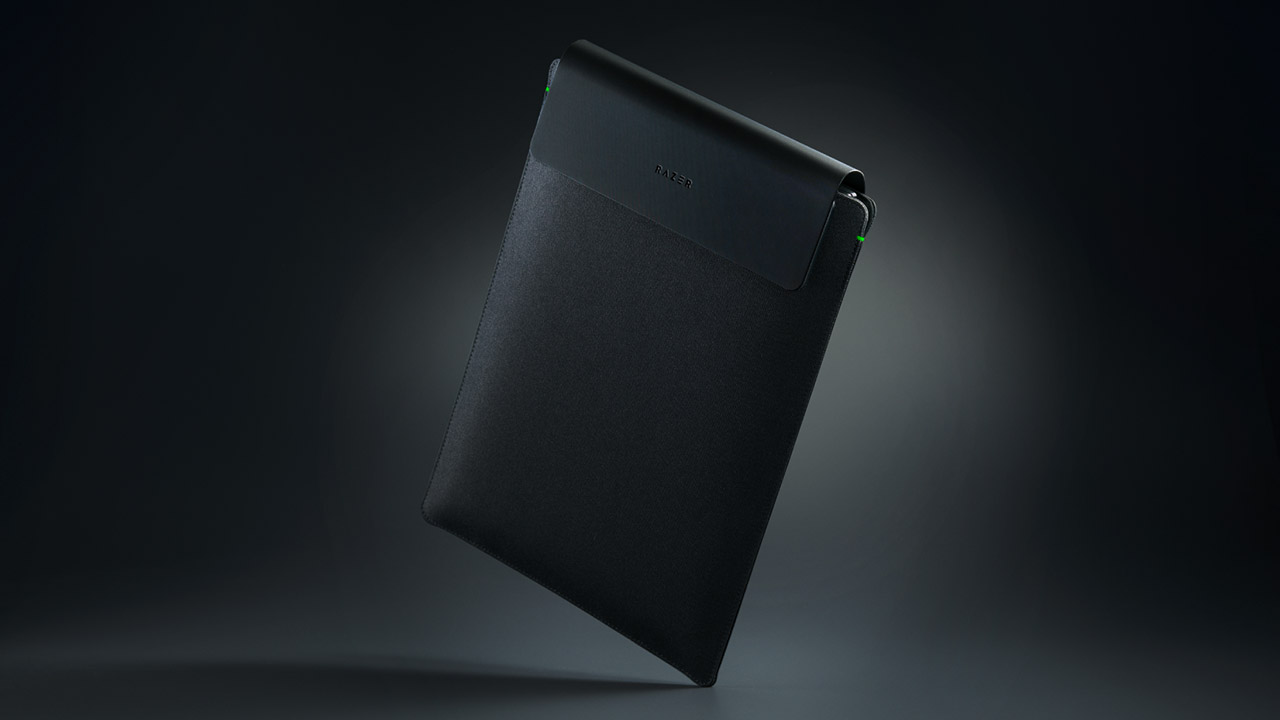
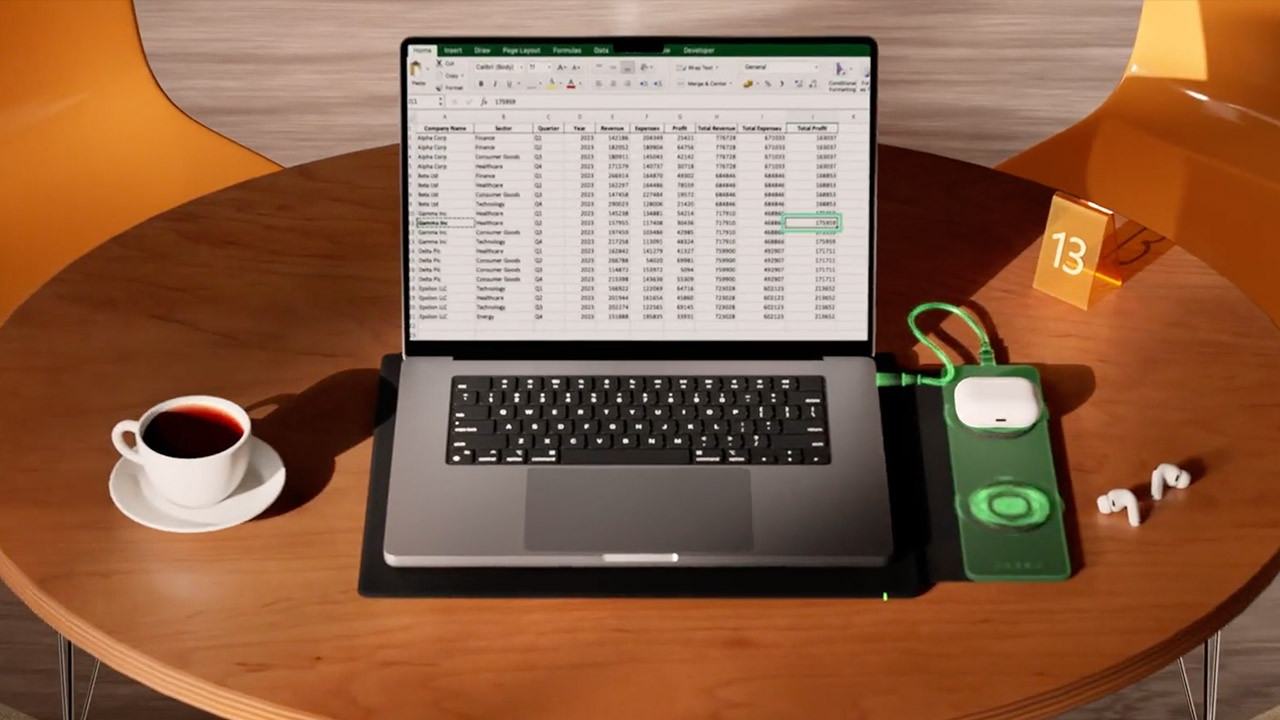
Razer has just released a new laptop sleeve built for 16-inch laptops, and it does more than just protect your system from scratches and drops. Two wireless charging pads are located in the front of the device, allowing you to charge your phone and earbuds without the need for an outlet or a cable. So, you can place your iPhone on the lower pad for up to 15 watts of rapid charging, or AirPods on the upper pad for 5 watts. The good news is that both will continue to work even after you plug the sleeve into a USB-C charger with at least 30 watts.
With the design, they made a serious effort to cover users who have to carry laptops around all day. The sleeve has magnetic alignment snaps your devices into position and keeps them secure, even while you’re on the go. This ensures that the charging is always consistent, whether you’re in a conference or waiting for your gate to be called. One thing to keep in mind is that it does not have a built-in battery, so it will take power from whatever source you have connected in, such as your laptop charger, a wall adapter, or a portable power bank
This laptop sleeve dimensions: 15.7 x 11.2 x 2 inch (L x W x H); The laptop compartment dimensions: 14.6 x 10.6 x 1.6 inch (L x W x H); One…
TSA Friendly Design: With portable handle, top opening double zippers gliding smoothly freely 90-180 degree opening and offers convenient access to…
Organize Your Digital Life: our laptop sleeve case is perfect for women and men’s daily use on business trip, travel, office etc. 15.6 laptop case…
Despite the extra charging feature, they did not overlook protection. A robust woven polyester shell can withstand the rigors of everyday life, and the reinforced edges are intended to absorb shocks. Inside, there’s a beautiful padded microfiber interior to cushion your laptop, and a snakeskin-patterned finish to keep it looking nice, while all of this weighs in at 410 grams, which is around 60 grams more than their normal non-charging version, thanks to the extra coils and expensive PU leather.
Advertisement
This sleeve is compatible with laptops up to 16 inches, including the latest Razer Blade models. If your smartphone is Qi-compatible, it will charge just fine; but, if you’re an Apple fan, you’ll be pleased to hear that the sleeve supports MagSafe, so you can simply slap your Air or Macbook onto the charging pad and feel that gratifying snap. The sleeve remains quite compact, so it will easily slip into a backpack or briefcase without taking up too much space.
How much? It costs $129.99, which is a little more than your standard sleeve, but the added convenience will be a blessing for travelers or multitaskers who are tired of their batteries dying in the middle of the day. Razer is currently offering it on their website, along with a plain $79.99 version that lacks the charging capability.
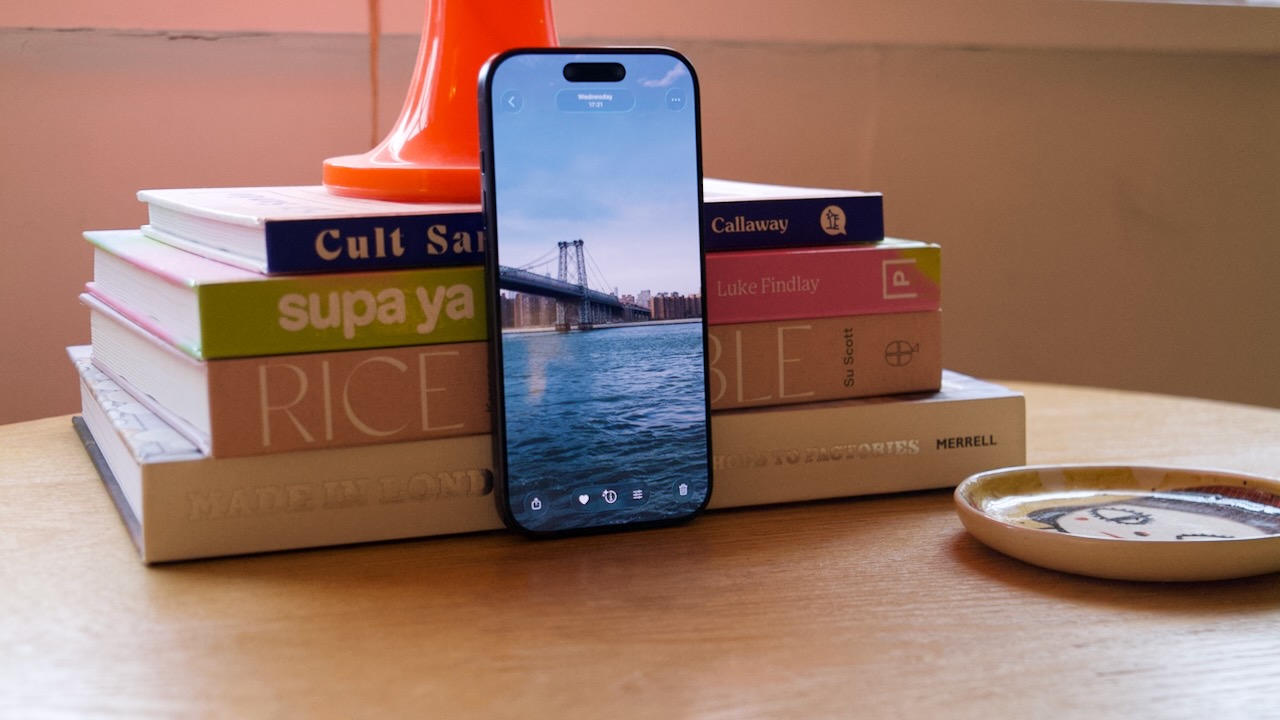
Apple may be preparing to shrink the Dynamic Island on next year’s iPhone 18 Pro models.
According to Bloomberg, alongside several well-known leakers, the iPhone 18 Pro and Pro Max are expected to feature a smaller cut-out at the top of the display. However, the Dynamic Island itself isn’t going anywhere just yet.
Apple is reportedly planning to move the Face ID dot illuminator under the display, which would allow the visible cut-out to shrink. At the same time, improvements in front-facing camera miniaturisation could further reduce the space required. The front camera, infrared camera and dot projector are still expected to sit within the Dynamic Island. Therefore, the interactive software element would remain intact.
Advertisement
It’s worth noting that similar rumours surfaced ahead of the iPhone 17 Pro launch, only for the design to stay the same. However, when multiple independent sources begin aligning this close to a launch cycle, it typically suggests something is in motion. Even if the final change ends up subtle, this kind of consensus is unusual.
Advertisement
Long term, Apple is widely believed to be working toward a completely uninterrupted display — essentially a slab of glass with no visible cut-outs. That milestone could align with the iPhone’s 20th anniversary in 2027. For now, though, the iPhone 18 Pro looks set to take a smaller step forward rather than a dramatic leap.
Although not as reviled as the sound of nails on chalkboard, the sound of adhesive tape being peeled is quite probably at least as distinctive. With every millimeter of the tape’s removal from the roll sounding like it’s screaming in protest, it has led some to wonder just why this process is noisy enough to be heard from across an open-plan office. Recently [Er Qiang Li] et al. had their paper on a likely theory published in Physical Review E, in which they examine the supersonic air pulses at the core of this phenomenon.
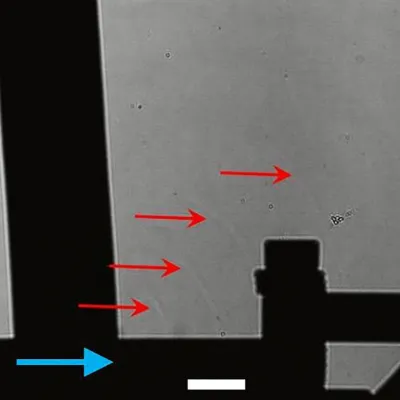
The shockwaves produced by peeling tape, captured on Schlieren imaging. (Credit: Er Qiang Li et al., 2026)
Using rolls of adhesive tape and two microphones synchronized with two high-speed cameras in a Schlieren imaging setup, they gathered experimental data of this stick-slip mechanism. Incidentally, in addition to this auditory effect, adhesive tape is also known for the triboluminescence effect, as well as the generating of X-rays, making them quite the source of scientific demonstrations, even when they’re not also being used to create graphene with.
What they deduced from the recorded data was that the transverse fractures that suddenly appear after the extended stick phase hold a vacuum until they reach the end of the fracture during the brief slip phase, at which point the vacuum collapses very suddenly. This produces a pressure of 9600 Pa and clearly visible shock fronts on the Schlieren images.
Now that we know why peeling adhesive tape from its roll is so noisy, it won’t make it any more quiet, but at least we can add another fascinating science fact to its role of achievements.
For most retailers, that kind of turnout is reserved for limited edition launches or concert ticket drops. For SGFR, it’s a recurring phenomenon.
Advertisement
The brand has gone viral multiple times, drawing huge crowds for each store opening and new product launches—and it’s a sign of just how quickly the brand has captured a niche in Singapore’s snack market.
SGFR Store’s founder was just 18 when he started the business
Image Credit: SGFR Store
Opened in Mar 2022, SGFR Store brands itself as a “concept candy store.” The business’s focus is on cult favourite goodies among today’s chronically online youth.
Its shelves are stocked with the likes of PRIME energy drinks from influencers Logan Paul and KSI, chocolate bars by YouTuber MrBeast, and Takis tortilla chips in flavours such as ‘Blue Heat’ and ‘Fuego.’ These aren’t just snacks—the influencers behind them have followings bigger than some countries, while Takis taste-test videos rack up millions of views online.
Too niche for mainstream grocery chains like NTUC FairPrice, they find a home at SGFR, catering to young consumers who grew up idolising these online personalities and now seek out their favourite snacks in one place.
Price points vary just as wildly as the products: you can grab Hershey’s Popping Candy for as little as S$1, or splash out on a limited-edition Gold PRIME drink for S$300.
Advertisement
Image Credit:Paing Htoo Kyaw, Sridevi Gogini via Google Reviews
Behind the business is 23-year-old Mohamed Haikkel, whose entrepreneurial streak began early. Before SGFR Store took its current form, it was known as SGFishingRigz, where Haikkel sold fishing kits.
At 16, fresh out of his O-Levels, Haikkel broke his leg in an accident that left him stuck at home. Looking for something to pass the time, he picked up fishing—and quickly spotted a gap in the market.
“When my friends started asking me how to fish, I noticed something. The uncles and aunties at fishing shops only wanted to sell to pros. Nobody wanted to help beginners,” he shared in an interview with Spirit of Enterprise.
So he built what the market didn’t have. Through SGFishingRigz, Haikkel offered beginner-friendly fishing kits that included everything needed to get started, along with QR codes linking to tutorials.
The timing worked in his favour: during the pandemic, when travel was drawn to a halt and people were searching for new hobbies, demand grew. By 2022, at just 18 years old, Haikkel had opened a physical store in Tampines and was running a full-fledged business.
Advertisement
(Left): Haikkel (far left) fishing together with his friends, who also helped him run SGFishingRigz; (Right): The SGFishingRigz store in Tampines./ Image Credit: Mohamed Haikkel/ SGFR Store
By then, however, with COVID-19 restrictions easing and travel resuming, interest in fishing was tapering off. Despite attempts to revive sales through events and new product launches, the store’s revenue declined sharply.
Amid the downturn, Haikkel spotted a new opportunity. He noticed that customers browsing for fishing gear would often pick up snacks and drinks as well. Influenced by YouTubers showcasing viral American snacks, he began to question why such products were not as easily accessible in Singapore.
That curiosity led Haikkel to import PRIME Hydration, starting with just 10 cartons (or a total of 150 bottles). One TikTok post later, the entire stock sold out in four hours, proving there was a ready market in Singapore for viral, Internet-famous snacks.
Hence, Haikkel pivoted fully from fishing gear to focus on this new venture, marking the start of SGFR Store that same year.
Expanding to nine outlets & launching its own product line
SGFR Store’s early success snowballed quickly. Haikkel brought in other trending brands and expanded to multiple locations, running the business alongside co-owner and longtime friend Lucas Phua.
At first glance, it might seem like SGFR is simply chasing viral trends on TikTok. Some Reddit users have questioned the sustainability of the business model, noting that some outlets appear quiet on certain days.
Haikkel addressed this in a TikTok video. The business doesn’t sell necessities like Watsons, Guardian or NTUC—it is a candy store, hence it “won’t have footfall at every moment.”
Some days are good, some days are bad, and we try doing events and online sales to expand our income streams.
That said, SGFR Store didn’t just want to wait for trends—it aimed to create them. This led to the launch of its first in-house product line. The debut was Quench, billed as the world’s first canned ice cream milk drink, inspired by Singapore’s balang-style pasar malam drinks.
Months of research and development were documented on social media, generating anticipation ahead of launch. The product sold out immediately.
Advertisement
Image Credit: SGFR Store
Today, the brand has even expanded to launch snacks like the Cwumble Cwunch, inspired by the viral Kunafe Dubai Chocolate. When shipment delays threatened supply, Haikkel and his small team improvised, working tirelessly for five days to recreate the recipe in-house. Today, Cwumble Cwunch remains one of SGFR’s signature products.
SGFR Store aims to grow beyond Singapore’s shores
SGFR Store’s expanding product line and growing number of outlets are fuelled by its loyal following, something Haikkel has emphasised repeatedly in interviews and on social media.
Influencers like Logan Paul and KSI shaped his approach—it’s not about fame, but about interacting with your audience and keeping them invested with fun, engaging content, he shared in the Spirit of Enterprise interview.
Haikkel together with streamer IShowSpeed./ Image Credit: Mohamed Haikkel via Instagram
Every month, SGFR Store does something for its community, even if it comes at a cost. During streamer IShowSpeed’s Sept 2024 visit to Singapore, Haikkel gifted him an iPhone 16 Pro Max and a One Piece figure when the streamer dropped by the Arab Street outlet.
On another occasion, the business gave out 400 bottles of PRIME to a local mosque. “This is the stuff that people really remember. This creates a personal connection between us and the viewers each time,” he told Rice Media.
Beyond giveaways, SGFR Store regularly hosts meet-and-greets with fans and content creators like Luqmaan Hakiim, who joined Haikkel and Lucas as a co-owner.
Advertisement
Unlike most retail owners, the SGFR team is treated almost like celebrities—at store launches, fans line up for autographs and selfies, a clear reflection of the brand’s cultural influence among young Singaporeans.
Building on this momentum, SGFR Store aims to expand to 15 outlets by 2026 and set its sights on overseas markets by 2027. “None of this would have been possible without our customers,” said Haikkel. “From day one, they weren’t just buying snacks—they were part of this journey with us.”
On sale in late March for $1,970 / £1,799 (about AU$3,000)
I can’t say I’m the core target audience for the best digital audio player — I don’t have thousands (or even hundreds) to spend on kit like this, so it’s the ultra-cheap options like the Majority MP3 that I end up focusing on. But a new release from Astell & Kern is really catching my attention.
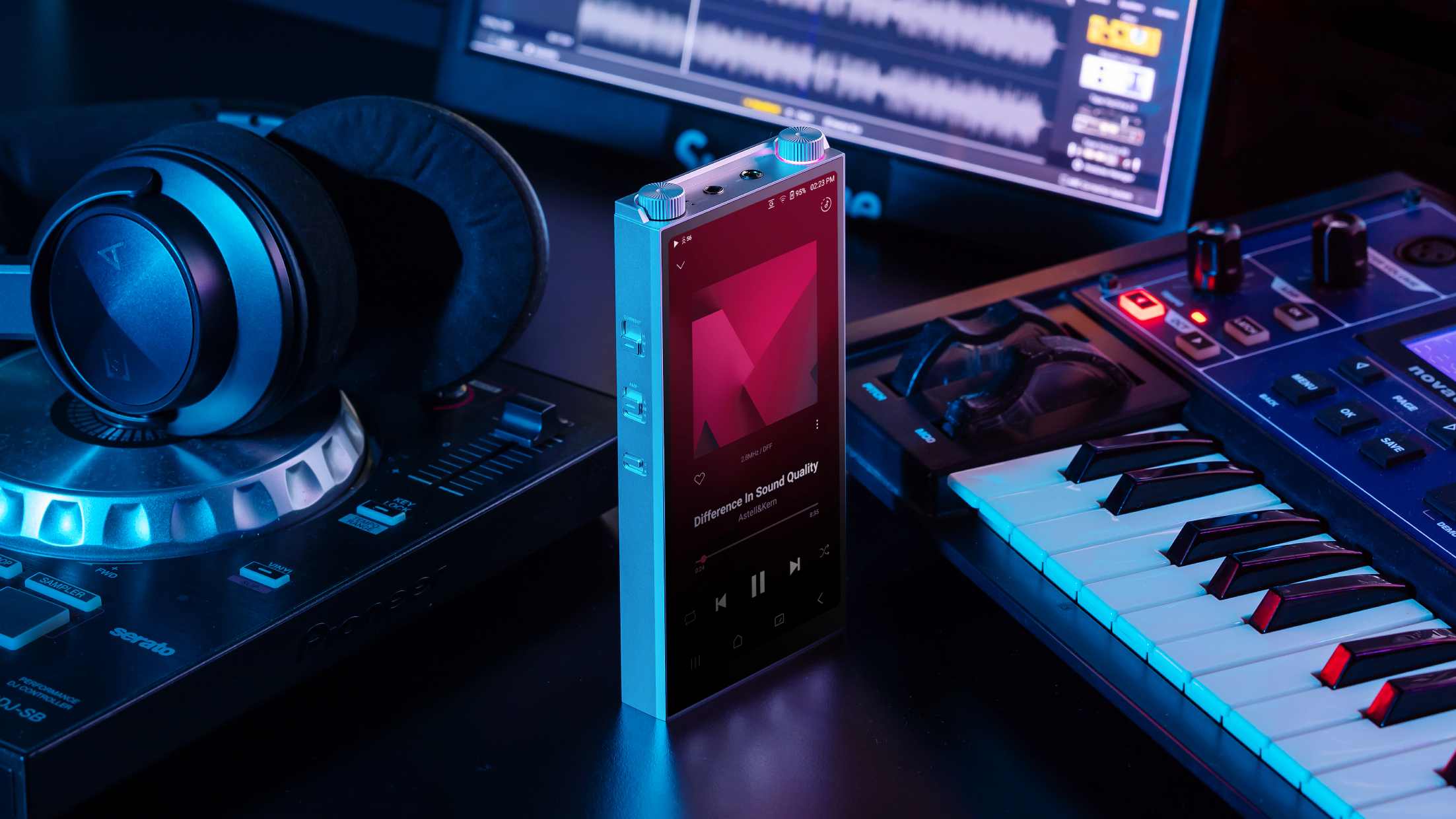
Just a few days after its new copper DAP was one of the gadgets I played with at a high-end audio show, A&K has revealed a new device. Meet the Astell & Kern PD20, which is set to go on sale in mid-March for $1,970 / £1,799 (about AU$3,000).
The headline feature of this new digital audio player (often shortened to DAP by people who know about such things) is that it comes with a “Personal Sound” system, as A&K is calling it. This uses the packaged in-ear headphones — yep, no need to worry about buying separate IEMs — to analyze your hearing, and create a bespoke listening profile just for you. The idea is that it can compensate for any flaws or shortcomings in your own hearing; after all, our ears are all unique. For example, if you struggle to hear bass, it could boost it a little bit.
This feature was designed with Audiodo, another testament to its usefulness: this company also designed the build-in listening test in headphones like the Nothing Ear (3), CMF Headphone Pro and Noble FoKus Amadeus. We praised all three, so expectations are high.
It sounds like the listening test requires the dedicated earphones, so make sure not to lose them: it could affect resale value, and cut you off from the key feature.
I absolutely love listening tests, and while a growing number of wireless earbuds come with their own proprietary solutions, they’re rather hit-or-miss. I imagine a respected company like Astell & Kern will get it right, especially when working with a reputed audio design brand.
Advertisement
Sounding PD good
(Image credit: Astell & Kern)
Beyond its listening test, the A&K PD20 has a few other draws. It uses a triple-amp design, with a slider letting you easily switch between three listening modes, and a second slider letting you adjust the amp’s current to get even more control over your sound.
Sign up for breaking news, reviews, opinion, top tech deals, and more.
There are four built-in DACs, and the device uses the Digital Audio Remaster tech that also came in the fantastic SP4000. This creates a more natural sound by putting the audio signal through several stages of processing to restore lost sound.
You can use the PD20 as a USB-connected DAC for computers (both Windows and Macs) which is a neat extra. It offers 2-channel stereo sound and EQ control that doesn’t interrupt your playback. There’s a sound wheel,
Advertisement
The PD20 has 256GB memory and you can bump that up to 2TB with microSD cards, and it supports aptX HD, LDAC and BT Sink wirelessly to act as a Bluetooth DAC too.
The device itself has a 6-inch FHD+ screen and, according to A&K, lasts for about 14 hours of playback if you’re not listening to high-end codecs. It has both 3.5mm and 4.4mm out jacks, and a USB-C port for charging or computer connection.
It all sounds pretty neat, but we’ll have to let our dedicated audio reviewers get their hands (and ears) on it, to see how well it runs. Watch this space…
And of course, you can also follow TechRadar on YouTube and TikTok for news, reviews, unboxings in video form, and get regular updates from us on WhatsApp too.
If there’s one thing that stops people using their smart rings over the long term, it’s the battery life. After all, they’re so unobtrusive, it’s easy to forget to drop it on the charging plate every few days. It doesn’t take long for your pricey gadget to become little more than a very expensive piece of jewelry. It’s one of many maladies Ultrahuman is looking to address with the advent of its new Pro, a smart ring boasting up to 15 days of battery life. It even ships with a fancy battery case, which itself includes enough power to last it 45 days, making it easier to keep re-charged on the go.
Ultrahuman Ring Pro hasn’t just got a far bigger battery, it’s been re-engineered from the ground up. The company’s Bhuvan Srinivasan explained the older hardware had been pushed to its limit, especially in terms of the data it could process. Consequently, the Pro is equipped with a dual core processor with on-device machine learning to better crunch the numbers your body is throwing out. Its memory has also been increased, holding up to 250 days of data before it needs to sync with your smartphone. As well as improvements to durability, the new ring is also easier to cut apart in the hopefully rare event your finger, or its battery, begins to swell.
Ultrahuman
I’ll admit, having seen a prototype Pro Charger in person back in January, that it’s the prettiest way to re-juice a smart ring I’ve ever seen. Whereas Samsung and Oura have both opted for discreet, ring box-style hardware, Ultrahuman made something designed to sit on your nightstand. It’s not taking up space just for show, either, since it includes the aforementioned battery, LED charge indicator, speaker and haptics. It’s also got the ability to diagnose and address firmware issues to eliminate worries around firmware issues bricking devices.
Ultrahuman
At the same time, Ultrahuman is pulling the covers off Jade, its new “real time biointelligence AI.” The company promises Jade will be able to “pull real-time actionable insights, and even start breathwork or trigger Afib detection.” Jade is expected to get new features over time, with some examples being ordering good, changing your room temperature or flagging potential health issues. The idea is that Jade will keep a constant eye on your health, pulling in data from the ring, M1 continuous glucose monitor and environmental stats from your Ultrahuman Home.
Advertisement
Naturally, we’ll be getting in the Pro to test and will give our opinions on how effective all of this is when we’ve spent a month or two actually using it. But if you’d rather not wait and you’re based outside the US, you can pre-order the Ultrahuman Ring Pro right now, for $479, with shipments beginning in March. If you already have an Ultrahuman Ring, you can also get a trade-in deal to help cut the cost of the new model.
In the past year, Intel has lost its CSO, the CEO of products and the head of AI.
Intel Foundry’s senior vice-president and general manager Kevin O’Buckley is leaving the company to join Qualcomm, where he will be leading the company’s semiconductor operations.
Naga Chandrasekaran, whose remit was expanded to include Intel Foundry months earlier, will be leading the entire segment now, according to a statement from an Intel spokesperson.
In his new role, effective from 2 March, O’Buckley will be reporting directly to Qualcomm’s executive vice-president, chief financial officer and chief operations officer Akash Palkhiwala.
Advertisement
“Kevin brings deep operational expertise, proven commercial leadership, and decades of experience scaling complex semiconductor operations and delivering custom silicon products across data centre and edge devices,” said Palkhiwala.
“His leadership will further strengthen our global operations as we continue to deliver industry-leading products with high-performance, low-power computing, AI and connectivity at scale.”
O’Buckley served at Intel for less than two years, prior to which he led chipmaker Marvell as its senior vice-president. O’Buckley has also spent more than 17 years working across various roles in IBM.
“We thank Kevin O’Buckley for his contributions to foundry services and wish him the very best as he pursues an opportunity outside the company,” an Intel spokesperson told Tom’s Hardware.
Advertisement
“Intel Foundry remains one of Intel’s highest strategic priorities, and under Naga Chandrasekaran’s leadership the organisation is focused on disciplined execution and delivering for customers.”
Qualcomm develops chips for mobile phones and computers. It is behind the Snapdragon series of processors for mobiles, laptops and extended reality sets.
Lip Bu-Tan has been attempting to flatten executive leadership, cut costs and secure new customers for Intel ever since he took over as CEO last March. Since then, the company has seen some major leadership exits.
While November saw Intel’s chief technology and AI officer Sachin Katti leaving to join OpenAI to build compute infrastructure for “artificial general intelligence”. Tan has taken over the company’s AI and advanced technologies groups.
Intel has been closely collaborating with SambaNova, an up and coming chipmaker chaired by Tan. SambaNova recently announced a $350m raise and a strategic investment from Intel to accelerate an Intel-powered AI cloud.
Advertisement
Qualcomm subsidiary Qualcomm Technologies announced a €125m investment to upgrade its Cork city site and create 300 new jobs.
Don’t miss out on the knowledge you need to succeed. Sign up for the Daily Brief, Silicon Republic’s digest of need-to-know sci-tech news.