Tech
Apple’s A20 Pro production is going smoothly, except DRAM supply is bottlenecking iPhone assembly

Ripple effect: In the run-up to the launch of the foldable iPhone Ultra, iPhone 18, and iPhone 18 Pro, Apple and its assemblers are working to secure enough mobile DRAM. Apple leans heavily on Micron for these chips and also buys from SK Hynix and Samsung. People involved say they still expect to meet initial demand, but they worry online wait times could stretch and store inventory could run out quickly if the shortage continues.
Apple’s next iPhones are built around a new chip and packaging setup that pairs the A20 Pro processor with high-performance DRAM at the wafer level, and that packaging step is being slowed by a tight memory market, according to sources who spoke with Taipei-based journalist Tim Culpan.
The core of the new lineup is the A20 Pro chip, Apple’s first processor built on TSMC’s N2 node, which moved into volume production earlier this year. The chip isn’t shipped alone: it’s packaged together with DRAM using TSMC’s Wafer-Level Multi-Chip Module process, or WMCM.
This replaces the Integrated Fan-Out (InFO) approach TSMC has used for about a decade, and is roughly “CoWoS for mobile,” as Culpan has described it, drawing a parallel to the company’s advanced CoWoS packaging for data-center AI chips.
On the front-end side, N2 is produced at Fab 20 in Hsinchu’s Baoshan district and Fab 22 in Kaohsiung, with Fab 22 set to be the main hub for Apple’s chips. WMCM is being tested on pilot lines at Advanced Packaging Fab 3 in Longtan and will mainly be handled at AP7 in Chiayi once that site is fully online.
Earlier this year, Culpan reported that demand for N2 is strong enough that capacity is booked out through the end of next year, a sign of broad interest in the node from multiple customers. Despite that demand, N2 itself isn’t the bottleneck. Sources say A20 Pro production on N2 is running well, with good volumes and yields. The problem is DRAM.
Wafers with A20 Pro dies are stacking up while they wait for memory chips to arrive for WMCM packaging. Until that DRAM is in place, those processors can’t move further along the assembly line. As a result, TSMC is holding around $1 billion worth of Apple processors that are ready on silicon but stuck waiting for memory.
TSMC’s recent earnings call offered a clue to this buildup. In comments that drew little attention at the time, CFO Wendell Huang told investors that inventory days had increased seven days to 87, “primarily due to the ramp of N2 technology.”
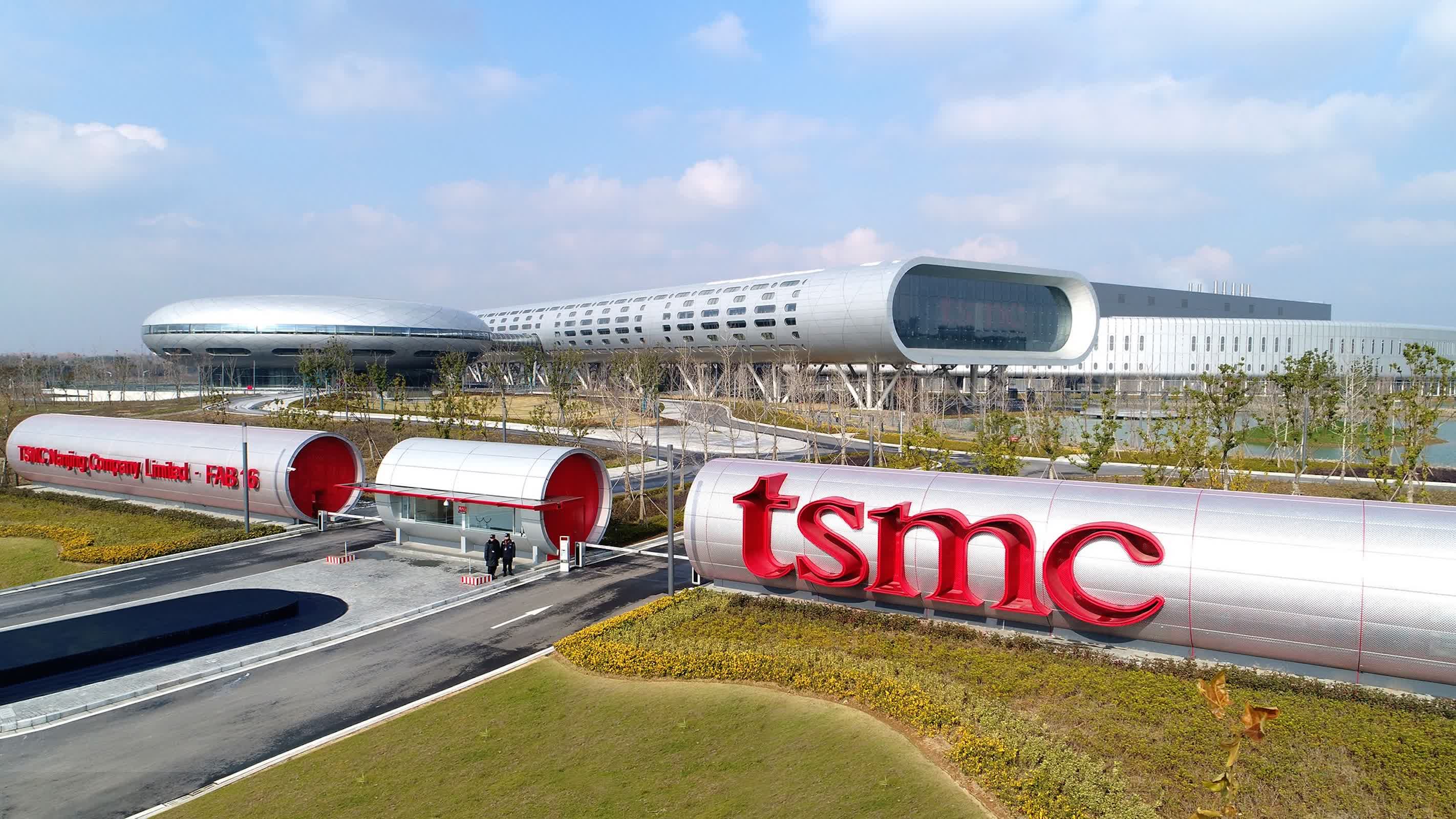

Inventory is now 11 days higher than a year ago and seven days above the prior quarter, figures that match a situation where wafers and partially processed chips are sitting in the pipeline, consistent with the current DRAM-related packaging delay.
Downstream, the shortage is also affecting board and device assembly. Main logic board assembly and final iPhone production are being done in China, with BYD and Foxconn as the primary producers, according to Culpan’s sources.
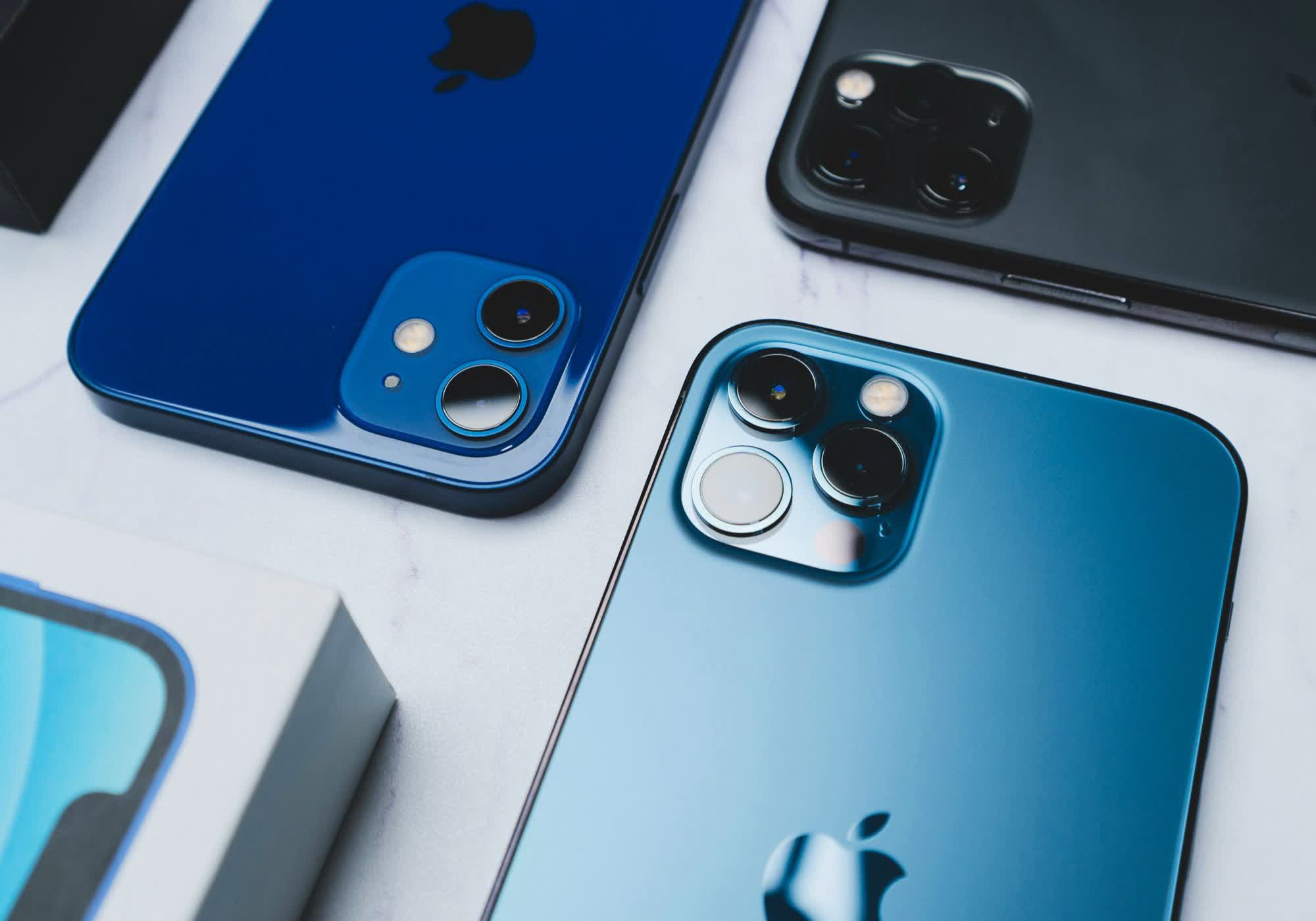

Without enough DRAM-equipped WMCM packages, those assemblers have less time to ramp up and build stock before launch, raising the risk that some models could be scarce in the early weeks.
Apple plans to make about 200 million units of the foldable iPhone Ultra, iPhone 18, and iPhone 18 Pro over the life of this generation, assemblers have been told. Less than 10% of that total will be the Ultra, which various reports have hinted will sell for more than $2,000. The remaining units will be split evenly between the Pro and standard versions.
For now, Apple and its partners are focused on pushing more DRAM into the WMCM flow fast enough to keep that plan intact. The N2 node is ramped and the packaging infrastructure is being built out, but the pace of Apple’s most advanced mobile architecture still hinges on how quickly its key memory suppliers can deliver.
You must be logged in to post a comment Login