Tech
Apple’s PowerBook Duo 230 Delivered True Portability with a Clever Twist

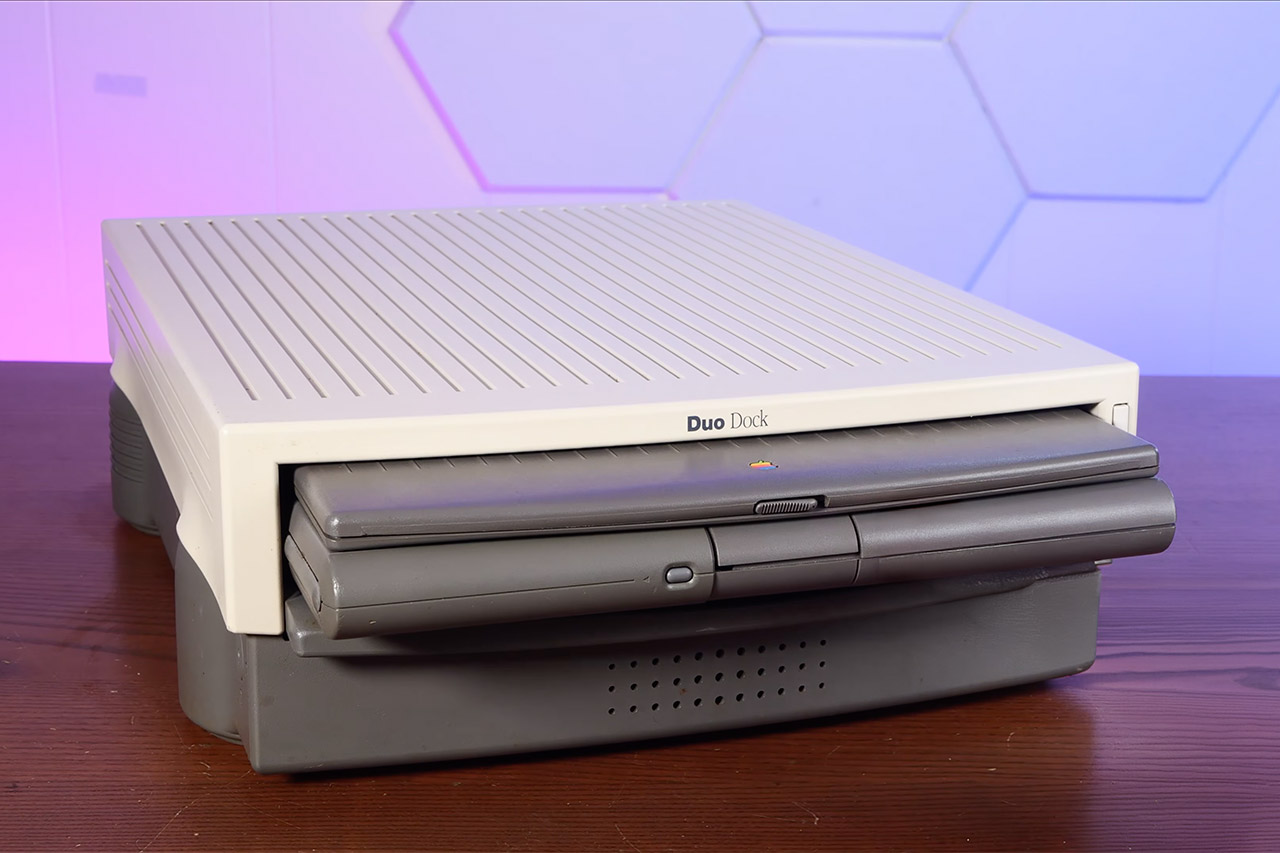
Apple released the PowerBook Duo 230 in October 1992 at a hefty $2,610 ($6,050 today), and what a powerhouse it was. This small laptop, weighing only 4.2 pounds and measuring 1.4 inches by 10.9 by 8.5 inches, fits neatly into a briefcase or bag, eliminating the bulk that made other portables of the time difficult to transport. The reason for its slim appearance is that the internal floppy drive had just been removed totally, and engineers went to town on reducing weight wherever possible, a move that reflected what they had done previously with the PowerBook 100, but on a whole new level.


The real genius was in how it dealt with expansion. Apple included a convenient 156-pin docking connector on the back of the Duo 230. Put it in the full-sized Duo Dock, and it instantly transforms into a full-fledged desktop machine with all the bells and whistles. The dock itself included a 1.4 MB disk drive, additional serial ports, a sound output, an ADB port for keyboards and mice, a DB-15 video connector for connecting to an external monitor, and even NuBus expansion slots. You could add a floating-point unit for faster calculations, extra video RAM, a second internal hard drive, or pretty much anything else you needed to complete the job. This configuration allowed the Duo 230 to act as both a lightweight travel companion on the road and a full-fledged workstation when connected at home or in the workplace.


Apple 2026 MacBook Neo 13-inch Laptop with A18 Pro chip: Built for AI and Apple Intelligence, Liquid…
- HELLO, MACBOOK NEO — Ready for whatever your day brings, MacBook Neo flies through everyday tasks and apps. Choose from four stunning colors in a…
- THE MOST COLORFUL MACBOOK LINEUP EVER — Choose from Silver, Blush, Citrus, or Indigo — each with a color-coordinated keyboard to complete the…
- POWER FOR EVERYDAY TASKS — Ready the moment you open it, MacBook Neo with the A18 Pro chip delivers the performance and AI capabilities you need to…

Without the dock, the laptop remained light on its feet. You had a single mini-DIN-8 serial port to perform printer or modem chores, and the internal slot accepted a proprietary modem card up to 57.6 kbps (but some variants reached as fast as 14.4 kbps). The base unit did not have any built-in SCSI, ADB, or video interfaces, so docking was required for any real work. The trackball was slightly smaller than on full-size PowerBooks, and the keyboard was roughly 88 percent of a regular desktop layout, but with little effort, you could get used to it.
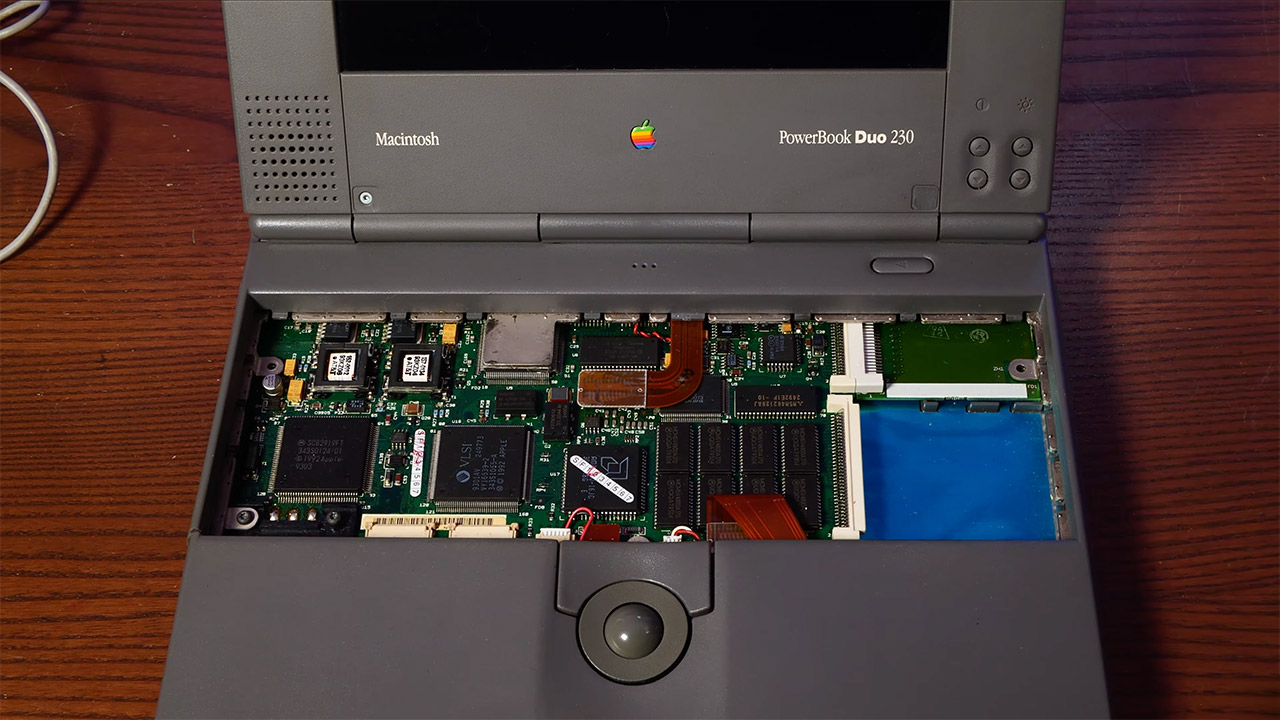
A 33 MHz Motorola 68030 processor powered the system, with 4 MB of RAM that could be expanded to 24 MB via a single dedicated card slot. Storage comes via an 80 MB or 120 MB hard drive, which was quite generous for 1992. The 9.1-inch Supertwist passive-matrix screen displayed 640 by 400 pixels in four-bit grayscale with 16 shades, which was quite impressive given the limitations of passive displays at the time. The battery life of the nickel-metal hydride pack ranged between two and four hours, which was reasonable for the period.

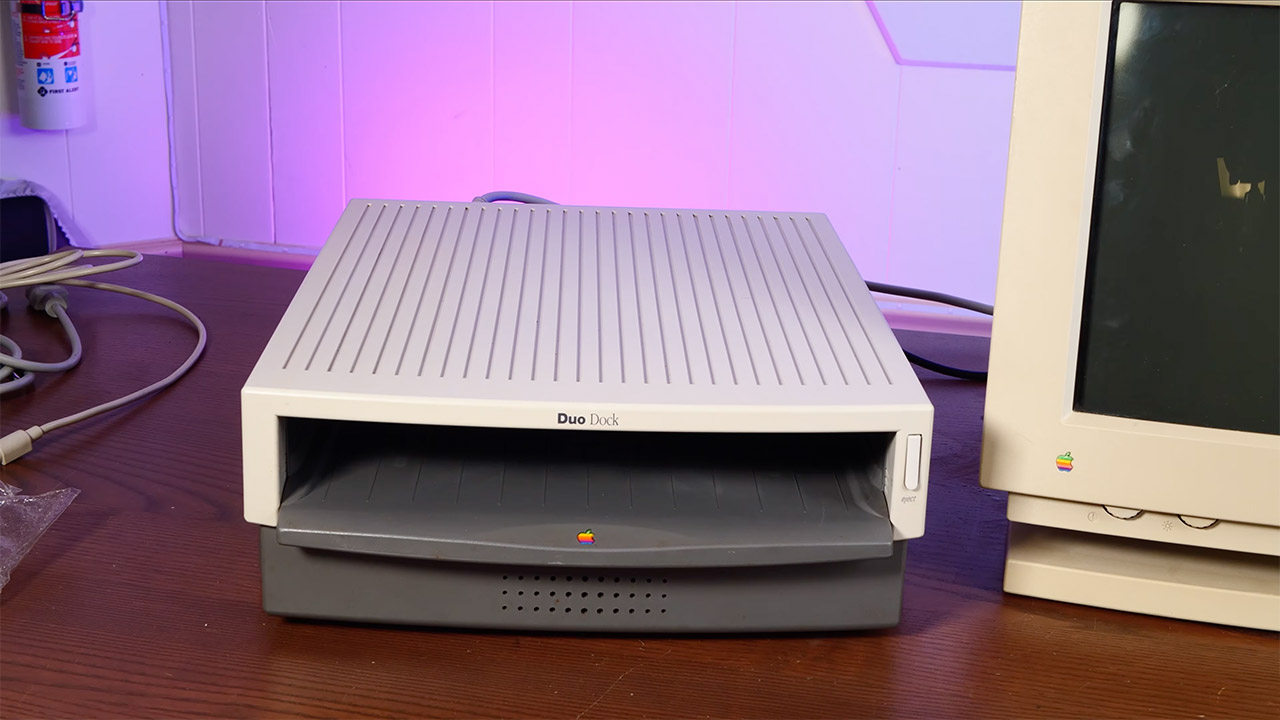
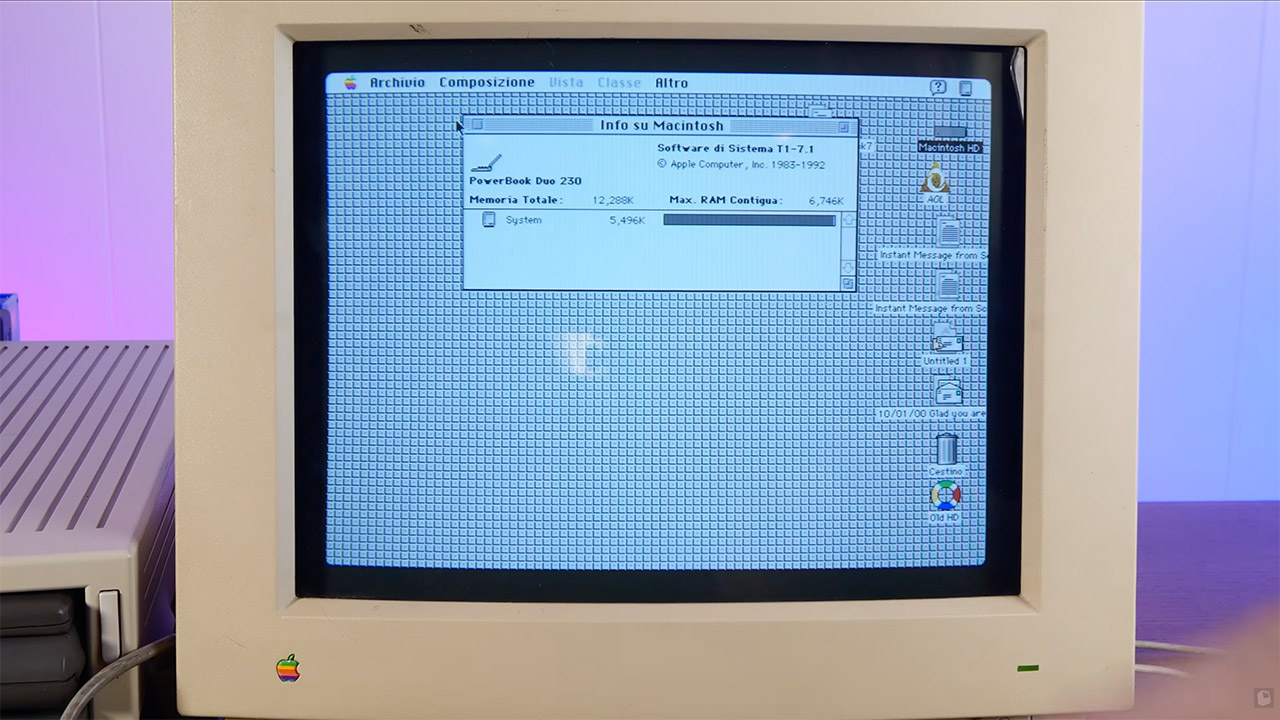
People who owned this machine frequently used it with the Duo Dock for everyday desk work before removing the laptop and transporting it. Honestly, the design of this thing was extremely ahead of its time; it even predated current docking stations by years, but it all relied on an old-school mechanical connection that provided that reassuring click as you secured it firmly into place. To get the most out of their hardware, some eager owners went so far as to overclock it or add more memory. The support extended from System 7.1 to Mac OS 8.1, therefore the Duo 230 lasted far longer than many expected.
Although Apple discontinued this model in July 1994, its concepts had a long-lasting impact on subsequent laptops. The PowerBook Duo 230 demonstrated how a compact laptop might shrink drastically while still providing desktop-style flexibility, owing to some innovative expansion concepts.