Tech
Are Wired IEMs Having a Moment? CanJam NYC 2026 Suggests the Answer Might Be Yes

Spend about ten minutes walking the floor at CanJam NYC 2026 and something becomes painfully obvious: wired IEMs are not quietly fading away into the Bluetooth sunset. If anything, they’re staging a very loud comeback. That only their users can hear but you understand where I’m going with this.


We counted roughly three dozen IEM brands showing new models this year and not just niche boutique outfits either. Meze Audio, Campfire Audio, Noble, 64 Audio, Astell&Kern, FiiO, Melody, Final DUNU, and a handful of smaller boutique builders were all pushing new wired designs that ranged from “somewhat affordable” to “this probably requires a second mortgage.”
This is happening at the exact same moment society has fully embraced streaming and wireless convenience. Walk down any street, get on the subway, or sit in a coffee shop and you’ll see the same thing: people glued to their phones with AirPods, Sony, or Bose wireless earbuds jammed in their ears while Spotify algorithmically decides what they should listen to next. Convenience won that war years ago.
But here’s the part that makes the CanJam floor so interesting. Despite the dominance of wireless listening, there appears to be a growing group of listeners who still care about sound quality enough to deal with the dreaded cable. And unlike full size headphones, wired IEMs solve a problem that a lot of audiophile gear doesn’t: they’re small, portable, and actually practical to carry around.

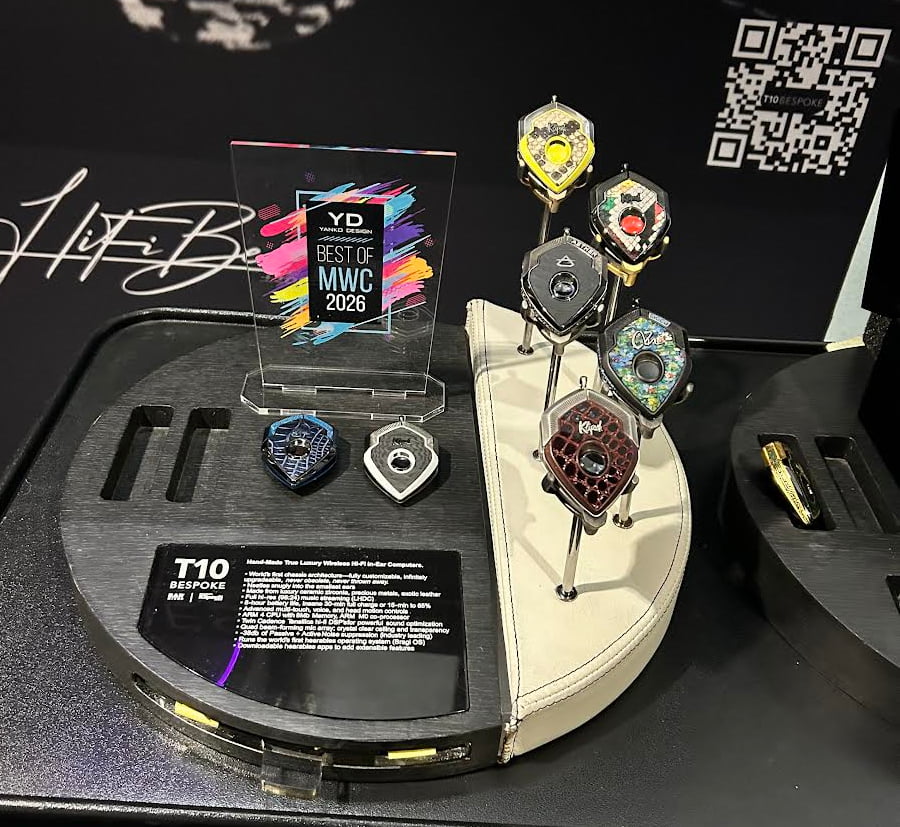
Pair them with one of the many dongle DACs or portable DAC/amps that have flooded the market over the past few years from companies like FiiO, Questyle, iFi, and Astell&Kern, and suddenly you have something that delivers far better sound than most wireless earbuds while still fitting in your pocket.
So yes, the rest of the world may be happily living in a wireless ecosystem fueled by streaming and convenience. But if the crowds around the IEM tables at CanJam NYC 2026 were any indication, there are still plenty of people willing to deal with a cable if it means their music actually sounds better.
And based on the sheer number of new wired IEMs launching right now, manufacturers seem to think that number is growing — not shrinking.
Which raises an uncomfortable question for the wireless everything crowd:
What if wired IEMs never actually went away? They just waited for everyone to remember what better sound actually feels like.
A Wall of IEMs: More Choice Than Ever for Listeners


I’ve never been the world’s biggest IEM fan. The whole “shove this into your ear canal and enjoy” concept never really worked for me. Some people swear by it. I usually spend the first five minutes wondering why my ears feel like they’re being fitted for dental molds.
The over-ear cable loop was always the least offensive part of the experience. It kept things relatively secure and avoided that lovely moment when someone brushes past you on a train platform or airport concourse and suddenly your headphones are being violently introduced to Newton’s laws of motion. Anyone who owned early fixed-cable IEMs knows the feeling: one snag, one sharp tug, and that cable is done.
So a sincere thank you to whoever finally realized detachable cables were not a luxury feature but basic survival equipment. The pro audio world figured that out decades ago. You can’t exactly be onstage in front of 90,000 people and have your monitor connection disappear because someone stepped on a cable. Robust connectors and replaceable cables were inevitable — and long overdue.
Yes, wireless will replace most of this eventually. Convenience tends to win those battles. But what makes IEMs fascinating in 2026 isn’t the cable debate — it’s the sheer level of innovation packed into something smaller than a pinky ring. Balanced armatures, planar drivers, electrostatic elements, hybrid designs mixing multiple technologies, and configurations that stack five, eight, ten drivers or more inside a headshell that looks like it belongs on a piece of jewelry.
It’s absurd engineering in miniature. And judging by what we saw at CanJam NYC 2026, the people building these things are just getting started.
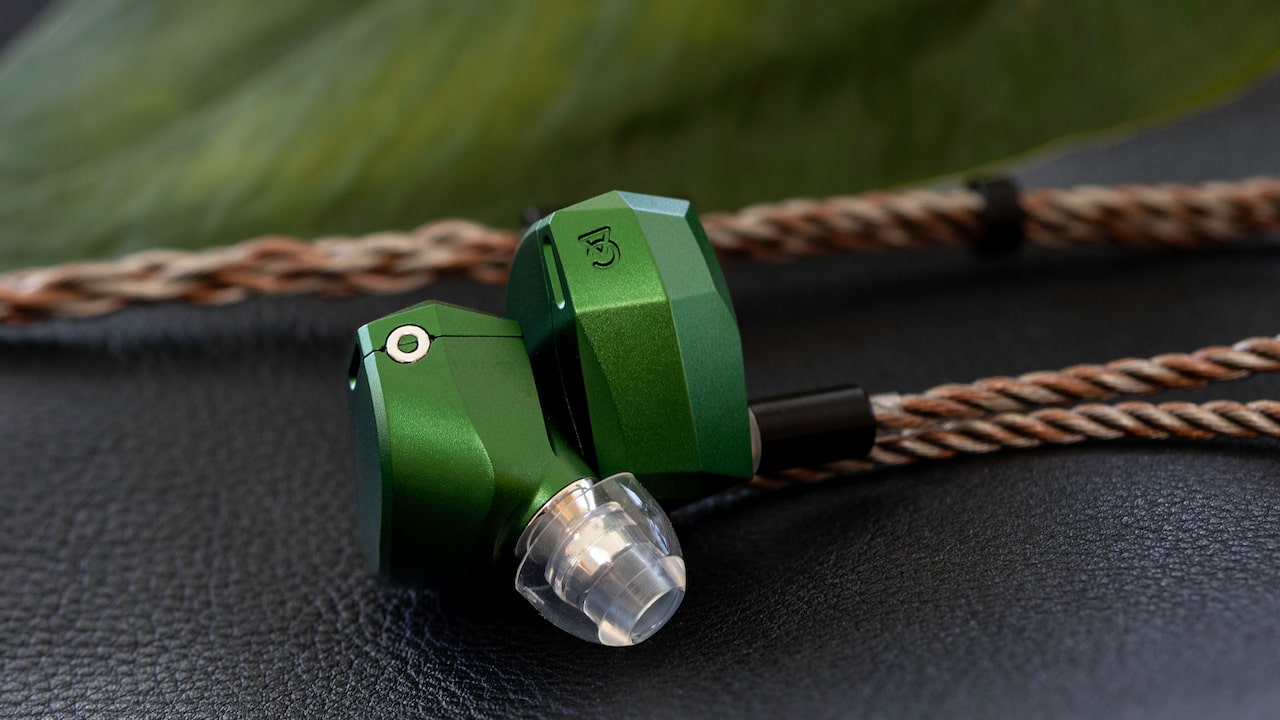

One of the reasons we brought columnist Aaron Sigal back to cover wired and wireless IEMs is simple: the traffic is there. The demand is there. Our recent reviews of the Campfire Audio Andromeda 10, DUNU DN142, Apos x Community Rock Lobster, SIVGA Nightingale Pro, and Beyerdynamic DT 7x IE Series have all pulled in highly focused readership. Not casual drive by traffic either. The kind of readers who actually care about what driver configuration is inside the shell and whether the tuning leans reference or warm.
Is a lot of that coming from the Head-Fi crowd? Maybe. They can circle the wagons and argue endlessly about tips, cables, and impedance curves like it’s a graduate seminar in ear canal acoustics. But the interest is real, and the traffic numbers back that up.
Walking the floor at CanJam NYC 2026 made that even harder to ignore. There were so many tables dedicated to wired IEMs that it almost discouraged me from trying to cover them all. Full size headphones are still where my personal interest leans, and frankly that’s where a lot of our readers tend to focus as well. But the reality on the show floor told a different story.


The IEM tables were packed. Constantly.
Yes, the entire show was a sea of people moving from booth to booth, but the crowds hovering over those tiny display trays full of in ear monitors never really thinned out. People waiting for a chance to listen. Swapping tips. Plugging into portable DACs. Comparing notes.
Based on what we saw, it’s hard to imagine that the companies building wired IEMs didn’t have a very good weekend in New York. There’s just no way those tables were that busy if nobody was buying.
So here’s the question for readers.
Do you actually use wired IEMs? And if you do, why?
Is it about sound quality? Portability? Isolation on planes and trains? Or are you pairing them with a dongle DAC or portable player because you simply refuse to let Bluetooth compression have the final say in how your music sounds?
And let’s address the elephant sitting in the display case: price. The number of wired IEMs that now cost well into the thousands of dollars is…kind of insane. Universal or custom, it doesn’t seem to matter anymore. Some of these models cost as much as a very good stereo system or a pair of flagship headphones.
Does that discourage you? Or do you see them as the most practical way to get reference level sound in a portable format?
We’re genuinely curious where people land on this.