While Aventon is known first and foremost as an ebike brand, the company started by making fixies in 2013. That gives it some bona fides when it comes to making enjoyable rides for experienced cyclists. (In addition to the Current ADV, there’s also a higher-end model, the Current EXP, with a more expensive carbon frame and better components.) Since its first venture into e-MTBs with the Ramblas in 2024, the company has continued to develop very nicely specced electric mountain bikes for the price.
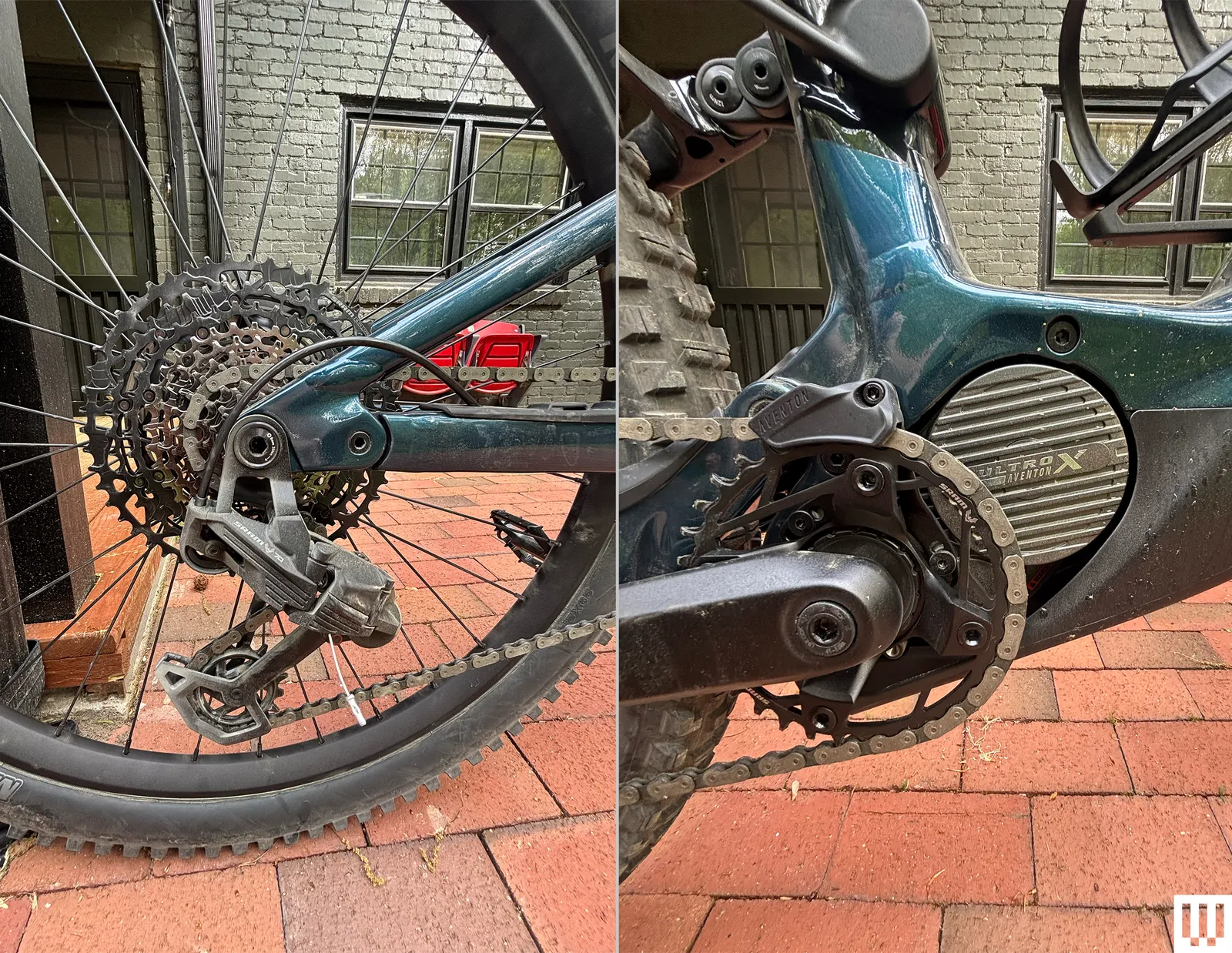
The designers behind the newest iterations did a masterful job. The Current ADV looks 100 percent the part of contemporary mountain bike. With its 6061 aluminum frame, SRAM Eagle groupset, tubeless-ready Maxxis Minion tires wrapping a pair of double-walled 29-inch wheels, a 170-mm X Fusion Manic dropper post, a Rockshox Psylo Gold front suspension that boasts 150 mm of travel, and a Rockshox Deluxe Select+, it’d be easy to confuse the Current ADV for a traditional analog mountain bike.
Photograph: Michael Venutolo-Mantovani
Advertisement
It’s worth noting that while the motor is proprietary to Aventon, the components are not. It might be difficult to get your local bike shop to look at the battery and motor, but assuming those are fine, it won’t be hard to swap anything else out should you need to repair it.
Despite its design and ride feel, all of which can make you easily forget you’re riding electric, the Current ADV is a class 1 e-MTB (which can be toggled to a class 3 via the brand’s app), and one that gives hours and hours of riding on a single charge.
The 800-watt-hour battery is tucked neatly into the bike’s relatively small downtube, giving a claimed range of up to 105 miles. Of course, I didn’t get nearly that, as I was constantly switching through any of the Current ADV’s five power modes (Auto, Eco, Trail, Turbo, and a new, 30-second Boost Mode for extra torque on big hills). Still, the longest day I spent in the bike’s super-comfy Selle Royal SRX saddle was about three hours. In that time, the battery dropped only about 20 percent.
Eyes Up
The biggest flaw I found in the Current is small and seemingly simple, but it nonetheless had a major impact on my rides. That is the fact that, when clicking through power settings, the bike beeps, and all those beeps sound the same.
Advertisement
When I’m mountain biking (and probably when you’re mountain biking, too), the last thing I want to do is to take my eyes off the trail. Having those beeps be the exact same tone meant I instinctively kept looking down at the top-tube-mounted display to see which mode I was in.
Developer Kraken Express introduced Windrose as a survival adventure set in the age of piracy, featuring a procedurally generated world where players can gather, build, and craft alongside the usual piracy activities such as fighting and looting. Released in Early Access in April, the game has since made headlines for… Read Entire Article Source link
Smart changes and improved sound make the JBL Charge 6 the Bluetooth speaker to beat in this area of the market.
Clear, detailed, weighty audio
Long battery life (at the right volume)
Strong Bluetooth performance over long distances
Lossless audio over USB-C
Carry strap
No USB-C cable included
Slightly overrated battery claims
Key Features
Advertisement
Powerbank
Internall battery can charge other devices
Advertisement
IP68
Water- and dust-proof, plus drop-proof
Advertisement
USB-C
Lossless audio via USB-C
Introduction
The JBL Charge 5 was, in common parlance, a banger of a Bluetooth speaker. The Charge 6 builds on that foundation by bringing some needed and useful tweaks to the previous formula.
Advertisement
Longer battery life, a carry handle, and AI-assisted sound are among the round of improvements. The Charge 5 set the benchmark, does the Charge 6 push it further?
Advertisement
Design
Water and dust-proof
Carry strap
USB-C input
Just like the previous versions, the Charge 6 is the speaker in JBL’s outdoor range that most looks like you’d want to play American Football or catch with it. Though at over 1kg of weight, you won’t want it to hit you in the face (or anywhere else for that matter).
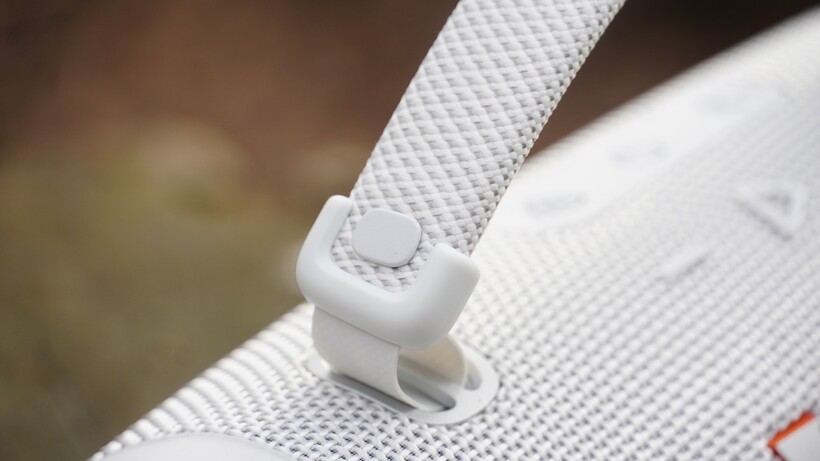
Despite the weight gain (1.37kg), the new detachable carry strap makes carrying feel as if it’s lighter. The strap is easy to affix, and once it’s done, you have something less than an American Football and more like a handbag.
Image Credit (Trusted Reviews)
The button placement has changed to accommodate the strap, with two rows of controls for the Flip 7’s Auracast feature, power, volume, and playback controls. The USB-A port is gone, with a lone USB-C port included that also supports lossless audio from another source. It’s a shame then that JBL no longer includes a cable with the Charge 6.
The IP rating has shifted from IP67 to IP68, which makes this speaker waterproof and dustproof (it’ll survive submersion at a certain depth for a while). It’s also drop-proof from about a metre, so no need to worry if you’re the member of the party with clumsy hands.
Advertisement
Advertisement
Colours include red, squad, purple, blue, black, pink and white.
Image Credit (Trusted Reviews)
Battery Life
24 hours claimed
Fast charging
Acts a powerbank
With both the Grip and the Flip 7, I’ve mentioned that the battery life isn’t as long as expected if you’re playing at 50% volume. Clearly, JBL’s testing is done at lower volumes, but with certain speakers, that means you lose out on some audio performance, too.
I play music from a Spotify playlist (always shuffled) at 50% volume for several hours with each wireless speaker I test. When I did this with the Charge 6, I recorded a 20% drop in battery over two hours. That would suggest the speaker is capable of 10 hours at 50% volume.
But the Charge 6 is bigger than either the Grip or Flip 7, and it can go louder. So dropping the volume down to about 30% (still good for sound) produces better results.
Advertisement
Advertisement
Image Credit (Trusted Reviews)
After seven hours of playing music, the Charge 6 recorded an 11% drop. I’m not going to bother with maths, but that’s a lot better and suggests that 24 hours (JBL’s claimed battery life) is well within reach, and that perhaps the most optimal volume for battery life is in the 40% volume area.
Enable the Playtime Boost and that provides another four hours, according to JBL. The Charge 6 can also perform as a powerbank, though JBL says there’s not enough juice to power a laptop. There’s fast charging support with 10 minutes providing an extra 2.5 hours, and it’s quicker to refuel the tank than it was with the Charge 5, taking three hours from zero to full.
Features
Bluetooth 5.4
Auracast
JBL Portable app
Features isn’t an area where JBL’s Bluetooth speakers pack much of a punch. It’s very simple and to the point.
I’ve mentioned that it can act as a powerbank and can play lossless audio through its USB-C input. The Bluetooth 5.4 connection supports AAC streaming, which is par for the course at this price. The Bluetooth connection is stellar, with no connection issues over long distances.
Advertisement
Advertisement
Image Credit (Trusted Reviews)
There’s Auracast for grouping the Charge 6 with other compatible JBL speakers. There’s the possibility of stereo pairing if you’ve got two to hand.
With the JBL Portable app, you can check the battery life, update the speaker’s firmware, and play around with the sound in the EQ presets and custom options.
Sound Quality
Clearer, more detailed than Charge 5
Weighty bass
Spacious sound
It’s immediate from the off that the Charge 6 has a more powerful sound than the Charge 5. The power has been boosted from 40 to 45W, and at the same volume, you can hear the Charge 6 expel low frequencies with more force.
It’s a bigger sound and JBL has made some smart tweaks. It’s a little clearer through the frequency range and gains a little more in terms of sounding natural. It’s a smooth reproduction of music, so while there are areas for further improvement, when it comes to energy, vocal clarity, low-end performance, and detail, it’s a clear improvement over the Charge 5.
Advertisement
Image Credit (Trusted Reviews)
With the midrange and vocals, there’s more depth, detail, definition and clarity. The Charge 6 is better at separating voices from the rest of the track than the Charge 5, so vocals stand out more.
With Shaka Khan’s Ain’t Nobody, in the second half of the track, the Charge 6 picks out her voice with more clarity and definition than the Charge 5, which sounds a bit more mumbly despite its crisper tone. The vocal clarity of the Charge 6 is excellent, whether dealing with female or male speakers.
Advertisement
It’s more deft in communicating the highs, so although treble isn’t the brightest, compared to the Charge 5 those highs are clearer and more better defined, making the older speaker sound thinner in comparison. There’s a sense that the highs are smoothed out, but it does mean the Charge 6 is less abrasive and fatiguing with the highs.
Bass is weighty, summoning good amounts of energy and depth – it digs deeper than the Charge 5 and sounds clearer. The bass also holds up when playing music outdoors, so while it’s not up to the standards of the Brane X, it performs well.
Image Credit (Trusted Reviews)
Advertisement
The Charge 6 also sounds much more controlled than the Charge 5, the sound of which can often spill out into sounding brighter, harsher and thinner by comparison. The Charge 6 pushes out more energy and power, music tracks flow better, there’s more dynamism (though still not much) which makes for a better all-round sound.
The Charge 6 is more articulate, more fluent, more fun than the Charge 5. It’s better at filling a room with sound, better in terms of loudness. It’s not the best-sounding Charge speaker in the range, an honour that goes to the Charge 5 Wi-Fi, but in terms of purely Bluetooth speakers, it’s the best in the series.
Advertisement
That’s not to say there aren’t areas for improvement. Bass could go deeper with some tracks that require more extension, and the highs could stand out more, but these are minor quibbles. If you had the choice of a portable Bluetooth speaker and, say, an indoor Bluetooth speaker like the Bose SoundLink Home to choose from, the JBL wins.
Should you buy it?
You want the best Bluetooth speaker in its field
Yes there’s competition from the likes of Marshall and Bose, and while the gap is closing in some respects, the JBL is still the outright leader.
Advertisement
You need even bigger sound
Advertisement
JBL’s Xtreme and Boombox series offer bigger sound if you’re really looking to make some noise.
Final Thoughts
Small tweaks add up to an improvement over the Charge 5. Like with the Flip 7, JBL has made thoughtful changes to the design and sound, providing more bang for your buck with what’s quite easily one of the best Bluetooth speakers.
Advertisement
The battery lasts for longer (at the right volume), and it’s retained most of the core features such as the powerbank while beefing up its IP rating and adding lossless audio over USB-C. This is a Bluetooth speaker that offers great value and performance, ensuring JBL remains the brand to beat.
Advertisement
How We Test
The JBL Charge 6 was tested over three weeks, compared to the Charge 5 for sound.
Battery drains and Bluetooth connectivity tests were carried out.
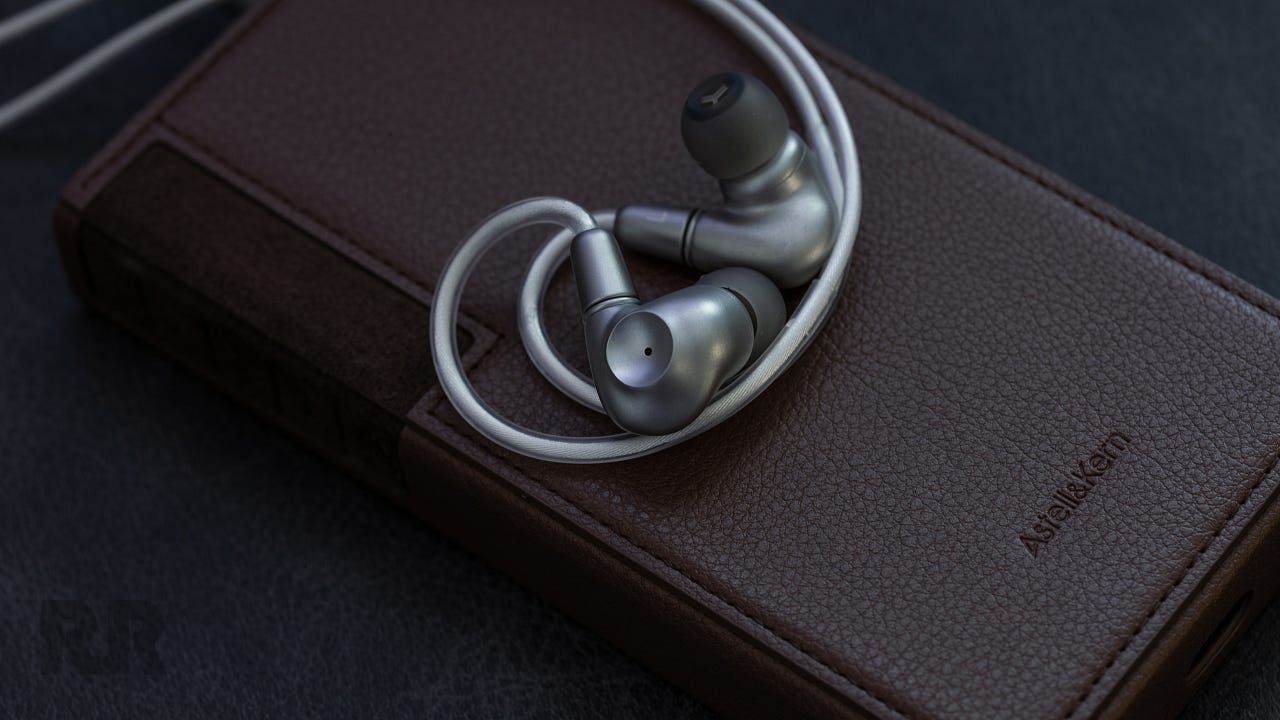
Astell&Kern built its reputation on high end digital audio players, but its parallel run of flagship IEM collaborations with 64 Audio, Campfire Audio, and Empire Ears has been just as important in defining the summit tier of personal audio. The new Stella continues that strategy, developed with Volk Audio following the success of the Volk Audio Etoile.
The Stella combines a restrained industrial design with tuning shaped by studio engineer Michael Graves, aiming for a more deliberate and reference focused presentation. Astell&Kern knows how to build expensive earphones. The question is whether this one does enough to justify its asking price.
About My Preferences: This review is subjective and shaped by my own listening biases, even if I try to keep them in check. My ideal sound leans toward solid sub bass, textured mid bass, a slightly warm midrange, and extended treble, though I do have mild sensitivity in the top end.
Testing equipment and standards can be found here.
Advertisement
Stella IEM: Driver Configuration, Crossover Design, and Build Materials
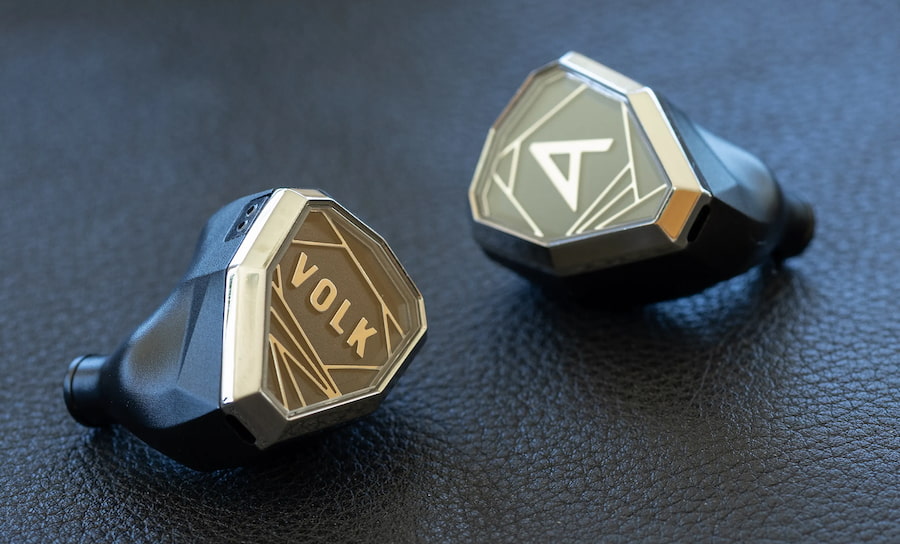
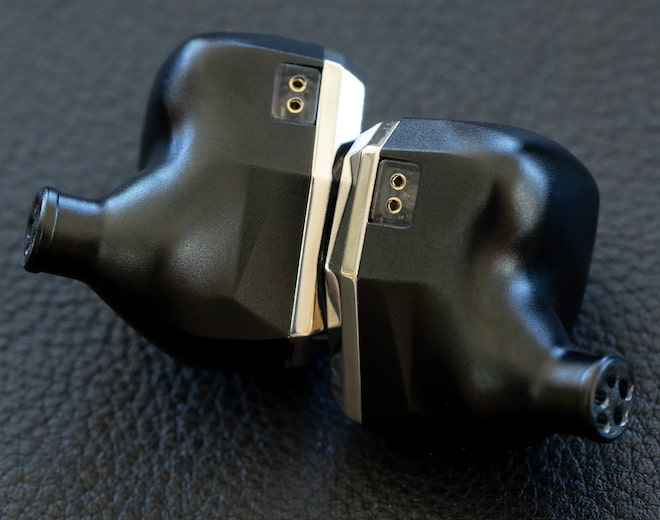
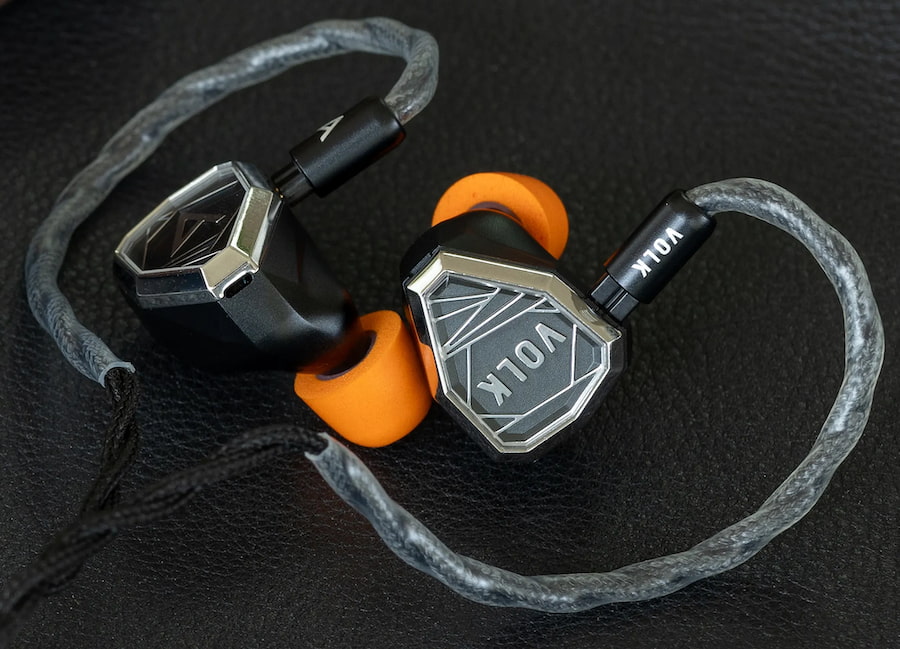
Without diving too deep into a lesson on metallurgy and material science, not all metals are created equally. Beyond process refinement and quality control, different alloys of the same metal can have wildly different physical properties. That is especially true for steel and aluminum, which are two materials commonly-found in IEMs. The Stella makes generous use of both. This IEM is one of the very few that I feel is truly built like a high-end luxury watch — the hand-feel is conspicuously similar to my Omega Speedmaster.
In fact, Omega and Astell&Kern use the same type of steel alloy, called Steel 316, in the Speedmaster and Stella. The rest of the faceplate uses high-grade sapphire glass, which again, is what you’d find in a pricey luxury watch. The Stella’s main chassis material is not steel, though — it’s aluminum. A&K went with a nice aluminum alloy for the Stella, opting for 6061-TG, a high-strength blend of aluminum, magnesium, and silicon. There’s a lot of practical benefits for this choice of metal, but its inherently resistant to corrosion, making it a great choice for a product that is exposed to skin oils, sweat, and the elements.
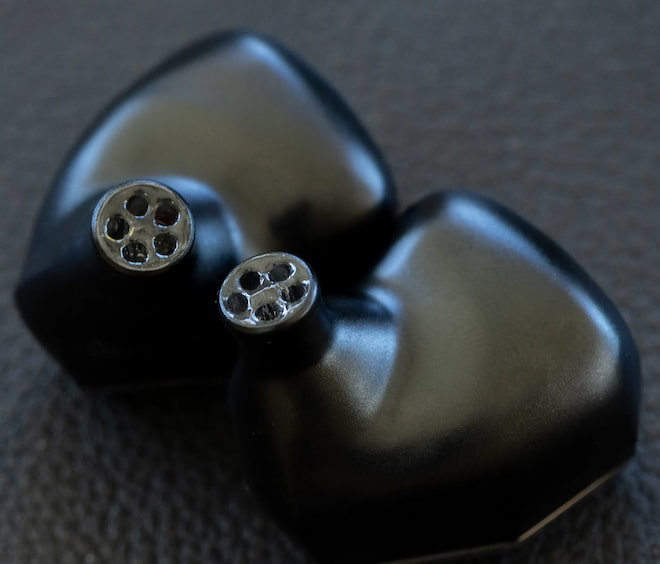
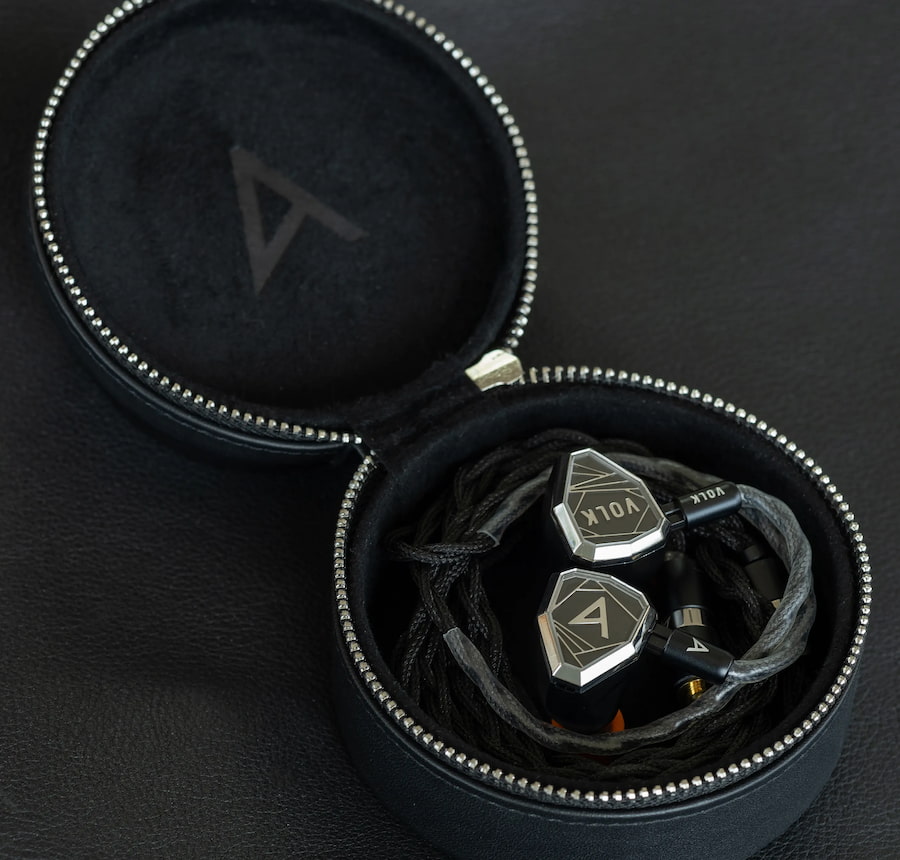
Even with a 6-way crossover, the Stella uses metal nozzles. This is a big win for durability and longevity, especially when compared to Volk’s other IEM, the Etoile, and its plastic nozzles. That said, it’s worth noting that the Stella, even with a 6-way crossover, only features 5 distinct sound tubes at the nozzle’s edge.
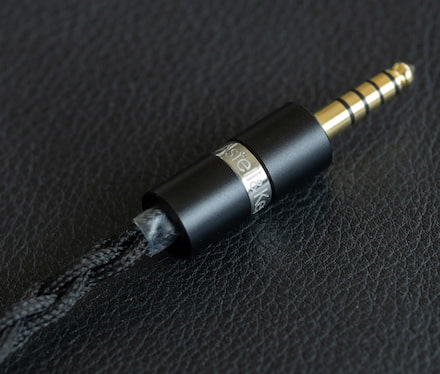
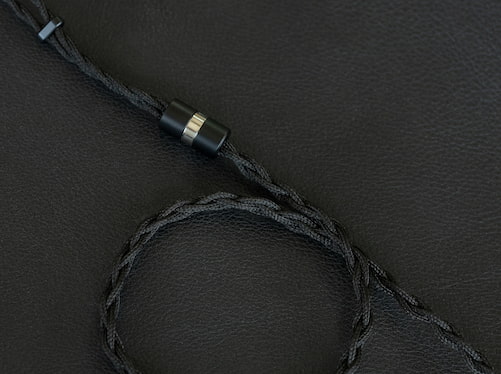
The Stella’s cable features a four-strand chain braid, coated in soft fabric. This all-black design matches the Stella’s fairly reserved and understated aesthetic, allowing owners to simply focus on listening rather than fussing over an over-developed cable. The fit and finish on the Stella is great across the board, barring a single design choice: the Stella’s cable features short 0.78mm pins. This results in a slightly looser fit at the sockets. It’s not an issue while wearing the Stella, but it becomes noticeable when pulling it out of its padded case.
I’ve had it accidentally disconnect on me a few times , which is a frustrating experience on a nearly-$4000 IEM. Aftermarket cables with properly-sized pins sit more-sturdily within the Stella’s sockets.
The Stella’s construction is among the best I’ve seen in the high-end IEM space. Handling it truly is reminiscent of my favorite watches which, at these prices, I feel is a must. Astell&Kern really outdid themselves with the Stella, and its going to be interesting to see how Volk’s future solo-developed IEMs measure up to this collaboration.
Accessories
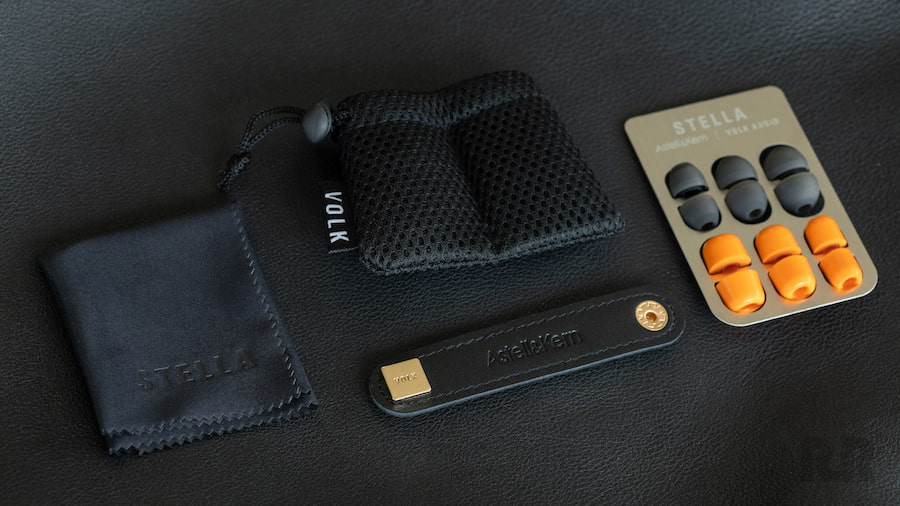
Inside the box, you’ll find:
Advertisement. Scroll to continue reading.
Advertisement
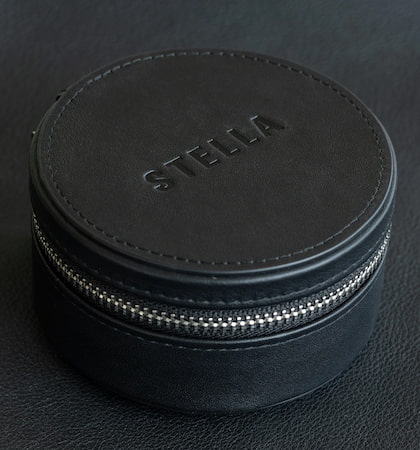
1x Semi-hard leather carrying case
1x Leather cable strap
1x Padded IEM baggie
1x Microfiber cleaning cloth
3x Pairs foam ear tip
3x Pairs silicone ear tip
Volk’s “Deliberate and Minimal” approach is clear here, but at $4,000 the accessory package feels a bit restrained. What’s included is high quality, but it doesn’t offer the same range or sense of completeness you’ll find with some less expensive IEMs. Campfire Audio, for example, includes liquid-silicone ear tip varieties, spare cables, and often a variety of padded travel bags.
I like the Stella’s carrying case, but only for static, at-home storage. It is perfectly-sized to store the Stella in a loose coil and has enough space to use both the (fairly large) leather cable tie and padded IEM baggie. That said, there’s really not any extra space for a small dongle, let-alone something larger and more-capable like the Astell&Kern HC5. That, combined with the case’s lack of water resistance, makes me hesitant to use it for transport outside the house.
For that, I’d recommend grabbing a Pelican 1010 and a block of high-density foam so you can cut some additional protective pieces for the Pelican’s interior. That comes out to less than $35, but it’s $35 you shouldn’t have needed to spend in the first place.
Comfort
Comfort is a metric that relies heavily on factors influenced by your individual ear anatomy. Mileage will vary.
The Stella is large, and there’s no way around that. But in spite of its size, I didn’t have many major issues with comfort. Multi-hour listening sessions were tolerable, and I experienced only minor outer-ear soreness after 2.5 hours of continuous listening. I was able to increase comfort and ease-of-positioning by swapping to a 3rd-party cable that does not feature plastic ear guides. This allowed to me to pull the cable over the top of my ear with better precision and prevent the Stella from sagging under its own weight.
Advertisement
The Stella’s cable is cloth-coated, but it doesn’t translate much noise in practice. I was able to move around without any distracting microphonics coming through.
I got great passive isolation with the included foam ear tips. Even loud, crowded coffee shops posed a minimal risk of disruption at normal listening volumes. Volk’s choice of foam ear tip is excellent, delivering comparable performance and comfort to Comply.
Listening
The Stella’s sound signature doesn’t fit cleanly into a particular box, but is loosely V-shaped. Its sub-bass is lifted beyond its mid-bass, giving it pronounced sub-bass presence. The Stella’s mid-bass isn’t particularly forward, but is not awkwardly cut like some of its more meta-styled competitors. This allows it to articulate subtle punches, even if it isn’t emphasizing them as much. The Stella’s upper mids are forward and clean, sitting in front of its gently-warm lower-mids. The Stella’s upper mids blend nicely into its treble, synergistically projecting a profound sense of air and space. Volk’s inclusion of EST drivers in the Stella’s upper-register pays dividends here, as the IEM renders a well-controlled, smooth sense of sparkle and shimmer. The Stella’s upper-treble is rock-solid and avoids major peaks, allowing most listeners to enjoy its massive resolution without serious fatigue.
Profoundly Smooth Treble
The Stella is unusually fit-dependent for me. When using standard silicone eartips, its treble was bright, though sometimes uncomfortably-sharp. It would hang with particular emphasis on overexcited upper-treble elements, but after switching to foam ear tips I found that its resonance peak around 12KHz smoothed-out, radically refining the upper-register’s disposition. What was once a borderline-tiring affair became a comfortable one. The Stella captures background treble details with extreme prejudice, exhibiting strong synergy with sources that pair well with sensitive transducers. The Stella’s resolving ability is effectively limited by how low your source’s noise floor is.
Advertisement
I found myself pulled into the Stella’s airy, spacious rendering of “December” by Collective Soul. It keeps the rapid hi hat hits organized and layered, while still picking up the faint edge of electric guitar distortion during the bridge without smearing it.
It handles “Same Damn Life” by Seether just as well, maintaining the contrast between the background piano and sharper high hats. Each element holds its own space, with enough separation to make the textures easy to follow without feeling forced.
Even after tip rolling and experimenting with fit, the Stella can lean a bit too hard into the 8–12 kHz region. It’s not extreme, but it’s enough to draw attention to itself at times, especially if you’re sensitive up top. That’s a trait I tend to notice with EST based IEMs, and while the Stella is more controlled than most, it’s still present.
Advertisement. Scroll to continue reading.
Advertisement
On “Gotta Get Away” by The Offspring, that upper treble push can make the mix feel slightly uneven. The track’s rougher mastering doesn’t hide it, and the Stella doesn’t smooth it over either.
Midrange Performance: Emphatically Neutral and Uncolored
These days, it is common for trend-chasing brands to scoop out significant emphasis from both the lower-mids and mid-bass, ultimately giving their IEMs a cold and sterile disposition. The Stella, thankfully, balances its pursuit of “clean” sound with harmonic completeness, delivering what I consider to be a truly tonally-neutral midrange.
The Stella handles vocals with a clean, unforced presentation. On “MY LOVE” by HEIR, it places the voice clearly against the track’s hauntingly-empty background without adding weight or gloss that isn’t there.
It carries that same control into heavier material. “Bullet With Butterfly Wings” by The Smashing Pumpkins comes through with solid contrast and enough body to keep the vocal grounded in the mix. Beyond tonality, the Stella does a strong job resolving small vocal details. Intelligibility is high, and layering stays organized even when the track gets busy.
Advertisement
The Stella’s midrange is clean and precise, and it translates directly into strong positional cues. Its control over a wide, deep stage is obvious. On “Sweetest Thing” by U2, instrumentation is spread deliberately across the soundscape, with clear placement that doesn’t feel exaggerated.
That sense of space carries into more delicate material. “End of Beginning” by Djo comes through with strong contrast and texture, letting the quieter elements breathe without losing structure. The Stella’s midrange strikes a balance between richness and precision that works especially well with tracks like this.
Truly “Hi-Fi” Bass Response
Bass is divisive. At first I was unimpressed with the Stella’s lower-register, as it sounded thin and lacking. Turns out, that was an artifact of the included foam eartips needing a bit of break-in to achieve a proper seal. Once properly fitted, I had a very different experience.
The Stella is definitely a sub-bass-centric IEM. It doesn’t quite have a “meta-styled” mid-bass scoop, but doesn’t lean too hard into that range either. This balance oriented tuning lets the Stella deliver tight, clean, and properly weighted low end. On “Neverland” by Mazde, the sub bass comes through with control and depth without bleeding upward.
Advertisement
It handles impact just as well. The drum hits in “Way Down We Go” by KALEO land with real punch, but stay composed. Atmosphere is the right word here. On tracks like “Do You Feel It” by Chaos Chaos and “Fantasy” by Alina Baraz, the Stella extends as far as it needs to, building a solid low end foundation without drawing attention away from the rest of the mix.
With rock and alternative, the Stella’s bass is punchy but not dominant. On “Perforated” by Nominee, it renders the mid bass with strong clarity and speed, but never in a way that pulls focus from the rest of the mix. That slightly reserved mid bass still moves enough air to give the track proper weight, adding depth to the bass guitar and drum hits without overplaying its hand.
Comparisons
Comparisons are chosen based on what I find interesting. If there’s something you’d like to see added, let me know in the comments.
Campfire Audio Andromeda 10
The Andromeda 10 is Campfire Audio’s new all-BA flagship. It also features high-quality metal shells and backs 10 drivers per side. It runs $1,799, costing about half the Stella’s price tag. The Andromeda 10 comes with a wider selection of ear tips, notably including a set of liquid-silicone ear tips. The Stella’s silicone ear tips aren’t bad, but don’t seal for me as well as Campfire Audio’s do. Both IEMs come with foam eartips, but I find Campfire Audio’s to be overly-stiff. The Stella comes with great foams, second only to Comply in comfort. I like the Andromeda 10’s case more for travel, though neither the Andromeda 10 nor the Stella come with cases that are suitable for anything other than a short jaunt into the office. The Andromeda 10’s case is large-enough to store supporting accessories like a compact DAP or large USB-C DAC, which gives it a leg up in terms of practicality.
Advertisement. Scroll to continue reading.
Advertisement
Jumping straight to the Andromeda 10 with ears accustomed to the Stella is a bit disorienting — the Andromeda 10 places its sonic emphasis in very different places on the frequency-response spectrum. The Andromeda 10 has a more-linear bass shelf, tilted very slightly towards the mid-bass. The Stella, by contrast, picks up steam starting right towards the bottom of the mid-bass and carries out strongly down past 20Hz. This cements the Stella as a more rumble-prone, bass-happy IEM. The Stella pulls a bit of warmth out of its lower-mids by recessing the lower-mids, which is again quite different from the Andromeda 10’s warmer and more-flat lower-mids.
The Andromeda 10’s upper-mids peak around 2KHz, giving vocals a natural, but cohesive, placement. The Stella’s upper-mids are broadly-similar, but shift emphasis a little more towards the 3KHz and 5Khz ranges. Both IEMs are pretty transparent and detail-forward, though they render treble-bound elements pretty differently.
The Andromeda 10’s upper-treble is pretty well-behaved, strategically placing emphasis at the 8Khz and 12KHz ranges to pull out air and sparkle without becoming sharp. The Stella, by contrast, leans more-heavily into the upper-treble with some larger spikes around 10KHz. This gives the Stella a brighter, and occasionally sharper, tonality.
Both of these IEMs are slugging as hard as they can to deliver their respective visions of peak audio enjoyment. Neither are reference tools, and that’s what allows them to be so incredibly-expressive. The Andromeda 10 is warm, inviting, and subtle. Its strength comes from its incredible cohesion. The Andromeda 10 renders bright details with a vivid contrast that defies its fairly-flat lower-register and mild midrange. The Stella is quite different and textures out from the track boisterously — with big, bold strokes of bass and fine streaks of bright color lavished onto a broad canvas.
Advertisement
Flowery expressions aside, the key differentiator here is that the Stella is more V-shaped, with a broader sub-bass presence and brighter upper-register. If you’ve got a treble sensitivity, as I do, then the Andromeda 10’s more-relaxed upper-mids and upper-treble will likely be better-tolerated by your ears. If you’re looking for big, imposing bass presence, then the Stella will probably appeal more to you.
EarAcoustic Audio VSA-PM Crown
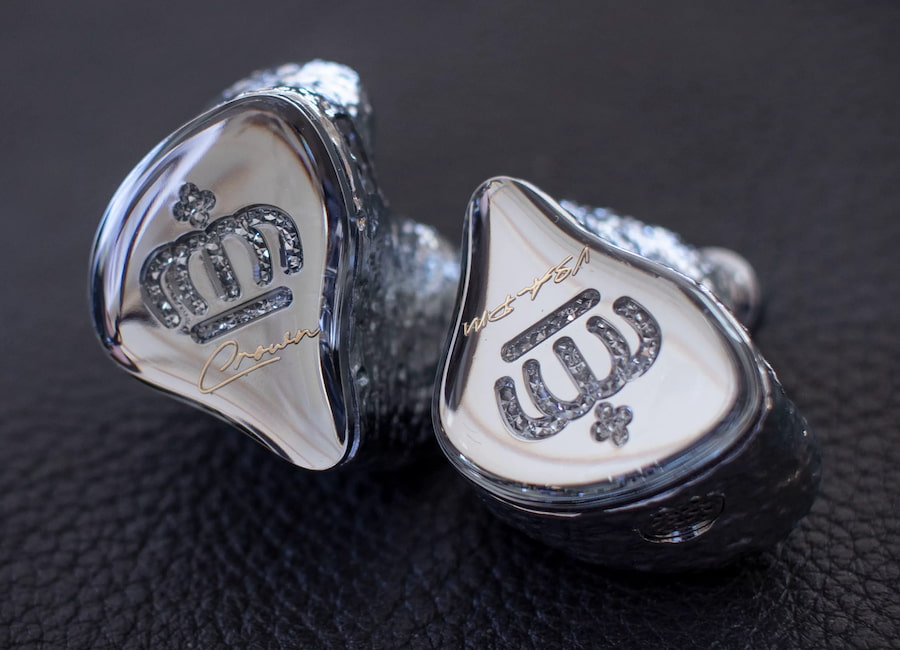
The EarAcoustic Audio VSA-PM is the brand’s flagship (and only) planar-based IEM. It features top-shelf metal shells and a gorgeous bespoke 4.4mm cable. It costs $849, a small fraction of the Stella’s MSRP. It may not be a fair fight on price, but both still land in territory that appeals to buyers who aren’t particularly concerned about cost.
Neither the Stella nor VSA-PM are particularly light, though the VSA-PM has a smaller, more-ergonomic shell. This makes it easier to find a fatigue-free position on the ear than the Stella, which requires more careful placement.
The VSA-PM comes with a decent accessory package, but one that lacks the excellent foam eartips included with the Stella. The Stella’s silicone eartips are also better-sealing in my ears and more comfortable for long listening sessions, though you’ve got plenty of leftover budget with the VSA-PM to pick up Plussound Hybrid liquid silicone eartips, a full Campfire Audio Flight, or Comply Foam eartips. I actually run the VSA-PM with Comply Foam eartips for casual listening because it creates the best seal for my particular inner-ear anatomy.
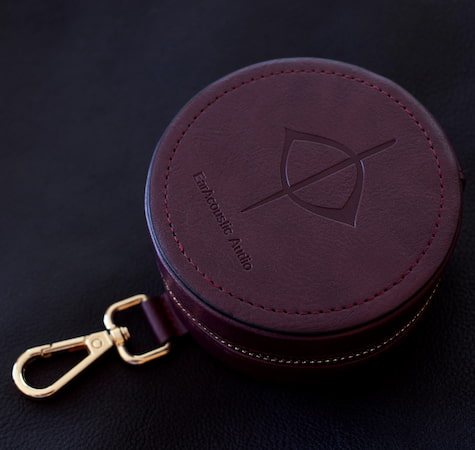
Neither the Stella nor the VSA-PM includes a particularly protective case, and both use similar round zip designs. The Stella’s case does have a nicer, softer finish.
Sonically, the VSA-PM is a cooler, brighter IEM. The Stella has a substantial increase in bass presence across the board, though the VSA-PM isn’t exactly rolled-off or linear either. The Stella has a more-forward lower-midrange, giving it a bit of increased warmth compared to the colder, more-indifferent presentation on the VSA-PM. The Stella’s upper-mids aren’t as forward, and the VSA-PM places vocals and bright instrumentation more towards the front of the sound stage. The Stella’s upper-register is not as bright as the VSA-PM’s, featuring reduced lower and upper treble presences.
Advertisement
The VSA-PM’s major strength is the sheer magnitude and smoothness of its treble, which is why I selected it to compare against the Stella and its EST drivers. There’s a lot of tonal similarities between the upper-treble on these two IEMs, and it boils down to just how smooth their upper-trebles are. That’s not to say either IEM features rolled-off treble — far from it. Neither experience a single hint of grain or grit, which is a timbral strength very few other IEMs possess. There’s a certain transparency and crystalline clarity possessed by the Stella’s drivers that the VSA-PM just barely misses out on. “Cheap” as the VSA-PM is, it’s pretty impressive how close it actually gets to the Stella.
The Stella, as the bassier and more V-shaped IEM, is the easier companion for casual listening. While it is occasionally sharper-sounding than the VSA-PM, the VSA-PM’s significant “treble shelf” tilts its presentation towards a magnitude of brightness that doesn’t line up with my preferences. That said, those that love treble will have an absolute field-day with the VSA-PM. Its planar driver does a great job of approximating the sensation of an EST driver. Those that are looking for richer, bassier sound will definitely prefer the Stella.
Advertisement. Scroll to continue reading.
Meze Astru
The Astru is Meze’s new flagship IEM. It features titanium shells and a single high-performance dynamic-driver per-side. The Astru costs $899 which, while pretty substantial, is much less than the Stella’s $3,900 price tag. Both IEMs are built nicely, but the Astru’s small, space-efficient shells have much better ergonomics. Less weight and easier positioning make for a “set and forget” experience, versus the Stella’s fairly precise positional demands. The Astru’s cable is quite nice, and features thick wires coated in a clear plastic. The Stella’s woven cable is also nice and actually transmits less noise when walking versus the Astru’s cable.
Both IEMs feature 4.4mm terminations are feel solidly-constructed. Neither the Stella nor the Astru feature particularly “generous” accessory packages, and both cost enough to where you’d be right to expect more. The Astru’s eartip selection is particularly disappointing, as I didn’t get much a seal with them. The Stella’s eartips are a lot better for my ear.
Advertisement
Sonically, the Astru has a less-emphasized sub-bass a bit more weight behind its mid-bass. It resolves drum hits with a more consistent tactility, but doesn’t dig as deep during bass-heavy passages in EDM tracks. The Astru has a warmer, richer lower register overall, really capturing the smooth and relaxing Meze house sound. The Stella, while not cold in absolute terms, is cooler than the Astru. Its lower-mids are a bit more-recessed, giving the upper-mids a more-forward presentation. The Stella’s vocal range is more-forward and distinct than the Astru’s, trading a small bit of sound-stage cohesion for increasing perceived separation.
The Astru has a less-dramatic upper-register, pulling back relative to the Stella for basically the entire rest of the sonic spectrum. The Stella’s increase treble emphasis allows it to surface details more-easily and capture subtle treble details that the Astru will sometimes fuzz a little during very complex passages. At the peaks of instrumental complexity, the Astru can combine some layers that the Stella manages to stage with air. But in spite of the Astru’s lower price point and simpler driver configuration, it doesn’t sound too far behind, in technical terms.
The Astru’ fights its strongest in the lower-register, capturing nearly everything the Stella does. Subtle mid-bass textures, deep bass tones — the Astru and Stella are in lockstep. Where the differences begin to emerge is the upper-midrange and upper-treble. In these two particular regions, the Stella exhibits subtle improvements in dimensional sophistication and layering, allowing it to go the extra mile in immersion.
Between the two IEMs, I’d go with the Astru when I’m on the go or need to listen for long periods of time. Its lesser sub-bass production can be corrected with aftermarket eartips or warmer sources, while the Stella is simply as large as it is. The Stella makes for a better desk companion, delivering increased levels of depth and sophistication, particularly on somber rock and chaotic EDM tracks. If you’re treble-sensitive, or simply prefer warmer sound, then the Astru’s less-recessed lower mids and broader mid-bass may actually appeal to you more than the Stella.
Advertisement
The Bottom Line
The Stella is about execution. The build is legitimately on the level of a luxury watch, and the tuning makes full use of its EST drivers without losing control. It delivers an open, expansive stage with strong depth and clarity, clean and well-layered mids, and tight bass with real sub bass presence. When it clicks, it offers a highly resolving, spatially precise presentation that feels deliberate rather than forced. It’s also more ergonomic than it looks, and the included tips are better than expected.
The tradeoffs are just as clear. Mid bass impact is restrained, so it won’t satisfy anyone looking for physical slam. The upper treble has a noticeable emphasis that can become fatiguing, especially on less refined recordings. The cable connection is easier to dislodge than it should be, the case leans more toward presentation than protection, and the shell size demands careful positioning to stay comfortable.
This is for the cost-is-no-object listener who values build as much as sound and wants a detail forward, airy presentation with strong spatial cues and a refined V-shaped tilt. If you’re treble sensitive, want more mid bass weight, or expect practicality to match the price, there are more forgiving options that cost a lot less.
Pros:
Built like a comparably-priced luxury watch
Skillfully-implemented EST driver tuning
Open and expansive soundstage
Intense depth and clarity
Tight bass control, potent rumble
Ergonomic, in spite of its size
Great stock eartips
Cons:
Lacking a sense of tangible mid-bass impact
Large upper-treble emphasis may trouble sensitive listeners
Short pins on cable connector permit the IEM to detach with less force than expected
Carrying case is more for looks than actual protection
Sizeable shells demand precise positioning to avoid ear irritation
BleepingComputer initially published a story about a new data breach at Instructure. Shortly after publication, we determined that the information was incorrect and primarily based on outdated details from a prior incident.
The article has been retracted, and we regret the error.
Audiences will have to wait a few months longer to see “Narnia: The Magician’s Nephew,” with the release date pushed back from Thanksgiving to February 12, 2027.
In addition to relaunching “Narnia” on big screens and serving as writer-director Greta Gerwig’s first film since “Barbie,” “The Magician’s Nephew” also looks like the next step in Netflix’s relationship with movie theaters — and it’s becoming an even bigger step with the delay.
The company had previously said “The Magician’s Nephew” would play exclusively on Imax screens for at least two weeks before a streaming release for Christmas. That would be an ambitious theatrical release by Netflix’s standards, but relatively limited compared to many other Hollywood blockbusters.
Now, Netflix says “The Magician’s Nephew” will begin exclusive Imax previews on February 10, 2027, followed by a wide global release in theaters on February 12. (In Netflix’s words, it will be a “global eventized release.”) The movie won’t start streaming until April 2.
Advertisement
The company’s announcement doesn’t get more specific about which theaters will be showing “The Magician’s Nephew,” but Imax released a statement noting that the delay will allow the film to have “a full theatrical window,” so the major theater chains are unlikely to complain
With a cast that includes Daniel Craig and Meryl Streep, “The Magician’s Nephew” adapts one of the later books in C.S. Lewis’ classic fantasy series — a prequel that lays out the origins of Narnia.
Techcrunch event
Advertisement
San Francisco, CA | October 13-15, 2026
In Netflix’s announcement, Gerwig said she first read the book as a child, when she “fell in love with the gorgeously improbable but completely brilliant concept of a cosmic lion singing the world of Narnia to life.”
Advertisement
When you purchase through links in our articles, we may earn a small commission. This doesn’t affect our editorial independence.
Amazon Connect Talent shows recruiters anonymized candidate scores rather than names or resumes. (Amazon Image)
SAN FRANCISCO — Amazon manages more than 400 million products in its supply chain and hired 250,000 seasonal workers last peak season. Now its cloud division is packaging up what the company has learned and getting ready to sell it to other businesses.
Amazon Web Services on Tuesday announced two new agentic AI products: Connect Decisions, which uses Amazon’s own supply chain models to help companies forecast demand and manage disruptions; and Connect Talent, which conducts voice-based job interviews around the clock and scores candidates on skills rather than resumes.
They’re part of a growing lineup of AWS business applications, which started with the Amazon Connect contact-center platform in 2017, which has since become a billion-dollar business. The lineup expanded more to health care with Connect Health, announced last month.
AWS event: Amazon is announcing the products at an event in San Francisco where AWS CEO Matt Garman is expected to detail the company’s expanded work with OpenAI, following Monday’s news that OpenAI’s models will be available on Amazon Bedrock for the first time.
That was made possible by a revamped deal between Microsoft and OpenAI, and builds on Amazon’s earlier investment of up to $50 billion in the ChatGPT maker.
Advertisement
Separately, AWS is releasing a major update to Amazon Quick, its AI assistant for business users, adding a desktop app, the ability to create custom dashboards and portals, and expanded integrations with Google Workspace, Microsoft 365, Zoom, and Salesforce.
Expanded footprint: The new Connect apps push AWS further beyond cloud infrastructure and into direct competition with enterprise software companies, including some AWS customers.
Colleen Aubrey, AWS senior vice president of Applied AI Solutions, acknowledged that selling applications that compete with AWS customers is “a newer dynamic” for the cloud business.
However, she noted that it’s familiar territory for Amazon overall. She compared it to the way the company sells its own products alongside third-party sellers on its marketplace, or produces original content for Prime Video while also distributing shows from other studios.
Advertisement
Aubrey called the new apps “a day zero” moment for the AWS applications team after spending the past two years assembling the group and doing the work to determine where to focus.
“If we’re lucky, we’ll have some hits in this collection of four,” she said in an interview, acknowledging that building enterprise software products is inherently uncertain.
Asked why companies wouldn’t simply build these capabilities themselves using AWS tools like Bedrock, Aubrey said the complexity of transforming an entire business function, not just an individual task, calls for a purpose-built product that can be used across an organization.
Amazon’s new Connect apps: Connect Decisions draws on more than 25 specialized supply chain models and tools, including one of Amazon’s own foundation models built by its Supply Chain Optimization Technologies (SCOT) team.
Advertisement
When something goes wrong in a supply chain — a supplier falls behind, or demand spikes unexpectedly — it can figure out what happened, rank the problems that need human attention, and suggest what to do about them, along with the cost and trade-offs of each option.
Connect Talent is aimed at high-volume hiring in industries like manufacturing, logistics, retail, and hospitality, rather than corporate recruiting. AI agents conduct voice interviews that candidates can take anytime, eliminating scheduling conflicts. The system strips names and resumes from the process; recruiters see anonymized competency scores and transcripts.
One early customer has started bringing Connect Decisions into business meetings to run what-if scenarios in real time, Aubrey said. That company’s procurement team has already asked to expand its use beyond supply chain planning, which AWS ultimately plans to do.
Merrill Keating, left, and Doña Keating are the mother-daughter co-founders of AI startup Convexus. (Photo courtesy of Merrill Keating)
While much of the debate around artificial intelligence centers on the technology’s threat to jobs and society, one Seattle-area startup is turning that anxiety on its head — using AI not as a source of conflict, but as a tool to help resolve it.
Convexus is a civic technology platform designed to help local governments, nonprofits, and community groups move past fragmented debate and toward coordinated action.
Unlike traditional social media that often amplifies division, Convexus “transforms dialog into action,” Merrill Keating told GeekWire.
“A lot of digital platforms only reward outrage and don’t really come to any kind of resolution,” she said. “They fragment across different types of tools, and there’s no real consensus anywhere.”
Advertisement
Convexus addresses the stalling point of modern civic engagement using what it calls an Explore-Align-Act framework — and AI-assisted facilitation — to help organizations identify shared goals and execute them.
“The AI has no agenda. It works fluently with pretty much anyone that wants to use it,” Doña Keating said, mentioning city councils, political candidates wanting to hear from constituents, book clubs, and corporate teams trying to solve a problem as examples.
The platform uses Anthropic’s Claude API to power its “Digital Facilitator” engine, surfacing areas of agreement, suggesting reframes when conversations turn heated, and guiding groups toward decisions. It also flags “bridge-building” contributions — the comments and perspectives that create connections across opposing viewpoints — rewarding constructive behavior and helping move groups from analysis paralysis to coordinated action.
(Click to enlarge) A sample discussion on housing solutions and zoning policies inside the Convexus platform, in which an AI facilitator proposes actions, the health of the discussion is monitored, and more. (Convexus Image)
Among the platform’s standout features is a live consensus meter — an animated visual dial showing the percentage of group agreement in real time — along with decision tracking that logs how many participants were involved and how long consensus took, what Doña Keating describes as an ROI story compared to traditional committee meetings.
The founders are quick to point out what sets Convexus apart from existing tools.
Advertisement
“Polis maps opinions, but it stops there,” Doña Keating said. “Change.org collects signatures, but it doesn’t have deliberation. Slack is for chat, but not decisions. No one integrates the structured dialog, plus the AI facilitation, plus the action outcomes at any scale.”
Convexus plans to monetize through a subscription model with tiers ranging from a free or low-cost option for grassroots groups to nonprofit, government, and enterprise plans. The founders are firm on one point: no ads, no data sales.
Convexus is currently inviting Pacific Northwest organizations to participate in free 30-to-90-day pilot programs to stress-test the platform. The startup was also selected as one of the first cohort of 10 high-potential startups at Technology Alliance’s Seattle Investor Summit and Showcase, set for June 3 at Microsoft’s Redmond campus.
For Merrill Keating, the platform is the natural extension of a lifetime of civic advocacy.
Advertisement
“As an advocate, a lot of what I’ve seen is people will just talk about things for years and years and years, and nothing ever gets done,” she said. “That is one of the most frustrating things as somebody who wants to actually see an impact being made on the communities I’m a part of. This is something that’s right up my alley.”
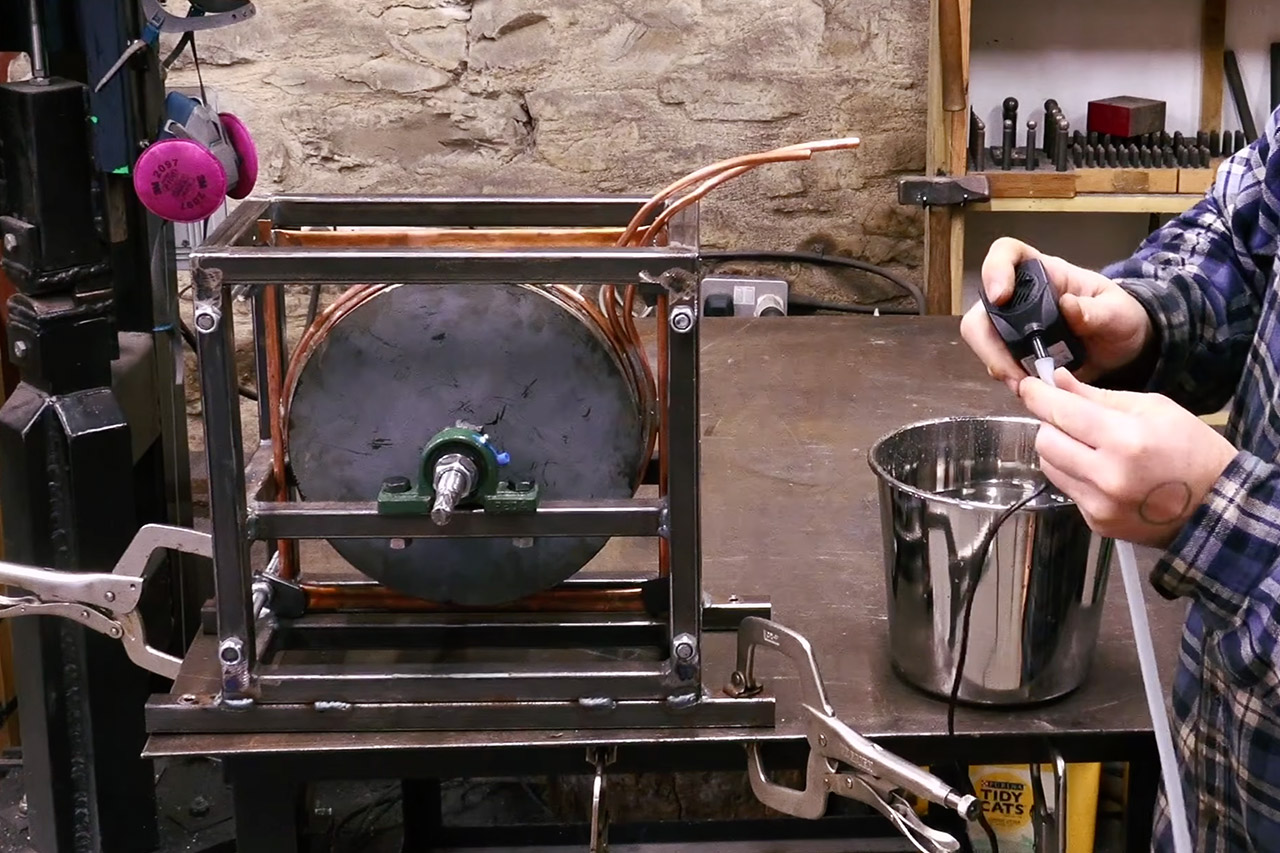
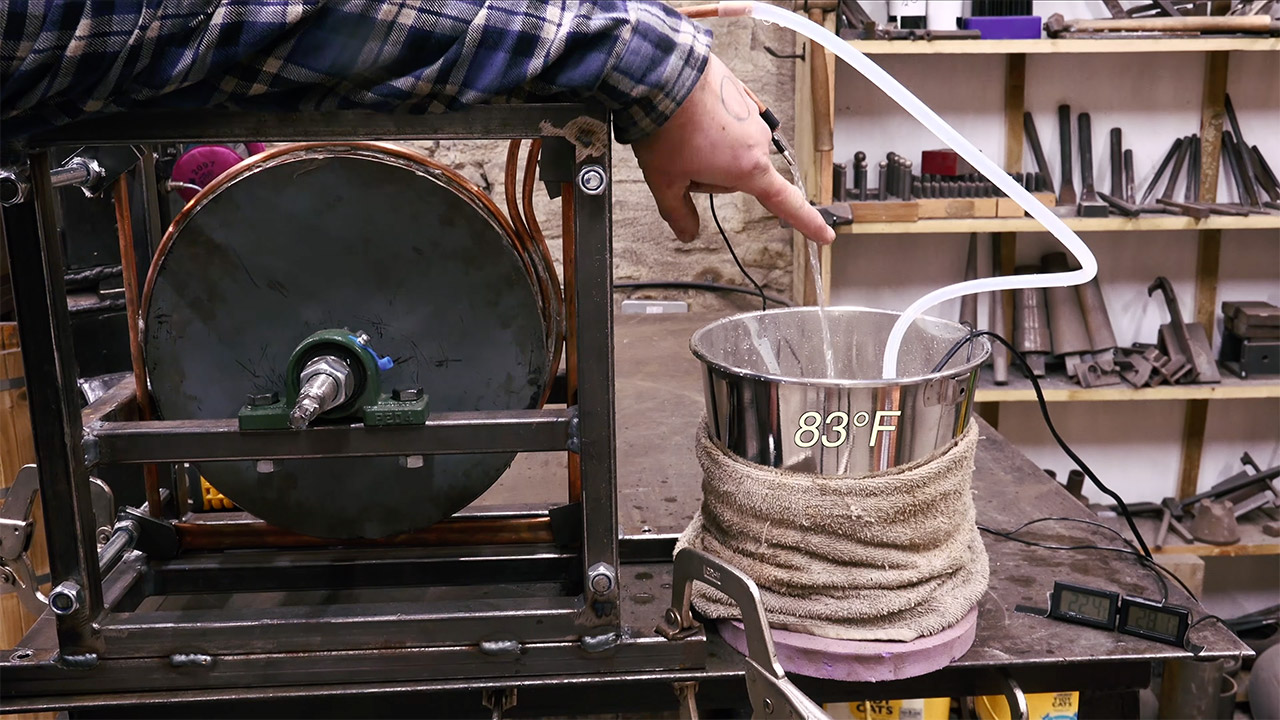
Greenhill Forge runs a rural workshop focused on hands-on projects for smallholding life. Years spent building an axial flux permanent magnet generator gave him the perfect foundation for a new challenge. Cold water needed reliable heating off the grid, and fuel or grid power carried too many hassles. He turned those existing rotors into the heart of a device that creates heat through nothing more than motion and magnetic fields.
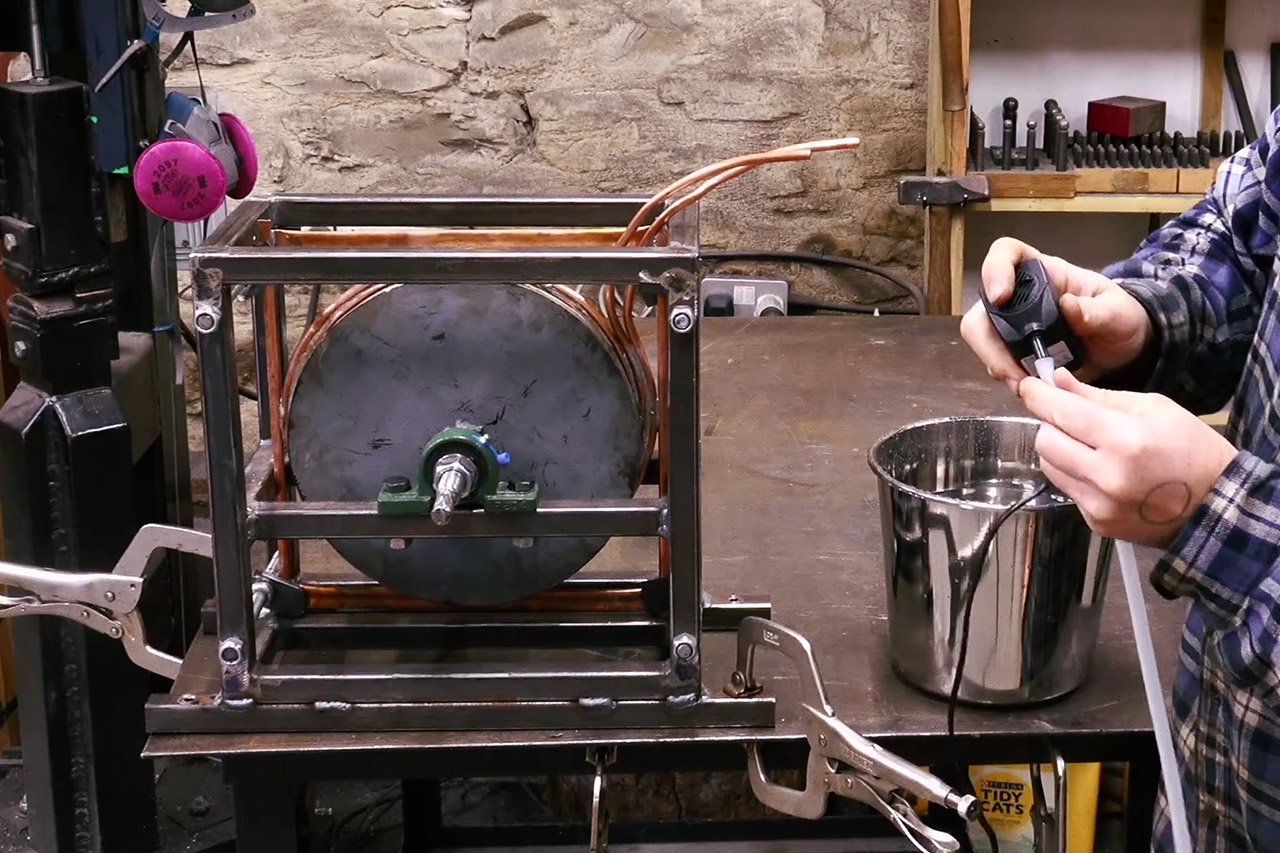
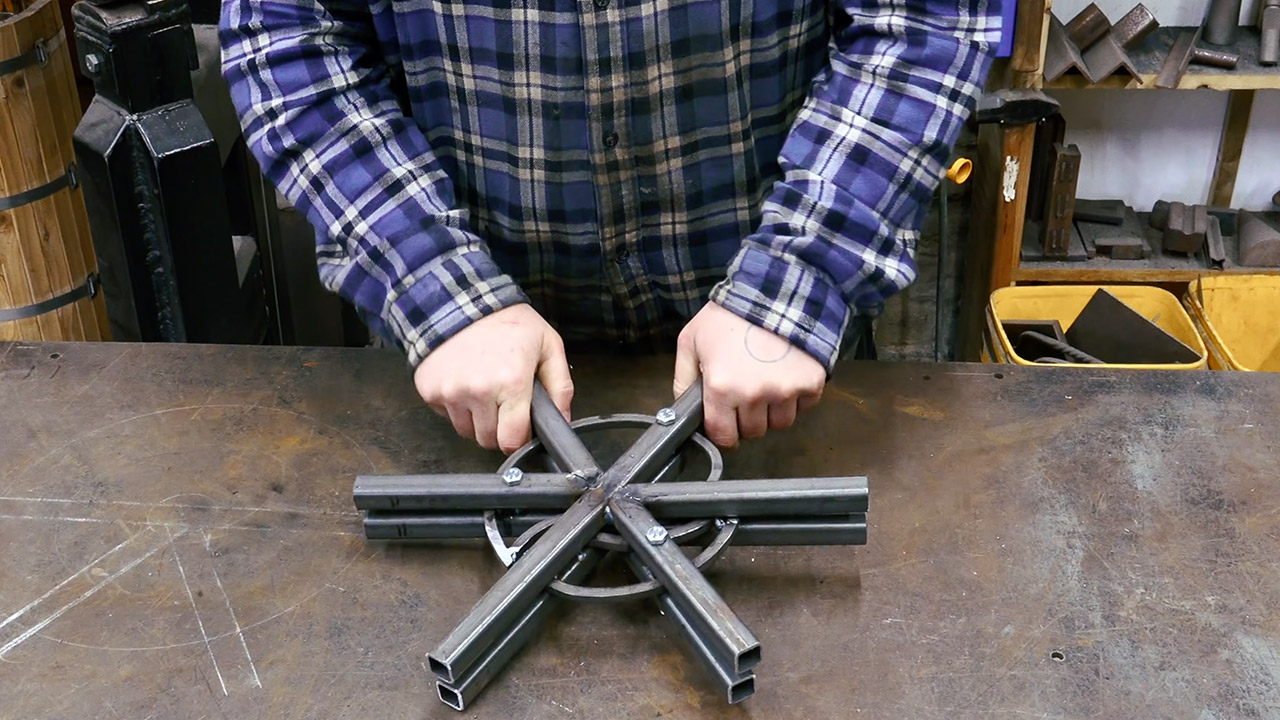
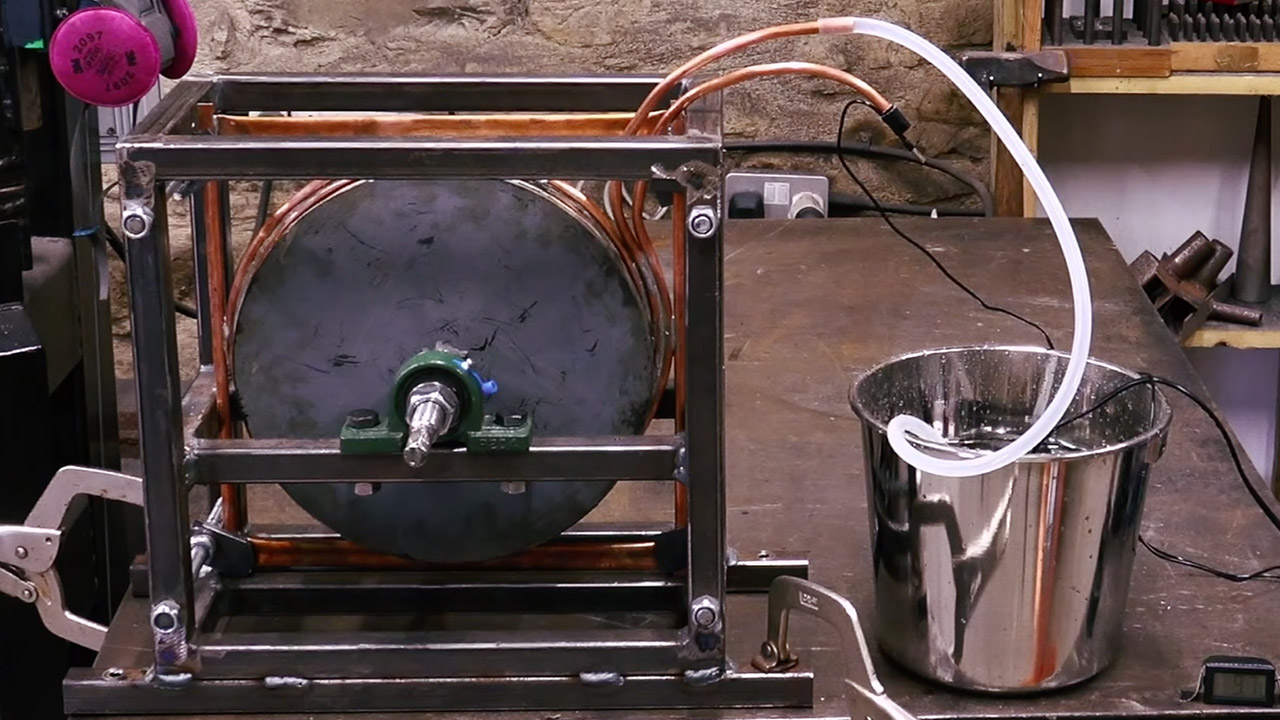
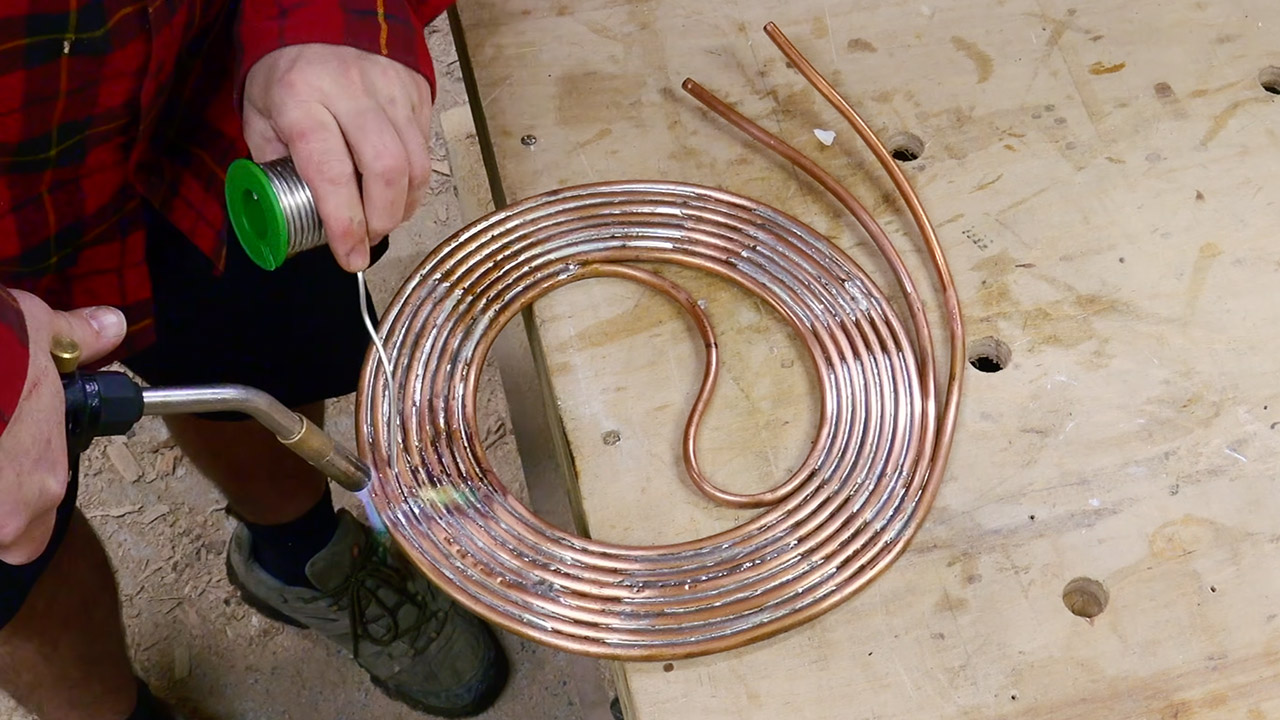
Permanent magnets use two rotors to move past a flat stator made completely of copper tubing. The tube winds itself into a tight spiral disc, and each link is soldered until the entire coil creates a full electrical conductor. As the magnets pass past, some water flows through the hollow tube. Eddy currents begin to spin inside the copper tubing, releasing heat that simply warms the metal up. This heat is subsequently transferred directly into the water, leaving very little waste.
SPEED UP YOUR RECHARGEABILITY: It takes only 2 hours to recharge 80% battery of the power station through the wall outlet and 60W PD USB-C port…
SAFE & STEADY POWER SUPPLY: Armed with a 293Wh lithium-ion battery pack, the Explorer 300 features 2 Pure Sine Wave AC outlets that deliver stable and…
POWER YOUR EXPECTATIONS: Featuring 2* AC outlet, 1* PD 60W USB-C port (input/output supported) , 1* fast charge 3.0 port, 1*USB-A port and 1* DC car…
Building this device begins with a robust jig made of square steel bar. Welding frames hold the pieces in place, ensuring that they are perfectly aligned before any tubing hits the jig. You take lengthy lengths of 8mm copper tube and wrap them around the jig uniformly and without gaps until a complete disc appears. The clamps hold the coil firm while it is soldered, and then you rinse it all off with warm water to remove the flux residue. Once the stator is constructed, just slot it into a square outer frame, which is pounded to ensure that it is perfectly distanced from the rotors. Then you slap bearings and lock nuts in to ensure that everything flows smoothly between the two magnetic surfaces.
A small submersible pump moves water through the system at a rate of approximately 600 liters per hour while utilizing only 10 watts. You simply connect the inlet and output with some flexible silicone tubing, which adds no further resistance or leaks. Everything just mounts onto a simple small base that keeps the drill or turbine drive perfectly aligned.
First time out, he used a corded drill to get the rotors spinning at roughly 400 revolutions per minute, starting with 1.5 liters of water at a frigid 7.9 degrees Celsius in a well-insulated bucket. After three minutes, the temperature had risen to 24.4 degrees Celsius, with water pouring out at 28.4 degrees. Simple calculation revealed that we were generating 575 watts of heat in that time, and the speed of the item is what truly important here, as output grows with the square of the rotational rate. If you double the rpm, the power quadruples, and if you push it to 2000 revolutions per minute, you may have 14.5kW of continuous heat.
The copper temperature remained nearly constant with the water temperature throughout the test, demonstrating that heat is efficiently transferred from the metal to the liquid, but the drill motor eventually became too hot to continue, while the heater barely batted an eye, and the water continued to flow and warm up until the end, and he did it all without the use of any fancy storage tank.
This thing’s direct mechanical drive makes it ideal for off-grid use. You can get a wind turbine or a tiny hydropower wheel to spin its rotors without first converting the motion into energy and then back again. The heat begins as soon as you start spinning the item and continues until it stops turning. You don’t have to bother about combustion chamber vents or fuel tank storage, and the heating element will not burn out on you. It just takes all of that motion and converts it into hot water on demand. [Source]
Global effort seeks massive biological datasets to power advanced cellular AI models
Predictive cell simulations could accelerate disease research and future medical treatments
Questions remain about data ownership as biological datasets expand worldwide
Meta billionaire Mark Zuckerberg is backing a sweeping $500 million push to build massive biological datasets that could power AI models capable of simulating human cells.
The effort, called the Virtual Biology Initiative, comes from Biohub, the nonprofit led by Zuckerberg and Priscilla Chan, M.D., and focuses on creating what scientists describe as predictive models of life at the cellular level.
The project will split the funding, with $100 million going toward supporting global data collection and $400 million on developing tools for imaging, measuring, and engineering biology at unprecedented scale.
Article continues below
Advertisement
Wanted: vast amounts of biological data
Building accurate digital models of cells has long been discussed as a pathway toward faster drug discovery and improved understanding of disease.
Scientists say the tools to begin that work now exist, but the missing ingredient remains vast amounts of high-quality biological data.
Advertisement
“To build artificial intelligence that can accurately represent the full complexity of biology and accelerate scientific research, we need orders of magnitude more data than exists today. We need new technologies to observe the cell, from the molecular to the tissue level, and in the context of health and disease,” said Alex Rives, Biohub Head of Science.
“At Biohub, we’re committing our resources to solve this problem. Generating this data will require a coordinated global effort. We’re thrilled to partner with leading institutions and consortia who are also committed to this and to work with them to galvanize a larger effort to create the foundation for predictive models of the cell,” Rives added.
Sign up to the TechRadar Pro newsletter to get all the top news, opinion, features and guidance your business needs to succeed!
Several major research organizations have agreed to participate, including the Allen Institute, Arc Institute, Broad Institute, and Wellcome Sanger Institute.
Advertisement
The scale of the project reflects how quickly artificial intelligence is moving into biology, especially as researchers attempt to model how cells behave under different conditions.
Support from Nvidia will provide the computing power needed to process the enormous datasets, which scientists say are essential for training AI systems that can simulate cellular behavior accurately.
Zuckerberg said last year that Biohub’s long-term goal is to cure all human disease by combining advances in AI with large-scale biological research.
Advertisement
Accurate digital models of cells could allow scientists to test ideas virtually before running expensive laboratory experiments, dramatically increasing the speed of discovery.
“Achieving a predictive understanding of cellular behavior will require coordination and data at a truly global scale. The Human Cell Atlas brings together a global community, data, capabilities, and expertise needed to help make this possible—and efforts like this, where leading partners including Biohub come together, have the potential to accelerate progress in ways no single organization and consortium could achieve alone,” said Muzz Haniffa, co-Vice-Chair of the Human Cell Atlas Organising Committee.
Although the scientific promise is substantial, the scale of data required raises big questions about governance, ownership, and trust as biological information becomes an increasingly valuable resource.
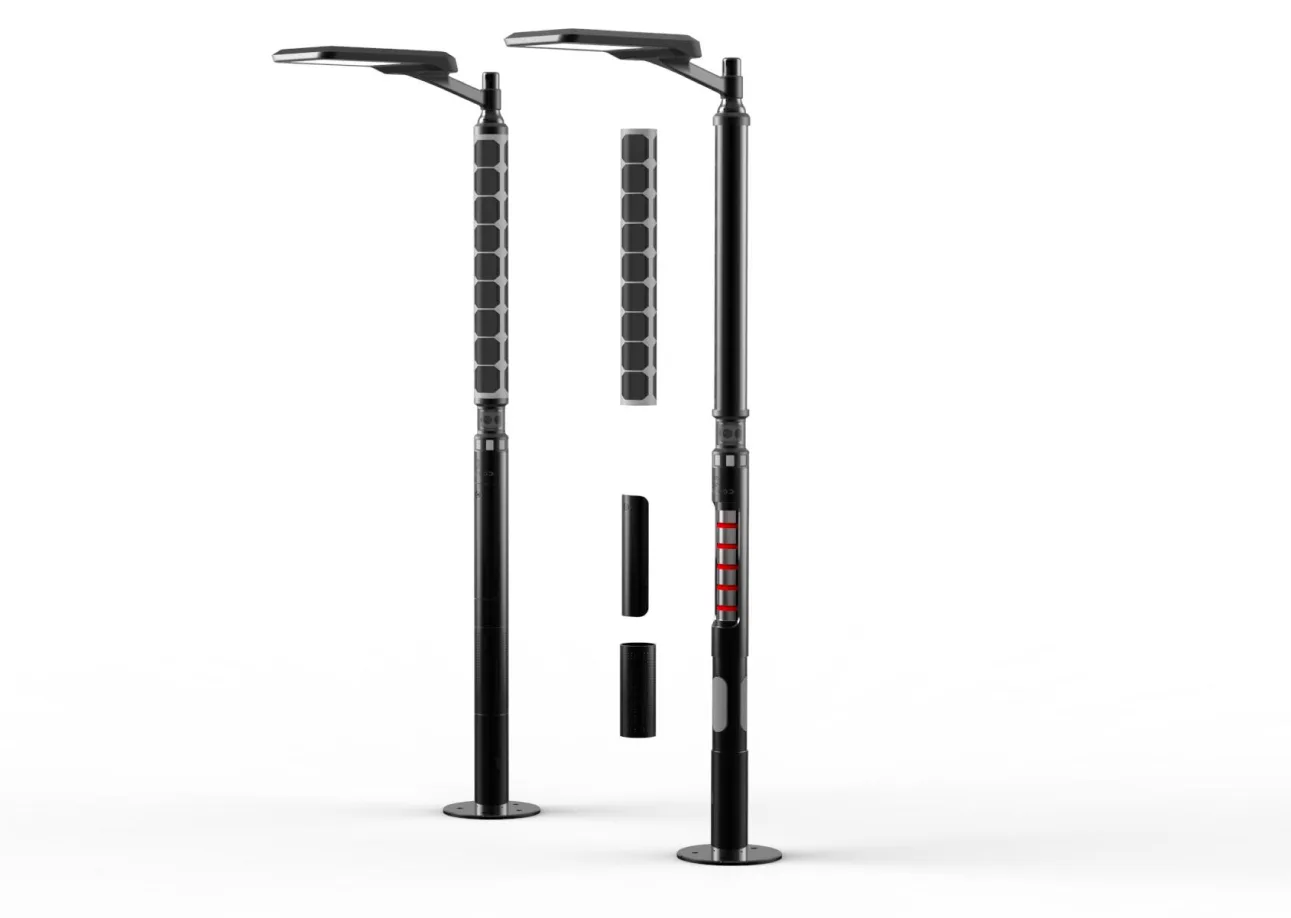
Warwickshire-based Conflow Power Group has agreed with Nigeria’s Katsina State Government to deploy 50,000 solar-powered smart lamp posts called iLamps across the state (via BBC). Each unit runs on a cylindrical solar panel and battery, powering a low-energy Nvidia chip that draws just 15 watts.
Networked together, CPG says the units would deliver 13.75 petaOPS of combined computing power without pulling a single watt from the grid. For comparison, a traditional data center typically needs 300 megawatts of grid power, millions of liters of cooling water, and years to build.
What else can these lamp posts actually do?
Conflow Power Group
Each iLamp can support cameras for traffic enforcement, spotting speeding vehicles, parking violations, and seatbelt non-compliance. Facial recognition for identifying wanted or missing persons is also on the roadmap, though no such deployment exists yet.
The units can also offer public WiFi and Bluetooth connectivity. Katsina will earn revenue from traffic fines captured by the cameras, with CPG taking a 20% share after three years. Income from renting out computing power to AI companies is funneled into a green bond that funds installation and maintenance.
Advertisement
Can lamp posts really replace data centers?
Conflow Power Group
Experts say the iLamps won’t replace conventional data centers for heavy AI workloads since the distance between posts makes communication too slow for demanding tasks. But they could serve as useful access points for lighter AI tasks, functioning similarly to mobile phone masts.
If all ongoing negotiations across seven Nigerian states, universities, and institutions are finalized, the total network could exceed 300,000 iLamp units, forming the largest distributed AI compute network on the continent.





























































You must be logged in to post a comment Login