Tech
Battery life is the only iPhone 18 Pro and iPhone Duo upgrade I care about. Apple didn’t disappoint

Apple’s recent announcement has been one of the most talked-about in recent years, with plenty to unpack in Apple’s newest iPhones. The iPhone 18 Pro gets variable aperture, more camera controls, and much more, while the iPhone Duo is easily the biggest change to the iPhone’s shape in years.
I can appreciate a faster processor or another camera feature, but neither matters much when I’m looking for a charger halfway through a busy day. Apple made a big jump with the iPhone 17 Pro generation last year, and the 18 Pro lineup thankfully keeps moving in the same direction.
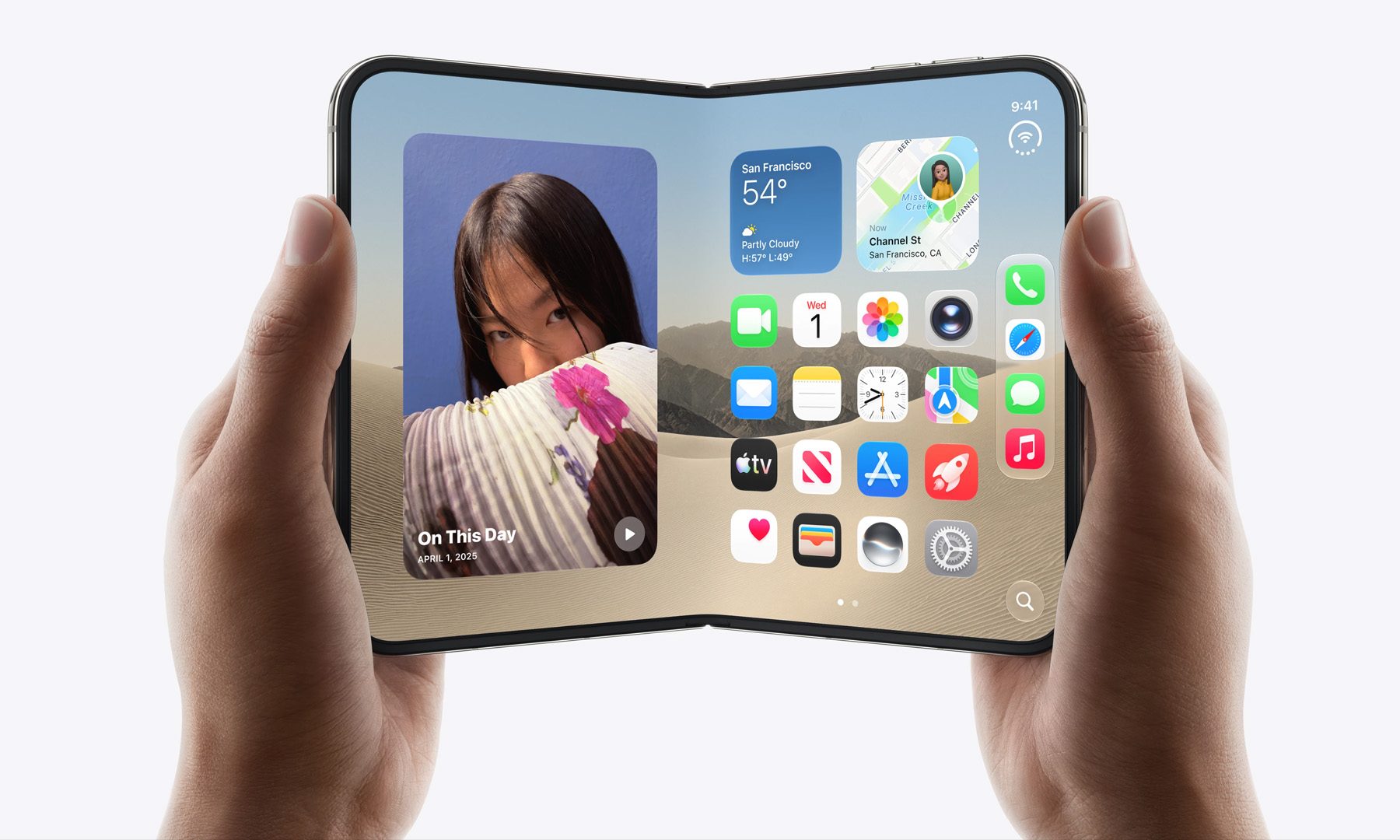

The Pro Max gets the upgrade I wanted
Apple’s US battery claims show a fairly healthy improvement over the previous generation:
Model
Video playback
Streamed video
iPhone 17 Pro
Up to 33 hours
Up to 30 hours
iPhone 18 Pro
Up to 36 hours
Up to 33 hours
iPhone 17 Pro Max
Up to 39 hours
Up to 35 hours
iPhone 18 Pro Max
Up to 45 hours
Up to 40 hours
Apple rates the 18 Pro for three additional hours of both local and streamed video, and the Pro Max jumps by six hours of video playback and five hours of streaming. Aside from the new chipset, the biggest change that explains the difference is the batteries. On models with a physical SIM tray, MacRumors found the iPhone 18 Pro at 4,056mAh, just 1.7% larger than the 17 Pro’s 3,988mAh battery. The 18 Pro Max climbs to 5,391mAh, an 11.7% increase from 4,823mAh.
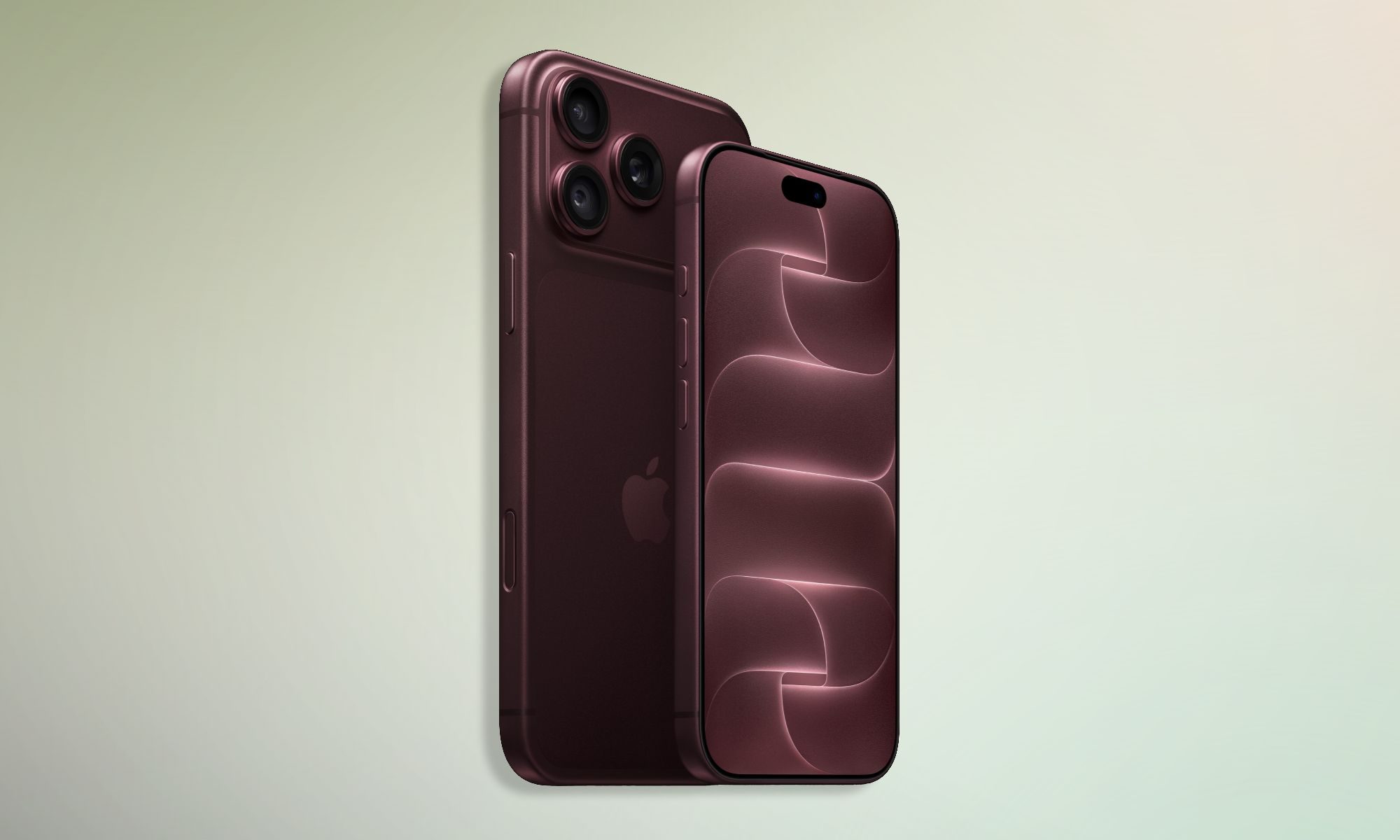

A20 Pro moves to a 2nm process, and Apple’s new C2 modem consumes 15% less energy than C1X, according to the company. So efficiency is doing plenty of the work. Charging also improves, with the 18 Pro models reaching 50% in around 15 minutes, down from 20 minutes on the 17 Pro generation.
The iPhone Duo surprised me even more
When the rumors of the foldable iPhone started seeming more concrete, my expectations for its battery life were conservative, to say the least. Foldables have more display to power and far less convenient internal space for a giant rectangular battery. Apple, like the brands before it, split the solution across two cells, putting one on either side and managing them as a single battery. It also made the Duo eSIM-only worldwide to free up additional internal space.
The results? Better than I expected:
iPhone Duo
Galaxy Z Fold 8
Battery capacity
Apple hasn’t disclosed it
4,800mAh
Video playback
44 hours outer / 31 hours inner
Up to 26 hours
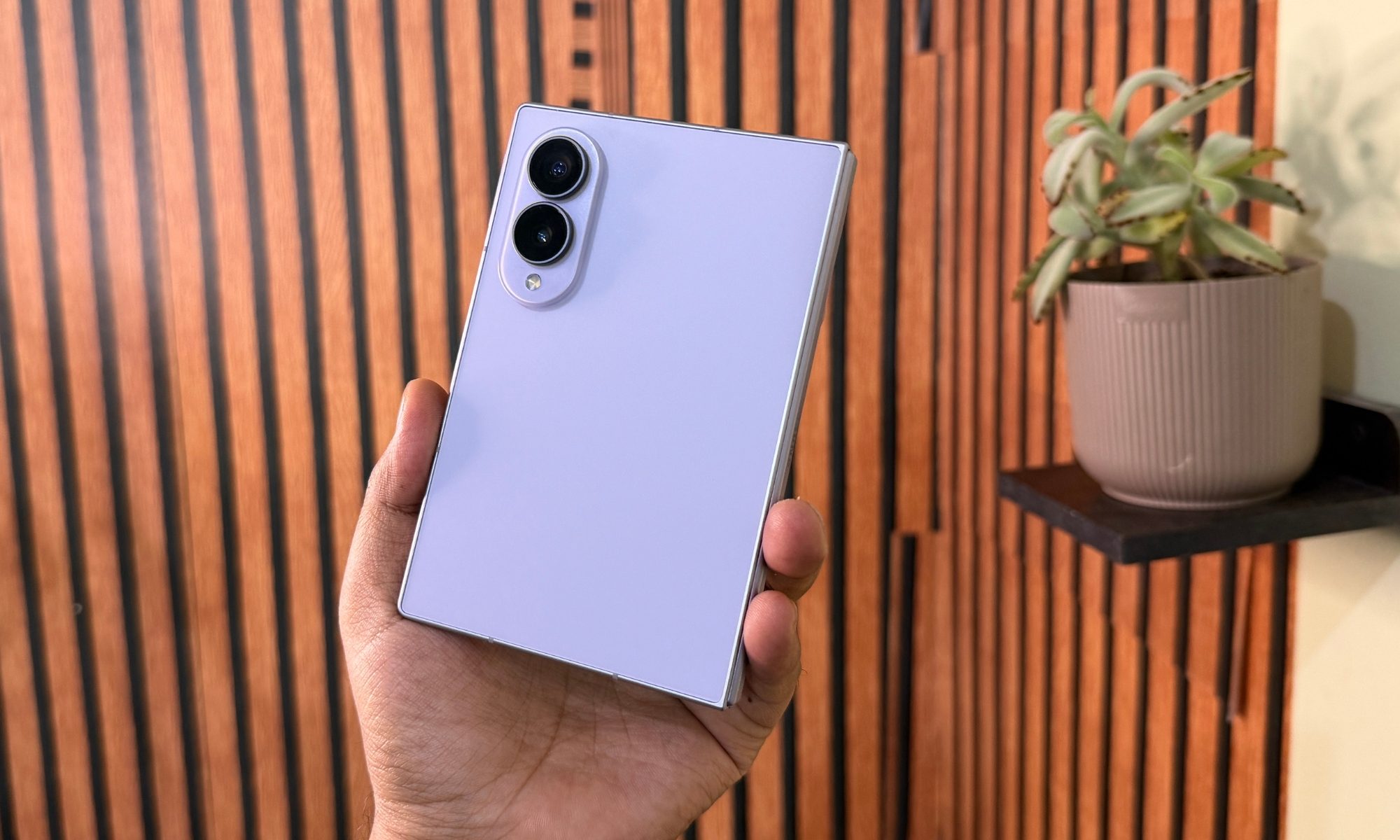
Apple’s figures are especially interesting because the 31-hour inner-screen rating still exceeds Samsung’s 26-hour Fold 8 video-playback claim. If you stick to the smaller cover screen alone, the Duo stretches endurance all the way to 44 hours. Manufacturer test methods differ, so I wouldn’t treat those numbers as a laboratory head-to-head. They still give us a useful idea of what each company is targeting.
Another wide foldable rival that makes an interesting comparison is the Xiaomi 18 Fold, which is in a league of its own. Xiaomi managed to pack a massive 6,000mAh silicon-carbon battery. While there is no comparable official playback-hour figure that I could verify, but just the raw capacity alone gives it an edge.
Finally, an upgrade most users will notice
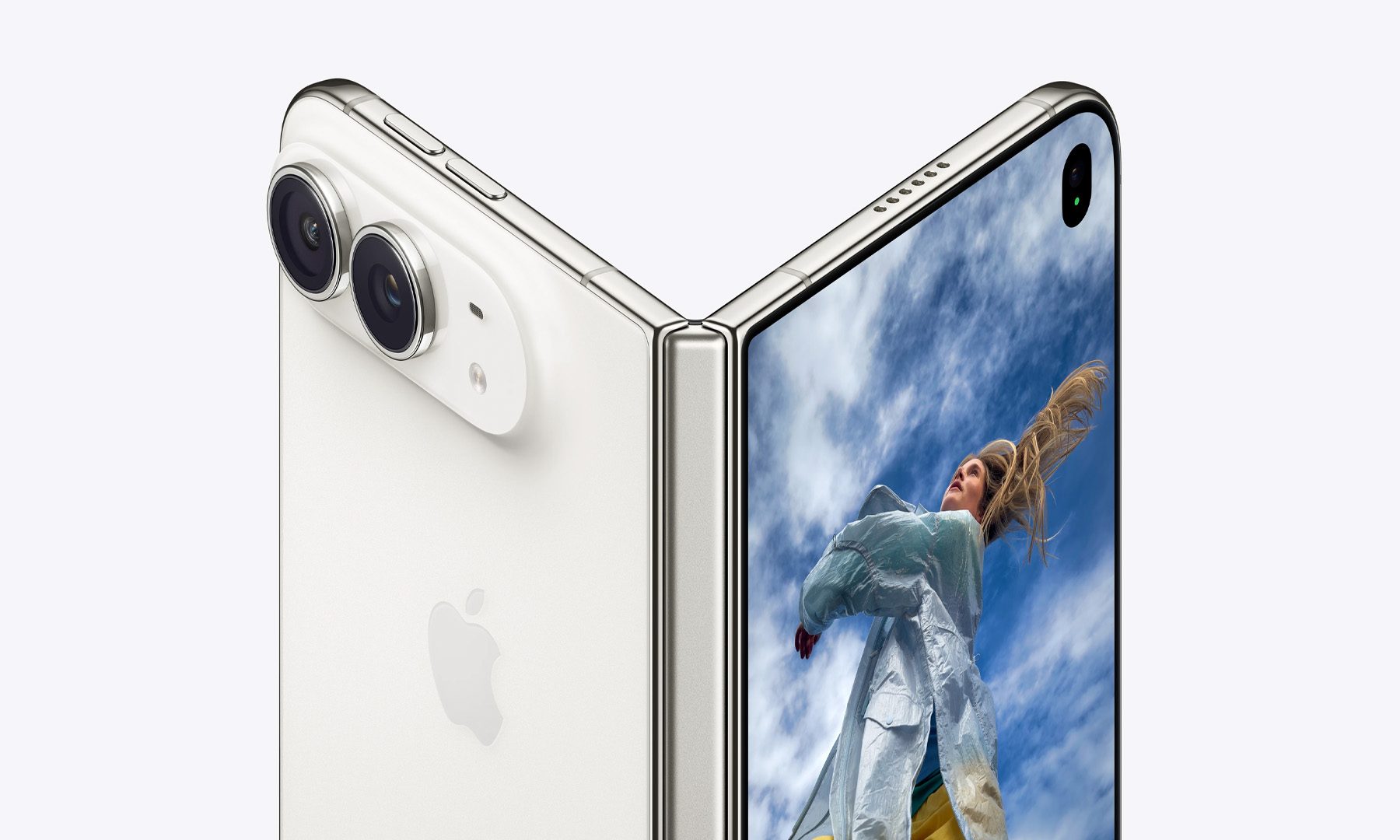
I’ll reserve judgment until we’ve properly tested all three new iPhones, because manufacturer battery claims never tell the entire story. But this is definitely a step in the right direction. Apple already made the iPhone 17 Pro one of the rare smaller flagships I could trust to comfortably get through a demanding day. In our tests, the 17 Pro could regularly finish the day with around 15% to 20% remaining, even with hours of Bluetooth music streaming.
Now the regular Pro goes farther, the Pro Max gets one of the biggest battery jumps in the lineup, and Apple’s first foldable doesn’t make compromises for users who choose the larger screen. Those are upgrades I will notice long after I’ve stopped playing with the new camera settings.
You must be logged in to post a comment Login