Tech
Before Valve’s Steam Machine, There was the Xi3 Piston, the Little Aluminum Cube That Almost Brought Steam to Every TV

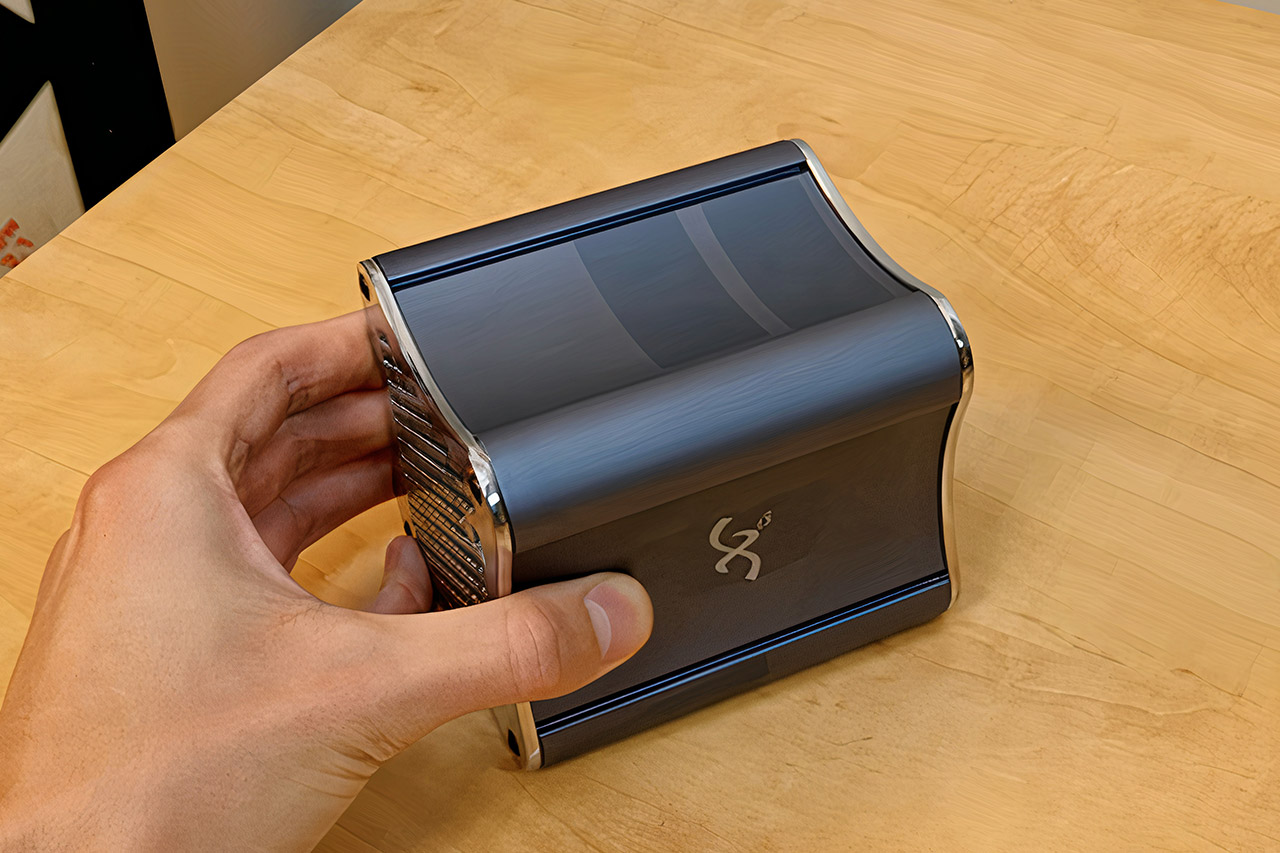
Early in 2013 a small Utah company walked into CES with something that looked more like abstract art than a gaming machine. The Xi3 Piston sat there as a compact metal cube, roughly four inches on each side, with indented sides and a front grille that gave it a distinctive industrial look. Valve had invested in the company and even displayed the device in its own booth. For a brief moment it seemed like this odd little box might become the foundation for a new kind of living-room gaming experience built around Steam.


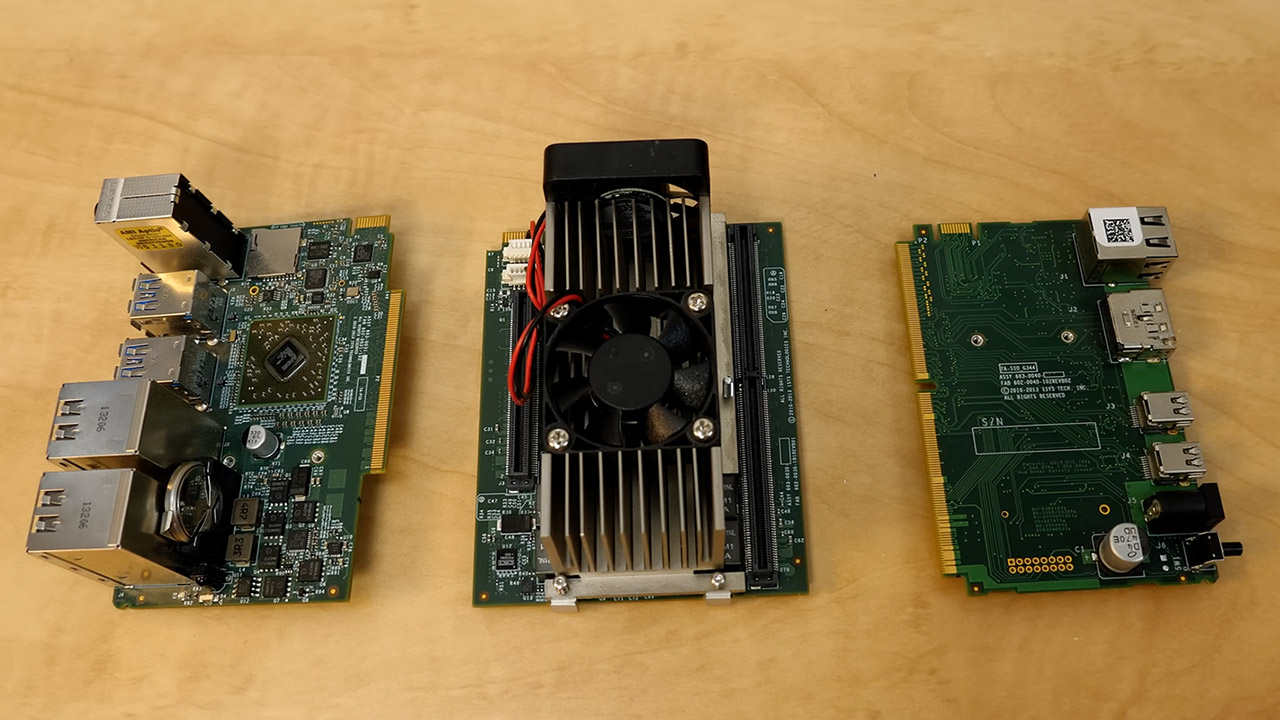
Xi3 had been manufacturing modular computers for years and shipping them to corporations and industrial clients. The Piston was their first foray into the consumer market, primarily those who wanted to play PC games on a huge screen but couldn’t (or wouldn’t) tolerate a desktop tower taking up half the space. So they took the same modular strategy and attempted to reimagine it for a living room-centric PC. Here’s the basic idea: instead of a single, large motherboard, three individual circuit boards are stacked inside the aluminum shell. One handles the processor and cooling, another handles the majority of the input and output connections, as well as a mSATA slot, while the third offers a few additional ports and some capacity for expansion. You can simply slide the panels off and remove the boards for maintenance or, in theory, upgrades later. There is even an optional external drive module that attaches to the bottom via rails.
Sale

ACEMAGIC K1 Mini PC AMD Ryzen R2544 8GB DDR4 256GB SSD Mini Computers (Turbo 3.7GHz), Win 11 Pro Radeon…
- 【Mini Pc With Amd Ryzen R2544】ACEMAGIC mini computer is equipped with AMD Ryzen R2544 processor (4 cores/8 threads, base 3.35GHz, boost up to…
- 【Radeon Graphics For Entertainment & Business Office】The integrated upgraded AMD Radeon Graphics in the Ryzen R2544 (max 1300Mhz, graphics cores…
- 【Ample Storage & Flexible Upgrade Options】This mini computer comes with 8GB DDR4 memory, delivering smooth multitasking and efficient performance…
An AMD Trinity APU powers it all, notably the R-464L embedded version of the same technology found in the A10-4600M mobile processor. That’s a four-core processor clocked at up to 3.2 GHz with integrated Radeon HD 7660G graphics, which, as you might think, is less powerful than some of the stand-alone graphics cards available. That graphics unit, however, has 384 shaders and is combined with 8 GB of DDR3 RAM, a 128 GB solid-state drive, and space for a second mSATA drive or microSD card. Under average load, the system consumes a relatively low 40 watts, though it can grow warm if you play for an extended period of time.

As we’ve already mentioned, this is a small machine, so you might expect connectivity to be limited, but there are actually quite a number, including 12 USB ports (some 3.0 and 2.0), eSATAp, and likely a few more options. There are also HDMI, DisplayPort, and a mini DisplayPort visual outputs, gigabit Ethernet for wired communications, and audio ports to complete the package. It’s worth noting that wireless networking is not provided. The Piston would occasionally be coupled with a wireless controller that resembled the Xbox 360 controller, allowing gamers to play games from the couch.
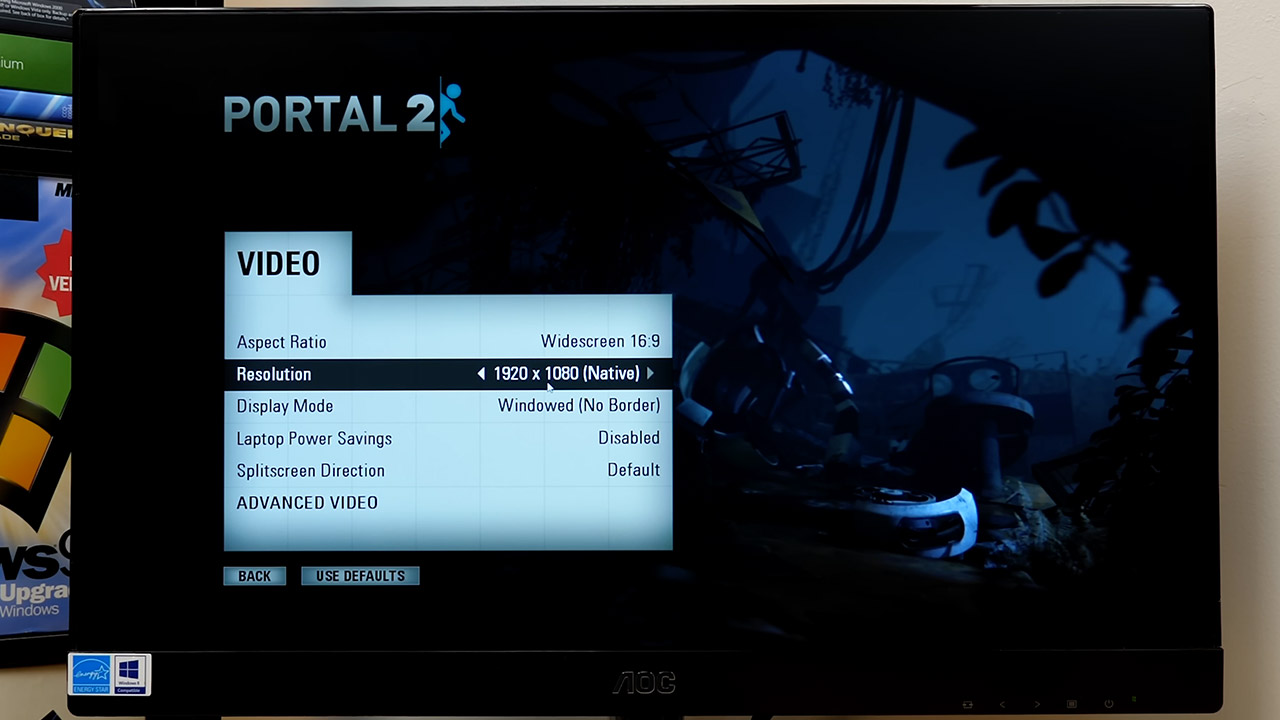
Xi3 marketed the Piston as a Steam Box, essentially employing Steam’s Big Picture mode to create an interface that felt like a typical console experience. In some situations, the computer shipped without an operating system, while in others it came with a modified version of Windows. Early demos demonstrated how to browse the interface with a controller and gain access to the whole Steam library. Valve later moved back from that engagement, stating that the Piston was one conceivable approach for a Steam Box, but not the one they had in mind.

By the time Xi3 ultimately released the Piston Console in late November 2013 for $999, it was a standalone product with a price tag that received a lot of criticism. You could create a standard small-form-factor PC with better graphics and still save a few hundred dollars. The modular design was initially appealing, as was the small size, but the performance fell short of the buzz around the initial CES announcement. Production remained modest, and the device gradually disappeared from view as Valve collaborated with a number of other companies on the Steam Machines project, which employed full-size components and the Linux-based SteamOS.
You must be logged in to post a comment Login