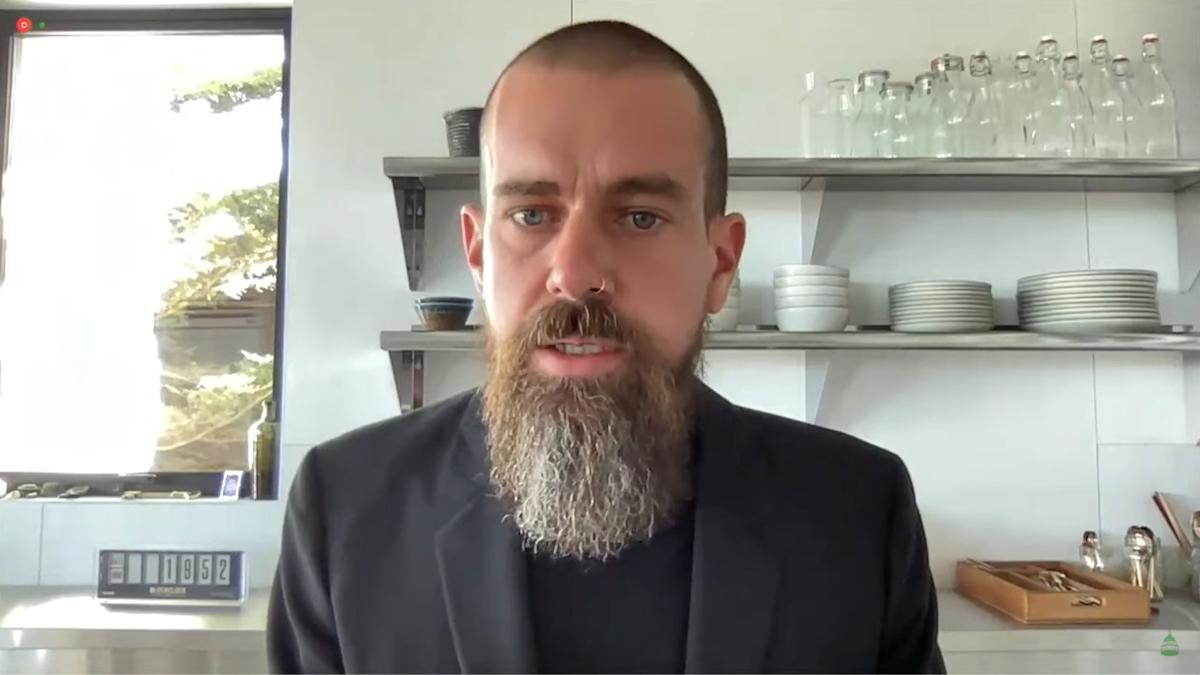
Block is the latest business to announce layoffs, with the operator of payment platforms Square and Cash App opting to cut jobs in favor of using more AI tools. The financial tech company, helmed by Twitter founder Jack Dorsey, is slashing its current staff of 10,000 to “just under 6,000.” CNBC highlighted a letter Block sent to shareholders announcing the decision to nearly halve its workforce. According to the message from Dorsey:
“The core thesis is simple. Intelligence tools have changed what it means to build and run a company. We’re already seeing it internally. A significantly smaller team, using the tools we’re building, can do more and do it better. And intelligence tool capabilities are compounding faster every week.”
We learned last year that Block had developed an AI agent called “codename goose” for interacting with LLMs. Leadership is clearly putting high expectations on that project and any other in-house tools to fill the shoes of thousands. “intelligence will be at the core of how the entire company works. How we make decisions, how we build trust and manage risk, how we build products, and how we serve customers,” the shareholder letter states.
Block also reported its latest financial results today. It finished the 2025 financial year with operating income (profit after expenses) of $1.71 billion.
Advertisement
This isn’t the first time the fintech company has made deep cuts in its employee count. Layoffs numbering about 1,000 were rumored both in 2024 and 2025.
Seattle startup Read AI launched a new “Digital Twin” product that works through email and can help schedule meetings, answer questions, and keep conversations moving.
The AI bot, branded as “Ada,” builds on the company’s existing meeting and productivity tools. Read AI says it’s the largest deployment of a digital twin product to date.
Digital Twin enters a crowded market of AI agents and workplace copilots from giants like Microsoft and Google, along with startups that offer AI‑driven scheduling, inbox triage and autonomous task management. Read is trying to differentiate by centering the agent in email, tightly coupling it to meeting and document context, and offering enterprise branding such as a custom name and company domain for customers with 25 or more licenses.
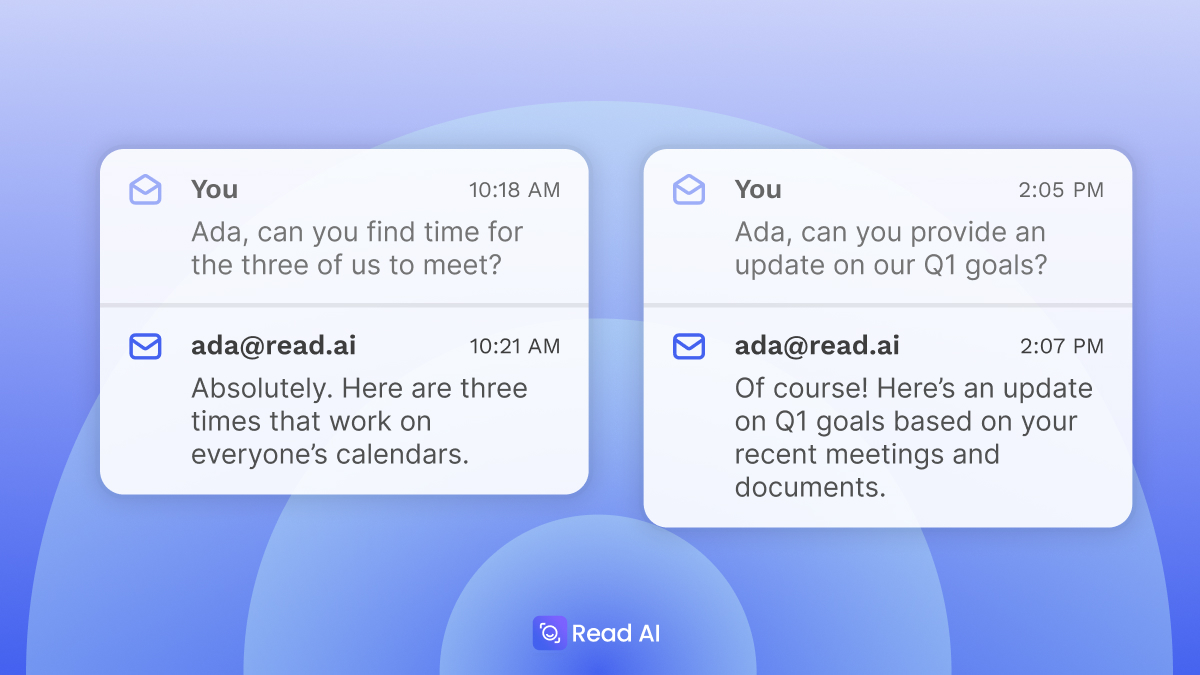
Here’s how it works. Users cc ada@read.ai on a thread and can ask it to find time on everyone’s calendars, draft replies, or answer questions using context from their meetings, email, files, CRMs and other connected systems. Read says its platform pulls from more than 20 native integrations and, on average, about 10,000 documents per user.
For anything beyond scheduling, Ada “sidebars” with the user first, proposing draft responses and waiting for approval before sending them, and it must be cc’d on email threads where it takes action. The idea is to let the AI cover for you when you’re too busy or out of the office, while giving you veto power on anything sensitive or high‑stakes.
Advertisement
Read AI CEO David Shim likened Digital Twin to OpenClaw, an open source AI digital assistant tool that works with messaging apps and went viral this month. “What OpenClaw did for tinkers, Digital Twin brings to the mainstream,” he told GeekWire.
Shim framed the launch as an evolution from “AI assistant” to something closer to a software colleague that can act on your behalf. In internal beta, he said a quarter of user interactions with Ada were just to say “thank you,” a signal that people were treating the product more like a teammate than a tool.
He said the Digital Twin launch shifts Read AI from “a system of record for productivity” to an “extension of you.”
“This is the moment we change the way we interact with AI, from pull to push, where the agent acts on your behalf,” he said.
Advertisement
More broadly, Shim is betting that digital twins — and AI assistants more broadly — will proliferate.
“If I said internet access was a human right 20 years ago, I’d be laughed out of the room — today, it’s an expected value,” he said. “We believe that digital twins will be a human right, akin to internet access, in the next few years, delivering a level playing field when it comes to AI and productivity.”
Founded in 2021 by Shim, Robert Williams, and Elliott Waldron, Read AI has raised more than $80 million and landed major enterprise customers for its cross-platform AI meeting assistant and productivity tools. It has 5 million monthly active users.
Google just debuted Nano Banana 2, an updated version of its AI image generator. It combines the abilities of Google’s previous release, Nano Banana Pro—like text rendering and web searching—with speedier image generation. This tool will be the new default in Google’s Gemini chatbot.
The first image model from Google under the Nano Banana moniker dropped last August, and the Pro version arrived three months later. The AI tool was widely adopted online to alter photos of real people, from generating custom action figures to nostalgic images of people hugging younger versions of themselves.
Nano Banana 2 is not only faster at crafting images, it’s also a more powerful photo editor. Despite some rough edges and unconvincing generations in my initial hands-on experience through Gemini, Google’s latest release marks the continued improvement of photorealistic AI tools that can manipulate existing images and serves as a stark reminder to always scrutinize unverified images you see online.
Getting Started
If you want to try the new image model, the easiest way to access Nano Banana 2 is through the Gemini app or website. You can either click the banana emoji to generate images or just put the request in your prompts to the chatbot. This new image model is also available through Google’s Search tools, AI Studio, Cloud, and other services.
Advertisement
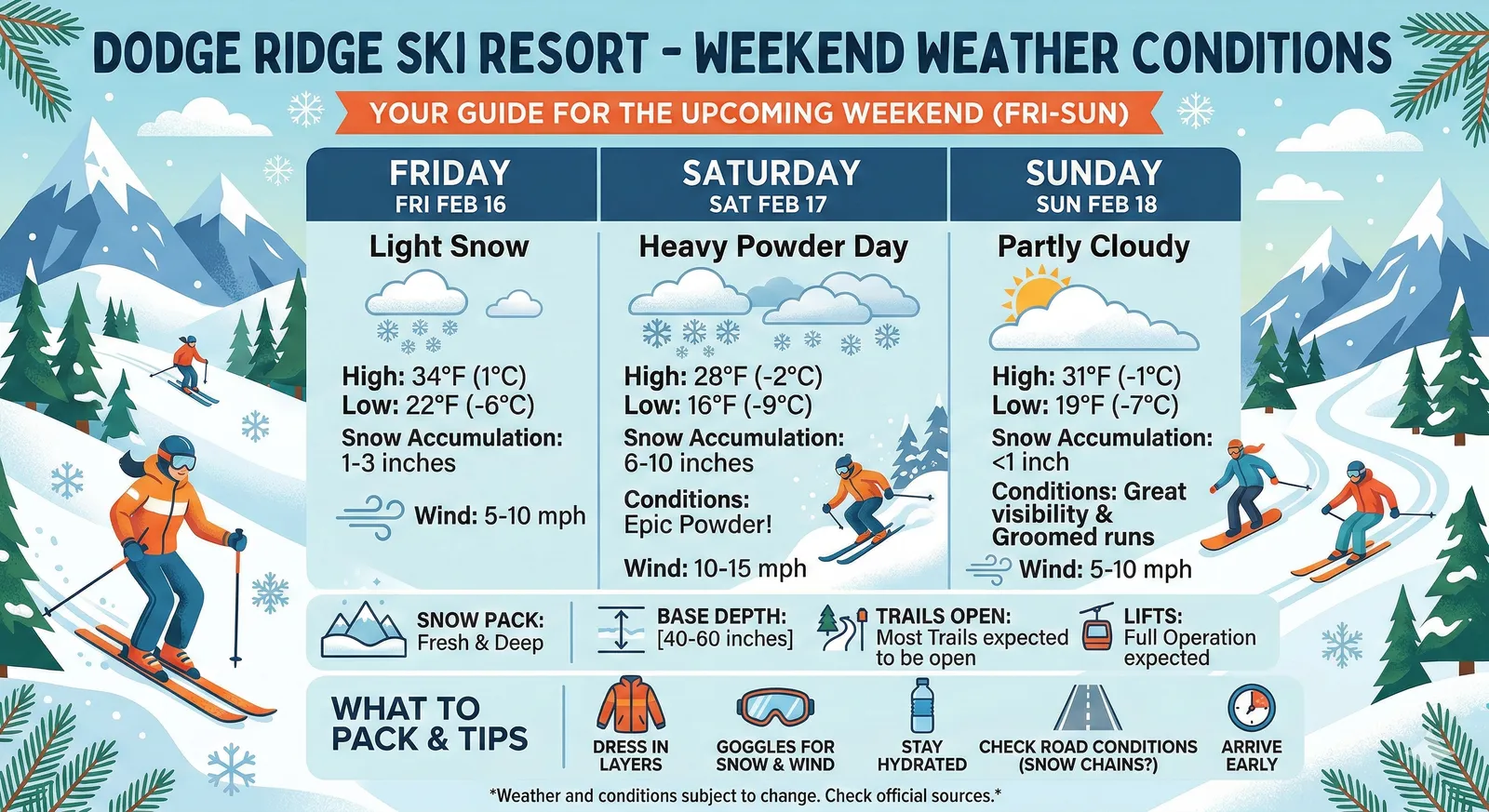
Google says the Nano Banana 2 image generator pulls real-time information from the web, which can be useful for generating infographics. To test this, I asked Gemini to generate a custom weather report for my upcoming weekend getaway. Here’s my prompt:
I’m going skiing in Dodge Ridge this weekend with some friends. Could you create an infographic that covers the weather conditions?
Nano Banana Pro made it easier to generate images with text—pulled from data on the web—and Nano Banana 2 makes that image generation speedier than ever.
AI-GENERATED BY REECE ROGERS
At first glance, the result looks decent. No wobbly text or disfigured skiers in the background. The forecast for each day includes expected temperatures as well as wind and snow conditions. A small disclaimer at the bottom of the infographic reads, “Weather and conditions subject to change. Check official sources.”
Advertisement
I’m glad I did! When I looked up the forecast for this weekend from a different source, I realized that Gemini had messed up the dates and pulled the Google Weather context from last week. When I pointed out this mistake to the bot, it used Nano Banana 2 to replace the text from its first attempt with the correct weather data.
Tub Time
If you want more details about my getaway, I’m headed to a cozy ski lodge with friends who are skiers. I’m a novice and still deciding whether to actually hit the slopes or just turn into a wrinkly prune sitting in the hot tub all day long. Maybe Nano Banana 2 could make a dumb meme to send to the group chat? I uploaded a photo of myself to Gemini with this prompt:
Take this image and put me in a cozy outdoor jacuzzi surrounded by snow. Make my skin comically wrinkly from sitting in there for hours.
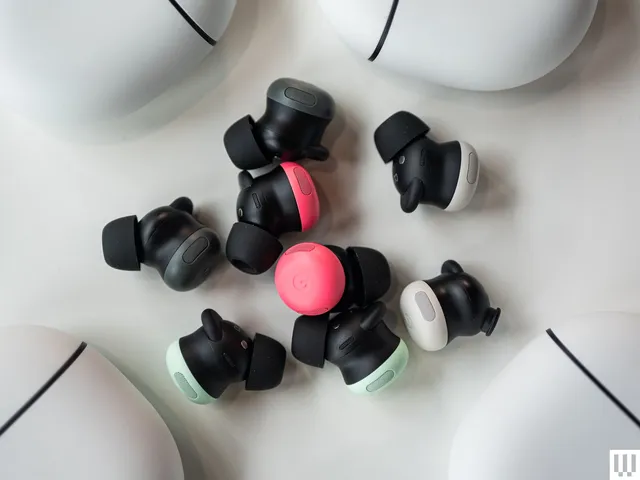
If you’re an esteemed Android user like me, and you felt left out of yesterday’s deal on the AirPods Pro 3, I’ve got you covered today with an even bigger discount on the Pixel Buds Pro 2. Both Amazon and Best Buy have the hazel color marked down from $229 to $180, a $49 discount on Google’s most upgraded wireless earbuds.
Photograph: Julian Chokkattu
The first change you’ll notice from the previous generation Pixel Buds Pro is that the newer model is much lighter, and the buds are 27 percent smaller. As a result, these are an excellent choice for anyone with small ears, and they stay put super well. Reviewer Parker Hall “had no problem doing hours of tree pruning and going on long sweaty runs in Portland’s early fall heat wave.”
With some help from top-notch physical sound isolation, the active noise-canceling on these is just as good as Apple’s and even goes toe-to-toe with big hitters like Bose and Sony. The transparency mode works just as well, too, with a wider range and clearer audio than a lot of other headphones offer. When it’s time to actually turn up the tunes, you can enjoy a wide, natural soundstage that has excellent detail in the midrange and clear, sparkling treble.
The Gemini integration, unfortunately, leaves a bit to be desired. It’s not the smoothest experience, particularly when asking multiple questions, and the Pixel Buds Pro 2 aren’t offering anything that other earbuds can’t do. Apple’s live translations and heart rate monitors are more useful features, but if you’re on Android, you’re locked out of them anyway.
If you’re interested in upgrading your earbud game, and you already have a Pixel, you can grab the Pixel Buds Pro 2 in hazel for $180 from either Amazon or Best Buy. If that color doesn’t suit you, I also spotted lesser discounts on the peony color for $189, or the porcelain color for $210. For anyone who isn’t already sold on the Pixel Buds Pro 2, make sure to swing by our guide to the best wireless earbuds, with picks for both Apple and Android owners.
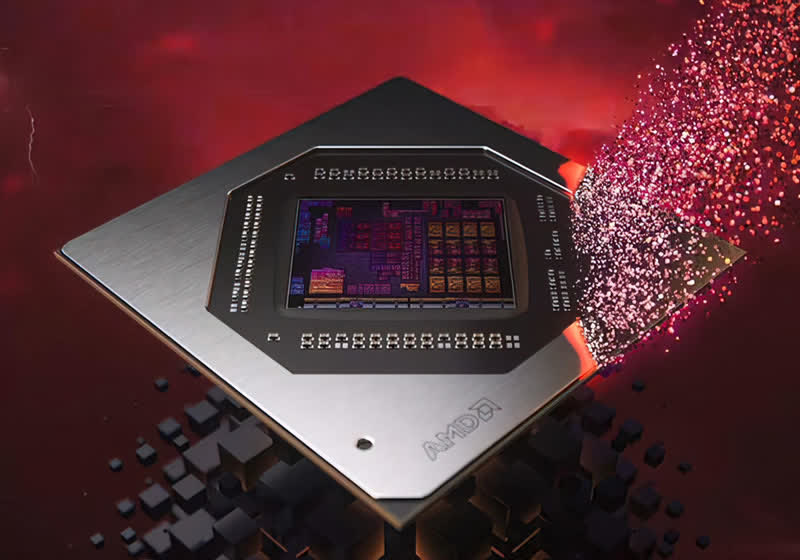
A Guru3D forums user named “The Creator” recently shared a beta DLL file for an unannounced update to AMD’s FSR upscaler. It didn’t take long for users on Guru3D and Reddit to circulate mirrors and begin publishing side-by-side comparisons. The early verdict: noticeably less blur than the public release at… Read Entire Article Source link
Well, those Falcon 9 landings never get old. Imagine, just over a decade ago the idea of being able to land a rocket upright after it’d been to space seemed crazy. And then SpaceX went and did it.
Following its first successful touchdown in December 2015, SpaceX suffered the occasional mishap with its booster landings, but in recent years it’s well and truly nailed the process.
The Elon Musk-led spaceflight company shared a video (below) this week of its most recent landing, with dramatic footage captured by a camera attached to the rocket showing the spectacular early-morning ride home.
The Falcon 9’s mission started from Vandenberg Space Force Base in California, and involved the launch of 25 Starlink satellites to low-Earth orbit.
Advertisement
This was the 11th flight for the first-stage booster (B1093) supporting this mission, which previously launched SDA T1TL-B, SDA T1TL-C, and now nine Starlink missions.
As the video shows, after deploying the upper stage, the 41.2 meter-tall (about 135 feet) booster returned to Earth minutes later, landing on the Of Course I Still Love You droneship waiting in the Pacific Ocean.
To achieve an autonomous landing like this, a Falcon 9 booster begins by performing a flip using cold gas thrusters after stage separation, sometimes followed by a boostback burn. As it descends, the booster deploys its grid fins to steer through the atmosphere before performing an entry burn to slow down. Finally, it executes a landing burn while deploying its legs for a stable touchdown.
The landings allow SpaceX to reuse its boosters multiple times, reducing the cost of spaceflight and opening access to more companies and organizations.
Advertisement
Just last weekend, another Falcon 9 booster set a new reuse record of 33 flights after launching for the first time in June 2021.
A Greek court has convicted four individuals linked to the marketing of Predator spyware in the wiretapping scandal that shook the country in 2022. The BBC reports: In what became known as “Greece’s Watergate,” surveillance software called Predator was used to target 87 people — among them government ministers, senior military officials and journalists. The four who had marketed the software were found guilty by an Athens court of misdemeanours of violating the confidentiality of telephone communications and illegally accessing personal data and conversations.
The court sentenced the four defendants to lengthy jail sentences, suspended pending appeal. Although they each face 126 years, only eight would be typically served which is the upper limit for misdemeanors. One in three of the dozens of figures targeted had also been under legal surveillance by Greece’s intelligence services (EYP). Prime Minister Kyriakos Mitsotakis, who had placed EYP directly under his supervision, called it a scandal, but no government officials have been charged in court and critics accuse the government of trying to cover up the truth.
The case dates back to the summer of 2022, when the current head of Greek Socialist party Pasok, Nikos Androulakis – then an MEP – was informed by the European Parliament’s IT experts that he had received a malicious text message containing a link. Predator spyware, marketed by the Athens-based Israeli company Intellexa, can get access to a device’s messages, camera, and microphone. Its use was illegal in Greece at that time but a new law passed in 2022 has since legalised state security use of surveillance software under strict conditions. Androulakis also discovered that he had been tracked for “national security reasons” by Greece’s intelligence services. The scandal has since escalated into a debate over democratic accountability in Greece.
Apple has requested that the lawsuit against its AI delays and response to an Epic injunction be dismissed. It cites that both counts are unsubstantiated.
Apple’s AI delays are fodder for class action lawsuits
There are multiple lawsuits around Apple’s delay of a more personalized Siri. One class action suit is being led by South Korea’s National Pension Service, and claims that Apple’s recent actions have cost billions in stock market losses. According to a report from Reuters, Apple is being targeted by two counts of defrauding shareholders. The first claim is that Apple is overpromising Siri capabilities, Continue Reading on AppleInsider | Discuss on our Forums
A critical vulnerability in the Junos OS Evolved network operating system running on PTX Series routers from Juniper Networks could allow an unauthenticated attacker to execute code remotely with root privileges.
PTX Series routers are high-performance core and peering routers built for high throughput, low latency, and scale. They are commonly used by internet service providers, telecommunication services, and cloud network applications.
The security issue is identified as CVE-2026-21902 and is caused by incorrect permission assignment in the ‘On-Box Anomaly Detection’ framework, which should be exposed to internal processes only over the internal routing interface.
However, the glitch allows accessing the framework over an externally exposed port, Juniper Networks explains in a security advisory.
Because the service runs as root and is enabled by default, successful exploitation would allow an attacker who is already on the network to take full control of the device without authentication.
Advertisement
The issue affects Junos OS Evolved versions before 25.4R1-S1-EVO and 25.4R2-EVO, on PTX Series routers. Older versions may also be impacted, but the vendor does not assess releases that have reached the end-of-engineering or end-of-life (EoL) phase.
Versions before 25.4R1-EVO, and standard (non-Evolved) Junos OS versions are not impacted by CVE-2026-21902. Juniper Networks has delivered fixes in versions 25.4R1-S1-EVO, 25.4R2-EVO, and 26.2R1-EVO of the product.
Juniper’s Security Incident Response Team (SIRT) states that it was not aware of malicious exploitation of the vulnerability at the time of publishing the security bulletin.
If immediate patching is not possible, the vendor’s recommendation is to restrict access to the vulnerable endpoints to trusted networks only using firewall filters or Access Control Lists (ACLs). Alternatively, administrators may disable the vulnerable service entirely using:
Advertisement
'request pfe anomalies disable'
Juniper Networks products are typically an attractive target for advanced hackers as the network equipment is used by service providers requiring high bandwidth, such as cloud data centers and large enterprises.
In March 2025, it was revealed that Chinese cyber-espionage actors were deploying custom backdoors on EoL Junos OS MX routers to drop a set of ‘TinyShell’ backdoor variants.
In January 2025, a malware campaign dubbed ‘J-magic’ targeted Juniper VPN gateways used in the semiconductor, energy, manufacturing, and IT sectors, deploying network-sniffing malware that activated upon receiving a “magic packet.”
Advertisement
In December 2024, Juniper Networks Smart routers became targets of Mirai botnet campaigns, getting enlisted in distributed denial of service (DDoS) swarms.
Modern IT infrastructure moves faster than manual workflows can handle.
In this new Tines guide, learn how your team can reduce hidden manual delays, improve reliability through automated response, and build and scale intelligent workflows on top of tools you already use.
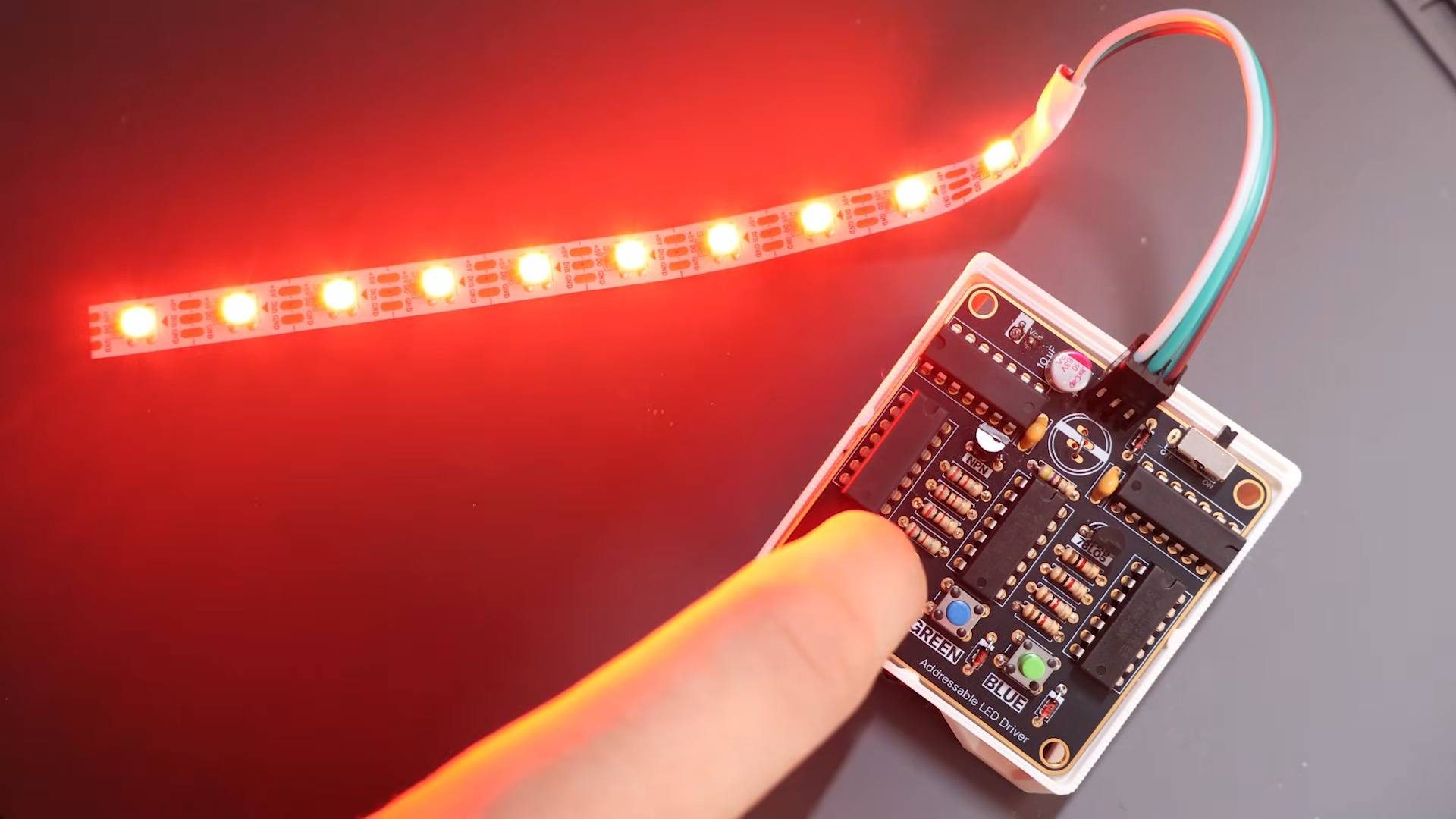
The project consists of a small board full of old-school ICs that can be used to drive WS2812Bs in a simplistic manner. A 74HC14 Schmitt trigger oscillator provides the necessary beat for this tune, generating an 800 kHz clock to keep everything in time and provide the longer pulse trains that represent logic one to a WS2812B. A phase-shifted AND gate generates the shorter pulses necessary to indicate logic zero. Meanwhile, a binary counter cycles through 24 bits (8 per R, G, and B) to handle color. Pressing each one of the three pushbuttons allows each color channel to be activated or deactivated as desired. It can make the strip red, green, or blue, or combine the channels if you press multiple buttons at once. That’s all the control you get—it would take a bit more logic to enable variable levels of each channel. Certainly within the realms of possibility, though.
We’ve featured some other nifty tricks for driving WS2812Bs in unconventional ways, like using DMA hardware or even I2S audio outputs. If you’ve got your own tricks, don’t hesitate to notify the tipsline. Video after the break.
This is the first Galaxy S26 Ultra deal that actually feels worth talking about.
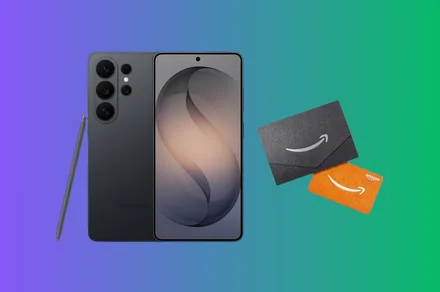
Amazon has the Samsung Galaxy S26 Ultra 512GB pre-order bundle for $1,299.99, and it comes with a $200 Amazon gift card. That alone is a strong launch offer, but the real reason this stands out is the storage angle: this promo gives you double the storage without forcing you to pay the usual premium for it.
That matters because flagship phone deals at launch are usually underwhelming. You might get a tiny credit, maybe a trade-in boost, and that’s it. This one is better. You’re getting the 512GB model, not the base-tier version, and Amazon is still sweetening it with store credit. If you were already planning to buy the S26 Ultra, this is the version to get.
What you’re getting
This bundle is for the unlocked Galaxy S26 Ultra 512GB. It’s Samsung’s newest top-end phone, so you’re getting the full flagship treatment: Privacy Display, Galaxy AI, AI camera features, Super Fast Charging 3.0, and the latest Ultra-level hardware.
Advertisement
More importantly, you’re getting the storage tier most people should buy anyway. On a phone like this, 512GB just makes more sense. Cameras are better, video files are bigger, AI features are heavier, and people keep their phones longer now. The base storage option always looks fine on paper, then starts feeling tight much sooner than you expect.
Why it’s worth it
This is a confident, easy recommendation because it’s genuinely a good deal if you were already planning on pre-ordering the S26 Ultra.
You aren’t just getting a bonus gift card. You’re also avoiding the usual upcharge for more storage. That means Amazon is solving the two biggest launch-day problems at once:
Flagship phones cost too much
The better storage tier usually costs even more
Here, the 512GB model is the obvious choice, and Amazon is making that choice easy. The $200 gift card is a great addition too. If you already buy from Amazon, that’s real value back in your pocket. Put it toward accessories, earbuds, a case, chargers, or just treat it like a straight offset against the cost of the phone. Either way, it makes this launch price a lot easier to swallow.
The bottom line
If you want the Galaxy S26 Ultra, buy it this way. The phone is brand new, the 512GB model is the one you actually want, and Amazon is pairing it with a $200 gift card while the pre-order offer is live. That is a better-than-usual launch bundle, full stop.