Tech
Boston Dynamics Reveals the Training That Equipped Atlas to Lift and Carry Heavy Loads, Including a Fridge

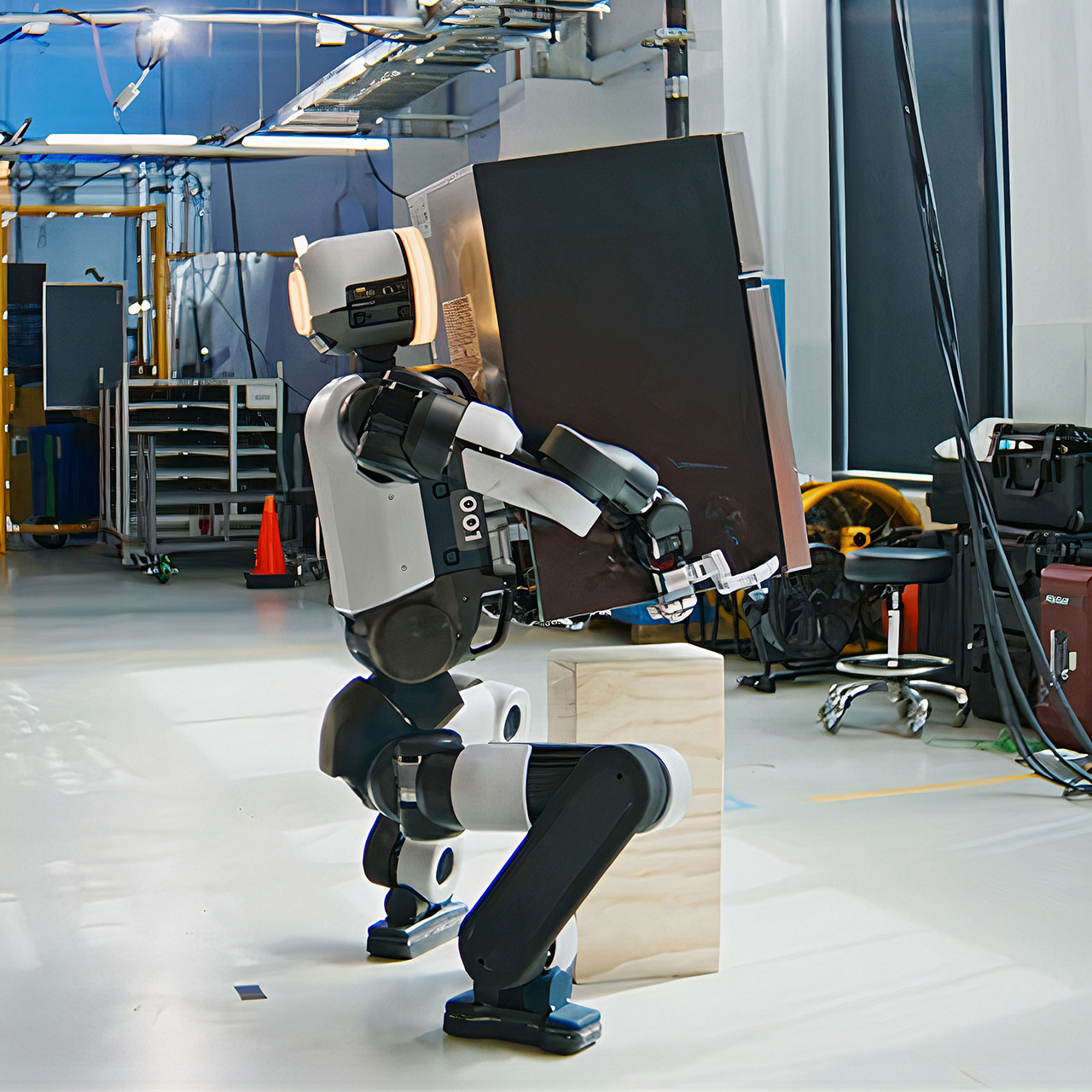
Engineers at Boston Dynamics shared details today on a new training system for their Atlas humanoid robot. The approach focuses on building the kind of physical coordination needed for demanding factory or warehouse work. One video demonstration captures the result perfectly. Atlas rotates its upper body a full 180 degrees, squats down, grips a mini-fridge loaded with about 50 pounds, and walks it straight over to an engineer waiting nearby. The motion stays smooth even when the weight inside shifts.


The developers based the entire process on the concept of extensive practice, which was carried out entirely in a computer simulation. They begin by giving the robot a very rudimentary understanding of what it has to accomplish, which it learned from a person who had done it correctly, or even a brief animation of how to move. Then they establish specific targets for what needs to happen before they can call it a success. Points are granted for things like maintaining a tight grip on the object, remaining upright, and recovering from sudden tugs or slippery floors. The simulation then runs the robot through millions of different attempts, each with a tiny variation, such as whether the fridge is heavier or lighter, or you are traveling at a different angle. Each of these little adjustments forces the robot to work things out on its own.


Unitree G1 Humanoid Robot(No Secondary Development)
- Sleek & Durable Design: Standing at 132cm tall and weighing only approx. 35kg, the G1 is constructed with aerospace-grade aluminum alloy and carbon…
- High Flexibility & Safe Movement: Boasting 23 joint degrees of freedom (6 per leg, 5 per arm), it offers an extensive range of motion. For safety, it…
- Smart Interaction & Connectivity: Powered by an 8-core high-performance CPU and equipped with a depth camera and 3D LiDAR. It supports Wi-Fi 6 and…
When these virtual practice sessions are over, the team simply transfers what the robot learned to the real robot and gives it a spin. They see what went wrong, make some changes, and then re-run the simulation. This cycle occurs quickly, owing to the robot’s simplicity: its actuators are just two types, its limbs are symmetrical, and there are no trailing cables to obstruct the process. That makes it much easier to make the simulation match what happens in the lab, and as a result, behaviors that appear solid in simulation tend to work on the first few attempts in the real world.

One thing that sticks out is Atlas’ ability to carry objects by being aware of its surroundings. Rather than depending on constant camera images of the fridge, the robot mostly uses its internal knowledge of where its joints are and how hard items are pulling on them. That feeling of its entire body allows it to adapt to the exact shape of the object, its center of mass, or any unexpected wobbling without having to pause and look again. According to the engineers, switching from relying solely on your hands to a more full-body technique makes all the difference when lifting loads that weigh more than 100 pounds, far above the 50-to-70 pounds they were working on.
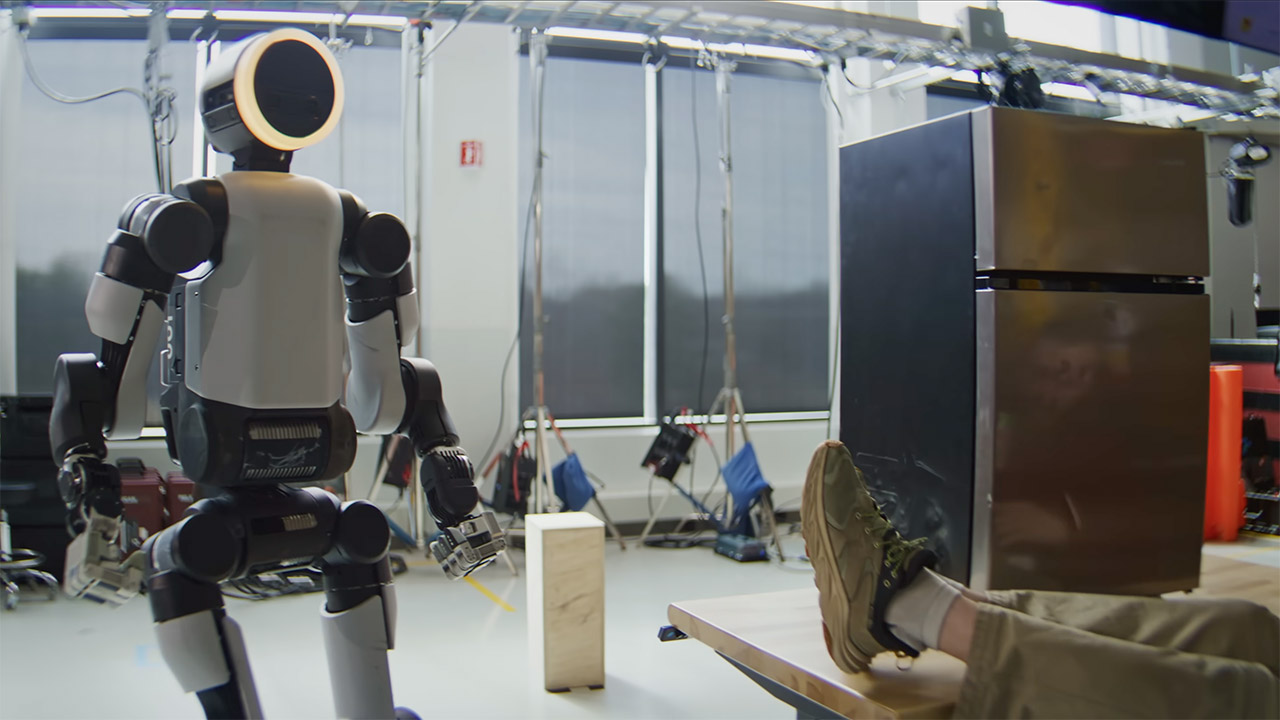
The same foundation allows Atlas to perform additional remarkable feats that showcase its balance and strength. In other films, you can see the robot performing handstands and backflips, which involve fine control over all limbs and swift recovery if you lose your footing. These gymnastics activities also serve as practice for how the robot would handle a hot industrial floor, where it must be able to continue moving even when it becomes heated. Each new skill builds on the previous one since the robot is learning to use its knees, shoulders, and forearms collectively rather than treating each arm separately.

You must be logged in to post a comment Login