Building the next generation of robots for successful integration into our homes, offices, and factories is more than just solving the hardware and software problems – we also need to understand how they will be perceived and how they can work effectively with people in those spaces.
In summer 2025, RAI Institute set up a free popup robot experience in the CambridgeSide mall, designed to let people experience state-of-the-art robotics first hand. While news stories about robots and AI are common, with some being overly critical and some overly optimistic, most people have not encountered robots in the flesh (or metal) as it were. With no direct experience, their opinions are largely shaped by pop culture and social media, both of which are more focused on sensational stories instead of accurate information about how the robots might be used effectively and where the technology still falls short. Our goal with the popup was two-fold: first, to give people an opportunity to see robots that they would otherwise not have a chance to experience and second, to better understand how the public feels about interacting with these robots.
Designing a Robot Experience for the General Public
Some earlier versions legged robots, built by the RAI Institute’s Executive Director, Marc RaibertRAI Institute
The ANYmal by ANYrobotics (left) and a previous model of the RAI Institute’s UMV (right)RAI Institute
The pop-up space had two areas: a museum area where people could see historical and modern robots, including some RAI Institute builds like the UMV and an interactive experience called “Drive-a-Spot”. This area was a driving arena where anyone who came by could take the controls of a Spot quadruped, one of the more recognizable, commercially available robots available today.
The guest robot drivers used a custom controller built on an adaptive video game controller that was designed so that anyone of any age could use it. It featured basic controls: move forward, back, left, right, adjust height, sit, stand, and tilt. The buttons were large so that tiny or elderly hands could use the controller and the people who drove Spot ranged in age from two to over 90.
Advertisement
The guest robot drivers used a custom controller built on an adaptive video game controller that was designed so that anyone of any age could use it.RAI Institute
The demo area was designed to be a bit challenging for the Spot robot to maneuver in – it contained tight passages, low obstacles to step over, a barrier to crouch under, and taller objects the robot had to avoid. Much to the surprise of many of our guests, Spot is able to autonomously adjust itself to traverse and avoid those obstacles when being supervised by the joystick.
RAI Institute
The driving arena’s theme rotated every few weeks across four scenarios: a factory, a home, a hospital, and an outdoor/disaster environment. These were chosen to contrast settings where robots are broadly accepted (industrial, emergency response) with settings where public ambivalence is well-documented (domestic, healthcare).
The visitors who chose to drive the Spot robot could also participate in a short survey before and after their driving experience. The survey focused on two core dimensions:
Advertisement
Comfort: how comfortable would you feel if you encountered a robot in a factory, home, hospital, office, or outdoor/disaster scenario?
Suitability: how well would this robot work in each of those contexts?
The survey also recorded emotional reactions immediately after driving, likelihood to recommend the experience, and open-ended responses about what they found memorable or surprising. The researchers were careful to separate the environment participants drove through from the scenarios they were asked to evaluate in the survey). This distinction is important for interpreting the results given below.
Did Interacting with the Robot Change People’s Feelings about Robots?
Out of approximately 10,000 guests that visited the Robot Lab, 10 percent of those drove the Spot and opted-in to our surveys. Of those surveyed, more than 65% of people had seen images or videos of Spot robots online, but most had never seen one of the robots in person.
Increased Comfort Through Experience
Across all five contexts presented in the survey (factory, home, hospital, office, and outdoor/disaster scenarios), comfort scores increased significantly after the driving session. The effects were small to moderate in magnitude, but they were consistent and statistically robust after correcting for multiple comparisons across all participants spanning children to older adults.
The largest gain appeared in the outdoor/disaster context, which started with low comfort despite high-perceived suitability. People already thought Spot would be useful in search-and-rescue scenarios; they just weren’t comfortable with it performing in that scenario. This discomfort may stem from media portrayals of quadruped robots in military contexts. A few minutes of hands-on control appears to partially dissolve that apprehension.
Participants who drove through the factory-themed arena showed no significant increase in comfort, but this scenario already had the highest rating of any rated context at baseline, leaving little room for improvement.
Advertisement
No matter their previous experience, most people were neutral about having a Spot robot in their home before their driving experience. However, after the experience of controlling the Spot robot, people had a statistically significant increase in their comfort at having a Spot in their home and also felt that a Spot robot was more suitable for work in any environment, not just the one they had driven it in.
Better Understanding of Where Robots Can Fit into Daily Life
Perceived suitability for Spot to operate in each context also increased. However, the pattern in the data is different. The largest gains weren’t in the high-baseline industrial and outdoor contexts. They were in home, office, and hospital – the very environments where people started out most skeptical.
Participants who drove the Spot robot in a home-themed environment didn’t just consider homes more suitable for robots; they also rated hospitals and offices as more suitable. This result suggests that hands-on control alters something more fundamental than just context-specific familiarity. It may change a person’s underlying understanding of a robot’s capabilities and, consequently, where they believe robots are appropriate.
Results by Demographic
The hands-on experience seems to be similarly effective across genders, although it does not completely eliminate existing disparities. For example, men reported higher baseline comfort than women across all five contexts. However, all genders improved at similar rates after interaction. The gap didn’t significantly widen or close in most contexts, though it did narrow in factory and office settings.
Advertisement
Age effects were more context dependent. Children (aged 8–17) rated factory environments as less comfortable and less suitable before the study. However, this could be because most children do not have experience with factory settings or industrial environments. After interaction, this gap largely persisted. By contrast, children showed stronger gains in office comfort than older adults and entered the study rating home contexts more favorably than adults did.
Participants ranged from age 8 to over age 75.RAI Institute
Participants who had previously driven Spot (mainly robotics professionals) began with higher comfort across the board. But after the hands-on session, people with no prior exposure caught up to experienced drivers. This level of familiarity would be difficult to replicate with images and videos alone.
Post-Interaction Results
Post-interaction emotional data was overwhelmingly positive. “Excitement” was reported by 74% of participants, “happiness” by 50%, and only 12% reported “nervousness.” Over 55% rated the experience as “brilliant” and 62% said they were very likely to recommend it to a friend.
The open-ended responses added a lot more color. The most commonly mentioned moments were locomotion and terrain adaptation (22%). This included the way Spot navigated steps, tight spaces, and uneven ground and expressive tilt movements (22%), which people found surprisingly dog-like or dance-like. A smaller set of responses (3%) described anthropomorphic reactions: worrying about “hurting” the robot or finding its behavior “silly” in a way that prompted genuine emotional response.
Advertisement
When asked what tasks they’d want a robot to perform, responses shifted meaningfully. Before driving, answers clustered around domestic assistance and heavy or hazardous labor. After driving, domestic help remained prominent, but entertainment and play jumped from 7.5% to 19.4%. Companionship also appeared at 5%. References to hazardous or industrial tasks declined as people who had operated the robot began imagining it as a companion and playmate, not just a labor-replacement tool.
Key Takeaways from The Robot Lab
In the not-so-distant future, robots will become more common in public and private spaces. But whether that integration into daily life will be accepted by the general public remains to be seen. The standard approach to building acceptance has been passive exposure such as videos, exhibits, and articles. This study suggests giving people agency and letting them actually operate a robot is a qualitatively different intervention.
Short, well-designed, hands-on encounters can raise comfort in precisely the social domains where ambivalence is highest and where future robotics deployment will likely take place. This hands-on experience shouldn’t be limited to tech conferences and museums, as it may be more valuable than just entertaining.
Fun for all ages!RAI Institute
We consider the popup a success, but as with all experiments, we also learned a lot along the way. For our takeaways, in addition to the increased comfort with robots, we also found that the guests to our space really enjoyed talking to the robotics experts that staffed the location. For many people, the opportunity to talk to a roboticist was as unique as the opportunity to drive a robot, and in the future, we are excited to continue to share our technical work as well as the experiences of our humans in addition to our humanoids.
Advertisement
Does building a space where folks can experience robots firsthand have the potential to create meaningful, long-term attitude shifts? That remains an open question. But the effect’s direction and consistency across different situations, ages, and genders are hard to ignore.
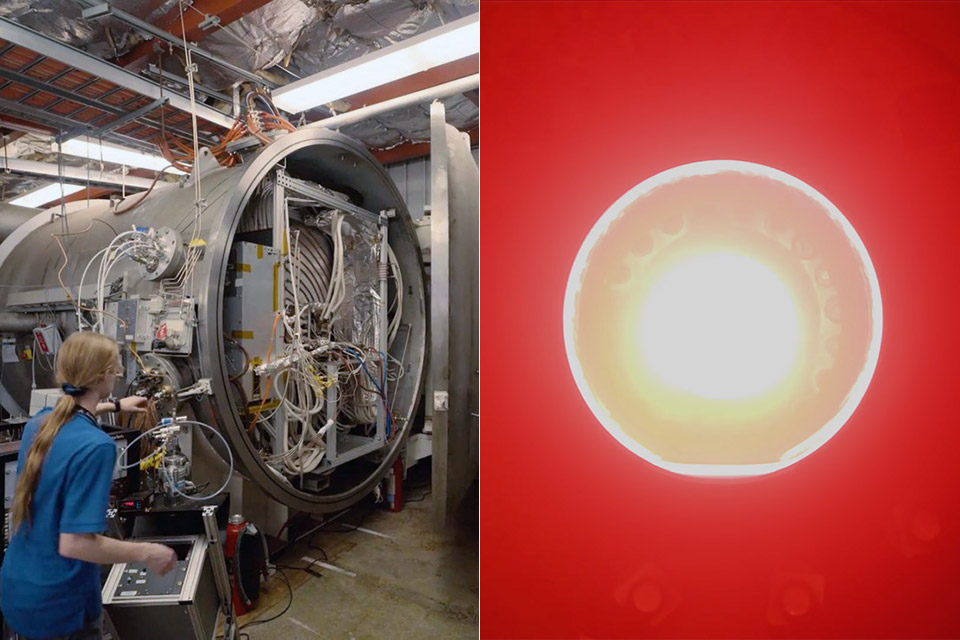
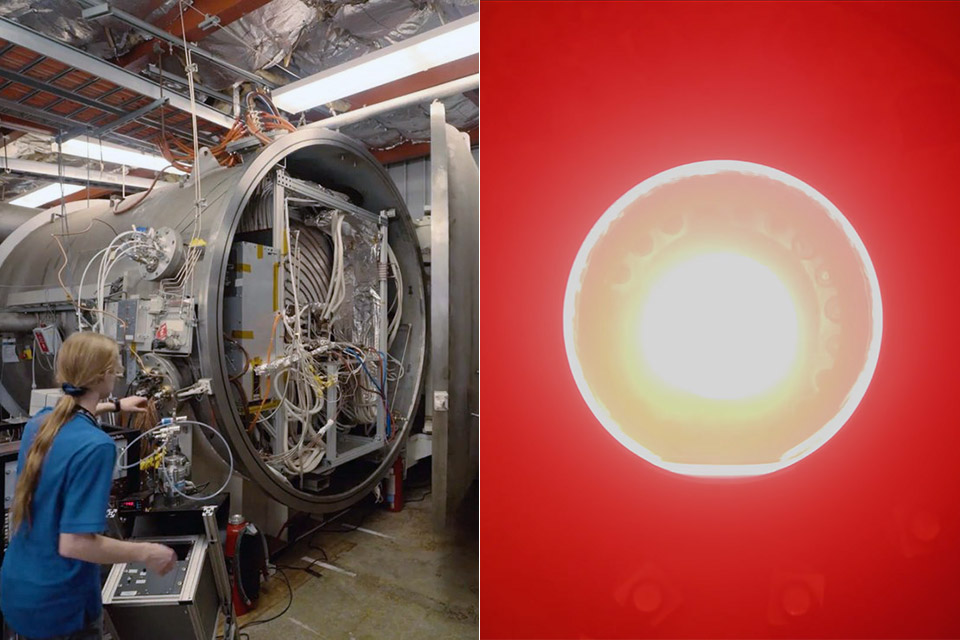
Engineers at NASA’s Jet Propulsion Laboratory gathered around a special 26-foot vacuum chamber in February of last year to witness a prototype engine fire five times in a row. The temperature within that device skyrocketed, exceeding 5,000 degrees Fahrenheit, with a center tungsten electrode burning a brilliant white and an outer nozzle spewing out an astounding crimson stream of lithium plasma into the void of space.
Those short bursts of fire boosted the engine to a clean 120 kilowatts, a level not even the most powerful US-built electric propulsion system had ever achieved. High voltage electric currents rip through lithium vapor inside the engine, interact with a magnetic field, and suddenly the plasma blasts out of the nozzle at a breakneck pace. It everything works together to provide you with a consistent thrust without any flames or explosions, just a smooth and continuous push that accumulates over months or even years in space. The lithium works so well for the job because it ionizes cleanly, can run on lower voltages than other choices, and allows the system to pack a big punch into a small space once everything is scaled up.
BUILD AN OFFICIAL NASA ROCKET – Kids prepare to explore outer space with the LEGO Technic NASA Artemis Space Launch System Rocket (42221) building…
3-STAGE ROCKET SEPARATION – Young builders can turn the hand crank to watch the rocket separate in 3 distinct stages: solid rocket boosters, core…
STEM BUILDING TOY FOR KIDS – This educational rocket kit was created in collaboration with NASA and ESA to showcase the authentic system that will…
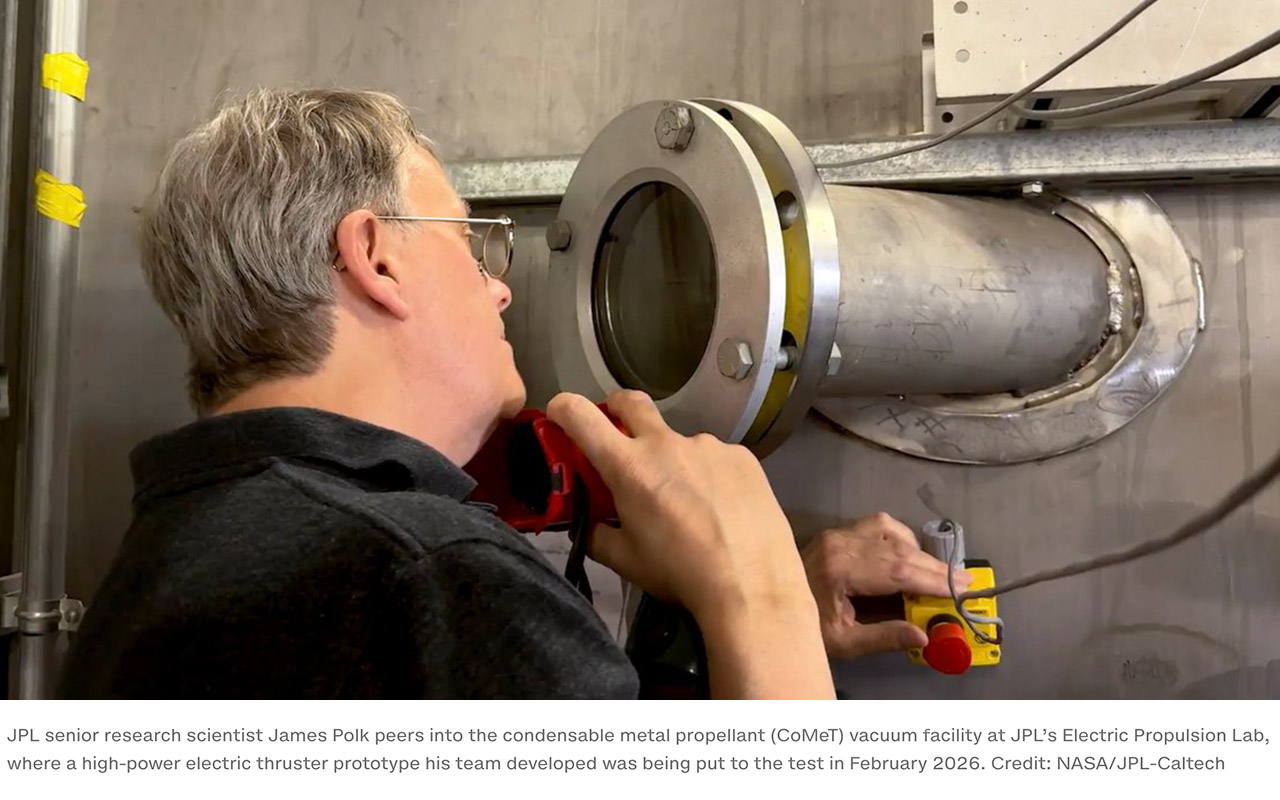
Senior Research Scientist James Polk from JPL is the driving force behind the operation, with assistance from his colleagues at Princeton University and NASA’s Glenn Research Center. They spent a long two and a half years planning and building the monster with funds from the space nuke propulsion program. Polk described the test as a “big stride forward” because they not only demonstrated that the engine works but also achieved their target power exactly as expected. The data acquired throughout those five test cycles is now being used to plan the next releases.
NASA has already tried electric propulsion on missions with a lot lower power outputs, such as the Psyche spacecraft. This one revolutionary design can deliver 25+ times more power than those units while utilizing only a fraction of the prop required for a chemical rocket. In general, these techniques will reduce fuel requirements by up to 90%, allowing spacecraft to launch much lighter and carry far more cargo or crew supplies.
Advertisement
Eventually, nuclear reactors will provide enough electricity to keep the thrusters going over extended distances. A mission to Mars, for example, will most certainly require 2-4 megawatts to get the entire crew there. Once this configuration is in place, the transits will be much shorter because the spaceship will be able to keep chugging along steadily for the entire journey rather than coasting for the majority of it.
Of course, before any of this can happen, the team must first conquer a number of hurdles. The components must be able to sustain heat for thousands of hours without failing, and the engines must be capable of producing at least 500 kilowatts, if not more. The testbed they’ve set up in the vacuum chamber at JPL provides a strong foundation for them to address those difficulties one by one.
Apple has quietly raised the desktop’s starting price to $799 after demand from developers building local AI tools cleared its shelves. Tim Cook says it could take months to catch up.
For five years, the Mac mini has been the cheapest way into Apple’s desktop ecosystem. Since the M4 refresh in late 2024, that price has been $599, an unusually aggressive figure for Cupertino, and one that turned the small aluminium box into a sleeper hit.
It became the recommended starter Mac, the home-server-of-choice for tinkerers, and, increasingly, the go-to local machine for developers running AI models on their own hardware.
As of Friday, the $599 Mac mini no longer exists.
Advertisement
The 💜 of EU tech
The latest rumblings from the EU tech scene, a story from our wise ol’ founder Boris, and some questionable AI art. It’s free, every week, in your inbox. Sign up now!
Apple has discontinued the 256GB configuration of the M4 Mac mini and made the 512GB model, which sells for $799, the new starting point. Bloomberg reported the change first, citing Apple’s own product pages, with confirmations following from MacRumors, 9to5Mac, Macworld, and AppleInsider. The pricing on each specification has not changed; the entry rung has simply been removed.
In effect, the Mac mini is $200 more expensive to buy in its base form than it was a day earlier.
Advertisement
Apple’s reasoning was made unusually explicit on this week’s Q2 earnings call. Tim Cook, the company’s chief executive, attributed shortages of both the Mac mini and the more powerful Mac Studio to demand that had outpaced internal forecasts, and tied that demand directly to AI workloads.
Both machines, he said, are “amazing platforms for AI and agentic tools, and the customer recognition of that is happening faster than what we had predicted.”
That recognition has a specific shape. The Mac mini and Mac Studio share a feature that has, in 2026, become unexpectedly valuable: large amounts of unified memory directly accessible to the GPU and Neural Engine on Apple’s M-series chips.
For developers running local large language models, agentic tools that orchestrate multi-step tasks on a single machine, or compact research setups that would otherwise require cloud GPUs, that memory architecture is a meaningful advantage. A 64GB Mac Studio costs less than the cheapest Nvidia H100, runs quietly on a desk, and does not bill by the hour.
Advertisement
The result has been the kind of run on inventory that hardware companies usually associate with launches, not nine-month-old products. Many higher-RAM configurations on Apple’s online store are listed as currently unavailable. The 16GB, 512GB Mac mini, the new entry-level model, is, by some retail accounts, backordered into June.
Behind the consumer-facing story is a less visible one about supply. The same advanced memory chips that ship in Mac minis and Mac Studios are also a critical input for the AI server farms being built by hyperscalers, and the imbalance between data-centre demand and global memory production has been intensifying for more than a year.
DRAM prices have risen sharply, and analysts have begun warning that consumer electronics manufacturers will increasingly find themselves second in line behind cloud providers willing to pay above market.
Cook acknowledged the constraint on the call, telling investors that supply-demand balance for both machines is “several months” away. He stopped short of predicting further price changes, but Notebookcheck and others have noted that the pattern, AI demand absorbs memory, memory becomes scarcer, consumer prices rise, is unlikely to be unique to Apple.
Advertisement
There is also a US manufacturing dimension to the story. The M4 Mac mini is one of the products Apple has begun assembling in part within the United States, and analysts at Technetbook and elsewhere have argued that some of the cost pressure on the entry tier reflects that shift rather than chip availability alone. Apple has not commented publicly on the relative weights of the two factors.
For most consumers, the change is a soft price rise dressed up as a product simplification. The 512GB Mac mini that used to be a $200 upgrade is now the floor. Anyone who would have bought the 256GB version, students, second-machine buyers, light office users, now pays more for storage they may not need.
For the segment Apple appears to be courting, the developer running Claude- or Llama-class models locally, the new entry tier is closer to a sensible minimum. 256GB of storage was always cramped for that workflow, and 512GB combined with 16GB of unified memory is a more honest starting point.
Either way, the broader signal is harder to miss. Apple, a company that historically holds prices steady through chip cycles, has just lifted a starting price by a third in response to AI-driven demand. The Mac mini is no longer a sleeper. It is, briefly and inconveniently, an AI workstation.
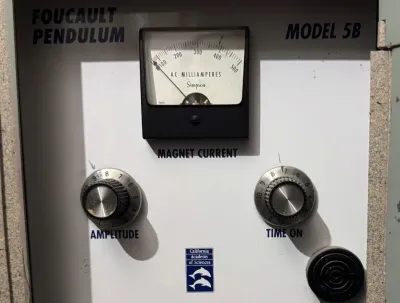
After the Foucault pendulum at the Houston Museum of Natural Science stopped working a while back after maintenance on the building, workers set out to determine what was wrong with the mechanism that normally keeps it in motion. Fortunately, it turned out that all they had to do was fiddle with some knobs to get everything dialed back in proper-like.
When we previously covered this dire event, it was claimed that this was a one-off system, hacked together by some random bloke. But as can be seen in the video and further detailed in the comments to the video the reality is far more interesting.
This particular Foucault pendulum is one of many that were created by the California Academy of Sciences, with hundreds of them installed throughout the US and possibly elsewhere. That said, since a pendulum of any description will never be a perpetual motion device, the electromagnet installed near the top of the installation has to carefully add some kinetic energy back that was lost due to friction as the pendulum moves around.
Advertisement
Sadly the video doesn’t go into much detail on what exactly was wrongly configured with this particular pendulum. Keeping a weight at the end of a long cable moving around at a set velocity is a tricky business, so it’s little wonder that getting some parameters wrong would engage and disengage the electromagnets at the wrong times and making the pendulum stop swinging.
Coatue, one of the biggest names in venture capital and hedge funds, has a new plan to generate bigger returns on AI beyond its sizable stakes in Anthropic, OpenAI, xAI, and data center companies like Singapore’s DayOne and CoreWeave.
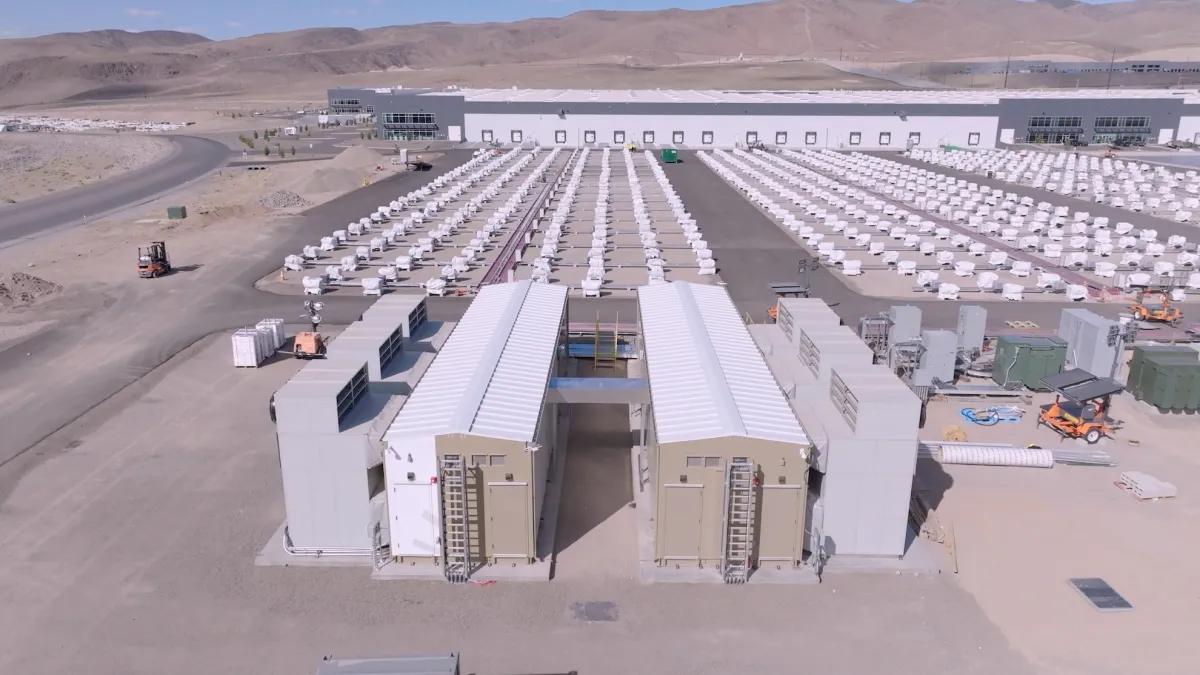
It has launched a venture called Next Frontier to buy up land near large power sources with the goal of turning those parcels into data centers, the Wall Street Journal reports. Sources tell the WSJ that Next Frontier has already signed a joint venture with Fluidstack, a cloud infrastructure startup that penned a $50 billion deal to build data centers for Anthropic. (Coatue did not respond to a request for comment.)
Although the U.S. already has 3,000 data centers, more than 1,500 new ones are in various stages of being built, according to Pew Research, most of them in rural areas. The frenzy is enticing land speculation and data center financing projects from lots of players, ranging from Blackstone to Kevin O’Leary from “Shark Tank.”
Meta has acquired humanoid robotics startup Assured Robot Intelligence (ARI) for an undisclosed sum, the social media giant said.
“We acquired Assured Robot Intelligence, a company at the frontier of robotic intelligence designed to enable robots to understand, predict, and adapt to human behaviors in complex and dynamic environments,” a Meta spokesperson told TechCrunch in an emailed statement.
ARI’s team, including its co-founders, will join Meta’s AI unit, the Superintelligence Labs research division. ARI had raised an undisclosed seed round from AI seed firm AIX Ventures.
The startup was building foundation models for humanoid robots to perform all types of physical labor such as household chores. Co-founder Xiaolong Wang was previously a researcher at Nvidia, and an associate professor at UC San Diego, with a list of prestigious awards to his name. Co-founder Lerrel Pinto, who previously taught at NYU and co-founded the kid-size humanoid startup Fauna Robotics before Amazon snapped it up last month, has also won a string of prestigious awards.
Advertisement
ARI will help Meta with its humanoid ambitions. “This team, led by Lerrel Pinto and Xiaolong Wang, will bring a deep expertise in how we can design our models and frontier capabilities for robot control and self-learning to whole-body humanoid control.”
Even if Meta never releases a consumer humanoid product, many AI experts these days believe that the path to artificial general intelligence (AGI) — the theoretical point at which AI reaches or surpasses human-level intelligence across all domains — will require training AI models in the physical world, where robots learn through direct interaction rather than data alone.
Techcrunch event
Advertisement
San Francisco, CA | October 13-15, 2026
The ARI and Fauna deals reflect a broader industry sprint — one where forecasts vary wildly, from Goldman Sachs’ projection of $38 billion by 2035 to Morgan Stanley’s estimate of $5 trillion by 2050 — a spread that reflects both the enormous potential and the uncertainty around tech that’s still finding its footing.
Advertisement
When you purchase through links in our articles, we may earn a small commission. This doesn’t affect our editorial independence.
Apple’s earnings call revealed a few things that make it easy to see what products we can and can’t expect between now and September. The “not coming” list is much longer than the “is probably coming” one.
The Mac is supply-constrained, the iPad isn’t being updated, and iPhones don’t release again until the fall. So, there’s not much left that could arrive in the intervening months.
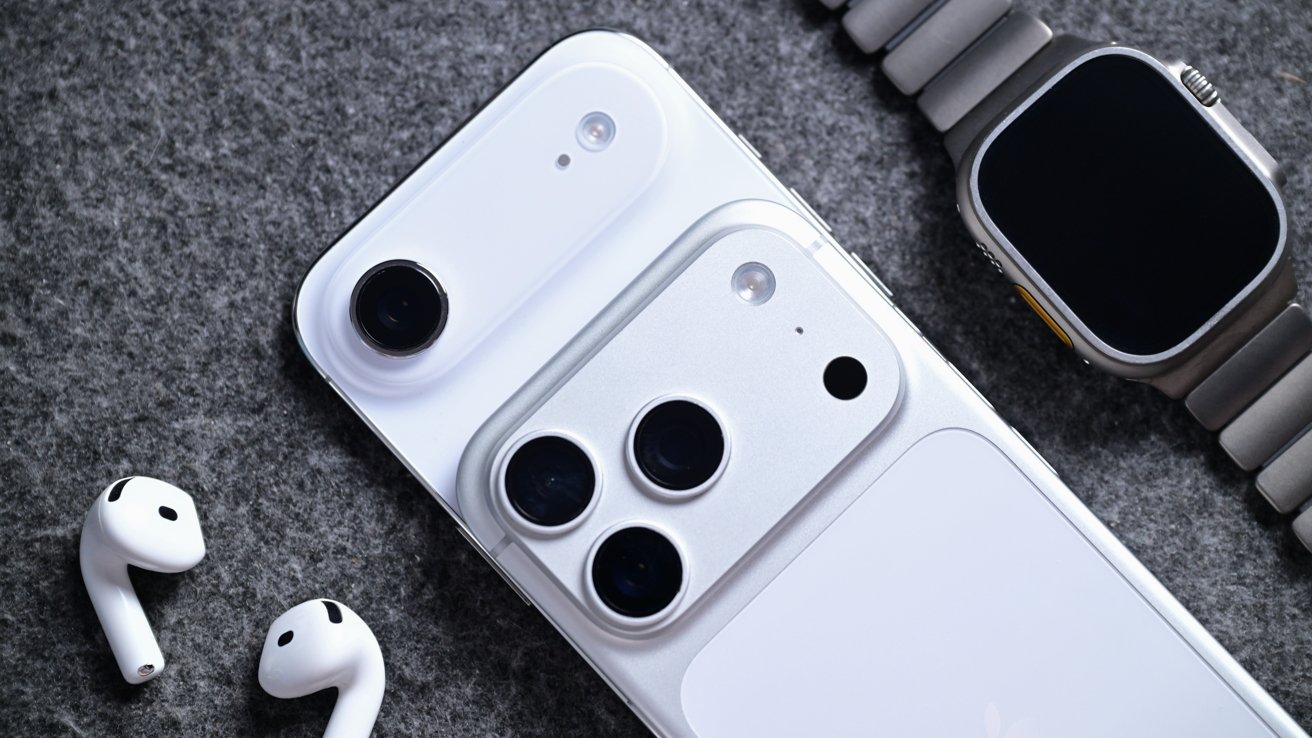
The Mac mini, Mac Studio, and iMac are all awaiting their M5 upgrades, but Apple’s supply chain is already backed up quite a bit. You can’t purchase an M4 Mac mini if you wanted to.
Memory prices and scarce parts could mean a longer-than-usual wait for new Macs. It’s pretty safe to say based on Tim Cook’s remarks during earnings that there won’t be any through the summer.
Advertisement
The iPad is a gimme because Apple said one isn’t coming without directly saying so. During the earnings call, Apple made it clear that it would be a tough compare since the iPad with A16 was released a year ago.
So if you’re holding your breath for that new budget iPad with A19 and Apple Intelligence, you’ll be waiting a little while longer.
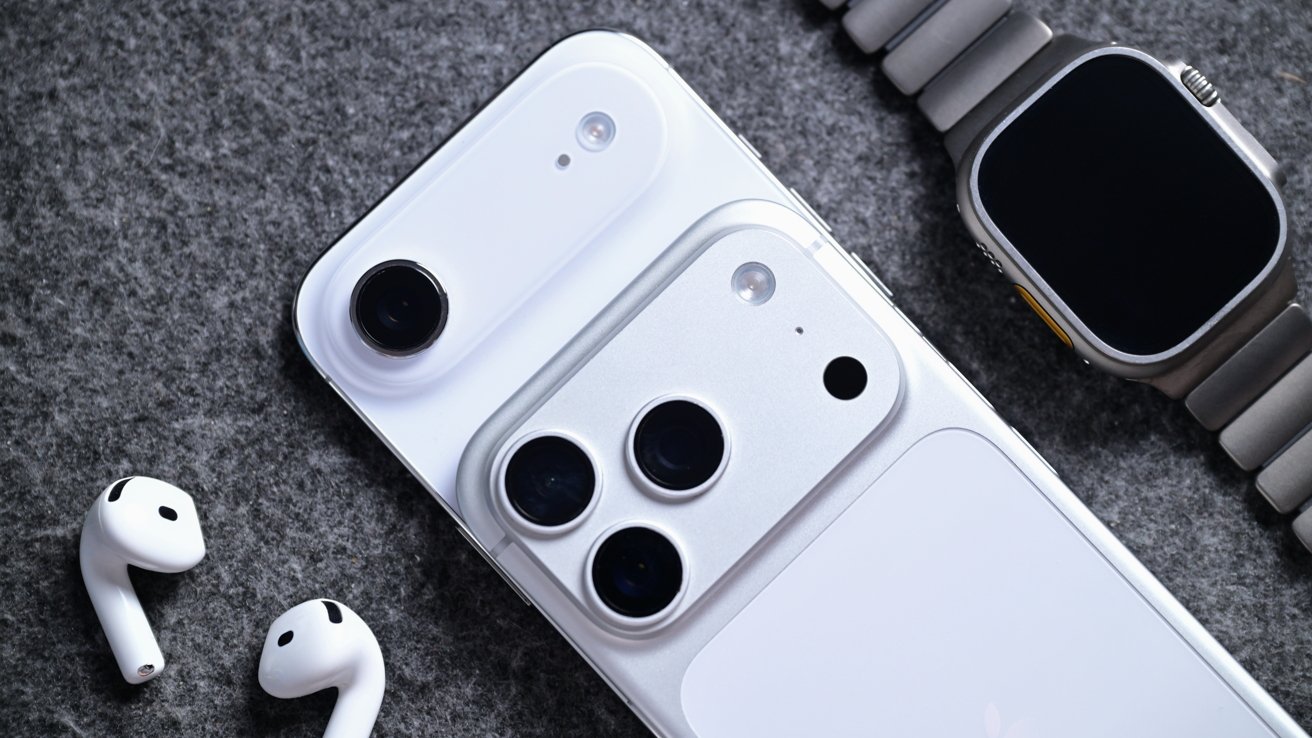
We’ve already got iPhone 17e, so there won’t be any new iPhones until September. Also, Apple Watch won’t get touched until then either.
iPhone, Apple Watch, and AirPods are done with updates for now
Advertisement
AirPods and AirPods Pro tend to be announced alongside iPhone too. AirPods Pro were just upgraded in September 2025, but if AirPods 5 are ready, those likely won’t be announced until the iPhone event.
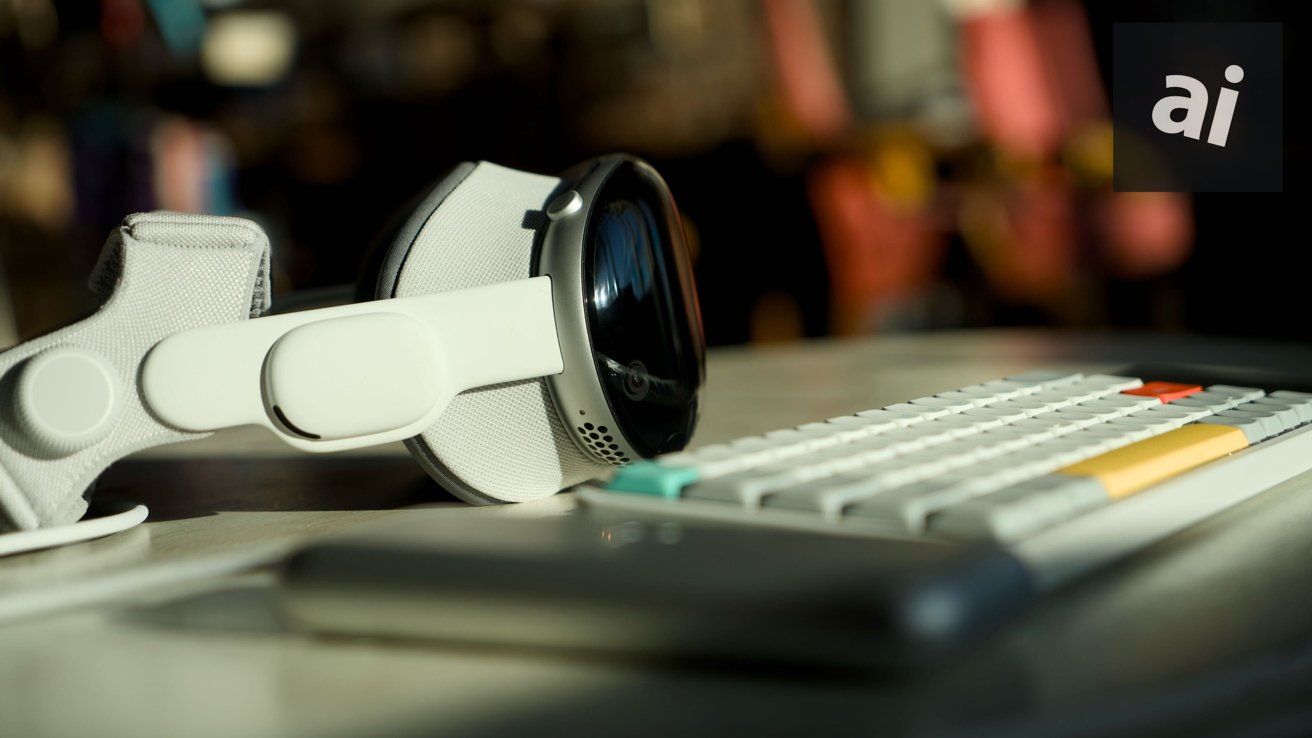
Apple Vision Pro just got the M5 chip in October 2025 after about 20 months on the market, so that won’t be touched anytime soon. And no, that product line hasn’t been abandoned even if rumors attempted to say as much.
There is one product category Apple could touch upon due to its unpredictable release cycle.
Apple Home products are always possible
The Apple TV 4K is still rocking the A15 processor that first debuted in the iPhone 13 in 2021. It is still supported by Apple’s modern operating systems, but at nearly 5 years old, it’s time for an update.
Advertisement
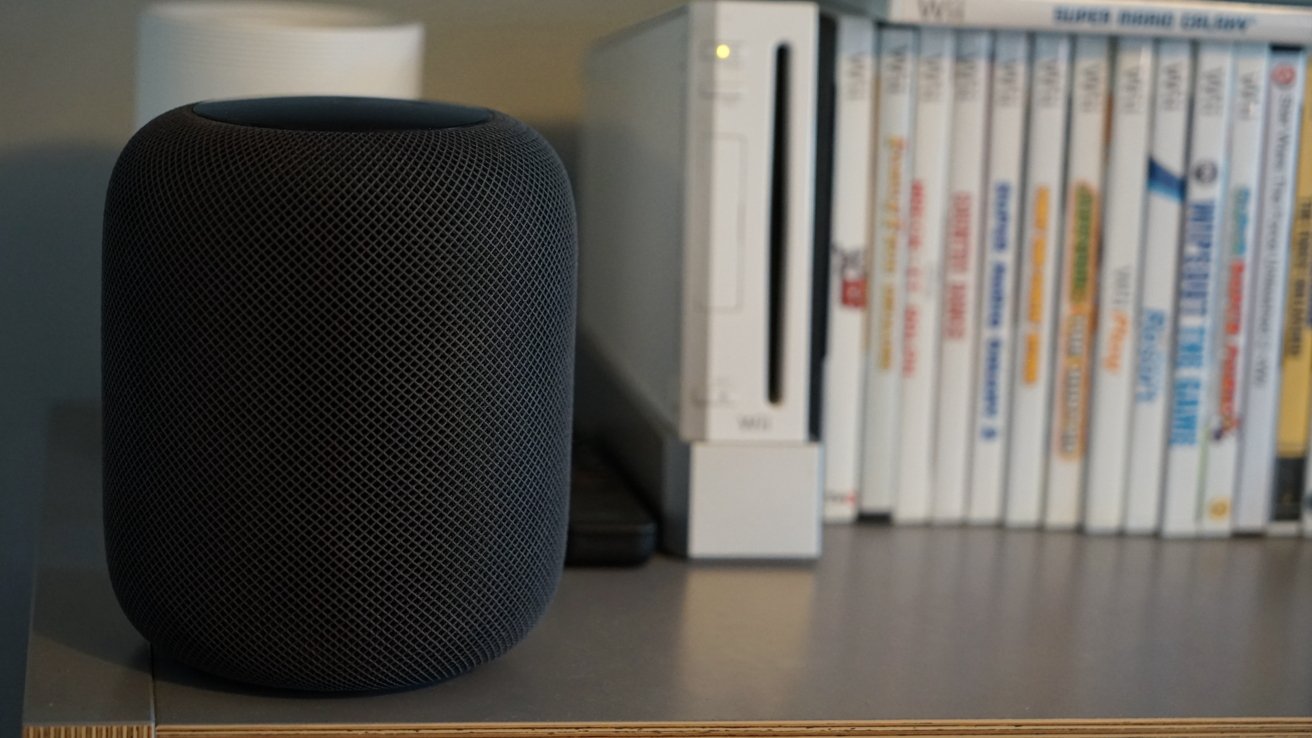
It’s time for Apple to update the HomePods
Since Apple TV 4K is the brains of an Apple Home, it might make sense to make that product capable of Apple Intelligence. I know I’d appreciate the upgrade to my new smart home.
It might not be entirely relevant, but watchOS doesn’t even support the S5 chipset anymore. While HomePods run a version of tvOS, that does indicate exactly how old these chipsets are.
Advertisement
It might be time for Apple to do a basic chipset upgrade of the HomePod and HomePod mini. While they likely won’t support Apple Intelligence natively, it would do them good to have modern networking standards for use in Apple Home.
Those are the only Apple Home products Apple offers today, but there are some rumored products too.
Home Hub and cameras are unlikely
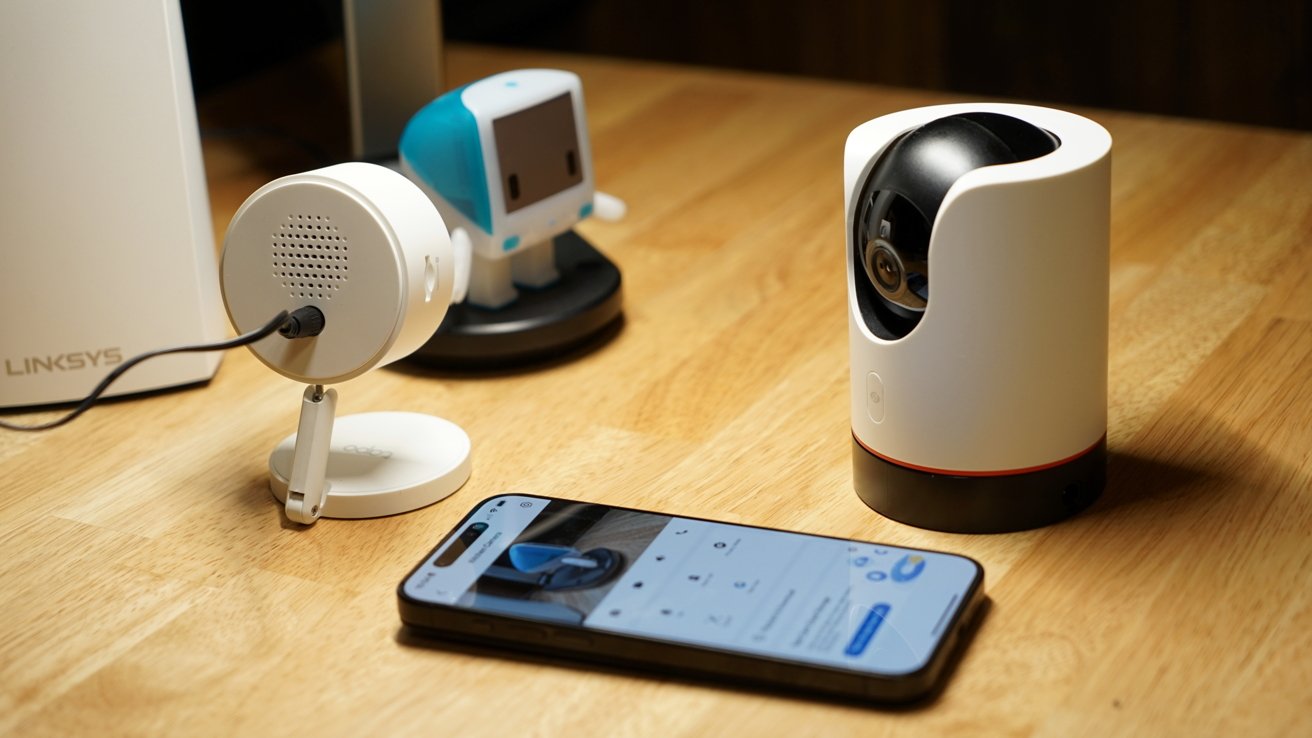
Apple is expected to debut what we’ve been calling the Home Hub tablet at some point in 2026. There are also Apple security cameras in the pipeline, or at least a doorbell, but that release window isn’t known.
Apple security cameras, doorbell, and Home Hub are all waiting on AI
Advertisement
WWDC 2026 is expected to be filled with announcements regarding Apple Intelligence. One of the biggest announcements will be about Siri and its new Apple Foundation Model backend.
That Siri upgrade is what the Home Hub has been waiting for. However, while Apple could show off the Home Hub during WWDC to demonstrate AI advancements, it is unlikely to put it for sale until later.
Since the Home Hub product and Apple doorbell don’t have an Apple-equivalent, the company can safely pre-announce them at any point. I believe WWDC would be the best place to demonstrate the Home Hub, but the already-packed event may not have room for it.
Likely nothing until the fall
Since Apple has a bundle of smart home products waiting in the wings, it is safe to assume there might be an Apple Home-focused event in the future. So, even if Apple TV and the HomePods are ready to go, Apple might hold off on them for now.
Advertisement
If you’ve been keeping count, that means we should all have little to no expectations for hardware before the iPhone event in September. While many are likely waiting for their pet product to get an update, they’ll just have to make do with WWDC instead.
The OS 27 cycle will be an important one for Apple. It will be among the first things released to the public under the new CEO John Ternus.
An odd rumor led to premature calls of Apple Vision Pro’s death, rumors of AI and Home Hubs abound, and Apple’s App Store troubles continue on the AppleInsider Podcast.
AppleInsider Managing Editor Mike Wuerthele joins host Wesley Hilliard as a guest this week to catch up on CEO transition news. It’s clear that the silly coverage surrounding the upcoming transition is already becoming exhausting.
The Apple vs Epic trial continues to be an ongoing event that seems to have no end. This time, Apple has to go to the Supreme Court and Circuit Courts at once.
Your hosts dive into the odd Apple Vision Pro rumor that said Apple had given up on the product. They discuss why this likely isn’t the case and how the Vision product line will continue forward.
Advertisement
There’s also a lot to discuss around incoming products like the Home Hub and security cameras. Wes asks Mike if Apple makes too many products.
The show concludes with a discussion around WWDC and Apple’s AI efforts.
BONUS: Subscribe via Patreon or Apple Podcasts to hear AppleInsider+, the extended edition. This week, Wes and Mike discuss their work at AppleInsider and some odds and ends surrounding that.
Links from the show:
More AppleInsider podcasts
Tune in to our Smart Home Insider podcast covering the latest news, products, apps and everything HomeKit related. Subscribe in Apple Podcasts, Overcast, or just search for HomeKit Insider wherever you get your podcasts.
Those interested in sponsoring the show can reach out to us at: [email protected].
Subscribe to AppleInsider on:
Keep up with everything Apple in the weekly AppleInsider Podcast. Just say, “Hey, Siri,” to your HomePod mini and ask for these podcasts, and our latest HomeKit Insider episode too. If you want an ad-free main AppleInsider Podcast experience, you can support the AppleInsider podcast by subscribing for $5 per month through Apple’s Podcasts app, or via Patreon if you prefer any other podcast player.
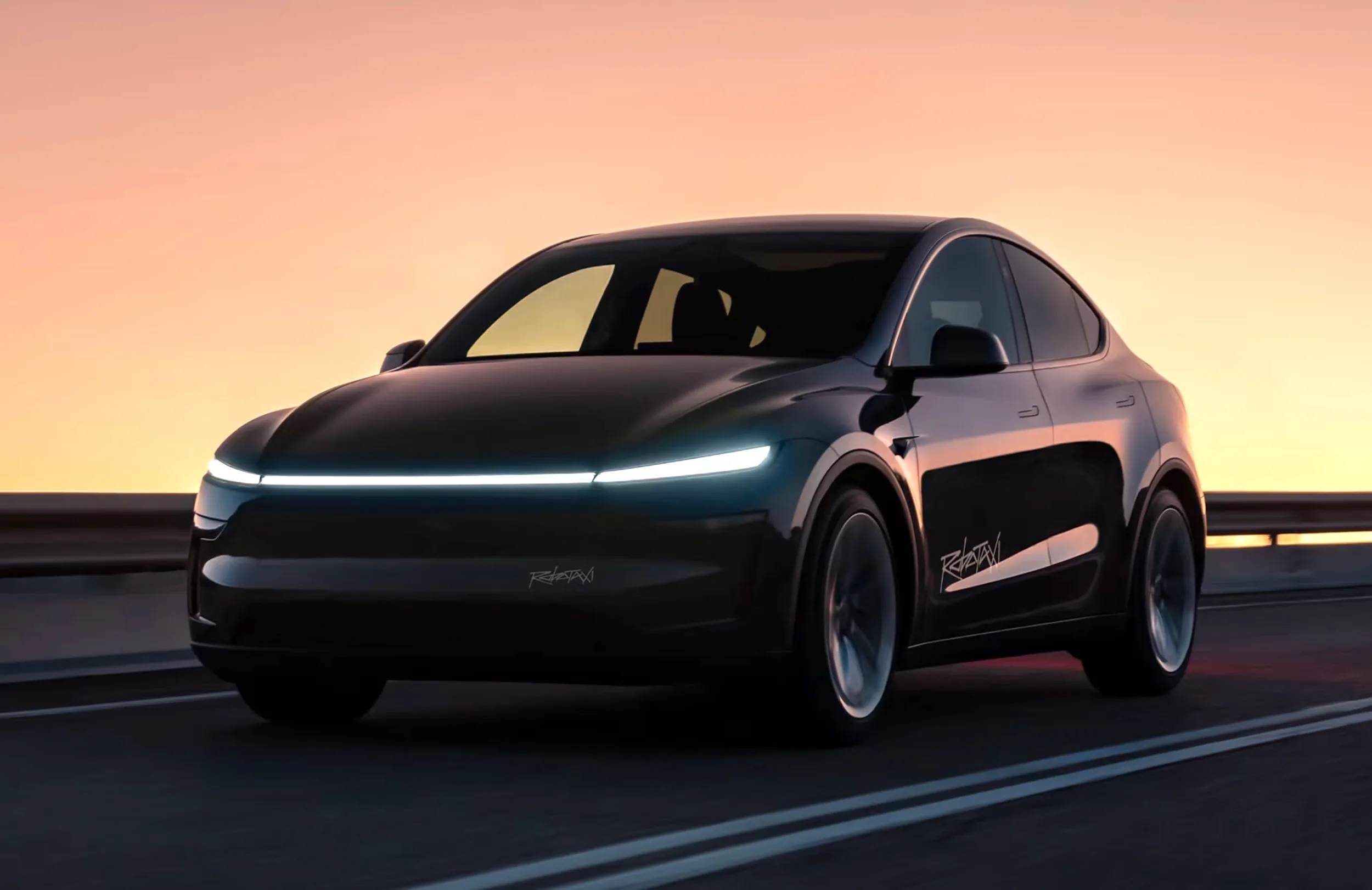
For years, California’s streets have hosted a quiet double standard: a human driver caught making an illegal U-turn got a ticket, but a driverless car doing the same thing got away with it, with perhaps a call to the manufacturer. That changes now.
The California DMV has announced what it calls the most important autonomous vehicle regulations in the United States. For the first time, self-driving cars can now be formally cited for breaking traffic laws (via Futurism).
ScreenshotTesla
What exactly can authorities do now?
Quite a lot, actually. Under the new rules, authorities can issue a “Notice of AV Noncompliance” directly to manufacturers whenever their autonomous vehicle (AV) commits a moving violation. All the notices add up as a formal paper trail that feeds into the DMV’s permit review process.
Beyond traffic citations, AV companies are bound to respond to first-responder calls within 30 seconds, provide access to manual override systems, and comply with emergency geofencing directives (clearing restricted zones within two minutes of being notified).
If self-driving carmakers fail to comply, they risk suspension of permits, fleet size restrictions, speed caps, and geographic operation limits, all of which could have a negative effect on the companies’ operations and revenue.
Advertisement
Waymo
Does this affect self-driving trucks, too?
The same set of regulations also opens California roads to heavy-duty self-driving vehicles for the first time, with new permits now available for trucks weighing over 10,000 pounds. Aurora, which has been operating autonomous freight trucks in Texas, has welcomed the development.
What’s good is that AV companies have until summer 2026 to comply with the new communication, after which, the DMV’s enforcement kicks in. Given that the robotaxi services in America are scaling quickly, establishing a citation system tied directly to operating permits could keep things in check.
The regulations, in totality, were partly inspired by a September 2025 incident in San Bruno, where police were powerless in front of a Waymo that had allegedly made an illegal U-turn, and by repeated cases of robotaxis clogging emergency response routes across San Francisco.




 Some earlier versions
  The
The  The guest robot drivers used a custom controller built on an adaptive video game controller that was designed so that anyone of any age could use it.RAI Institute
 Participants ranged from age 8 to over age 75.RAI Institute
 Fun for all ages!RAI Institute
















































You must be logged in to post a comment Login