Tech
Bridgestone Is Doing A Lot More Than Just Making Tires


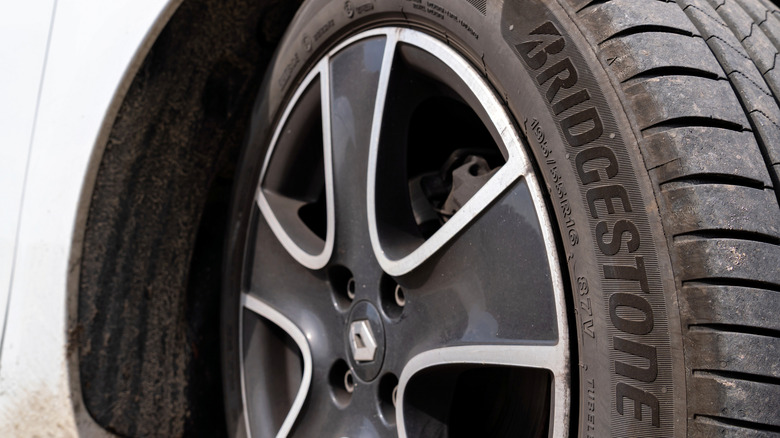
When Bridgestone was first founded in the city of Kurume, Japan, in 1931, its sole purpose was to manufacture vehicle tires. Fast forward almost a century, and most people still know Bridgestone primarily as a tire maker today. It’s one of the best-known major car tire brands on the planet, and it also produces tires for motorcycles, semi-trucks, aircraft, and even mining equipment.
What many people don’t realize is that Bridgestone isn’t just a maker of vehicle tires. Over the decades, it has launched many other ventures, some of which are more unexpected than others. Most of these ventures center around its expertise in rubber manufacturing: for example, the company’s construction solutions division manufactures seismic isolation rubbers that help protect buildings in earthquake-prone areas. They’re designed for use in high-rises, public buildings, and apartment complexes, and can help reduce the damage caused by Japan’s frequent major earthquakes.
Not everything is related to rubber, though. The same division of the company also developed the Smart Siphon drainage system, which allows water to drain through residential plumbing using horizontal pipes, rather than the sloping pipes that are needed in a conventional system.
Agriculture is another key market for Bridgestone, and it has been ever since the company first developed rubber tracks for a rice-harvesting machine in 1968. It still makes tracks for harvesters today, as well as offering tracks for everything from asphalt pavers to excavators. The company’s range of hydraulic hoses is also used in various agricultural machines, as well as in mining and construction machines.
Bridgestone is also a golf brand

Most of the aforementioned Bridgestone products won’t be known to anyone outside of the specific industries they’re designed for, but there are a few other things that Bridgestone makes that you might be more familiar with. One of its most notable ventures outside of tire making is its golf division, which designs and manufactures a variety of equipment and apparel for the sport.
The brand makes several distinct ranges of golf balls, with its Tour B range in particular being highly regarded among players from the amateur to elite levels. Various players on the PGA Tour use Bridgestone equipment, including none other than Tiger Woods, who has his own signature Tour B golf ball model. Bridgestone isn’t the only tire brand that makes golf balls, either. Dunlop also produces them under its Srixon and XXIO brands.
In addition to making golf balls, Bridgestone also manufactures the clubs golfers use to hit them, and a range of caps and gloves they can wear while they’re doing so. In between holes, players can also carry their clubs and balls around in one of Bridgestone’s golf bags, while sheltering from the elements under a Bridgestone umbrella.
While its golf equipment division is its best-known sports-related division to players around the world, some cycling enthusiasts might also know the brand as a maker of bicycles. It still sells a range of commuter-friendly bikes in Japan today, including an e-bike, although its range hasn’t been available in America since 1994.
Bridgestone’s latest venture is robotics
Even though it already has a diverse array of existing side ventures outside its core tire-making business, Bridgestone continues to launch new divisions to broaden its ambitions. One of its latest ventures is into the world of robotics, with the company designing and manufacturing “softrobotics” that use its rubber manufacturing know-how to create products like artificial muscles. It’s still a new division for now, having only been formed in 2023. But, in the long run, it envisions its products being used in a variety of industries.
The development team’s artificial muscles are made from rubber tubes surrounded by high-strength fiber, and they can be grouped together to form the fingers of a flexible robot hand. They’re designed to be tough, with Bridgestone demonstrating their durability by running them over with a car. But they’re still soft enough to carefully grab fragile components in a factory. Among other things, the company says they could be used in electric vehicle manufacturing, handling breakable products in distribution centers, and assembling electrical components.
Of course, none of these additional ventures detracts from Bridgestone’s main tire-making operation, which continues to churn out vast quantities of tires at factories around the world. Whether they’re marketed under the Bridgestone branding or under one of the multiple other brands the company owns, you’re still more likely to encounter the Bridgestone logo on the side of a car tire than anywhere else.
You must be logged in to post a comment Login