


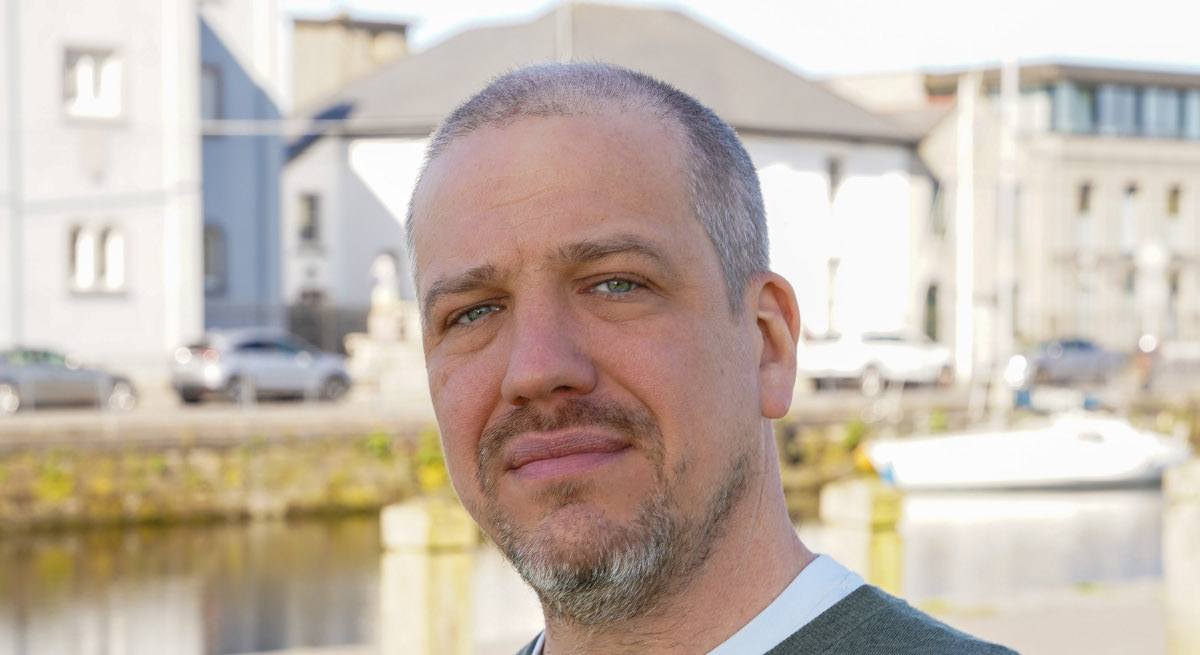

Rent the Runway’s Mark Kenny discusses his role in software engineering and his experiences of working abroad.
“I’m born and bred in Kilkenny and went to college in UL where I studied computer systems followed by a masters degree and I left Ireland in 2005 after finishing college and moved to London,” Mark Kenny told SiliconRepublic.com.
Having moved in his 20s, Kenny, who is a software engineer at Rent the Runway, explained initially the plan was only to stay for a few short years. However, he said he was drawn in by “everything the city had to offer” and ended up staying for a total of nine years.
“At the time, there simply weren’t any jobs in graduate roles,” he said. “I finished my initial undergraduate degree just as the dot-com bubble burst and no one was taking on graduate positions. In order to buy time, I did a master’s degree but the tech sector was still barely in recovery, especially in Ireland.
“Most of my classmates were either heading abroad or taking roles unrelated to what we had studied. For me, London was the obvious option since it was close to home, a diverse job market, and a chance to explore different career options. It’s important to note that at the time, I didn’t think of it as emigrating, but just being a few years away from home before I came back.”
Here he discusses his return to Ireland and his current day to day.
What made you decide to come back?
My kids, mainly. My wife and I had our first child and spent a year in London and found it difficult. There was no safety net, no-one to pick up children in an emergency or help out in any other way.
Don’t get me wrong, London is a fantastic place to live, especially in your 20s, but we found it to be a different proposition once we were trying to put down roots and raise children. At the time renting, never mind purchasing a house in a decent area, was well beyond our means.
We wanted our children to grow up around family and to be in an environment where they could stay kids for as long as possible.
How did your current role come about?
After several years of running my own business, I was ready for a new challenge when I joined Rent the Runway last year.
Moving from a start-up environment into a larger corporate company was a significant change, but I have to admit, the people at Rent the Runway made the transition very smooth. During the interview process, it was refreshing to meet a team that really understood my somewhat diverse background and experience.
What does your work involve on a day-to-day basis?
My day to day involves working as a full-stack engineer within a small Ireland-based team. It’s great having the entire team here in Ireland, as it helps foster strong collaboration and close working relationships. I work as part of the larger growth pod that has teams both here in Galway as well as our head offices in Brooklyn, New York.
What do you like most about your job?
The role itself is very varied, which is something I really enjoy. On any given day I might be working on front-end user experiences, back-end services, integrations, or improving internal tooling and performance. A big part of the role also involves collaborating with product managers, designers and other engineers to plan features and refine requirements, which gives me valuable insight into different areas of the business and how other teams operate.
Working in a smaller team also means there’s a strong sense of ownership. We’re involved throughout the full development life cycle from discussing ideas and technical approaches, to implementation, testing, deployment and monitoring after release. That level of involvement keeps the work interesting. What really stands out though is the people.
How did your employer make it easier for you to move back?
My case is slightly unusual as by the time I joined Rent the Runway, I’d already been back in Ireland for a few years, running my own company. So the practical move home was something I’d organised for myself.
When I moved back I worked remotely so now having flexibility around hybrid working is amazing. There are other nice perks of the job too like half-day Fridays during the summer.
How did your time working abroad make you better suited for your job?
While living in London I had the opportunity to explore several different career paths.
I worked as a recording engineer, which involved dealing with some very interesting, and often complex personalities. I also worked as a lecturer and managed a college campus before eventually starting my own business, where I designed and built software systems from the ground up.
Each role brought its own unique challenges and learning experiences. During that time, I worked alongside some extraordinarily talented people and learned how to adapt to a wide range of environments and industries. That combination of hands-on engineering experience and real commercial exposure has been genuinely valuable in a role like this, where thinking beyond just the code itself is an important part of the role.
What is the best thing about being back in Ireland?
99s and curry chips.
But beyond that, it’s definitely the lifestyle, without question. Raising children close to family and old friends, having more space, a sense of community, these are things you really notice once you’ve lived without them for a while.
The tech scene has also transformed beyond recognition since I left. Now Ireland has some of the best engineering opportunities in Europe, with major global companies based here and a thriving start-up ecosystem alongside them. With the rise of hybrid and remote work, you also have the freedom to live in some of the most beautiful parts of the country while still building a strong career.
What advice would you give to others thinking about moving back to their home country?
Don’t wait for the perfect moment, it doesn’t exist.
It’s also much easier to move home when you have fewer ties, so before kids start school or before you become more established in the housing market. If possible, keeping your existing job and negotiating remote work can make the transition much smoother too.
It’s also important to understand the cost of living changes, when we moved back, USC was a completely new tax for us.
Don’t miss out on the knowledge you need to succeed. Sign up for the Daily Brief, Silicon Republic’s digest of need-to-know sci-tech news.






















































You must be logged in to post a comment Login