Tech
Cambridge Audio Evo 300 Debuts at HIGH END Vienna 2026 With 300W Streaming Amplifier Firepower

Cambridge Audio’s Evo Series has been one of the British manufacturer’s real success stories over the past three years, and not because it tried to make separates disappear with marketing fog and a nice volume knob. The Evo 75, Evo 150, Evo CD, Evo S, and more recent Evo 150 SE have shown that Cambridge can marry serious hi-fi performance, clean industrial design, flexible connectivity, and pricing that is definitely not out of line with reality.
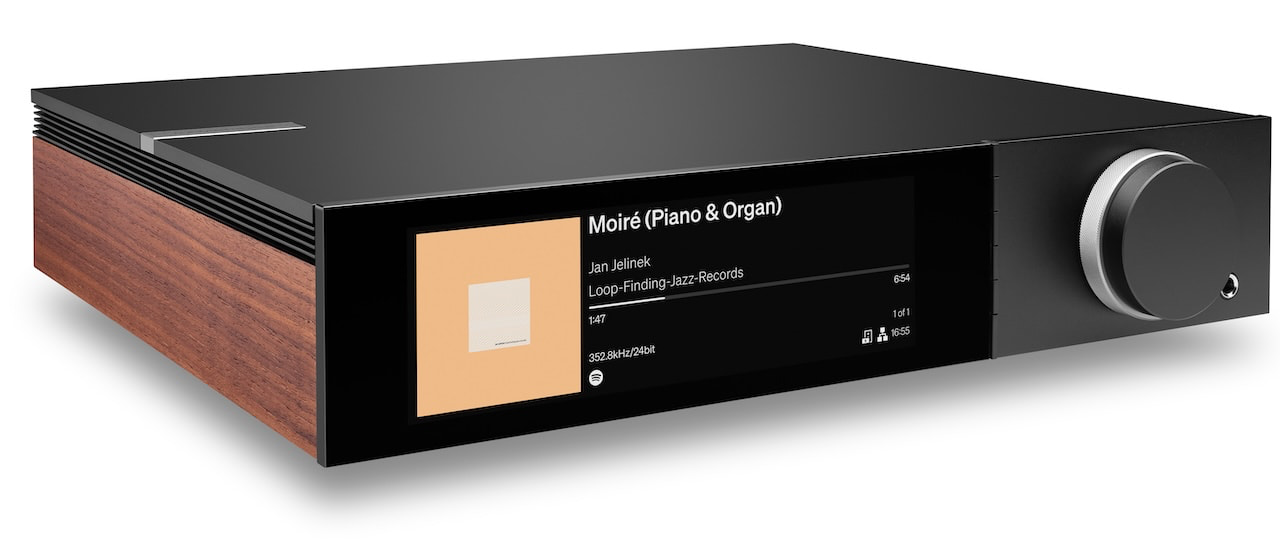
The new Cambridge Audio Evo 300, making its debut at HIGH END Vienna 2026, pushes that formula into far more muscular territory. Rated at 300 watts per channel from Hypex NCOREx Class D amplification in a dual-mono layout, the Evo 300 is being positioned as Cambridge Audio’s most powerful and sonically advanced streaming amplifier to date.
We have covered the Evo Series in depth, including the original Evo 150 and the newer Evo 150 SE, and the appeal has been obvious from the start: real hi-fi performance, a very solid streaming platform, flexible connectivity, and industrial design that does not look like it escaped from a server rack. The Evo 300 builds on that formula with more power, a balanced pre-amplifier stage, dedicated analog volume controls for each channel, and a switch-mode power supply designed to keep things stable when the amplifier is pushed hard.

300 Watts Per Channel From Hypex NCOREx
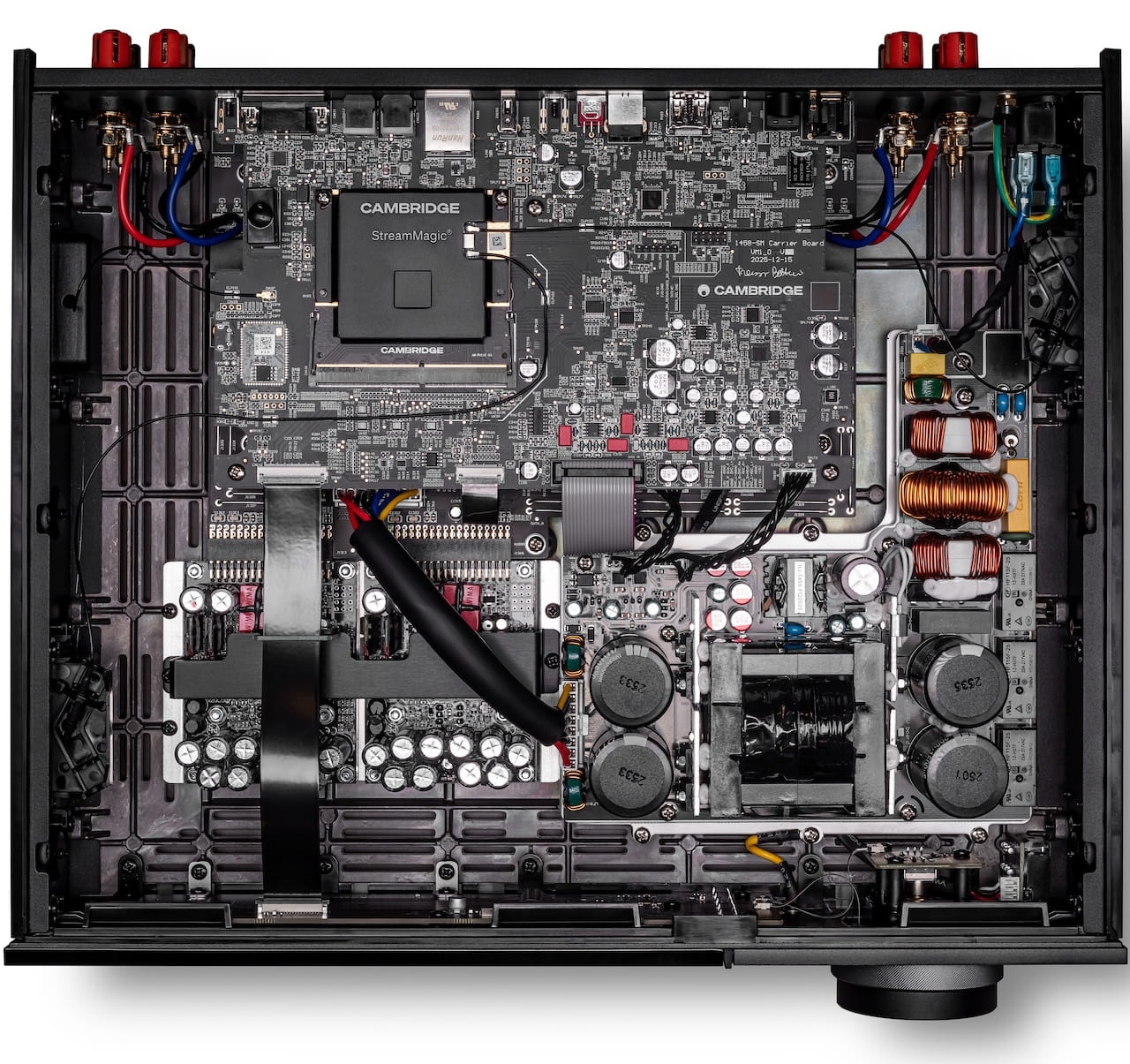
The headline number is hard to miss: 300 watts per channel into 8 ohms from a Hypex NCOREx Class D amplifier stage. That is a significant jump for the Evo platform and clearly aimed at listeners using larger rooms, more demanding loudspeakers, or both. Cambridge has not turned the Evo 300 into a traditional heavyweight integrated amplifier with a heat sink complex, but the move to NCOREx gives it a much stronger power story than the Evo 150 SE.
Cambridge has also gone with a dual mono layout, which matters because channel separation is not just a marketing term to make you feel better about your purchase. Better separation can help with stereo imaging, focus, and control, assuming the rest of the system is up to the task. The Evo 300 also uses a balanced preamplifier stage and dedicated analog volume controls for each channel, which Cambridge says are designed to preserve focus, dynamic range, and low level detail at different listening levels.
A switch mode power supply is part of the design as well, and the goal is consistency when the amplifier is pushed for longer periods. That will matter for anyone driving lower sensitivity loudspeakers or asking one box to do the work of a more ambitious separates system.

StreamMagic Gen 4 Handles the Network Side
The Evo 300 uses Cambridge Audio’s StreamMagic Gen 4 platform, which remains one of the stronger reasons to consider an Evo product in the first place. Streaming support includes Spotify Connect, TIDAL Connect, Qobuz Connect, Amazon Music, Deezer, UPnP, Internet Radio, and Roon Ready operation.
That gives the Evo 300 a lot of flexibility without forcing users into one ecosystem. Ethernet and WiFi are both supported, and Cambridge’s in-house platform means updates and feature improvements are not entirely dependent on a third party app that may vanish at some point.
Cambridge has taken some heat online over the past year over StreamMagic Gen 4 stability with specific music streaming apps, and those complaints should not be dismissed. A streaming amplifier lives or dies by the quality of its software, especially when buyers are spending real money on an all-in-one platform.
That said, the recent move to Fidelity Imports as Cambridge Audio’s U.S. distributor appears to have brought more urgency to the software side of the business, and the volume of complaints seems to be easing. As someone who has invested a significant chunk of change in Cambridge Audio products over the years, and who uses the StreamMagic app daily for both review purposes and personal listening, I find the platform quite good overall.
It is not perfect, but Cambridge has not sat on its hands. The company is clearly paying attention, and that matters if the Evo 300 is going to succeed as more than just a powerful amplifier with a nice screen.
The Evo 300 also supports Google Cast, Apple AirPlay 2, Google Home, Apple AirPlay multiroom, and Roon multiroom systems, which makes it easier to integrate into a wider home audio setup. For a product trying to replace multiple boxes, that matters.
ESS Sabre DAC With Serious Hi Res Support
Digital conversion is handled by the ESS Sabre ES9038Q2M DAC, with support for up to 32-bit/768kHz PCM and DSD512. Those numbers will make the hi-res crowd happy, although most listeners will spend the majority of their time with streaming services that do not get anywhere near those ceilings.
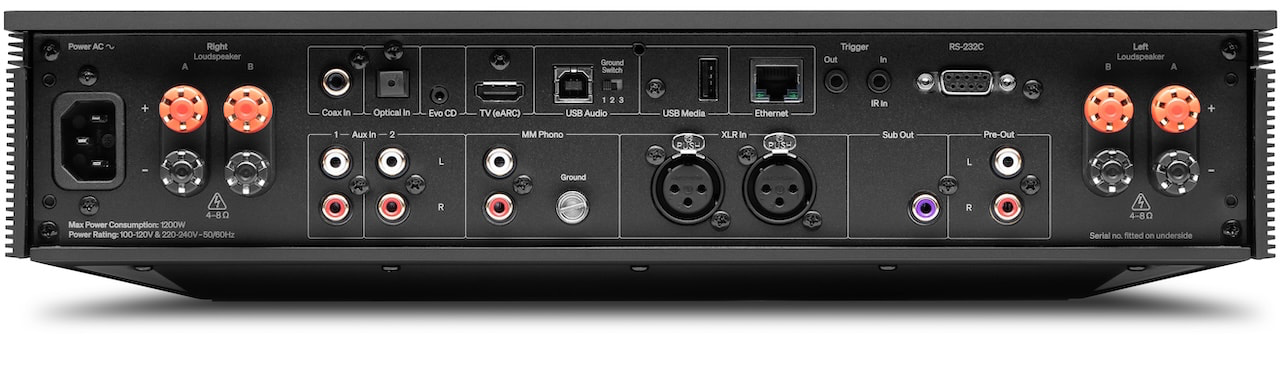
The more important point is that Cambridge is positioning the Evo 300 as a proper digital hub, not just an amplifier with a streamer bolted on because someone in marketing found a WiFi antenna. USB audio, optical Toslink, and coaxial digital inputs are included, giving users enough digital flexibility for a server, disc transport, TV, or legacy digital source.

HDMI eARC Makes It Living Room Friendly
The inclusion of HDMI eARC is one of the smarter practical decisions here. It allows the Evo 300 to sit in a living room system and handle TV audio without requiring a soundbar or AV receiver. This is still a two channel amplifier, so nobody should expect Dolby Atmos fireworks or rear channel theatrics, but for listeners who care more about music and still want better TV sound, HDMI eARC gives the Evo 300 a real advantage.
That also makes the Evo 300 easier to justify as the center of a daily use system. Music, TV, streaming, vinyl, headphones, and external sources can all run through one chassis. Fewer boxes. Fewer cables. Fewer reasons to mutter at the back of the rack with a flashlight in your mouth.
Vinyl and Analog Inputs Are Not an Afterthought
Cambridge did not ignore analog users. The Evo 300 includes a built-in moving magnet phono stage, RCA line input, and balanced XLR input. The MM phono stage will be enough for a lot of turntable owners, although moving coil cartridge users will still need an external phono preamp.
The balanced XLR input is also worth noting because it gives the Evo 300 more credibility as a serious integrated amplifier. Anyone using a higher end DAC, phono stage, or source component with balanced outputs can connect it directly rather than being forced through RCA only.

Subwoofer Control and Speaker Flexibility
The Evo 300 includes an adjustable subwoofer output with independent level and crossover control, plus optional high pass filtering for the main speakers. That is a very useful feature for most rooms, especially smaller spaces where full range loudspeakers can turn bass into soup before the first chorus arrives.
The optional high pass filter also matters because it can reduce the low frequency burden on the main loudspeakers. Used properly, that can improve system clarity and give the amplifier and speakers a little more breathing room.
Cambridge also includes dual speaker binding posts per channel, allowing users to create two separate speaker zones. That adds some installation flexibility, although buyers should pay attention to impedance and speaker matching before treating the Evo 300 like a nightclub distribution amp.
Headphones, Bluetooth, and Daily Use Features
A dedicated 6.3mm headphone output is included for personal listening, which is the right choice on a product at this level. The press materials do not position the Evo 300 as a dedicated headphone amplifier replacement, but the inclusion of a full size headphone jack keeps it useful for late night listening.
Wireless support includes Bluetooth 5.4 with aptX HD, which is fine for casual listening, but it is not the reason to buy the Evo 300. There is no Bluetooth LE Audio, aptX Lossless, or LDAC support, so the better path is StreamMagic, AirPlay 2, Google Cast, TIDAL Connect, Qobuz Connect, or Roon.
Bigger Display, Interchangeable Side Panels
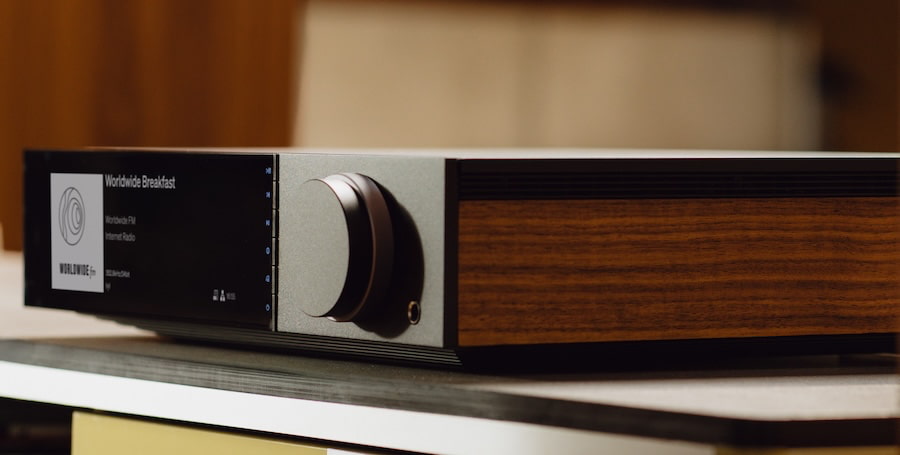
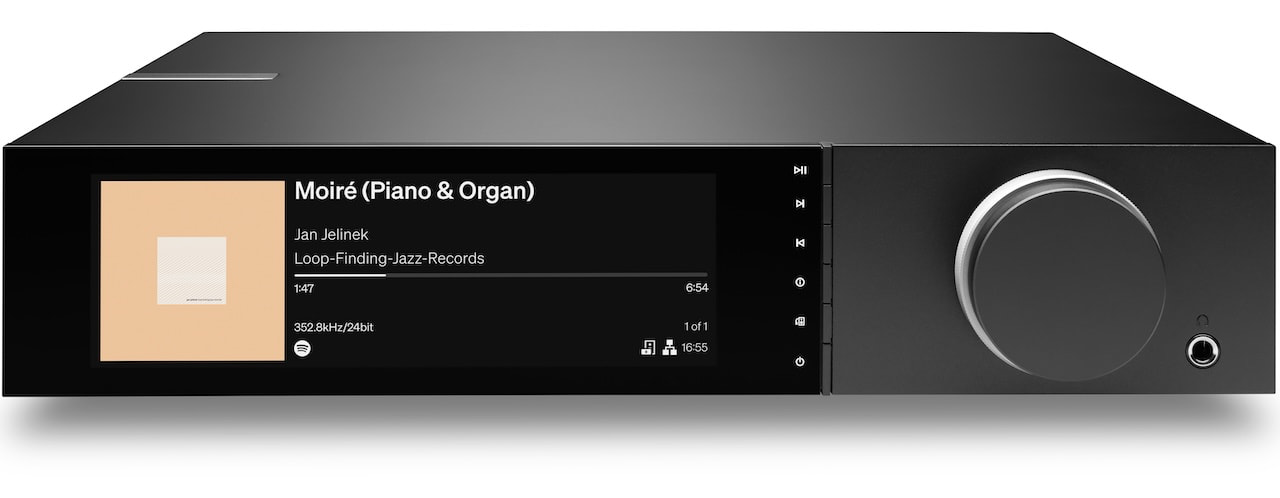
The Evo design language carries over, but the Evo 300 gets a wider and more substantial chassis. It also features Cambridge Audio’s largest Evo display to date: a 7.8 inch color screen that can show album artwork, track details, system information, a clock, or VU meters.
The interchangeable side panels remain part of the package, giving owners a way to better match the amplifier to their room. That may sound cosmetic, but Cambridge has understood something many hi-fi brands still treat as classified information: products that live in shared spaces need to look good from more than three feet away.

The Bottom Line
The Cambridge Audio Evo 300 is not just an Evo 150 SE with a bigger number on the box. The real news is the move to 300 watts per channel into 8 ohms from Hypex NCOREx Class D amplification, supported by a dual mono layout, balanced preamplifier stage, dedicated analog volume controls for each channel, and a power supply designed to keep the amplifier stable under load.
What remains unique is the overall Evo formula: serious power, StreamMagic Gen 4, HDMI eARC, MM phono, balanced XLR input, subwoofer control with crossover and optional high pass filtering, dual speaker zones, headphone output, and a large color display in a chassis that still looks like something designed for a real living space. Cambridge has been very good at making hi-fi feel less like homework, and the Evo 300 pushes that idea further without abandoning the people who still care about system building.
What is missing? Bluetooth support is limited to Bluetooth 5.4 with aptX HD, with no Bluetooth LE Audio, aptX Lossless, or LDAC. There is also no built-in moving coil phono stage, no home theater surround processing, and no claim here that it replaces a true separates system for every listener. At $3,999, it also moves the Evo concept into more serious territory, where buyers will expect StreamMagic stability, loudspeaker control, and long-term software support to be nailed down. The hardware looks ready. The app experience has to keep holding up.
Pricing & Availability
The Cambridge Audio Evo 300 will be available in June 2026 through CambridgeAudio.com and approved retailers for $3,999 USD, while international pricing is set at £3,499, €3,999, and HK$32,800.
You must be logged in to post a comment Login