Tech
Caribbean Dragon Unleashed, Apollo’s Extreme Track Hypercar Finally Rolls Out

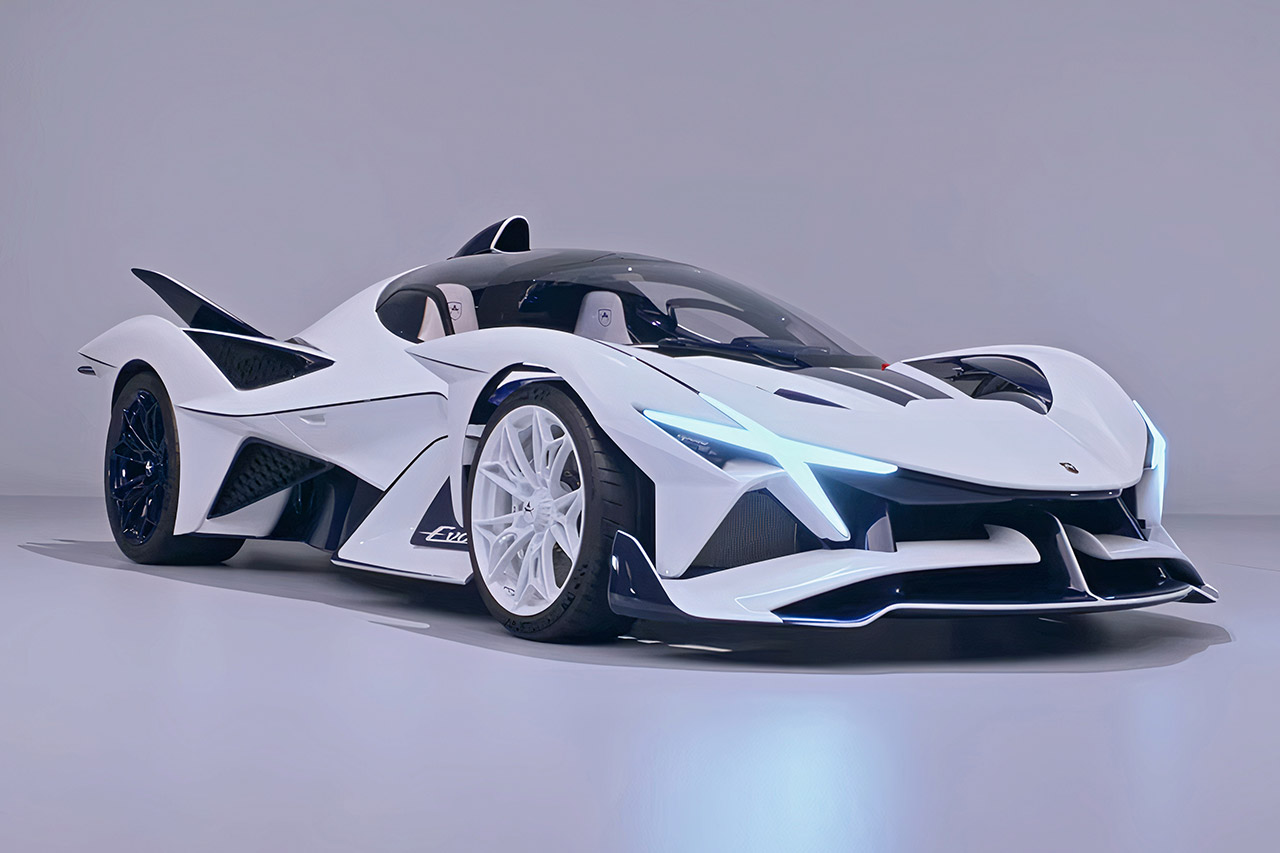
Apollo Automobil rolled its first finished production car onto the Goodwood Festival of Speed grounds in July 2026, and the machine looked ready to rewrite the rules of what a track hypercar can be. Named Caribbean Dragon, this is unit one of just ten Apollo EVOs that will ever leave the German workshop. Twenty years after the original Gumpert Apollo began deliveries, the brand has returned with something sharper, lighter, and more uncompromising than before.


Caribbean Dragon has an incredible 75+ carbon-fiber panels that are all expertly crafted. You see, the paint job alone is a huge operation, with eight coats done by hand that took over 1000 hours. When the sun hits the pearlescent white coat, a diamond dust flake forms, resulting in a little light show. All of this color contrast has a big impact, with the ocean blue of the carbon accents and tinted blue finishes grabbing attention, much like bright sand meets deep water. Apollo CEO Niko Konta believes the name was inspired by comparing the brilliant white and deep blue colors. Forged wheels continue the concept, with white in the front and blue at the back, while blue brake calipers round out the look.
Sale


LEGO Technic Koenigsegg Jesko Absolut Grey Hypercar, Sports Car Building Set for Boys and Girls, Vehicle…
- A hypercar toy for kids ages 10 and up – This LEGO Technic Koenigsegg Jesko Absolut Grey Hypercar car building toy set for kids features authentic…
- Build the features of this sport car toy – Builders explore lots of engineering concepts as they assemble the articulated V8 engine and the…
- Realistic door design – The model features a dihedral synchro-helix door system, which allows the doors to rotate 90 degrees while moving outwards…
Underneath the elegant bodywork is a full carbon-fiber monocoque weighing a whopping 165 kg, 15% stiffer and 10% lighter than the Apollo IE. The front and rear carbon subframes, as well as the specific crash components that comprise the chassis, are likewise the subject of extensive engineering. Overall, the dry weight is a lean 1300 kilograms. With adaptive aero generating 1350 kilos of downforce, this car has a bit more grunt than its own mass. The aggressive geometric form, X-shaped front LED lights, and vertical W-shaped rear lamps indicate that the bodywork is going for impact, yet each surface is actually engineered to push air around rather than just look showy.

Inside the beast is a naturally aspirated 6.3-liter V12 from Ferrari’s F140 family, but it has been completely modified by HWA AG. With 800 metric horsepower and 765 nm of torque, it can reach 8500 rpm using only its own strength. That’s right, no turbo, no electrics, just good old-fashioned power delivered directly to the back wheels via a strong 6-speed sequential gearbox with paddle shifters. According to official numbers, it takes 2.7 seconds to accelerate from 0 to 100 km/h and has a top speed of 335 km/h, which is impressive for a monster. Carbon-ceramic brakes and Michelin Pilot Sport Cup 2 tyres absorb speed as needed.
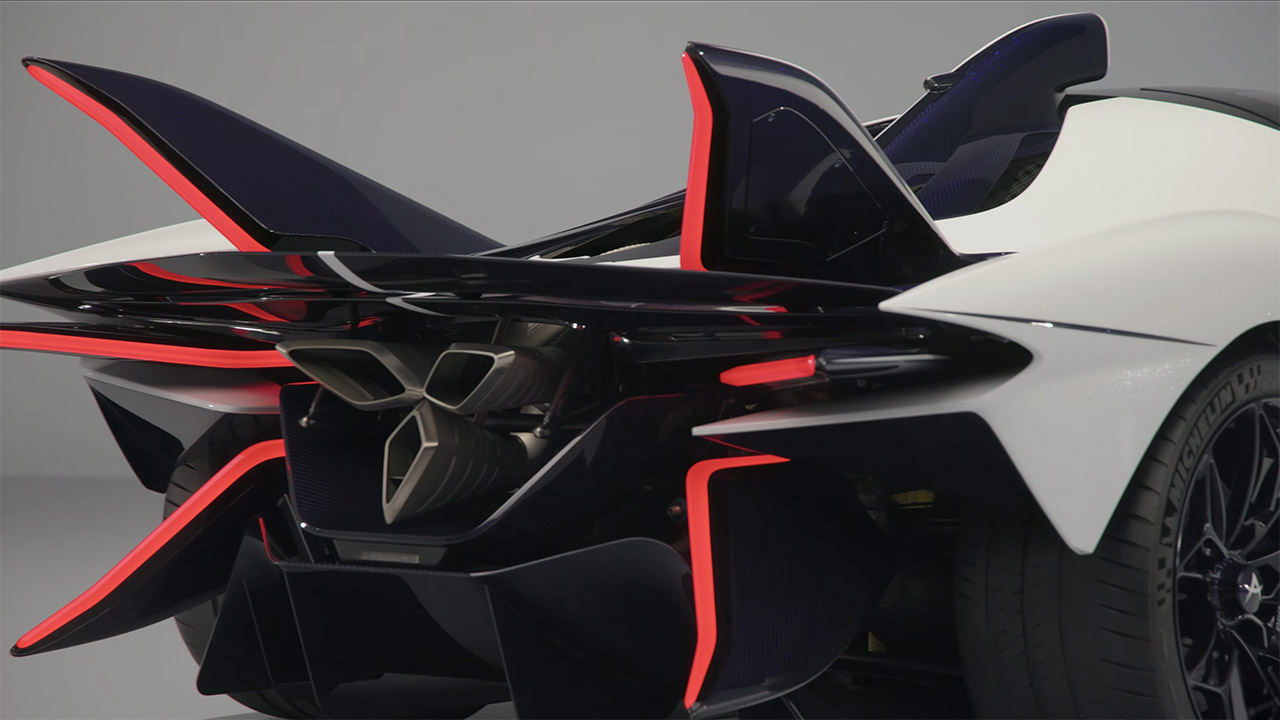
The Dragon Skin exhaust system, as Apollo refers to it, is easily visible. It is essentially a one-piece 3D-printed titanium rod, made from a single block of natural titanium, with no welding necessary. It took 123 hours to print alone, as there’s a lot of titanium. The design is also really neat; it’s sturdy, lightweight, can withstand severe temperatures, and fits snugly into the car’s aero package. After a few heat cycles, the titanium develops a gorgeous blue tinge, like to a badge of honor.

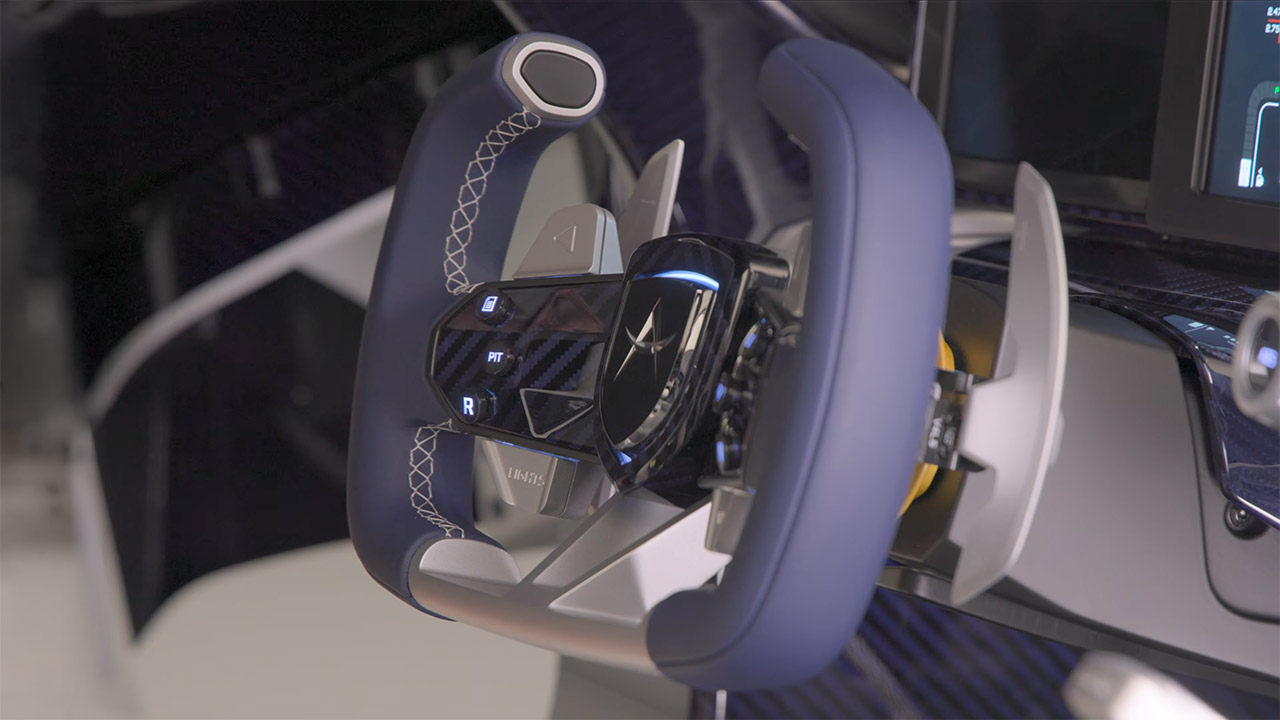
Inside the cabin, Brose created the 3D-printed aluminum framework that connects everything, as it is these precise structural pieces that hold the controls together. All of the switchgear, pedals, and other hardware are similarly manufactured in a tidy reinforced framework, reducing weight while still allowing for some fairly complicated designs that standard machining cannot match. This car’s seats are one-of-a-kind, made of bright white and ocean blue leather with blue stitching, and the Apollo emblem is embroidered directly onto each headrest. The cushion patterns are hand-trimmed and look rather special. The steering wheel is solid machined aluminum blended with blue carbon fibre and ocean blue suede, and it’s a stunning piece of craftsmanship. The dashboard is a blend of high-tech digital displays and traditional gauges, with some classic racing-style tell tales to add flair.
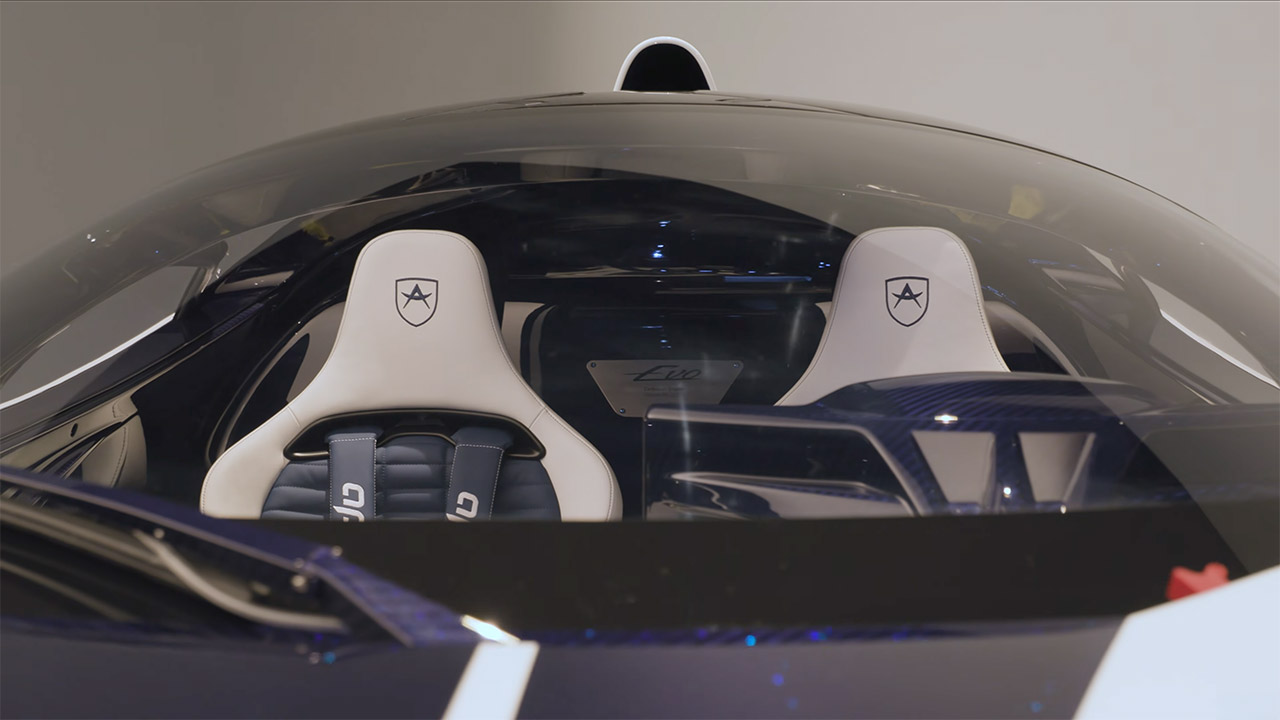
Apollo created the EVO with track days in mind, not road excursions. There will be ten automobiles in total, and each one will be hand-built using the Forged software, meaning no two will be alike. Remember that the base model costs a stunning 3 million euros before taxes. The first car was handed over to its new owner at Goodwood, signaling the commencement of deliveries and commemorating the company’s 20th anniversary. Around 70-80% of the car is completely new compared to the IE, as the suspension geometry has been altered, safety measures have been strengthened up to match current LMDH norms, and the entire upper body has been re-engineered from the ground up.
You must be logged in to post a comment Login