Tech
Cassette simulator rewinds digital audio to a more analog time in hiss-tory


OFFBEAT
Is there a simulator for the wail when you realize your precious one-off bootleg has just been chewed up?
If you have wistful longings for the days when your songs carried the subtle hiss of the cassettes you listened to, we have some reel good news. A new project takes modern music back to the analog era.
The project, available on GitHub, is called “Audio Cassette Simulation” and uses FFmpeg to transcode audio files to get that “wish I’d bought some decent tapes instead of the superstore’s own-brand” sound.
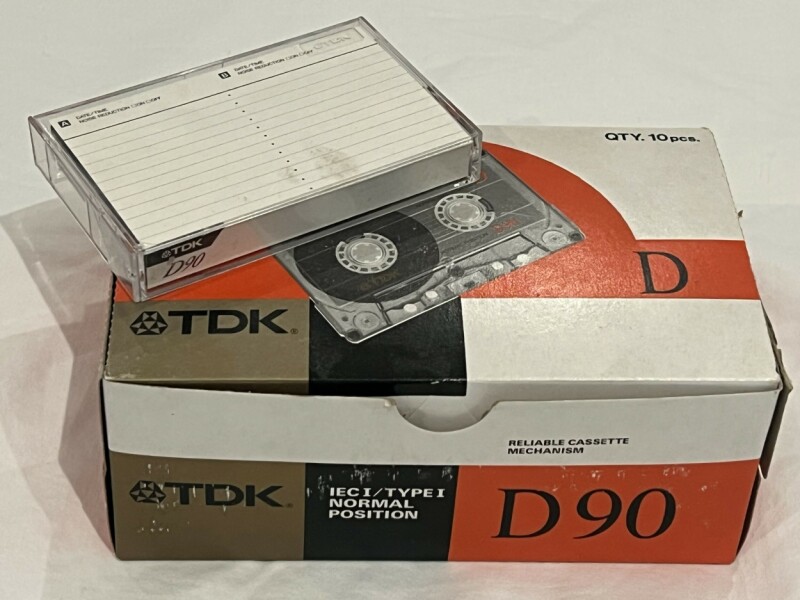
The repository includes simulations of BASF LH Extra C90, Maxell UD C90, Sony CHF60 Type I Normal, Sony CHF90, TDK D90, and even Soviet MK-60 tape. Navigate to the appropriate cassette folder using bash, then run the conversion code (or use it to convert a live stream).
The output is dumped into a ./out folder for a bit of retro enjoyment.
According to the README, “This project simulates cassette tape audio profiles using ffmpeg.
“It applies tape noise, wow and flutter pitch modulation, bandwidth limits, and equalizer adjustments.”
There’s no special magic going on behind the scenes – a glance at the .sh files shows that the real effort has gone into working out the FFmpeg filters to recreate the effect of the required tape. Audiophiles might be horrified to see the output being saved as .mp3 files, but let’s face it: if you’re after that compact cassette sound, the potential audiophile downsides of .mp3 probably won’t be too high on the list of worries.
Compact cassettes first appeared in the 1960s and stored magnetic tape wound between two reels inside a plastic shell. The tape would be unwound from the first reel and wound onto a second reel during use, with the whole thing enclosed in a case (hence “cassette”). Data could be stored on it (indeed, we’re sure plenty of readers have fond memories of home computers that used the media for software) as well as audio, which brings us to the simulator.
Different brands of cassettes (and hardware) could impart differing levels of distortion and hiss to the audio, giving it a unique sound. As with vinyl, cassette sales dropped as customers turned to digital formats decades ago but, also like vinyl, the medium has enjoyed a resurgence in recent years.
The simulator is therefore a bit of a quarter-way house. It can’t recreate the feel of a cassette in the user’s hands. Nor can it replicate the heart-stopping noise of tape being chewed up in a misbehaving mechanism.
But it can take some tediously pristine modern audio and make it sound like it’s the 1980s all over again. ®
You must be logged in to post a comment Login