Tech
Cavorite X7 Hybrid-Electric eVTOL Boasts Split-Wing Design That Changes How Vertical Takeoff Aircraft Approach Distance and Speed

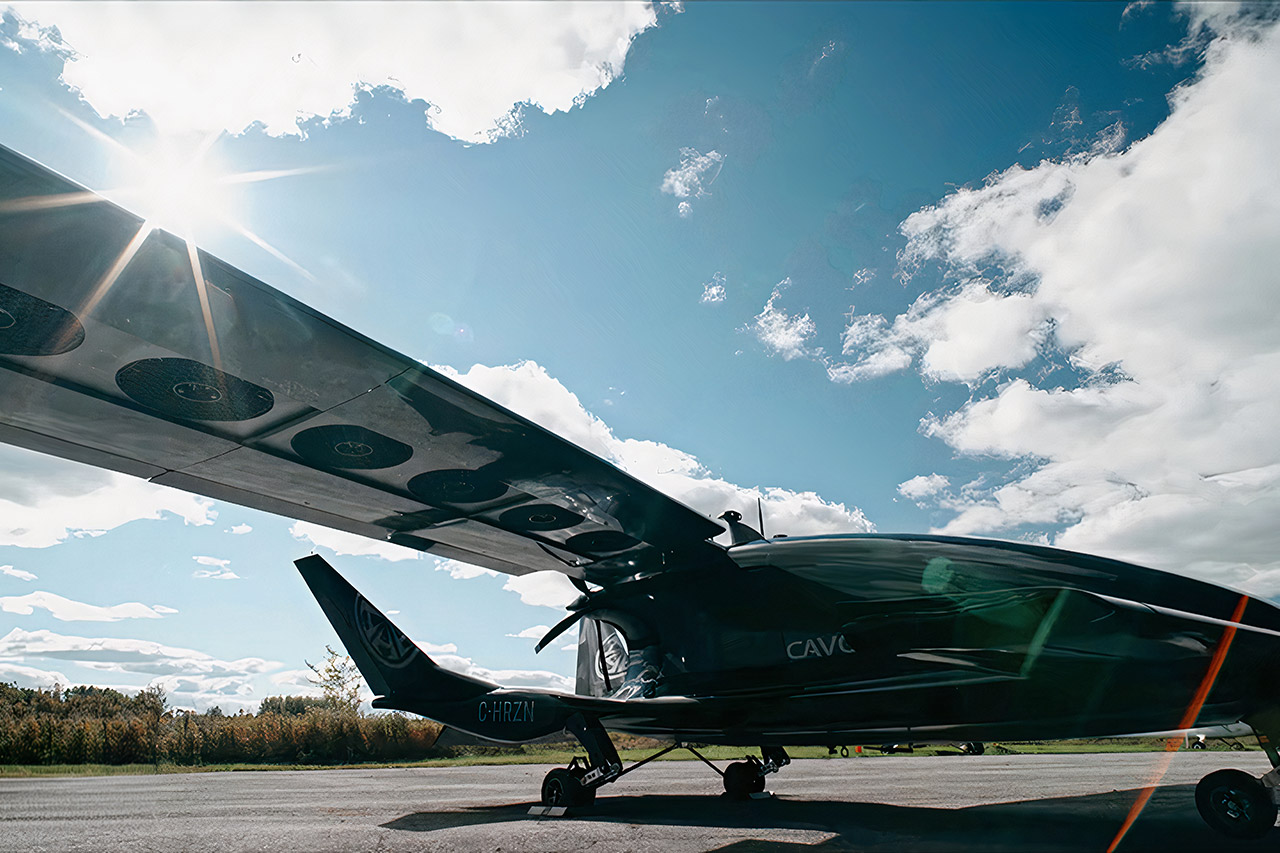
On takeoff, the Cavorite X7’s wings slide open to reveal 12 electric fans hidden inside. Five on each main wing and one in each forward canard accomplish the job, and they are all battery-powered. This allows the eVTOL to take flight straight from a small pad or helipad. Once airborne and moving forward, the panels close over the fans, forming a lovely, smooth seal. A rear gas-powered propeller then takes over, and the wings lift in the traditional airplane manner.


The most recent upgrades have standardized the fan sizes, making them fly smoother and more easily repaired. Each fan has two motors, so if one fails, the other may continue to operate. Meanwhile, engineers have modified the canards and tail surfaces to reduce drag, making the aircraft more stable and efficient on longer flights. Passengers now have a bit more space and some beautiful huge windows to look out of.
Sale


DJI Mini 4K Camera Drone Combo, Drone with 4K UHD Camera for Adults, Under 249 g, 3-Axis Gimbal…
- No Registration Needed – Under 249 g, this drone with camera for adults 4K does not require FAA registration or Remote ID for recreational use. Visit…
- 4K Ultra HD & 3-Axis Gimbal for Cinematic Quality Shooting – Capture stunning moments in any light—sunrises, sunsets, and night scenes with…
- 38kph (Level 5) Wind Resistant – This drone for adults has a stable flight even in Level 5 winds. Brushless motors enhance power and allow takeoff at…
The X7 stands out in the regional air mobility space, cruising at 280 mph and covering approximately 500 miles with reserves. It can transport one pilot and six passengers, or 680 kg of useful load in vertical mode. Its forward-swept wings allow it to manage low speeds well and transition smoothly from hovering to cruising. The hybrid design, which uses electricity for the vertical portion and a gas turbine for the long run, allows you to travel longer than a pure battery while using less fuel.
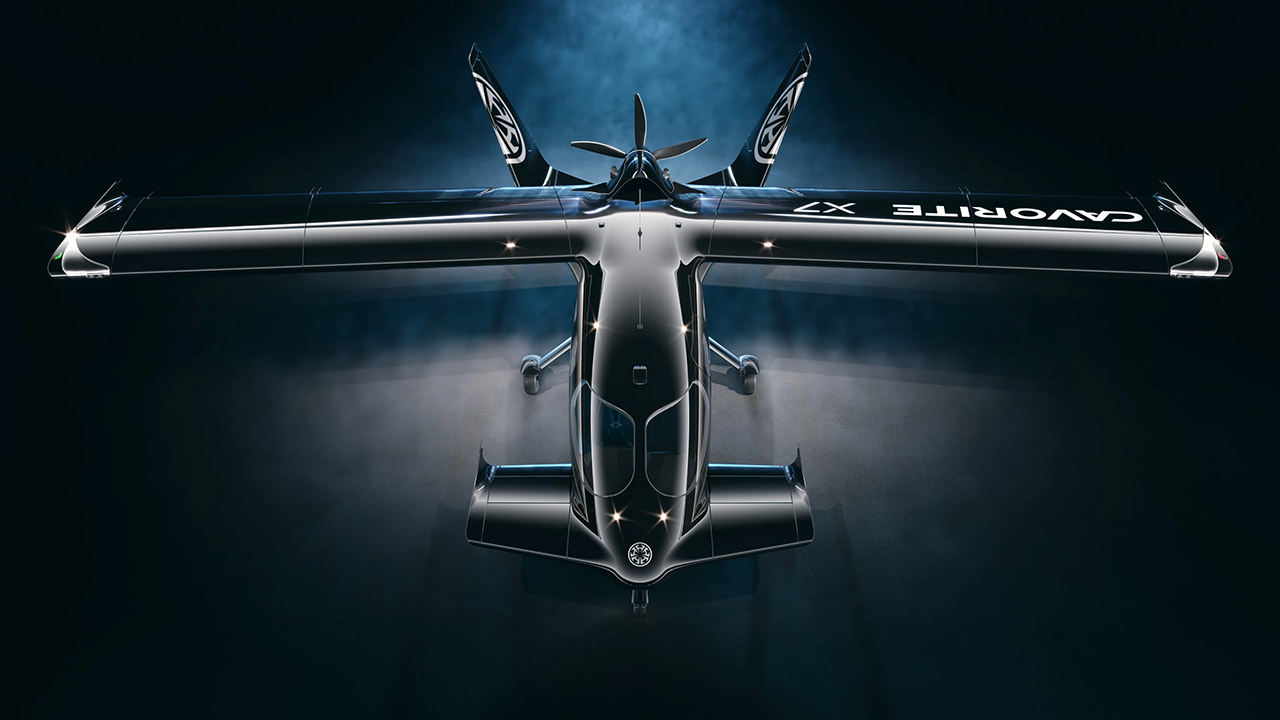
A near-production prototype transitioned from hovering to wing-borne flight in 2025, marking a first for a fan-in-wing system. Construction on the full-scale version is in underway, with ground tests scheduled for 2027. The company is placing a high value on safety, with plenty of redundancy and no finicky spinning nacelles or tilting pieces to worry about.

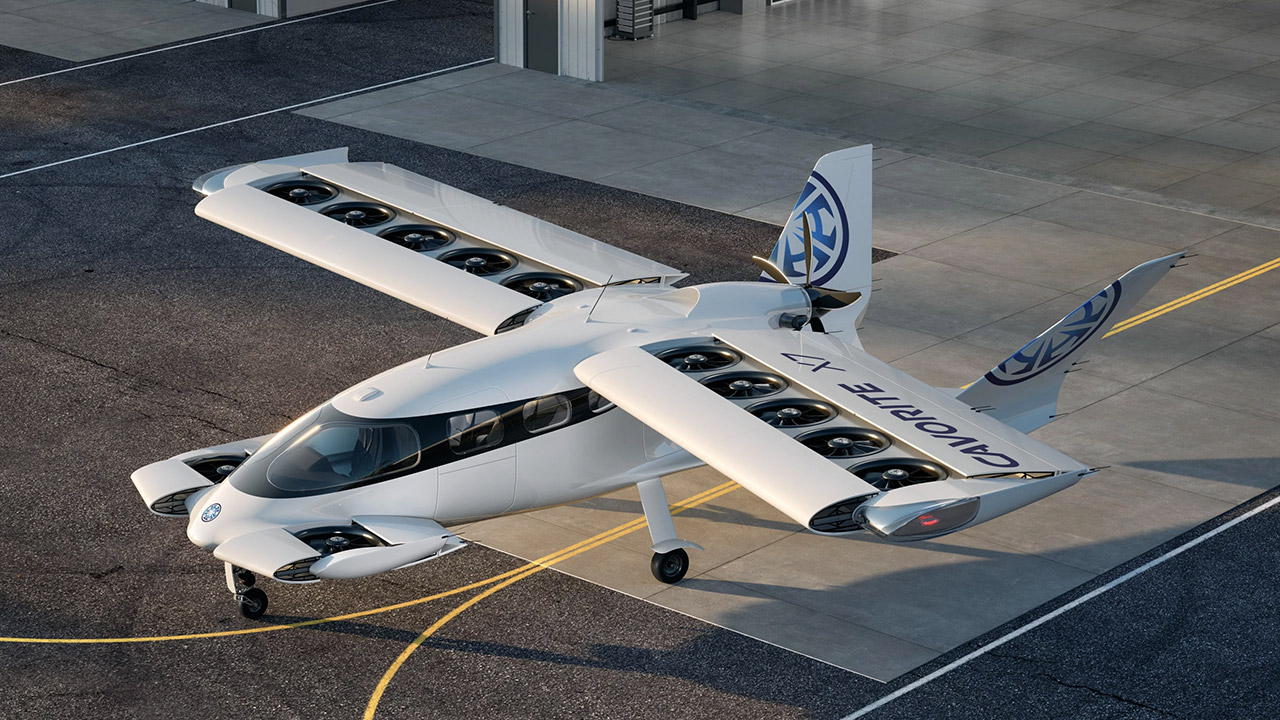
Horizon Aircraft designed the X7 to handle difficult tasks such as performing medical evacuations and transporting cargo to remote locations. It can land on a small unprepped area and reach your destination quickly, which is more than most helicopters or electric planes can do now. As testing proceeds, the X7 is poised to make vertical flight much more practical.
[Source]
You must be logged in to post a comment Login