Tech
Cayin N8iii Flagship DAP Announced: Tube Design Returns to Take on Astell&Kern, FiiO, and iBasso

Cayin has officially taken the wraps off the N8iii, its next generation flagship digital audio player (DAP), and this time there is enough real information to move past speculation. The timing matters. Astell&Kern continues to dominate the premium tier with refined hardware and software, FiiO has become far more aggressive at the top end, and iBasso keeps pushing output and modular flexibility. Cayin is no longer competing in a niche it helped create. It is now part of a very crowded field where execution matters more than ambition.
Cayin is positioning the N8iii as a limited release with just 500 units worldwide and a suggested retail price of $3,999, placing it squarely in the upper tier of the DAP market and making it clear this is not intended for a broad audience.


A Flagship That Sticks With Tubes
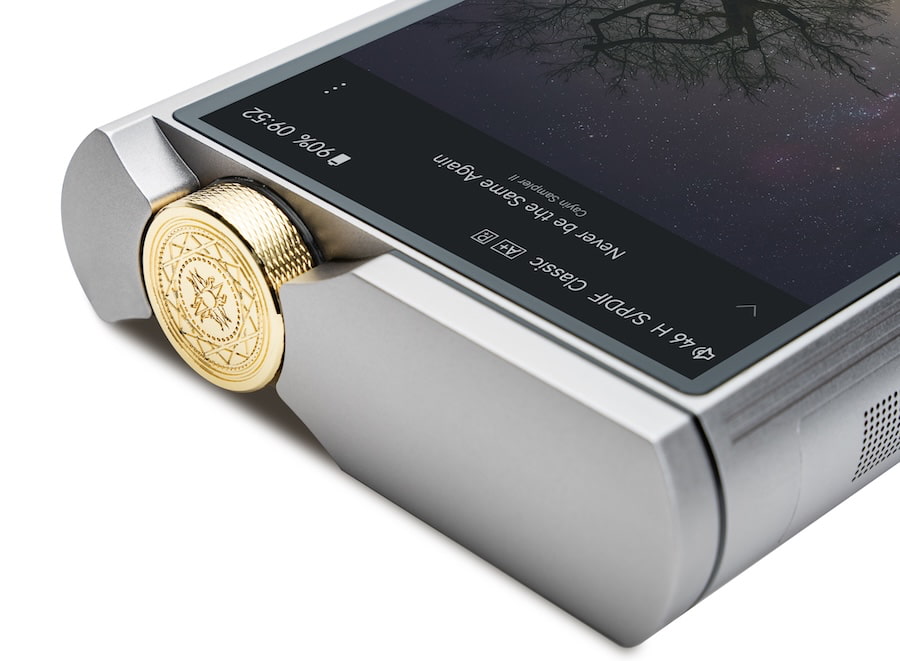
Cayin is continuing with its hybrid tube and solid state approach. The N8iii introduces a Triple Timbre system with Tube Classic, Tube Modern, and Solid State modes. This is less about novelty and more about giving users different tonal options depending on the headphone and music. Cayin has been consistent here. It is one of the few brands willing to deal with the complexity of tube integration in a portable device, even if that comes with tradeoffs in size, heat, and battery life.
Power Output and Amplifier Design
The N8iii offers up to 900 milliwatts single ended and 1285 milliwatts balanced output, which translates to roughly 0.9 watts and 1.285 watts respectively. That is enough power for a wide range of headphones, including many planar magnetics and most dynamic designs in the portable category. It should not have any issue with efficient or moderately demanding full size headphones.

Where things get less certain is with high impedance dynamic headphones. Models in the 300 to 600 ohm range often require voltage swing as much as current, and Cayin has not provided enough detail yet to determine how the N8iii handles that. It is likely usable, but whether it offers full control and headroom is still an open question.
It is also worth stating the obvious. This is not designed for electrostatic headphones. That requires a completely different amplification approach, and Cayin is not trying to solve that problem here.
Cayin includes triple amplifier modes and dual output modes, which gives users some flexibility in how the player behaves, but it also adds complexity that will need to be justified in real world use.


DAC & Platform
Cayin is moving forward with a new flagship AKM DAC architecture, although full details have not been confirmed. That will appeal to listeners who prefer the AKM presentation, especially after several years where ESS dominated the category.
The N8iii runs on a Snapdragon 665 platform with 8GB of RAM and 256GB of internal storage. That is not cutting edge by smartphone standards, but it is in line with what most high end DAPs are using and should be sufficient for streaming and local playback without performance issues.
Software & Battery
The player uses a customized Android audio system with DTA, allowing SRC bypass for bit perfect playback across supported apps. This is expected at this level and Cayin is in line with the rest of the market here.
Battery capacity is listed at 13,500mAh with PD2.0 fast charging. That is a large battery, which makes sense given the use of tubes and relatively high output power. Actual runtime will depend on how those features are used, and Cayin has not provided estimates yet.

The Competition
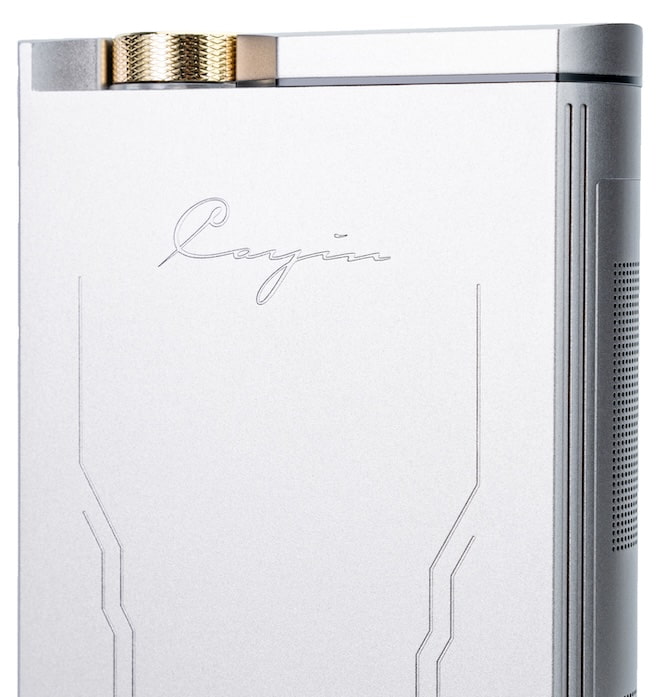
At this price and level, Cayin is up against established competition. Astell&Kern offers more polished industrial design and a mature user experience. FiiO is delivering strong performance with competitive pricing. iBasso continues to push output power and modular flexibility. These are complete products that balance sound quality with usability.
Cayin’s approach remains more specialized. The N8iii focuses on offering a different listening experience rather than trying to be the most practical option.
Cayin N8ii vs N8iii: What’s Actually Changed
Looking at the available data, the jump from the N8ii to the N8iii is not about reinventing the concept. Cayin is refining it, adding flexibility, and pushing output a bit further while trying to clean up some of the practical limitations that came with the earlier design.
The N8ii already established the blueprint. Snapdragon 660 platform, 6GB of RAM, 128GB storage, Android 9, ROHM DACs, and dual Nutube implementation. It was powerful for its time, but it also felt like a device that prioritized experimentation over usability. Battery life hovered around 8 to 11 hours depending on mode, the chassis was thick and heavy at around 442 grams, and while the output was respectable, it was not class leading.
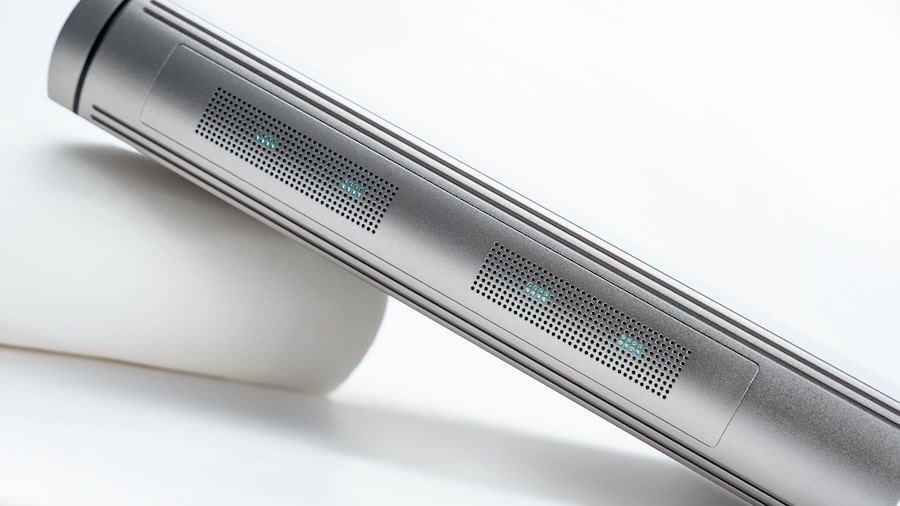

On the output side, the N8ii delivered up to 420mW at 16 ohms from the single ended output in standard mode, and up to 720mW in its higher power setting. Balanced output pushed that further to 760mW standard and up to 1200mW in its higher power mode. That translates to roughly 0.76W to 1.2W balanced depending on how hard you push it. In practical terms, it could handle most headphones reasonably well, but it was not the last word in authority, especially with higher impedance dynamics where voltage swing matters more than raw wattage.
The N8iii moves that forward, but not dramatically. Cayin is now quoting up to 900 milliwatts single ended and 1285 milliwatts balanced output, which translates to roughly 0.9 watts and 1.285 watts respectively. That is enough power for a wide range of headphones, including many planar magnetics and most dynamic designs in the portable category. It should not have any issue with efficient or moderately demanding full size headphones.
Where things remain uncertain is with high impedance dynamic headphones. The increase in output is incremental, not transformative, and Cayin has not provided detailed voltage specs yet. That means headphones in the 300 to 600 ohm range may still be usable, but not necessarily driven to their full potential. And just to be clear, neither the N8ii nor the N8iii is designed for electrostatic headphones, so that remains outside the scope entirely.
The more meaningful change is in flexibility. The N8ii gave you tube or solid state. The N8iii expands that into Triple Timbre with Tube Classic, Tube Modern, and Solid State. That suggests Cayin is focusing more on user tuning and adaptability rather than just raw performance gains. It is a shift toward giving listeners more control over presentation depending on the headphone pairing.
Internally, there is also a shift in direction. The N8ii relied on dual ROHM BD34301 DACs, which offered a certain tonal character that some preferred over ESS implementations. The N8iii is moving to a new flagship AKM architecture, which likely signals a different tuning approach. That is not inherently better or worse, but it does indicate Cayin is responding to market preferences and the return of AKM supply.

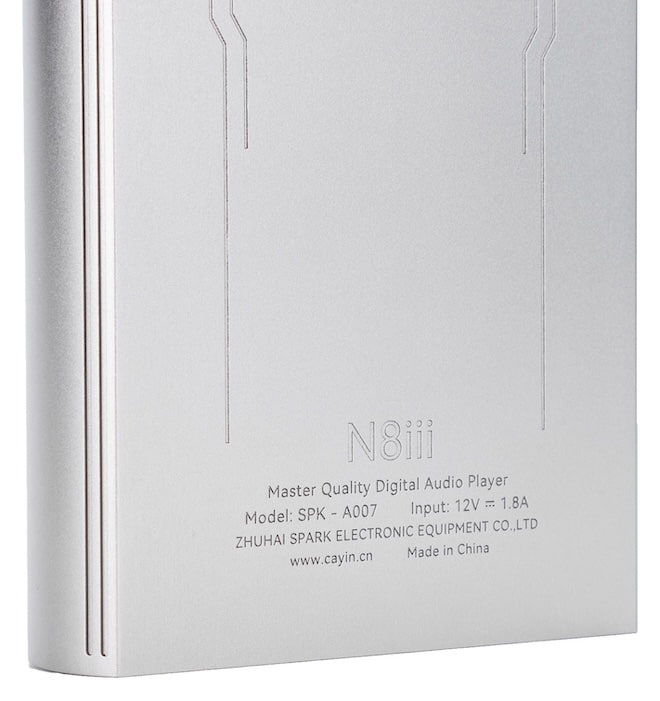
Platform and usability are also getting a modest update. The N8iii moves to 8GB of RAM and 256GB of storage, along with a Snapdragon 665. That is not cutting edge, but it is an improvement and should make the device feel less constrained with modern streaming apps. The inclusion of a customized Android audio system with SRC bypass brings it in line with what competitors have already been doing, rather than pushing ahead.
Battery is another area where Cayin appears to be compensating for its design choices. The N8ii used a 10,000mAh battery rated at 38Wh and delivered between roughly 8 to 11 hours depending on mode. The N8iii increases that to 13,500mAh and adds PD fast charging. That suggests Cayin is trying to offset the power demands of tubes and higher output rather than fundamentally improving efficiency.
The rest of the design philosophy remains consistent. Both devices are heavy, complex, and not particularly concerned with being pocket friendly. Both are built around the idea that a portable device can approximate a desktop listening experience if you are willing to accept the tradeoffs.


The Bottom Line
The Cayin N8iii builds on what the company has been doing with its flagship line. It keeps the tube hybrid concept, adds more flexibility in tuning, and delivers enough power for most headphones people are likely to use with a portable device. It is not intended to cover every use case. High impedance dynamics may still require more careful matching, and electrostatic headphones are not part of the equation.
At nearly $4,000 USD and with only 500 units available, this is a focused product for a specific audience. The competition is strong and more well rounded than it used to be. Cayin is relying on differentiation and sound tuning to justify its place at the top. Whether that is enough will depend on how it performs outside of the spec sheet.
What the charts from the previous model make clear is how much detail still has not been confirmed for the N8iii. The N8ii offered a very complete set of physical connections including both 3.5mm single ended and 4.4mm balanced headphone outputs, along with matching line outputs on both connections. It also included digital outputs over USB and I2S via a mini HDMI connection, plus coaxial S PDIF. That made it more than just a portable player. It could function as a transport or DAC in a larger system. With the N8iii, Cayin has not yet clarified whether all of those outputs carry over unchanged, or if anything has been added or removed. Given how important that flexibility is to this category, that is not a small omission.
Bluetooth is another area where details matter. The N8ii supported a wide range of codecs including LDAC, UAT, AAC, and SBC, with both transmit and receive capability. That placed it ahead of many competitors at the time, especially with UAT support for higher bandwidth wireless audio. So far, Cayin has not confirmed the codec support for the N8iii. If it remains unchanged, it is still competitive. If it has been updated, that could be a meaningful improvement. If it has been simplified, that would be a step backward. Right now, we simply do not know.
The digital section is where the lack of detail becomes harder to ignore. The N8ii supported PCM up to 32-bit/768kHz and DSD512 over USB and I2S, along with DoP support over coaxial. It could function as a USB DAC across multiple platforms and offered asynchronous USB audio with broad compatibility. Those are not niche features. They are part of what makes a flagship DAP viable as a hub in a desktop or transport based system. Cayin has confirmed a new DAC architecture for the N8iii, but has not yet outlined the full range of supported formats, digital input and output capabilities, or whether its USB DAC functionality has been expanded or refined.
MSRP: $3,999 (launch date not confirmed at en.cayin.cn).
You must be logged in to post a comment Login