Tech
Chasing the Blue as One Maker Attempts to Create Liquid Oxygen at Home

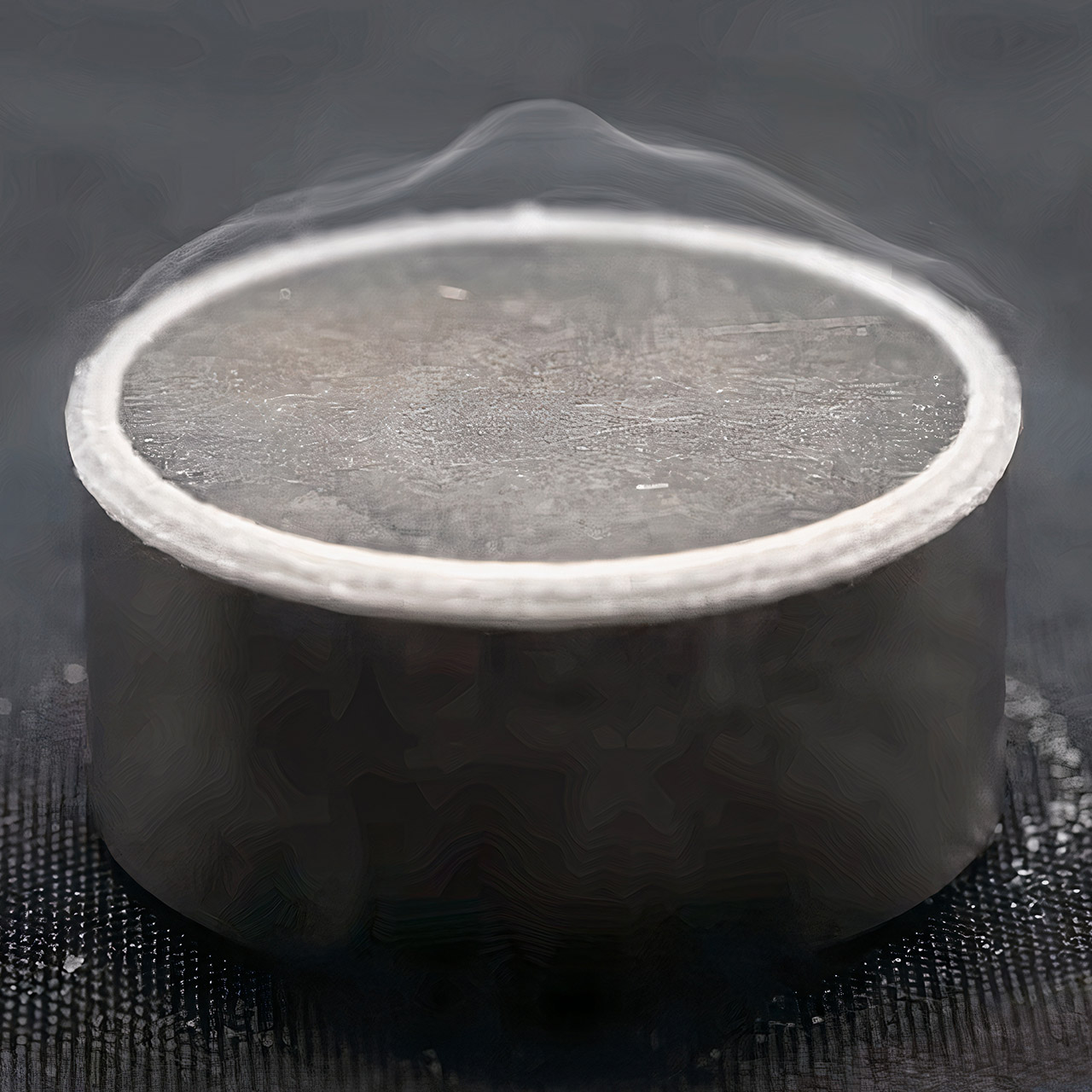
Liquid oxygen is used in rockets and treated with care in laboratories, but it’s not something that people think about in everyday life. Except for one maker who was interested as to why this was the case, so he decided to make some at home and examine what makes people so cautious about it.


Electron Impressions began by employing a proton-exchange membrane electrolyzer to convert water to pure oxygen. The device neatly splits the water molecules, allowing the hydrogen to escape into the air while the oxygen flows through a drying tube filled with calcium chloride to remove any remaining moisture, because moisture can significantly reduce the effects he was attempting to study.


UNGLINGA 150 Experiments Science Kits for Kids, S.T.E.M Educational Project Toys for Boys Girls Birthday…
- 150 EXCITING EXPERIMENTS FOR KIDS: DIY projects to get kids’ minds humming, try one of these science experiments, which cover topics like earth…
- EASY-TO-FOLLOW SCIENTIFIC MANUAL: Well-illustrated in a step-by-step format, which makes the experiments easy to follow. it is easy and fun to…
- ALMOST TOOLS & MATERIALS NEEDED INCLUDED: high-quality lab science tools and kids-friendly materials. kids can wear goggles to do experiments like…
The next hurdle was to reach the point of liquefaction, which he accomplished using a Stirling cryocooler. This compact device uses the reverse Stirling cycle to attain temperatures as low as 60 Kelvin at the cold end. He placed a Dewar flask within a really nifty 3D printed double-walled PETG sleeve to ensure that the cooling was as efficient as possible. As the oxygen went through, the system was able to condense approximately 30 to 40 milliliters each hour, which isn’t a large amount, but enough to produce a very little but perceptible amount of pale blue liquid within the Dewar.
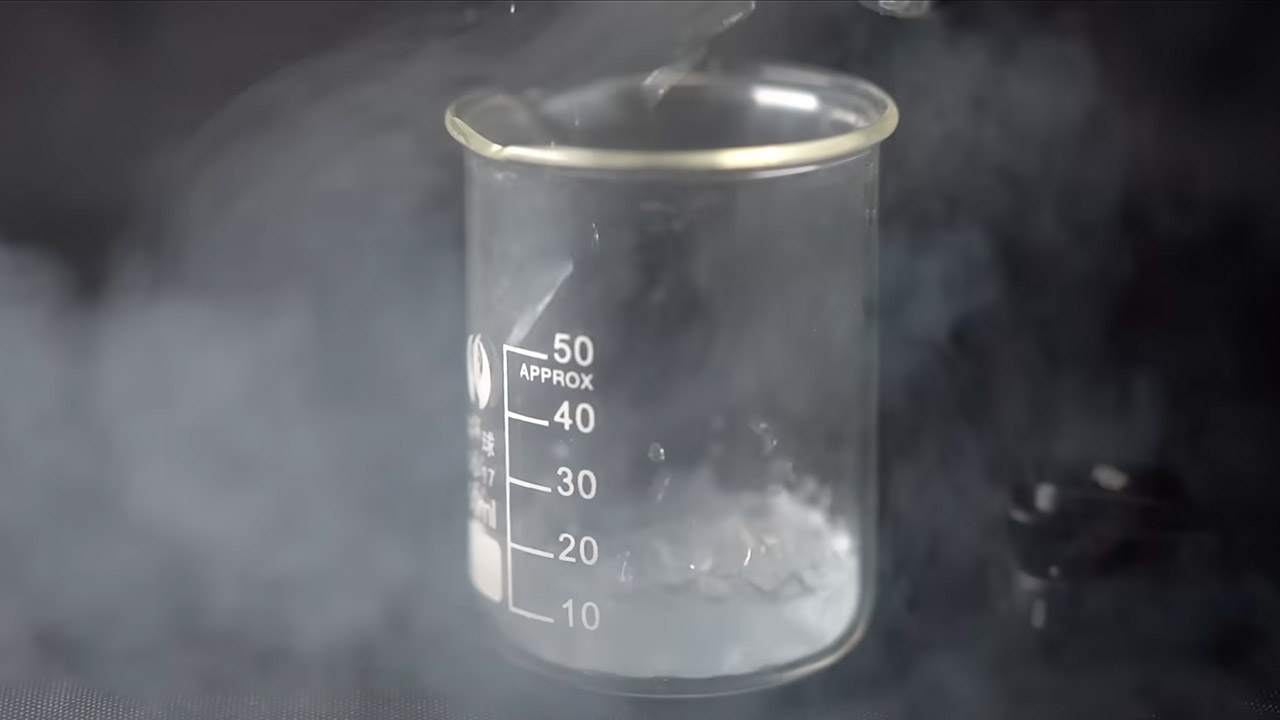
That obvious blue tint was a strong indication that something strange was going on, and it was due to the fact that liquid oxygen has a light sky blue color, which differs from the clear liquid nitrogen you may be more familiar with in cryogenics. To show it off, he poured some into a beaker. Then came the experiments, which demonstrated why liquid oxygen has such a nasty reputation.

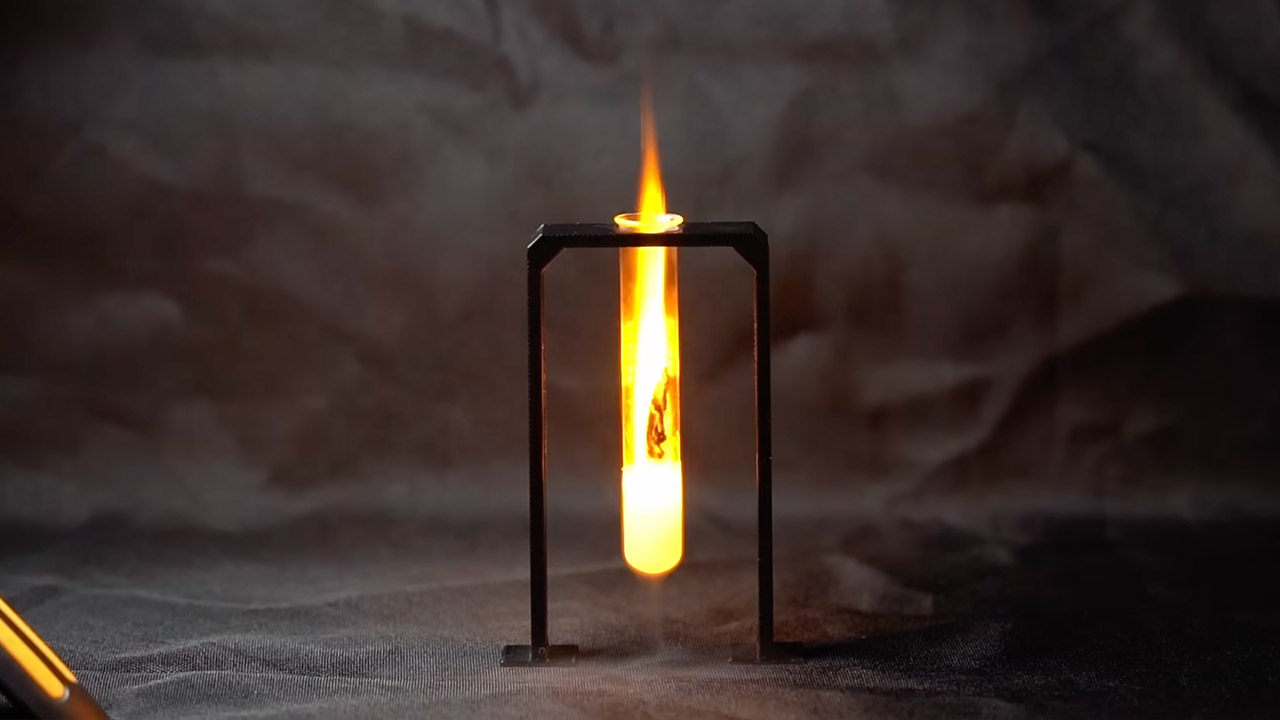
When he dropped a burning piece of paper into a test tube of liquid, the flame erupted in a rapid and fierce blaze. When he lighted a piece of paper soaked in the liquid, it’s an understatement to say the results were even more remarkable, as it burned more hotter and faster than it would in air. He also bubbled hydrogen gas through a sample and ignited it just above the surface, producing explosive results. Liquid oxygen is essentially a powerful oxidant, converting a wide range of everyday materials into fuel that can burn at an alarming rate.
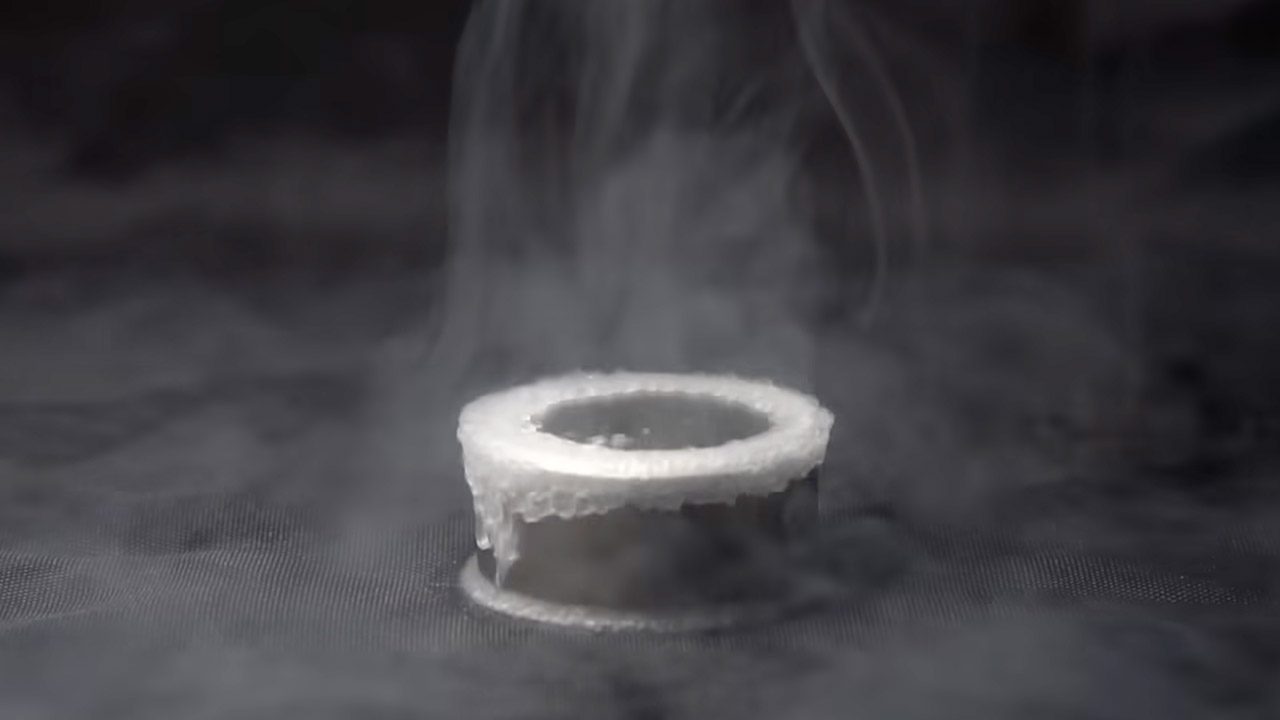
Aside from the fire and flash, the experiment discovered an interesting attribute of oxygen molecules: they contain unpaired electrons, which give them a magnetic attraction. It’s a property that gets lost in the mix when they’re floating around as gas at room temperature, but when they’re cooled down to a liquid form, the effect is much more noticeable.
[Source]