Connect with us

Tech

China’s ByteDance to expand US-based AI teams

Published

on

Reportedly, the organisation intends to hire up to 100 additional employees within its Seed artificial intelligence division.

According to Bloomberg, Chinese technology giant ByteDance has announced plans to employ up to 100 new people in its artificial intelligence (AI) division as a means of competing with some of the world’s leading US-based AI companies. 

The positions open to US-based professionals will be in Seed, which is ByteDance’s AI division with laboratories in the US, Singapore and China. 

Vacancies will be across various responsibilities and will include work in producing international data for ByteDance’s large language models, advancing its popular text, image and video generation tools, completing research to develop ‘human-like’ AI, and building science models that enable the organisation to pursue drug discovery and design. 

Advertisement

ByteDance’s announcement comes despite significant concerns from US lawmakers and regulators around national security. Those in the regulatory space in the US have long argued that there is potential for ByteDance to use TikTok in the collection of its citizens’ private, valuable data or in the spreading of a narrative in favour of Beijing’s leadership via the app’s algorithm. 

Last month, after a long period of deliberation, stalling and false starts, ByteDance and representatives in the US reached a deal wherein the organisation would create an entity for US TikTok operations – with non-Chinese majority owners – as a means of addressing some of the pressing security concerns. 

As noted by Bloomberg, many know ByteDance solely in the context of popular social media platform TikTok; however, it also operates as a well-known AI company in China, offering chatbot app Doubao, AI video generation model Seedance 2.0, and image generation mode, Seedream 5.0.

Earlier this week (16 February), ByteDance promised to “strengthen current safeguards” against intellectual property theft after Disney threatened legal action regarding videos generated by Seedance 2.0.

Advertisement

Via a cease and desist letter, Disney claimed that Seedance 2.0 operates a “pirated library” of Disney assets, taken from its biggest franchises. The company accused ByteDance of using its proprietary content assets as if they were in the public domain.

Don’t miss out on the knowledge you need to succeed. Sign up for the Daily Brief, Silicon Republic’s digest of need-to-know sci-tech news.

Source link

Advertisement
Continue Reading
Click to comment

Leave a Reply

Your email address will not be published. Required fields are marked *

Tech

Gamer Turns a Zelda Game & Watch Handheld into a Retro Gaming Beast

Published

on

Zelda Game and Watch Handheld Retro Gaming Mod
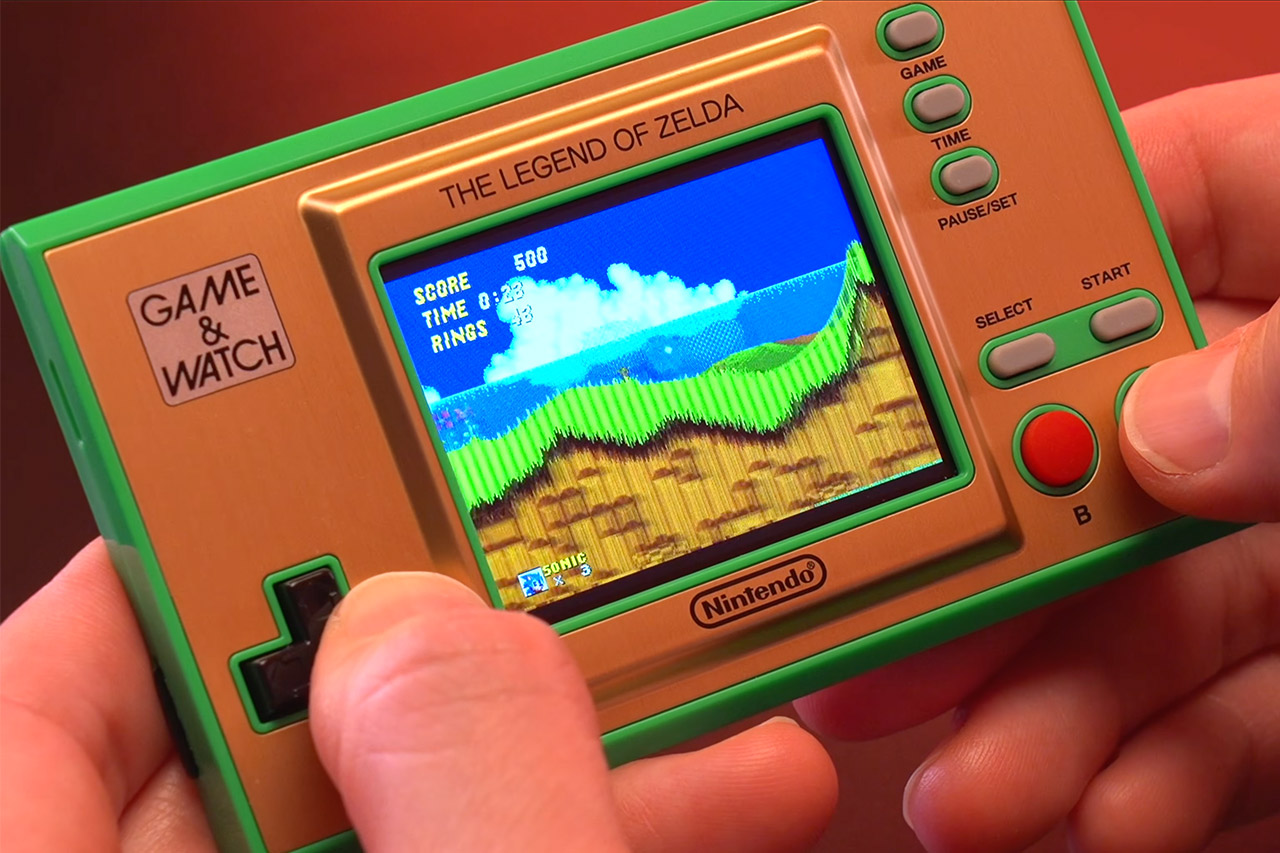
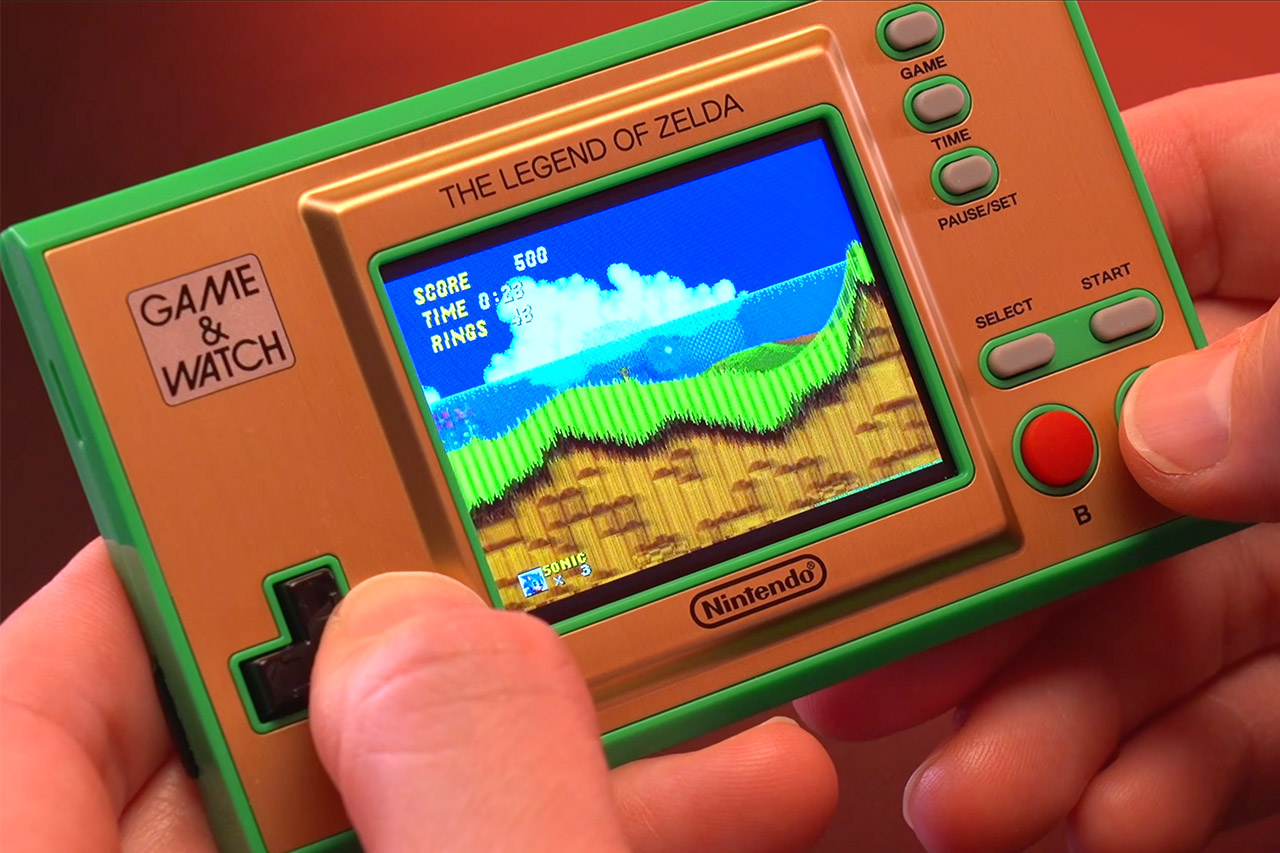
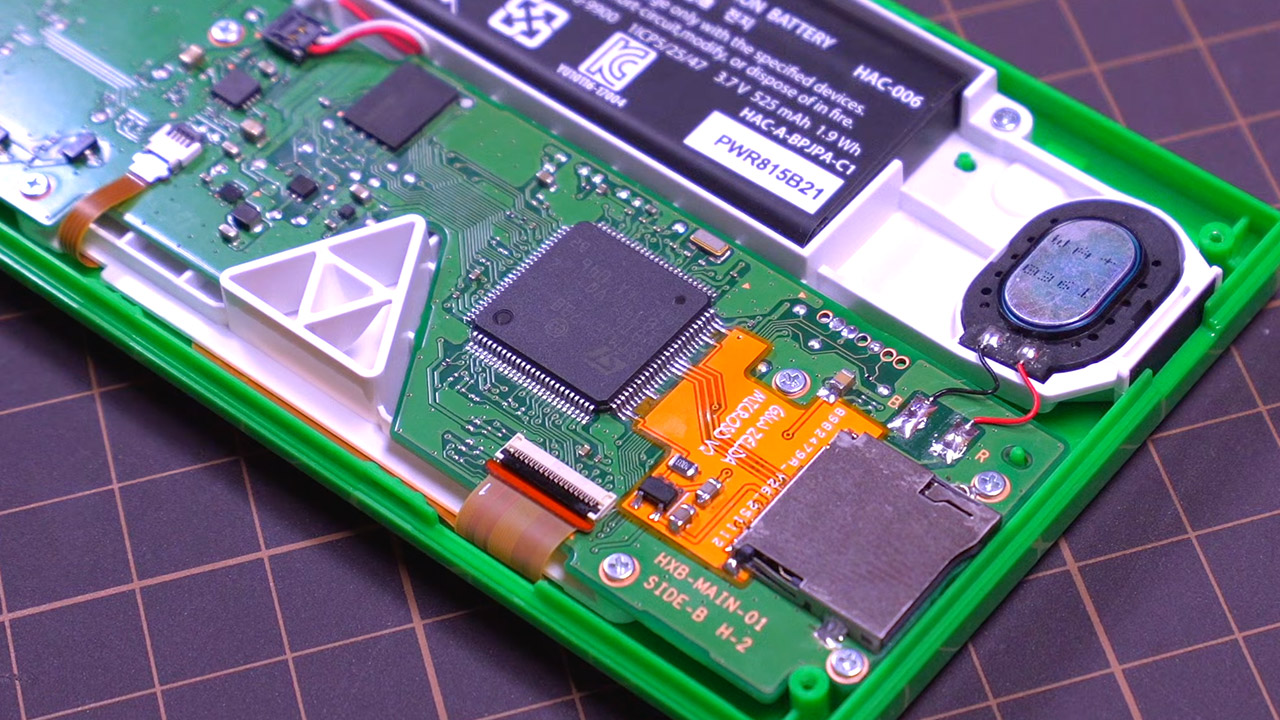
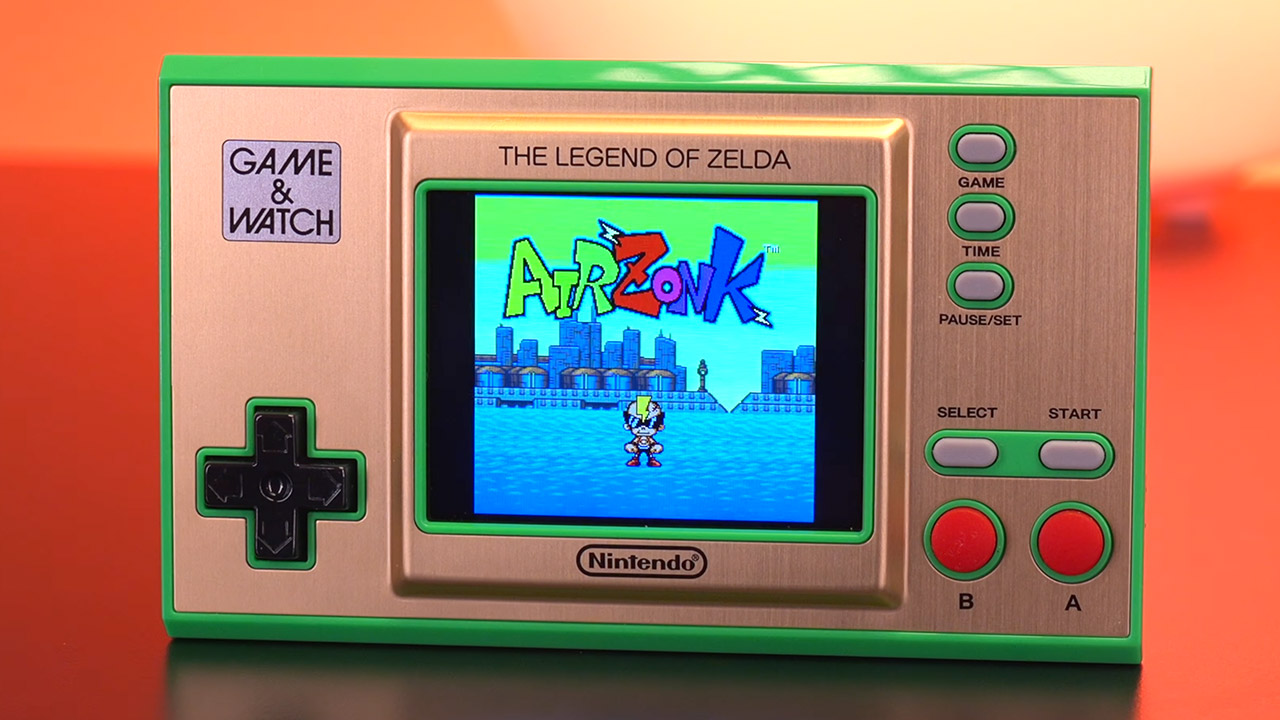
Tito of Macho Nacho Productions takes out his trusty screwdriver and goes to work on a limited edition Zelda Game & Watch from Nintendo that he received in 2020. This portable includes three iconic games: the original Legend of Zelda, Zelda II: The Adventure of Link, and Link’s Awakening from the Game Boy. It comes with a great collection of features out of the box, including a crisp LCD screen, a nice D-pad, and separate start and select buttons. The battery life is adequate, and it even has a USB-C charging connection, but Tito wants to take this device to the next level.


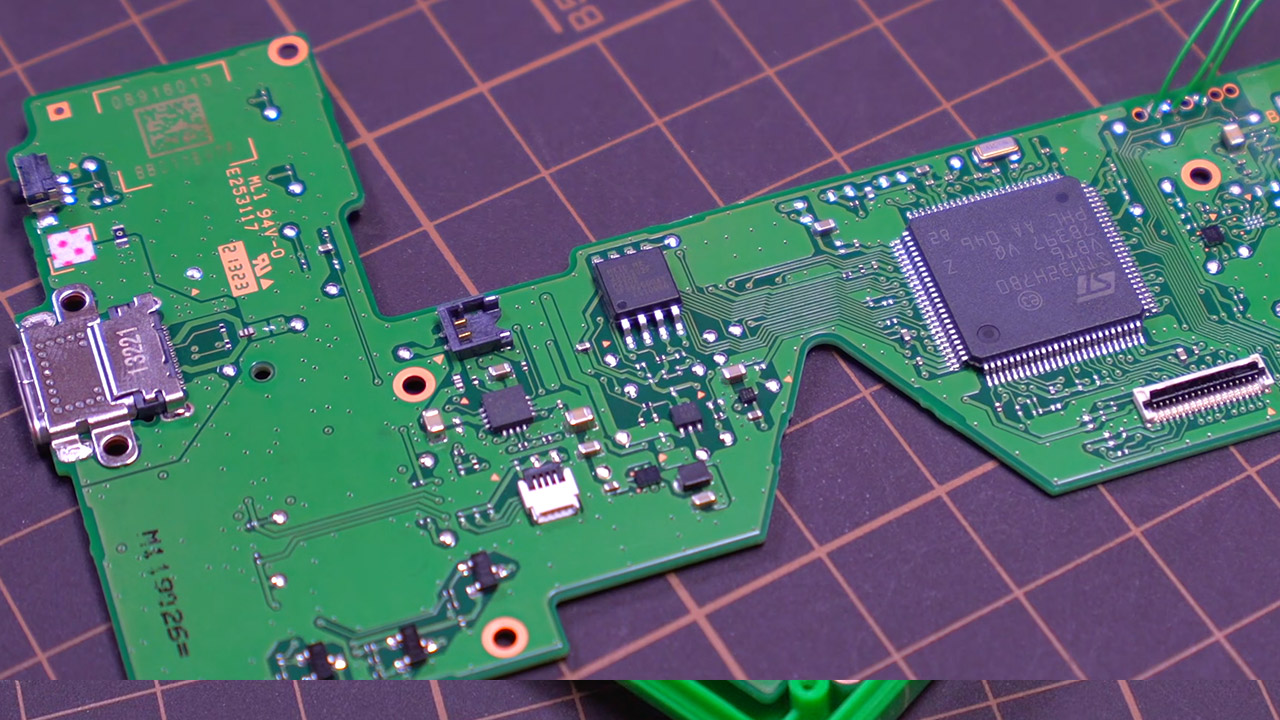
First, he removes four screws from the back plate, disconnects the battery, and then pulls out the two ribbon cables that link to the LCD. The speaker desolders, giving him some freedom to operate with. The motherboard is then released by removing ten additional screws. Tito connects an ST-Link programmer to the SWDIO, ground, and SWCLK pads as he boots up his PC and launches PowerShell as an administrator. He utilizes Chocolatey to install Python, Pipix, OpenOCD, and G&W Manager from GitHub. The unlock command is executed, and the device displays a blue screen. Everything appears to be in order.


Nintendo Game & Watch: The Legend of Zelda – Not Machine Specific
  • With a retro look, legendary flourishes, and the power to save Hyrule, the Game & Watch: The Legend of Zelda system is a tribute to 35 years of the…
  • Included are three Full Legend of Zelda games; The Legend of Zelda, Zelda II: The adventure of Link, and the Legend of Zelda: Link’s Awakening.
  • There’s also a version of the Game & Watch classic, Vermin, starring Link, and a playable clock and timer.

Zelda Game & Watch Handheld Retro Gaming Mod
Tito removes the original 16MB flash chip, which is a bit of a bottleneck, and heats it with a hot air station before applying flux to the pads. Tin foil and Kapton tape protect the area to prevent the neighbors from becoming too hot, and then it comes off clean. He cleans the pads, inserts a new 64MB chip, and reconnects the cables. G&W Manager flashes some custom firmware onto the device, which actually works for a second before halting at step 13. A retry resolves the issue, and Tito resumes business.

Zelda Game & Watch Handheld Retro Gaming Mod
The next step is to create a custom ribbon cable by soldering a couple of capacitors, a resistor, and an LDO regulator on. He inserts a microSD card slot and reduces the alignment posts flat. He aligns the ribbon pins with the CPU pads, connects a wire to a capacitor, and then uses a rotary tool to scrape off the soldermask and reveal the ground plane. With a little wire and some work, the microSD slot is fully operational. Tito next tackles the rear shell mods, removing the D-pad posts, drilling four holes with 3D-printed jigs, and smoothing out the edges with a file to ensure everything is nice and flush.

Zelda Game & Watch Handheld Retro Gaming Mod
With all of the mod completed, it’s time to launch his own firmware. He downloads the firmware update binary from RetroGo SD on GitHub, places it on a FAT32 microSD card, and turns the device on to install it. Once completed, he restarts it and enters RetroGo – from there, it’s as simple as adding some ROMs for the Game Boy, NES, SEGA Genesis, TurboGrafx-16, and other systems. Super Mario World works well, and Zelda: A Link to the Past is as crisp as ever.

Source link

Advertisement
Continue Reading

Tech

Ubisoft says more Assassin’s Creed and Far Cry are coming

Published

on

Ubisoft has had a turbulent few years, but its biggest franchises are clearly not going anywhere. In an interview with Variety, CEO Yves Guillemot confirmed that multiple Assassin’s Creed titles and two new Far Cry games are currently in development, signaling a renewed focus on the company’s most reliable blockbuster series.

The update arrives during what Ubisoft has described as a major reset. The company has undergone layoffs, canceled projects, and reorganized studios as it tries to stabilize after several difficult years. Against that backdrop, Guillemot’s message was simple. Ubisoft plans to lean heavily on the franchises that consistently attract massive audiences. For Assassin’s Creed, Guillemot said “several titles” are in development, spanning both single-player and multiplayer experiences. The goal is to keep growing a community that already surpassed 30 million players last year. On the Far Cry side, Ubisoft confirmed two promising projects, widely expected to include the next mainline entry and a long-rumored multiplayer spin-off.

A future built around blockbuster franchises

This renewed emphasis ties directly into Ubisoft’s broader restructuring strategy. The company has created new “creative houses” designed to give major franchises more autonomy while improving accountability and production efficiency. One of those units, Vantage Studios, is responsible for Ubisoft’s biggest brands, including Assassin’s Creed, Far Cry, and Rainbow Six. The idea is to treat these series as long-term ecosystems rather than standalone releases, helping Ubisoft deliver a steadier pipeline of games and content over time.

The shift also reflects lessons learned from the pandemic era. Ubisoft admitted it had launched too many projects and is now scaling back to focus on fewer, bigger bets. For players, that likely means a more predictable future. Instead of scattered experiments, Ubisoft’s roadmap looks increasingly centered on expanding the worlds fans already know.

While Ubisoft did not share release windows or gameplay details, the confirmation alone matters right now. After months of layoffs and uncertainty, fans finally have reassurance that Assassin’s Creed and Far Cry remain core pillars of Ubisoft’s future. Whether that excites or worries players will depend on how Ubisoft balances quantity with quality.

Source link

Advertisement
Continue Reading

Tech

Will 2026 be the year facial recognition becomes boring, and why does it matter?

Published

on

For the past century, facial recognition technology (FRT) has existed largely in the realm of science fiction. From dystopian literature and film to speculative headlines and industry conjecture, FRT has long been portrayed as futuristic, invasive or experimental.

Yet behind the scenes, facial recognition has been quietly maturing, particularly over the past two decades.

Tony Kounnis

CEO of Face-Int UK and Europe.

Source link

Advertisement
Continue Reading

Tech

Self-Reloading Magnet Dispenser Never Runs Dry

Published

on

Self-Reloading Magnet Dispenser DIY Custom-Built
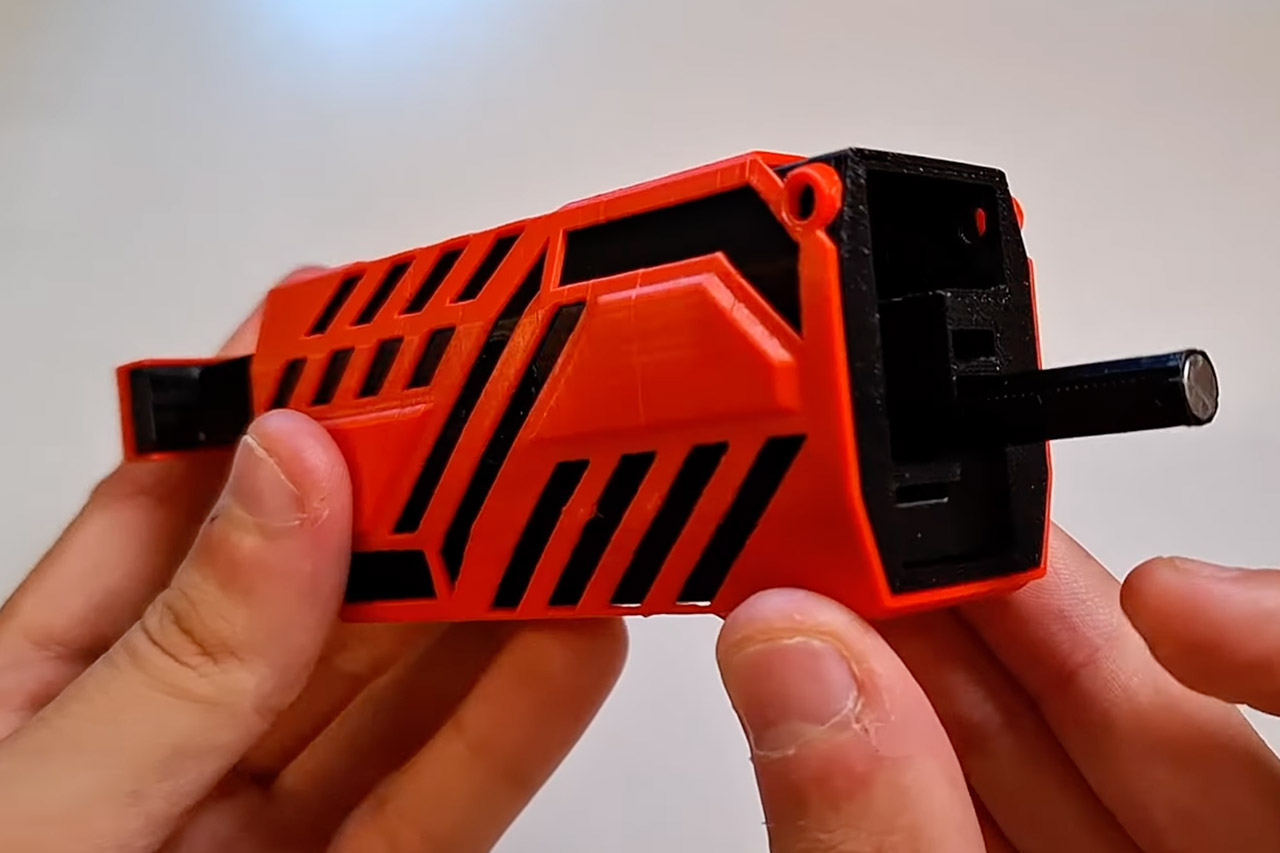
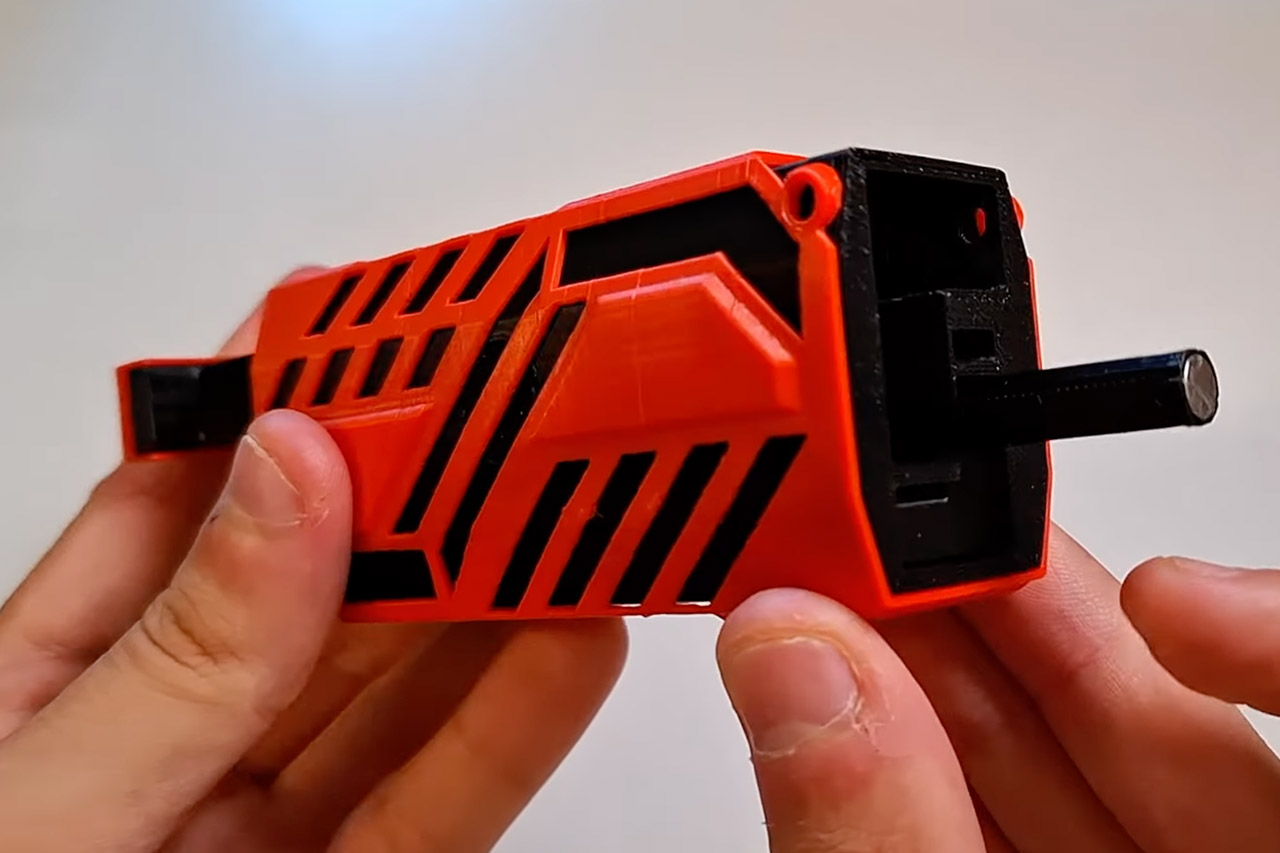
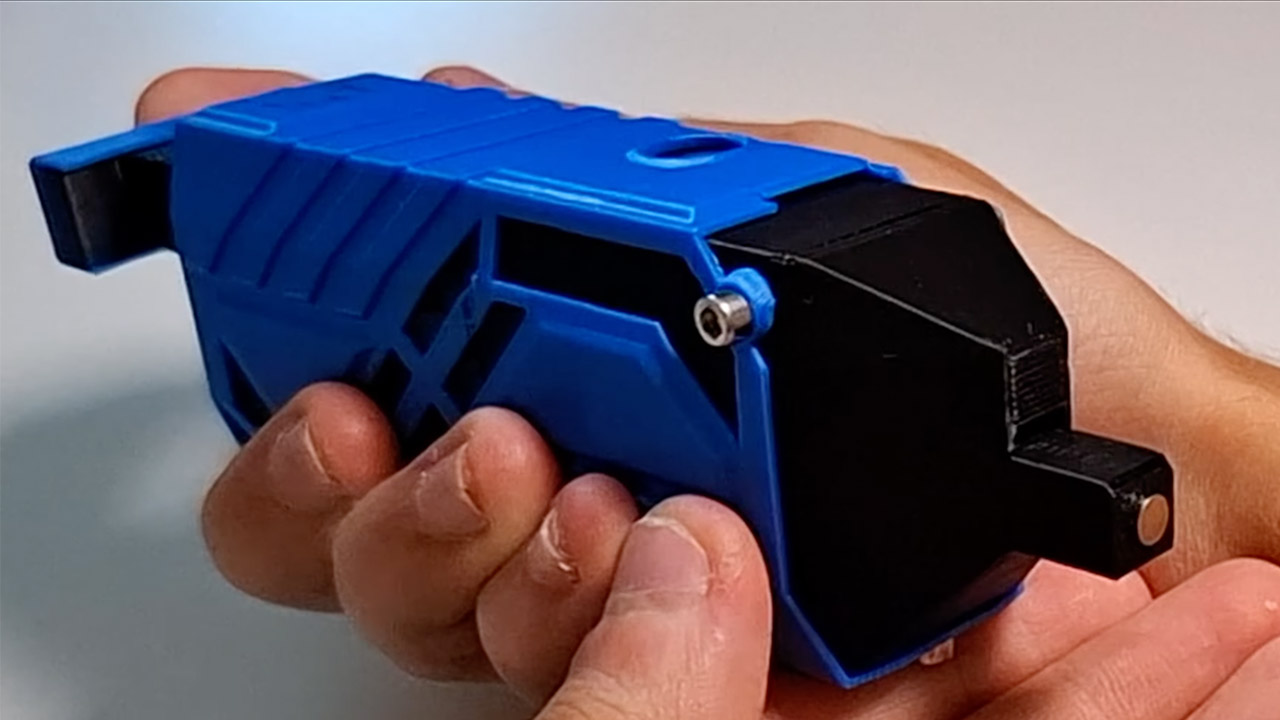
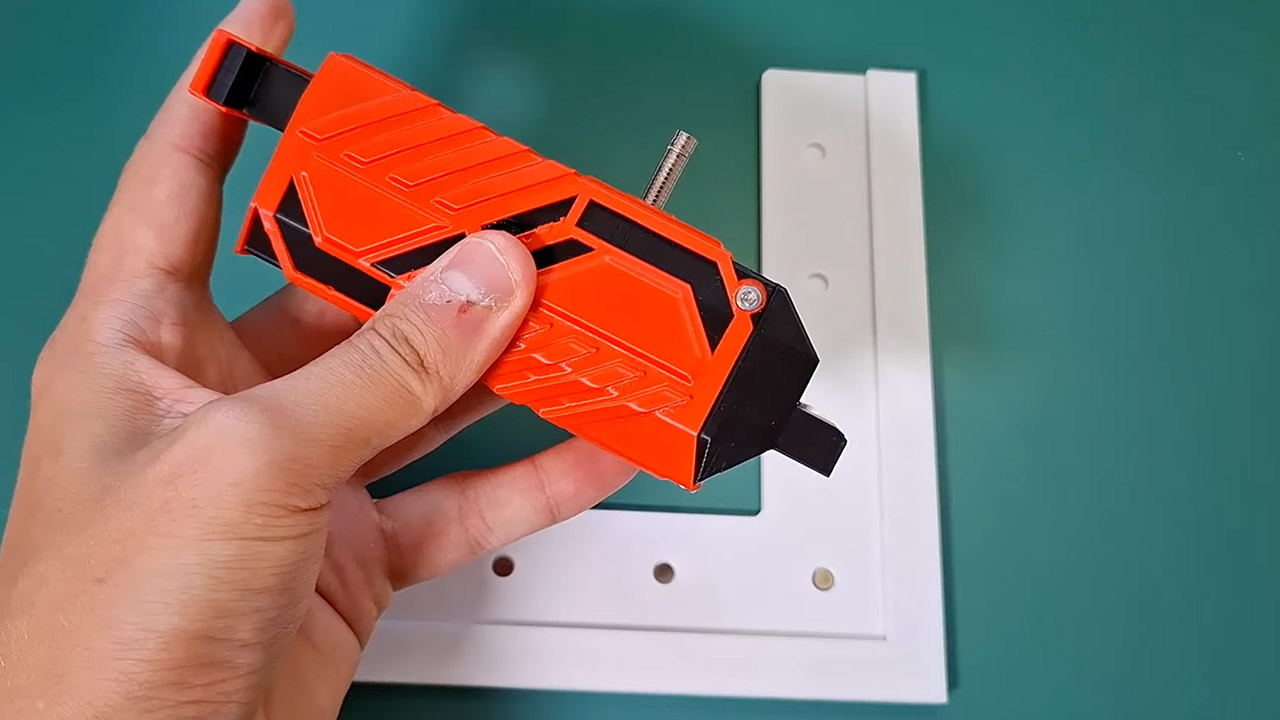
This self-reloading magnet dispenser is the type of invention you didn’t realize you needed until you see it in action and can’t picture life without it. Maker EmGi has created a handheld tool that places neodymium magnets precisely where you want them, with the correct orientation every time, and loads the next one from a built-in stockpile so you never have to pause to fiddle around for the next one.


EmGi began with a simpler version last year, as the original tool employed a simple plunger with a fixed magnet on the end to pick up and pop discs in without getting your fingers in the way or worrying about the polarity flipping at the last second. It did the trick for casual use, but the tip was a little awkward to get into tight spaces, and reloading required stopping to search for individual magnets in a clump. Anyone who has ever attempted to assemble a grid of magnets or arrange them in small pockets understands the irritation, as magnets appear to snap together out of nowhere, stick to your tools, or spin to the incorrect side just as you are ready to push them into place.


Bambu Lab A1 3D Printer, Support Multi-Color 3D Printing, High Speed & Precision, Full-Auto Calibration…
  • High-Speed Precision: Experience unparalleled speed and precision with the Bambu Lab A1 3D Printer. With an impressive acceleration of 10,000 mm/s…
  • Multi-Color Printing with AMS lite: Unlock your creativity with vibrant and multi-colored 3D prints. The Bambu Lab A1 3D printers make multi-color…
  • Full-Auto Calibration: Say goodbye to manual calibration hassles. The A1 3D printer takes care of all the calibration processes automatically…

The new design resolves both of these issues. EmGi has managed to reduce the tip size so that it can fit into confined areas, and added a self-feeding magazine. Simply pack a stack of magnets into the body, and each press of the lever moves the next one to the ready position. The mechanism is based on a rack and pinion system that converts the plunger’s motion into a precise tiny nudge. One press separates the bottom magnet from the rest of the stack while dragging it along a guided path to the tip, where a permanent magnet keeps it in place and the attraction pulls the disc along without allowing it to spin or flip over.

Self-Reloading Magnet Dispenser DIY Custom-Built
Nailing that sequence took a bit of trial and error. Magnets can be stubborn since their fields resist movement. Press too quickly, and the disc will shoot right off. If you press too slowly, it will stick back to the stack. Emgi experimented with various slopes, adding a tiny edge to the tip to give it more control over speed, and modified the design until the magnet simply slides into position. Slow motionfootage shows the disc tipping smoothly onto the tip and remaining in the proper orientation. Then it’s merely a clean press into its slot, a release, and the next one is ready for you when the lever returns.

Self-Reloading Magnet Dispenser DIY Custom-Built
If you have a 3D printer, assembly is a breeze because the body, case, tip, gear, picker, and lever are all printed in PLA. Five screws hold all of the main parts together, a rubber band provides the tension that causes the lever to spring back into place, and a few little neodymium magnets simply slot into pre-drilled holes, one at the tip to keep things secure and a few more in the mechanism to help guide things along. They’ve created variations for the most common sizes, such as 6x2mm, 5.1mm, and 8.2mm discs. If you’re feeling daring, head over to MakerWorld and get the files for free; printing one should be as simple as getting some filament and waiting for it to print.
[Source]

Advertisement

Source link

Continue Reading

Tech

How Alison.ai is bringing objectivity to video ads before media budgets are spent

Published

on

As video advertising output accelerates across platforms, a new challenge has emerged: volume alone no longer guarantees effectiveness. Brands are producing more content than ever, yet performance remains uneven – often because creative decisions are reviewed subjectively and far too late in the process. A growing class of AI-driven validation tools is attempting to change that by bringing predictive analysis earlier into the creative lifecycle.

Instead of relying solely on post-campaign metrics or human interpretation, these systems use machine learning to assess whether an ad is structurally sound before it goes live. The goal isn’t to replace creativity, but to give teams clearer, earlier signals about what works, what doesn’t, and why.

Why creative validation is becoming a tech priority

For many marketing teams, the bottleneck isn’t a lack of ideas – it’s a lack of confidence. Human review cycles are slow, subjective, and inconsistent. Meanwhile, performance feedback usually arrives only after media budgets have already been spent, meaning weak creative can slip through despite heavy investment.

AI-driven validation offers a different path. By analyzing large libraries of historical ads, these tools identify patterns linked to engagement, brand recall, and call-to-action clarity. The promise is consistency at scale – evaluating creative quality using the same criteria, every time, across formats and channels.

Advertisement

Merging production insight with media planning

A key trend is the integration of creative assessment directly into media planning workflows. Rather than treating production and distribution as separate stages, some platforms now evaluate creative readiness during planning itself, helping teams decide which assets are worth amplifying.

Alison.ai’s Preflight Plus tool exemplifies this approach. It runs automated checks based on Google’s ABCD framework – Attract, Brand, Connect, Direct – to determine whether a video ad meets foundational best practices. While not the only platform in this space, it reflects a broader shift toward validating creative structure before budget commitments are made.

How computer vision is transforming creative analysis

At a technical level, these systems rely heavily on computer vision, scanning video content frame by frame to identify elements such as logo visibility, pacing, facial presence, text overlays, and visual hierarchy. These signals are then quantified, enabling creatives to be scored and compared more precisely.

Alison.ai describes this as its “Creative Genome” – a model that breaks ads into discrete visual and conceptual components. Similar techniques are emerging across ad-tech, signaling a move toward more granular, data-driven creative decision-making.

Advertisement

Reducing bias and increasing alignment

The practical benefit for marketing teams is alignment. Objective scoring helps bridge the long-standing divide between creative teams prioritizing storytelling and performance teams focused on measurable outcomes. Instead of debating subjective opinions, teams can work from shared data points that highlight where an ad may need refinement.

This shift also reduces dependence on multiple fragmented tools. When validation, feedback, and planning live inside a single workflow, teams spend less time navigating systems and more time improving the work itself.

Toward accountable AI in creative workflows

More broadly, this marks a push toward accountability in AI-assisted and AI-generated content. As generative tools speed up production, validation layers are becoming essential to ensure that increased output doesn’t come at the cost of effectiveness.

Preflight Plus – and tools like Alison.ai’s Agentic Video Ideation Flow – reflect an emerging creative model: AI that not only generates concepts but also evaluates whether those ideas are structurally prepared to perform. While implementation varies across platforms, the direction is clear – creative technology is moving upstream, closer to the moment decisions are made.

Advertisement

In a landscape where attention is expensive and mistakes are costly, early-stage creative intelligence may soon shift from competitive advantage to industry standard.

Digital Trends partners with external contributors. All contributor content is reviewed by the Digital Trends editorial staff.

Source link

Advertisement
Continue Reading

Tech

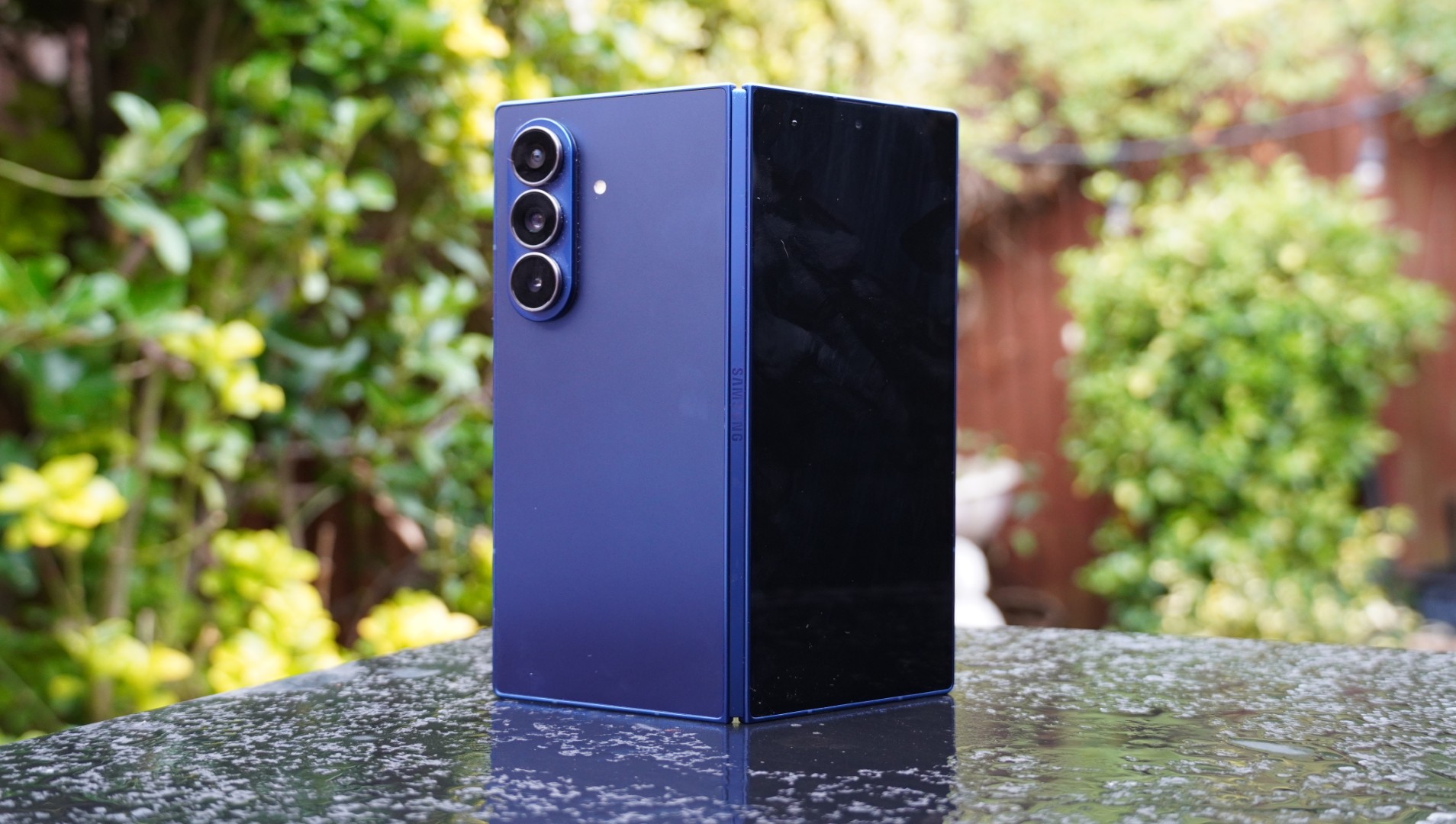
Samsung’s cracking down on Galaxy leaks ahead of foldable launch later this year

Published

on

Samsung appears to be tightening internal security as it heads toward its next major product cycle.

According to reports from The Korea Herald, the company has introduced a new secure chat mode within its internal communications system. This was done in an effort to curb leaks surrounding upcoming Galaxy devices, including the expected Z Fold 8 and Galaxy S27 lineup.

If you follow Samsung launches closely, you’ll know how early details tend to surface. By mid-2025, much of the Galaxy S26 Ultra’s camera upgrades had already leaked, and most of it turned out to be accurate.

Additionally, well-known tipsters often reveal specs and design changes months ahead of launch. As a result, there is little surprise when Samsung takes the stage.

Advertisement

Advertisement

That’s what the company now seems keen to address.

The reported secure chat mode prevents employees from copying, forwarding, saving or screenshotting internal messages. It also extends to affiliated companies. This suggests Samsung is trying to close gaps not just within headquarters but across its broader supply and partner network.

In summary, the goal is to stop internal memos and product details from finding their way onto anonymous forums, where they’re quickly picked up by leakers and media outlets.

Advertisement

Ironically, details of this new anti-leak system surfaced through — you guessed it — a leak. Samsung has not issued an official statement confirming the changes.

Whether the new safeguards will actually slow the rumour mill remains to be seen. The Z Fold 8 has already appeared in several leaks, and the Galaxy S27 chatter has already begun circulating, including early claims about potential camera upgrades to the Ultra model.

Historically, much of the most accurate information hasn’t always come directly from internal staff. Instead, it often comes from suppliers, retailers, and accessory makers further down the chain.

Advertisement

Advertisement

Even with screenshot blocking enabled, it’s difficult to completely lock down information in a global hardware operation. Internal chats can still be photographed using another device, and product details inevitably spread as development ramps up.

With Samsung’s next foldable launch expected later this year and the Galaxy S27 season not far behind, the real test will be whether upcoming leaks slow to a trickle or continue business as usual.

Source link

Advertisement
Continue Reading

Tech

Apple has its problems, but still the only real choice for privacy

Published

on

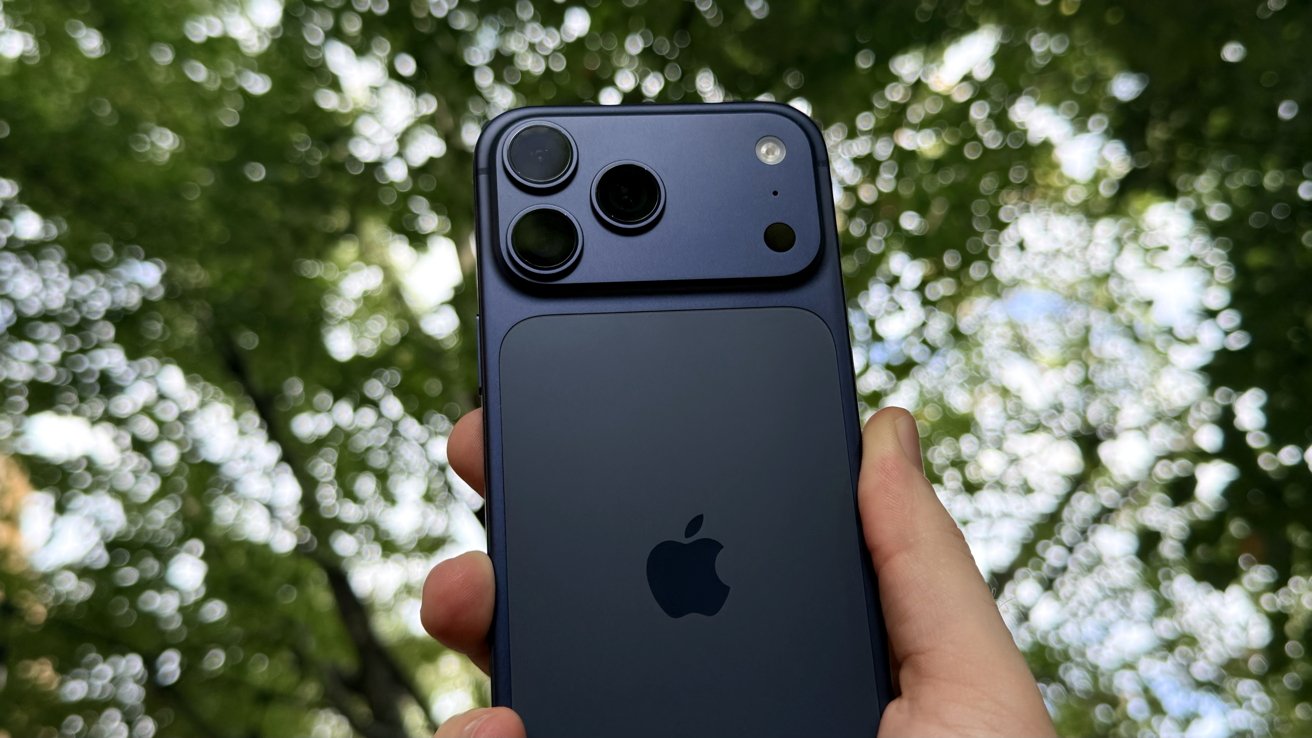
Apple didn’t start out as the privacy company, but in the more than 12 years since iPhone 5s, it is the only company trying to offer privacy by default. Today, that’s more necessary than ever.

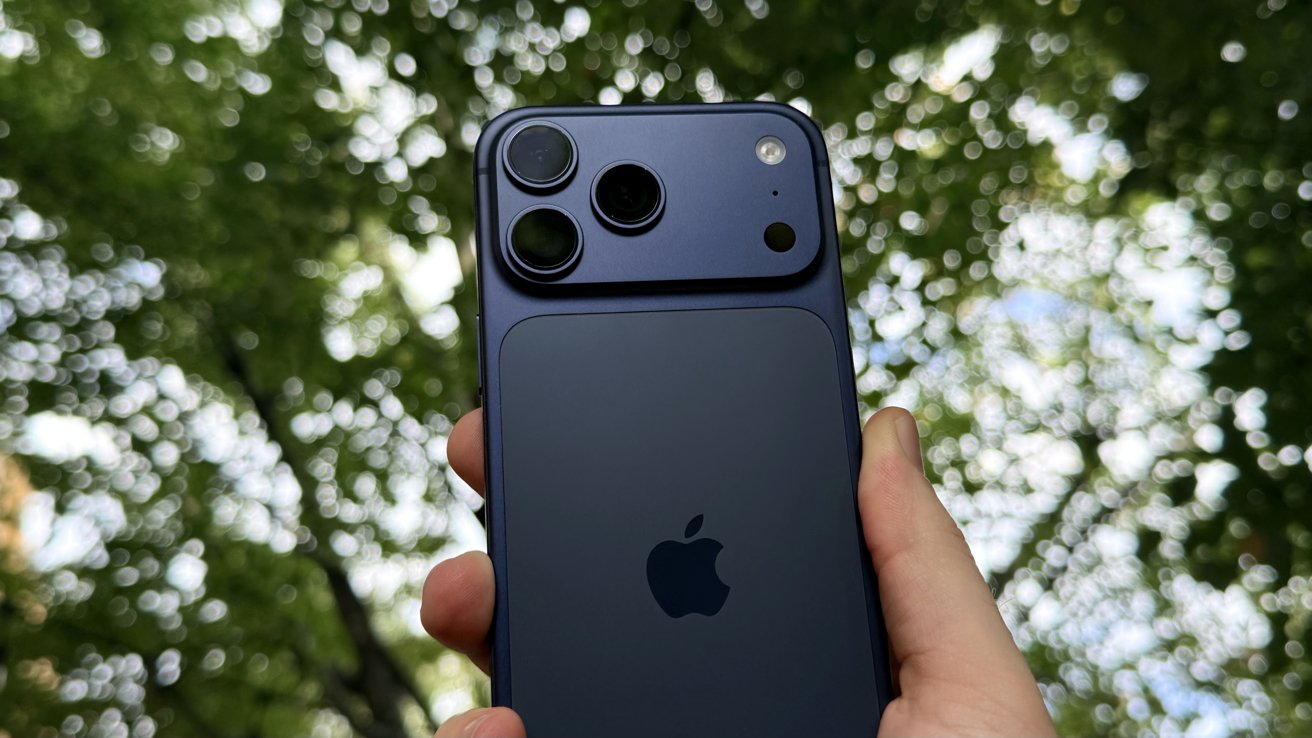
The blue iPhone 17 Pro Max held aloft with trees out of focus in the background
Apple’s promise of privacy and security can’t be ignored in today’s political climate

You would think that after years of success with “Privacy, that’s iPhone,” other smartphone and computer manufacturers would catch on. Nope.
No matter how much consumers vote with their wallets, everyone that isn’t Apple aims for the idea of revenue through data collection.
Continue Reading on AppleInsider | Discuss on our Forums

Source link

Continue Reading

Tech

Gartner $110M sale of Digital Markets division in latest SEC filing

Published

on

When Gartner first disclosed that it had agreed to part with its Digital Markets ( business unit that included its major software review, specifically Capterra, GetApp, and Software Advice) business in early 2026, the announcement was forward-looking and economical with detail: it named the buyer and the assets involved, but it left out any financial terms. 

That lack of financial detail naturally made people wonder exactly how much the transaction was worth.

It was only later, in the company’s audited annual report on Form 10-K, filed on February 12, 2026, that a clearer picture of how the transaction was treated in the company’s regulatory filings became visible. That document, which is public, notes that the sale was completed on February 5, 2026, placing the divestiture within the broader contours of Gartner’s financial disclosures. 

This most recent filing, accession number 0000749251-26-000112, stands in stark contrast with Gartner’s prior 10-K, covering the year ended December 31, 2024, and filed on February 13, 2025, under accession 0000749251-25-000008

Advertisement

In that earlier report, there is no reference to this transaction or to any figure associated with it, consistent with the fact that the deal was not agreed or closed until 2026. 

The January 29, 2026 announcement publicly identified G2 as the buyer, and specified the assets involved: Capterra, Software Advice, and GetApp, but it did not disclose any financial terms, a detail that was equally absent from contemporaneous coverage. 

In Gartner’s 10-K, the recorded consideration is described as being “before customary purchase price adjustments,” a phrase that signals the number reported in the filing is an initial headline value that may change once post-closing reconciliations tied to balance sheet items are completed.

These adjustments are common in sales agreements and are meant to align the agreed price with the business’s actual financial situation at closing. 

A related 8-K filed on February 3, 2026, which included an earnings release, did not include any price details about the sale.

Advertisement

When we looked for the earliest relevant documents, we found that an earlier annual report,  Form 10-K filed on February 13, 2025 (accession 0000749251-25-000008), covers Gartner’s results through the end of 2024 and makes no reference to Digital Markets or the brands that were later sold. 

That absence simply reflects the timing: the deal was agreed and completed in 2026, so it could not have been reported in a document covering the prior year.

Thus, the first SEC filing in which the transaction clearly appears is Gartner’s 10-K for the year ended December 31, 2025, filed on February 12, 2026, under accession 0000749251-26-000112.

It is in this later annual report that Gartner formally records the sale of the business and constitutes the first document in the public record to show how the company accounted for the transaction in its audited disclosures. 

Advertisement

Reading the February 12, 2026, 10-K, the Digital Markets sale shows up in several sections. Early in the document, in the business overview, Gartner notes that the sale was completed on February 5, 2026, alongside the headline figure that appears in the record. 

Later in the same report, in a section discussing recent developments, the company lays out the context around the divestiture, reporting that Digital Markets was classified as “held for sale” as of December 31, 2025, and listing the related assets and liabilities on the balance sheet.

The same description of the sale is repeated once more in a note on subsequent events, which walks through the timeline from signing to closing. 

Notably, none of these references in the annual report names the buyer. Within the text of the 10-K, a search reveals that “G2” and the individual brands that were part of the business being sold do not appear, underscoring that Gartner’s disclosure is focused on the transaction as a financial event rather than on the identity of the counterparty. 

Advertisement

When a company states that a sale price is described as being “before customary purchase price adjustments,” it means the number reported is only a starting point.

In most deals, the buyer and seller agree on an initial figure but include mechanisms in the contract that can revise that figure after closing to reflect the business’s actual financial position at transfer of control. 

These post-closing adjustments are designed to ensure a fair final amount based on what the business truly delivered at closing, rather than on estimates made when the agreement was signed. 

The most common of these adjustments is tied to working capital, the cash and short-term assets a business needs to operate. Parties negotiate a target level; if the actual working capital at closing is higher than expected, the seller may receive more. If it’s lower, the buyer may pay less. 

Advertisement

Other adjustments can relate to net cash or debt, where the purchase price is recalculated based on the actual cash and debt assumed by the buyer, and to mechanisms such as escrows or deferred payments that hold portions of the sale price until certain conditions are resolved. 

Because Gartner’s public filing does not include the underlying sale agreement or a detailed reconciliation of these adjustment mechanisms, the exact formulas or thresholds that could change the final amount are not visible in the public record. 

What the 10-K does make clear is that the figure reported is a headline number, subject to later review and revision once the closing accounts are finalized. 

In many deals, the headline price is agreed on a “cash-free, debt-free” basis, meaning that after closing, the buyer and seller adjust the purchase price to reflect the target business’s actual cash and debt position. 

Advertisement

If the business ends up with more debt or less cash than expected, the effective price the seller receives can be reduced. Conversely, if it has more cash or less debt than anticipated, it can increase the amount paid. 

In Gartner’s public disclosures, there is no way to tell from the 10-K whether the Digital Markets sale was structured this way or how any such adjustment would be calculated because the underlying agreement and detailed terms are not part of the filings. 

What the 10-K does show is the initial figure; whether and how it changes through these common adjustment mechanisms remains outside the public record. 

Gartner’s most recent Form 10-K, filed on February 12, 2026, shows that the company completed the sale of its Digital Markets business on February 5, 2026, using language that describes the consideration as “approximately $110.0 million, before customary purchase price adjustments.” This is the only financial figure tied to the deal that appears in the public filings. 

Advertisement

The earlier public announcement from January 29, in which G2 said it had agreed to buy Capterra, Software Advice, and GetApp from Gartner, did not include any financial terms, and subsequent media coverage similarly reported that price details were not disclosed at the time.

In filings, the phrase “purchase price adjustments” refers to standard mechanisms in sale agreements, often tied to working capital and other balance-sheet items, that can increase or decrease the final amount paid after closing. 

Gartner’s 10-K does not name the buyer in the sale disclosure, but it confirms the closing date and the approximate consideration while noting that the figure could change through those adjustments. 

Taken together, Gartner’s own regulatory filings tell a more complete story of the Digital Markets sale than the initial announcement did. The only financial detail available in the public record comes from the company’s 10-K, which notes the closing date and describes the consideration in broad terms, but it leaves several questions unanswered. 

Advertisement

We also reached out to both sides for further comment and clarification ahead of publication, seeking confirmation of the figures, insight into the structure of the deal, and any context that might illuminate how the transaction was negotiated and reported. 

By the time of publication, neither party had responded.

Source link

Advertisement
Continue Reading

Tech

Today’s NYT Connections: Sports Edition Hints, Answers for Feb. 21 #516

Published

on

Looking for the most recent regular Connections answers? Click here for today’s Connections hints, as well as our daily answers and hints for The New York Times Mini Crossword, Wordle and Strands puzzles.


Today’s Connections: Sports Edition is a tough one. I actually thought the purple category, usually the most difficult, was the easiest of the four. If you’re struggling with today’s puzzle but still want to solve it, read on for hints and the answers.

Connections: Sports Edition is published by The Athletic, the subscription-based sports journalism site owned by The Times. It doesn’t appear in the NYT Games app, but it does in The Athletic’s own app. Or you can play it for free online.

Advertisement

Read more: NYT Connections: Sports Edition Puzzle Comes Out of Beta

Hints for today’s Connections: Sports Edition groups

Here are four hints for the groupings in today’s Connections: Sports Edition puzzle, ranked from the easiest yellow group to the tough (and sometimes bizarre) purple group.

Yellow group hint: Old Line State.

Advertisement

Green group hint: Hoops legend.

Blue group hint: Robert Redford movie.

Purple group hint: Vroom-vroom.

Answers for today’s Connections: Sports Edition groups

Yellow group: Maryland teams.

Advertisement

Green group: Shaquille O’Neal nicknames.

Blue group: Associated with “The Natural.”

Purple group: Sports that have a driver.

Read more: Wordle Cheat Sheet: Here Are the Most Popular Letters Used in English Words

Advertisement

What are today’s Connections: Sports Edition answers?

completed NYT Connections: Sports Edition puzzle for Feb. 21, 2026

The completed NYT Connections: Sports Edition puzzle for Feb. 21, 2026.

NYT/Screenshot by CNET

The yellow words in today’s Connections

The theme is Maryland teams. The four answers are Midshipmen, Orioles, Ravens and Terrapins.

The green words in today’s Connections

The theme is Shaquille O’Neal nicknames. The four answers are Big Aristotle, Diesel, Shaq and Superman.

Advertisement

The blue words in today’s Connections

The theme is associated with “The Natural.” The four answers are baseball, Hobbs, Knights and Wonderboy.

The purple words in today’s Connections

The theme is sports that have a driver. The four answers are bobsled, F1, golf and water polo.

Source link

Advertisement
Continue Reading

Tech

Electric Jeep With Modified Prius Hardware

Published

on

On the list of cars widely regarded as the most reliable vehicles ever built, up there with the Toyota Land Cruiser, the Honda Civic, and the Mercedes W123 diesels, is the unassuming Toyota Prius. Although it adds a bit of complexity with its hybrid drivetrain, its design eliminates a number of common wear items and also tunes it for extreme efficiency, lengthening its life and causing minimal mechanical stress. The Prius has a number of other tricks up its sleeve as well, which is why parts of its hybrid systems are often used in EV conversions like [Jeremy]’s electric CJ-5 Jeep.

Inside the Prius inverter is a buck/boost converter used for stepping up the battery voltage to power the inverter and supply power to the electric motor. [Jeremy]’s battery is much higher voltage than the stock Prius battery pack, though, which means he can bypass the converter and supply energy from his battery directly to the inverter. Since the buck/boost converter isn’t being used, he can put it to work doing other things. In this case, he’s using it as a charger. Sending the AC from a standard EV charging cord through a rectifier and then to this converter allows the Prius hardware to charge the Jeep’s battery, without adding much in the way of extra expensive electronics.

There are some other modifications to the Prius equipment in this Jeep, though, namely that [Jeremy] is using an open-source controller as the brain of this conversion. Although this video only goes into detail on some of the quirks of the Prius hardware, he has a number of other videos documenting his journey to convert this antique Jeep over to a useful electric farm vehicle which are worth checking out as well. There are plenty of other useful things that equipment from hybrid and electric vehicles can do beyond EV conversions as well, like being used for DIY powerwalls.

Advertisement

Source link

Advertisement
Continue Reading

Trending

Copyright © 2025