Tech
Claude Opus 5.5 Recreates Fortnite From Scratch as Lighting Outruns the Models

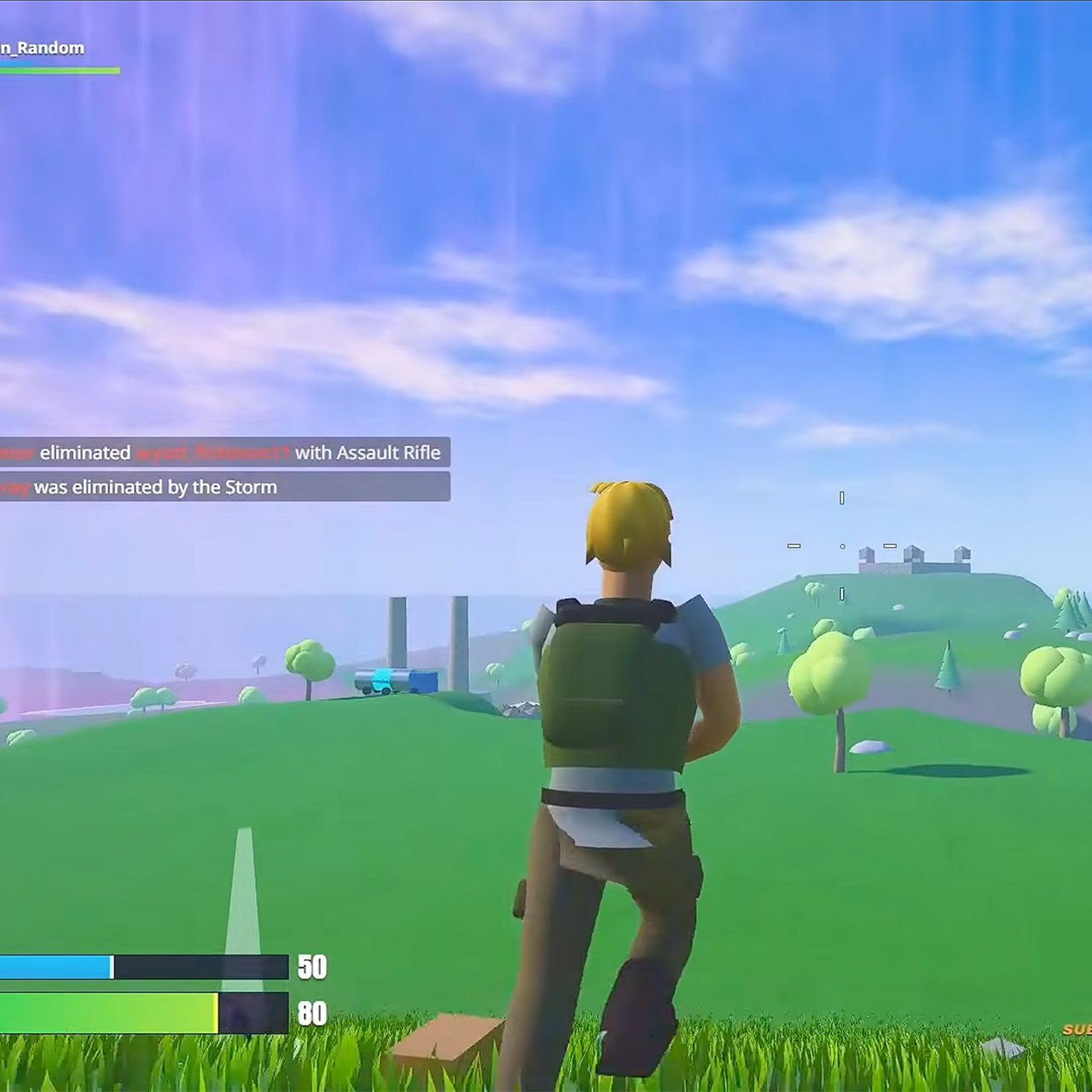
Minimunch opened Claude Opus 5.5 with a blunt claim and a harder job: make playable games from scratch, starting with Fortnite Battle Royale. About three and a half hours later, a browser build was running on very high settings, complete with a battle bus drop, loot boxes, building, a storm that actually kills people, and two wins in two matches. Character drawings and map pieces still look unfinished if you stare at them. Color and light do the rescue work. Gradation across the island is dense enough that the whole scene reads richer than the models deserve, which is exactly the gap you flagged.


Creative mode appeared first, and it made more sense. He discovered that 90-degree builds worked exactly as we anticipated, and that bouncing about had no effect on stamina, but a clean free build of the map still took a few tries to get a feel for. Some map pieces were still missing portions or weren’t finished yet, but Battle Royale stepped in and filled in all the gaps, and I’m sure he wasn’t surprised when he cracked open the first box and out came a golden object, and to top it off, his Scar turned gold as well.


LEGO Fortnite Battle Bus Building Toy – Collectible Fortnite Toy for Kids, Boys & Girls, Ages…
- FORTNITE BUILDING TOY – This video game toy for boys and girls ages 10 years old and up lets kids set out on adventures with the LEGO Fortnite…
- FORTNITE BATTLE BUS COLLECTIBLE – Fortnite fans will be thrilled to create a brick-built version of the Battle Bus, a feature in the LEGO Fortnite…
- AMAZING DETAILS – This Fortnite toy features accessories that include Slurp Juice, a Grappler, Pickaxes and Slap Juice
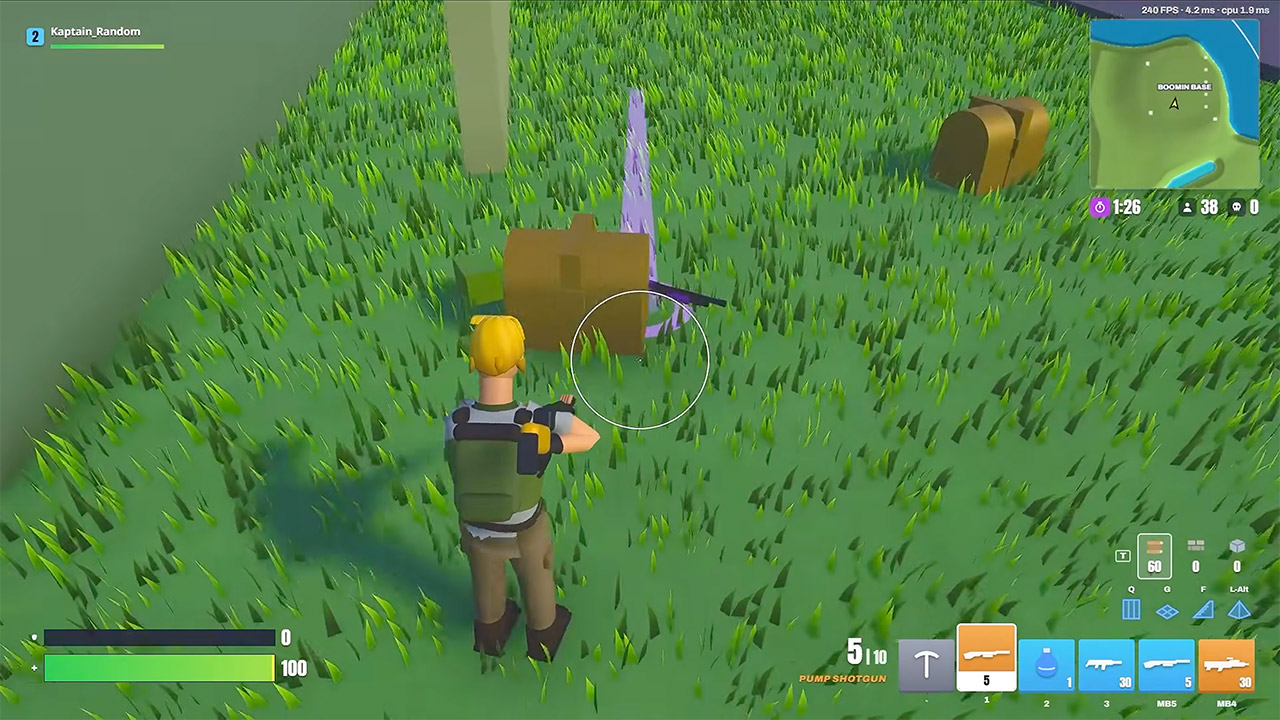
What really drew his attention was one player who was stuck in a room for the entire match since we only recently discovered that the crash boxes made the issue evident, and then there was the whole sniper shot situation, which required real bullet drops to be even halfway realistic. To be honest, a cone refused to close a box properly, therefore he was stuck there for a while. It didn’t help that storm deaths were still recorded in Competitive mode. Changing the competitive bots and team size from solo to 4 on 4 increased the tempo of play while maintaining the loop of play, and he won two matches. The lighting helped the clip stand out from anything else in the game.

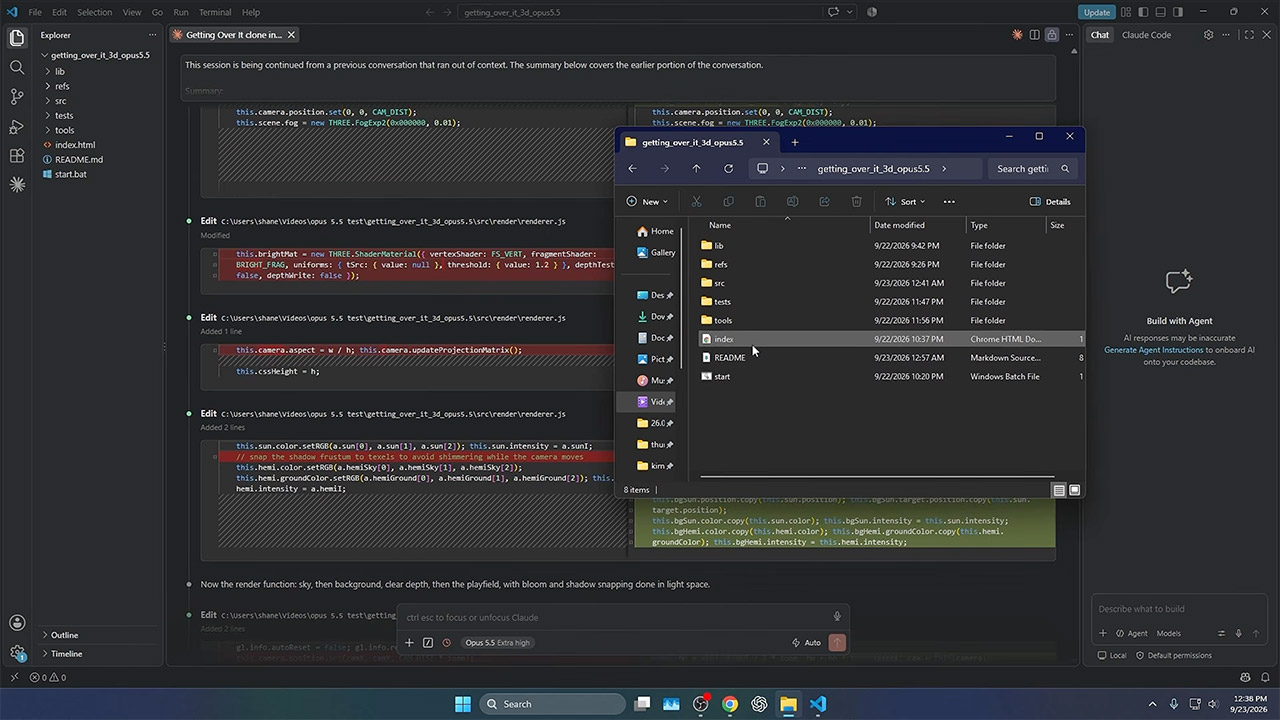
Getting Over It came next in two and a half hours, written in Three.js so every prop and collision existed as code. The hammer mechanics felt strange in a way that lined up with the original, which was both a tremendous praise and a bit of an issue at the same time. Help mode simply waited there for him, waiting for the areas of the game that often signal the end of a first run, such as the snake and bucket sections. You can cling to the side, pull yourself up, miss, and then start again.
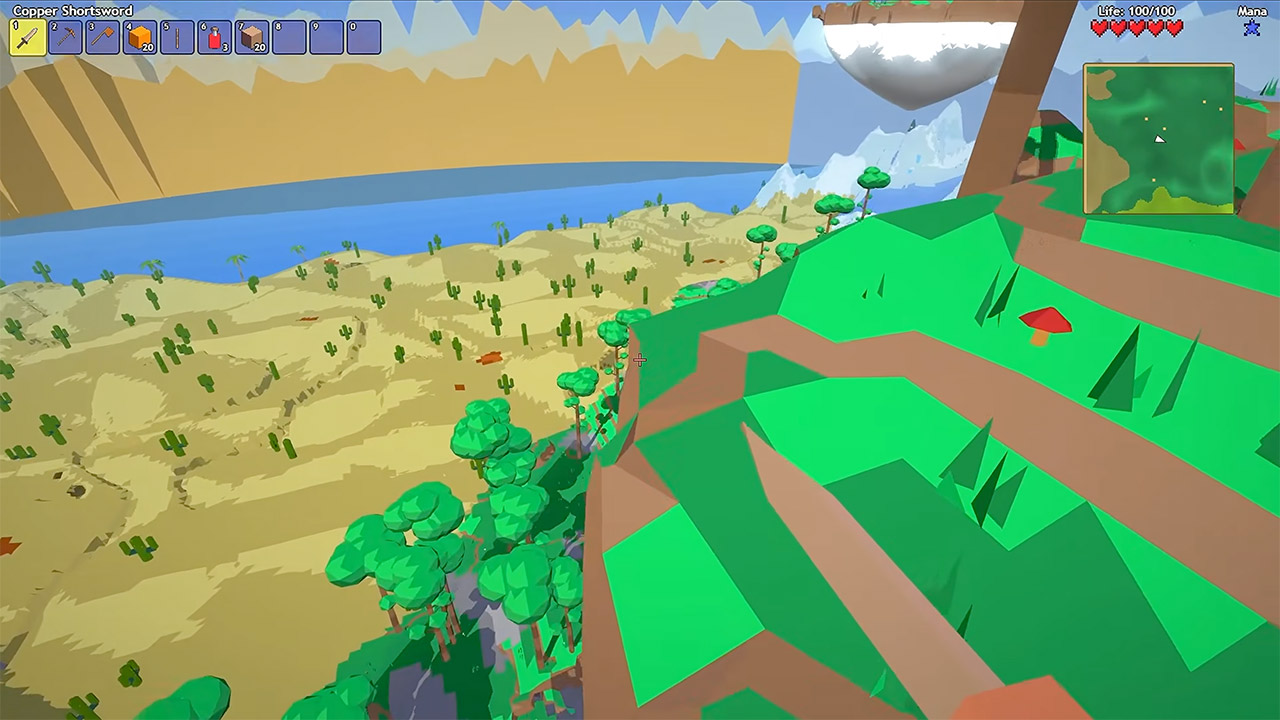
Terraria in 3D was the next hurdle, and it took approximately 3 hours to get started, although he had to make some significant changes. At first, the textures were bland and uninspiring. The spawn location also placed the player on a floating island, which provided for an unusual beginning. After a few passes of modifications, the planet began to take shape in a very low-poly 3D take that nevertheless read as Terraria rather than some other blocky sandbox. The nite lighting helped to make up for the early roughness somewhat. A short brass blade transformed into a workbench construct with a unique swing.
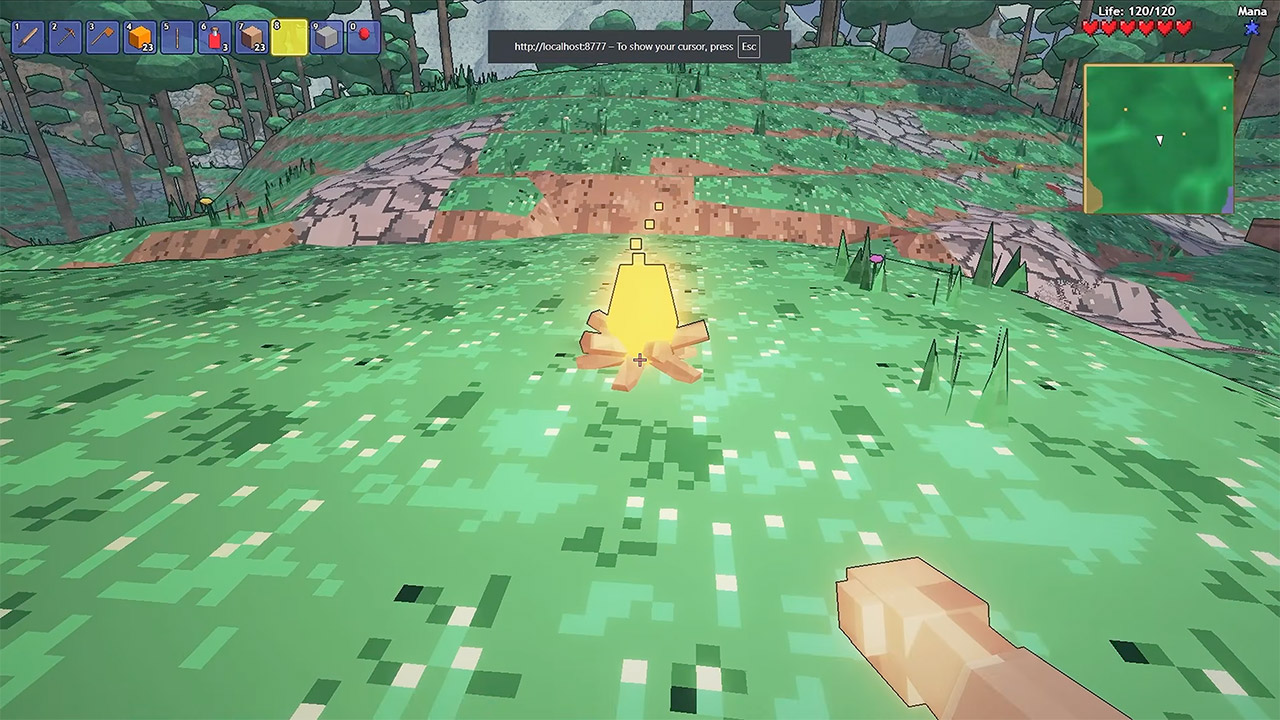
He added in some fun stuff such as campfires, ovens, life crystals, and even angel wings, which provided a lot of extra energy to each jump. Then there were the dungeon skeletons, which pack a powerful blow. The Eater of Worlds even broke into segments after summoning, and to make matters even more fascinating, Plantera and the Wall of Flesh appeared in the same session. He received some feedback from viewers who said that the build could easily be developed into a completely new game with a little more polish.
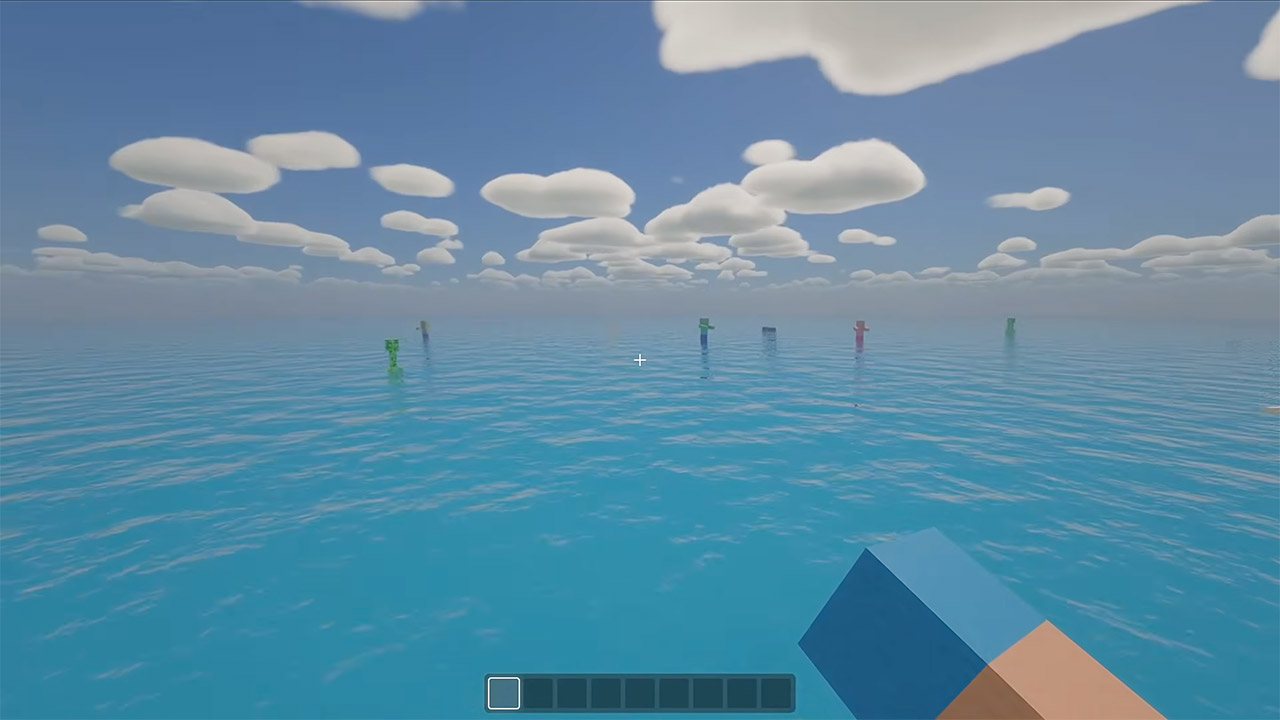
Minecraft closed the run after another three and a half hours, still in the browser, and this is where the lighting argument peaks. When rain falls on water in Minecraft, what happens? The weather just settles over the scene instead of floating above it, like it should. However, surfaces pick up a good bounce and gain a ‘wet’ look that’s remarkably close to an RTX pass, with Minimunch even saying it looked like Unreal at the time. The way caves, water flow, and time of day combine to enhance a landscape more than individual block textures ever could. It’s similar to what we saw with Fortnite in that you don’t need expensive models to make them stand out; all you need is light hitting them just right to have the frame truly hold.
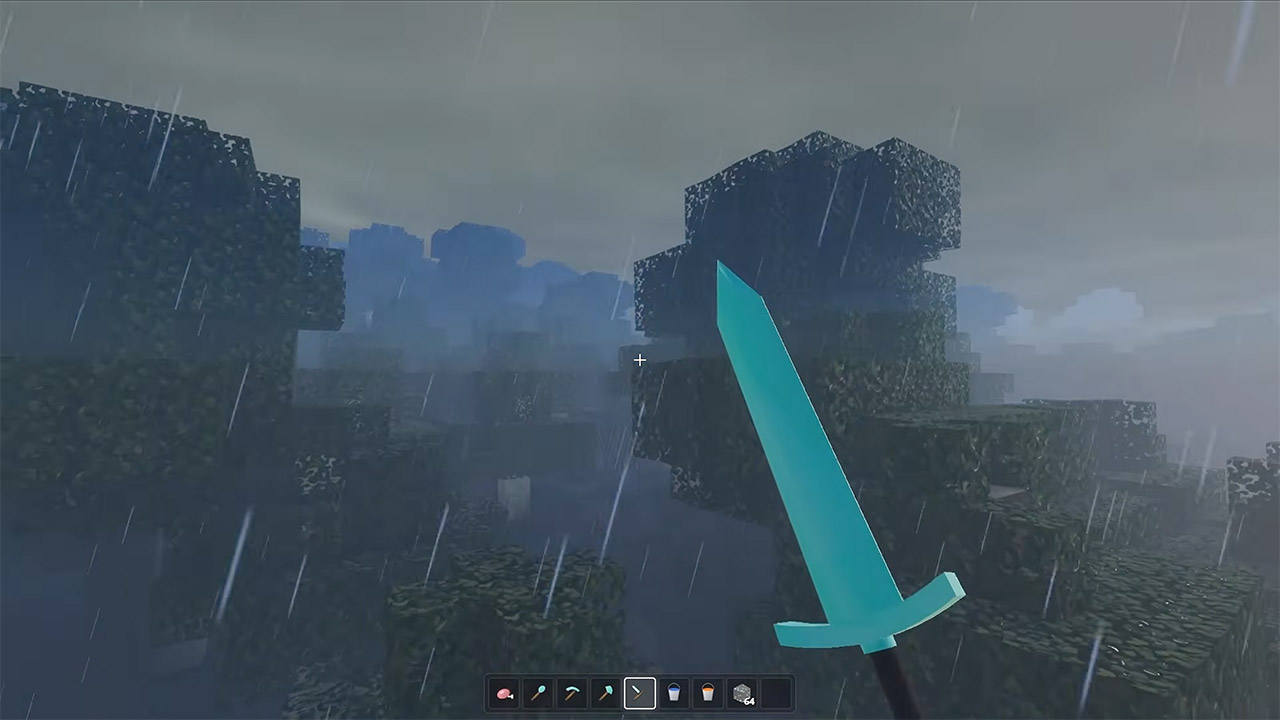
Across four games the clock stayed in a tight band, roughly two and a half to three and a half hours each, with no separate art pipeline named in the video. Fortnite proved the systems. Getting Over It proved the physics. Terraria proved a 3D conversion nobody else on that channel had shown. Minecraft proved the lighting can make a browser scene feel heavier than the assets. Opus 5.5 still leaves characters and props looking like they need another pass. Light, color, weather, and collision already play like someone spent a week on the mood instead of an afternoon on the mesh.
You must be logged in to post a comment Login