Tech
Colin Furze Gives Skateboarding a Magnetic Lift

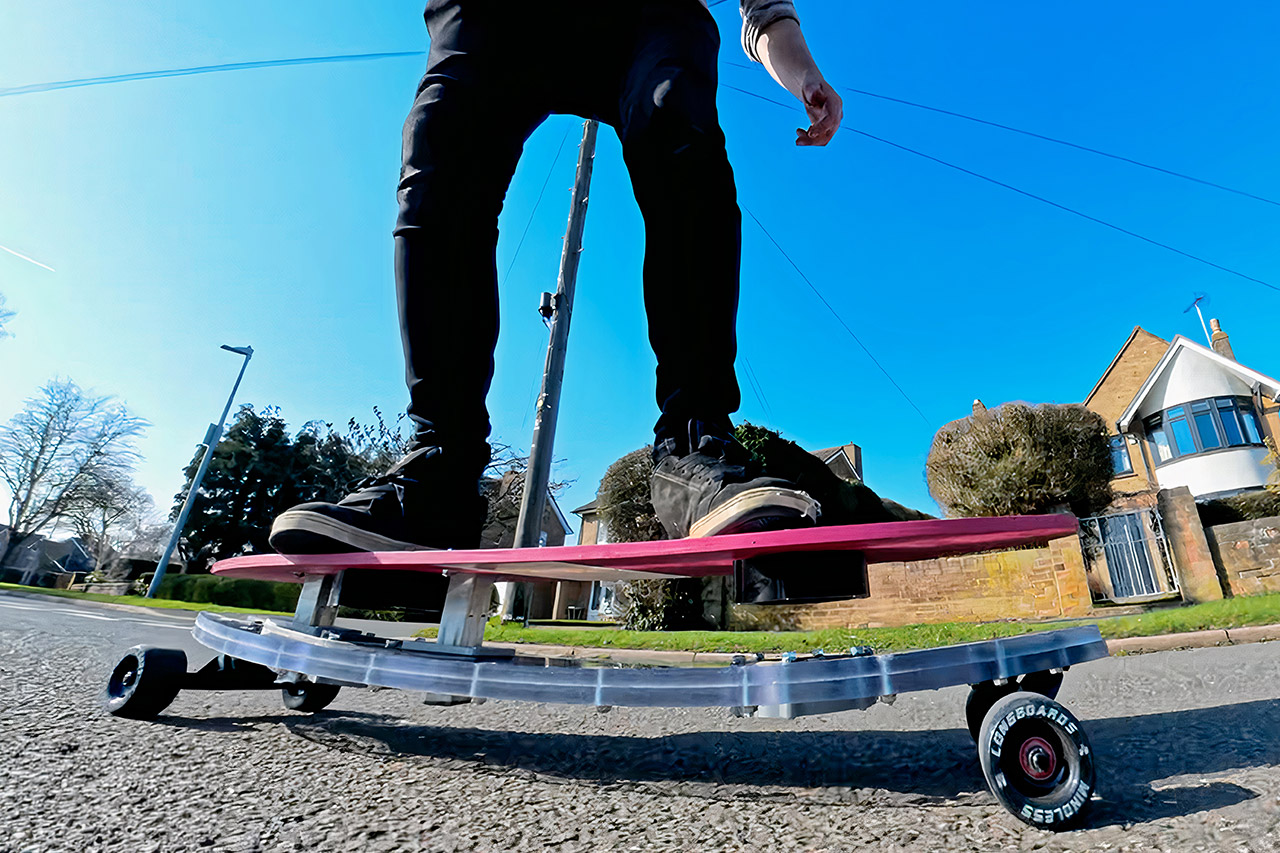
Colin Furze, a self-taught engineer, has a flair for coming up with new ways to use magnets. One comment from a viewer spurred an idea, and he set to work transforming a regular skateboard into something that appears to be just hovering above the ground. He’d already built a bike with magnetic suspension, but he wanted to apply the concept to four wheels, giving the ride a gentle, floating feel without needing standard springs or shocks.


Furze began the project with a standard skateboard, removing the trucks and creating a custom base plate out of aluminum using his trusty plasma cutter. He then used a 3D printer to create customized holders for the magnets at the bottom end. Large disc magnets, roughly 100mm across and 30mm deep, were placed in pairs to push against each other.
Sale


Maxshot Electric Scooter, 8.5″ /10″ /14″ Tire, 16/19/22 Mph Top Speed, 12/16/21/27/28/49/50 Miles Long…
- 【Dual Suspension and Solid Tire】The 10”honeycomb tires, along with the shock absorbing system, make this electric scooter adults for a smooth…
- 【LED Display & Smart Control &Lockable】You can check your speed, modes and battery level on the LED digital display. check and control the…
- 【Powerful Motor & Long Range】The electric scooter for adults with a 500W brushless hub motor allows for speed up to 22mph. High-capacity…
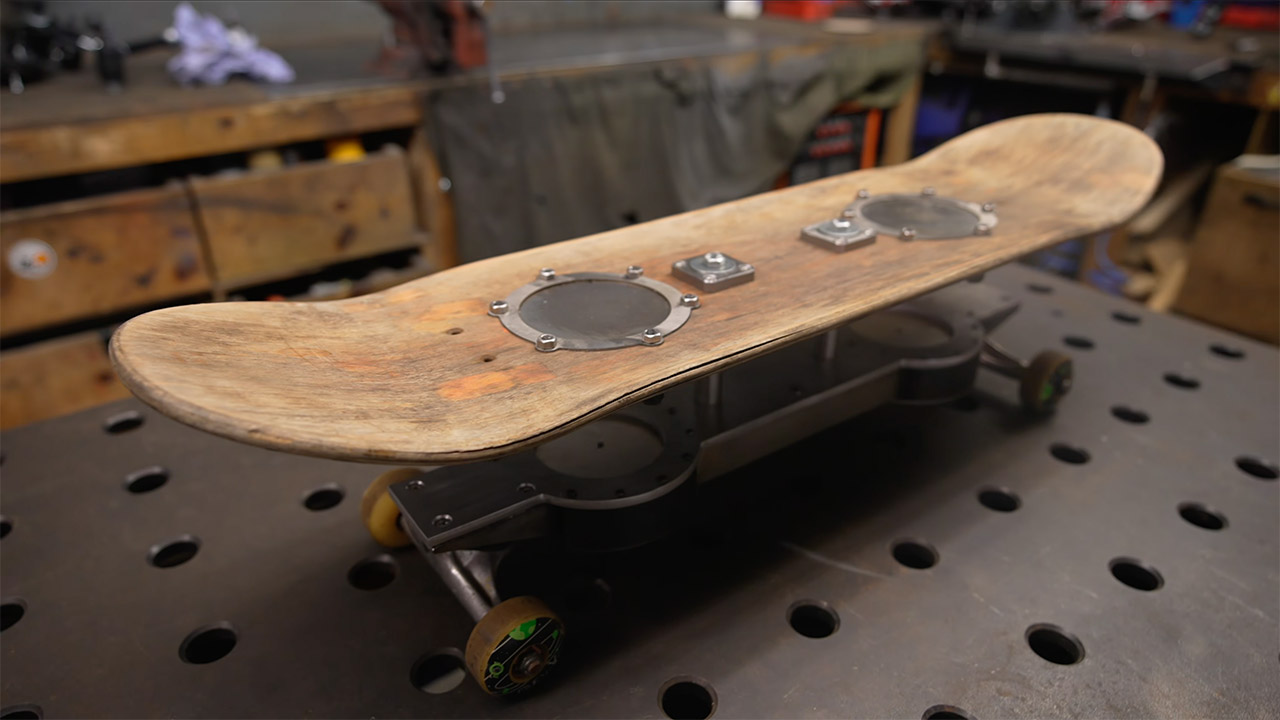
The upper deck received identical holders, and when the two were combined, the repelling forces lifted the riders platform away from the foundation. The problem was getting everything to stay in one piece while still allowing steering. Furze tried several ways. At first, he just used pins to connect the two halves of the board, but this was not very smooth. Then he tried utilizing square guide tubes with bearings inside to reduce friction. Even attempted attaching a hinge on one end and running tensioned cables between the layers.

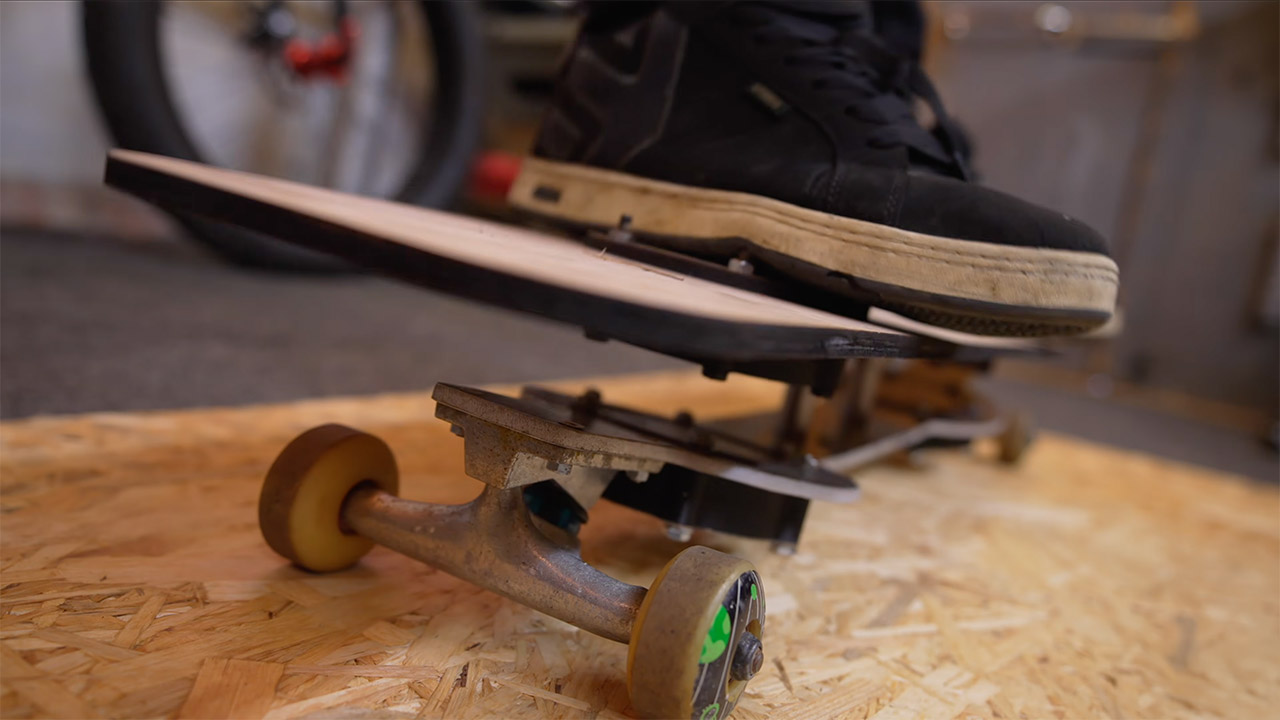
It took a lot of trial and error; the boards first flexed under weight, so he had to double the base material. He also had to tweak the guides to get them to work properly, as turning requires precise alignment. After a couple complete rebuilds, he was able to resolve the issue, as the connections allowed the top to bounce vertically while passing the twist forces through to appropriately guide the trucks.
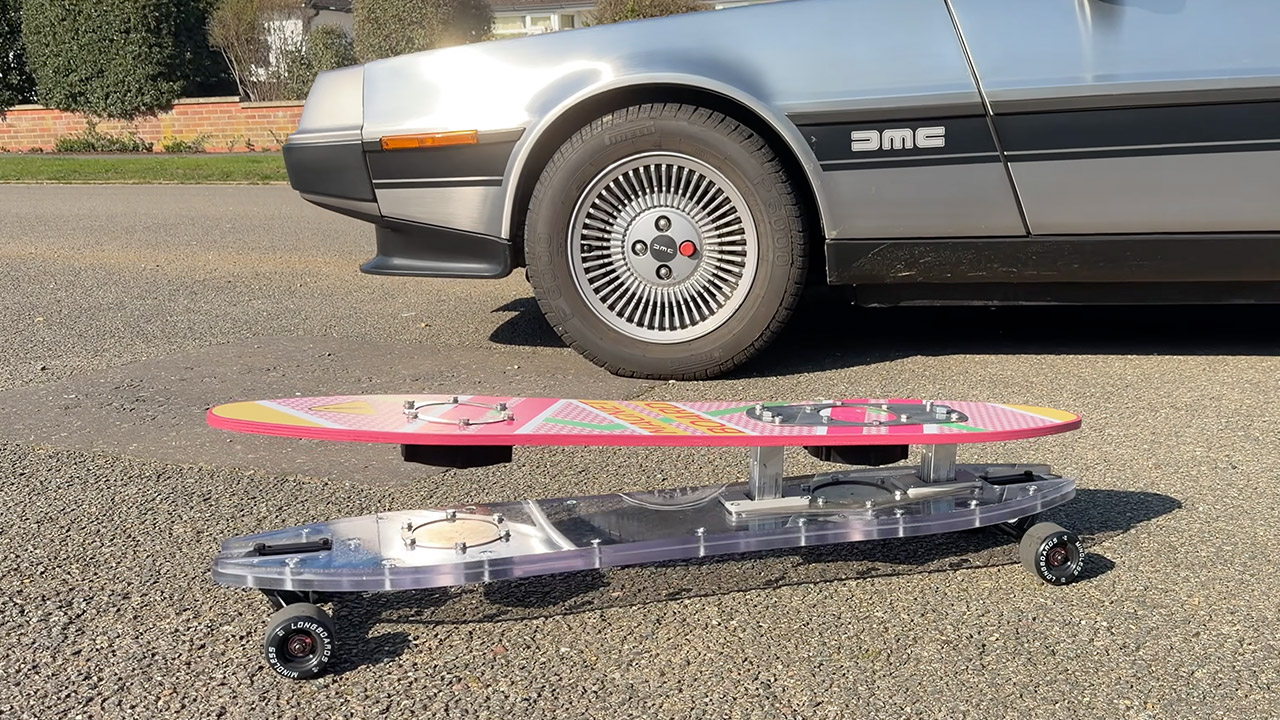
Riding it seems very different, as if you’re gliding around on an invisible cushion. Road bumps rarely reach your feet. Furze went so far as to glue a glass of water to both the magnetic and conventional boards before rolling them over some rough concrete. The magnetic version kept the water quiet, but the standard board sloshed all over the place.
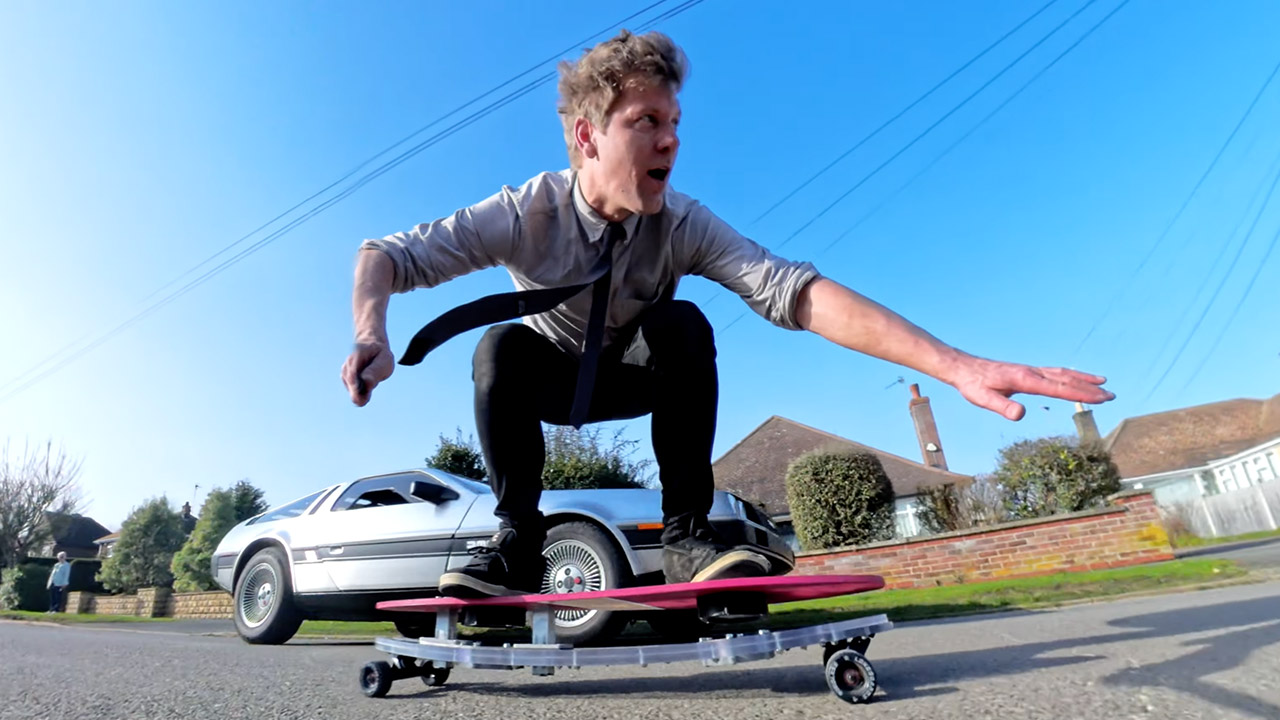
Steering still works by shifting your body around, so it’s not too different from a typical ride on flat ground. The one drawback is that the entire contraption feels lighter than it is, which makes climbing hills difficult, and stopping requires some preparation because there are no brakes.