Tech
Custom-Built Marble Clock Uses Black and White Marbles to Rebuild the Time Every Single Second

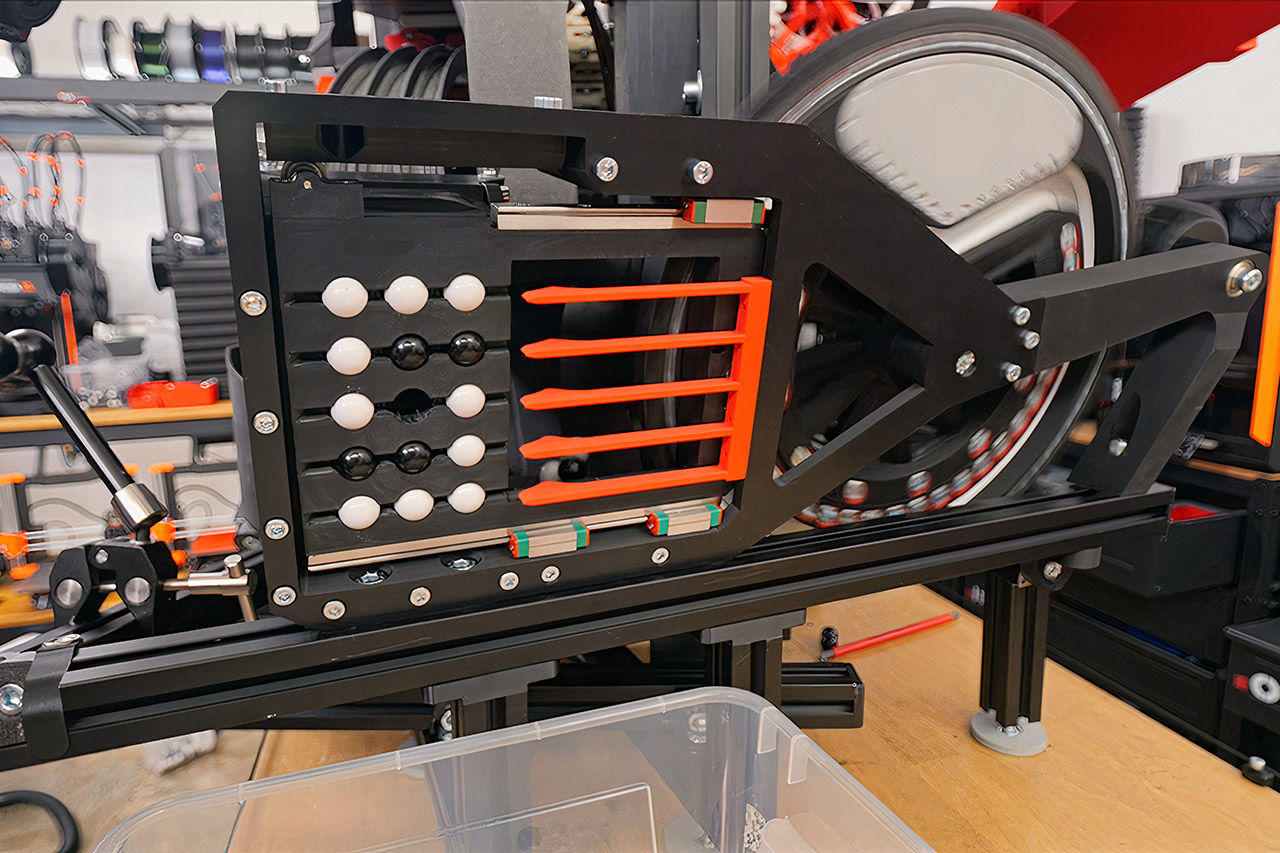
Ivan Miranda has turned a long-running experiment with rolling balls into a clock that actually keeps pace with passing seconds. The latest version of his marble timepiece refreshes its display fast enough to show hours, minutes, and seconds without any visible lag between changes. Each digit takes shape inside a compact 3-by-5 grid. Fifteen marbles settle into the exact spots needed to outline a number. White marbles stand where a digit needs its bright segments, while black marbles fill the remaining positions to create clear contrast. The result looks like a physical version of familiar numeric shapes, built from actual objects rather than light or ink.

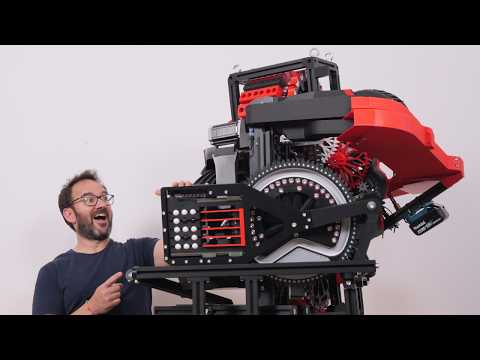
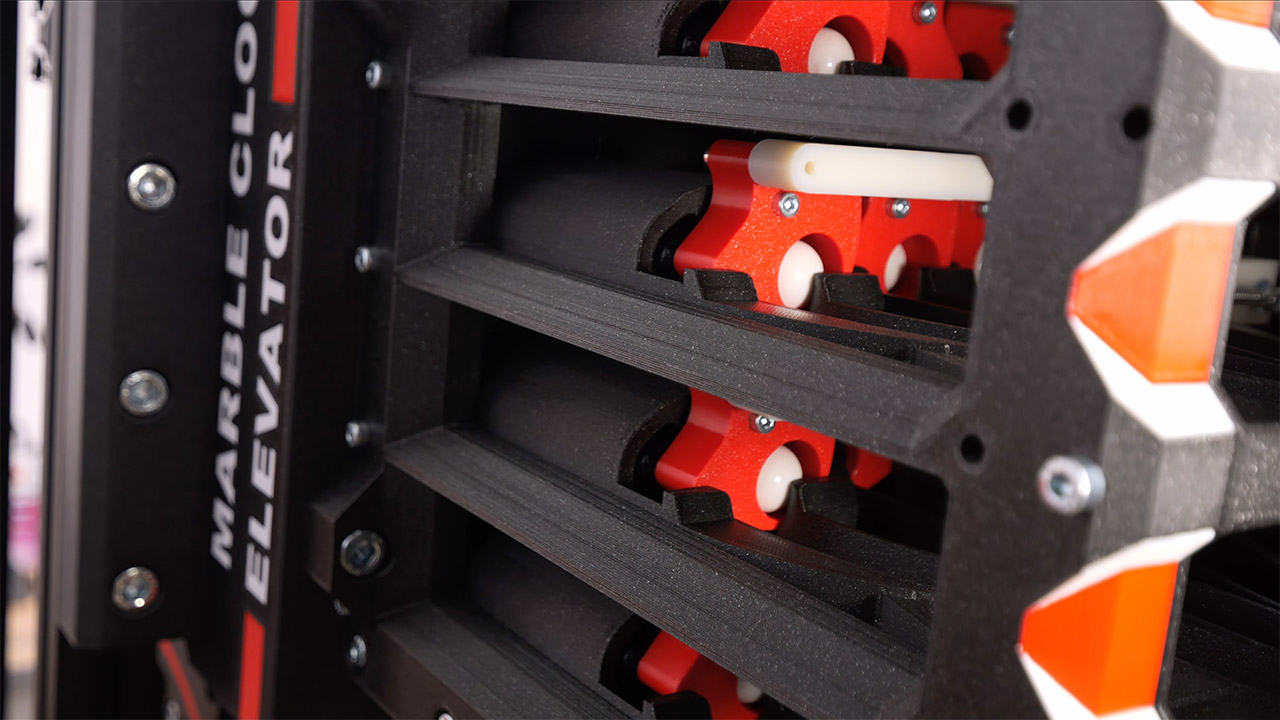
Hundreds of marbles, a stunning collection, live at the bottom of the machine, waiting to be sorted, and to be honest, they are getting a good exercise there. So, an elevator moves rows of marbles up in batches at a time, and infrared sensors examine each marble’s colour as it rises. Colors that do not match are softly shoved to one side by little actuators, and the entire cycle is repeated. They merely keep going until they have the perfect marble mix, at which point the mix required for the next exhibit is tossed down the tight tracks. Gravity takes over, transporting the picked marbles to their proper spots in the grids.
For years, the machine simply chugged away, updating once per minute. It was just the right pace to allow the marbles to organize themselves, travel to their destination, and settle in. However, adding only a few seconds to the mix nearly threw everything off course. Marbles were jamming up against the walls or each other, black and white marbles would take slightly different routes, causing them to be out of sync with one another, the plastic parts would flex and bend under the loads, and the drive system was nearing failure due to the large spikes in power demand.

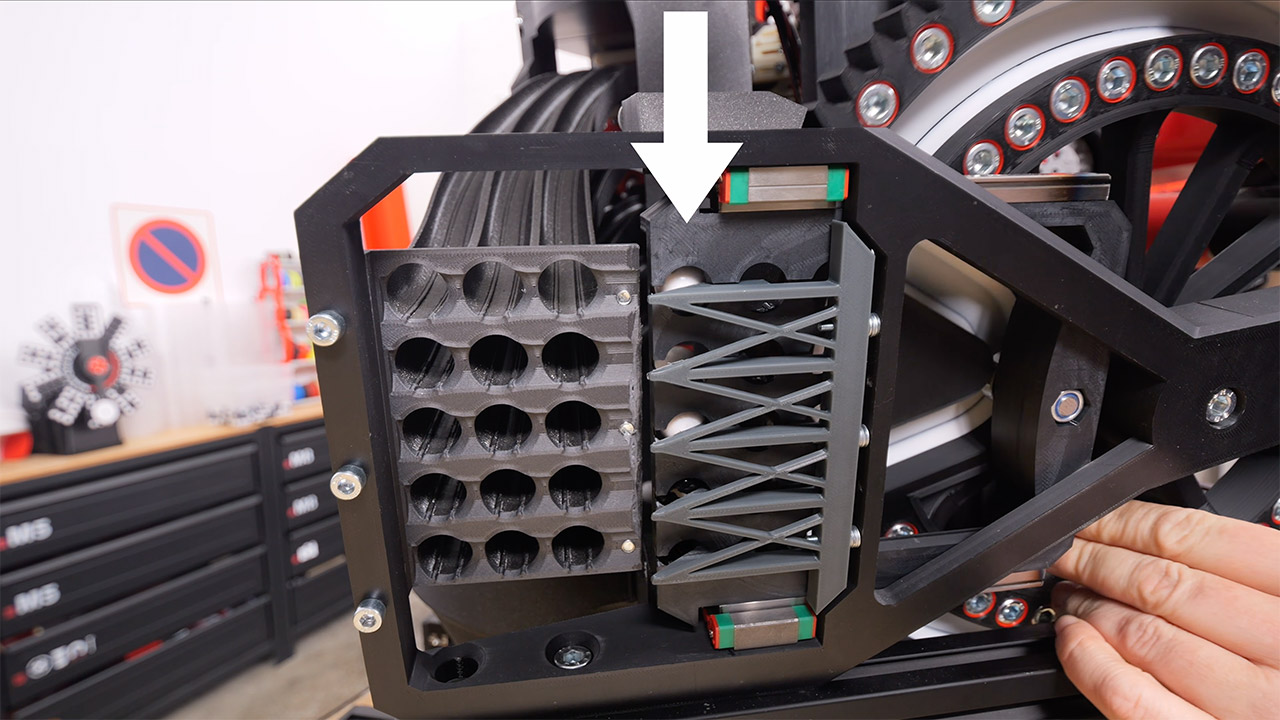
Miranda needed to think of a new way to do things, so he developed a series of modifications that all worked together. He expanded the main housing so that marbles could move around without becoming too crowded. Then he built a safety net, which is a type of buffer zone that collects all marbles for a digit in one location before the last move. Release is now accomplished using gates carved from robust aluminum and equipped with a thin metal plate that serves as both a hinge and a spring. The flywheel, which weighs just shy of two kilograms, simply spins silently away on the drive shaft, keeping the motion flowing smoothly even as the mechanism begins to pull strongly. They took sure to include a great smooth-riding joint in the axle so that power is properly distributed even though the layout results in an unusual angle.
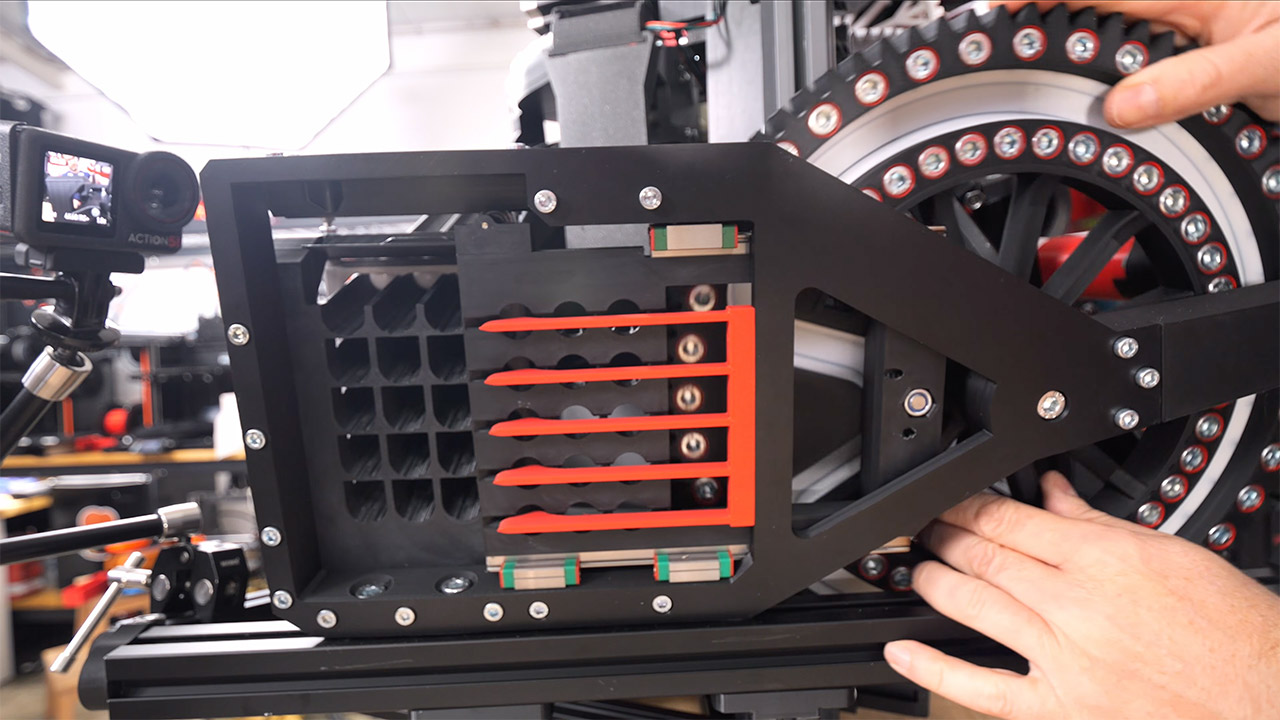
All of these modifications resulted in the 15 marbles for each digit dropping into their final positions in around 150 milliseconds. Which is just fast enough for the display to change once per second while still producing clean, crisp numerals. The time is handled by an Arduino controller, which is connected to a constant clock source and is in charge of communicating with the sensors and actuators. The motors and gears handle all of the heavy lifting, with the flywheel smoothing out any peaks and troughs that would otherwise cause the entire system to stall.
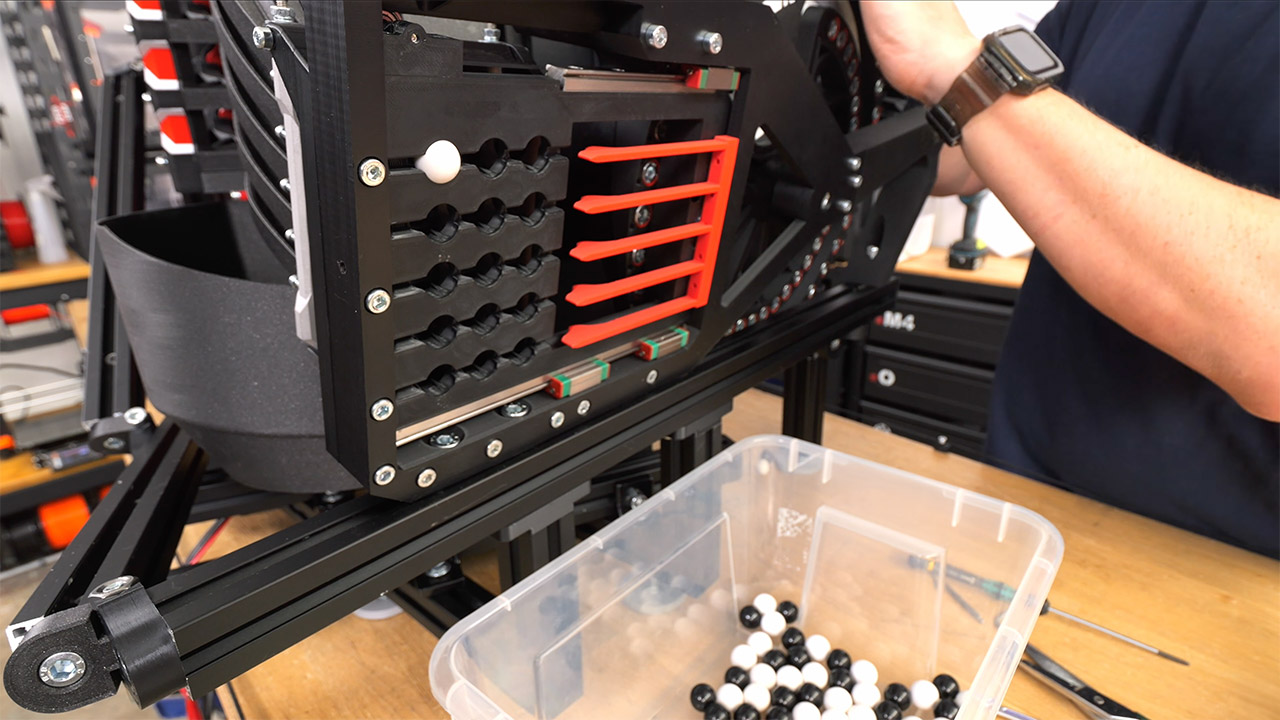
Recycling is still the slowest part, as the marbles tumble back down to the collection area after each cycle and must be hoisted again for the next cycle. The existing elevator just cannot match the one-second pace for lengthy run times, therefore the equipment continues to hesitate or slow down during long tests. Even with such limitation, the core display is able to process updates at a rate comparable to real-life seconds.
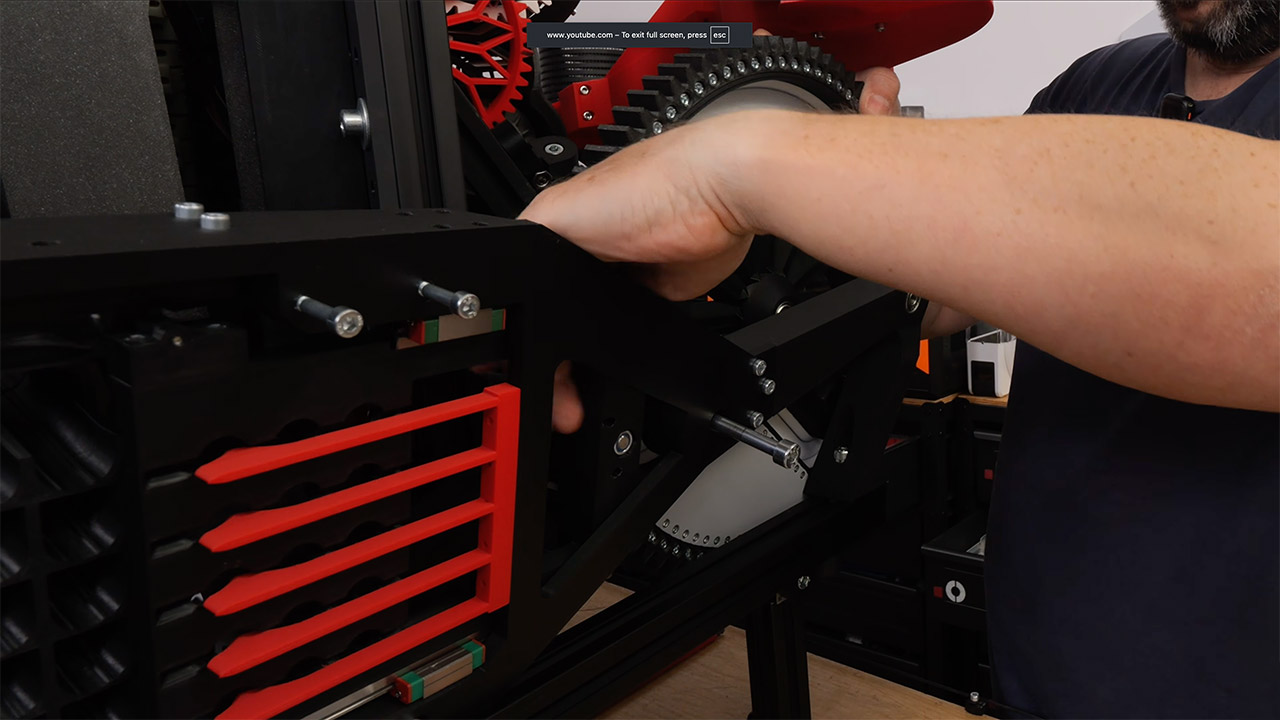
The entire design is a bit of a hybrid, as he used 3D printed tracks and frames where they made sense, and only a few proper machined metal parts where they were truly needed. Miranda has also been documenting every step of the route on camera, highlighting the worst of the clogs that slowed progress and the best of the solutions that restarted the flow. What began as a ridiculous idea about moving actual pixels has evolved into a workable proof of concept for how gravity, sensors, and properly formed pieces can accomplish tasks such as spitting out correct seconds without the traditional bits, hands, or glowing bits.
[Source]
You must be logged in to post a comment Login