Tech
Custom-Built Typewriter Rolls Digital Paper Straight Out of Its Frame

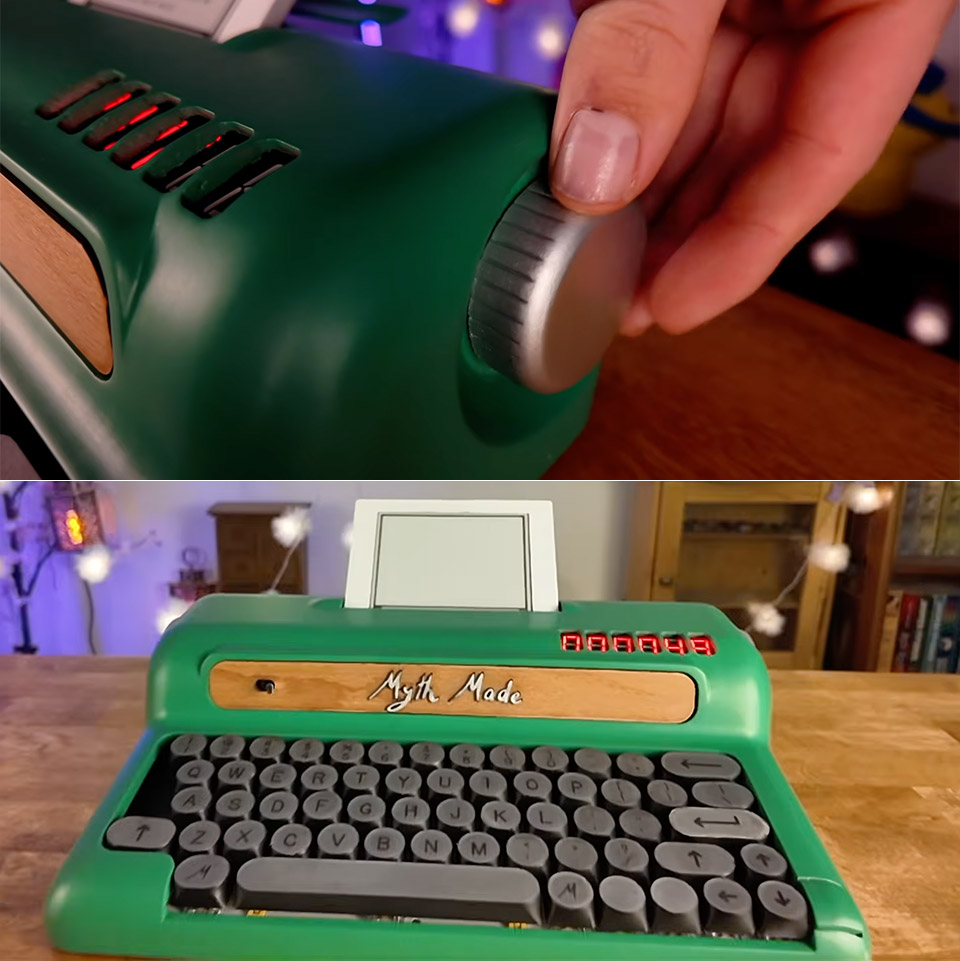
Jamie wanted a machine that would make her write. Not a laptop full of open tabs and alerts. Not a phone that vibrates every few minutes. She wanted something that felt like it belonged on a desk from another decade, yet still saved every word without paper or ink ribbons. So she spent weeks designing and building one herself. The result sits somewhere between a classic typewriter and a modern writing deck, finished in green paint with rounded keys and a screen that rises on command.


She began with a keyboard, which was a small mechanical board sporting a built-in circuit and switches. The original square keycaps were removed and replaced with ones she produced herself; however, these ones had a rounded top and looked more like the keys on an old typewriter. Labeling them was simple; simply color the tops with some paint markers, then run them through a laser engraver while the paint is still wet, and the laser will burn the ink into the plastic, ensuring it lasts. Any extra paint easily wipes away, leaving some lovely sharp letters.

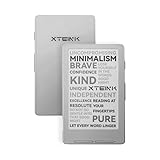
XTEINK X4 E-Book Reader (Developer Edition), 4.3″ Pocket E-Ink eReader, Physical Page-Turn Buttons…
- All overseas models purchased through official channels – both past sold and current for sale– have not and do not restrict users from installing…
- Pocket-Size Mini eReader for Reading Anywhere: Ultra-light at just 0.23 inch and only 2.72 oz, Xteink X4 is designed for true portability. Slip it…
- 4.3″ Paper-Like E-Ink Display: The 4.3-inch E-Ink screen delivers a natural paper-like reading experience that’s gentle on the eyes. Enjoy clear…
The body of the machine took a little longer to complete, as Jamie created a true full typewriter shell in CAD and began working on the shape and dimensions until it felt just perfect. Then she printed it in sections. Once they were out of the printer, she connected them all together with ABS and acetone, a unique compound that chemically welds the plastic together. Then she slathered on a second coat of the mix to fill in the lines left by the printer, followed by some sanding, priming, and one coat of green paint, and it began to resemble a true typewriter rather than a kitbash of printed pieces.
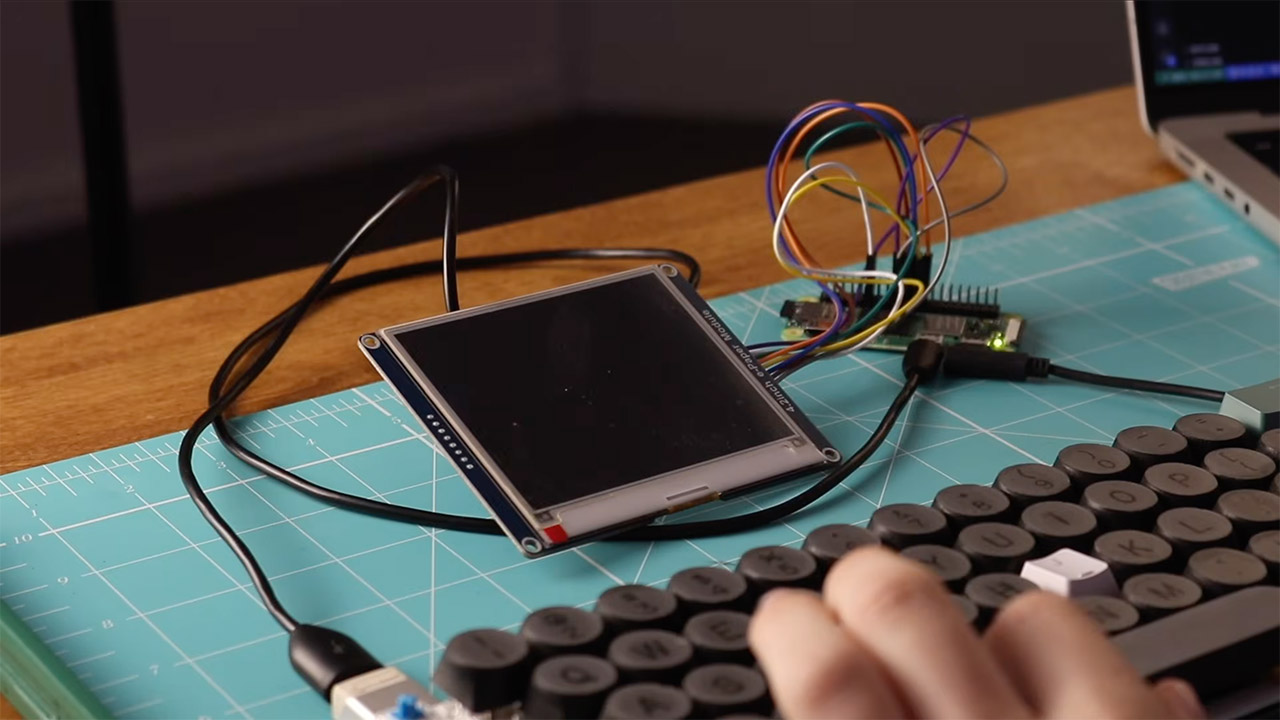
The Raspberry Pi Zero 2 W is powered by a rechargeable lithium battery, while the display is an e-paper screen from Waveshare, which is quite sleek to. say the least. The software is simply a customized version of the open Zerowriter project, which is used by the majority of other distraction-free writing machines. Jamie poked at the code to get the cursor moving with the arrow keys and copy and paste working, which just transforms it from a pure draftsman’s tool to something you can use for actual writing on the fly.

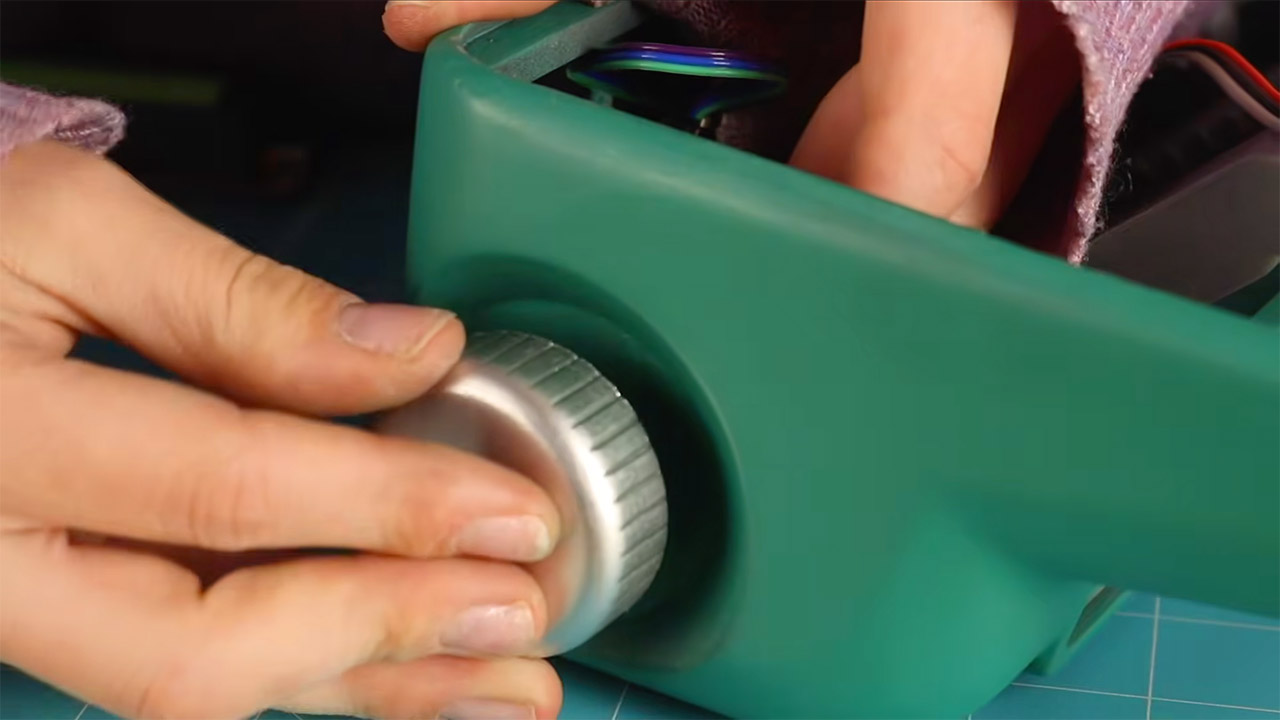
The two mechanical bits give this machine its typewriter feel. One side has a handwheel that can be turned to raise and lower the e-ink screen, similar to how a sheet of paper would pop up from a real typewriter. It’s quite pleasant to use. On the other side, there is a rotary encoder wheel, which you may use to open the menu and scroll through your content. Right next to that is a small seven-segment display that shows how many words you’ve written thus far. When you press a key, the word count refreshes.
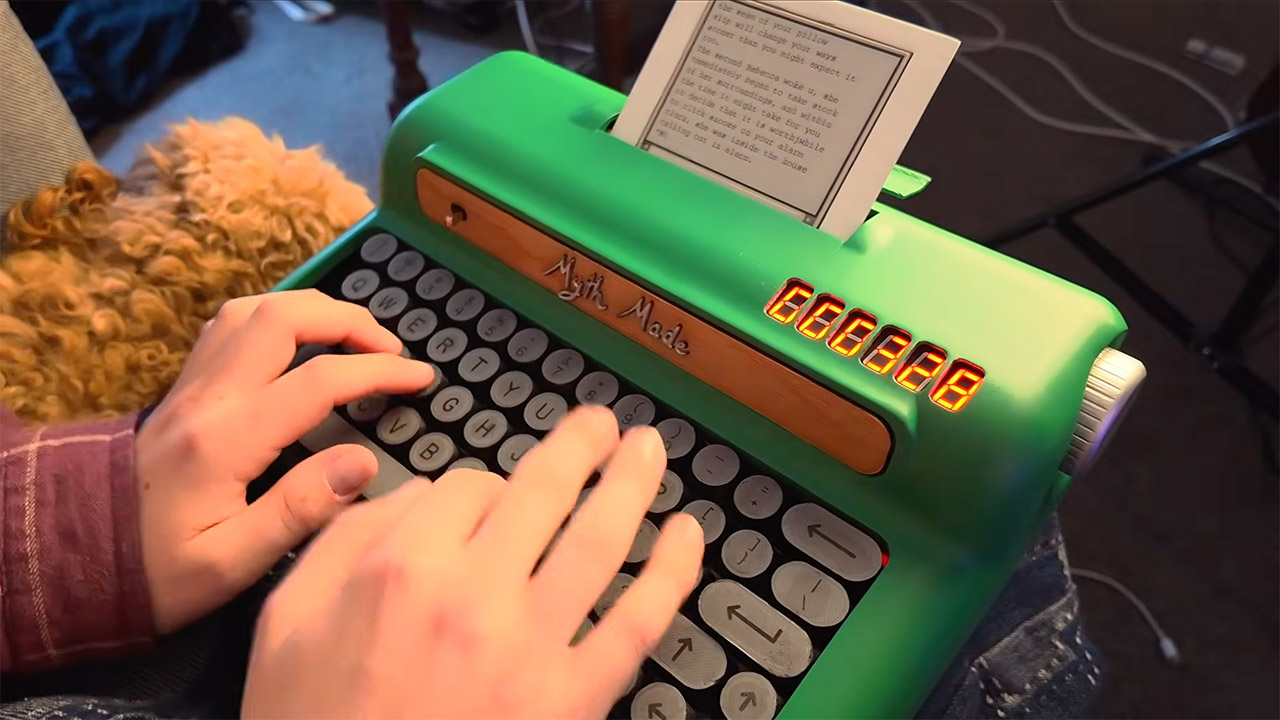
The machine does exactly what she intended to build. It sits on a desk, accepts keystrokes, displays clear text on a paper-like surface, maintains a running word count, and asks for almost nothing else. For those who prefer the ritual of a typewriter without the ribbons, carbon paper, or permanent commitment of ink on a page, the green writing deck provides that experience while still saving every document.
[Source]
You must be logged in to post a comment Login