Devialet does nothing by accident, and the Phantom Ultimate 108 dB wireless speaker under review here is a very deliberate statement. This is the same company that gave us the Mania, the Astra and Astra Opéra de Paris integrated amplifiers, and the Dione soundbar—products where engineering, design, and attitude are inseparable. Subtlety has never been part of the brief, and Devialet isn’t pretending otherwise.
The real question is whether the Phantom Ultimate 108 dB is all presentation and bravado; a galette with no fève inside—or whether, once you strip away the gloss and the French pretense, it’s one of the most genuinely satisfying wireless speaker experiences you can buy today.
The new Phantom Ultimate lineup doubles down on what Devialet does best: extreme performance wrapped in industrial art, powered by next-generation ADH amplification that treats subtlety like an unfashionable Louis Vuitton tote from two seasons ago. Offered in the flagship 108 dB model at $3,800 (each) and the more compact 98 dB version at $1,900, these speakers are loud, ambitious, and technically obsessive by design. the full-size 108 dB flagship and the more compact 98 dB, both clearly designed to be seen as much as heard.
Finish options include Deep Forest, a dark green paired with black chrome accents, and Light Pearl, an ultra-matte off-white that leans modern rather than flashy. Devialet supplied a pair in the Deep Forest finish, and my overall impression is that they integrate easily into a wide range of rooms.
Advertisement
The darker green and black chrome accents work with both traditional and modern furniture, and they don’t clash with common flooring or carpeting choices, which makes placement less of a design headache than you might expect from something this distinctive.
Devialet Phantom Ultimate: Fifteen Years of French Obsession, Precision Engineering, and a Taste for Gold
Devialet has been headquartered in Paris since 2007, and in that time they’ve made it very clear they are not interested in blending in or asking permission. The Phantom Ultimate is the result of more than fifteen years of focused engineering, design iteration, and a very French refusal to accept “good enough.” With hundreds of patents across acoustics, electronics, signal processing, and manufacturing, Devialet isn’t chasing novelty—they’re refining a very specific idea of what modern high end audio should look and sound like.
Every curve, finish, and yes, the gold detailing, is intentional. Call it excess if you want, but this is what happens when engineers land in Paris, drink the espresso, ignore the noise, and build exactly what they want—whether the rest of the world is ready or not.
At the core of the Phantom Ultimate collection are several proprietary technologies that shape how Devialet designs and controls its wireless speakers. The focus here is precision and system management rather than novelty, with each technology serving a clearly defined role.
Advertisement
At the foundation of the Phantom Ultimate 108 dB is ADH New Gen (Analog Digital Hybrid) amplification, which pairs a Class A analog stage with Class D amplification for efficiency and control. In this latest iteration, Devialet has refined the control algorithms to extend high-frequency response up to 35 kHz while keeping thermal behavior and power delivery stable at higher listening levels. The goal here isn’t just output, but consistency when the speaker is pushed.
SAM (Speaker Active Matching) operates continuously in the background, monitoring the drivers in real time and adjusting phase and amplitude as needed. This allows the system to maintain accuracy while ensuring the drivers stay within safe operating limits, particularly during complex or high-energy passages where distortion or stress would otherwise creep in.
Low-frequency performance is handled by HBI (Heart Bass Implosion), which uses opposing woofers in a sealed enclosure to achieve bass extension down to 14 Hz. Instead of relying on a large cabinet, this approach focuses on control and symmetry, allowing the Phantom Ultimate to produce deep bass from a relatively compact enclosure without sounding loose or overblown.
Advertisement. Scroll to continue reading.
For everyday use, AVL (Adaptive Volume Level) helps smooth out level changes by automatically adjusting output based on the content being played. This keeps dialogue, music, and dynamic material balanced without constant volume adjustments, particularly when switching between different sources.
Advertisement
All of this is managed by a new intelligent processor built around the NXP i.MX 8M Nano SoC, which handles signal processing more efficiently than previous generations. Its role is largely invisible, but critical, supporting the speaker’s real-time adjustments without adding unnecessary complexity to the user experience.
Together, these elements explain why the Phantom Ultimate behaves differently from many wireless speakers, emphasizing control and consistency over showmanship.
Devialet Phantom Ultimate 108 dB: French Overkill or a Serious Wireless Speaker?
Devialet positions the Phantom Ultimate 108 dB as its most advanced Phantom yet, and on paper it’s a serious piece of work: new driver architecture, updated processing, and a feature set built around modern streaming and connectivity. The design brief is clear; high output, wide bandwidth, and tight control without turning the speaker into a complicated science project for the owner. Devialet also points to four newly registered patents tied to the Ultimate platform, which is their way of saying this isn’t just a cosmetic refresh with a new paint code.
The core hardware is a three-way layout built around a new-generation aluminum dome tweeter, a new-generation aluminum midrange dome, and two new-generation ABS-dome woofers. The bass system is engineered for low-frequency extension and control, the midrange is meant to reduce resonance so voices and instruments stay clean, and the tweeter redesign focuses on durability and refinement up top.
In practical terms, that translates to a claimed frequency response of 14 Hz to 35 kHz within plus or minus 6 dB, which is a very wide window for a single-box wireless speaker, and a maximum output rated at 108 dB SPL at 1 meter. Total amplification is listed at 1,100 watts, and Devialet is using 32-bit/96 kHz processing as the platform for all of the internal DSP and system management.
Advertisement
Connectivity is current and straightforward. The Phantom Ultimate 108 dB supports Wi-Fi 6 and Bluetooth 5.3, and it runs on Devialet’s DOS 3 software platform. Streaming support includes AirPlay, Google Cast, Roon Ready, Spotify Connect (with lossless promised “coming soon”), TIDAL Connect, and UPnP.
The control center is the Devialet app, which adds practical listening presets like Music, Podcast, and Cinema modes, and handles updates so the system can evolve over time.
One important note from my time with the speakers: Qobuz Connect was not part of the deal during this review period. Based on how aggressively Devialet has been expanding protocol support, I wouldn’t be shocked if that changes, but I’m not treating it as a feature until it’s actually live.
Physically, the Devialet Phantom Ultimate 108 dB is deceptively compact-looking, but it’s not small once you measure it (or try to lift it like you’re still twenty five). The cabinet is 246 mm (9.7 in) wide, 342 mm (13.5 in) deep, and 255 mm (9.7 in) tall, and each speaker weighs 11.1 kg (24.5 lbs), and yes—this is the part where my doctor would have preferred I respected my post-surgery lifting limits. I didn’t. Moving them is a two-hands, pay-attention job, and once they’re in place you’ll understand why Devialet isn’t pretending these are “portable” in any meaningful sense.
The build quality, however, is excellent. The finish work is clean, the fit is tight, and the overall product looks like nothing else in the category—whether you find that thrilling or slightly ridiculous is between you and your interior designer.
Advertisement
Setup is refreshingly simple, because Devialet doesn’t give you a spaghetti bowl of inputs. You’ve got power, and you’ve got Ethernet to hardwire them for stability. That’s basically it. The top-mounted interface uses four touch controls, and day to day operation is mostly app-driven. If you’re the type who wants a wireless speaker that behaves like an appliance, this is closer to that than many “audiophile” lifestyle products that still manage to be fussy.
Advertisement. Scroll to continue reading.
So the Devialet Phantom Ultimate 108 dB is less about ticking spec-sheet boxes and more about how it behaves in real rooms. In the Deep Forest finish, it actually comes across as more restrained than you might expect—especially by Devialet standards. The dark green and black accents read as deliberate rather than flashy, and in lower light it can feel surprisingly understated for a product with this much output on tap.
Devialet Phantom Ultimate 108 dB is available in Light Pearl, Deep Forest, and Gold Leaf (Opéra de Paris).
It’s also worth stressing that these are sold as individual speakers, not pairs, and setup matters. Even running a single unit, I had no trouble filling multiple spaces: my living room at 20 x× 13 x 9 feet, a den at 16 x 13 x 9 feet, and even a former basement office here in New Jersey measuring 33 x 13 x 8 feet. In all three, the Phantom Ultimate delivered real scale—solid low-end weight, strong presence, and more volume than anyone would reasonably need. Your ears will give up long before the speaker does.
Advertisement
In larger, open-concept spaces, that sense of scale becomes even more obvious. Depending on the music and how hard you push it, the Phantom Ultimate can sound genuinely large and authoritative in a way most wireless speakers simply cannot manage. That ability to impose itself when asked—without falling apart or sounding strained—is still rare in this category, and it’s where the Phantom Ultimate 108 dB quietly separates itself from the pack.
Devialet Phantom Ultimate Accessories: Essentials, Options, and Real-World Proof
Devialet includes a two-year manufacturer warranty with all of its products, covering defects in materials, workmanship, and design. Coverage can be extended by an additional three years through Devialet Care for $120. The process is entirely digital; purchase the plan, receive an activation code by email, and you’re done. Clean, efficient, and very much on brand.
Devialet Phantom Ultimate Remote
For control, there’s the Phantom Ultimate Remote priced at $199. One remote can operate a single speaker or a stereo pair, and multiple remotes automatically synchronize if you’re using more than one. It’s responsive, intuitive, and a welcome alternative to reaching for the app every time you want to adjust volume or switch content.
Placement matters with the Phantom Ultimate, and Devialet treats it that way. The Treepod Stand at $349 is available in Iconic White, Deep Forest, and Light Pearl. It measures 424 × 345 × 370 mm (16.7 × 13.6 × 14.6 inches) and positions the speaker precisely 345 mm (13.6 inches) above ground level. That height is intentional, placing the speaker where Devialet believes it performs best, while the solid construction keeps everything stable.
The Tree Smart Stand, priced at $399, offers a more vertical, furniture-like presentation. Measuring 340 × 660 mm (13.4 × 26.0 inches), it’s also available in Iconic White, Deep Forest, and Light Pearl. Compared to the Treepod, it’s less about flexibility and more about committing to a specific visual and spatial statement in the room.
For wall mounting, the Gecko Wall Mount costs $299 and is designed to securely support the Phantom Ultimate 108 dB while maintaining proper acoustic orientation. It’s adjustable, relatively easy to install, and offered in Light Pearl, Deep Forest, and Opéra de Paris finishes so the speaker doesn’t look like an afterthought once it’s off the floor.
Advertisement
I’ve seen the Gecko used effectively outside of a home setting as well; specifically at George Bush Intercontinental Airport in Houston. After spending a few days at the first Focal Powered by Naim location in the land of the trash-can beaters, I ended up in a restaurant near the terminal where a trio of Phantoms were mounted above the bar. Even with constant foot traffic, terminal noise, and a packed room, the sound was easy to follow and never got lost in the chaos.
None of these accessories are strictly required, but together they reinforce a consistent theme: with Devialet, placement is part of the product. How the Phantom Ultimate is supported, positioned, and integrated into a space isn’t an afterthought—it’s baked into the entire overall experience.
Devialet Phantom Ultimate on Treepod Stands
Devialet Phantom Ultimate 108 dB Setup: What You Need to Know Before You Hit Play
Yes, the Devialet app is required to set up the Phantom Ultimate during first use. There’s no workaround here. Without completing the initial configuration in the app, the speaker won’t operate—not even over Bluetooth. Think of the app as the ignition key; once setup is complete, day-to-day use is simple, but you can’t skip that first step.
If you’re wondering about stereo pairing, the answer is equally straightforward: you can only pair two speakers of the same model. A Phantom Ultimate 108 dB must be paired with another 108 dB unit, and the same rule applies to the 98 dB version. You can’t mix Phantom I and Phantom Ultimate models in a stereo configuration.
Advertisement
Advertisement. Scroll to continue reading.
As for placement, Devialet’s recommendations are sensible and worth following, especially given how much output these speakers are capable of. Position the Phantom Ultimate between 45 and 90 cm (18 to 35 inches) off the ground to balance impact and clarity. Leave at least 30 cm (12 inches) between the rear of the speaker and the wall to allow low frequencies to develop properly, and keep the area in front of the speaker clear so sound isn’t obstructed.
Listening distance matters, too. Devialet suggests placing the speaker 1.5 to 2.5 meters (5 to 8.2 feet) from your seating position. In a stereo setup, space the speakers 1.5 to 2.5 meters apart and toe them in 25 to 30 degrees toward the listening position. Done right, this creates a stable, focused soundstage without forcing the speakers to work harder than they need to.
In my own setup, I took a more hardwired approach. I ran CAT6 directly from a new Verizon Fios fibre optic modem, which sits directly below the main floor. From there, I’ve terminated connections in seven rooms throughout the house, each either connected directly to the modem or through an ASUS Mesh WiFi 7 router. In every location I tested, the Phantom Ultimate speakers were seeing at least 700 Mbps of available bandwidth, regardless of where they were placed. Connectivity was never a limiting factor.
Advertisement
Placement experiments went beyond the official recommendations as well. In one configuration, I set the speakers on our dining room credenza using IsoAcoustics isolation platforms, which raised the center of the driver to approximately 45 inches off the floor. In other setups, the speakers were spaced 6 to 7 feet apart and positioned 2 to 3 feet from the rear wall.
Setup with the Devialet app was relatively easy and mostly uneventful, which is a good thing. The speaker was discovered quickly on the network, and the step-by-step process was clear enough that there was little guesswork involved. Since the app is required for initial setup and the speaker won’t function without it, it’s reassuring that the process doesn’t feel complicated or fragile.
The app version in use during my time with the Phantom Ultimate was 1.25.x, which added full support for the Ultimate platform. That update introduced additional audio settings for the Phantom Ultimate models, including three listening modes, a six-band equalizer, and other advanced controls, along with a revised layout and a smoother setup and stereo-pairing process.
Network discovery was consistent, and firmware updates completed without issues. The expanded Network Status section, which shows Wi-Fi strength and connection quality, was useful for confirming that everything was operating as expected.
Advertisement
Streaming support is handled through integrated protocols rather than forcing you into a closed ecosystem. Bluetooth, AirPlay 2, Spotify Connect, Roon Ready, and UPnP were all available, and switching between services was straightforward. Volume control is precise, whether adjusting a single speaker or managing playback across rooms.
I also tested multi-room playback with one speaker in each room. Synchronization was generally solid, with only a slight delay when starting playback across rooms—small enough that you’d likely miss it unless you were listening for it. Once playing, everything stayed aligned, and the app allows different volume levels in each room, which makes the feature genuinely usable rather than decorative.
Devialet Phantom Ultimate 108 dB Green Pair on Tree Stands
Listening Impressions: Attitude Française, Sans le Ridicule
The urge to see what kind of structural damage these could inflict was definitely there right out of the box, but I held back. From past experience with Devialet speakers, I already knew the low-end story—deep bass, serious impact, and plenty of definition were a given. My longer-term takeaway from earlier models, though, was that all that sub-bass and mid-bass muscle sometimes came at the expense of midrange presence. Call it a polite “V” if you want.
Before getting more critical, I let the speakers run for a few hours a day over several days, looping music from an older iPhone 14. Whether burn-in is real is always up for debate, but at the very least, no drivers were harmed in the process—and if there’s any downside to repeated sessions of Shostakovich followed by deadmau5, I haven’t found it yet.
Advertisement
The Phantom Ultimate feels different, and in a way that mattered to me. There’s still weight and authority down low, but it no longer feels like the midrange is being asked to take a step back. That shift shows up quickly with something like Nick Cave’s “Avalanche.” His voice is there, front and center, but it’s the piano and string textures that really benefit—notes have body, tone, and decay, which are essential to how that track works. On better speakers, those elements carry as much emotional weight as the vocal, and here they finally do.
Advertisement. Scroll to continue reading.
Domestic realities (it’s been a long two years) meant I didn’t push the Phantom Ultimate 108 dB to the kind of levels that would have felt a little irresponsible, but I did get it loud enough to understand what it’s capable of. Even without going full send, there was plenty of mid-bass and lower midrange energy, and that weight carried well beyond the main listening position.
Moving around the room, the soundstage did lose some specificity, but there was no hollowing out of the sound or collapse in scale. The overall presentation stayed intact, with weight and presence remaining consistent even when listening well off-axis.
Advertisement
That translated across all three rooms I used for testing, where the presence was obvious without needing to sit in a carefully defined sweet spot. At one point, I did catch myself wondering whether this was simply too much speaker for the space. That thought disappeared the moment I pulled the volume back to just above conversation level. Everything snapped into focus—timing felt right, dynamics were intact, and the speaker didn’t lose its grip. It’s a reminder that control matters more than brute force, even when a speaker clearly has plenty of it in reserve.
Switching over to Peter Gabriel—“Been Undone” (Dark-Side Mix), “In Your Eyes,”“i/o” (Bright Side Mix), “Games Without Frontiers,” and “Biko”—it became clear that the Phantom Ultimate is very much tuned for listeners who gravitate toward electronic music, synth-driven rock, and rhythm-forward material. The presentation is propulsive and clean, with a lot of detail on tap; some might call it borderline “hi-fi”—and it delivers real slam without smearing bass lines or slowing things down. There’s texture and speed here, and the speaker has no trouble keeping complex mixes organized at higher levels.
Vocals on some of these tracks leaned slightly toward a polished, studio-lit presentation rather than a softer, more natural one, but the trade-off is scale. The Phantom Ultimate sounds big in a way that would make most of the passive speakers I own feel small, especially when it comes to low-end reach and overall presence.
“Biko,” “So Much,” and “In Your Eyes” hit differently for me, and that had less to do with the speaker than the music itself. Those tracks carry their own weight; memories of not being at your best with someone, and the kind of longing that puts you back under a blanket on a beach in Cape Town. We own our successes and our failures. Gabriel just has a way of making both feel uncomfortably close.
Advertisement
deadmau5, Boards of Canada, Talking Heads, and Tangerine Dream were a very different experience through these speakers. The sense of scale, presence, speed, and spaciousness brought out aspects of their music that few other speakers I’ve used over the years have managed to capture as convincingly. Rhythms had drive, layers stayed separated, and the overall presentation felt expansive without losing control.
If I had a larger home office and a dog who wouldn’t spend the entire day staring suspiciously at them—these would be very high on my list.
Listening to McCoy Tyner, Donald Byrd, Coltrane, Wes Montgomery, Miles Davis, Grant Green, and Lee Morgan highlighted both the strengths and the limits of these speakers. Rhythm, snap, and tonal weight are clear positives. The Phantom Ultimate locks into timing well, and it gives piano, bass, and drums real propulsion without sounding slow or bloated.
Texture was there, but it sometimes felt a little constructed—more grey than warm. Compared to my Wharfedale, Q Acoustics, or Triangle speakers, there was less richness in the upper bass and lower midrange. The Devialet brings power, thrust, and precision, but it doesn’t lean into the kind of imperfect coloration that, for me, makes jazz feel more human and less polished.
Advertisement
Horns, to their credit, weren’t bright or edgy, but you can clearly hear the character of an aluminum dome tweeter versus a soft dome. One rolls off sooner and trades sparkle for ease; the other delivers more energy and extension up top. Neither approach is wrong, but which one is more pleasing comes down to taste—and with acoustic jazz, my preference still leans toward warmth over sparkle.
The Bottom Line
The Phantom Ultimate 108 dB is a reminder of what happens when a wireless speaker is engineered like a serious loudspeaker rather than a lifestyle accessory. The technology matters here—ADH New Gen amplification, aggressive DSP control, serious processing power, and drivers that are designed to move air with authority. What it does best is scale, speed, and clarity. Few wireless speakers I’ve heard can project this kind of weight and presence into a room without falling apart, and even fewer maintain control when pushed. As a pair, the Phantom Ultimate delivers a level of output and composure that most wireless systems simply can’t approach.
Advertisement. Scroll to continue reading.
That said, it’s not perfect. While bass control, dynamics, and timing are excellent, the tonal balance leans toward precision over warmth. Acoustic textures, particularly in jazz—can sound a bit polished compared to the richer, more forgiving voicing of my Wharfedale, Q Acoustics, or Triangle speakers. And while the aluminum dome tweeter brings energy and extension, some listeners may prefer the softer roll-off and natural ease of a traditional soft dome design.
Advertisement
This is a speaker for listeners who want maximum performance with minimal boxes, who value modern streaming, industrial design, and the ability to fill large or open spaces without resorting to separates, subwoofers, or complicated setups. At $3,800 per speaker, it’s unquestionably expensive, and it should be—this isn’t competing with mainstream wireless speakers on price. It’s competing on capability.
Even so, there’s no way around the conclusion: the Phantom Ultimate 108 dB earns an Editors’ Choice Award. In terms of sheer scale, power, speed, and clarity from a wireless speaker system, it’s the most convincing I’ve heard. Everything else I have at home from KEF, Triangle, Audioengine, and Q Acoustics sounds slightly broken by comparison—also far more affordable, and very much playing in a different league.
The HBO drama Euphoria is premiering new episodes. It may be hard to believe that the previous season wrapped up in 2022. On my TikTok “For You” page, I still see 4-year-old clips on the regular.
Season 3 takes place five years after season 2 (see our finale recap here), well after high school. The new season once again stars Zendaya, Hunter Schafer, Jacob Elordi, Sydney Sweeney, Alexa Demie, Maude Apatow, Colman Domingo and Eric Dane. It adds new guest stars such as Sharon Stone, Rosalía, Danielle Deadwyler, Natasha Lyonne and Trisha Paytas. According to an official synopsis, season 3 sees “a group of childhood friends wrestle with the virtue of faith, the possibility of redemption and the problem of evil.”
Advertisement
While it’s swapped from HBO Max to Max and back to HBO Max again in the time it’s taken for Euphoria to return to TV, you’ll be able to tune into the HBO streaming service for new episodes each week. Here’s a release schedule for Euphoria season 3.
When to watch Euphoria season 3 on HBO Max
In the US? You can stream episode 2 of Euphoria season 3 on HBO Max on Sunday, April 19, at 9 p.m. ET (6 p.m. PT). It’ll also air on HBO at 9 p.m. ET and PT. Subsequent installments will debut on Sundays through May 31.
Episode 2, America My Dream: April 19
Episode 3, The Ballad of Paladin: April 26
Episode 4, Kitty Likes to Dance: May 3
Episode 5, This Little Piggy: May 10
Episode 6, Stand Still and See: May 17
Episode 7, Rain or Shine: May 24
Episode 8, In God We Trust: May 31
HBO Max last increased its plan prices in October, raising the ad-supported tier to $11 per month, the ad-free Standard tier to $18.50 per month and the ad-free Premium tier to $23 per month.
You might be able to save money by paying upfront for 12 months of HBO Max, which costs less than paying month-by-month for a year. In addition to HBO Max’s standalone plans, you can bundle it with Disney Plus and Hulu, either with ads for all three services or without.
Summary: Google is in talks with Marvell Technology to develop two new AI chips – a memory processing unit and an inference-optimised TPU – adding a third design partner alongside Broadcom and MediaTek in its custom silicon supply chain. The discussions, which have not yet produced a signed contract, came days after Broadcom locked in a through-2031 TPU agreement and reflect Google’s shift toward inference as the dominant compute cost, as the custom ASIC market is projected to grow 45% in 2026 and reach $118 billion by 2033.
Google is in talks with Marvell Technology to develop two new chips for running AI models, according to The Information. One is a memory processing unit designed to work alongside Google’s existing Tensor Processing Units. The other is a new TPU built specifically for inference, the phase of AI where models serve users rather than learn from data. Marvell would act in a design-services role, similar to MediaTek’s involvement on Google’s latest Ironwood TPU. The discussions have not yet produced a signed contract.
The talks came days after Broadcom, Google’s primary custom chip partner, announced a long-term agreement to design and supply TPUs and networking components through 2031. The timing suggests Google is not replacing Broadcom but adding a third design partner to a supply chain that already includes Broadcom for high-performance chip variants, MediaTek for cost-optimised “e” variants at 20 to 30% lower cost, and TSMC for fabrication. The strategy is diversification, not substitution.
Why inference matters now
Google’s seventh-generation TPU, Ironwood, debuted this month as what the company calls “the first Google TPU for the age of inference.” It delivers ten times the peak performance of the TPU v5p and scales to 9,216 liquid-cooled chips in a superpod spanning roughly 10 megawatts, producing 42.5 FP8 exaflops. Google plans to build millions of Ironwood units this year. The Marvell-designed chips would supplement rather than replace Ironwood, potentially targeting different workload profiles or cost points for the growing share of Google’s compute that goes to serving AI models rather than training them.
Advertisement
The shift from training to inference as the primary demand driver is reshaping the chip market. Training a frontier model is a one-time event that requires enormous compute for weeks or months. Inference runs continuously, serving every query from every user, and its costs scale with demand rather than capability. As AI products reach hundreds of millions of users, inference becomes the dominant expense, and purpose-built inference silicon becomes a competitive advantage that general-purpose GPUs cannot match on cost or efficiency.
The 💜 of EU tech
The latest rumblings from the EU tech scene, a story from our wise ol’ founder Boris, and some questionable AI art. It’s free, every week, in your inbox. Sign up now!
The backstory
The Google-Marvell relationship has a longer history than this week’s report suggests. The Information reported in 2023 that Google had been working since 2022 on a chip codenamed “Granite Redux” that would use Marvell instead of Broadcom, with Google expecting to save billions of dollars annually. At the time, Google’s spokesperson called Broadcom “an excellent partner” and said the company was “productively engaged with Broadcom and multiple other suppliers for the long term.”
Advertisement
What changed between 2023 and now is that Google appears to have abandoned the idea of dropping Broadcom entirely. The through-2031 agreement locked in that relationship. Instead, Google is building a multi-supplier architecture in which Broadcom, MediaTek, and potentially Marvell each handle different parts of the TPU programme, competing on specific segments rather than for the entire contract. The approach mirrors how automotive companies manage component suppliers: no single vendor gets enough leverage to dictate terms.
What Marvell brings
Marvell’s data centre revenue reached a record $6.1 billion in its fiscal year ending February 2026, with total revenue of $8.2 billion, up 42% year over year. The company runs a custom silicon business with a $1.5 billion annual run rate across 18 cloud-provider design wins, building chips for Amazon (Trainium processors), Microsoft (Maia AI accelerator), and Meta (a new data processing unit), in addition to its existing work with Google on the Axion ARM CPU.
Nvidia invested $2 billion in Marvellat the end of March, partnering through NVLink Fusion to integrate Marvell’s custom chips and networking with Nvidia’s interconnect fabric. The deal positions Marvell at the intersection of both the GPU and ASIC ecosystems. In December 2025, Marvell acquired Celestial AI for up to $5.5 billion, gaining photonic interconnect technology that CEO Matt Murphy said would deliver “the industry’s most complete connectivity platform for AI and cloud customers.” Murphy is targeting 20% market share in custom AI chips and expects roughly 30% year-over-year revenue growth in fiscal 2027.
Marvell’s stock has rallied approximately 50% year to date, with a 30% gain in April alone following the Nvidia partnership and the Google talks. Barclays analyst Tom O’Malley upgraded the stock to overweight and raised his price target from $105 to $150.
Advertisement
Broadcom’s position
The Marvell talks do not appear to have weakened Broadcom’s position. Broadcom commands more than 70% market share in custom AI accelerators. Its AI revenue hit $8.4 billion in its most recent quarter, up 106% year over year, with guidance of $10.7 billion for the following quarter. The company is targeting $100 billion in AI chip revenue by 2027. Broadcom’s shares rose more than 6% on the day it announced the Google extension, and Mizuho analysts estimated the company would record $21 billion in AI revenue attributable to its Google andAnthropic relationshipsin 2026, rising to $42 billion in 2027. Anthropic will access approximately 3.5 gigawatts of next-generation TPU-based compute starting in 2027.
The broader ASIC market is growing faster than the GPU market. TrendForce projects custom chip sales will increase 45% in 2026, compared with 16% growth in GPU shipments. Counterpoint Research projects Broadcom will hold roughly 60% of the custom AI accelerator market by 2027, with Marvell at approximately 25%. The market itself is expected to reach $118 billion by 2033.
What this means for Google
Google’s chip strategy now involves four partners (Broadcom, MediaTek, Marvell, and TSMC), its own in-house design team, and a product line that spans training, inference, and general-purpose cloud compute. The complexity is deliberate. Every hyperscaler that depends on a single chip supplier, whether Nvidia or anyone else, faces pricing risk, supply risk, and the strategic vulnerability of building a business on someone else’s silicon.
The inference focus of the Marvell discussions reflects a shift in where the money goes. TrainingNvidia’s latest chipsremain dominant in training workloads, but inference is where the volume is, and volume is where custom silicon’s cost advantages compound. Google serves billions of AI-augmented search queries, Gemini conversations, and Cloud AI API calls every day. Shaving even a small percentage off the cost per inference across that scale translates into billions of dollars annually, which is precisely what the 2023 “Granite Redux” discussions were about.
Advertisement
The talks with Marvell are not yet a deal, and chip development timelines mean any resulting product is likely years from production. But the direction is clear. Google is building achip supply chaindesigned to support the most demanding AI inference workloads in the world, and it intends to have more than one partner capable of building the silicon that runs them. For Marvell, a Google inference TPU contract would validate its position as the second-most important custom AI chip designer in the world. For Google, it would mean one more supplier in a market where no company can afford to depend on just one.
In 1627, a year after the death of the philosopher and statesman Francis Bacon, a short, evocative tale of his was published. The New Atlantis describes how a ship blown off course arrives at an unknown island called Bensalem. At its heart stands Salomon’s House, an institution devoted to “the knowledge of causes, and secret motions of things” and to “the effecting of all things possible.” The novel captured Bacon’s vision of a science built on skepticism and empiricism and his belief that understanding and creating were one and the same pursuit.
No mere scholar’s study filled with curiosities, Salomon’s House had deep-sunk caves for refrigeration, towering structures for astronomy, sound-houses for acoustics, engine-houses, and optical perspective-houses. Its inhabitants bore titles that still sound futuristic: Merchants of Light, Pioneers, Compilers, and Interpreters of Nature.
Engraved title page of The Advancement and Proficience of LearningPublic Domain
Bacon didn’t conjure his story from nothing. Engineers he likely had met or observed firsthand gave him reason to believe such an institution could actually exist. Two in particular stand out: the Dutch engineer Cornelis Drebbel and the French engineer Salomon de Caus. Their bold creations suggested that disciplined making and testing could transform what we know.
Engineers show the way
Drebbel came to England around 1604 at the invitation of King James I. His audacious inventions quickly drew notice. By the early 1620s, he unveiled a contraption that bordered on fantasy: a boat that could dive beneath the Thames and resurface hours later, ferrying passengers from Westminster to Greenwich. Contemporary descriptions mention tubes reaching the surface to supply air, while later accounts claim Drebbel had found chemical means to replenish it. He refined the underwater craft through iterative builds, each informed by test dives and adjustments. His other creations included a perpetual-motion device driven by heat and air-pressure changes, a mercury regulator for egg incubation, and advanced microscopes.
Advertisement
De Caus, who arrived in England around 1611, created ingenious fountains that transformed royal gardens into animated spectacles. Visitors marveled as statues moved and birds sang in water-driven automatons, while hidden pipes and pumps powered elaborate fountains and mythic scenes. In 1615, de Caus published The Reasons for Moving Forces, an illustrated manual on water- and air-driven devices like spouts, hydraulic organs, and mechanical figures. What set him apart was scale and spectacle: He pressed ancient physical principles into the service of courtly theater.
Drebbel’s airtight submersibles and methodical trials echo in the motion studies and environmental chambers of Salomon’s House. De Caus’s melodic fountains and hidden mechanisms parallel its acoustic trials and optical illusions. From such hands-on workshops, Bacon drew the lesson that trustworthy knowledge comes from working within material constraints, through gritty making and testing. On the island of Bensalem, he imagines an entire society organized around it.
Beyond inspiring Bacon’s fiction, figures like Drebbel and de Caus honed his emerging philosophy. In 1620, Bacon published Novum Organum, which critiqued traditional philosophical methods and advocated a fresh way to investigate nature. He pointed to printing, gunpowder, and the compass as practical inventions that had transformed the world far more than abstract debates ever could. Nature reveals its secrets, Bacon argued, when probed through ingenious tools and stringent tests. Novum Organum laid out the rationale, while New Atlantis gave it a vivid setting.
A final legacy to science
Engraved title page of Bacon’s Novum OrganumPublic Domain
That devotion to inquiry followed Bacon to the roadside one day in March 1626. In a biting late-winter chill, he halted his carriage for an impromptu trial. He bought a hen and helped pack its gutted body with fresh snow to test whether freezing alone could prevent decay. Unfortunately, the cold seeped through Bacon’s own body, and within weeks pneumonia claimed him. Bacon’s life ended with an experiment—and set in motion a larger one. In 1660, a group of London thinkers hailed Bacon as their inspiration in founding the Royal Society. Their motto, Nullius in verba (“take no one’s word for it”), committed them to evidence over authority, and their ambition was nothing less than to create a Salomon’s House for England.
Advertisement
The Royal Society and its successors realized fragments of Bacon’s dream, institutionalizing experimental inquiry. Over the following centuries, though, a distorting story took root: Scientists discover nature’s truths, and the rest is just engineering. Nineteenth-century “men of science” pressed for greater recognition and invented the title of “scientist,” creating a new professional hierarchy. Across the Atlantic, U.S. engineers adopted the rigorous science-based curricula of French and German technical schools and recast engineering as “applied science” to gain institutional legitimacy.
We still call engineering “applied science,” a label that retrofits and reverses history. Alongside it stands “technology,” a catchall word that obscures as much as it describes. And we speak of “development” as if ideas cascade neatly from theory to practice. But creation and comprehension have been partners from the start. Yes, theory does equip engineers with tools to push for further insights. But knowing often follows making, arising from things that someone made work.
Bacon’s imaginary academy offered only fleeting glimpses of its inventions and methods. Yet he had seen the real thing: engineers like Drebbel and de Caus who tested, erred, iterated, and pushed their contraptions past the edge of known theory. From his observations of those muddy, noisy endeavors, Bacon forged his blueprint for organized inquiry. Later generations of scientists would reduce Bacon’s ideas to the clean, orderly “scientific method.” But in the process, they lost sight of its inventive roots.
In short: The Trump administration is waging a multi-front campaign to prevent states from regulating AI, using a DOJ litigation task force, Commerce Department evaluations of “burdensome” state laws, and a legislative framework urging Congress to preempt state-level regulation with a “minimally burdensome national standard.” But states have accelerated in the opposite direction – 1,208 AI bills introduced in 2025, 145 enacted – and Congress has rejected preemption twice, including a 99-1 Senate vote to strip an AI moratorium from the One Big Beautiful Bill Act.
Doug Fiefia is a first-term Republican state representative from Herriman, Utah, and a former Google salesperson who managed a team working on the company’s early AI model implementation. Earlier this year, he introduced House Bill 286, the Artificial Intelligence Transparency Act, which would have required frontier AI companies to publish safety and child-protection plans and included whistleblower protections for employees who report safety concerns. It passed a House committee unanimously. Then the White House killed it.
On 12 February, the White House Office of Intergovernmental Affairs sent a letter to Utah Senate Majority Leader Kirk Cullimore Jr. stating: “We are categorically opposed to Utah HB 286 and view it as an unfixable bill that goes against the Administration’s AI Agenda.” Officials held several conversations with Fiefia over the preceding two weeks urging him not to move the bill forward. They did not offer specific changes that could make it acceptable. The bill died in the Senate.
Fiefia’s response was pointed. He said it was especially important to stand up for states’ rights when a fellow Republican was in power, to demonstrate that the principle was not partisan. His bill targeted only “frontier developers,” companies using at least 10^26 floating-point operations to train a model, and carried a $1 million penalty cap. It was, by the standards of AI legislation, modest. The White House treated it as existential.
Advertisement
The federal architecture
The 💜 of EU tech
The latest rumblings from the EU tech scene, a story from our wise ol’ founder Boris, and some questionable AI art. It’s free, every week, in your inbox. Sign up now!
The Trump administration’s campaign against state AI regulation has three components, each building on the last.
The first was Executive Order 14365, signed on 11 December 2025, titled “Ensuring a National Policy Framework for Artificial Intelligence.” It created an AI Litigation Task Force within the Department of Justice, operational from 10 January 2026, to challenge state AI laws in federal court on grounds of unconstitutional burden on interstate commerce or federal preemption. It directed the Secretary of Commerce to publish by 11 March a comprehensive evaluation of state AI laws identifying “burdensome” ones, and instructed the FTC to issue a policy statement on when state laws are preempted by the FTC Act. It conditioned access to federal broadband funding on states’ willingness to avoid enacting what the administration considers onerous AI laws. The executive order carved out child safety protections, data centre zoning authority, and state government procurement from preemption.
Advertisement
The second was the Commerce Department’s evaluation, published on the March deadline, which flagged laws in Colorado, California, and New York for particular scrutiny. The evaluation feeds into the DOJ task force, which is expected to begin filing federal legal challenges by summer 2026. Cases are projected to take two to three years to resolve.
The third was a National Policy Framework for AI released on 20 March, containing legislative recommendations organised around seven pillars: child protection, AI infrastructure, intellectual property, censorship and free speech, innovation, workforce preparation, and preemption of state AI laws. The framework states that “Congress should preempt state AI laws that impose undue burdens to ensure a minimally burdensome national standard consistent with these recommendations, not fifty discordant ones.” The administration’s position on copyright is that training AI models on copyrighted material “does not violate copyright laws.” On content moderation, it urges Congress to prevent the federal government “from coercing technology providers, including AI providers, to ban, compel, or alter content based on partisan or ideological agendas.”
David Sacks, who served as AI and crypto czar until transferring to a presidential advisory committee role in late March, framed the logic bluntly: “You’ve got 50 different states regulating this in 50 different ways, and it’s creating a patchwork of regulation that’s difficult for our innovators to comply with.” On Colorado’s algorithmic discrimination rules, he said they raised “very serious First Amendment concerns.” On blue states more broadly: “We don’t like seeing blue states trying to insert their woke ideology in AI models, and we really want to try and stop that.”
What the states have done
The states have not been idle while Washington argues about whether they should be allowed to act. In 2023, fewer than 200 AI bills were introduced across state legislatures. In 2024, the number rose to 635 across 45 states, with 99 enacted. In 2025, 1,208 AI-related bills were introduced across all 50 states, the first year every state introduced at least one, and 145 were enacted into law. In the first two months of 2026 alone, 78 chatbot-specific safety bills were filed across 27 states.
Advertisement
California’s Transparency in Frontier Artificial Intelligence Act took effect on 1 January 2026. Texas’s Responsible Artificial Intelligence Governance Act became effective the same day. Colorado’s AI Act, which bans algorithmic discrimination, had its effective date delayed to 30 June 2026. The volume of legislation reflects a bipartisan consensus at the state level that AI regulation cannot wait for a Congress that has repeatedly failed to act.
Utah Governor Spencer Cox, a Republican, has asserted that states should retain the power to regulate AI. “Let’s use this technology to benefit humankind, and let’s regulate it to make sure they don’t destroy humankind,” he said. “I don’t think that’s a contradiction.” He warned that if AI companies “start selling sexualised chatbots to kids in my state, now I have a problem with that,” and announced a “pro-human” AI initiative with $10 million for workforce readiness.
Congress cannot agree
The administration’s framework requires Congressional action to gain legal force. The executive order itself does not preempt, repeal, or invalidate any state AI law. Until courts rule on specific challenges, regulated parties must continue to comply with state regulations.
The most comprehensive federal AI bill is Senator Marsha Blackburn’s TRUMP AMERICA AI Act, a 291-page discussion draft released on 18 March. It would impose a duty of care for high-risk AI systems, require developers to publish training and inference data use records, repeal Section 230 of the Communications Decency Act, and create an AI liability framework enabling the Attorney General, state attorneys general, and private actors to sue AI developers. It would preempt state laws on frontier AI catastrophic risk management and largely preempt state digital replica laws. It remains a discussion draft and has not been formally introduced.
Advertisement
The One Big Beautiful Bill Act originally included a provision for a ten-year moratorium on state AI regulation, later reduced to five years tied to federal broadband funding. The Senate voted 99 to 1 to strip the AI preemption provision, with only Senator Thom Tillis of North Carolina voting to keep it. The bill was signed into law on 4 July without any restrictions on state AI legislation. Congress’s message was unambiguous:the guardrail questionis not settled.
The money behind the fight
The lobbying infrastructure on both sides has scaled to match the stakes. Leading the Future, a super PAC launched in August 2025 by Andreessen Horowitz and OpenAI president Greg Brockman, raised $125 million in 2025 and had $70 million on hand at year end. It supports candidates favouring AI-friendly policies and uniform federal regulation over state-by-state approaches.
On the other side, Anthropic donated $20 million in February 2026 to Public First Action, a bipartisan group that plans to back 30 to 50 candidates from both parties who support AI safeguards. Public First’s broader network of super PACs has pledged $50 million for pro-regulation candidates. The tech industry reportedly spent more than $1 billion in total efforts to prevent states from regulating AI.
A bipartisan coalition of 36 state attorneys general sent a letter to Congress opposing AI preemption, arguing that risks including scams, deepfakes, and harmful interactions, especially for children and seniors, make state protections essential. Colorado’s attorney general has committed to challenging the executive order in court.
Advertisement
The precedent that matters
The administration revoked Biden’s Executive Order 14110 within hours of taking office on 20 January 2025, calling it “unnecessarily burdensome.” That order had required developers to conduct pre-release safety evaluations and share findings with the government. Its replacement, signed three days later, was titled “Removing Barriers to American Leadership in Artificial Intelligence.” The trajectory from revoking federal safety requirements to attempting to prevent states from creating their own has a logic: if the federal government will not regulate AI, and it will not allow states to regulate AI, then AI will not be regulated.
Thecontrast with Europeis instructive. The EU AI Act entered full enforcement in January 2026, creating a single regulatory framework across 27 member states. The US approach is the inverse: no binding federal standard and an active campaign to prevent the states from filling the gap. The result is thatAI governancein America is being determined not by legislation or regulation but by litigation, executive orders, and the political leverage of the companies that stand to benefit most from the absence of rules.
Doug Fiefia, the Utah Republican who watched his transparency bill die after a White House letter, is now running for state senate. His opponent, the incumbent who helped kill the bill, reportedly said it “would have driven Utah out of the AI innovation business.” Fiefia co-chairs the AI task force of the Future Caucus alongside Monique Priestley, a Vermont Democrat with 24 years in technology. They represent a generation of state lawmakers who have worked in tech, understand what AI can do, and believe that understanding should inform regulation rather than prevent it. The question is whetherthe regulatory vacuumthey are trying to fill will last long enough to become permanent.
We may receive a commission on purchases made from links.
Ninja has a chokehold on the small kitchen appliance category, and for good reason. It’s innovative and delivers quality that consumers trust. Ninja has earned the hype. But it’s not the end-all, be-all brand when it comes to stocking your kitchen, especially if you prefer to shop on Amazon.
Whether you’re air frying dinner for the family or making frozen treats for dessert, there are other highly-rated brands and products on Amazon that can do the job well, and often at a lower price. Appliances that don’t have the Ninja brand stamped on the front can still outperform your expectations. This collection of highly rated kitchen appliances on Amazon that are not Ninja products deserves just as much attention as the Ninja products you likely already know and love. Or in some cases, maybe more. If you’re ready to upgrade your kitchen without defaulting to the usual suspects, let’s shake things up a bit.
Advertisement
CASABREWS CM5418 Espresso Machine
Many people see home espresso machines as unnecessary luxuries. But if you treat your morning coffee as a survival tool, you know that an espresso machine holds just as much value as any other coffeemaker. That extra pop of caffeine in your drink means you can skip the pricey coffee shop on your commute and get the morning buzz you need to get moving.
Advertisement
Ninja’s espresso machine is far from your only option. The Casabrews espresso machine offers form and function in a single package. It can punch out a shot of espresso quickly and cleanly, and even steam and froth your milk on the same device. Stainless steel works well in any kitchen, and a small, narrow footprint means it doesn’t take up as much counter space as your typical coffee machine. Plus, you get to make your drink exactly how you want it, every time. The Casabrews espresso machine is $139.99 on Amazon. It has earned an average 4.4-star rating across more than 7,000 user reviews on Amazon, with users consistently mentioning simplicity, quality, and value for the money. By comparison, SharkNinja’s espresso and coffee barista systems start at $279.99.
Advertisement
Cuisinart Ice Cream Maker
Making ice cream at home feels like more effort than it’s worth until you find a decent ice cream maker. Then it makes perfect sense, especially since you can control the ingredients. One option that makes the process easy and worthwhile is the Cuisinart Ice Cream Maker. It does most of the heavy lifting to make limited-ingredient ice cream, sorbet, and yogurt. Making these treats at home means you can control what goes into them, resulting in healthier options.
The Cuisinart ice cream maker has earned an average 4.6-star rating across more than 18,000 user reviews. It says it can turn your raw ingredients into a ready-to-eat dessert in under 30 minutes. The container is big enough to make up to two quarts at a time. Ninja offers a similar appliance, called the Creami. It compares to the Cuisinart in size and function, but Ninja Creami ice cream makers start at $199.99, almost $100 more than the Cuisinart.
Advertisement
BKPPM Slushie Maker
A slushie maker sounds like one of those cool kitchen gadgets you’re excited to buy, use a few times, and then forget you have it. That may be true for some slushie machines, but the ones that make the process easy and delicious are less likely to become cabinet clutter. The good thing about the BKPPM Slushie Maker on Amazon is that you don’t need special mixes or learn lots of steps to use it. You can add your favorite juice, wine, or even soda, then let the machine work its magic.
The Ninja Slushi offers a similar experience. It comes with multiple preset modes for one-touch operation and can make a variety of drinks, including slushies, milkshakes, frappes, and spiked drinks. Neither machine requires ice, and both promote dishwasher-safe parts for easy cleanup. One of the most notable differences is price: The Ninja version starts at $349.99 and goes up from there, while the BKPPM Slushie Maker on Amazon retails for $269.99. The BKPPM Slushie Maker has also earned an average 4.4-star rating over more than 1,000 customer reviews.
Advertisement
Cosori Air Fryer
Air fryers get a lot of attention from home chefs. There’s a good reason for that: they’re among the most versatile and most recommended small kitchen appliances you can get. Air fryers let you get crispy, fried-style food without drenching it in oil first. There are tons of air fryers on the market right now, including Ninja’s popular Crispi line of glass air fryers. But if you’re not looking to shell out $179.99 or more for one, you might want to check out the Cosori Air Fryer on Amazon.
The Cosori retails for $119.99 (regular price) and has an impressive 4.8-star rating over more than 15,000 reviews. Customers consistently mention the cooking performance, ease of cleaning, quality, and noise level of this air fryer. Ultimately, a good air fryer should cook your food evenly, keep it crisp, and do both quickly and easily. The Cosori checks all of these boxes, according to its users. It can reach temperatures of up to 450 degrees Fahrenheit and runs at a fairly quiet 53 decibels. The basket types are the biggest difference (along with price), but if you’re not picky about what your food actually cooks in, the Cosori might make a great alternative.
Advertisement
Nutribullet Blender System
The only thing better than a good blender is a whole blending system. While a blender covers the basics, a full blending system changes how often you actually use it. A single powerful base comes with multiple blending blades and attachments, including a drink pitcher, food processor, and single-serve containers for on-the-go drinks or small batches of soups. You need different containers and blades for different jobs, and a solid kitchen system can do them all.
Advertisement
Ninja offers a line of kitchen blending systems, but so do plenty of other kitchen brands. One comparable example is the Nutribullet Triple Prep System on Amazon. It includes a mix of full-size and single-serve containers, along with a food processor container and various accessories. The smart base recognizes each container when you attach it, and you can choose from several pre-programmed settings to get ideal blends for specific ingredients. The Nutribullet system has garnered a 4.5-star rating across more than 700 reviews. Pricewise, the Nutribullet system retails on Amazon for $219.99, which is also the starting price for Ninja’s lineup.
Advertisement
Hamilton Beach Countertop Grill
Getting a good sear indoors usually comes with tradeoffs. Indoor countertop grills can be a bit smoky. Heat might be uneven, and results don’t often compare to those of a real grill. Still, countertop grills are becoming more popular since they don’t require a dedicated space outdoors and don’t take up much room to begin with. In the classic Ninja style, the brand offers several models to choose from, starting at $149.99. But one option from Hamilton Beach can help you save money without compromising on quality.
Hamilton Beach’s Electric Indoor Searing Grill is compact and simple to use. There’s one temperature control switch, a drip tray, and not much else. Since it’s made for indoors, you can enjoy your favorite grilled foods year-round in any type of weather. Even better, the Hamilton Beach option is listed at $98.57 on Amazon, significantly less than Ninja’s cheapest indoor grill. More than 31,000 customers have rated the Hamilton Beach indoor grill, resulting in a 4.5-star rating. Users say it’s easy to clean, and its performance compares to that of an outdoor grill.
Advertisement
How We Chose These Top-Rated Appliances on Amazon
Svetlana Evgrafova/Getty Images
The title gives away most of the requirements. We’re looking for items that fall under the kitchen appliance category and are available for sale on Amazon. Also, they have to be from a brand other than Ninja, which also includes the Shark name. We focused our search on the kitchen appliances that Ninja offers, then found a comparable brand and product that users seem to love. As the title suggests, they need to be highly rated. That means hundreds of four-star and five-star reviews with similar themes in quality, value, function, and usefulness. In other words, are most people happy with their purchase?
Only kitchen appliances that meet all of the above made it to the list. There are tons of great kitchen appliances out there that can comfortably compete with Ninja. This list focuses on just six of those options.
“Nevada quietly signed an agreement earlier this year with a company that collects location data from cellphones, allowing police to track a device virtually in real time,” reports the Associated Press. “All without a warrant.”
The software from Fog Data Science, adopted this January in Nevada through a Department of Public Safety contract, pulls information from smartphone apps in order to let state investigators identify the location of mobile devices. The state is allowed more than 250 queries a month using the tool, which allows officers to track a device’s location over long stretches of time and enables them to see what Fog calls “patterns of life,” according to company documents from 2022. It can help them deduce where and when people work and live, with whom they associate and what places they visit, according to privacy experts… Traditionally, police must obtain a warrant from a judge to access cellphone location information — a process that can take days or weeks. And while cellphone users may be aware that they are sharing their location through apps such as Google Maps, critics say few are aware that such information can make its way to police…
Other agencies in Nevada have been known to use technology similar to Fog. In 2013, Las Vegas Metropolitan Police Department acquired something known as a cell-site simulator that mimics cellphone towers and can sweep up signals from entire areas to track individuals, with some models capable of intercepting texts and calls. Police have not released detailed information about the technology since then.
“Police in other states have said the technology (and its low price tag) has helped expand investigatory capacity,” the article adds.
We spend hours testing every product or service we review, so you can be sure you’re buying the best. Find out more about how we test.
Ultion Nuki 2025: one-minute review
The Ultion Nuki 2025 is what happens when a smart lock starts behaving like a complete security product.
At a glance, it’s doing the same job as 2023’s Ultion Nuki Plus: pairing Brisant Secure’s Ultion 3 Star PLUS cylinder and UK-specific door furniture with Nuki’s Smart Lock Pro and platform. In practice, though, this version looks more cohesive, feels quicker to respond and is better aligned with how people actually use a front door every day.
Advertisement
Built-in Wi-Fi removes the hassle of extra bridges. Matter support makes it much easier to fit into a wider smart-home setup. The improved motor means locking and unlocking feel quicker, quieter and less clunky. While the overall design is cleaner and more refined than previous models.
(Image credit: Future)
Just as importantly, there are sensible fallbacks everywhere. You can still use a physical key, operate it manually from inside, and include a biometric keypad or keyfob if you want different ways in.
Advertisement
Factor in the comprehensive Nuki app, featuring geofenced Auto Unlock and remote time-limited access for guests, and it all adds up to a smart lock that feels less like a gamble and more like a must-have front-door upgrade.
Ultion Nuki 2025: price and availability
List price £299
Optional extra upgrades
Available from Ultion and Amazon
The Ultion Nuki 2025 is priced at £299 and available in white/steel, black/steel, or chrome/steel finishes. At the time of writing, this particular smart lock is only sold in the UK.
It’s available from Ultion direct or Amazon, along with a suite of optional extras, including a fob for £49, fingerprint keypad for £145, and auto-lock sensor for £55.
Sign up for breaking news, reviews, opinion, top tech deals, and more.
Advertisement
Ultion Nuki 2025: specifications
Swipe to scroll horizontally
Colours
White/steel, black/steel, chrome/steel
Connectivity
Advertisement
Wi-Fi, Bluetooth LE, Thread
Compatibility
Matter, Apple Home, Amazon Alexa, Google Home, Wear OS, Samsung SmartThings
Dimensions
Advertisement
2.2 x 2.2 x 2.8 inches / 57 x 57 x 70mm
Encryption
End-to-end with challenge-response (equal to online banking)
Weight
Advertisement
10.2oz / 290g (Nuki Smart Lock Pro unit only)
Ultion Nuki 2025: design
Slimmer, cleaner Nuki Smart Lock Pro form factor
Seven external colourways with a 20-year anti-corrosion guarantee
Installs in minutes, no drilling required
The Ultion Nuki 2025 redesign goes further than a cosmetic refresh. The physical foundation is Brisant Secure’s Ultion 3 Star Plus cylinder — a precision-engineered unit built around a molybdenum core that’s 25 per cent denser than iron.
It carries anti-pick, anti-bump and anti-drill credentials, meets Police Preferred specification, holds Master Locksmiths Association approval, and is backed by a £5,000 burglary guarantee, which Brisant says it has never had to pay out on.
(Image credit: Future)
External handles are available in seven colourways with a 20-year anti-corrosion guarantee. Adjustable brackets mean installation requires no new holes. The internal handle comes in black, white, or chrome.
Advertisement
Brisant quotes a four-minute full installation, which is accurate in practice if you have a standard British cylinder lock on your door. If so, it’s a simple case of following the step-by-step guide to remove your old cylinder lock (scarily with one screw) and replace it with the new one.
(Image credit: Future)
From there, you simply screw in and attach the Ultion smart lock furniture around it, including the new interior handle and Nuki Smart Lock Pro unit.
The complete unit is a genuine departure from its predecessor. Where older versions were boxy and deep, this latest generation’s cleaner and slimmer form looks like it belongs on a door rather than clamped to one.
The integrated rechargeable battery charges via a magnetic USB-C cable that attaches cleanly, though a fully universal USB-C port would have been the neater solution.
Advertisement
Ultion Nuki 2025: performance
Built-in Wi-Fi, no hub or bridge required
Matter over Thread for wide smart home compatibility
Noticeably faster motor than previous mode
What immediately distinguishes the Ultion Nuki 2025 from its predecessor is responsiveness. Commands that previously involved a perceptible pause now execute almost instantly. This applies both via the native Nuki app and through third-party systems. It’s one of those improvements you don’t fully appreciate until you’ve lived with the old version.
Built-in Wi-Fi means no bridge and no additional hardware. The Nuki app handles everything from access logs and configurable lock speeds to geofenced Auto Unlock and time-limited guest codes. It’s a well-developed platform backed by state-of-the-art encryption, comparable to online banking.
(Image credit: Future)
It would be silly for a smart lock not to take its own security seriously, but just in case, the Ultion Nuki 2025 is advertised as achieving the highest AV-TEST available (level 3), and also carries a BSI Kitemark for good measure.
Matter support operates over Thread rather than Wi-Fi once enabled, which theoretically improves both battery efficiency and response speed.
Advertisement
The optional Fingerprint Keypad (£145) adds biometric and PIN access from outside. It’s a luxury addition, but a tempting one for unlocking your door akin to a smartphone. Time-limited guest codes work well, as my cleaner will attest.
(Image credit: Future)
The Keyfob (£49) is the simpler option: one button, either direction. Physical key override from the outside remains available throughout, which should be considered non-negotiable on any smart lock that replaces your primary cylinder — something many brands overlook.
An LED ring around the central button communicates status at a glance: off when locked, the top segment flashing every 1.5 seconds when unlocked, and red when errors or a low battery occur. It’s a small but useful touch that lets you avoid reaching for your phone.
Image 1 of 4
Advertisement
(Image credit: Future)
(Image credit: Future)
(Image credit: Future)
(Image credit: Future)
The motor offers three speed settings — Gentle for quiet, unhurried operation; Standard for a balance of speed and noise; and Insane for maximum locking speed when you need it. Most users will never leave Standard, but the option is there.
Auto-lock is available via Lock ‘n’ Go, which latches the door after a set interval following unlock. The app sensibly flags if your door requires the handle to be raised before latching, so you know what to expect before you commit to the feature.
Should you buy the Ultion Nuki 2025?
Swipe to scroll horizontally
Ultion Nuki 2025 scorecard
Attributes
Notes
Advertisement
Score
Value
Premium but justified — you’re buying a top-tier cylinder and a mature smart platform in one package. Cheaper alternatives cut corners somewhere.
4/5
Advertisement
Design
Slimmer and more refined than its predecessor, with seven external colourways and a four-minute install. The non-universal charging lead stops it from being perfect.
4.5/5
Performance
Advertisement
Near-instant response, Matter compatibility, a well-developed app and multiple access methods. Sets the standard for UK smart locks.
5/5
App
Clean, comprehensive and backed by years of real-world refinement. Geofencing, guest codes, motor speed control, and auto-lock all work as advertised.
Advertisement
5/5
Buy it if
Don’t buy it if
Advertisement
Ultion Nuki 2025: also consider
If the Ultion Nuki 2025 isn’t right for you, here are two alternatives worth considering.
How I tested the Ultion Nuki 2025
Installed the Ultion Nuki 2025 as my primary door lock
Tested via the Nuki app over Wi-Fi and Bluetooth
Connected to Apple Home and tested all smart home integrations
Used the Fingerprint Keypad and Keyfob across daily entry and exit scenarios
I installed the Ultion Nuki 2025 on my front door and used it as my primary lock for the duration of testing, replacing both the existing cylinder and handle hardware. Setup was completed using the Nuki app, before adding the lock to Apple Home.
All advertised features were tested in daily use, including Auto Unlock geofencing, Lock ‘n’ Go, the programmable inside button, and variable motor speeds. The Fingerprint Keypad was installed externally and put through its paces across repeated entry and exit scenarios, including time-limited guest codes. The Keyfob was tested as a standalone exit method.
I paid particular attention to responsiveness compared to the previous Ultion Nuki Plus — specifically, command lag via the app, status update speed in Apple Home, and keypad reaction time. Physical key override was verified throughout.
Advertisement
The lock was also stress-tested, including door-handle raise requirements and low-battery notification behaviour via the app.
The latest episode of The Leaders’ Room podcast season four features Peter Lantry, managing director of Equinix Ireland. This series is created in partnership with IDA Ireland.
Once again in season four of The Leaders’ Room podcast, we get to know the leaders of some of the most influential multinationals in tech, life sciences and innovation, as well as getting insights into their leadership styles and the high-tech trends they see coming down the line.
In this latest episode, we speak to Peter Lantry, managing director of Equinix Ireland, about the intersection of energy, digital infrastructure and sustainability – and about what Ireland’s digital future could look like if we get the balance right. It’s a wide-ranging and eye-opening conversation about the global data centre giant that sits at the heart of Ireland’s digital ecosystem, and about a man whose career trajectory is decidedly well-matched to the task at hand.
Advertisement
Equinix is the world’s leading co-location retail data centre provider – something Lantry describes, cleverly, as akin to being a “digital airport”, connecting networks, cloud platforms, content providers and enterprises across more than 280 data centres in 35 countries. It works with major players from Nvidia and AWS to Google, as well as with smaller retail clients.
In Ireland, while Equinix has been here 10 years, many of the data centres it now owns, like those of Telecity, have been operating since 1998. The Irish operations have grown significantly since, most recently with the acquisition of two BT data centres and a new Blanchardstown facility, DB7X, now under construction.
What strikes you listening to Lantry is the sheer scale of what Equinix does – more than half a million direct connections between businesses globally, and more than 90pc of all internet traffic in the world flowing through their data centres. The subsea cables that connect Ireland to the rest of the world terminate in Dublin, most of them into an Equinix data centre.
The energy and sustainability conversation is where this episode really catches the imagination. Lantry and his team are doing genuinely pioneering things at Equinix Ireland – hydrogen fuel cells already operating at one of their Dublin sites, solar canopies going in, and an innovative grid solution planned working with the IDA, EirGrid and ESB Networks.
Advertisement
Lantry believes Ireland has a real opportunity, with its ambition to have 22GW of renewable power connecting to the grid by 2030. The question, he says, isn’t whether Ireland can become a leading sustainability hub, but whether we have the collective will to all work together and make it happen.
His vision of data centres that can flex dynamically with the grid – stepping in to support it when needed, rather than adding to its burden – is a compelling one. If we export our data and digital services rather than our electricity, he argues, we could generate perhaps 10 times the value for the Irish economy, so it is crucial, he believes, that we get our digital infrastructure right.
Lantry’s career trajectory means it’s easy to see why Equinix came calling. Starting as a civil and structural engineer with Arup, moving into management science and then consultancy with PwC and IBM, followed by 17 formative years with EirGrid – where he was connecting data centre customers, wind farms and working on the design and implementation of the Irish single electricity market. This was followed by a spell as managing director of Hitachi Energy, where he grew their global data centre business from €350m to €750m in a single year.
It is a CV that makes you understand why his Equinix colleagues remarked, with some amusement, that he was “fairly unique” when the energy crunch hit. He brings something genuinely rare to the role – a deep, practical understanding of both utilities and digital infrastructure, earned over several decades.
Advertisement
On leadership, Lantry talks about Level 5 leadership, referencing James Collins’ book ‘Good to Great’ – leading by example, listening deeply, supporting others and removing the barriers that stop teams from delivering. What comes through clearly is his sense of purpose: the utility-like nature of what Equinix does, connecting everyone and everything in a sustainable way, gives the whole team something genuinely meaningful to rally behind, he says.
I found his emphasis on being fully present in every conversation particularly striking – that good leadership means making the people you are talking with feel truly heard and understood. He describes himself as something of a translator, someone who has spent a career connecting the dots between brilliant people with different expertise and different drivers. Perhaps that instinct was shaped early he says. Lantry grew up moving between countries with his parents – the Netherlands, England, France, Colombia, and back to Ireland – learning to navigate different cultures and ways of engaging. Whatever its roots, it is clearly central to how he leads today.
We’re grateful to all our interviewees again this season, for taking the time out of busy schedules to come into the studio and share their insights and their intelligence with us. And a big thanks as ever to our partners IDA Ireland who make this series possible.
The Leaders’ Room podcast is released fortnightly and can be found by searching for ‘The Leaders’ Room’ wherever you get your podcasts. For those who prefer their audio with visuals, filmed versions of the podcast interviews are all available here on SiliconRepublic.com.
Advertisement
Check out The Leaders’ Room podcast for in-depth insights from some of Ireland’s top leaders. Listen now on Spotify, on Apple or wherever you get your podcasts.
What was once considered operational residue is now being packaged, scrubbed, and sold to AI developers seeking richer training environments. The shift reflects a broader evolution in how advanced AI models are built. Early large language models drew heavily from news archives, Wikipedia, and forums. Now, newer systems, particularly agentic… Read Entire Article Source link
Apple account change notifications are being abused to send fake iPhone purchase phishing scams within legitimate emails sent from Apple’s servers, increasing legitimacy and potentially allowing them to bypass spam filters.
A reader shared an email with BleepingComputer that appeared to be a standard Apple security notification that stated their account information had been updated.
However, embedded within the message was a phishing lure claiming that an $899 iPhone purchase had been made via PayPal, along with a phone number to call to cancel the transaction.
“Dear User 899 USD iPhone Purchase Via Pay-Pal To Cancel 18023530761,” reads the Apple account phishing email.
“The following changes to your Apple Account, hxfedna24005@icloud.com, were made on April 14, 2026 at 7:01:40 PM GMT:”
Advertisement
“Shipping Information”
Callback phishing email abusing Apple Account change notifications Source: BleepingComputer
These emails are designed to trick recipients into thinking their accounts were used for fraudulent purchases and scare them into calling the scammer’s “support” number.
When calling the number, scammers typically try to convince victims that their accounts have been compromised and may instruct them to install remote access software or provide financial information.
In previous callback phishing campaigns, this remote access has been used to steal funds from bank accounts, deploy malware, or steal data.
Abusing Apple account notifications
While the phishing lure is not new, the campaign illustrates how threat actors continue to evolve their tactics by exploiting legitimate website features to conduct attacks.
Advertisement
The phishing email was sent from Apple’s infrastructure using the address appleid@id.apple.com and passed SPF, DKIM, and DMARC authentication checks, indicating it was a legitimate email from Apple.
dkim=pass header.d=id.apple.com header.i=@id.apple.com header.b=o3ICBLWN
spf=pass (spf.icloud.com: domain of uatdsasadmin@email.apple.com designates 17.111.110.47 as permitted sender) smtp.mailfrom=uatdsasadmin@email.apple.com
Further analysis of the email headers shows that the message originated from Apple mail infrastructure and was not spoofed.
Initial server: rn2-txn-msbadger01107.apple.com
Outbound relay: outbound.mr.icloud.com
IP address: 17.111.110.47 (Apple-owned)
To conduct the attack, the threat actor creates an Apple ID and inserts the phishing message into the account’s personal information fields, splitting the text across the first and last name fields.
BleepingComputer was able to replicate this behavior by creating a test Apple account and adding similar callback phishing language to the first and last name fields. This is because each field cannot contain the entire scam message.
Advertisement
Replication attack by changing Apple account name fields Source: BleepingComputer
To trigger the Apple account profile change notification, the attacker modifies the account’s shipping information, which causes Apple to send a security alert notifying the user of the change.
Because Apple includes the user-supplied first and last name fields within these notifications, the phishing message is embedded directly into the email and delivered as part of a legitimate alert.
While the target of the attacks received the message, the email was initially sent to an iCloud email address associated with the attacker’s account. This email address is also included in the notification email, making the email look more concerning and potentially leading someone to believe the account was hacked.
Header analysis shows that the original recipient differs from the final delivery address, indicating that the attacker is likely using a mailing list to distribute the emails to multiple targets.
This campaign is similar to a previous phishing campaign that abused iCloud Calendar invites to send fake purchase notifications through Apple’s servers.
Advertisement
As a general rule, users should treat unexpected account alerts claiming purchases or urging them to call support numbers with caution, especially if they did not initiate any recent changes or if they contain unusual email addresses.
BleepingComputer contacted Apple on Friday about this campaign, but did not receive a response, and the abuse is still possible.
AI chained four zero-days into one exploit that bypassed both renderer and OS sandboxes. A wave of new exploits is coming.
At the Autonomous Validation Summit (May 12 & 14), see how autonomous, context-rich validation finds what’s exploitable, proves controls hold, and closes the remediation loop.


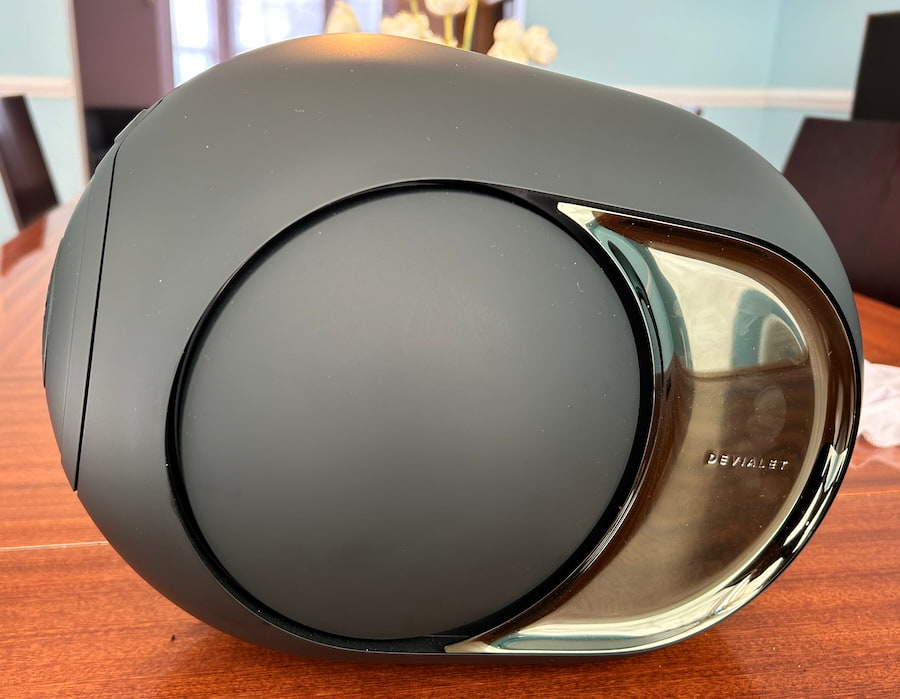
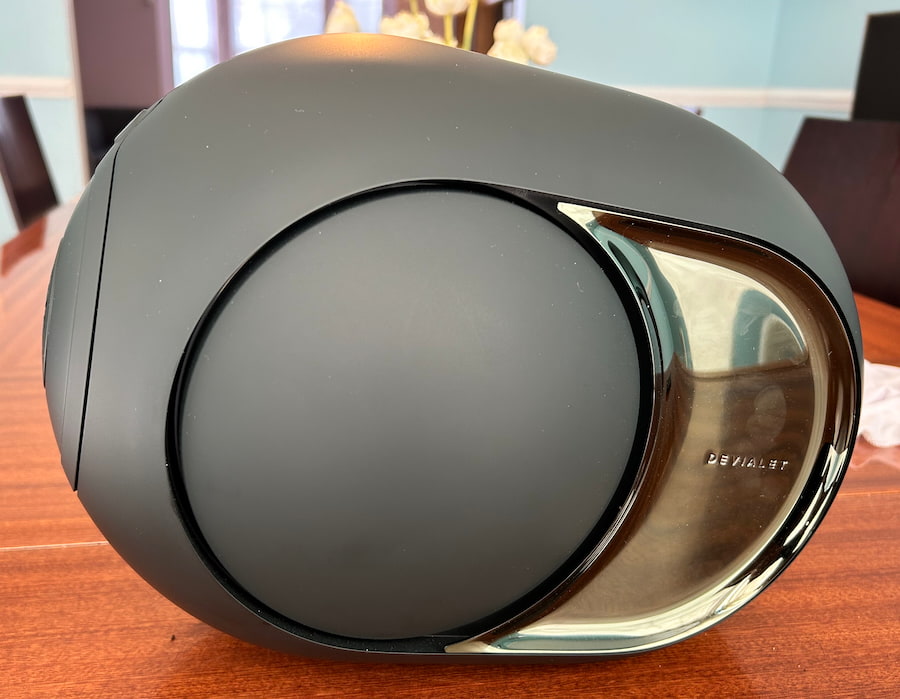

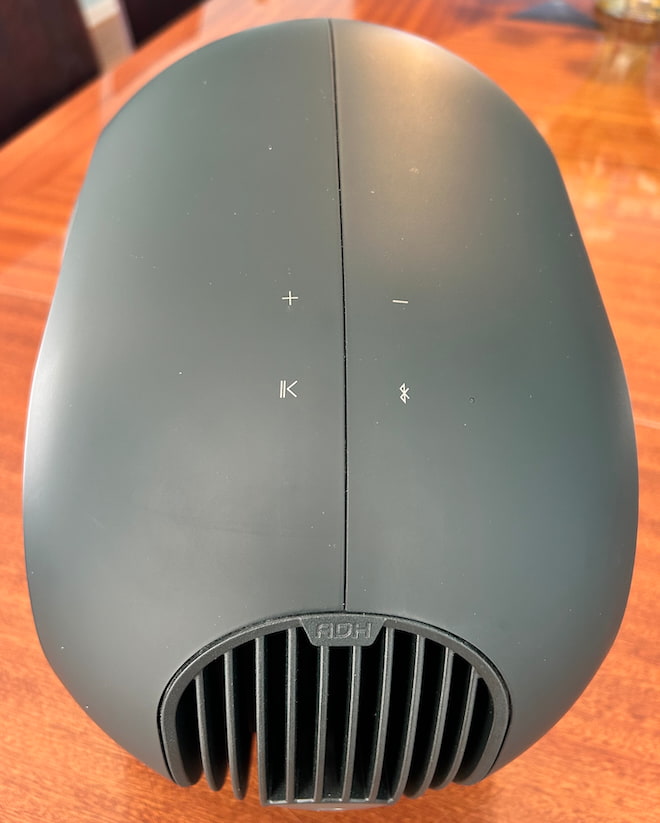
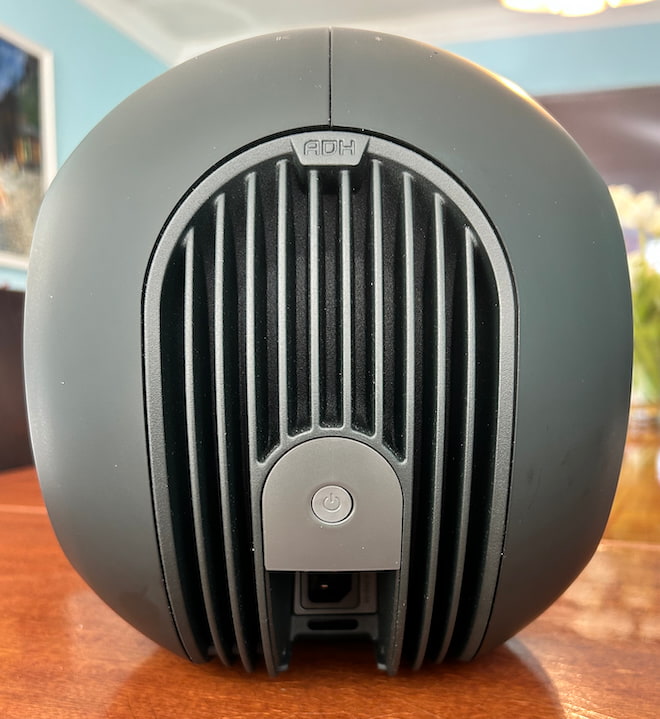
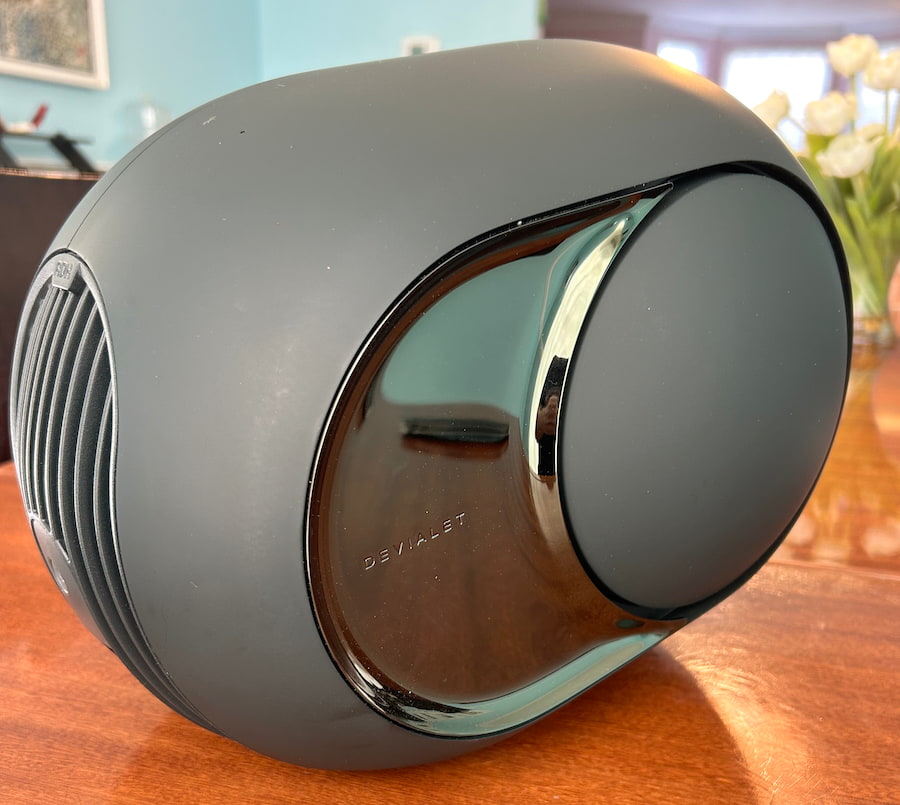
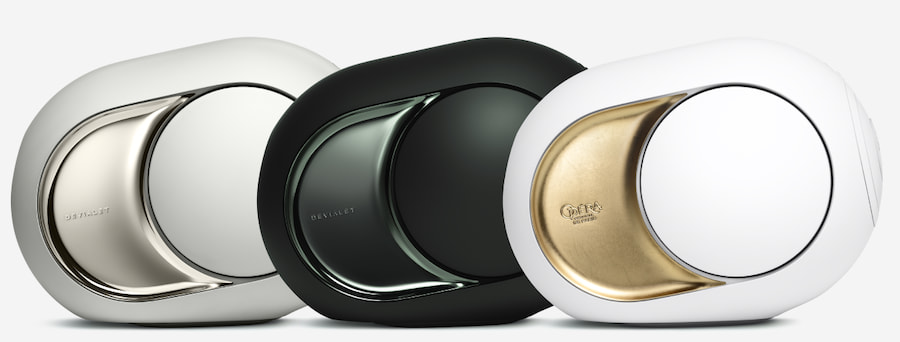
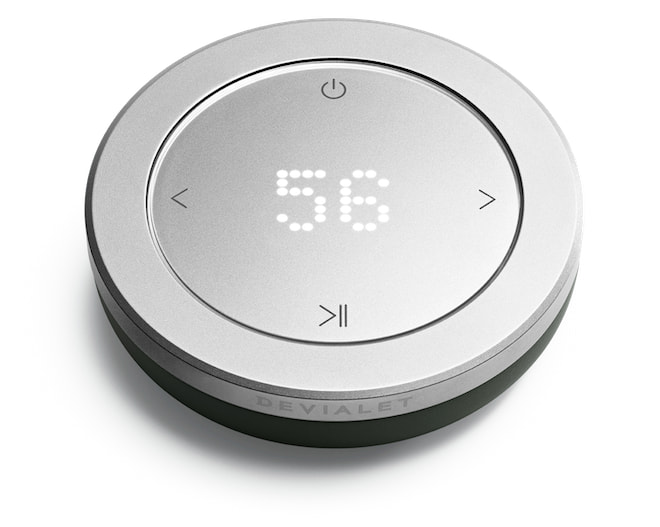
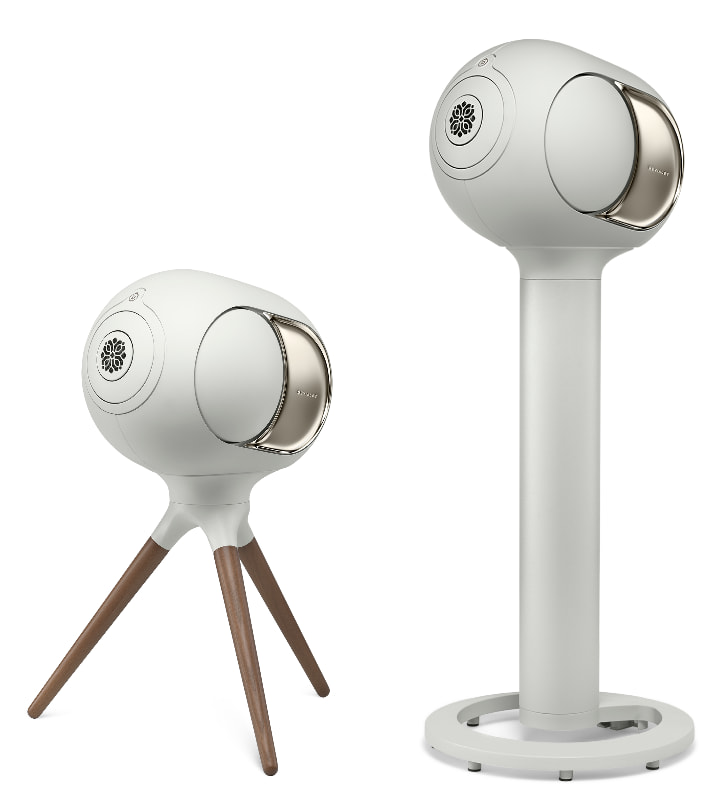

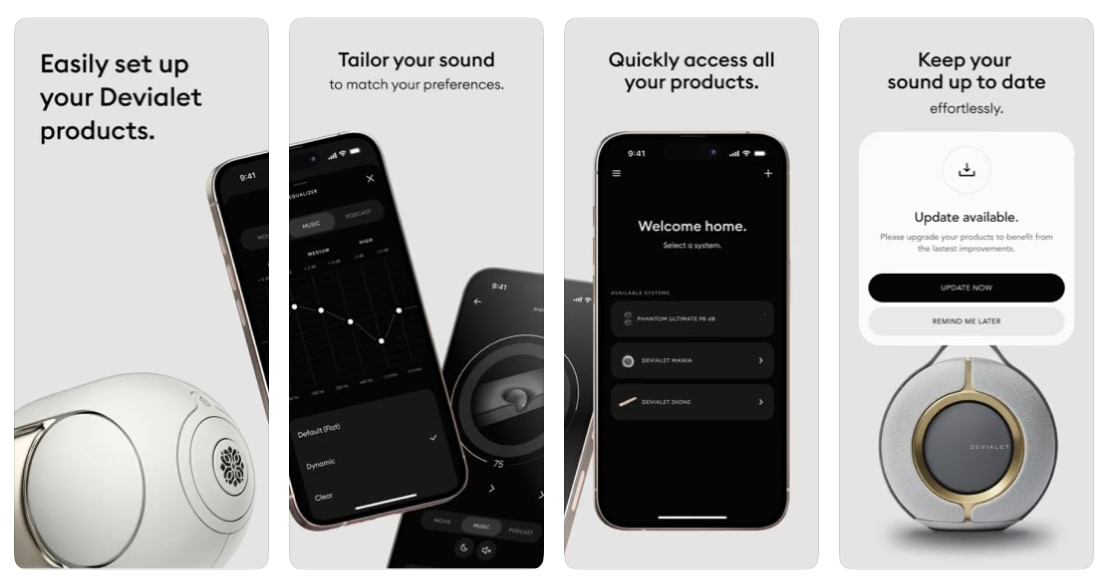
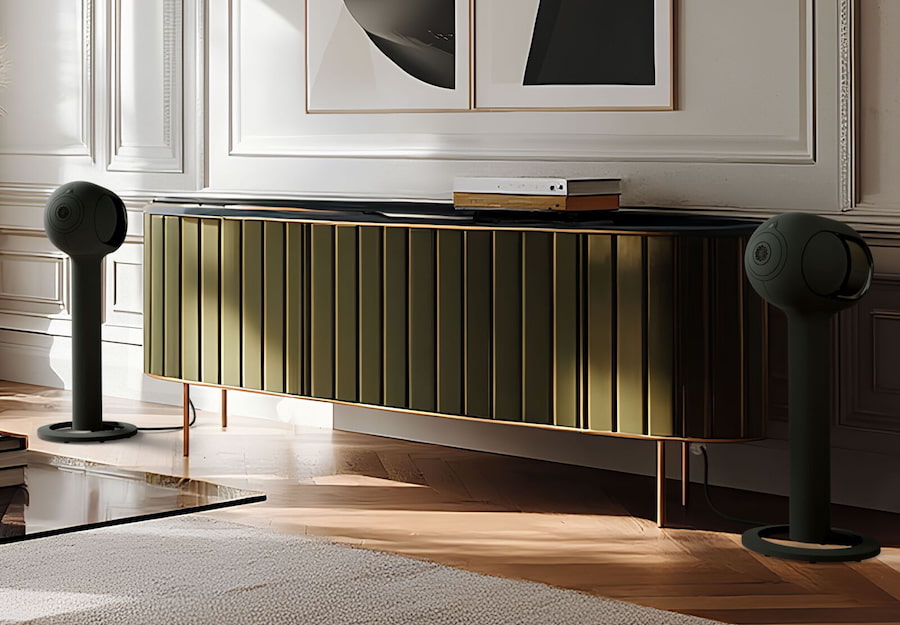
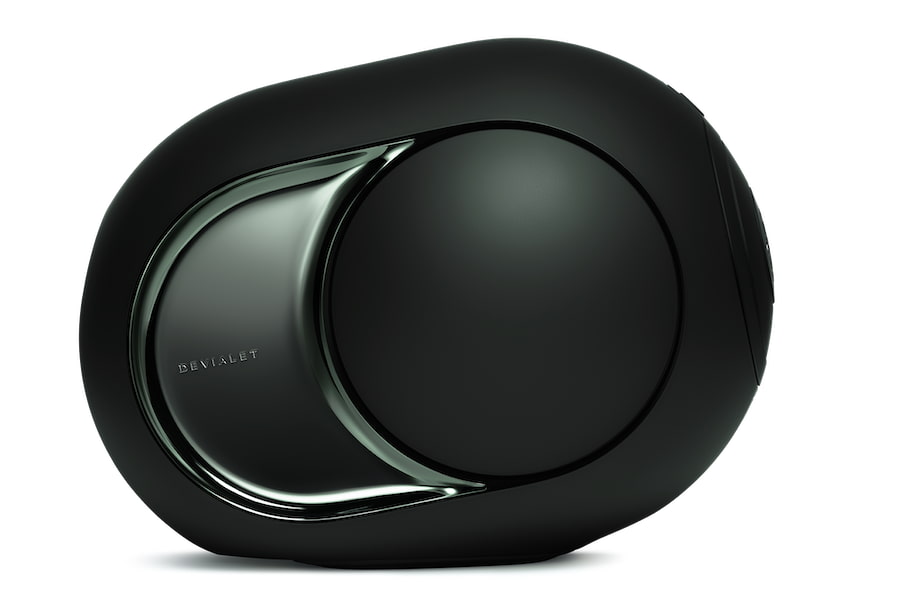





 Engraved title page of The Advancement and Proficience of LearningPublic Domain
 Engraved title page of Bacon’s Novum OrganumPublic Domain





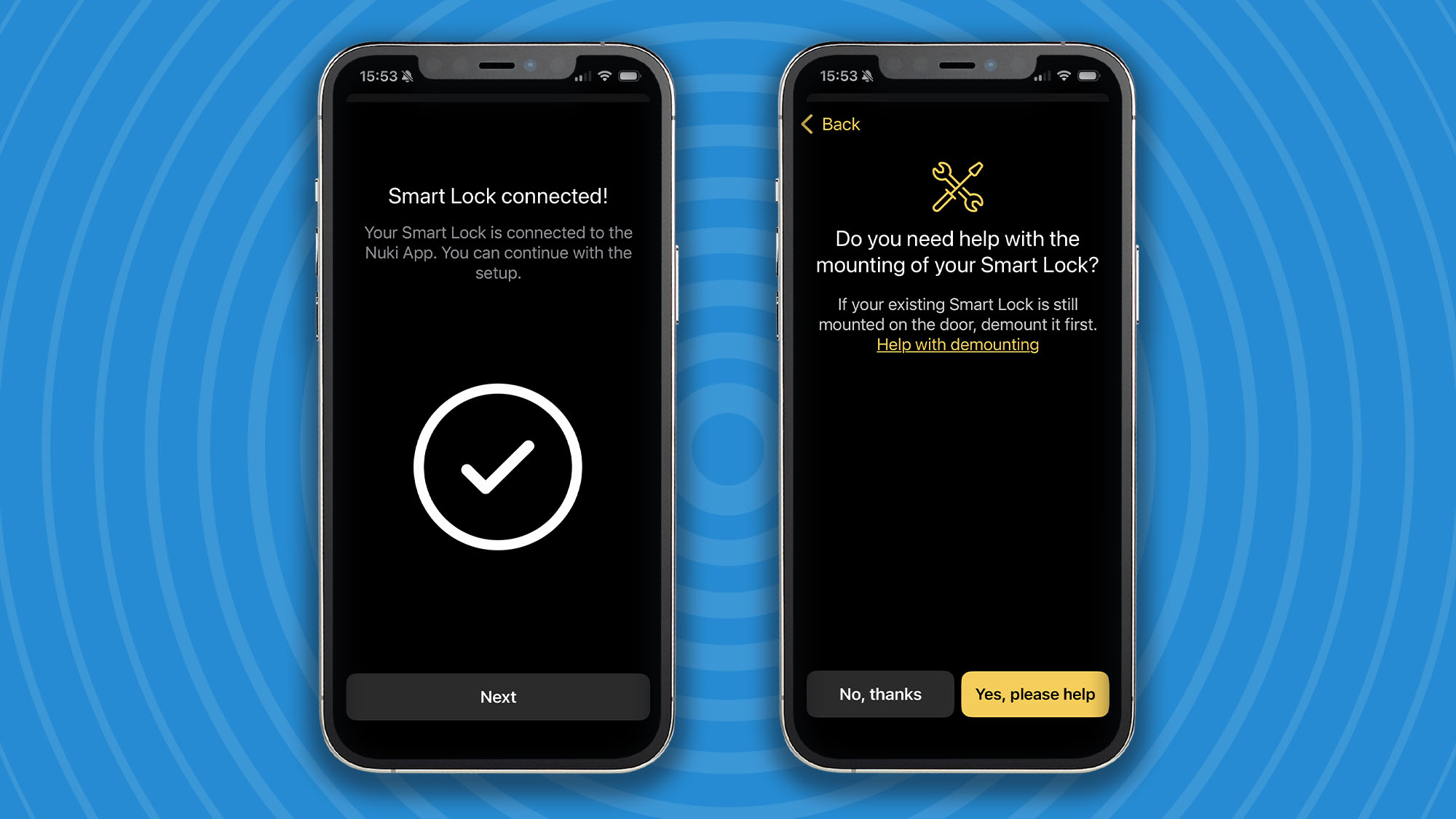

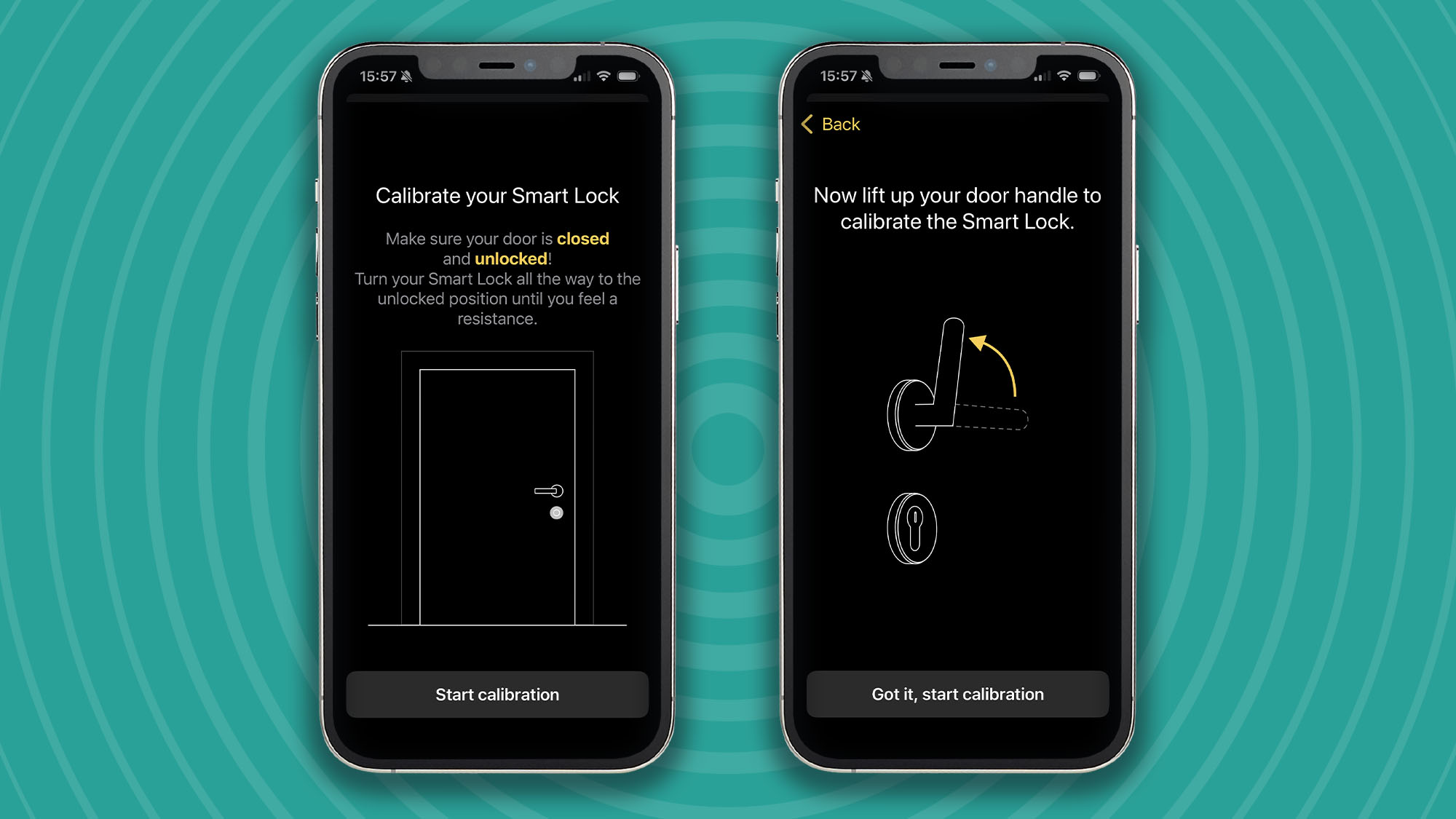
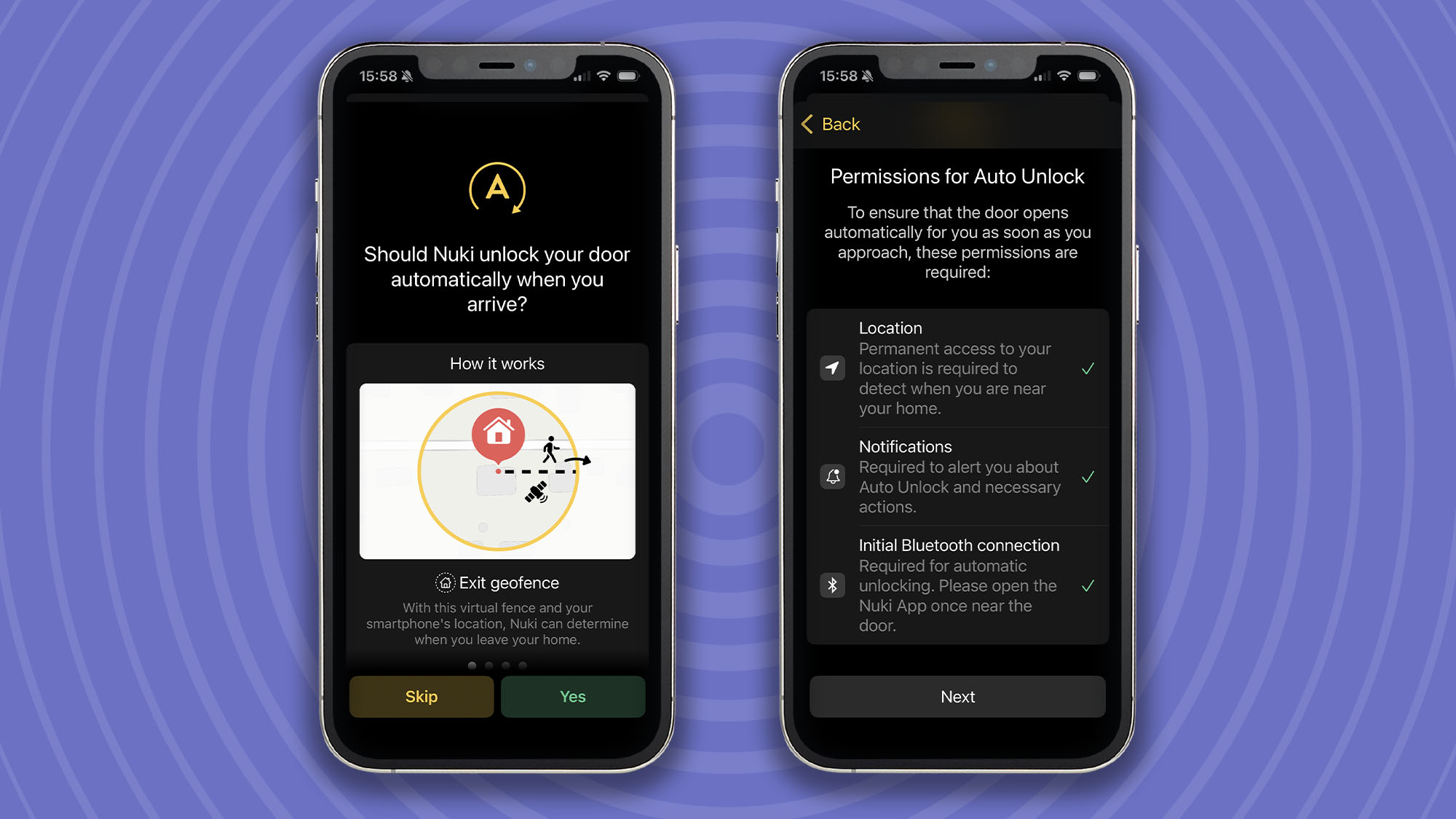















































You must be logged in to post a comment Login