Tech
Drones with Echolocation Technology Lets Them Hear Through the Haze

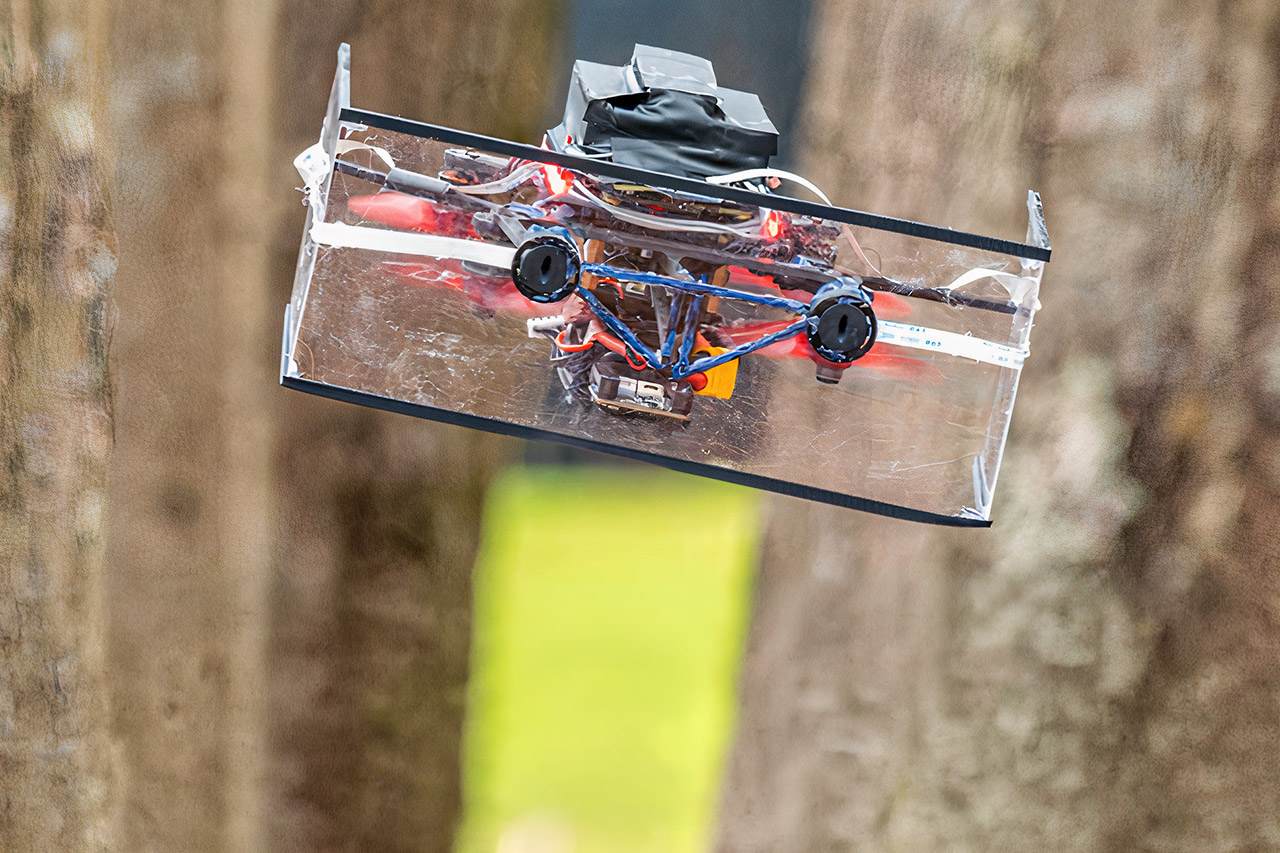
A palm-sized drone flies through thick fog, artificial snow, and near-total darkness, dodging poles, transparent plastic sheets, and tree trunks without a single camera or laser. Its only guide is sound. Researchers at Worcester Polytechnic Institute built the system, called Saranga, by copying the way bats find their way in caves. The result is a lightweight, low-power approach that keeps working when vision-based sensors simply stop.


Cameras and LiDAR begin to fail as light becomes dispersed or just disappears. Radar, on the other hand, drains the batteries right when the machines need them. By contrast, ultrasound travels through smoke, dust, and snow in the same way as it does in clean air. Bats have been doing it forever, simply emitting short, high-frequency chirps and listening for faint return echoes that bounce off obstacles. The WPI team, led by Nitin Sanket of the Perception and Autonomous Robotics division, decided to give a flying robot the same superpower.
Sale


DJI Neo, Mini Drone with 4K UHD Camera for Adults, 135g Self Flying Drone that Follows You, Palm Takeoff…
- Due to platform compatibility issue, the DJI Fly app has been removed from Google Play. DJI Neo must be activated in the DJI Fly App, to ensure a…
- Lightweight and Regulation Friendly – At just 135g, this drone with camera for adults 4K may be even lighter than your phone and does not require FAA…
- Palm Takeoff & Landing, Go Controller-Free [1] – Neo takes off from your hand with just a push of a button. The safe and easy operation of this drone…
They began with a quadcopter that they custom manufactured, measuring 16 cm across and weighing 460 kilos. It has two very tiny TDK InvenSense ICU30201 ultrasound sensors at the front, each with a broad sonic horn. Another one points downward to help with altitude. All of this ultrasound sensing requires only 1.2 milliwatts, and it all operates on a Google Coral Mini computer with no additional beacons or GPS, so there is no extra power expenditure.
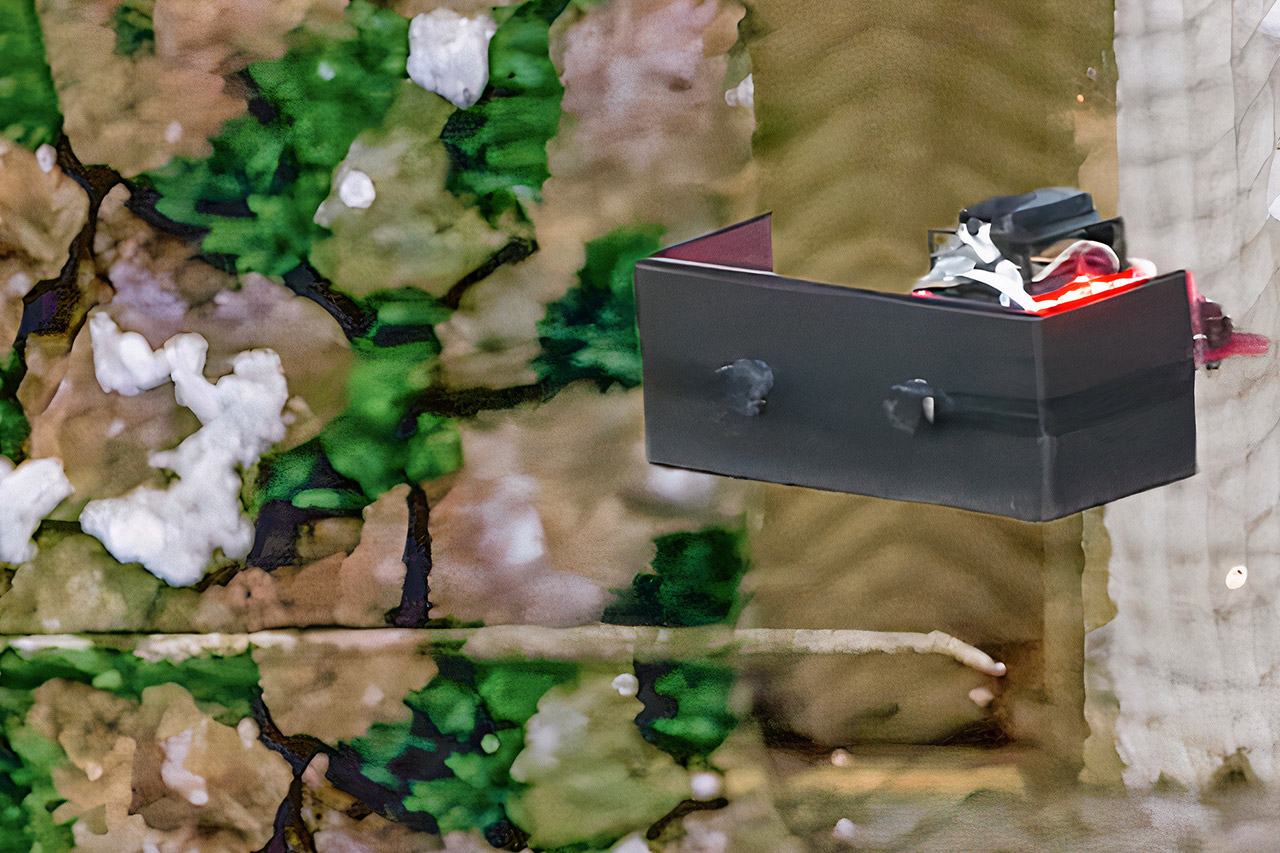
Propeller noise was the first major issue, as the spinning blades are basically spewing out some serious ultrasound noise that drowns out the weak echoes coming back from distant objects (we’re talking minus 4.9 decibels here, which is weak signal territory for the team), so they fixed it by physically taping a simple foam and plastic shield between the propellers and the sensors. This barrier shuts out the majority of the prop noise while allowing outward sound and returning echoes to pass through. With this piece of hardware fixed, the usable range increased from one meter to two meters.
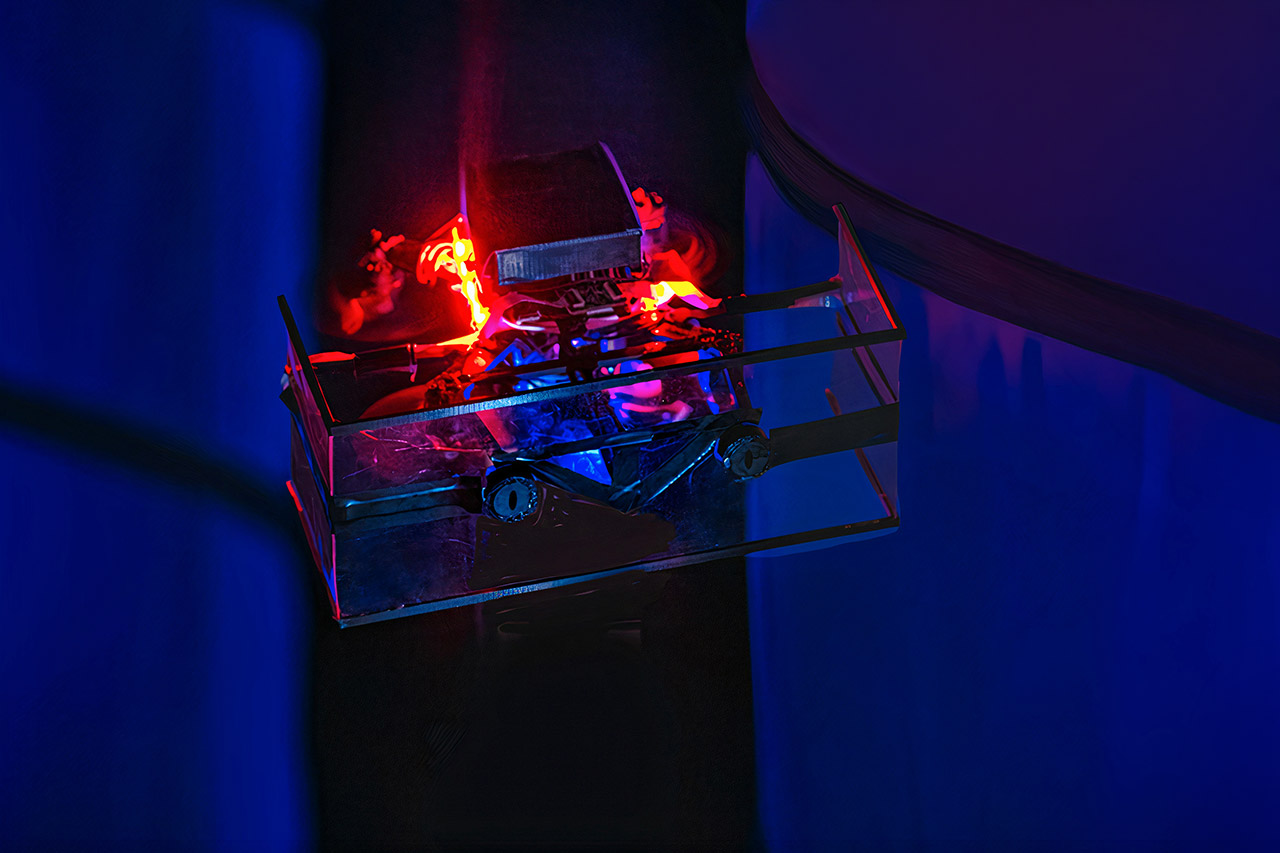
Even after they sorted the prop noise with their shield, the returning echoes were still getting lost in the random noise, so they attempted utilizing classical filters to sort it all out, but it wouldn’t comply. They required something more sophisticated, so they trained a tiny neural network to sort through all the filth. They termed it Saranga (also a neural network), and it basically looks at a brief string of echo readings as if it were a little picture. It uses this to learn the forms of true reflection patterns, after which it can suppress random prop noise. Training employed a lot of synthetic data mixed in with some real propeller noise, so once they had it functioning, the model flowed over to the real world very easily, with no additional fine tuning required. Saranga is then “compiled” to function on the Edge TPU, and it only takes up approximately 0.5 gigabytes of memory and does an inference in around 15 milliseconds while using only a few millijoules of energy.
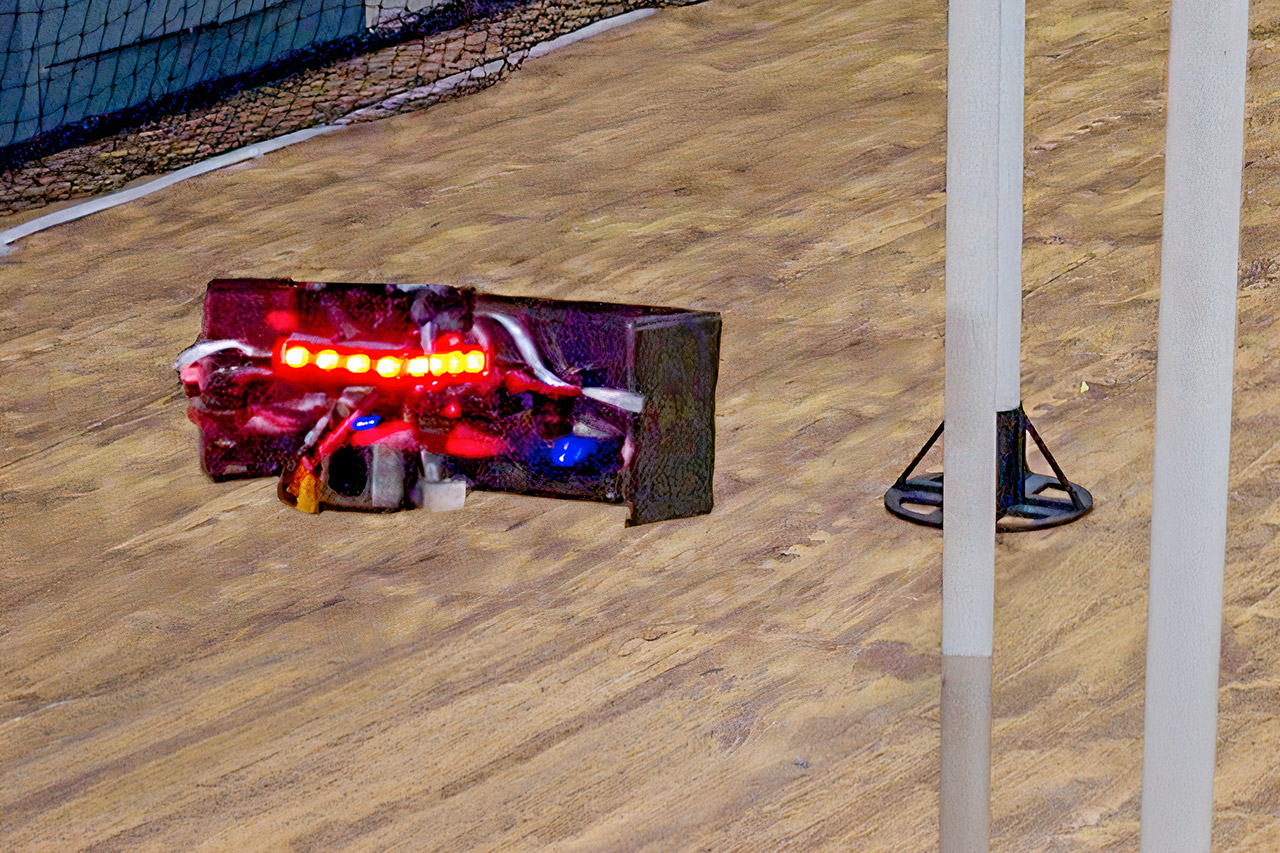
The cleaned-up echoes are then sent to a basic localization stage, and because the left and right sensors are at slightly different angles, they can determine the horizontal angle to an obstacle in the same way that bats do. The down-pointing sensor then provides the height. It’s all really easy; simply a quick list of surrounding obstacles, and then it’s up to the flight controller to say, “Hey, steer clear of all this while still traveling in that direction.”
[Source]
You must be logged in to post a comment Login