Tech
Engineer Builds What Could Quite Possibly be the World’s Most Efficient Drone

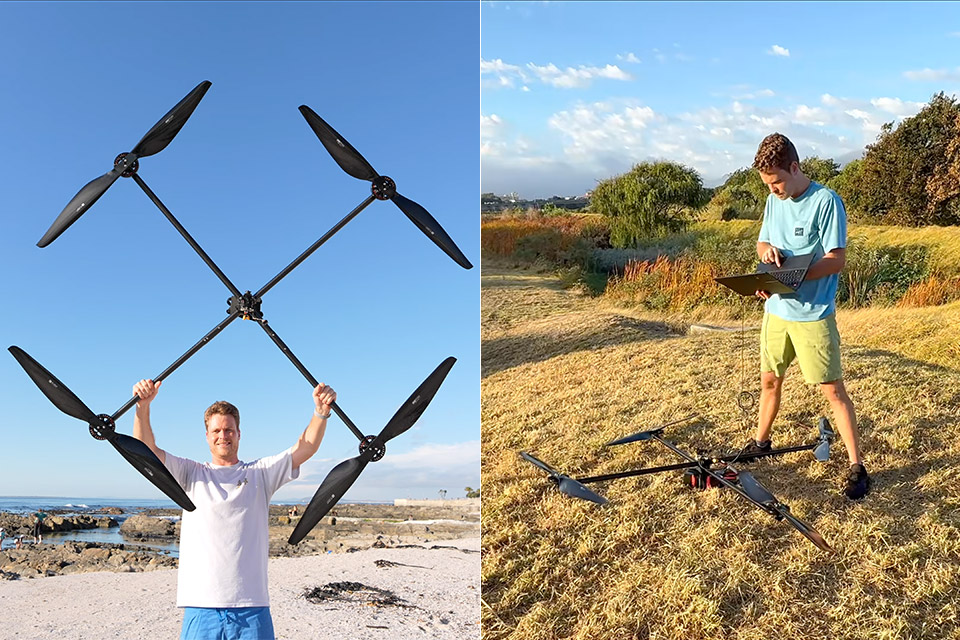
Luke Maximo Bell was able to keep a drone airborne for more than 3 hours on a single battery charge, a remarkable feat of endurance engineering. Bell has a reputation for pushing the limits, and in 2022 he set a global speed record with his Peregrine quadcopters, so it’s no surprise to see him take on this new task.


Bell designed this drone with sheer staying power as his goal from the start, wanting it to survive as long as possible on a single charge, so he made every single decision with that in mind. He used massive 40-inch carbon fiber propellers from T-Motor that turn slowly on low-KV motors, requiring less power than smaller, faster-spinning propellers. These G40 propellers were combined with MN105 V2 Antigravity motors with a 90 KV rating, the lightest unit capable of handling the prop size without adding excessive weight.


DJI Neo 2 (Drone Only), Lightweight & Foldable 4K Drone With Camera, Palm Takeoff & Landing, Gesture…
- Lightweight & Portable Design – Weighing just 151g [9] and C0 certified, this compact drone features full-coverage propeller guards for safer…
- Palm Takeoff & Landing [1], Gesture Control [2] – Enjoy easy palm takeoff and landing, plus intuitive gesture controls for hands-free operation and…
- Smooth & Reliable Tracking – ActiveTrack [3] keeps your subject in focus, while Apple Watch lets you view live feed, check flight status, or use voice…
The drone is powered by Tattu’s semi-solid state NMC LiPo packs, which provide approximately 320 watt-hours per kilogram of battery, which is roughly double the energy density of normal lithium-polymer cells and a significant advantage for anyone trying to build a long-lasting drone. To make things even more efficient, Bell removed 180 grams of packaging from each battery and replaced hefty connectors with lighter ones, saving a total of 360 grams, which is approximately equal to the weight of the complete carbon fiber frame. Depending on the air flow, it hovers around 400 watts, but drops to 250 watts during gradual forward motion as the air flow increases lift.
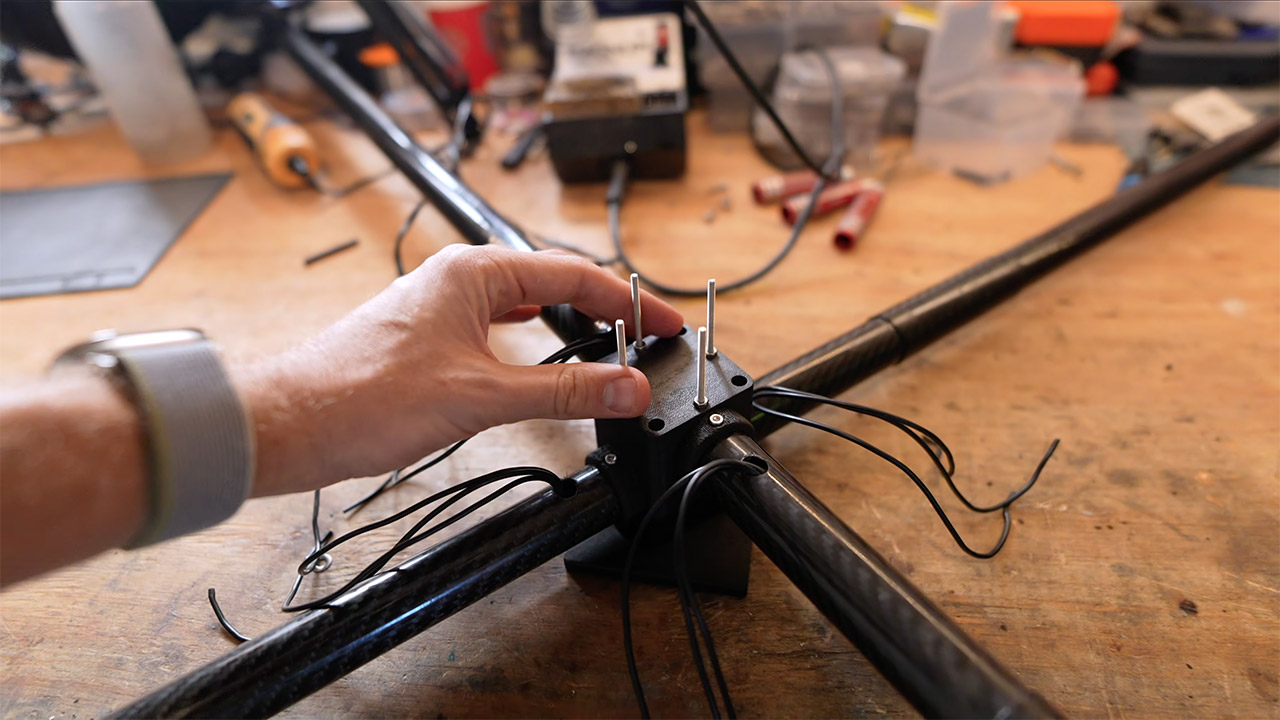
Bell paid special attention to the length of the drone’s arms, which is not something you think about all the time but is quite important. He used computational fluid dynamics simulations in AirShaper to test various arm length combinations before deciding on an 800mm length that appeared to produce the best results. Going too short can result in wake interference between propellers, while going too long adds unnecessary weight. The wires received the same level of attention; he chose 18 AWG gauge wire and utilized it for all 11m or so of wire per engine, weighing the resistance losses against the energy cost of utilizing additional copper.

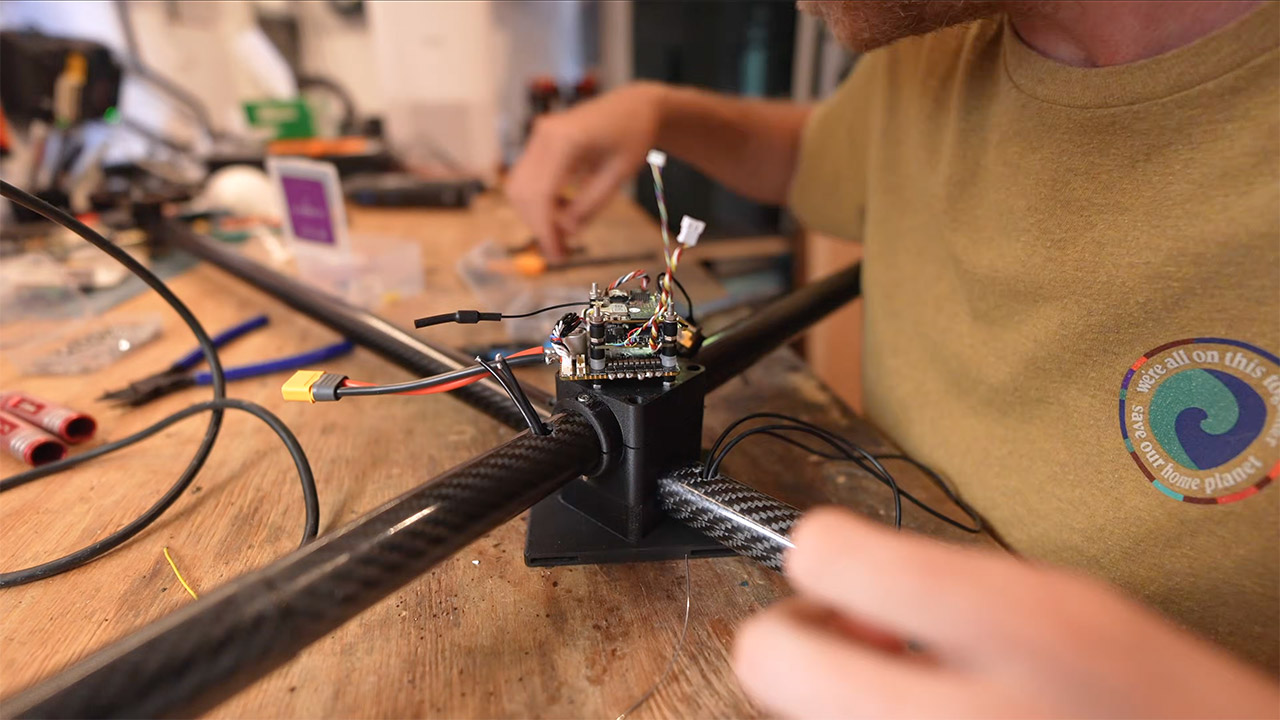
To keep things simple and reliable, he limited the electronics to a minimum: a Holybro Nano Drive 4-in-1 ESC handles power distribution, a TBS Lucid H7 flight controller runs INAV firmware, a Matek GPS device gives position data, and a DJI O4 Air device feeds video feed back to base. Early versions of lighter components failed, so he replaced them with tested parts to avoid similar problems. The frame is comprised of carbon fiber tubes, with 3D printed arms, mounts, and legs.
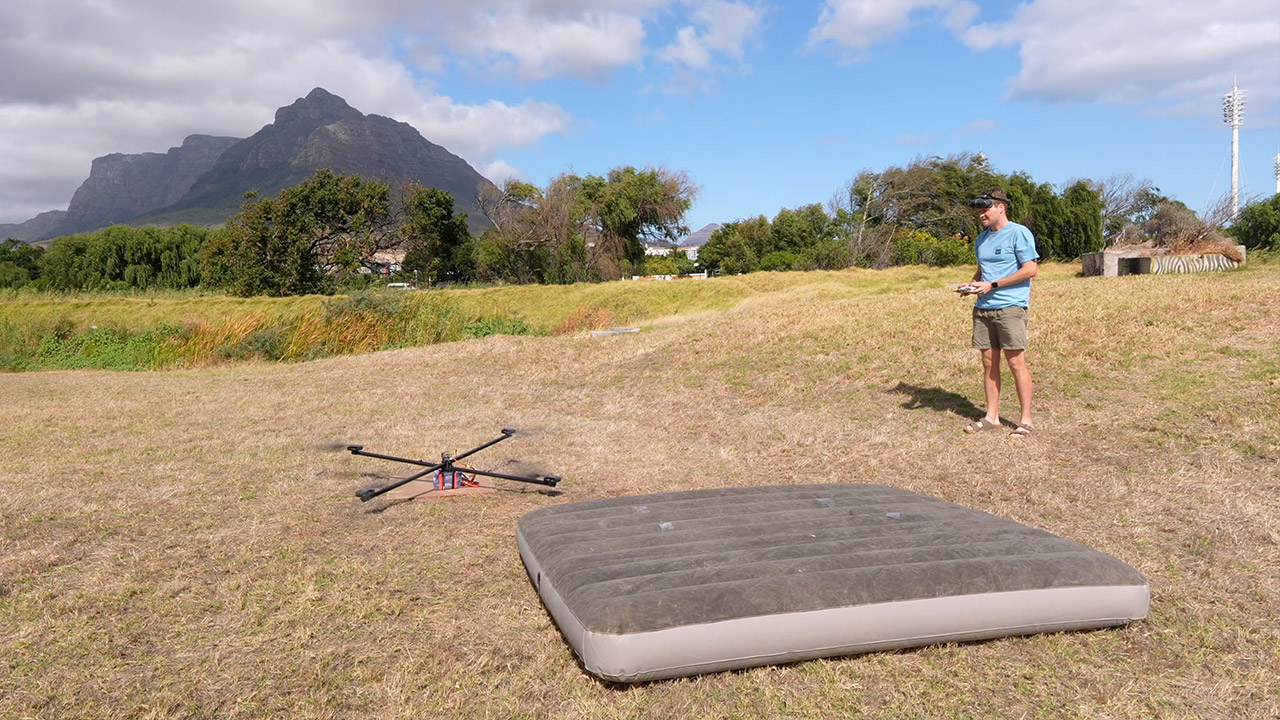
Bell conducted numerous studies to build the drone, including bench tests that examined the thrust to power ratio under various loads, and he was pleased to discover that efficiency decreases as thrust increases, which is a good thing because he was then able to keep the weight down while keeping the thrust up. The first few flights were problematic, with a few oscillations and broken parts, but he learned from each failure to improve the next iteration.
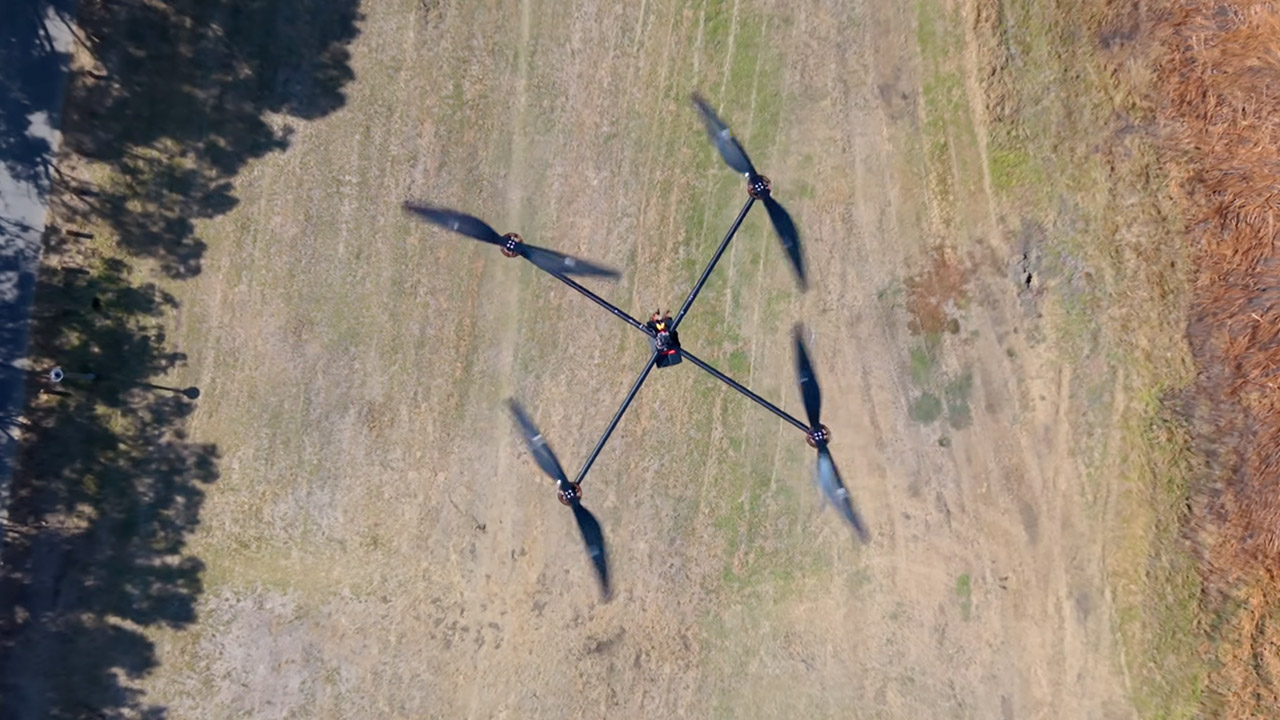
In the end, the drone flew for more than 3 hours and 30 minutes without incident, even when pounded by winds; at 2 hours and 14 minutes, it had already surpassed SiFly’s hover time with plenty of juice remaining. Forward flight testing revealed a clear efficiency boost, and the drone landed successfully with the battery at 2.95 volts to avoid damage, an unofficial record that puts it far ahead of the current benchmark.
You must be logged in to post a comment Login