Tech
ETH Zurich’s New Pixel Design Lets Them Display and Detect Light Together

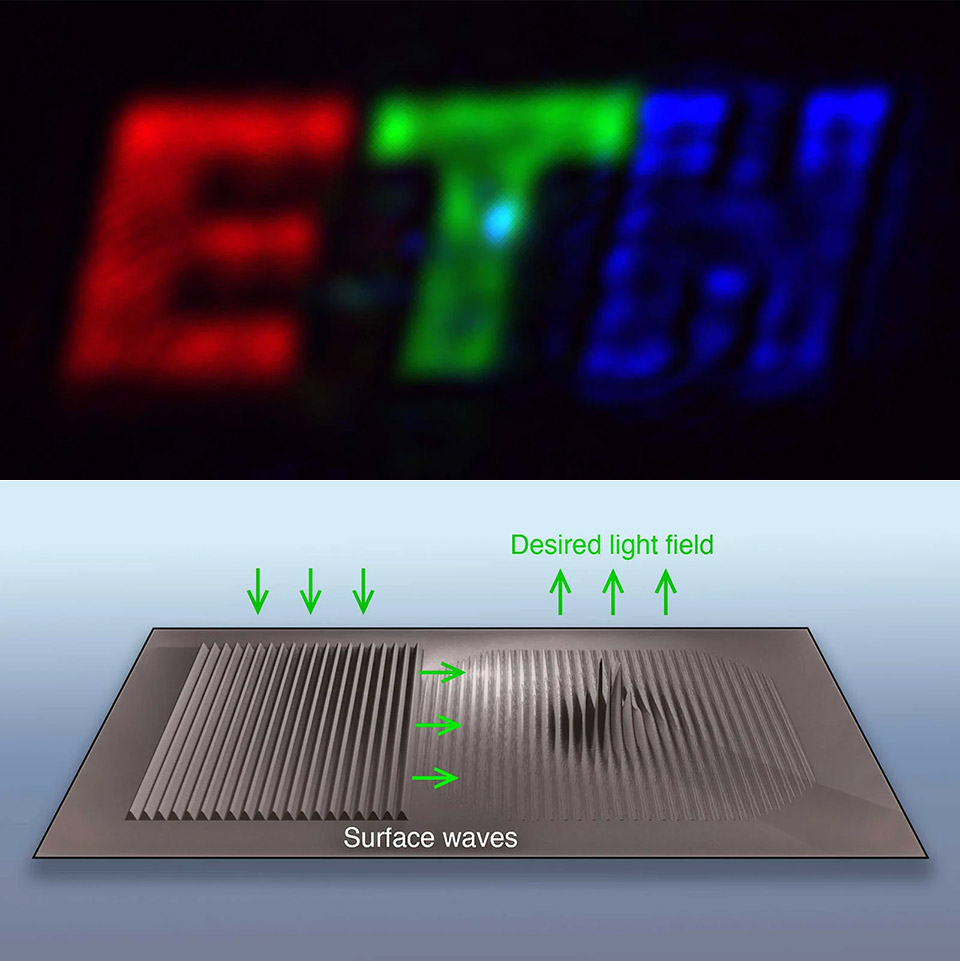
Researchers at ETH Zurich have built a pixel that handles two jobs in one small package. It can push out light to form images on a surface, while also taking in light and extracting detailed information about what it sees. No previous pixel has managed both tasks at the same time.

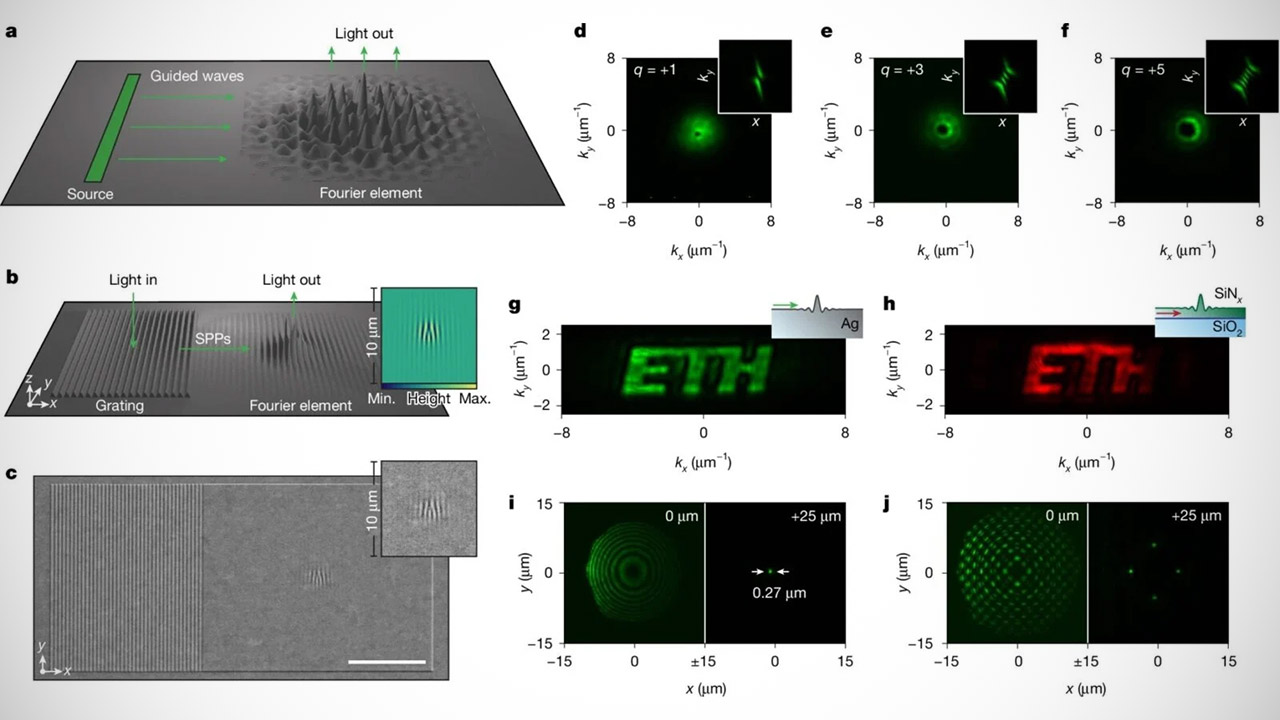
Regular pixels have traditionally operated in isolation, with those in screens adjusting brightness and color to bring images to life and those in camera sensors simply soaking up light to record what they see. However, this new version combines those activities into a nice package. It all begins with a fundamental aspect of light: it travels in waves, and when those waves meet, they can either add to or cancel each other out, depending on the timing and direction. The ETH team takes advantage of this, carving small wave-like patterns onto the surface of a tiny chip with nanometer-level precision. These designs turn ordinary light into surface waves, which simply slide across the device before scattering again.

Sale


Divoom Pixoo-64 – WiFi Pixel Cloud Digital Frame with APP Control,64 X 64 LED Panel Display Frame for…
- 🧩Pixel Art Display for Desk & Home: The Divoom Pixoo 64 is a 10.3-inch Wi-Fi pixel art display with a 64×64 LED panel, designed for decorative…
- 🎨Create & Explore Pixel Designs in the Divoom App: Use the Divoom app to create pixel art and animations, upload images or GIFs, and explore a…
- 🎞️Animated Displays & Themed Content: Display animated clocks, pixel messages, and themed designs for gaming setups, holidays, or everyday mood…
To form an image, light must enter the carved portion of the pixel, causing a surface wave as it travels. The wave then bounces back out as conventional light from another location on the same pixel. The team can select the exact geometry of the pattern so that the outgoing waves overlap exactly. Bright spots form when the waves collide, whereas dark spots form when they cancel each other out. Fourier analysis, a fundamental mathematical tool, can then turn your chosen image into the precise pattern you need to carve in, with no trial and error required.
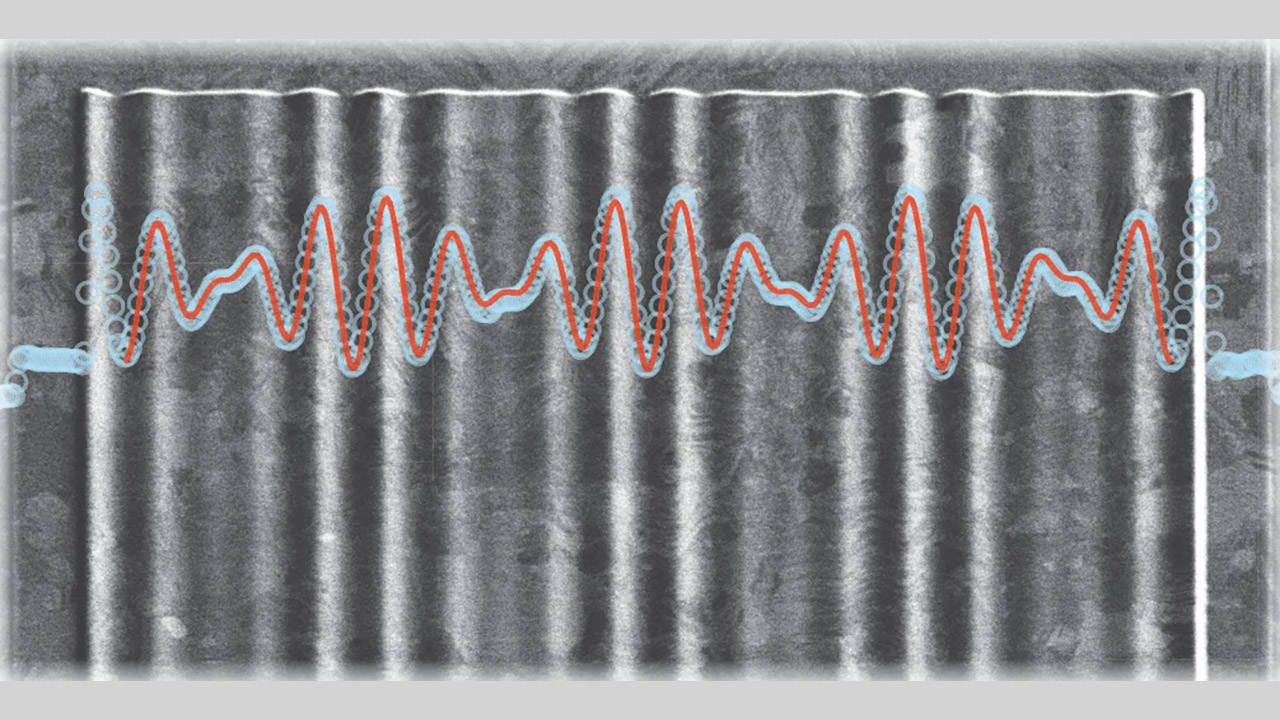
This works equally well in reverse for sensing, as incoming light generates surface waves that mix with the chip’s existing continuous reference wave. The pattern generated by this is recorded, and the same math as previously tells you not only how bright the light is, but also when the peaks and valleys occur and in which direction the wave vibrates. Standard camera pixels cannot capture that level of detail.
They even conducted a test in which they built a miniature version of the ETH Zurich logo, a millimetre-tall letter E. They could even make it seem in different hues based on how they tested it, such as green one minute and red the next. Doctoral student Yannik Glauser pointed out that the pixels can shape and read polarization as well as brightness, while postdoctoral researcher Sander Vonk stated that the concept of interference works equally well in both cases. The Optical Materials Engineering Lab’s director, Professor David Norris, sees a wide range of practical applications for this light-related research.
[Source}
You must be logged in to post a comment Login