Tech
Experiment Proves Metal Roofs Keep Birdhouses Cool in Summer While Shielding Them in Winter

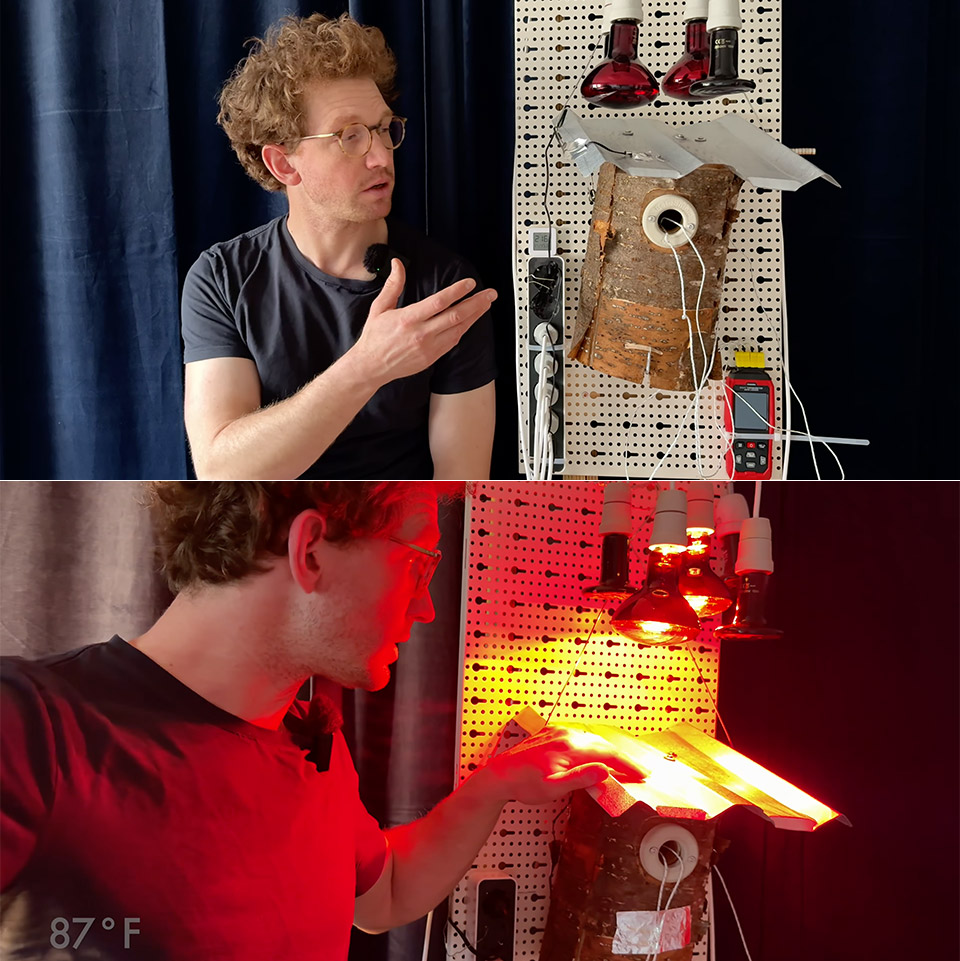
Birdhouses provide a stable environment in which cavity-nesting birds can raise their families. Wood is still the usual option since it suits the hollows that birds seek in trees. However, wood exposed to constant rain, snow, and sun deteriorates over time, demanding frequent repairs or replacements.


A metal roof provides a significant advantage when it comes to dealing with water and snow. It sheds them far more efficiently than bare wood. When winter storms arrive, all of that extra protection comes in handy since moisture can leak in and accelerate wood deterioration. Builders who want their homes to last from season to season typically utilize metal for this purpose.
Sale


Kiwibit Solar Smart Bird Feeder with Camera, AI Bird Species Identification, 8MP Photos, 4K UHD Video…
- 4K Bird Feeder Camera: Capture every visitor in stunning 8MP photos and 4K Ultra HD video with an advanced high-resolution sensor. HDR reveals vibrant…
- Smart AI Bird Identification: Powered by Kiwibit’s advanced AI for more precise recognition, identifies 10,000+ bird species and sends real-time…
- Integrated Solar Powered Roof: Dual-mode charging keeps your birdwatching going. Built-In A 5200mAh rechargeable battery paired with dual solar panels…
Summer, on the other hand, brings a whole other set of worries, as metal has a horrible habit of absorbing sunlight and becoming rather hot to the touch. If you’ve ever touched a dark car hood on a bright day, you’ll know what I mean. If the heat is then carried directly into the nesting area, it can rapidly become hot enough to harm eggs or young chicks. A builder working on a large project of 500 birdhouses opted to measure the heat rather than assuming. The design featured a solid metal roof put over a wooden nesting chamber, but allowed a small gap between the two, allowing air to flow freely underneath the metal.
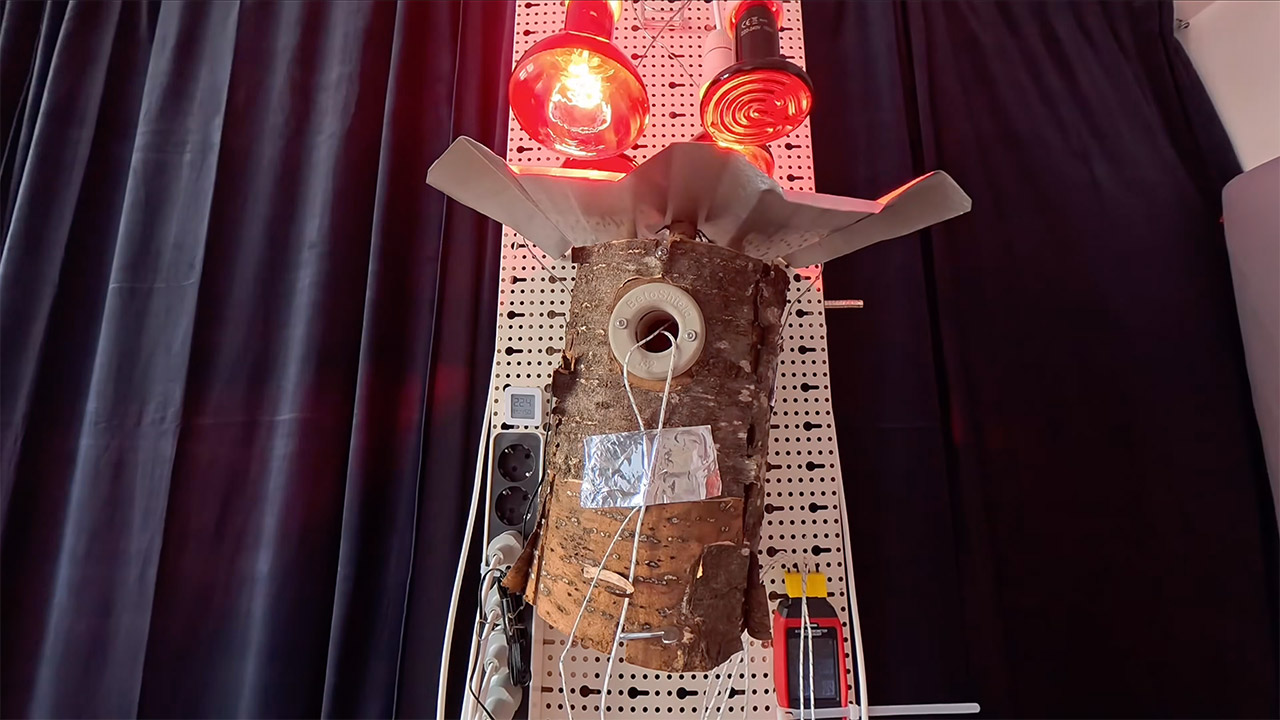
To make this sound as intense as possible, heat lamps were pointed directly at the roof, and sensors were put to monitor the temperature of the roof, the upper part of the nesting chamber, the lower part, and the air around it. The heat lights maintained a temperature of 70 to 75 degrees Celsius on the roof for several hours. Meanwhile, the temperature within the wooden piece remained constant between 22 and 26 degrees Celsius throughout, and even when the air around the test box reached 30 degrees, the protected nesting area remained as cool as you wanted. Birds become quite worried if nest temperatures exceed 40 degrees Celsius, but in our test, they remained comfortably below that threshold.

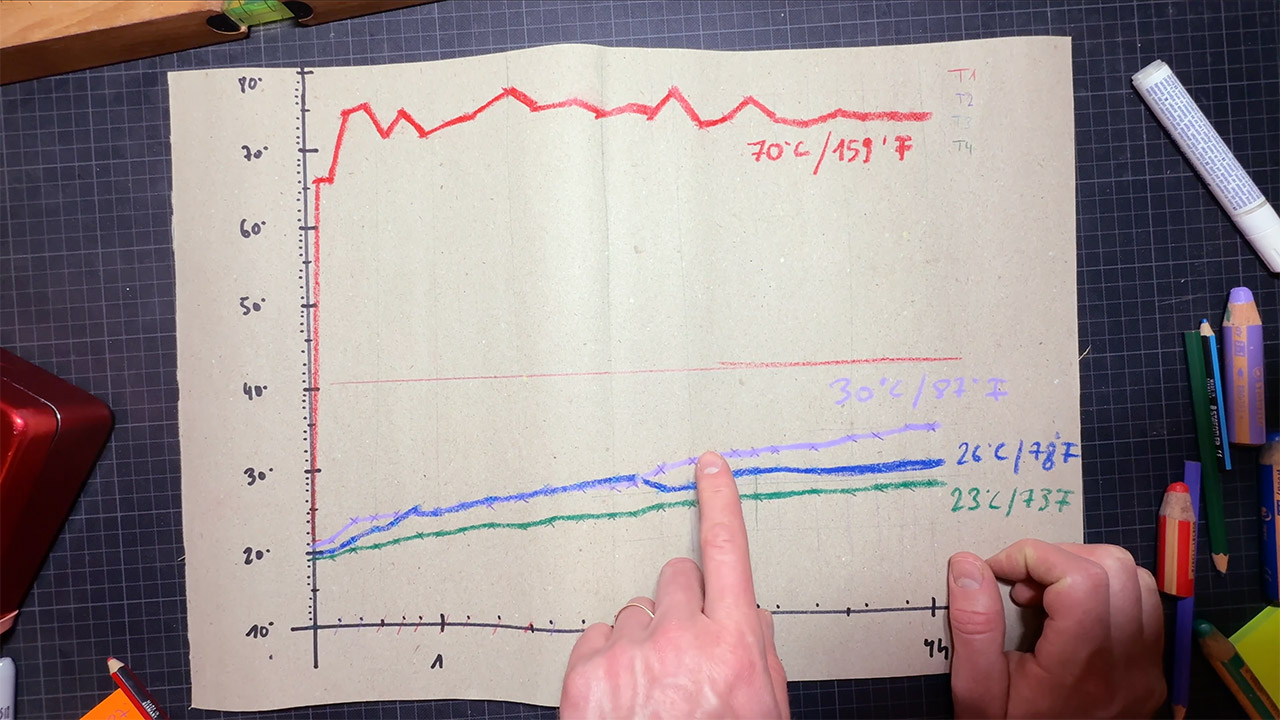
The air gap is doing all of the work because moving air transfers heat out before it soaks into the wood beneath. To top it off, the metal shade fits inside the box, and the solid wooden edges provide some solitude. So what may have been a heat trap turns out to be a lovely, stable environment. In most real-life circumstances, the birdhouses face east or receive dispersed light rather than the full south-facing sun throughout the day. Finally, the inside should be more welcoming to the common birds who will live there.
[Source]
You must be logged in to post a comment Login