
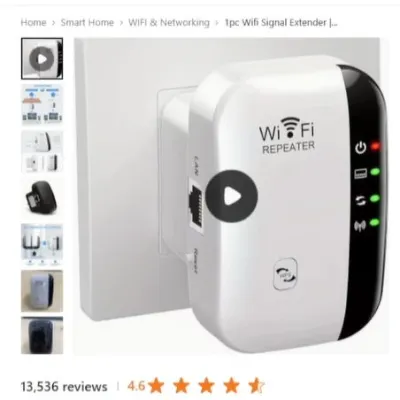
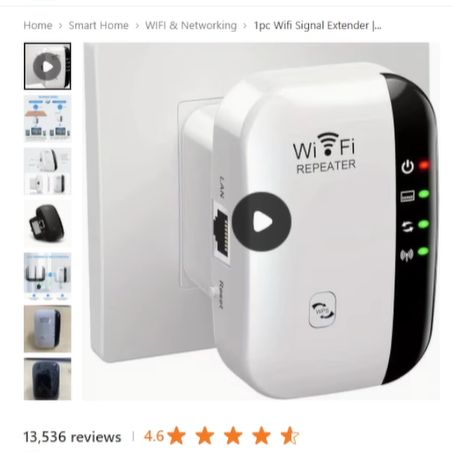
Starting the security audit is using $(reboot) as the WiFi password, just to see whether the firmware directly uses this value in a shell without sanitizing. Shockingly, this soft-bricks the device with an infinite reboot loop until a factory reset is performed by long-pressing the reset button. Amusingly, after this the welcome page changed to the ‘Breed web recovery console’ interface, in Chinese.
Here we also see that it uses a Qualcomm Atheros QCA953X SoC, which incidentally is OpenWRT compatible. On this new page you can perform a ‘firmware backup’, making it easy to dump and reverse-engineer the firmware in Ghidra. Based on this code it was easy to determine that full remote access to these devices was available due to a complete lack of sanitization, proving once again that a lack of input sanitization is still the #1 security risk.
In the video it’s explained that it was tried to find and contact a manufacturer about these security issues, but this proved to be basically impossible. This leaves probably thousands of these vulnerable devices scattered around on networks, but on the bright side they could be nice targets for OpenWRT and custom firmware development.

You must be logged in to post a comment Login