Tech
Fascinating Look at Tandy’s Gobble Man, a Handheld Maze Game That Lit Up Pockets in 1983
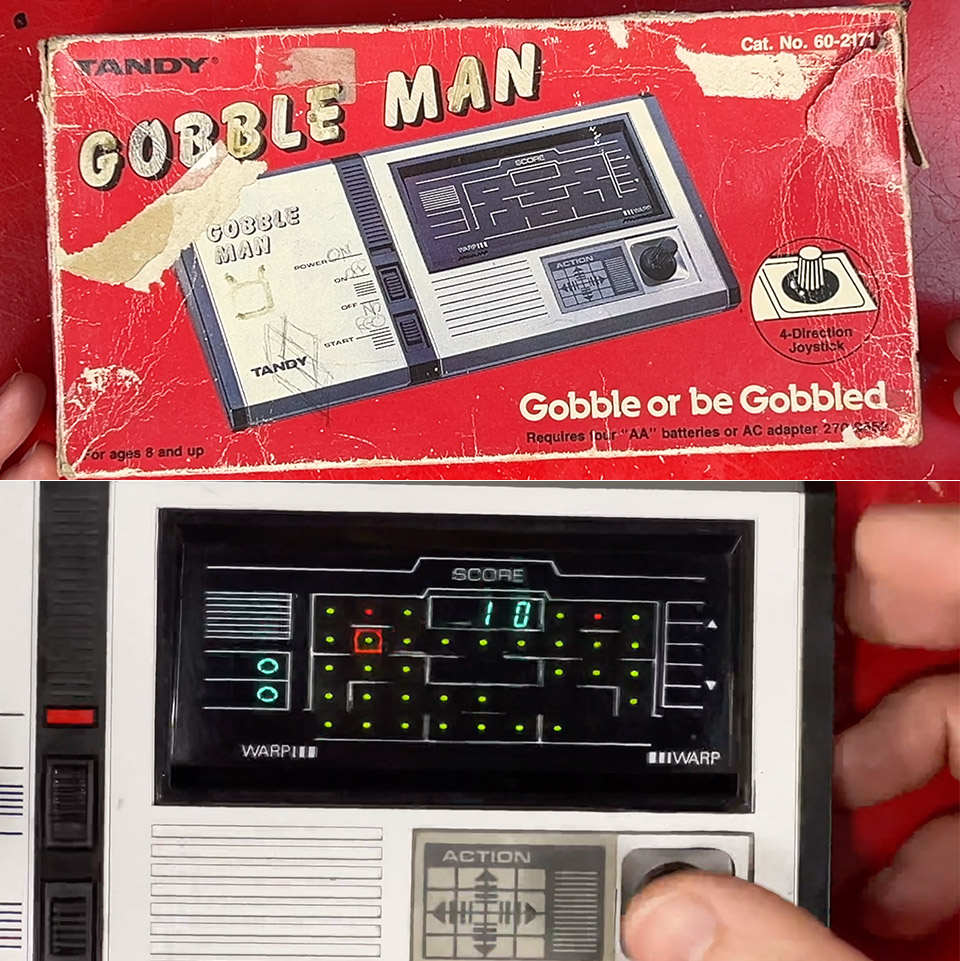
Back in the early 1980s, Radio Shack sold a variety of gadgets that caught the eye of both curious children and tech enthusiasts. Among those goods was Gobble Man, a small handheld game that placed maze chases directly into your palms years before the larger portable consoles that came later. Bandai first released this in Japan during 1981 as a game known as Packri Monster. Tandy then scooped it up, licensing the design for its US stores before selling it as Gobble Man in 1983. To add to the confusion, Tandy sold the exact same units under the titles Hungry Monster and Ogre Eater.


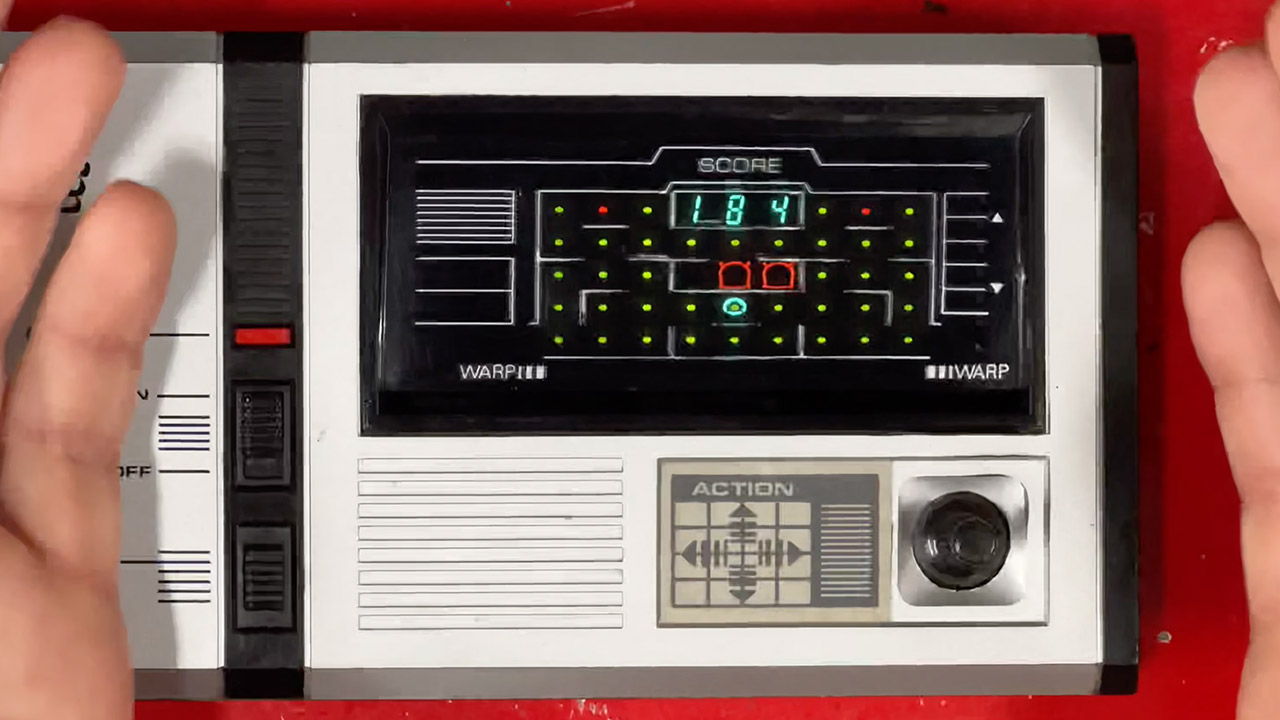
Four AA batteries powered everything from start to finish. A vacuum fluorescent display, which was basically a tiny little screen, made the game feel extremely bright; even in a dark room or on a vehicle journey, you could see every wall and dot in the maze clearly. Inside the handheld was a Hitachi HD38800 chip, a specialized microcontroller designed specifically to operate this game and nothing else.


PlayStation 5 Portal Remote Player – Midnight Black
- Play Your Game Collection with Remote Play – PlayStation Portal Remote Player can play compatible games you have installed on your PS5 console…
- Cloud Streaming from the Game Catalog and Classics Catalog – Discover an awesome library of PS5 games on the PlayStation Portal Remote Player with…
- Cloud Streaming for PS5 Games in Your Library – With PlayStation Plus Premium, stream select digital PS5 games in Your Library from PlayStation Store…
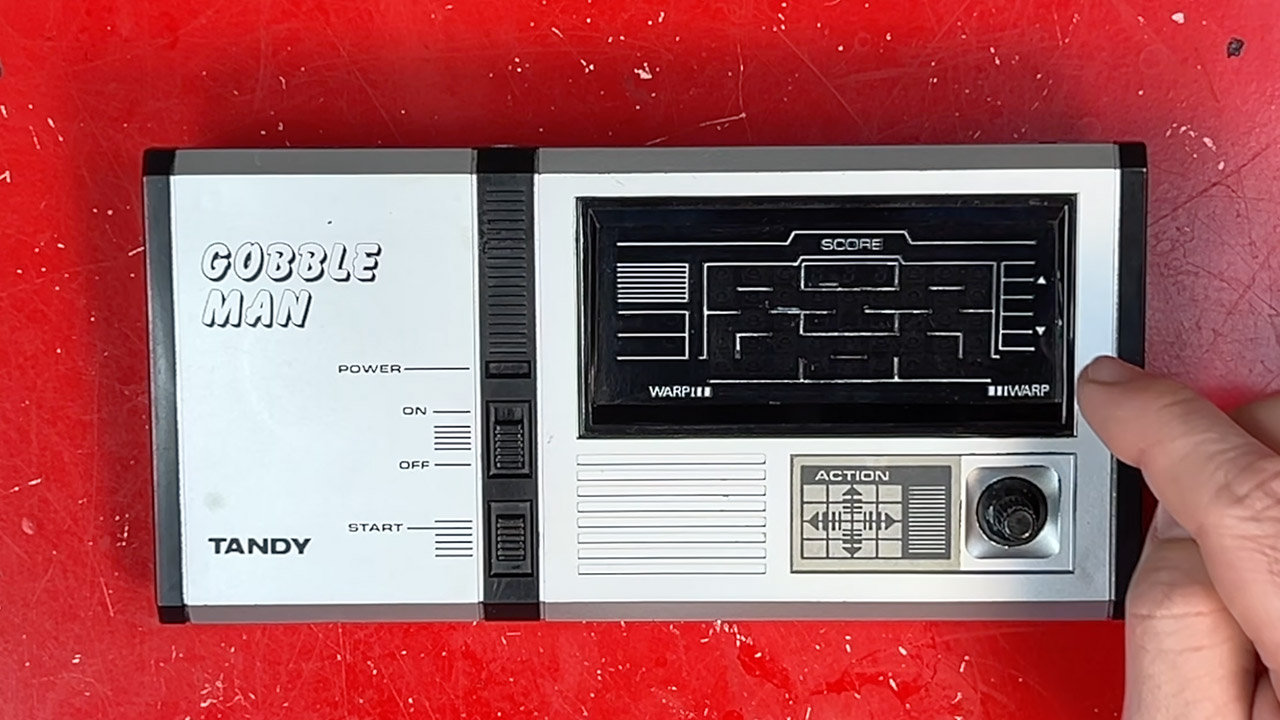
Players took a rectangular plastic case about the size of a large paperback book to play with. A four-way joystick on the front let you to direct the yellow monster through the curving courses; the stick itself employed a dual pivot mechanism that required a forceful push to register every turn. The monster continued to move in the same direction until the player altered course or it collided with a wall. The controls included a start button and a power switch, as well as a small orange indicator that signaled when the gadget was turned on.

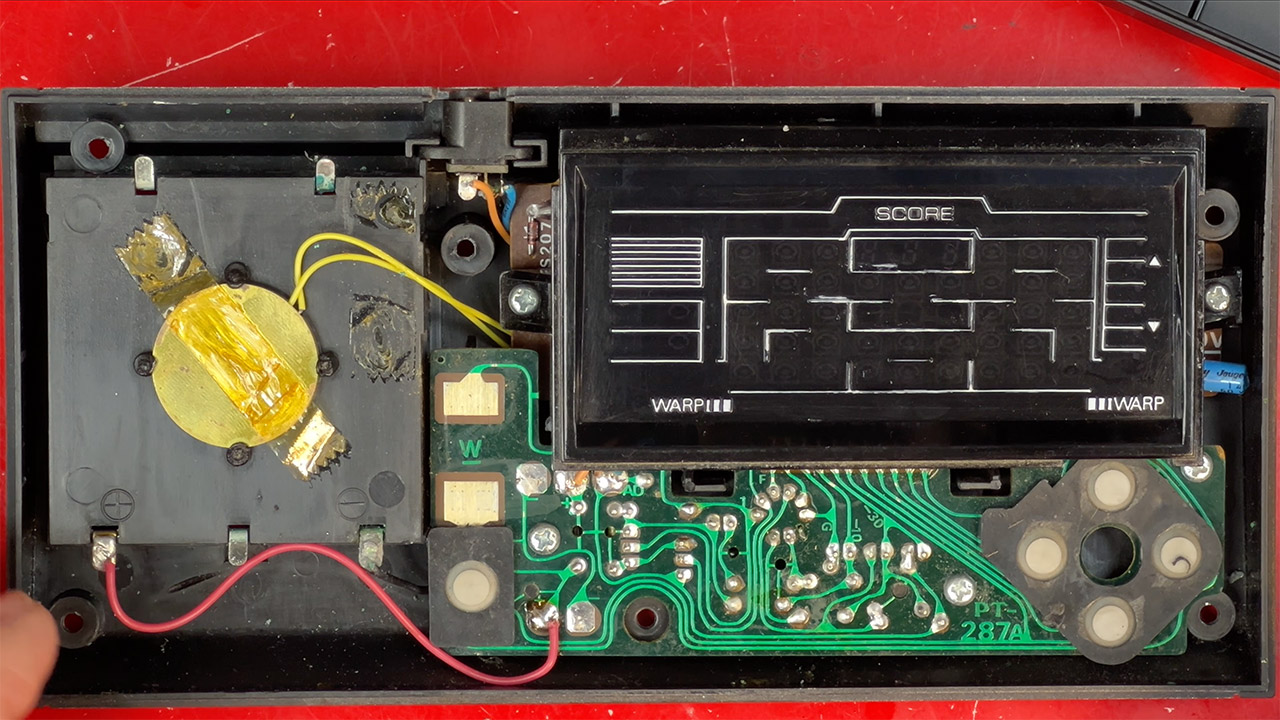
The music came from a very small built-in speaker that played the tunes and effects at the same constant volume, such as beeps and rudimentary melodies, and alerted you when something happened in the game. There was no volume control, so the cacophony was part of the experience, whether you liked it or not. The gameplay took place on a single fixed maze, with green food pellets to chew on. The goal was simple: move the monster so that it ate every pellet before the bogey caught up, and if it did, game over. Red power food would sometimes materialize in specific locations. Eating one of those would transform the monster into a coward who would back direction and flash briefly. For a certain period of time, you might pursue them and get some bonus points.
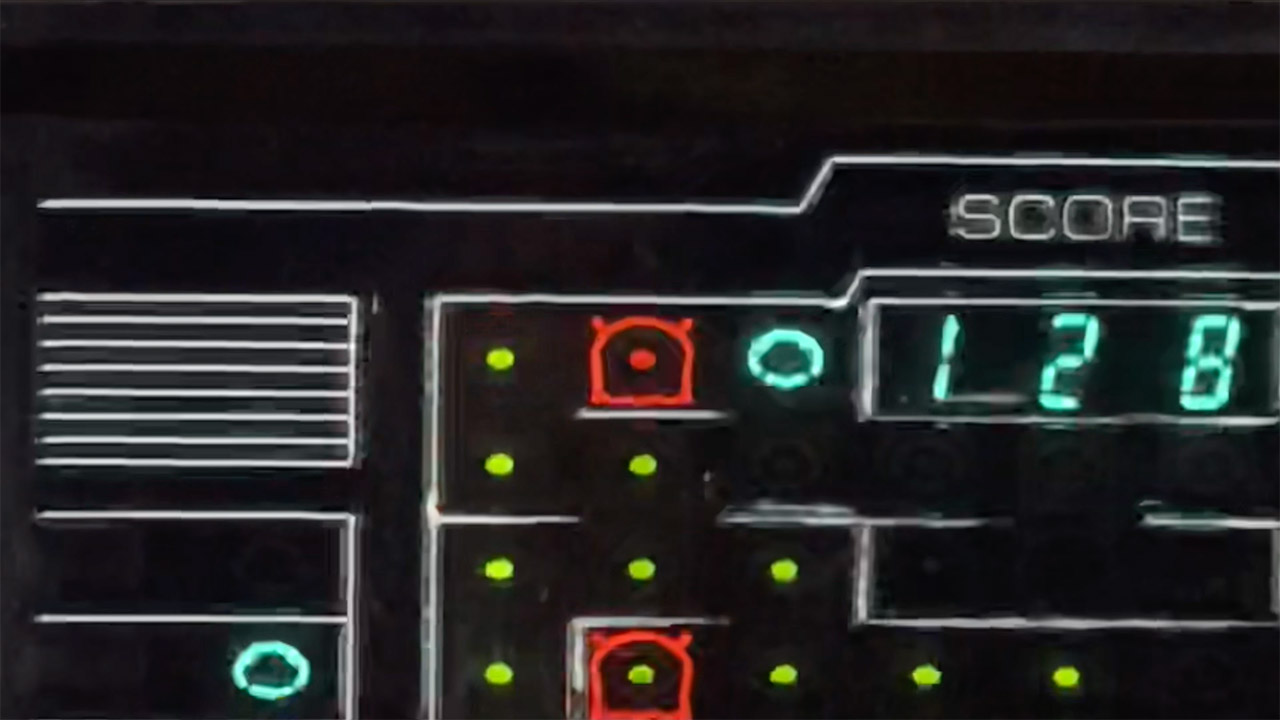
However, the difficulty level increased with each subsequent round. More enemies joined the chase, and speeds rose, giving the maze the sensation of closing in around you when the strain was on. Your score would skyrocket if you timed your power snacks perfectly and wiped the board clear without making a single error. Round after round, the whole thing just kept going until the batteries died or your thumbs gave out in frustration. Anyone who picked up Gobble Man in 1983 would immediately feel as if they understood the game because the rules were so familiar.
Gobble Man was never really trying to compete with the big boys, such as Pac-Man, home consoles, and coin-op machines. It was simply a nice little distraction to keep you engaged while on the run, regardless of where you were. Six years later, Nintendo released the Game Boy, which very well defined what portable gaming was all about. But first, Tandy created Gobble Man, which proved that the concept worked and left many people wanting more.
You must be logged in to post a comment Login